
Is Are Open Relationships Beneficial?

This resource delves into the potential advantages and challenges of open relationships, exploring their psychological, social, and emotional dimensions. In today’s evolving social landscape, many people are rethinking traditional monogamy and exploring alternative relationship models. Open relationships, where partners agree to engage in romantic or sexual relationships outside their primary bond, offer a unique approach to intimacy and personal freedom. This guide will help you understand what open relationships are, review the benefits and challenges they present, and provide practical strategies for making them work.
Table of Contents
- Understanding Open Relationships
- Defining Open Relationships
- Benefits of Open Relationships
- Diverse Emotional and Social Support
- Increased Personal Freedom and Autonomy
- Enhanced Communication and Emotional Growth
- Opportunities for Sexual Exploration
- Challenges of Open Relationships
- Managing Jealousy and Insecurity
- Time Management and Balancing Priorities
- Social Stigma and Misunderstanding
- Emotional and Logistical Complexity
- Psychological Perspectives on Open Relationships
- Emotional Intelligence and Self-Awareness
- The Role of Communication
- Practical Strategies for Thriving in Open Relationships
- Establish Clear Communication Protocols
- Set and Maintain Boundaries
- Prioritize Self-Care and Personal Growth
- Build a Supportive Community
- Stay Informed and Open-Minded
- FAQ: Your Are Open Relationships Beneficial Questions Answered
- 1. Are open relationships beneficial?
- 2. What are the main benefits of open relationships?
- 3. What challenges might arise in open relationships?
- 4. How can couples improve communication in open relationships?
- 5. What role does self-care play in open relationships?
- 6. Where can I find additional resources on open relationships?
- Resources and Community Support: Your Next Steps
Whether you are considering an open relationship for yourself, curious about the lifestyle, or seeking insights to enhance your current relationship dynamics, this guide provides clear explanations, expert perspectives, and actionable tips. We will discuss definitions, historical and cultural contexts, psychological and ethical considerations, and real-life examples to help you decide if open relationships might be beneficial for you.
Understanding Open Relationships
Defining Open Relationships
Open relationships are a form of consensual non-monogamy in which partners agree to have romantic or sexual interactions with people outside their primary relationship. Unlike traditional monogamy, open relationships are based on mutual consent, transparency, and negotiated boundaries. They can vary widely in structure, from arrangements where couples share only sexual experiences with others to those where emotional bonds are also developed.
The core principles of open relationships include:
- Consent: All parties are fully aware of and agree to the arrangement.
- Transparency: Open, honest communication is essential to maintain trust and manage expectations.
- Boundaries: Clear guidelines are established regarding what is acceptable and what is not.
- Flexibility: The arrangement can evolve over time as individual needs and circumstances change.
Benefits of Open Relationships
Diverse Emotional and Social Support
One of the most significant benefits of open relationships is the potential to access a diverse network of emotional support. Engaging with multiple partners can provide different perspectives, forms of intimacy, and sources of care. This variety can enhance personal resilience and offer a richer, more layered experience of love.
Additionally, a broader social network can help individuals feel more connected and supported, especially during challenging times.
Increased Personal Freedom and Autonomy
Open relationships allow individuals to explore their desires and pursue personal interests without feeling confined by traditional expectations. The freedom to connect with multiple people can foster a greater sense of autonomy and self-discovery, empowering individuals to define love and intimacy on their own terms.
Enhanced Communication and Emotional Growth
Successful open relationships rely heavily on strong communication. Regular, honest dialogue about boundaries, expectations, and feelings can lead to enhanced emotional intelligence and personal growth. Many people in open relationships report that these communication skills benefit all areas of their lives, leading to improved conflict resolution and deeper, more meaningful connections.
Opportunities for Sexual Exploration
Open relationships can also provide opportunities for sexual exploration and experimentation. By engaging with multiple partners, individuals may discover new aspects of their sexuality, expand their sexual repertoire, and gain a deeper understanding of their own preferences. This exploration can lead to a more satisfying and adventurous sexual life.
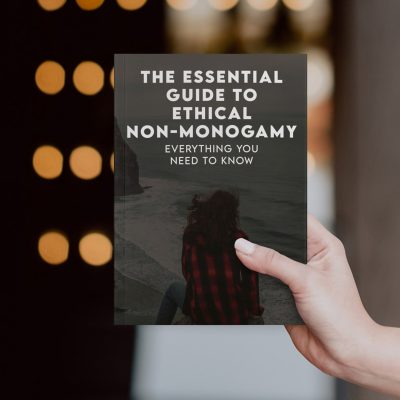
The freedom of an open relationship sounds incredible, but the logistics can feel like holding a grenade. That spinning "what if" anxiety isn't paranoia, it’s your survival instinct warning you that your bond is exposed. "Just seeing what happens" is the fastest way to turn a fantasy into a breakup.
The Essential Guide replaces chaos with discipline. We give you the blueprints, jealousy protocols, and repair scripts needed to explore the edge without falling off. Don't guess. Secure your foundation first.
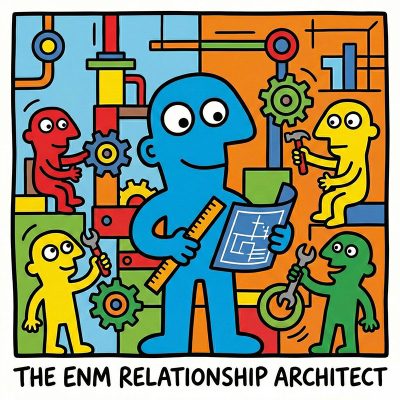
The world of non-monogamy is a maze of confusing labels. Trying to be "Polyamorous" when your heart actually needs "Swinging" isn't just a vocabulary error; it’s a recipe for misery.
You can't build a stable home on a foundation that doesn't fit your psychology. This tool analyzes your emotional bandwidth and jealousy triggers to design the exact structure you need. Stop trying to squeeze into a box that doesn't fit. Build a relationship that actually feels like home.
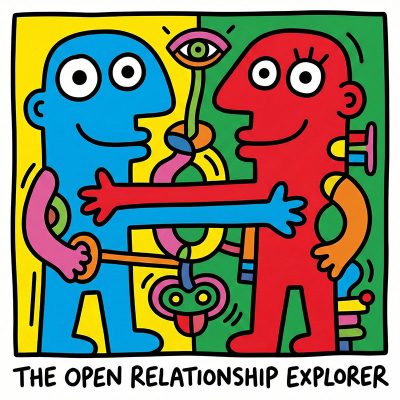
Opening up feels exciting, but if you aren't reading from the same script, you're writing a tragedy. The disconnect between "I want freedom" and "I want safety" is where hearts break. This isn't just a quiz; it’s a synchronization engine.
We identify the silent gaps in your desires—from sleepover rules to emotional bandwidth, before they become unbridgeable chasms. Don't wait until the damage is done to find out you were never on the same page. Align your compasses now.
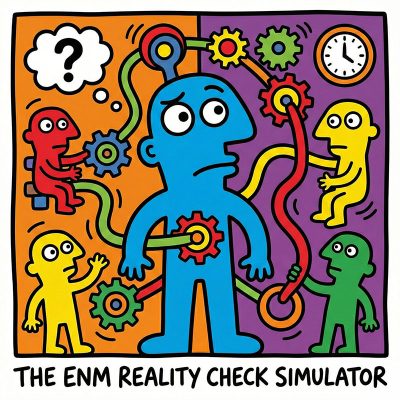
Theory is sexy. Reality is messy. You agreed you could date others, but how does your stomach drop when he takes her to your anniversary spot? Or when she comes home smelling like someone else?
This simulator drags your abstract rules into the harsh light of day. We force you to confront the visceral, gut-wrenching scenarios that actually destroy relationships, before they happen. Test your nervous system in the simulator so you don't crash the car in real life.
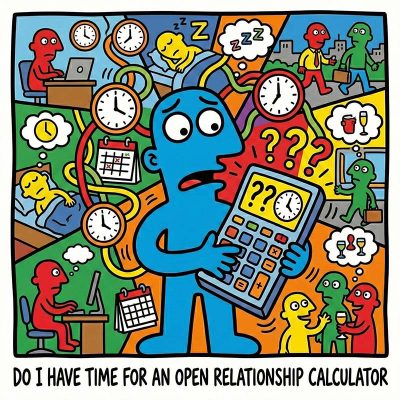
The fantasy is endless romance. The reality? It’s a logistical nightmare. Dating isn't just sex; it’s a second job of swiping, spending, and emotional processing that drains your sanity. Underestimating the "admin" of non-monogamy is the fastest way to turn your relationship into a burnout factory where resentment thrives.
This calculator forces you to confront the brutal math of your time, energy, and wallet. Can you actually afford this lifestyle, or are you just signing up for exhaustion?
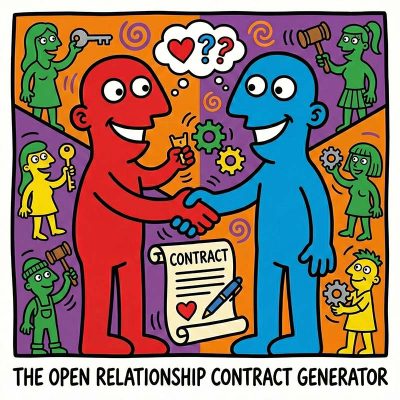
"I thought we agreed" is the sentence that destroys relationships & marriages. Relying on verbal promises when emotions run high is a gamble you cannot afford to lose. Your memory isn't just faulty; it's a liability. Ambiguity is the oxygen that jealousy breathes, turning "freedom" into a minefield of "did I mess up?"
This generator transforms vague permissions into a concrete, signed reality. Stop arguing about what you thought was said and lean on what is written. Secure your boundaries in ink, not hope.
Challenges of Open Relationships
Managing Jealousy and Insecurity
One of the most common challenges in open relationships is dealing with jealousy and insecurity. When multiple romantic or sexual relationships are involved, feelings of jealousy can arise, even in relationships founded on trust. It is essential to acknowledge these emotions and address them through open communication and self-reflection.
Techniques such as mindfulness, regular emotional check-ins, and, if necessary, professional counseling can help manage these feelings and prevent them from undermining the relationship.
Time Management and Balancing Priorities
Coordinating multiple relationships requires effective time management. It can be challenging to ensure that all partners receive the attention and care they need without feeling neglected. Establishing a clear schedule, using shared calendars, and setting priorities can help balance individual and collective needs.
Social Stigma and Misunderstanding
Despite growing acceptance, open relationships can still face social stigma and misunderstanding. Cultural norms that favor monogamy may lead to judgment from family, friends, or colleagues. Building a supportive network of like-minded individuals and educating others about the benefits of open relationships can help counteract negative perceptions.
Emotional and Logistical Complexity
The dynamics of open relationships can be complex, involving multiple emotional bonds and logistical considerations. Differences in relationship expectations, communication styles, and personal needs may create conflicts that require careful negotiation. Maintaining clarity about boundaries and expectations is crucial for preventing misunderstandings and fostering a healthy, balanced dynamic.
Psychological Perspectives on Open Relationships
Emotional Intelligence and Self-Awareness
Individuals in open relationships often develop high levels of emotional intelligence. Self-awareness and the ability to understand and regulate one's emotions are key to managing the complexities of multiple relationships. These skills not only help mitigate jealousy but also improve overall relationship satisfaction.
The Role of Communication
Effective communication is central to the success of open relationships. When individuals are able to discuss their feelings, set boundaries, and express their needs honestly, they create a solid foundation for trust and mutual respect. This proactive communication can prevent many common pitfalls associated with non-monogamous arrangements.
Practical Strategies for Thriving in Open Relationships
Establish Clear Communication Protocols
Set up regular check-ins with all involved partners to discuss feelings, boundaries, and any necessary adjustments. Consider using digital tools such as shared calendars, group chats, or video calls to facilitate ongoing communication.
- Schedule regular one-on-one and group discussions.
- Practice active listening and nonviolent communication techniques.
- Be open to revising boundaries as the relationship evolves.
Set and Maintain Boundaries
Clearly defining your boundaries is essential. Create a written or digital agreement that outlines what is acceptable and what is not. This can include guidelines for time spent with each partner, sexual health practices, and expectations for emotional support.
- Discuss and agree on boundaries before engaging in new relationships.
- Revisit and update these boundaries regularly.
- Ensure that all partners have a voice in setting these rules.
Prioritize Self-Care and Personal Growth
A strong focus on self-care is vital for maintaining both physical and emotional well-being. Engage in activities that help you recharge and foster personal growth, such as exercise, meditation, hobbies, or therapy.
- Establish a regular self-care routine.
- Make time for personal interests and relaxation.
- Consider professional counseling to address any emotional challenges.
Build a Supportive Community
Connect with others who practice open relationships by joining online forums, support groups, or local meet-ups. A supportive community can provide validation, advice, and encouragement as you navigate the complexities of your lifestyle.
- Join online communities like r/polyamory.
- Attend workshops and seminars on ethical non-monogamy.
- Engage with peers to share experiences and strategies.
Stay Informed and Open-Minded
Continue to educate yourself on the latest Data & Research, books, podcasts, and best practices in open relationships. Being well-informed will help you make thoughtful decisions and adapt to evolving dynamics in your relationships.
- Read books like "The Ethical Slut" by Dossie Easton & Janet Hardy and "More Than Two" by Franklin Veaux & Eve Rickert.
- Listen to podcasts such as "Multiamory" and "Polyamory Weekly."
- Participate in online forums and attend community events.
FAQ: Your Are Open Relationships Beneficial Questions Answered
1. Are open relationships beneficial?
Open relationships can be highly beneficial for those who value personal freedom, diverse emotional support, and the opportunity for personal growth. They promote open communication, self-awareness, and can lead to enriched intimacy when managed ethically.
2. What are the main benefits of open relationships?
Benefits include access to a diverse support network, increased personal autonomy, enhanced communication skills, and opportunities to explore various forms of intimacy.
3. What challenges might arise in open relationships?
Common challenges include managing jealousy, balancing time and emotional energy among multiple partners, and dealing with social stigma or misunderstandings from those who favor traditional monogamy.
4. How can couples improve communication in open relationships?
Effective communication can be achieved through regular check-ins, active listening, nonviolent communication techniques, and using digital tools like shared calendars and group chats to ensure all partners are informed.
5. What role does self-care play in open relationships?
Self-care is crucial for maintaining individual well-being, which in turn supports healthy, resilient relationships. It helps manage stress, fosters personal growth, and ensures that each partner can contribute positively to the relationship.
6. Where can I find additional resources on open relationships?
Additional resources include books such as "The Ethical Slut" and "More Than Two", podcasts like "Multiamory" and "Polyamory Weekly," and online communities such as r/polyamory.
Resources and Community Support: Your Next Steps
- "The Ethical Slut" by Dossie Easton & Janet Hardy – A seminal book that explores ethical non-monogamy and provides insights into building and sustaining open relationships.
- "More Than Two" by Franklin Veaux & Eve Rickert – A comprehensive guide offering practical advice on managing multiple relationships and navigating the complexities of open love.
- Podcasts: Tune into "Multiamory" and "Polyamory Weekly" for engaging discussions and personal stories about open relationships.
- Online Communities: Join forums such as r/polyamory and other social media groups to connect with like-minded individuals.
- Workshops and Webinars: Attend events focused on ethical non-monogamy and relationship dynamics to expand your knowledge and network.
By exploring these resources and applying the strategies outlined in this guide, you can make an informed decision about the benefits of open relationships and develop a healthy, fulfilling dynamic that suits your personal values and lifestyle. Embrace continuous learning, open communication, and dedicated self-care as you navigate this exciting and diverse landscape of intimacy and connection.
The freedom of an open relationship sounds incredible, but the logistics can feel like holding a grenade. That spinning "what if" anxiety isn't paranoia, it’s your survival instinct warning you that your bond is exposed. "Just seeing what happens" is the fastest way to turn a fantasy into a breakup.
The Essential Guide replaces chaos with discipline. We give you the blueprints, jealousy protocols, and repair scripts needed to explore the edge without falling off. Don't guess. Secure your foundation first.
The world of non-monogamy is a maze of confusing labels. Trying to be "Polyamorous" when your heart actually needs "Swinging" isn't just a vocabulary error; it’s a recipe for misery.
You can't build a stable home on a foundation that doesn't fit your psychology. This tool analyzes your emotional bandwidth and jealousy triggers to design the exact structure you need. Stop trying to squeeze into a box that doesn't fit. Build a relationship that actually feels like home.
Opening up feels exciting, but if you aren't reading from the same script, you're writing a tragedy. The disconnect between "I want freedom" and "I want safety" is where hearts break. This isn't just a quiz; it’s a synchronization engine.
We identify the silent gaps in your desires—from sleepover rules to emotional bandwidth, before they become unbridgeable chasms. Don't wait until the damage is done to find out you were never on the same page. Align your compasses now.
Theory is sexy. Reality is messy. You agreed you could date others, but how does your stomach drop when he takes her to your anniversary spot? Or when she comes home smelling like someone else?
This simulator drags your abstract rules into the harsh light of day. We force you to confront the visceral, gut-wrenching scenarios that actually destroy relationships, before they happen. Test your nervous system in the simulator so you don't crash the car in real life.
The fantasy is endless romance. The reality? It’s a logistical nightmare. Dating isn't just sex; it’s a second job of swiping, spending, and emotional processing that drains your sanity. Underestimating the "admin" of non-monogamy is the fastest way to turn your relationship into a burnout factory where resentment thrives.
This calculator forces you to confront the brutal math of your time, energy, and wallet. Can you actually afford this lifestyle, or are you just signing up for exhaustion?
"I thought we agreed" is the sentence that destroys relationships & marriages. Relying on verbal promises when emotions run high is a gamble you cannot afford to lose. Your memory isn't just faulty; it's a liability. Ambiguity is the oxygen that jealousy breathes, turning "freedom" into a minefield of "did I mess up?"
This generator transforms vague permissions into a concrete, signed reality. Stop arguing about what you thought was said and lean on what is written. Secure your boundaries in ink, not hope.
Lost & confused by all of the terms, types and seemingly made up 3 letter acronyms?? We've got you. Check out our Ethnical Non-Monogamy Dictionary >>
Useful Interruption: Not sure which relationship vibe fits you best? Take the Ultimate Relationship Test, it will give you details into your natural relationship style. Then, dive into our binge-worthy guides, from the tried-and-true to the “wait, that’s a thing?", and find the perfect relationship type for your life.
Now back to the main article but yeah take the Ultimate Relationship Test
