
Guide to Ethical Polyamory


Welcome, free spirits and lovers of authentic connection! If you’ve ever found yourself asking, “Can I be ethical and polyamorous?” or wondering how to create relationships based on openness, mutual respect, and honesty, then you’re in the right place. This comprehensive guide to ethical polyamory is designed to help you explore the philosophy, principles, benefits, challenges, and practical tips for building connections that honor your individuality while celebrating diverse love.
Table of Contents
- Understanding Ethical Polyamory
- Core Principles of Ethical Polyamory
- Benefits of Ethical Polyamory
- Challenges of Ethical Polyamory
- Communication, Boundaries, and Emotional Management
- Self-Reflection: Discovering Your Relationship Style
- Practical Tips for Embracing Ethical Polyamory
- Real-Life Stories: Voices from the Polyamorous Community
- Expert Insights: What Relationship Professionals Say
- FAQ: Your “Can I Be Polyamorous?” Questions Answered (Ethical Polyamory Edition)
- 1. What does it mean to be ethically polyamorous?
- 2. How do I know if ethical polyamory is right for me?
- 3. What are the benefits of ethical polyamory?
- 4. What challenges should I expect?
- 5. How important is communication in ethical polyamory?
- 6. Can ethical polyamory lead to deep, lasting relationships?
- 7. How do I manage jealousy in a polyamorous setup?
- 8. Is it difficult to balance multiple relationships?
- 9. How do I find community support for ethical polyamory?
- 10. Where can I learn more about ethical polyamory?
- Resources and Community Support: Your Next Steps in Ethical Polyamory
Understanding Ethical Polyamory
Ethical polyamory is a relationship model where you engage in multiple romantic or sexual relationships simultaneously, with full transparency and consent from all parties involved. Unlike casual dating or infidelity, ethical polyamory is built on a foundation of honest communication, respect for boundaries, and ongoing self-reflection. The core idea is that love isn’t a finite resource, and that you can foster a network of supportive, enriching connections without compromising integrity.
Central to ethical polyamory are principles such as free consent, open communication, and mutual empowerment. Whether you’re exploring a variety of connections or nurturing a few deep relationships, ethical polyamory encourages you to be transparent about your intentions and to prioritize the well-being of everyone involved.
Core Principles of Ethical Polyamory
At the heart of ethical polyamory lie several key principles that guide how you build and maintain your relationships:
- Free and Informed Consent: Every relationship is entered into willingly, with all parties fully aware of each other’s involvement. Consent is ongoing and must be reaffirmed as relationships evolve.
- Honesty and Transparency: Open communication is critical. Sharing your feelings, expectations, and challenges helps build trust and prevent misunderstandings.
- Mutual Respect: Each partner’s needs and boundaries are valued equally. No one relationship is inherently more important than another unless explicitly agreed upon.
- Autonomy and Empowerment: Ethical polyamory encourages each individual to grow and explore their identity independently while also nurturing meaningful connections.
- Ongoing Communication: Regular check-ins, negotiations of boundaries, and updates about new developments are essential to maintain healthy dynamics.

Love is infinite, but your calendar is brutally finite. The fantasy is deep connection; the reality is often just exhausted "calendar tetris." Promising time you don't actually have isn't romantic, it’s a recipe for burnout and broken trust. That sinking feeling when you have to cancel again? That’s the sound of overextension destroying your relationships.
This calculator forces you to confront the math of your life. Do you actually have space for another heart, or are you just setting everyone up for disappointment?

The fantasy is total autonomy and connection. The reality? It can feel like drowning in scheduling chaos and misunderstood expectations. That anxiety you feel isn’t just stress; it’s the wobble of living without a default "anchor." Without a solid architecture, Solo Polyamory stops being a life design and starts being a recipe for burnout and confusion.
The Essential Guide replaces the drift with a concrete anchor. We provide the "Solo Ethic," boundary scripts, and burnout protocols needed to protect your peace. Don't just date around—build a life that actually works for you.

Hierarchy sounds like a corporate org chart until someone gets their feelings hurt. That stomach-turning fear that you are just a "secondary" who can be fired at any time is real. If your relationship feels like a secret ranking system, you are doing it wrong.
Ambiguity is where resentment grows. The Essential Guide replaces the "who matters more" panic with a concrete charter. We provide the scripts and equity guardrails needed to protect every heart in the polycule. Stop guessing and start building.
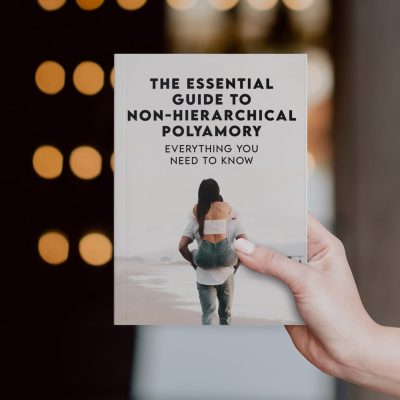
The ideal is pure equality. The reality? It often slides into hidden rankings where someone gets hurt. That sinking feeling that you are secretly a "secondary" despite the label? That is your intuition detecting couple privilege. Ambiguity is where resentment thrives.
The Essential Guide replaces vague promises with concrete governance. We provide the charters, equity tools, and jealousy protocols needed to ensure "non-hierarchical" isn't just a fantasy. Stop guessing who matters most. Build a network that is actually fair.
The fantasy is total autonomy and connection. The reality? It can feel like drowning in scheduling chaos and misunderstood expectations. That anxiety you feel isn’t just stress; it’s the wobble of living without a default "anchor." Without a solid architecture, Solo Polyamory stops being a life design and starts being a recipe for burnout and confusion.
The Essential Guide replaces the drift with a concrete anchor. We provide the "Solo Ethic," boundary scripts, and burnout protocols needed to protect your peace. Don't just date around—build a life that actually works for you.
Hierarchy sounds like a corporate org chart until someone gets their feelings hurt. That stomach-turning fear that you are just a "secondary" who can be fired at any time is real. If your relationship feels like a secret ranking system, you are doing it wrong.
Ambiguity is where resentment grows. The Essential Guide replaces the "who matters more" panic with a concrete charter. We provide the scripts and equity guardrails needed to protect every heart in the polycule. Stop guessing and start building.
Benefits of Ethical Polyamory
Embracing ethical polyamory can lead to a wealth of benefits for both personal growth and relationship satisfaction:
- Diverse Emotional Fulfillment: Multiple relationships can offer different types of support and intimacy, enriching your emotional life.
- Enhanced Communication Skills: Constant dialogue and boundary negotiation improve your ability to express yourself clearly and empathetically.
- Personal Growth: Navigating multiple connections forces you to explore your desires, understand your limits, and develop a strong sense of self.
- Flexibility and Freedom: Ethical polyamory allows you to design a relationship network that adapts to your evolving needs without the constraints of traditional exclusivity.
- Community and Support: Engaging in ethical polyamory often introduces you to a supportive community of like-minded individuals who value openness and honesty.
Challenges of Ethical Polyamory
Like any relationship model, ethical polyamory comes with its own set of challenges. Being aware of these potential pitfalls can help you prepare and manage them effectively:
- Emotional Complexity: Balancing multiple relationships may lead to feelings of jealousy, insecurity, or emotional overload if not managed carefully.
- Time and Energy Management: Juggling various commitments can be demanding, requiring effective scheduling and prioritization.
- Negotiating Boundaries: Constantly discussing and revising boundaries can be both exhausting and essential to prevent misunderstandings.
- Social Stigma: Despite growing acceptance, polyamory is still misunderstood by many. You may face judgment from friends, family, or society, which calls for a resilient support network.
- Conflict Resolution: With multiple voices involved, conflicts may arise that require careful, empathetic resolution and ongoing dialogue.
Communication, Boundaries, and Emotional Management
Open and honest communication is the lifeblood of ethical polyamory. Regular check-ins, where you discuss feelings, expectations, and potential issues, help maintain a sense of security among all partners. Using “I” statements and active listening techniques can make these conversations more productive.
Establishing clear boundaries is equally important. Decide together what is acceptable in terms of emotional involvement, time commitment, and physical intimacy. Boundaries should be viewed as flexible guidelines that can be revisited and revised as needed, ensuring that every partner’s needs are met.
Self-Reflection: Discovering Your Relationship Style
Determining if ethical polyamory is right for you begins with honest self-reflection. Ask yourself:
- What do I value most in a relationship? Do I thrive on variety and the sharing of different experiences, or do I crave a singular, deep emotional bond?
- How do I feel about managing multiple relationships? Am I excited by the possibility of diverse connections, or do I worry about potential emotional overload?
- What are my boundaries? How much time and energy can I realistically devote to multiple partners without compromising my well-being?
- How comfortable am I with open communication? Am I ready to discuss my feelings and negotiate boundaries frequently and honestly?
Journaling your thoughts and discussing these questions with trusted friends or a therapist can provide valuable insights into whether ethical polyamory aligns with your authentic self.
Practical Tips for Embracing Ethical Polyamory
If you’re ready to explore ethical polyamory, here are some actionable strategies to help you navigate the journey:
- Educate Yourself: Dive into books, podcasts, and blogs that discuss polyamory and ethical non-monogamy. Resources like "The Ethical Slut" and "More Than Two" offer practical advice and real-life stories.
- Join a Community: Engage with online forums and local meet-ups dedicated to polyamory. Sharing experiences with like-minded individuals can provide support, insights, and a sense of belonging.
- Set Clear Intentions: Be upfront with yourself and your partners about what you’re looking for in your relationships. Clarity from the start helps prevent misunderstandings later on.
- Create a Relationship Agreement: Consider drafting a simple agreement that outlines your boundaries, expectations, and communication protocols. This document isn’t set in stone but serves as a reference to ensure everyone’s on the same page.
- Practice Regular Check-Ins: Schedule weekly or monthly meetings with your partners to discuss how everyone is feeling, adjust boundaries if necessary, and celebrate successes together.
- Prioritize Self-Care: Make time for activities that nourish your mind, body, and soul. Whether it’s meditation, exercise, or pursuing hobbies, self-care is essential for maintaining emotional balance.
Real-Life Stories: Voices from the Polyamorous Community
Many individuals have found that ethical polyamory transforms their understanding of love and connection. For instance, Jamie discovered that by embracing multiple consensual relationships, they not only enriched their emotional life but also developed stronger communication skills and a deeper sense of self. Meanwhile, Taylor found that regular check-ins and clear boundary-setting turned potentially overwhelming situations into opportunities for growth and mutual support.
These stories highlight that ethical polyamory is not without its challenges, but the rewards, in terms of personal development, emotional richness, and authentic connection, are well worth the effort.
Expert Insights: What Relationship Professionals Say
Relationship therapists and coaches who work with non-traditional relationship models emphasize that ethical polyamory requires continuous self-reflection and open dialogue. Dr. Elena Rivera, a therapist specializing in polyamorous dynamics, notes, “Ethical polyamory can be incredibly fulfilling if you’re committed to honest communication and understanding your own needs. It’s not about having endless connections, but about cultivating meaningful, respectful bonds.”
Similarly, relationship coach Marcus Lee advises, “The key to successful polyamory is balancing your time, energy, and emotions. When you approach each relationship with transparency and respect, you create a network of support that enhances every aspect of your life.”
FAQ: Your “Can I Be Polyamorous?” Questions Answered (Ethical Polyamory Edition)
1. What does it mean to be ethically polyamorous?
Being ethically polyamorous means engaging in multiple romantic or sexual relationships with full knowledge and consent of all parties, based on honesty, transparency, and mutual respect.
2. How do I know if ethical polyamory is right for me?
Reflect on your values and emotional needs. If you thrive on diversity, enjoy open communication, and are comfortable managing multiple relationships, ethical polyamory might be a good fit.
3. What are the benefits of ethical polyamory?
Benefits include diverse emotional fulfillment, opportunities for personal growth, increased flexibility in relationships, and the chance to build a supportive network of like-minded individuals.
4. What challenges should I expect?
Challenges can include managing jealousy, balancing time and energy among multiple partners, and negotiating ever-changing boundaries. Open dialogue and regular check-ins are essential to overcome these hurdles.
5. How important is communication in ethical polyamory?
Communication is absolutely vital. It ensures that all partners understand each other’s needs and boundaries, builds trust, and helps manage complex emotions.
6. Can ethical polyamory lead to deep, lasting relationships?
Yes, many people find that ethical polyamory fosters profound emotional connections and personal growth when practiced with honesty and mutual respect.
7. How do I manage jealousy in a polyamorous setup?
Address jealousy by discussing your feelings openly, engaging in self-reflection, and, if needed, seeking support from a therapist or trusted friends.
8. Is it difficult to balance multiple relationships?
It can be challenging, which is why effective time management and clear boundaries are key. Regular check-ins can help ensure that you’re meeting everyone’s needs without feeling overwhelmed.
9. How do I find community support for ethical polyamory?
Joining online forums, local meet-ups, and social media groups dedicated to polyamory can provide a wealth of shared experiences, advice, and emotional support.
10. Where can I learn more about ethical polyamory?
Explore books like "The Ethical Slut" and "More Than Two", listen to podcasts such as “Multiamory,” and join online communities on Reddit or Facebook to deepen your understanding and connect with others.
Resources and Community Support: Your Next Steps in Ethical Polyamory
- "The Ethical Slut" by Dossie Easton & Janet Hardy – A foundational read for understanding non-traditional relationship models.
- "More Than Two" by Franklin Veaux & Eve Rickert – Offers in-depth insights into polyamory and managing multiple relationships.
- Podcasts: "Multiamory" and "The Polyamory Podcast" provide personal stories and expert advice on ethical non-monogamy.
- Online Communities: Engage with platforms like r/polyamory or specialized Facebook groups to share experiences and gain support.
Additionally, consider seeking guidance from a therapist or relationship coach experienced in ethical polyamory. Professional support can help you navigate the complexities of your relationships, improve communication, and ensure that your journey aligns with your authentic self.
With thoughtful self-reflection, clear communication, and the right resources, you can confidently embrace ethical polyamory and build connections that are as enriching and authentic as they are fulfilling.
Love is infinite, but your calendar is brutally finite. The fantasy is deep connection; the reality is often just exhausted "calendar tetris." Promising time you don't actually have isn't romantic, it’s a recipe for burnout and broken trust. That sinking feeling when you have to cancel again? That’s the sound of overextension destroying your relationships.
This calculator forces you to confront the math of your life. Do you actually have space for another heart, or are you just setting everyone up for disappointment?
The fantasy is total autonomy and connection. The reality? It can feel like drowning in scheduling chaos and misunderstood expectations. That anxiety you feel isn’t just stress; it’s the wobble of living without a default "anchor." Without a solid architecture, Solo Polyamory stops being a life design and starts being a recipe for burnout and confusion.
The Essential Guide replaces the drift with a concrete anchor. We provide the "Solo Ethic," boundary scripts, and burnout protocols needed to protect your peace. Don't just date around—build a life that actually works for you.
Hierarchy sounds like a corporate org chart until someone gets their feelings hurt. That stomach-turning fear that you are just a "secondary" who can be fired at any time is real. If your relationship feels like a secret ranking system, you are doing it wrong.
Ambiguity is where resentment grows. The Essential Guide replaces the "who matters more" panic with a concrete charter. We provide the scripts and equity guardrails needed to protect every heart in the polycule. Stop guessing and start building.
The ideal is pure equality. The reality? It often slides into hidden rankings where someone gets hurt. That sinking feeling that you are secretly a "secondary" despite the label? That is your intuition detecting couple privilege. Ambiguity is where resentment thrives.
The Essential Guide replaces vague promises with concrete governance. We provide the charters, equity tools, and jealousy protocols needed to ensure "non-hierarchical" isn't just a fantasy. Stop guessing who matters most. Build a network that is actually fair.
The fantasy is total autonomy and connection. The reality? It can feel like drowning in scheduling chaos and misunderstood expectations. That anxiety you feel isn’t just stress; it’s the wobble of living without a default "anchor." Without a solid architecture, Solo Polyamory stops being a life design and starts being a recipe for burnout and confusion.
The Essential Guide replaces the drift with a concrete anchor. We provide the "Solo Ethic," boundary scripts, and burnout protocols needed to protect your peace. Don't just date around—build a life that actually works for you.
Hierarchy sounds like a corporate org chart until someone gets their feelings hurt. That stomach-turning fear that you are just a "secondary" who can be fired at any time is real. If your relationship feels like a secret ranking system, you are doing it wrong.
Ambiguity is where resentment grows. The Essential Guide replaces the "who matters more" panic with a concrete charter. We provide the scripts and equity guardrails needed to protect every heart in the polycule. Stop guessing and start building.
Aging And Long Term Care Planning As Solo Poly
Attachment Styles And Solo Polyamory
Autonomy And Self Partnership As Foundations
Avoiding Avoidance Disguised As Autonomy
Avoiding Being Treated As An Accessory Relationship
Balancing Independence And Intimacy
Balancing Multiple Partners Without Burnout
Barrier Use Conversations With Multiple Partners
Boundaries Versus Rules In Solo Poly Relationships
Breakups And Grief While Staying Solo
Building Emotional Availability As Solo Poly
Caregiving And Illness Support Without A Nesting Partner
Co Parenting Agreements And Boundaries
Co Parenting And Family Building As Solo Poly
Coming Out As Solo Polyamorous
Common Mistakes Partners Make With Solo Poly People
Common Mistakes Solo Poly People Make
Common Myths About Solo Polyamory
Communication Check Ins That Fit Solo Poly
Community And Chosen Family For Solo Poly People
Compersion And Neutrality Toward Partner Dating
Conflict Resolution Without Couple Default
Core Values Of Solo Polyamory
Creating Agreements That Preserve Independence
Creating Secure Attachment Without Traditional Milestones
Dating People Who Want Escalation
De Escalation As A Healthy Choice
Decentering Couple Norms And Escalator Scripts
Deciding Whether Solo Polyamory Is Right For You
Defining Relationship Depth Without Shared Living
Defining Success Without Traditional Milestones
Designing A Sustainable Solo Poly Life
Digital Safety And Privacy
Disability And Access Needs As Solo Poly
Emergency Contacts And Support Planning
End Of Life Planning And Legal Documents
Energy Management And Overextension Risks
Financial Independence And Entanglement Decisions
Finding Solo Poly Friendly Community
Friendships As Core Support Structures
Gifts Trips And Resource Boundaries
Handling Being The Newest Partner
Handling Judgment From Monogamous Culture
Handling Judgment From Poly Communities
Handling Last Minute Plan Changes
Holidays And Special Occasions As Solo Poly
Housing Choices And Living Alone
How To Disclose Solo Polyamory Early While Dating
How To Explain Solo Polyamory To Partners
In Person Events And Support Networks
Intersectionality In Solo Poly Experiences
Long Distance Relationships And Solo Poly
Maintaining Rituals Without Domestic Integration
Maintaining Self Partnership Through Loss
Managing Insecurity Without Default Reassurance
Managing Metamour Dynamics Without Centering A Couple
Managing Nre Without Losing Yourself
Navigating Jealousy As A Solo Poly Person
Navigating Marriage Offers As Solo Poly
Navigating Partners With Nesting Or Spouses
Pacing New Connections Ethically
Parallel Versus Kitchen Table Preferences
Parenting Without A Primary Partner Model
Pregnancy And Fertility Conversations For Solo Poly
Privacy And Information Sharing Consent
Processing Loneliness While Staying Solo
Protecting Personal Time Without Withholding Connection
Quality Time When You Do Not Share A Home
Race Gender And Class Factors In Solo Poly
Religion Culture And Family Expectations
Relocation And Maintaining Connections
Repair After Misunderstandings With Partners
Responding To Requests For Primary Status
Risk Profiles And Informed Consent
Screening For People Who Respect Autonomy
Self Worth Outside Relationship Status
Setting Expectations With Highly Partnered People
Sexual Health Agreements As A Solo Poly Person
Shared Housing With Friends And Community
Signs Solo Polyamory Is Working Well
Social Media Boundaries And Visibility
Solo Polyamory And Career Mobility
Solo Polyamory And Commitment
Solo Polyamory And Mental Health Support
Solo Polyamory And Metamour Relationships
Solo Polyamory Versus Being Single
Solo Polyamory Versus Non Hierarchical Polyamory
Solo Polyamory Versus Relationship Anarchy
Substance Use Boundaries And Consent
Testing Schedules And Disclosure Practices
The History And Evolution Of Solo Polyamory
Therapy And Coaching For Solo Polyamory
Time And Scheduling As A Solo Poly Person
Transparency Without Being Managed
Travel And Overnights Without Implied Escalation
Warning Signs Of Isolation Masquerading As Autonomy
What Commitment Looks Like Without Nesting
What Solo Polyamory Is And What It Is Not
Why People Choose Solo Polyamory
Writing A Solo Poly Dating Profile
Accountability When Harm Occurs
Aging And Long Term Planning
Alternatives To Veto Policies
Attachment Styles And Hierarchy
Avoiding Disposable Partner Dynamics
Avoiding Entitlement In Primary Relationships
Avoiding Objectification And Ranking Language
Blended Families And Co Parenting Dynamics
Boundaries Versus Rules In Hierarchical Contexts
Caregiving And Illness Decisions
Choosing Hierarchy Intentionally
Common Challenges Faced By Secondary Partners
Common Mistakes Primary Partners Make
Common Mistakes Secondary Partners Make
Common Myths About Hierarchical Polyamory
Communicating Limits Without Devaluing Others
Community Perception Of Hierarchical Polyamory
Compersion When Time And Resources Are Unequal
Consent And Transparency In Hierarchy
Consent Under Unequal Power Dynamics
Cultural And Socioeconomic Influences On Hierarchy
De Escalation Without Punishment
Deciding Whether Hierarchical Polyamory Is Right For You
Decision Making Power In Primary Relationships
Descriptive Versus Prescriptive Hierarchy
Emotional Labor Distribution Across Partners
Emotional Regulation Skills For Hierarchical Dynamics
Emotional Safety For Non Primary Partners
Ending Relationships Ethically Within Hierarchy
Ethical Foundations Of Hierarchical Structures
Ethical Storytelling About Hierarchical Relationships
Ethical Use Of Veto Power
Fear Of Replacement Or Demotion
Financial Transparency With Multiple Partners
Handling Breakups Within A Hierarchical System
Hierarchy Versus Relationship Anarchy
Holidays Vacations And Special Occasions
How Hierarchical Polyamory Differs From Non Hierarchical Polyamory
How Hierarchical Polyamory Evolves Over Time
How Privilege Shows Up In Daily Decisions
How To Disclose Hierarchy Early In Dating
Inclusion Versus Exclusion Practices
Integrating Hierarchy With Personal Values
Integrating New Partners Ethically
Intersectionality And Power In Hierarchy
Jealousy In Hierarchical Polyamory
Legal Risks And Protections
Lessons Hierarchical Polyamory Teaches About Love
Letting Go Of Hierarchy When It No Longer Fits
Living Together Versus Living Apart
Long Distance Relationships Within Hierarchy
Managing Boundary Violations
Managing Comparison Between Partners
Marriage And Legal Privilege In Hierarchical Polyamory
Measuring Fulfillment Beyond Priority Status
Navigating Attachment As A Secondary Partner
Navigating Conflicts Between Partners At Different Levels
Navigating Judgment From Non Hierarchical Communities
Ongoing Check Ins Across Relationship Levels
Opening Or Closing The Hierarchy
Parenting And Family Planning Within Hierarchy
Power Imbalances Inherent In Hierarchy
Pregnancy And Parenting Transitions
Primary Secondary And Tertiary Relationship Definitions
Privacy And Information Flow
Re Negotiating Hierarchy After Major Life Events
Rebuilding Trust After Structural Changes
Renegotiating Primary Agreements Over Time
Repair Conversations After Hierarchical Tension
Repairing Harm Caused By Hierarchical Decisions
Resentment And Unspoken Grief
Responsibilities And Expectations Of Primary Partners
Rules That Protect Versus Rules That Control
Scheduling Fairness Versus Equality
Self Worth Outside Relationship Rank
Setting Clear Expectations With New Partners
Shared Finances And Resource Prioritization
Signs Hierarchy Is Functioning Well
Supporting Mental Health Across The Network
Supporting Secondary Partners Through Transitions
The Origins And History Of Hierarchical Polyamory
The Role Of Nesting Partners
Therapy And Coaching For Hierarchical Polyamory
Time Allocation And Scheduling Priorities
Transparency Without Oversharing
Treating All Partners As Whole People
Understanding Couple Privilege
Warning Signs Of Unhealthy Hierarchy
What Hierarchical Polyamory Is And What It Is Not
What It Means To Be A Primary Partner
What It Means To Be A Secondary Partner
What People Wish They Knew Earlier
What Success Looks Like In Hierarchical Polyamory
When Hierarchy Activates Past Trauma
When Hierarchy Becomes Coercive
When Hierarchy Emerges Without Intention
When Primary Relationships Change
When Professional Support Is Needed
When Secondary Relationships Deepen
Why Hierarchy Exists In Some Polyamorous Relationships
Accountability When Harm Occurs
Aging And Long Term Planning
Alternatives To Veto Policies
Attachment Styles And Hierarchy
Avoiding Disposable Partner Dynamics
Avoiding Entitlement In Primary Relationships
Avoiding Objectification And Ranking Language
Blended Families And Co Parenting Dynamics
Boundaries Versus Rules In Hierarchical Contexts
Caregiving And Illness Decisions
Choosing Hierarchy Intentionally
Common Challenges Faced By Secondary Partners
Common Mistakes Primary Partners Make
Common Mistakes Secondary Partners Make
Common Myths About Hierarchical Polyamory
Communicating Limits Without Devaluing Others
Community Perception Of Hierarchical Polyamory
Compersion When Time And Resources Are Unequal
Consent And Transparency In Hierarchy
Consent Under Unequal Power Dynamics
Cultural And Socioeconomic Influences On Hierarchy
De Escalation Without Punishment
Deciding Whether Hierarchical Polyamory Is Right For You
Decision Making Power In Primary Relationships
Descriptive Versus Prescriptive Hierarchy
Emotional Labor Distribution Across Partners
Emotional Regulation Skills For Hierarchical Dynamics
Emotional Safety For Non Primary Partners
Ending Relationships Ethically Within Hierarchy
Ethical Foundations Of Hierarchical Structures
Ethical Storytelling About Hierarchical Relationships
Ethical Use Of Veto Power
Fear Of Replacement Or Demotion
Financial Transparency With Multiple Partners
Handling Breakups Within A Hierarchical System
Hierarchy Versus Relationship Anarchy
Holidays Vacations And Special Occasions
How Hierarchical Polyamory Differs From Non Hierarchical Polyamory
How Hierarchical Polyamory Evolves Over Time
How Privilege Shows Up In Daily Decisions
How To Disclose Hierarchy Early In Dating
Inclusion Versus Exclusion Practices
Integrating Hierarchy With Personal Values
Integrating New Partners Ethically
Intersectionality And Power In Hierarchy
Jealousy In Hierarchical Polyamory
Legal Risks And Protections
Lessons Hierarchical Polyamory Teaches About Love
Letting Go Of Hierarchy When It No Longer Fits
Living Together Versus Living Apart
Long Distance Relationships Within Hierarchy
Managing Boundary Violations
Managing Comparison Between Partners
Marriage And Legal Privilege In Hierarchical Polyamory
Measuring Fulfillment Beyond Priority Status
Navigating Attachment As A Secondary Partner
Navigating Conflicts Between Partners At Different Levels
Navigating Judgment From Non Hierarchical Communities
Ongoing Check Ins Across Relationship Levels
Opening Or Closing The Hierarchy
Parenting And Family Planning Within Hierarchy
Power Imbalances Inherent In Hierarchy
Pregnancy And Parenting Transitions
Primary Secondary And Tertiary Relationship Definitions
Privacy And Information Flow
Re Negotiating Hierarchy After Major Life Events
Rebuilding Trust After Structural Changes
Renegotiating Primary Agreements Over Time
Repair Conversations After Hierarchical Tension
Repairing Harm Caused By Hierarchical Decisions
Resentment And Unspoken Grief
Responsibilities And Expectations Of Primary Partners
Rules That Protect Versus Rules That Control
Scheduling Fairness Versus Equality
Self Worth Outside Relationship Rank
Setting Clear Expectations With New Partners
Shared Finances And Resource Prioritization
Signs Hierarchy Is Functioning Well
Supporting Mental Health Across The Network
Supporting Secondary Partners Through Transitions
The Origins And History Of Hierarchical Polyamory
The Role Of Nesting Partners
Therapy And Coaching For Hierarchical Polyamory
Time Allocation And Scheduling Priorities
Transparency Without Oversharing
Treating All Partners As Whole People
Understanding Couple Privilege
Warning Signs Of Unhealthy Hierarchy
What Hierarchical Polyamory Is And What It Is Not
What It Means To Be A Primary Partner
What It Means To Be A Secondary Partner
What People Wish They Knew Earlier
What Success Looks Like In Hierarchical Polyamory
When Hierarchy Activates Past Trauma
When Hierarchy Becomes Coercive
When Hierarchy Emerges Without Intention
When Primary Relationships Change
When Professional Support Is Needed
When Secondary Relationships Deepen
Why Hierarchy Exists In Some Polyamorous Relationships
Lost & confused by all of the terms, types and seemingly made up 3 letter acronyms?? We've got you. Check out our Ethnical Non-Monogamy Dictionary >>
Useful Interruption: Not sure which relationship vibe fits you best? Take the Ultimate Relationship Test, it will give you details into your natural relationship style. Then, dive into our binge-worthy guides, from the tried-and-true to the “wait, that’s a thing?", and find the perfect relationship type for your life.
Now back to the main article but yeah take the Ultimate Relationship Test
