
Open Relationship Partner Doesn't Want Sex

In today's world of evolving relationship dynamics, open relationships are increasingly common as couples explore new ways to connect while maintaining a primary bond. However, when one partner in an open relationship expresses a lack of interest in sex, it can create confusion, hurt feelings, and uncertainty about the future of the relationship. This guide aims to unpack the possible reasons behind a partner’s diminished sexual desire, explore the emotional and physical factors involved, and offer practical strategies for navigating this challenge with empathy and understanding.
Quick Links to Useful Sections
- Introduction: The Complexity of Desire in Open Relationships
- Defining the Situation: What Does It Mean When Your Partner Doesn't Want Sex?
- Exploring the Reasons Behind a Partner's Lack of Sexual Desire
- Physical Factors
- Emotional and Psychological Factors
- Impact of Open Relationship Dynamics
- Communication: The Key to Navigating Differing Desires
- Starting the Conversation
- Discussing Needs and Boundaries
- Seeking Professional Guidance
- Strategies for Managing and Enhancing Sexual Intimacy
- Exploring Underlying Causes
- Experimenting with Intimacy
- Balancing Individual and Shared Needs
- Social and Cultural Considerations
- Navigating External Pressures
- Challenging Stigma and Embracing Growth
- Frequently Asked Questions (FAQ)
Introduction: The Complexity of Desire in Open Relationships
open relationships, by design, allow individuals to experience connection beyond traditional monogamy. They often involve a mix of deep emotional bonds and casual sexual encounters. However, this flexibility can sometimes lead to situations where one partner may feel less interested in sex, even when the relationship is based on mutual consent and open communication. Understanding this dynamic is critical for maintaining a healthy balance between personal fulfillment and the shared needs of the relationship.
Whether the desire to explore sexually outside the relationship is high or low, discrepancies in libido can create tension. It is important to recognize that a partner’s reduced interest in sex is not necessarily a sign of rejection or a failing relationship, it might instead be a reflection of various personal, emotional, or physical factors.
Defining the Situation: What Does It Mean When Your Partner Doesn't Want Sex?
When your open relationship partner doesn't want sex, it could mean different things depending on context. It might indicate a temporary phase due to stress or health issues, or it might reflect a deeper, more long-term change in their sexual desire. In any case, the key is to approach the situation with curiosity and compassion, seeking to understand the underlying causes rather than making assumptions.
In an open relationship, where both partners have the freedom to pursue connections outside their primary bond, a discrepancy in sexual desire can challenge how you both navigate intimacy, communication, and emotional fulfillment. Addressing these challenges requires an honest dialogue and a willingness to explore individual needs.
The freedom of an open relationship sounds incredible, but the logistics can feel like holding a grenade. That spinning "what if" anxiety isn't paranoia, it’s your survival instinct warning you that your bond is exposed. "Just seeing what happens" is the fastest way to turn a fantasy into a breakup.
The Essential Guide replaces chaos with discipline. We give you the blueprints, jealousy protocols, and repair scripts needed to explore the edge without falling off. Don't guess. Secure your foundation first.
The world of non-monogamy is a maze of confusing labels. Trying to be "Polyamorous" when your heart actually needs "Swinging" isn't just a vocabulary error; it’s a recipe for misery.
You can't build a stable home on a foundation that doesn't fit your psychology. This tool analyzes your emotional bandwidth and jealousy triggers to design the exact structure you need. Stop trying to squeeze into a box that doesn't fit. Build a relationship that actually feels like home.
Opening up feels exciting, but if you aren't reading from the same script, you're writing a tragedy. The disconnect between "I want freedom" and "I want safety" is where hearts break. This isn't just a quiz; it’s a synchronization engine.
We identify the silent gaps in your desires—from sleepover rules to emotional bandwidth, before they become unbridgeable chasms. Don't wait until the damage is done to find out you were never on the same page. Align your compasses now.
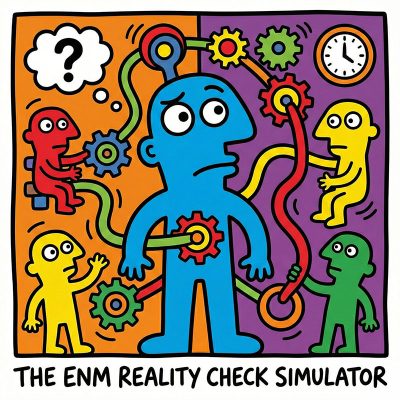
Theory is sexy. Reality is messy. You agreed you could date others, but how does your stomach drop when he takes her to your anniversary spot? Or when she comes home smelling like someone else?
This simulator drags your abstract rules into the harsh light of day. We force you to confront the visceral, gut-wrenching scenarios that actually destroy relationships, before they happen. Test your nervous system in the simulator so you don't crash the car in real life.
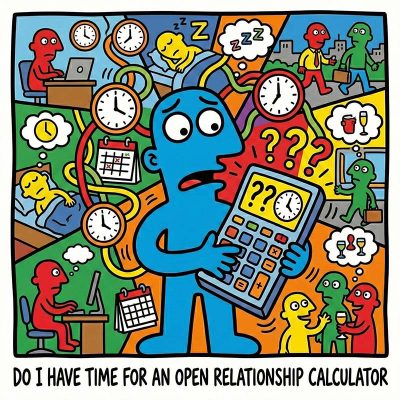
The fantasy is endless romance. The reality? It’s a logistical nightmare. Dating isn't just sex; it’s a second job of swiping, spending, and emotional processing that drains your sanity. Underestimating the "admin" of non-monogamy is the fastest way to turn your relationship into a burnout factory where resentment thrives.
This calculator forces you to confront the brutal math of your time, energy, and wallet. Can you actually afford this lifestyle, or are you just signing up for exhaustion?
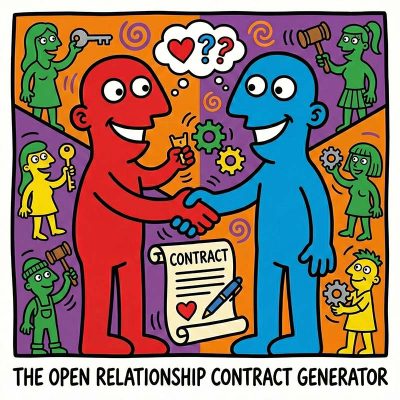
"I thought we agreed" is the sentence that destroys relationships & marriages. Relying on verbal promises when emotions run high is a gamble you cannot afford to lose. Your memory isn't just faulty; it's a liability. Ambiguity is the oxygen that jealousy breathes, turning "freedom" into a minefield of "did I mess up?"
This generator transforms vague permissions into a concrete, signed reality. Stop arguing about what you thought was said and lean on what is written. Secure your boundaries in ink, not hope.
Exploring the Reasons Behind a Partner's Lack of Sexual Desire
Physical Factors
One common reason a partner might not want sex is related to physical or medical factors. These can include:
- Health Issues: Chronic illnesses, hormonal imbalances, or side effects from medications can reduce libido.
- Fatigue and Stress: High levels of physical or mental stress can lead to decreased sexual desire.
- Changes in Physical Appearance or Function: Age-related changes or physical injuries can impact sexual function and interest.
If you suspect physical factors are at play, gently encouraging your partner to consult with a healthcare provider can be an important step toward addressing the issue.
Emotional and Psychological Factors
Emotional well-being plays a significant role in sexual desire. Some emotional or psychological reasons for a lack of interest in sex may include:
- Emotional Disconnection: Even in open relationships, if the primary emotional bond feels neglected, it may affect sexual desire.
- Stress and Anxiety: Relationship stress, work pressures, or personal anxieties can decrease libido.
- Depression: Mental health challenges like depression can have a profound impact on sexual interest and energy.
- Past Trauma: Experiences of sexual trauma or abuse can also contribute to a reduced desire for intimacy.
Understanding and addressing these emotional aspects often requires sensitive conversation and, in some cases, professional support.
Impact of Open Relationship Dynamics
The structure of an open relationship itself can also influence sexual desire. In some cases, knowing that there are other potential partners can create complex emotions:
- Comparison and Jealousy: Constant comparisons with external partners might lead to feelings of inadequacy or reduced desire.
- Shifts in Priorities: One partner may become more focused on emotional aspects of the relationship while the other is more interested in sexual exploration, leading to an imbalance.
- Exhaustion from Managing Multiple Relationships: The emotional and logistical effort required to manage an open relationship can sometimes leave less energy for sex.
Recognizing these dynamics is crucial for understanding how the open relationship framework can sometimes impact individual sexual desire.
Communication: The Key to Navigating Differing Desires
Starting the Conversation
Open communication is essential when addressing the issue of a partner who doesn't want sex. Begin by setting aside time for a calm, private discussion where both partners can speak openly about their feelings. Use “I” statements to express your emotions without placing blame. For example, you might say, "I feel confused and worried when I sense a lack of interest in intimacy, and I'd like to understand what you're experiencing."
It’s important to approach the conversation with empathy and a genuine desire to understand your partner's perspective. Avoid assumptions and be prepared to listen actively.
Discussing Needs and Boundaries
Clearly articulate your own needs while inviting your partner to share theirs. Discuss:
- What Each of You Desires: Identify whether the lack of sexual interest is temporary or part of a longer-term trend.
- Emotional Needs: Talk about how emotional connection relates to sexual desire for each of you.
- boundaries and Expectations: Determine what is acceptable in terms of external encounters and whether adjustments need to be made to maintain the primary bond.
Establishing clear boundaries and expectations can help both partners feel secure and understood, reducing the likelihood of resentment or miscommunication.
Seeking Professional Guidance
Sometimes, the conversation around sexual desire can be challenging to navigate on your own. In such cases, seeking the support of a therapist or relationship counselor, preferably one experienced in open relationships or non-traditional relationship dynamics, can provide valuable insights and strategies. Professional guidance can help both partners explore underlying issues, improve communication, and develop more effective conflict-resolution skills.
Strategies for Managing and Enhancing Sexual Intimacy
Exploring Underlying Causes
Work together to identify any underlying factors that might be contributing to the lack of sexual desire. This could involve:
- Health Assessments: Encouraging your partner to consult a healthcare provider to rule out any medical issues that may be affecting libido.
- Emotional Check-Ins: Regularly discussing your emotional connection and ensuring that both partners feel valued and supported.
- Stress Management: Implementing stress-reduction techniques such as mindfulness, exercise, or relaxation practices can improve overall well-being and potentially boost sexual desire.
Experimenting with Intimacy
Exploring new forms of intimacy together can help reignite sexual interest. Consider:
- Trying New Activities: Engage in new sexual experiences or romantic activities that can introduce novelty and excitement into your relationship.
- Scheduling Intimacy: Plan regular, dedicated time for intimate connection, ensuring that both partners feel prioritized.
- Enhancing Emotional Closeness: Incorporate activities that deepen your emotional bond, such as shared hobbies, travel, or creative endeavors.
Balancing Individual and Shared Needs
While exploring your individual interests is important, it’s equally vital to nurture your primary relationship. Find ways to support each other’s growth while maintaining the bond that anchors your relationship.
- Personal Time: Ensure that both partners have the space for personal growth and self-care, which can ultimately enrich your connection.
- Couple Activities: Engage in shared experiences that reinforce your bond and create opportunities for renewed intimacy.
Social and Cultural Considerations
Navigating External Pressures
Societal norms often emphasize the importance of sexual fulfillment, which can sometimes create external pressure on individuals in open relationships. It is important to remember that variations in sexual desire are normal and that personal needs may evolve over time.
Consider joining online communities, reading relevant literature, and connecting with others who have navigated similar challenges. This can help normalize your experience and provide practical advice from people who understand the dynamics of open relationships.
Challenging Stigma and Embracing Growth
If you encounter stigma or judgment from others about your desire to explore or about fluctuations in sexual desire, remember that every relationship is unique. Embracing open communication and prioritizing self-growth can help you challenge societal expectations and create a relationship dynamic that works for you.
Frequently Asked Questions (FAQ)
1. Why might my open relationship partner not want sex?
There are many potential reasons, including physical or health issues, stress, emotional disconnect, changes in libido, or even a need for more emotional support. It’s important to have an open conversation to understand their specific situation.
2. Is a decrease in sexual desire common in open relationships?
Yes, fluctuations in sexual desire can occur in any relationship. In open relationships, the presence of external factors and additional emotional dynamics may sometimes influence libido. What’s important is open, honest communication about these changes.
3. How can we address mismatched sexual desires?
Effective strategies include scheduling regular check-ins, exploring new forms of intimacy together, seeking professional counseling, and establishing clear boundaries that respect both partners’ needs.
4. Should I be worried if my partner doesn’t want sex?
Not necessarily. A temporary decrease in sexual desire can be due to various factors such as stress or health issues. It’s essential to communicate openly with your partner to understand the underlying cause and address it together.
5. How do we balance individual exploration with maintaining our primary bond?
Finding balance involves open communication, clear boundaries, and mutual support. Both partners should feel secure enough to pursue personal growth while prioritizing the primary relationship through shared activities and quality time.
6. Where can I find more resources about exploring sexual desire in open relationships?
Additional resources include books such as "The Ethical Slut" by Dossie Easton & Janet Hardy, "More Than Two" by Franklin Veaux & Eve Rickert, podcasts like "Multiamory" and "Polyamory Weekly," and online communities such as r/polyamory.
Resources and Community Support: Your Next Steps
- "The Ethical Slut" by Dossie Easton & Janet Hardy – A seminal book that explores ethical non-monogamy, offering insights into maintaining healthy relationships and managing diverse sexual needs.
- "More Than Two" by Franklin Veaux & Eve Rickert – An in-depth guide with practical advice on navigating multiple relationships and addressing issues related to sexual desire.
- Podcasts: Listen to "Multiamory" and "Polyamory Weekly" for engaging discussions and personal stories on navigating desire in open relationships.
- Online Communities: Join forums such as r/polyamory to share experiences and receive support from others facing similar challenges.
- Workshops and Counseling: Consider attending relationship workshops or seeking professional counseling to improve communication and manage emotional complexities.
By exploring these resources and applying the strategies outlined in this guide, you can develop a clear, informed understanding of how to navigate a situation where your open relationship partner doesn't want sex. Embrace continuous learning, open dialogue, and self-reflection as you work together to create a fulfilling, secure, and balanced relationship.
The freedom of an open relationship sounds incredible, but the logistics can feel like holding a grenade. That spinning "what if" anxiety isn't paranoia, it’s your survival instinct warning you that your bond is exposed. "Just seeing what happens" is the fastest way to turn a fantasy into a breakup.
The Essential Guide replaces chaos with discipline. We give you the blueprints, jealousy protocols, and repair scripts needed to explore the edge without falling off. Don't guess. Secure your foundation first.
The world of non-monogamy is a maze of confusing labels. Trying to be "Polyamorous" when your heart actually needs "Swinging" isn't just a vocabulary error; it’s a recipe for misery.
You can't build a stable home on a foundation that doesn't fit your psychology. This tool analyzes your emotional bandwidth and jealousy triggers to design the exact structure you need. Stop trying to squeeze into a box that doesn't fit. Build a relationship that actually feels like home.
Opening up feels exciting, but if you aren't reading from the same script, you're writing a tragedy. The disconnect between "I want freedom" and "I want safety" is where hearts break. This isn't just a quiz; it’s a synchronization engine.
We identify the silent gaps in your desires—from sleepover rules to emotional bandwidth, before they become unbridgeable chasms. Don't wait until the damage is done to find out you were never on the same page. Align your compasses now.
Theory is sexy. Reality is messy. You agreed you could date others, but how does your stomach drop when he takes her to your anniversary spot? Or when she comes home smelling like someone else?
This simulator drags your abstract rules into the harsh light of day. We force you to confront the visceral, gut-wrenching scenarios that actually destroy relationships, before they happen. Test your nervous system in the simulator so you don't crash the car in real life.
The fantasy is endless romance. The reality? It’s a logistical nightmare. Dating isn't just sex; it’s a second job of swiping, spending, and emotional processing that drains your sanity. Underestimating the "admin" of non-monogamy is the fastest way to turn your relationship into a burnout factory where resentment thrives.
This calculator forces you to confront the brutal math of your time, energy, and wallet. Can you actually afford this lifestyle, or are you just signing up for exhaustion?
"I thought we agreed" is the sentence that destroys relationships & marriages. Relying on verbal promises when emotions run high is a gamble you cannot afford to lose. Your memory isn't just faulty; it's a liability. Ambiguity is the oxygen that jealousy breathes, turning "freedom" into a minefield of "did I mess up?"
This generator transforms vague permissions into a concrete, signed reality. Stop arguing about what you thought was said and lean on what is written. Secure your boundaries in ink, not hope.
Lost & confused by all of the terms, types and seemingly made up 3 letter acronyms?? We've got you. Check out our Ethnical Non-Monogamy Dictionary >>
Useful Interruption: Not sure which relationship vibe fits you best? Take the Ultimate Relationship Test, it will give you details into your natural relationship style. Then, dive into our binge-worthy guides, from the tried-and-true to the “wait, that’s a thing?", and find the perfect relationship type for your life.
Now back to the main article but yeah take the Ultimate Relationship Test
