
Guide to Poly Loving More Conference


Welcome, free spirits and curious souls! If you’re interested in discovering everything you need to know about the Poly Loving More Conference, you’ve come to the right place. Whether you’re new to the polyamorous community or a seasoned veteran eager for fresh insights, this guide will provide you with an in-depth look at the conference, its benefits, and how to prepare for a transformative experience. In this article, we’ll explore the conference’s origins, its key topics and speakers, practical tips for networking, and real-life testimonials from past attendees, all while emphasizing the core values of honesty, openness, and mutual support that define the poly lifestyle.
Quick Links to Useful Sections
- What Is the Poly Loving More Conference?
- The Origins and Vision Behind the Conference
- Key Topics and Themes
- Meet the Speakers and Facilitators
- What to Expect at the Conference
- Benefits of Attending the Conference
- How to Prepare for the Conference
- Tips for Making the Most of Your Experience
- Real-Life Testimonials
- Expert Insights
- FAQ: Your Poly Loving More Conference Questions Answered
- Resources and Community Support: Your Next Steps in the Poly Loving More Conference
What Is the Poly Loving More Conference?
The Poly Loving More Conference is a dynamic event designed for individuals and couples who embrace ethical non-monogamy and polyamory. It’s a space where participants come together to learn, share experiences, and explore the diverse aspects of poly relationships. This conference is not only about the logistics of maintaining multiple connections, it’s also about celebrating the beauty of open love, fostering community, and promoting personal growth.
The conference typically features a mix of keynote presentations, interactive workshops, panel discussions, and social events. Topics range from communication strategies and boundary-setting to legal issues, mental health, and self-care in polyamorous relationships. Attendees can expect to gain practical advice, hear inspiring stories from community leaders, and connect with like-minded individuals who are passionate about creating healthy, supportive relationships.
The Origins and Vision Behind the Conference
The Poly Loving More Conference was born out of the need for a dedicated space where poly individuals and couples could come together without judgment, a place to exchange ideas, share challenges, and celebrate the multifaceted nature of love. Its founders recognized that while polyamory is growing in popularity, many poly communities still struggle with issues such as communication barriers, societal stigma, and the complexities of emotional management. The conference’s vision is to empower participants with the tools and insights necessary to navigate these challenges, ultimately fostering stronger, more resilient relationships.
The event is built on the belief that love can be abundant and that the journey toward ethical non-monogamy should be as enriching as it is liberating. With a focus on free consent, transparency, and mutual support, the conference aims to create a culture of learning and sharing where every voice is valued.

Love is infinite, but your calendar is brutally finite. The fantasy is deep connection; the reality is often just exhausted "calendar tetris." Promising time you don't actually have isn't romantic, it’s a recipe for burnout and broken trust. That sinking feeling when you have to cancel again? That’s the sound of overextension destroying your relationships.
This calculator forces you to confront the math of your life. Do you actually have space for another heart, or are you just setting everyone up for disappointment?
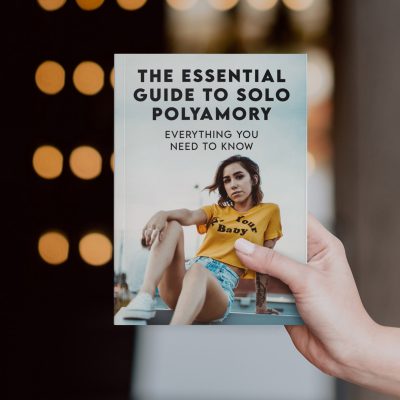
The fantasy is total autonomy and connection. The reality? It can feel like drowning in scheduling chaos and misunderstood expectations. That anxiety you feel isn’t just stress; it’s the wobble of living without a default "anchor." Without a solid architecture, Solo Polyamory stops being a life design and starts being a recipe for burnout and confusion.
The Essential Guide replaces the drift with a concrete anchor. We provide the "Solo Ethic," boundary scripts, and burnout protocols needed to protect your peace. Don't just date around—build a life that actually works for you.
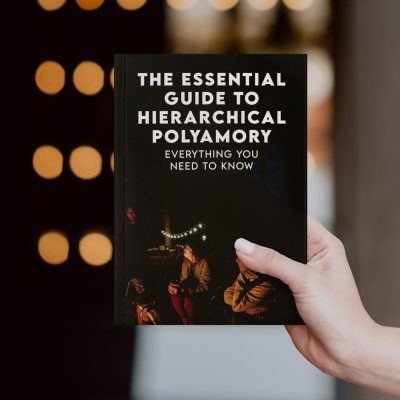
Hierarchy sounds like a corporate org chart until someone gets their feelings hurt. That stomach-turning fear that you are just a "secondary" who can be fired at any time is real. If your relationship feels like a secret ranking system, you are doing it wrong.
Ambiguity is where resentment grows. The Essential Guide replaces the "who matters more" panic with a concrete charter. We provide the scripts and equity guardrails needed to protect every heart in the polycule. Stop guessing and start building.
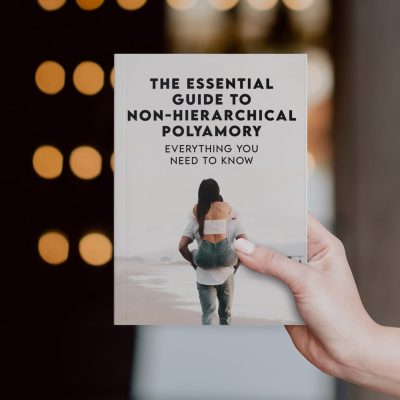
The ideal is pure equality. The reality? It often slides into hidden rankings where someone gets hurt. That sinking feeling that you are secretly a "secondary" despite the label? That is your intuition detecting couple privilege. Ambiguity is where resentment thrives.
The Essential Guide replaces vague promises with concrete governance. We provide the charters, equity tools, and jealousy protocols needed to ensure "non-hierarchical" isn't just a fantasy. Stop guessing who matters most. Build a network that is actually fair.
The fantasy is total autonomy and connection. The reality? It can feel like drowning in scheduling chaos and misunderstood expectations. That anxiety you feel isn’t just stress; it’s the wobble of living without a default "anchor." Without a solid architecture, Solo Polyamory stops being a life design and starts being a recipe for burnout and confusion.
The Essential Guide replaces the drift with a concrete anchor. We provide the "Solo Ethic," boundary scripts, and burnout protocols needed to protect your peace. Don't just date around—build a life that actually works for you.
Hierarchy sounds like a corporate org chart until someone gets their feelings hurt. That stomach-turning fear that you are just a "secondary" who can be fired at any time is real. If your relationship feels like a secret ranking system, you are doing it wrong.
Ambiguity is where resentment grows. The Essential Guide replaces the "who matters more" panic with a concrete charter. We provide the scripts and equity guardrails needed to protect every heart in the polycule. Stop guessing and start building.
Key Topics and Themes
The conference covers a wide array of topics that reflect the diverse experiences within the poly community. Here are some of the key themes you can expect:
- Communication and Boundary-Setting: Learn strategies for maintaining open, honest dialogue with all partners, and explore methods to negotiate boundaries that adapt as relationships evolve.
- Emotional Management: Discover techniques for handling jealousy, insecurity, and the emotional complexity that can arise in polyamorous dynamics. Workshops often include guided exercises and role-playing scenarios to build practical skills.
- Legal and Financial Considerations: Hear from experts on navigating legal challenges and financial planning in non-traditional relationship structures, including discussions on cohabitation agreements, wills, and inheritance.
- Mental Health and Self-Care: Engage in sessions that focus on maintaining your emotional and mental well-being, with insights from therapists who specialize in polyamorous relationships.
- Community Building and Networking: Participate in interactive sessions designed to foster community, from ice-breaker events to large group discussions on creating supportive networks.
- Relationship Models and Personal Growth: Explore different relationship structures, from hierarchical polyamory to fluid arrangements, and learn how to align your lifestyle with your personal values and growth goals.
Meet the Speakers and Facilitators
One of the highlights of the Poly Loving More Conference is its diverse lineup of speakers and facilitators. The event attracts thought leaders, relationship coaches, therapists, and experienced polyamorous individuals who are eager to share their knowledge and personal stories.
Past speakers have included renowned relationship experts such as Dr. Elena Rivera and relationship coach Marcus Lee, as well as community influencers who offer practical tips based on years of real-life experience. Their sessions cover everything from advanced communication techniques to innovative approaches for conflict resolution. The speakers’ engaging styles and candid stories are designed to inspire and empower attendees, helping them navigate their own poly journeys with confidence.
What to Expect at the Conference
The Poly Loving More Conference is more than just a series of lectures, it’s a full experience designed to immerse you in the poly lifestyle. Here’s a breakdown of what you can expect:
- Workshops and Interactive Sessions: Engage in hands-on workshops where you can practice communication exercises, participate in group discussions, and learn new techniques for managing emotional dynamics.
- Panel Discussions: Listen to panels featuring diverse perspectives on topics such as ethical non-monogamy, legal challenges, and self-care practices. These sessions provide a platform for lively debate and the sharing of personal experiences.
- Networking Events: Attend social events, mixers, and breakout sessions designed to help you meet and connect with other poly individuals and couples. These events are a great way to build lasting relationships and expand your support network.
- Exhibit Halls and Resource Areas: Explore booths and resource centers where you can find information on poly-friendly services, legal advice, and wellness practices. These areas are invaluable for gathering practical tools that you can apply in your own life.
- Keynote Addresses: Enjoy inspirational keynote speeches that challenge conventional thinking and encourage you to embrace the full potential of ethical non-monogamy.
Benefits of Attending the Conference
Attending the Poly Loving More Conference offers a multitude of benefits:
- Empowerment Through Knowledge: Gain practical insights and strategies that empower you to navigate the complexities of polyamorous relationships with confidence.
- Community Connection: Build a network of like-minded individuals who understand the unique challenges and rewards of living poly. The sense of community and support can be transformative.
- Personal Growth: Engage in self-reflection and learn from experts and peers who can help you grow emotionally and mentally. Many attendees report a renewed sense of self-awareness and personal empowerment after the conference.
- Inspiration and Motivation: Hear success stories and real-life testimonials that inspire you to pursue your own authentic path in love and relationships.
- Practical Tools and Resources: Leave with a toolkit of actionable strategies, digital resources, and contacts that you can use to enhance your poly lifestyle.
How to Prepare for the Conference
Preparation is key to getting the most out of your conference experience. Here are some steps to help you get ready:
- Set Clear Goals: Determine what you hope to achieve, whether it’s learning new communication techniques, expanding your network, or finding specific resources for your relationship challenges.
- Do Your Data Research: Familiarize yourself with the conference schedule, speakers, and topics. Reading up on these subjects beforehand will help you engage more deeply during sessions.
- Plan Your Schedule: Use a planner or digital calendar to map out the sessions you want to attend. Consider leaving room for spontaneous networking opportunities and social events.
- Prepare Questions: Think about any challenges or topics you’re curious about. Write down questions to ask during Q&A sessions or in smaller group discussions.
- Connect in Advance: Join the conference’s online forums or social media groups. This will allow you to introduce yourself, share your goals, and start building connections before the event.
- Practice Self-Care: Ensure you’re well-rested and mentally prepared for a busy, information-rich experience. A clear, relaxed mind will help you absorb and retain the insights shared at the conference.
Tips for Making the Most of Your Experience
To maximize your conference experience, consider these practical tips:
- Network Actively: Don’t be shy, introduce yourself to speakers and fellow attendees. Exchanging contact information and following up after sessions can lead to valuable, long-lasting connections.
- Take Notes: Whether you use a notebook, an app, or a digital device, jot down key points, ideas, and resources that resonate with you during sessions.
- Stay Open-Minded: Enter each session with a willingness to learn and adapt. The conference is a space for exploration, so embrace new ideas and perspectives, even if they challenge your existing beliefs.
- Participate in Q&A Sessions: Ask thoughtful questions and share your experiences. Engaging in dialogue can deepen your understanding and help clarify any uncertainties.
- Follow Up: After the conference, reach out to the contacts you made. Continuing the conversation can transform a one-time encounter into a meaningful connection.
- Reflect on Your Experience: After each day of the conference, take time to review your notes and reflect on what you’ve learned. This reflection will help integrate new ideas into your personal and relationship practices.
Real-Life Testimonials
Many past attendees have shared how the Poly Loving More Conference transformed their approach to polyamory. For example, one couple, Casey and Jordan, described the event as “a life-changing experience that not only deepened our communication skills but also connected us with an incredible network of supportive individuals.” Another attendee, Alex, noted, “The workshops on boundary-setting and emotional management were eye-opening, I left with practical tools that have made a huge difference in my relationships.”
These testimonials underscore the conference’s ability to empower attendees with the knowledge and confidence to navigate their poly lifestyles more effectively.
Expert Insights
Relationship experts who have been involved in the conference emphasize its importance for community building and personal growth. Dr. Elena Rivera, a polyamory therapist, remarks, “The Poly Loving More Conference provides a rare opportunity for poly individuals and couples to come together, share their experiences, and learn from each other in an environment that is both supportive and challenging.” Meanwhile, relationship coach Marcus Lee adds, “This conference is a celebration of open love, it encourages self-reflection, continuous learning, and the kind of honest dialogue that can transform your relationships.”
FAQ: Your Poly Loving More Conference Questions Answered
1. What is the Poly Loving More Conference?
It’s an event dedicated to polyamorous individuals and couples, offering workshops, keynote presentations, networking opportunities, and social events that focus on enhancing communication, setting boundaries, and celebrating ethical non-monogamy.
2. Who should attend this conference?
The conference is ideal for anyone interested in polyamory, whether you’re new to the lifestyle or have years of experience. It’s especially beneficial for those looking to deepen their relationships, improve communication skills, or build a supportive community.
3. What topics are covered at the conference?
Topics range from communication strategies and boundary-setting to legal issues, mental health, self-care, and relationship models. Workshops, panel discussions, and keynote addresses provide practical advice and personal insights.
4. Do I need to be in a polyamorous relationship to attend?
Not necessarily. While the conference is geared toward those interested in or practicing polyamory, anyone curious about ethical non-monogamy and alternative relationship models is welcome.
5. How can I prepare for the conference?
Prepare by reflecting on your relationship goals, researching the conference schedule and speakers, setting clear objectives for what you want to learn, and engaging with the conference’s online community before the event.
6. What kind of networking opportunities are available?
The conference offers social mixers, breakout sessions, and online forums where you can meet like-minded individuals, form lasting connections, and share experiences.
7. How do workshops work at the conference?
Workshops are interactive sessions led by experts that focus on specific topics such as communication techniques, conflict resolution, and self-care practices. They provide hands-on experience and practical tools that you can apply in your own life.
8. Is there a cost to attend the conference?
While the conference may have an attendance fee, many workshops and networking events are designed to be accessible. Check the official website for detailed pricing and available scholarships or discounts.
9. What safety protocols are in place at the conference?
The conference prioritizes the safety and well-being of its attendees. This includes clear guidelines for respectful behavior, accessible support services, and adherence to any relevant health protocols.
10. Where can I find more information about the conference?
For more details, visit the official Poly Loving More Conference website, join their social media channels, or explore online communities and forums where past attendees share their experiences.
Resources and Community Support: Your Next Steps in the Poly Loving More Conference
- Official Conference Website: Check out the official site for registration details, schedules, speaker information, and updates.
- Social Media Channels: Follow the conference on platforms like Facebook, Instagram, and Twitter to stay updated on events and connect with other attendees.
- Online Forums and Groups: Join polyamory-focused groups on Reddit or Facebook to share experiences and get tips from past attendees.
- Related Podcasts and Blogs: Listen to shows like “Multiamory” or read blogs such as "The Ethical Slut" to gain further insights into polyamorous living.
- Local Meet-Ups: Look for local events organized by the conference community for in-person networking and support.
Additionally, consider connecting with a therapist or relationship coach who specializes in ethical non-monogamy for personalized guidance. With open communication, thoughtful self-reflection, and the right support network, you can make the most of your Poly Loving More Conference experience and bring its empowering insights into your everyday life.
Love is infinite, but your calendar is brutally finite. The fantasy is deep connection; the reality is often just exhausted "calendar tetris." Promising time you don't actually have isn't romantic, it’s a recipe for burnout and broken trust. That sinking feeling when you have to cancel again? That’s the sound of overextension destroying your relationships.
This calculator forces you to confront the math of your life. Do you actually have space for another heart, or are you just setting everyone up for disappointment?
The fantasy is total autonomy and connection. The reality? It can feel like drowning in scheduling chaos and misunderstood expectations. That anxiety you feel isn’t just stress; it’s the wobble of living without a default "anchor." Without a solid architecture, Solo Polyamory stops being a life design and starts being a recipe for burnout and confusion.
The Essential Guide replaces the drift with a concrete anchor. We provide the "Solo Ethic," boundary scripts, and burnout protocols needed to protect your peace. Don't just date around—build a life that actually works for you.
Hierarchy sounds like a corporate org chart until someone gets their feelings hurt. That stomach-turning fear that you are just a "secondary" who can be fired at any time is real. If your relationship feels like a secret ranking system, you are doing it wrong.
Ambiguity is where resentment grows. The Essential Guide replaces the "who matters more" panic with a concrete charter. We provide the scripts and equity guardrails needed to protect every heart in the polycule. Stop guessing and start building.
The ideal is pure equality. The reality? It often slides into hidden rankings where someone gets hurt. That sinking feeling that you are secretly a "secondary" despite the label? That is your intuition detecting couple privilege. Ambiguity is where resentment thrives.
The Essential Guide replaces vague promises with concrete governance. We provide the charters, equity tools, and jealousy protocols needed to ensure "non-hierarchical" isn't just a fantasy. Stop guessing who matters most. Build a network that is actually fair.
The fantasy is total autonomy and connection. The reality? It can feel like drowning in scheduling chaos and misunderstood expectations. That anxiety you feel isn’t just stress; it’s the wobble of living without a default "anchor." Without a solid architecture, Solo Polyamory stops being a life design and starts being a recipe for burnout and confusion.
The Essential Guide replaces the drift with a concrete anchor. We provide the "Solo Ethic," boundary scripts, and burnout protocols needed to protect your peace. Don't just date around—build a life that actually works for you.
Hierarchy sounds like a corporate org chart until someone gets their feelings hurt. That stomach-turning fear that you are just a "secondary" who can be fired at any time is real. If your relationship feels like a secret ranking system, you are doing it wrong.
Ambiguity is where resentment grows. The Essential Guide replaces the "who matters more" panic with a concrete charter. We provide the scripts and equity guardrails needed to protect every heart in the polycule. Stop guessing and start building.
Aging And Long Term Care Planning As Solo Poly
Attachment Styles And Solo Polyamory
Autonomy And Self Partnership As Foundations
Avoiding Avoidance Disguised As Autonomy
Avoiding Being Treated As An Accessory Relationship
Balancing Independence And Intimacy
Balancing Multiple Partners Without Burnout
Barrier Use Conversations With Multiple Partners
Boundaries Versus Rules In Solo Poly Relationships
Breakups And Grief While Staying Solo
Building Emotional Availability As Solo Poly
Caregiving And Illness Support Without A Nesting Partner
Co Parenting Agreements And Boundaries
Co Parenting And Family Building As Solo Poly
Coming Out As Solo Polyamorous
Common Mistakes Partners Make With Solo Poly People
Common Mistakes Solo Poly People Make
Common Myths About Solo Polyamory
Communication Check Ins That Fit Solo Poly
Community And Chosen Family For Solo Poly People
Compersion And Neutrality Toward Partner Dating
Conflict Resolution Without Couple Default
Core Values Of Solo Polyamory
Creating Agreements That Preserve Independence
Creating Secure Attachment Without Traditional Milestones
Dating People Who Want Escalation
De Escalation As A Healthy Choice
Decentering Couple Norms And Escalator Scripts
Deciding Whether Solo Polyamory Is Right For You
Defining Relationship Depth Without Shared Living
Defining Success Without Traditional Milestones
Designing A Sustainable Solo Poly Life
Digital Safety And Privacy
Disability And Access Needs As Solo Poly
Emergency Contacts And Support Planning
End Of Life Planning And Legal Documents
Energy Management And Overextension Risks
Financial Independence And Entanglement Decisions
Finding Solo Poly Friendly Community
Friendships As Core Support Structures
Gifts Trips And Resource Boundaries
Handling Being The Newest Partner
Handling Judgment From Monogamous Culture
Handling Judgment From Poly Communities
Handling Last Minute Plan Changes
Holidays And Special Occasions As Solo Poly
Housing Choices And Living Alone
How To Disclose Solo Polyamory Early While Dating
How To Explain Solo Polyamory To Partners
In Person Events And Support Networks
Intersectionality In Solo Poly Experiences
Long Distance Relationships And Solo Poly
Maintaining Rituals Without Domestic Integration
Maintaining Self Partnership Through Loss
Managing Insecurity Without Default Reassurance
Managing Metamour Dynamics Without Centering A Couple
Managing Nre Without Losing Yourself
Navigating Jealousy As A Solo Poly Person
Navigating Marriage Offers As Solo Poly
Navigating Partners With Nesting Or Spouses
Pacing New Connections Ethically
Parallel Versus Kitchen Table Preferences
Parenting Without A Primary Partner Model
Pregnancy And Fertility Conversations For Solo Poly
Privacy And Information Sharing Consent
Processing Loneliness While Staying Solo
Protecting Personal Time Without Withholding Connection
Quality Time When You Do Not Share A Home
Race Gender And Class Factors In Solo Poly
Religion Culture And Family Expectations
Relocation And Maintaining Connections
Repair After Misunderstandings With Partners
Responding To Requests For Primary Status
Risk Profiles And Informed Consent
Screening For People Who Respect Autonomy
Self Worth Outside Relationship Status
Setting Expectations With Highly Partnered People
Sexual Health Agreements As A Solo Poly Person
Shared Housing With Friends And Community
Signs Solo Polyamory Is Working Well
Social Media Boundaries And Visibility
Solo Polyamory And Career Mobility
Solo Polyamory And Commitment
Solo Polyamory And Mental Health Support
Solo Polyamory And Metamour Relationships
Solo Polyamory Versus Being Single
Solo Polyamory Versus Non Hierarchical Polyamory
Solo Polyamory Versus Relationship Anarchy
Substance Use Boundaries And Consent
Testing Schedules And Disclosure Practices
The History And Evolution Of Solo Polyamory
Therapy And Coaching For Solo Polyamory
Time And Scheduling As A Solo Poly Person
Transparency Without Being Managed
Travel And Overnights Without Implied Escalation
Warning Signs Of Isolation Masquerading As Autonomy
What Commitment Looks Like Without Nesting
What Solo Polyamory Is And What It Is Not
Why People Choose Solo Polyamory
Writing A Solo Poly Dating Profile
Accountability When Harm Occurs
Aging And Long Term Planning
Alternatives To Veto Policies
Attachment Styles And Hierarchy
Avoiding Disposable Partner Dynamics
Avoiding Entitlement In Primary Relationships
Avoiding Objectification And Ranking Language
Blended Families And Co Parenting Dynamics
Boundaries Versus Rules In Hierarchical Contexts
Caregiving And Illness Decisions
Choosing Hierarchy Intentionally
Common Challenges Faced By Secondary Partners
Common Mistakes Primary Partners Make
Common Mistakes Secondary Partners Make
Common Myths About Hierarchical Polyamory
Communicating Limits Without Devaluing Others
Community Perception Of Hierarchical Polyamory
Compersion When Time And Resources Are Unequal
Consent And Transparency In Hierarchy
Consent Under Unequal Power Dynamics
Cultural And Socioeconomic Influences On Hierarchy
De Escalation Without Punishment
Deciding Whether Hierarchical Polyamory Is Right For You
Decision Making Power In Primary Relationships
Descriptive Versus Prescriptive Hierarchy
Emotional Labor Distribution Across Partners
Emotional Regulation Skills For Hierarchical Dynamics
Emotional Safety For Non Primary Partners
Ending Relationships Ethically Within Hierarchy
Ethical Foundations Of Hierarchical Structures
Ethical Storytelling About Hierarchical Relationships
Ethical Use Of Veto Power
Fear Of Replacement Or Demotion
Financial Transparency With Multiple Partners
Handling Breakups Within A Hierarchical System
Hierarchy Versus Relationship Anarchy
Holidays Vacations And Special Occasions
How Hierarchical Polyamory Differs From Non Hierarchical Polyamory
How Hierarchical Polyamory Evolves Over Time
How Privilege Shows Up In Daily Decisions
How To Disclose Hierarchy Early In Dating
Inclusion Versus Exclusion Practices
Integrating Hierarchy With Personal Values
Integrating New Partners Ethically
Intersectionality And Power In Hierarchy
Jealousy In Hierarchical Polyamory
Legal Risks And Protections
Lessons Hierarchical Polyamory Teaches About Love
Letting Go Of Hierarchy When It No Longer Fits
Living Together Versus Living Apart
Long Distance Relationships Within Hierarchy
Managing Boundary Violations
Managing Comparison Between Partners
Marriage And Legal Privilege In Hierarchical Polyamory
Measuring Fulfillment Beyond Priority Status
Navigating Attachment As A Secondary Partner
Navigating Conflicts Between Partners At Different Levels
Navigating Judgment From Non Hierarchical Communities
Ongoing Check Ins Across Relationship Levels
Opening Or Closing The Hierarchy
Parenting And Family Planning Within Hierarchy
Power Imbalances Inherent In Hierarchy
Pregnancy And Parenting Transitions
Primary Secondary And Tertiary Relationship Definitions
Privacy And Information Flow
Re Negotiating Hierarchy After Major Life Events
Rebuilding Trust After Structural Changes
Renegotiating Primary Agreements Over Time
Repair Conversations After Hierarchical Tension
Repairing Harm Caused By Hierarchical Decisions
Resentment And Unspoken Grief
Responsibilities And Expectations Of Primary Partners
Rules That Protect Versus Rules That Control
Scheduling Fairness Versus Equality
Self Worth Outside Relationship Rank
Setting Clear Expectations With New Partners
Shared Finances And Resource Prioritization
Signs Hierarchy Is Functioning Well
Supporting Mental Health Across The Network
Supporting Secondary Partners Through Transitions
The Origins And History Of Hierarchical Polyamory
The Role Of Nesting Partners
Therapy And Coaching For Hierarchical Polyamory
Time Allocation And Scheduling Priorities
Transparency Without Oversharing
Treating All Partners As Whole People
Understanding Couple Privilege
Warning Signs Of Unhealthy Hierarchy
What Hierarchical Polyamory Is And What It Is Not
What It Means To Be A Primary Partner
What It Means To Be A Secondary Partner
What People Wish They Knew Earlier
What Success Looks Like In Hierarchical Polyamory
When Hierarchy Activates Past Trauma
When Hierarchy Becomes Coercive
When Hierarchy Emerges Without Intention
When Primary Relationships Change
When Professional Support Is Needed
When Secondary Relationships Deepen
Why Hierarchy Exists In Some Polyamorous Relationships
Accountability When Harm Occurs
Aging And Long Term Planning
Alternatives To Veto Policies
Attachment Styles And Hierarchy
Avoiding Disposable Partner Dynamics
Avoiding Entitlement In Primary Relationships
Avoiding Objectification And Ranking Language
Blended Families And Co Parenting Dynamics
Boundaries Versus Rules In Hierarchical Contexts
Caregiving And Illness Decisions
Choosing Hierarchy Intentionally
Common Challenges Faced By Secondary Partners
Common Mistakes Primary Partners Make
Common Mistakes Secondary Partners Make
Common Myths About Hierarchical Polyamory
Communicating Limits Without Devaluing Others
Community Perception Of Hierarchical Polyamory
Compersion When Time And Resources Are Unequal
Consent And Transparency In Hierarchy
Consent Under Unequal Power Dynamics
Cultural And Socioeconomic Influences On Hierarchy
De Escalation Without Punishment
Deciding Whether Hierarchical Polyamory Is Right For You
Decision Making Power In Primary Relationships
Descriptive Versus Prescriptive Hierarchy
Emotional Labor Distribution Across Partners
Emotional Regulation Skills For Hierarchical Dynamics
Emotional Safety For Non Primary Partners
Ending Relationships Ethically Within Hierarchy
Ethical Foundations Of Hierarchical Structures
Ethical Storytelling About Hierarchical Relationships
Ethical Use Of Veto Power
Fear Of Replacement Or Demotion
Financial Transparency With Multiple Partners
Handling Breakups Within A Hierarchical System
Hierarchy Versus Relationship Anarchy
Holidays Vacations And Special Occasions
How Hierarchical Polyamory Differs From Non Hierarchical Polyamory
How Hierarchical Polyamory Evolves Over Time
How Privilege Shows Up In Daily Decisions
How To Disclose Hierarchy Early In Dating
Inclusion Versus Exclusion Practices
Integrating Hierarchy With Personal Values
Integrating New Partners Ethically
Intersectionality And Power In Hierarchy
Jealousy In Hierarchical Polyamory
Legal Risks And Protections
Lessons Hierarchical Polyamory Teaches About Love
Letting Go Of Hierarchy When It No Longer Fits
Living Together Versus Living Apart
Long Distance Relationships Within Hierarchy
Managing Boundary Violations
Managing Comparison Between Partners
Marriage And Legal Privilege In Hierarchical Polyamory
Measuring Fulfillment Beyond Priority Status
Navigating Attachment As A Secondary Partner
Navigating Conflicts Between Partners At Different Levels
Navigating Judgment From Non Hierarchical Communities
Ongoing Check Ins Across Relationship Levels
Opening Or Closing The Hierarchy
Parenting And Family Planning Within Hierarchy
Power Imbalances Inherent In Hierarchy
Pregnancy And Parenting Transitions
Primary Secondary And Tertiary Relationship Definitions
Privacy And Information Flow
Re Negotiating Hierarchy After Major Life Events
Rebuilding Trust After Structural Changes
Renegotiating Primary Agreements Over Time
Repair Conversations After Hierarchical Tension
Repairing Harm Caused By Hierarchical Decisions
Resentment And Unspoken Grief
Responsibilities And Expectations Of Primary Partners
Rules That Protect Versus Rules That Control
Scheduling Fairness Versus Equality
Self Worth Outside Relationship Rank
Setting Clear Expectations With New Partners
Shared Finances And Resource Prioritization
Signs Hierarchy Is Functioning Well
Supporting Mental Health Across The Network
Supporting Secondary Partners Through Transitions
The Origins And History Of Hierarchical Polyamory
The Role Of Nesting Partners
Therapy And Coaching For Hierarchical Polyamory
Time Allocation And Scheduling Priorities
Transparency Without Oversharing
Treating All Partners As Whole People
Understanding Couple Privilege
Warning Signs Of Unhealthy Hierarchy
What Hierarchical Polyamory Is And What It Is Not
What It Means To Be A Primary Partner
What It Means To Be A Secondary Partner
What People Wish They Knew Earlier
What Success Looks Like In Hierarchical Polyamory
When Hierarchy Activates Past Trauma
When Hierarchy Becomes Coercive
When Hierarchy Emerges Without Intention
When Primary Relationships Change
When Professional Support Is Needed
When Secondary Relationships Deepen
Why Hierarchy Exists In Some Polyamorous Relationships
Lost & confused by all of the terms, types and seemingly made up 3 letter acronyms?? We've got you. Check out our Ethnical Non-Monogamy Dictionary >>
Useful Interruption: Not sure which relationship vibe fits you best? Take the Ultimate Relationship Test, it will give you details into your natural relationship style. Then, dive into our binge-worthy guides, from the tried-and-true to the “wait, that’s a thing?", and find the perfect relationship type for your life.
Now back to the main article but yeah take the Ultimate Relationship Test
