
Attachment Styles in Non Monogamous Relationships


Attachment styles are about how we connect with other people and how we handle closeness and distance. In ethical nonmonogamy ENM dynamics you will juggle more relationships at once which can unearth old patterns or reveal new strengths. This guide breaks down the four main attachment styles in a down to earth way and shows you how to use that awareness to communicate clearly set healthy boundaries and build connections that feel good for everyone involved.
Quick Links to Useful Sections
- What you will learn in this guide
- Attachment styles quick primer
- How ENM changes attachment dynamics
- Secure attachment in ENM
- What secure looks like in real life
- Strategies for nurturing secure attachment in ENM
- Anxious attachment in ENM
- Signs of an anxious style in ENM
- Practical tips for managing anxiety in ENM
- How to communicate with anxious behavior in a healthy way
- Avoidant attachment in ENM
- How avoidance looks in ENM life
- Ways to grow if you lean toward avoidance
- Fearful avoidant attachment in ENM
- Patterns to watch for
- Strategies for growth
- Transcending patterns in ENM
- Self awareness first
- Communication that builds trust
- Boundaries that protect your wellbeing
- Compassion and compersion
- Real world ENM scenarios and attachment style responses
- Scenario one a new connection emerges
- Scenario two jealousy shows up during a group event
- Scenario three metamours meet and start to connect
- Tools and exercises for growth
- Attachment style self assessment
- Communication blueprint
- Boundaries map
- Practical relationship rituals
- Self care habits that support ENM life
- Glossary of useful terms and acronyms
- Frequently asked questions
What you will learn in this guide
- What attachment styles are and how they show up in ENM or ethical nonmonogamy dynamics
- Practical signals you can watch for in yourself and in others
- How to talk about feelings without blame using simple communication ideas
- Strategies to reduce jealousy create reassurance and grow trust in a polyamorous setup
- Real world scenarios with tips you can use tonight
- A glossary of useful terms to keep everyone on the same page
Attachment styles quick primer
Attachment theory was originally created to explain how infants bond with caregivers. The core idea is that early experiences shape certain patterns that show up in adult relationships. In the world of ethical nonmonogamy these patterns influence how we relate to multiple partners metamours and our own sense of comfort with closeness and independence. The four most discussed styles are secure anxious avoidant and fearful avoidant. Some people also talk about disorganized attachment which can pop up when stress is high. The goal of this guide is not to label people but to describe patterns so you can pick healthier ways to connect in ENM contexts.
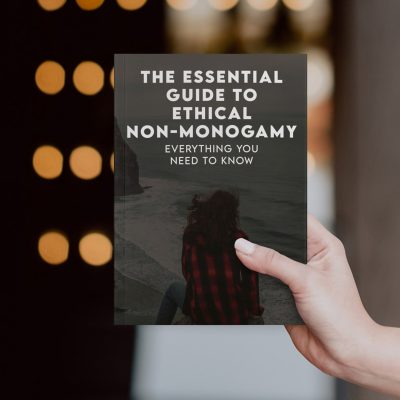
The freedom of an open relationship sounds incredible, but the logistics can feel like holding a grenade. That spinning "what if" anxiety isn't paranoia, it’s your survival instinct warning you that your bond is exposed. "Just seeing what happens" is the fastest way to turn a fantasy into a breakup.
The Essential Guide replaces chaos with discipline. We give you the blueprints, jealousy protocols, and repair scripts needed to explore the edge without falling off. Don't guess. Secure your foundation first.
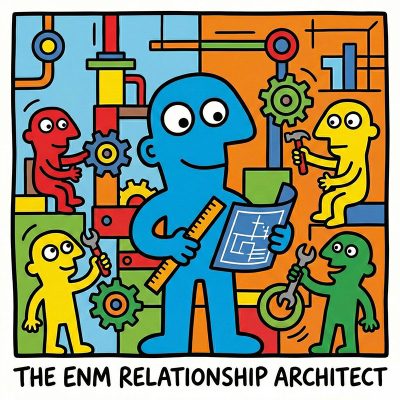
The world of non-monogamy is a maze of confusing labels. Trying to be "Polyamorous" when your heart actually needs "Swinging" isn't just a vocabulary error; it’s a recipe for misery.
You can't build a stable home on a foundation that doesn't fit your psychology. This tool analyzes your emotional bandwidth and jealousy triggers to design the exact structure you need. Stop trying to squeeze into a box that doesn't fit. Build a relationship that actually feels like home.
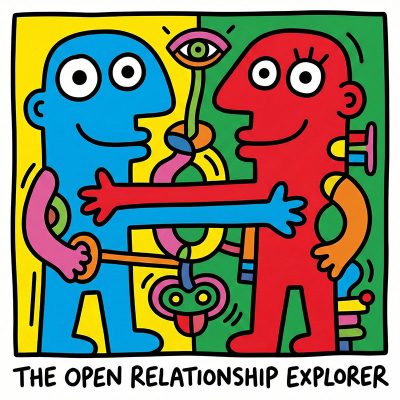
Opening up feels exciting, but if you aren't reading from the same script, you're writing a tragedy. The disconnect between "I want freedom" and "I want safety" is where hearts break. This isn't just a quiz; it’s a synchronization engine.
We identify the silent gaps in your desires—from sleepover rules to emotional bandwidth, before they become unbridgeable chasms. Don't wait until the damage is done to find out you were never on the same page. Align your compasses now.
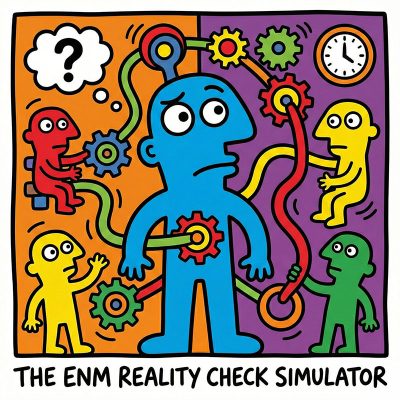
Theory is sexy. Reality is messy. You agreed you could date others, but how does your stomach drop when he takes her to your anniversary spot? Or when she comes home smelling like someone else?
This simulator drags your abstract rules into the harsh light of day. We force you to confront the visceral, gut-wrenching scenarios that actually destroy relationships, before they happen. Test your nervous system in the simulator so you don't crash the car in real life.

The fantasy is endless romance. The reality? It’s a logistical nightmare. Dating isn't just sex; it’s a second job of swiping, spending, and emotional processing that drains your sanity. Underestimating the "admin" of non-monogamy is the fastest way to turn your relationship into a burnout factory where resentment thrives.
This calculator forces you to confront the brutal math of your time, energy, and wallet. Can you actually afford this lifestyle, or are you just signing up for exhaustion?
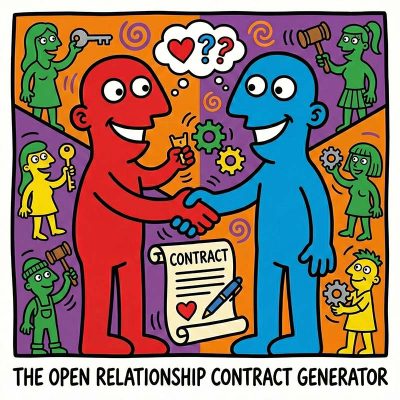
"I thought we agreed" is the sentence that destroys relationships & marriages. Relying on verbal promises when emotions run high is a gamble you cannot afford to lose. Your memory isn't just faulty; it's a liability. Ambiguity is the oxygen that jealousy breathes, turning "freedom" into a minefield of "did I mess up?"
This generator transforms vague permissions into a concrete, signed reality. Stop arguing about what you thought was said and lean on what is written. Secure your boundaries in ink, not hope.
How ENM changes attachment dynamics
In a single traditional relationship it is normal to focus on two people and a clear set of boundaries. In ethical nonmonogamy you may be balancing several relationships at once often with different levels of closeness and different expectations around time communication and safety. That complexity can either amplify old attachment patterns or create space to grow beyond them. The trick is to stay curious about your own reactions and to practice clear communication and generous listening with your partners.
Secure attachment in ENM
People with a secure attachment style feel comfortable with closeness and confidence in their own value. They tend to handle multiple connections well and can celebrate their partners happiness even when that happiness looks different from their own. In an ENM setting secure individuals often shine when it comes to coordinating schedules sharing information and cultivating healthy metamour relationships. Here is what secure looks like in action in ENM life.
What secure looks like in real life
- You can express needs and wants without fear of punishment or rejection.
- You listen deeply when a partner shares concerns even if the news is not what you want to hear.
- You keep commitments and you apologize when you miss one without making excuses.
- You celebrate your partners other connections while maintaining your own sense of self worth.
Strategies for nurturing secure attachment in ENM
- Maintain regular check ins with each partner so everyone feels seen
- Share calendars and boundaries in a calm practical way
- Encourage metamours to talk with each other when appropriate to build appreciation and reduce misinformation
- Practice self care that keeps you grounded so you can bring your best self to each relationship
Anxious attachment in ENM
Anxious attachment shows up as a strong need for closeness reassurance and fear of losing a partner. In ENM this can turn into worries about being replaced or about being neglected as others become part of a polycule. If you identify with anxious patterns you are not alone and there are clear steps you can take to feel more secure and connected rather than overwhelmed.
Signs of an anxious style in ENM
- Frequent questions about where you stand with a partner
- Constant checking in emails messages or calls
- Reactive conversations where you fear abandonment or being left out
- Sometimes seeking reassurance becomes a default response even after good communication
Practical tips for managing anxiety in ENM
- Co create a communication plan that includes how often you will check in and what kind of updates you will share
- Develop a self soothing routine that you can use when you feel overwhelmed
- Practice labeling your feelings instead of assuming the worst
- Build a support network outside of your partners such as friends or a therapist
How to communicate with anxious behavior in a healthy way
- Use I statements that describe your own feelings without blaming your partner
- Ask for what you need clearly rather than hinting you want more attention
- Agree on a signal that means you need a pause to regroup and breathe
Avoidant attachment in ENM
Avoidant attachment shows up as a preference for independence and a tendency to keep emotional distance. In ENM setups this can show as a difficulty with sharing feelings or with managing closeness when a partner wants more time or more information about other connections. This style can be misunderstood as disinterest but the root is often a protective strategy. With awareness avoidance can shift toward healthier boundaries and more honest sharing.
How avoidance looks in ENM life
- You may prefer asynchronous updates rather than frequent text messages
- You might avoid discussing emotions or future plans with a partner
- You could minimize the importance of certain relationships to protect your autonomy
- You may feel overwhelmed when schedules get tight or when more time is requested with a partner
Ways to grow if you lean toward avoidance
- Practice naming feelings even in small moments
- Set predictable routines for communication that feel safe rather than overwhelming
- Share your boundaries clearly and invite your partners to respond with their own boundaries
- Use a calendar to track time with each person so you can plan without feeling crowded
Fearful avoidant attachment in ENM
Fearful avoidant is a mix of anxious and avoidant patterns. People with this style want closeness but fear losing independence at the same time. In ENM this can create a push pull dynamic where you worry about being left out yet feel overwhelmed by too much sharing. You will benefit from steady routines clear boundaries and lots of compassionate check ins. The goal is to develop a sense of security that lets you enjoy multiple connections without becoming overwhelmed.
Patterns to watch for
- You start to withdraw when a partner talks about a new connection
- You swing between reaching out for reassurance and pulling back
- You worry about your place in a polycule and fear being replaced
Strategies for growth
- Agree on clear rules for how information about other partners is shared
- Practice consistent communication even when emotions run high
- Build a personal toolkit for grounding when stress spikes
- Work with a trusted partner or therapist to process fears without blaming others
Transcending patterns in ENM
Attachment styles are not boxes that trap you forever. They are patterns you can notice and change with practice and with supportive relationships. In ethical nonmonogamy you have an opportunity to experiment with new ways of connecting and to discover that your best version shows up when you are honest about your needs and willing to grow. Here are some practical approaches that work well in ENM life.
Self awareness first
- Learn your triggers and track what happened before a strong reaction
- Keep a simple journal for a week noting the situation the feeling and your response
- Review the entries with a trusted partner to find patterns and growth points
Communication that builds trust
- Use a shared language with your partners that names emotions and needs without blame
- Set a regular time for open conversations about the relationship structure and your comfort levels
- Practice reflective listening where you restate what you heard before adding your own thoughts
Boundaries that protect your wellbeing
- Agree on how much information about other partners you want to share
- Clarify what topics are off limits during tense moments
- Decide how you want to handle scheduling and time with metamours and with your primary partner
Compassion and compersion
- Compersion is the feeling of joy from another person s happiness even if it involves them with someone else
- Practice imagining the good parts of your partners other connections and celebrate those wins
- Support your partners as they grow and find joy while you also grow your own sense of self worth
Real world ENM scenarios and attachment style responses
Let us look at some common ENM situations and how different attachment styles might approach them. These are practical templates you can adapt to your own life and to your own values.
Scenario one a new connection emerges
A partner starts seeing someone new. If you have a secure style you can celebrate their happiness and ask how this new connection might fit with existing plans. If you are anxious you may seek extra reassurance and want frequent updates. If you are avoidant you might feel a need to retreat or minimize the information you receive. If you are fearful avoidant you may swing between seeking reassurance and withdrawing. The best move for all is to establish a clear plan for communication and for how time will be shared as the new connection grows.
Scenario two jealousy shows up during a group event
Secure folks can acknowledge the moment and use it as a learning opportunity. Anxious patterns may escalate and benefit from a short pause a moment of breathing and a reframe into a constructive request. Avoidant styles may notice a surge of discomfort and benefit from stepping away briefly to regain balance and then returning with a calm explanation of feelings. Fearful avoidant people can experience both urges at once and will do well by naming the two conflicting feelings and choosing a safe path that honors everyone present.
Scenario three metamours meet and start to connect
Secure types welcome the new metamour and suggest a casual group conversation so everyone can share expectations. Anxious types may want more structure a scheduled check in and a clear sense of where they fit in the evolving network. Avoidant types may prefer a private conversation with one partner about how this affects their place in the dynamic. Fearful avoidant types can worry about losing control yet benefit from repeating to themselves that the group can still function well with steady honest communication.
Tools and exercises for growth
Use these practical tools to put theory into action and to keep the emotional weather from tipping into stormy territory.
Attachment style self assessment
Take a simple inventory to see which patterns feel strongest for you. Answer honestly about your comfort with closeness independence how you react to new partners and how you handle conflict. Share your results with a trusted partner and use that information to set goals for growth.
Communication blueprint
Develop a standard script you can use in tense moments. A simple version might be I feel [emotion] when [situation] and I would like [need] to help me feel secure. This approach keeps the focus on feelings and needs rather than on blame.
Boundaries map
Draw five circles that represent you and your current partners. In each circle write a boundary that matters to you such as the amount of time you want to spend with a person the level of detail you share about other partners or the pace at which new connections enter your life. Use this map to discuss boundaries with your partners in a non confrontational way.
Practical relationship rituals
- Weekly check in with each partner about how things are going
- Monthly reflection with metamours about what is working and what could improve
- Co create a polycule calendar that shows who is spending time with whom and when
Self care habits that support ENM life
- Daily grounding exercises breathing routines and a bedtime wind down
- Physical activity that helps you manage stress and maintain energy for multiple connections
- Healthy sleep patterns a must for keeping emotions balanced
Glossary of useful terms and acronyms
- ENM This is short for ethical nonmonogamy a relationship practice where all adults agree to multiple romantic or sexual relationships
- Metamour A partner of one of your partners who is not your own partner
- Polycule The network of relationships that connects multiple people including metamours
- Compersion Joy felt when a partner experiences happiness with someone else
- Jealousy An emotional response to perceived threat in a relationship often mis interpreted as a sign of neediness but it can be a guide to what you truly need
- Primary partner The person who holds a central place in your life and in your relationship structure
- Secondary partner A partner who shares time and emotional energy but may not have the same level of priority as a primary
- Boundary A line you set to protect your emotional safety within a relationship
- Attachment style A pattern of relating to others formed from early life experiences that tends to repeat across relationships
- Nonmonogamy A general term for relationship styles that involve more than two people with consent
Frequently asked questions
What are the main attachment styles and how do they relate to ENM
The main styles are secure anxious avoidant and fearful avoidant. In ENM secure means you feel comfortable with closeness and independence and you communicate clearly. Anxious means you seek reassurance and worry about loss. Avoidant means you value independence and may withdraw when emotions run high. Fearful avoidant means you want closeness but fear it at the same time and this can create an ongoing push pull. Understanding your pattern helps you choose strategies that create safety and connection for everyone.
How can I tell my partner that I need more reassurance without sounding clingy
Use a clear I statement that describes your feeling and your need without blaming. For example I feel unsettled when I do not hear from you for several days and I would feel more secure if we could have a quick text update each evening. This keeps the focus on your experience and makes a concrete request.
Is it possible to change an attachment style in ENM
Yes patterns can shift with awareness practice and time. You can strengthen secure habits by building predictable communication routines and by seeking growth focused conversations with partners. It is a gradual process not an overnight fix.
What should I do if jealousy becomes overwhelming during a group date or event
Pause breathe and use a pre agreed signal to step away for a moment. Return when you feel calmer. Share a concise internal message with your partner such as I am feeling overwhelmed right now and I want to talk in ten minutes. After a brief pause have a calm conversation or use a written message to express the core concern and the need you have.
How do metamours fit into attachment style work
Metamour dynamics add an extra layer of information to your attachment map. Honest open conversations focusing on needs and boundaries make it possible for metamours to coexist with respect and kindness. See each metamour as a person with their own attachment style and approach the group with curiosity rather than assumptions.
What if I am in a difficult place and my partner wants to slow down or stop seeing others
Respect their feelings and be clear about your own needs. If you want to continue exploring ENM consider setting a trial period a set of agreed check ins and perhaps a reduced level of new partner introductions during the trial. If the relationship feels unsafe or unhealthy seek guidance from a qualified professional experienced with ENM dynamics.
The freedom of an open relationship sounds incredible, but the logistics can feel like holding a grenade. That spinning "what if" anxiety isn't paranoia, it’s your survival instinct warning you that your bond is exposed. "Just seeing what happens" is the fastest way to turn a fantasy into a breakup.
The Essential Guide replaces chaos with discipline. We give you the blueprints, jealousy protocols, and repair scripts needed to explore the edge without falling off. Don't guess. Secure your foundation first.
The world of non-monogamy is a maze of confusing labels. Trying to be "Polyamorous" when your heart actually needs "Swinging" isn't just a vocabulary error; it’s a recipe for misery.
You can't build a stable home on a foundation that doesn't fit your psychology. This tool analyzes your emotional bandwidth and jealousy triggers to design the exact structure you need. Stop trying to squeeze into a box that doesn't fit. Build a relationship that actually feels like home.
Opening up feels exciting, but if you aren't reading from the same script, you're writing a tragedy. The disconnect between "I want freedom" and "I want safety" is where hearts break. This isn't just a quiz; it’s a synchronization engine.
We identify the silent gaps in your desires—from sleepover rules to emotional bandwidth, before they become unbridgeable chasms. Don't wait until the damage is done to find out you were never on the same page. Align your compasses now.
Theory is sexy. Reality is messy. You agreed you could date others, but how does your stomach drop when he takes her to your anniversary spot? Or when she comes home smelling like someone else?
This simulator drags your abstract rules into the harsh light of day. We force you to confront the visceral, gut-wrenching scenarios that actually destroy relationships, before they happen. Test your nervous system in the simulator so you don't crash the car in real life.
The fantasy is endless romance. The reality? It’s a logistical nightmare. Dating isn't just sex; it’s a second job of swiping, spending, and emotional processing that drains your sanity. Underestimating the "admin" of non-monogamy is the fastest way to turn your relationship into a burnout factory where resentment thrives.
This calculator forces you to confront the brutal math of your time, energy, and wallet. Can you actually afford this lifestyle, or are you just signing up for exhaustion?
"I thought we agreed" is the sentence that destroys relationships & marriages. Relying on verbal promises when emotions run high is a gamble you cannot afford to lose. Your memory isn't just faulty; it's a liability. Ambiguity is the oxygen that jealousy breathes, turning "freedom" into a minefield of "did I mess up?"
This generator transforms vague permissions into a concrete, signed reality. Stop arguing about what you thought was said and lean on what is written. Secure your boundaries in ink, not hope.
