
Balancing Work Family and Relationships

Welcome to a practical, no fluff guide for juggling career momentum, family vibes, and ethical non monogamy or ENM. If you are new to ENM you might wonder how to keep your professional life solid while your personal life expands beyond one romantic partner. If you are already in ENM you know the challenge firsthand. The good news is that with clear communication smart boundaries and a little planning you can protect all the parts of your life that matter. This guide explains terms spell out acronyms and gives concrete steps you can try in the real world. Consider this the useful friend who tells it like it is and keeps a sense of humor through the bumps.
Quick Links to Useful Sections
- What ENM means and why it matters for work life
- Key terms and acronyms explained
- Honest planning before you dive in
- Defining your structure with family and work in mind
- Practical strategies for balancing work and ENM
- Communication rituals that actually work
- Scheduling and time management that respects everyone
- Boundaries and agreements you actually follow
- Disclosure versus privacy in the workplace
- Handling jealousy and emotions with grace
- Work life boundaries that protect your focus
- Managing family dynamics while you pursue ENM
- Introducing partners to family with care
- Parenting and ENM
- Dealing with stigma and misperception
- Realistic scenarios you might recognize
- Scenario one the ambitious professional with multiple partners
- Scenario two parent with a metamour in the mix
- Scenario three remote work and ENM with long distance connections
- Tools and resources to support your balance
- Common pitfalls and how to avoid them
- Glossary of useful terms and acronyms ENM
- Frequently asked questions
What ENM means and why it matters for work life
ENM stands for ethical non monogamy. That simply means you choose to pursue intimate or romantic connections with more than one consenting adult at the same time. The key words here are ethical and consent. Everyone involved knows what the agreements are and agrees to the arrangement. ENM can include many forms such as polyamory, open relationships or other configurations where multiple romantic connections exist with awareness and respect. In the workplace this dynamic can influence how you manage time privacy and communication. The aim is to keep professional life steady while honoring personal relationships. The goal is not to hide or mislead. It is to be responsible and thoughtful about how you live and how you show up in the world.
Key terms and acronyms explained
A few quick definitions will help you follow the rest of this guide without getting tangled in jargon.
- ENM Ethical non monogamy a relationship style where multiple consensual romantic or sexual connections exist.
- Polyamory A form of ENM where several loving relationships exist at the same time with the knowledge of all involved.
- Metamour A partner of one of your partners who is not your own partner.
- Primary The partner who has the most shared life commitments such as living together or long term plans; not always the same for every couple.
- Non hierarchical A structure where no single relationship holds more authority or priority than others; all connections are valued equally or by agreed terms.
- Hierarchical A structure where one relationship or partner holds a higher priority or more control over time and decisions.
- Compersion The positive feeling you experience when your partner’s happiness is more important than your own jealousy or discomfort.
- Agreements Mutually agreed rules about how relationships will work including time boundaries and communication expectations.
- Boundaries Personal limits that protect your emotional energy and sense of safety.
- Disclosure The decision about what you share with others such as colleagues or family about your relationship life.

The freedom of an open relationship sounds incredible, but the logistics can feel like holding a grenade. That spinning "what if" anxiety isn't paranoia, it’s your survival instinct warning you that your bond is exposed. "Just seeing what happens" is the fastest way to turn a fantasy into a breakup.
The Essential Guide replaces chaos with discipline. We give you the blueprints, jealousy protocols, and repair scripts needed to explore the edge without falling off. Don't guess. Secure your foundation first.
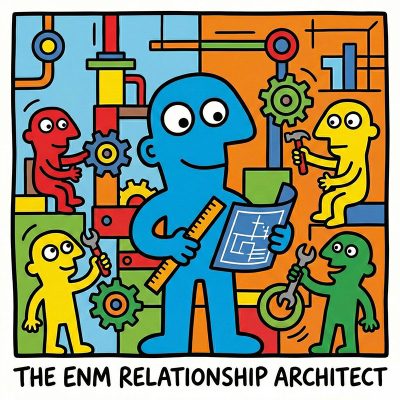
The world of non-monogamy is a maze of confusing labels. Trying to be "Polyamorous" when your heart actually needs "Swinging" isn't just a vocabulary error; it’s a recipe for misery.
You can't build a stable home on a foundation that doesn't fit your psychology. This tool analyzes your emotional bandwidth and jealousy triggers to design the exact structure you need. Stop trying to squeeze into a box that doesn't fit. Build a relationship that actually feels like home.

Opening up feels exciting, but if you aren't reading from the same script, you're writing a tragedy. The disconnect between "I want freedom" and "I want safety" is where hearts break. This isn't just a quiz; it’s a synchronization engine.
We identify the silent gaps in your desires—from sleepover rules to emotional bandwidth, before they become unbridgeable chasms. Don't wait until the damage is done to find out you were never on the same page. Align your compasses now.
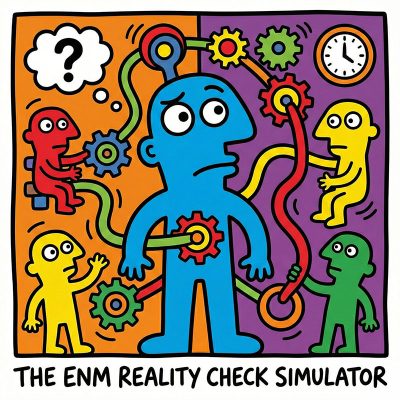
Theory is sexy. Reality is messy. You agreed you could date others, but how does your stomach drop when he takes her to your anniversary spot? Or when she comes home smelling like someone else?
This simulator drags your abstract rules into the harsh light of day. We force you to confront the visceral, gut-wrenching scenarios that actually destroy relationships, before they happen. Test your nervous system in the simulator so you don't crash the car in real life.

The fantasy is endless romance. The reality? It’s a logistical nightmare. Dating isn't just sex; it’s a second job of swiping, spending, and emotional processing that drains your sanity. Underestimating the "admin" of non-monogamy is the fastest way to turn your relationship into a burnout factory where resentment thrives.
This calculator forces you to confront the brutal math of your time, energy, and wallet. Can you actually afford this lifestyle, or are you just signing up for exhaustion?
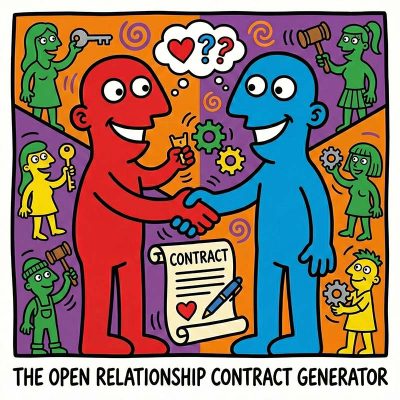
"I thought we agreed" is the sentence that destroys relationships & marriages. Relying on verbal promises when emotions run high is a gamble you cannot afford to lose. Your memory isn't just faulty; it's a liability. Ambiguity is the oxygen that jealousy breathes, turning "freedom" into a minefield of "did I mess up?"
This generator transforms vague permissions into a concrete, signed reality. Stop arguing about what you thought was said and lean on what is written. Secure your boundaries in ink, not hope.
Honest planning before you dive in
Before you add a new relationship to your calendar or reveal more of your personal life at work take time to plan. ENM works best when there is a strong habit of open communication and clear agreements. Start with a simple question set for yourself and your partner or partners. How much time can you realistically allocate to each relationship while maintaining work responsibilities? What privacy level feels comfortable in a professional setting? Are there activities you want to avoid during work hours such as late night messages or weekend get togethers that might intrude on responsibilities? These questions help you protect your career while honoring the relationships that matter.
Defining your structure with family and work in mind
In ENM the structure of your relationships matters a lot. Some people choose a non hierarchical approach where all connections are treated as equally important. Others prefer a hierarchy with a primary partner and secondary connections. Both can work with a heavy work schedule if you maintain clear communication and robust boundaries. The important thing is to be honest about what you want and to test your plan in small steps. For example you might decide that during busy work weeks you will keep certain times reserved for specific partners and friends and not mix those with family duties. Then during calmer weeks you can revisit and adjust as needed. This individual tuning keeps life balanced rather than rigid.
Practical strategies for balancing work and ENM
Communication rituals that actually work
Communication is the engine here. Create a rhythm that fits your life. A daily check in can be a short moment where you share two things with your partner such as what the schedule looks like and any emotional needs. A weekly planning session can help you map the upcoming seven days or two weeks. A quarterly review can be a longer talk about how the arrangements feel and what adjustments are needed. The point is to keep talking without letting the conversation become a big drama. If you practice consistent communication you reduce misinterpretations and you build trust with everyone involved.
Scheduling and time management that respects everyone
Use a shared calendar or a planning tool where you and your partners can see time commitments. Block out work hours first then insert personal time. Make space for date nights and metamour time as a separate block so it does not collide with family or important meetings. This visual approach helps you see conflicts before they happen and make proactive choices. Some people find it helpful to have a weekly planning ritual on Sunday or Monday to set the tone for the week ahead. The aim is to prevent last minute scrambles that can cause stress for you and your partners.
Boundaries and agreements you actually follow
Boundaries are not walls they are guidelines that keep you functioning well. Start with a few core boundaries that protect your energy and your responsibilities. For example you might agree on how late in the evening you will respond to messages during work days or whether you will share travel plans with your employer or colleagues. Agreements can be revisited every few months as life changes. The process of updating agreements together is a sign of healthy relationship work rather than a sign something is broken.
Disclosure versus privacy in the workplace
Tablets and smoke signals do not mix well with a busy office. Decide what to disclose and to whom. In many cases you do not need to disclose personal relationship details to colleagues. If a partner is a coworker or if a relationship affects your work environment you may choose to disclose in a careful way. The idea is to protect your professional standing while being honest with the people who matter most in your life. Remember you control what you share and with whom.
Handling jealousy and emotions with grace
Jealousy is normal in ENM and it does not have to derail your day. Name the emotion simply and identify the trigger. Is it schedule changes, limited attention from a partner, or something else? Talk about it without blame and look for a solution together. Practicing compersion can help you reframe the feeling as a sign that your partner is happy and thriving. If jealousy becomes persistent or disruptive seek guidance from a therapist who is knowledgeable about ENM life. A neutral professional can offer tools to manage strong emotions in a healthy way.
Work life boundaries that protect your focus
During focus times such as mornings before a big meeting or during intense projects you might choose to mute non essential notifications. Communicate to partners that you are in a high concentration window and will be unavailable for a set period. Protecting your work time not only benefits your career but also protects your relationships by reducing stress and miscommunication.
Managing family dynamics while you pursue ENM
Family expectations can be a big piece of the puzzle. How you introduce your life beyond a single partner and how you talk about it with kids and relatives matters. A gentle and honest approach usually works best. You can present ENM as a choice that makes you happier while keeping commitments to family values such as honesty kindness and respect. If you have children you may want to separate basic parenting decisions from adult relationship details. The goal is to avoid confusing them while still modeling healthy relationship behavior. You can reinforce that family means love safety and support no matter how many people are in the picture.
Introducing partners to family with care
Take a staged approach. Start with people who are most likely to be supportive. Plan a low risk first meeting such as a casual dinner rather than a formal introduction during a family event. Communicate in advance about what to expect and give family members time to process. It is okay to say this is new for us and we appreciate your warmth and curiosity. If someone expresses discomfort offer space and respect their boundaries. The key is to stay patient and to avoid pressuring family members to accept everything immediately.
Parenting and ENM
If you are a parent you will want to consider how you talk about relationships with your children. Use age appropriate language and focus on values such as honesty respect kindness and responsibility. Children benefit from predictable routines and clear boundaries just like adults do. It is not necessary to share every personal detail with kids but you can include them in age appropriate conversations about safety and consent. Model healthy communication and demonstrate how to handle conflict with maturity. If you are co parenting with a partner or metamour make sure there is a shared plan for parenting decisions and backup plans for emergencies.
Dealing with stigma and misperception
Stigma can appear in family gatherings or on social media. When people react with judgment you can respond with calm and clear language. You might say I understand this is different from what you expect but this arrangement works for me and it is based on consent and respect. If needed you can limit conversations about personal life in certain settings or with certain people. Protecting your mental health is part of balancing work and family life. You deserve respect and a space where you can thrive without defending your choices in every moment.
Realistic scenarios you might recognize
Scenario one the ambitious professional with multiple partners
Alex is a project lead in a fast moving tech company. They have two partners who they love and a weekly date night with each of them. They keep their work schedule tight and predictible. They use a shared calendar with color codes for work time dating time and metamour time. They talk openly about upcoming busy periods and arrange a backup plan so a partner can cover a responsibilities if a major deadline lands on the same day as a partner meeting. The company values flexibility so Alex offers to adjust hours during peak sprints. Their teammates know little about their personal life but they are trusted and respected for being reliable. The result is a thriving career and healthy relationships with minimal drama because everything is planned and communicated.
Scenario two parent with a metamour in the mix
Sara is a parent who also has a long term partner and a metamour who is a frequent visitor in the family home. The two partners have established a non hierarchical approach where family time happens in weekly dinners and everyone agrees to share kid duties when needed. When a family event is scheduled Sara communicates ahead of time and asks for help with childcare duties so both partners can attend. The metamour understands boundaries and respects privacy at work. The family unit feels supported and the kids learn about consent and respect through example rather than through lectures.
Scenario three remote work and ENM with long distance connections
Jules works remotely and maintains two long distance relationships along with a local partner. Communication is highly structured with daily check ins and a Friday planning session. Because work travel can disrupt routines Jules uses a rotating schedule to ensure everyone receives attention. When travel is needed for a conference or client visit the schedule is shared well in advance and backup plans are arranged so none of the partners are left waiting. The approach keeps work performance steady while allowing meaningful connections across time zones.
Tools and resources to support your balance
Small practical tools can make a big difference. Here is a starter kit that many ENM families find helpful.
- Shared calendar with color coded blocks for work time partner time family time and metamour time
- Regular check in prompts such as how is your week going what can I do to support you this week
- Journaling or reflection notes to track emotions and patterns that come up during busy periods
- Emotion naming practice to describe feelings like jealousy insecurity or gladness without blame
- Respectful conflict resolution steps to move from irritation to a plan quickly
- Therapy or counseling with a professional who understands ENM life for ongoing support
Common pitfalls and how to avoid them
- Over promising time and under delivering results in your work life
- Letting jealousy build into resentment instead of addressing it early
- Failing to protect privacy in the workplace leading to gossip or misinterpretation
- Assuming others know your boundaries without clear explicit communication
- Trying to manage too many relationships at the expense of your health and performance
Glossary of useful terms and acronyms ENM
- ENM Ethical non monogamy a relational approach that values consent and honesty when pursuing multiple intimate connections.
- Polyamory The practice of having more than one loving relationship concurrently with the knowledge and consent of everyone involved.
- Metamour A partner of one of your partners who is not your own partner.
- Primary The partner who holds the most shared life commitments in a given arrangement.
- Non hierarchical A structure where all relationships are treated as equal and none has automatic priority over others.
- Hierarchical A structure that assigns different levels of priority among relationships.
- Compersion The sense of happiness one feels for a partner's joy even when it does not involve them directly.
- Boundaries Personal lines that define what you are comfortable with in terms of time energy and emotional exposure.
- Agreements Mutually agreed rules governing how relationships operate including time management and privacy expectations.
- Disclosure The choice about what personal relationship information you share with others such as co workers or family.
Frequently asked questions
The freedom of an open relationship sounds incredible, but the logistics can feel like holding a grenade. That spinning "what if" anxiety isn't paranoia, it’s your survival instinct warning you that your bond is exposed. "Just seeing what happens" is the fastest way to turn a fantasy into a breakup.
The Essential Guide replaces chaos with discipline. We give you the blueprints, jealousy protocols, and repair scripts needed to explore the edge without falling off. Don't guess. Secure your foundation first.
The world of non-monogamy is a maze of confusing labels. Trying to be "Polyamorous" when your heart actually needs "Swinging" isn't just a vocabulary error; it’s a recipe for misery.
You can't build a stable home on a foundation that doesn't fit your psychology. This tool analyzes your emotional bandwidth and jealousy triggers to design the exact structure you need. Stop trying to squeeze into a box that doesn't fit. Build a relationship that actually feels like home.
Opening up feels exciting, but if you aren't reading from the same script, you're writing a tragedy. The disconnect between "I want freedom" and "I want safety" is where hearts break. This isn't just a quiz; it’s a synchronization engine.
We identify the silent gaps in your desires—from sleepover rules to emotional bandwidth, before they become unbridgeable chasms. Don't wait until the damage is done to find out you were never on the same page. Align your compasses now.
Theory is sexy. Reality is messy. You agreed you could date others, but how does your stomach drop when he takes her to your anniversary spot? Or when she comes home smelling like someone else?
This simulator drags your abstract rules into the harsh light of day. We force you to confront the visceral, gut-wrenching scenarios that actually destroy relationships, before they happen. Test your nervous system in the simulator so you don't crash the car in real life.
The fantasy is endless romance. The reality? It’s a logistical nightmare. Dating isn't just sex; it’s a second job of swiping, spending, and emotional processing that drains your sanity. Underestimating the "admin" of non-monogamy is the fastest way to turn your relationship into a burnout factory where resentment thrives.
This calculator forces you to confront the brutal math of your time, energy, and wallet. Can you actually afford this lifestyle, or are you just signing up for exhaustion?
"I thought we agreed" is the sentence that destroys relationships & marriages. Relying on verbal promises when emotions run high is a gamble you cannot afford to lose. Your memory isn't just faulty; it's a liability. Ambiguity is the oxygen that jealousy breathes, turning "freedom" into a minefield of "did I mess up?"
This generator transforms vague permissions into a concrete, signed reality. Stop arguing about what you thought was said and lean on what is written. Secure your boundaries in ink, not hope.
