
Building Supportive Community

Building a strong supportive circle is a super practical way to thrive in ethical non monogamy ENM which is the umbrella term for relationships that involve more than one romantic or sexual connection with the informed consent of everyone involved. Think of it as finding your people and creating a culture where honesty respect and care lead the way. This guide gives you clear steps to build that community with humor honesty and practical tips that work in real life.
Quick Links to Useful Sections
- What ENM means and why community matters
- Key terms you should know
- Why building a supportive community improves ENM life
- Where to find potential community members
- Online communities
- Local meetups and events
- Safe spaces and guidelines
- Creating a community that feels right for you
- Start with core values
- Define your boundary framework
- Make space for conversations
- Manage jealousy with practical tools
- Communication frameworks that help
- Real life scenarios you might encounter
- Scenario 1 A newcomer joining a scene or polyamory group
- Scenario 2 A couple seeking a supportive OSO dynamic
- Scenario 3 A community conflict that needs care and repair
- Scenario 4 Supporting someone through a difficult personal moment
- Do's and donts for building a supportive community
- Practical steps to start building your ENM community today
- The role of leadership in ENM communities
- Inclusivity and accessibility in ENM communities
- Glossary of useful terms and acronyms ENM context
- Frequently asked questions
What ENM means and why community matters
ENM stands for ethical non monogamy. It is about choosing agreements and boundaries that work for you and your partners rather than following a one size fits all script. A community in this sense is a network of people who share respect for consent transparent communication and mutual support. You do not need a huge network to benefit. A few trusted friends who understand your frame can make a world of difference. A strong community can help you process jealousy navigate scheduling feelings share resources and celebrate successes. It also helps keep you grounded when the world around you focuses on expectations of traditional monogamy.
Key terms you should know
Understanding the language helps you communicate clearly. Here are common terms you may encounter in ENM circles. If a term is new to you we explain it in plain language so it is easy to use with confidence.
- ENM Ethical Non Monogamy a broad term for relationship styles that involve more than two people with everyone’s consent.
- CNM Consensual Non Monogamy a synonym that is used by some communities to describe ENM in a practical way.
- Polyamory A form of ENM where people maintain emotional and romantic connections with more than one person at the same time.
- Compersion A positive feeling when a partner experiences happiness with someone else that is not jealousy.
- Boundaries Clear agreements about what is acceptable and what is not in terms of time space and honesty.
- Consent A conscious and ongoing agreement to participate in any activity or dynamic.
- OSO Other Significant Other a term used for a partner who is important but not the primary partner in a given moment.
- Non hierarchical A setup where all partners have equal status rather than a top to bottom ranking.
- Primary secondary Labels some couples use to describe levels of commitment or time investment. Mood and reality can shift so use these definitions as flexible guidelines not fixed rules.
The freedom of an open relationship sounds incredible, but the logistics can feel like holding a grenade. That spinning "what if" anxiety isn't paranoia, it’s your survival instinct warning you that your bond is exposed. "Just seeing what happens" is the fastest way to turn a fantasy into a breakup.
The Essential Guide replaces chaos with discipline. We give you the blueprints, jealousy protocols, and repair scripts needed to explore the edge without falling off. Don't guess. Secure your foundation first.
The world of non-monogamy is a maze of confusing labels. Trying to be "Polyamorous" when your heart actually needs "Swinging" isn't just a vocabulary error; it’s a recipe for misery.
You can't build a stable home on a foundation that doesn't fit your psychology. This tool analyzes your emotional bandwidth and jealousy triggers to design the exact structure you need. Stop trying to squeeze into a box that doesn't fit. Build a relationship that actually feels like home.
Opening up feels exciting, but if you aren't reading from the same script, you're writing a tragedy. The disconnect between "I want freedom" and "I want safety" is where hearts break. This isn't just a quiz; it’s a synchronization engine.
We identify the silent gaps in your desires—from sleepover rules to emotional bandwidth, before they become unbridgeable chasms. Don't wait until the damage is done to find out you were never on the same page. Align your compasses now.
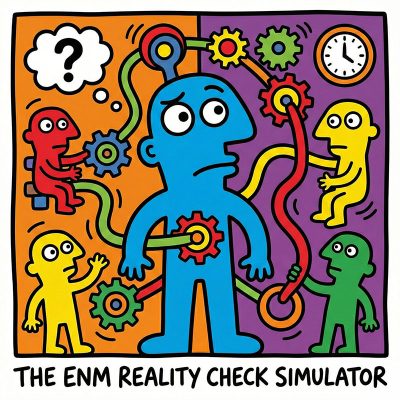
Theory is sexy. Reality is messy. You agreed you could date others, but how does your stomach drop when he takes her to your anniversary spot? Or when she comes home smelling like someone else?
This simulator drags your abstract rules into the harsh light of day. We force you to confront the visceral, gut-wrenching scenarios that actually destroy relationships, before they happen. Test your nervous system in the simulator so you don't crash the car in real life.
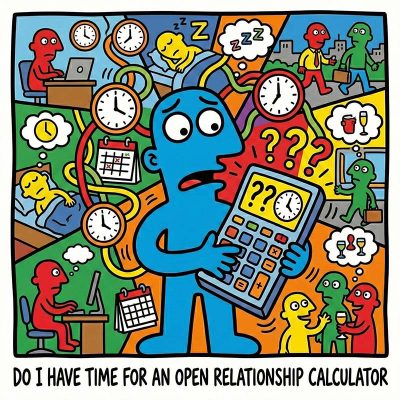
The fantasy is endless romance. The reality? It’s a logistical nightmare. Dating isn't just sex; it’s a second job of swiping, spending, and emotional processing that drains your sanity. Underestimating the "admin" of non-monogamy is the fastest way to turn your relationship into a burnout factory where resentment thrives.
This calculator forces you to confront the brutal math of your time, energy, and wallet. Can you actually afford this lifestyle, or are you just signing up for exhaustion?
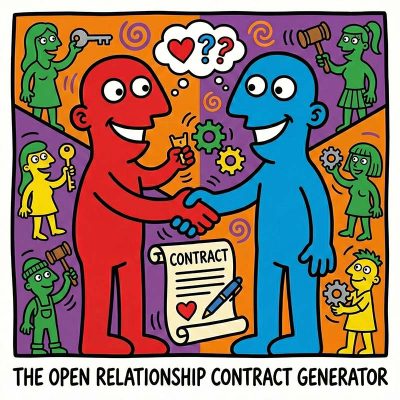
"I thought we agreed" is the sentence that destroys relationships & marriages. Relying on verbal promises when emotions run high is a gamble you cannot afford to lose. Your memory isn't just faulty; it's a liability. Ambiguity is the oxygen that jealousy breathes, turning "freedom" into a minefield of "did I mess up?"
This generator transforms vague permissions into a concrete, signed reality. Stop arguing about what you thought was said and lean on what is written. Secure your boundaries in ink, not hope.
Why building a supportive community improves ENM life
A good community offers emotional safety practical advice and social opportunities. You can share workshop notes you found helpful vote on what topics to explore next and celebrate wins. A strong community helps you learn to communicate about difficult topics without letting small issues grow into bigger fights. It also normalizes the ups and downs that come with ENM by showing that jealousy insecurity and boundary testing are common human experiences not personal flaws. When you have people who understand the journey you feel less alone and more capable of handling the hard moments with grace and humor.
Where to find potential community members
Finding your people can happen in many places. You can combine online connections with in person events to grow a solid network. Here are several practical options that work well for busy lives.
Online communities
- Moderated ENM forums where people share experiences and ask questions in a respectful environment.
- Social media groups and dating apps that emphasize consent and clear boundaries.
- Educational platforms offering courses and discussion circles focused on communication negotiation and self awareness.
Local meetups and events
- Community centers or inclusive social spaces that host discussion circles and support groups.
- Independent meetups arranged by organizers who focus on inclusive language consent and safety.
- Workshops on topics like communication strategies conflict resolution and consent frameworks.
Safe spaces and guidelines
Look for spaces with explicit consent policies respectful language guidelines and clear opt out mechanisms. A good space supports people from diverse backgrounds including different relationship styles orientations and identities. Safety is not only physical safety but emotional safety as well. A well run group will have a code of conduct and a process for addressing reports or concerns.
Creating a community that feels right for you
Every ENM journey is unique. The trick is to create a space that honors your needs while being welcoming to others. Here is a practical blueprint you can adapt to your situation.
Start with core values
- Honesty and proactive communication as baseline practices in all interactions.
- Mutual respect for boundaries even when they shift or feel imperfect.
- Compersion as a goal but not a requirement understand that it takes time and is okay to work toward.
- Inclusion of diverse voices and experiences so the community grows from many perspectives.
Define your boundary framework
- Time boundaries include how much energy you want to invest and when you need downtime.
- Sexual boundaries cover what activities are on the table and what requires additional consent or safety steps.
- Emotional boundaries help you manage how much emotional energy you share with each person at any given time.
Make space for conversations
Set a regular cadence for talking about what is working and what is tough. You can use guided conversations to keep topics productive. A simple approach is to start with what is going well then discuss something to adjust and finish with a next step.
Manage jealousy with practical tools
- Identify triggers that show up as insecurity or fear of loss. Name them out loud when possible and map a plan to address them.
- Use a jealousy time out a short pause to collect thoughts before reacting.
- Ask questions that move toward understanding rather than blaming the other person.
Communication frameworks that help
Use frameworks that bring clarity. The following two are simple and effective.
- Non violent communication focuses on observations feelings needs and requests rather than judgments.
- The SBI model describes situation behavior impact as a way to describe what you saw what happened and why it matters to you.
Real life scenarios you might encounter
Scenario 1 A newcomer joining a scene or polyamory group
Alex is new to ENM and is nervous about meeting people who share this interest. The group welcomes newcomers with a short orientation to consent norms and expected behavior. Alex asks permission to share a personal boundary and is given time to process before engaging in deeper conversations. The facilitator explains that everyone can opt out of topics and activities at any time which helps reduce anxiety. Over a few weeks Alex builds one or two close connections and begins to feel part of a community that respects space and pace.
Scenario 2 A couple seeking a supportive OSO dynamic
A couple wants to explore a relationship with another partner but their primary bond needs to stay stable. They attend a discussion circle and practice transparent planning around scheduling dates with potential OSO partners. They agree on a process for sharing updates and discussing changes and they ensure all new partners receive an introduction to the couple’s values and boundaries. The process reduces fear of misalignment and keeps both partners feeling heard.
Scenario 3 A community conflict that needs care and repair
Two members have a disagreement about boundaries around social media sharing of private details. The group facilitator uses a calm mediation approach focusing on listening understanding and finding a cohesive path forward. They propose a shared space for storing boundary agreements and a check in to review them after major life changes. The outcome is a stronger culture of accountability and trust.
Scenario 4 Supporting someone through a difficult personal moment
One member experiences a breakup and feels isolated. The community responds by offering a listening circle a small care package and an invitation to a casual meet up where they can talk or simply be together. The key is to offer presence without pressure while validating their feelings. This creates a sense of belonging even in hard times.
Do's and donts for building a supportive community
- Do be explicit about consent and always ask before sharing personal stories or photos.
- Do create safe spaces with clear rules and a plan for handling problems.
- Do encourage diverse voices and invite people with different relationship styles to participate.
- Do model healthy communication avoid shaming and keep focus on learning and growth.
- Dont pressure anyone into sharing more than they are comfortable with.
- Dont gossip or spread information beyond the agreed audience.
- Dont assume everyone thinks the same way or shares the same boundary set.
- Dont weaponize jealousy use it as signal to negotiate rather than a weapon to punish.
Practical steps to start building your ENM community today
- Clarify your own boundaries and what you want from a community before reaching out to others.
- Choose a welcoming space such as a low key meet up or a private online group to start with.
- Post a clear guidelines document covering consent communication privacy and safety.
- Invite a few trusted people to help co host and model the behavior you want to see.
- Organize a regular cadence of check ins and social events that feel safe and fun.
- Be open to feedback adjust guidelines and celebrate progress along the way.
The role of leadership in ENM communities
A well led community does not mean a top down hierarchy. It means clear responsibilities and a shared commitment to safety and growth. A leader or group of facilitators can help with setting norms maintaining inclusive language managing conflicts and planning topics for discussion. Leaders should practice transparency and invite input so the space remains collaborative rather than controlling.
Inclusivity and accessibility in ENM communities
Make room for people of all backgrounds shapes sizes and life experiences. Accessibility includes physical space options online options different meeting times and clear language that avoids jargon or gatekeeping. Respect people who use different pronouns and ensure consent language is inclusive. The most lasting communities take care to welcome newcomers with the same warmth they give long term members.
Glossary of useful terms and acronyms ENM context
- ENM Ethical Non Monogamy a framework where multiple intimate connections exist with consent.
- CNM Consensual Non Monogamy a commonly used term in the ENM space.
- Polyamory The practice of having multiple romantic relationships with the knowledge and consent of everyone involved.
- Compersion A positive feeling when a partner shares happiness with another person.
- Boundary A clearly defined limit or expectation in a relationship or community setting.
- Consent An ongoing agreement to participate in any activity that is freely given and reversible.
- OSO Other Significant Other a partner who is important but not the primary partner in a given arrangement.
- Hierarchical A structure where some relationships hold more central importance than others.
- Non hierarchical A structure where all participants have equal status without a formal hierarchy.
- Safe space An environment where attendees feel respected and free from judgment or harm.
Frequently asked questions
How do I find people who share ENM interests in my area
Start with online groups that focus on ENM in your region. Attend local meet ups or workshops and be clear about your boundaries when you introduce yourself. Build trust gradually and avoid pressuring others to share more than they are comfortable with.
What should I look for in a community guidelines document
Look for clear consent procedures boundaries around privacy and sharing information set expectations for respectful language and a process for reporting concerns. A good set of guidelines feels welcoming and practical rather than punitive.
How can I handle jealousy within a community setting
View jealousy as information about needs not as a threat to someone else. Use a calm approach identify the trigger talk through it with the person involved and agree on a plan to address it. Jealousy is normal it is solvable with time and honest conversation.
Is it better to join an online community or a local in person group
Both have value. Online communities offer accessibility and privacy while in person groups provide better nonverbal communication and stronger trust. A blended approach often works well combining both formats.
How do I keep personal information safe when sharing in a community
Share only what you are comfortable with and respect others privacy. Use private spaces for intimate details and avoid posting identifiable information publicly. When in doubt ask before you share or tag someone in a post.
What if a conflict arises in the group
Address conflicts early with a calm meeting or facilitated conversation. Use a structured approach to listen acknowledge and create a path forward. If needed bring in an outside mediator or retreat to a neutral space to reset the conversation.
How do I support someone who is new to ENM
Offer a warm welcome a listening ear and basic resources. Encourage them to take things at their own pace and help them set initial boundaries. Avoid pressuring them into a dynamic they are not ready for.
The freedom of an open relationship sounds incredible, but the logistics can feel like holding a grenade. That spinning "what if" anxiety isn't paranoia, it’s your survival instinct warning you that your bond is exposed. "Just seeing what happens" is the fastest way to turn a fantasy into a breakup.
The Essential Guide replaces chaos with discipline. We give you the blueprints, jealousy protocols, and repair scripts needed to explore the edge without falling off. Don't guess. Secure your foundation first.
The world of non-monogamy is a maze of confusing labels. Trying to be "Polyamorous" when your heart actually needs "Swinging" isn't just a vocabulary error; it’s a recipe for misery.
You can't build a stable home on a foundation that doesn't fit your psychology. This tool analyzes your emotional bandwidth and jealousy triggers to design the exact structure you need. Stop trying to squeeze into a box that doesn't fit. Build a relationship that actually feels like home.
Opening up feels exciting, but if you aren't reading from the same script, you're writing a tragedy. The disconnect between "I want freedom" and "I want safety" is where hearts break. This isn't just a quiz; it’s a synchronization engine.
We identify the silent gaps in your desires—from sleepover rules to emotional bandwidth, before they become unbridgeable chasms. Don't wait until the damage is done to find out you were never on the same page. Align your compasses now.
Theory is sexy. Reality is messy. You agreed you could date others, but how does your stomach drop when he takes her to your anniversary spot? Or when she comes home smelling like someone else?
This simulator drags your abstract rules into the harsh light of day. We force you to confront the visceral, gut-wrenching scenarios that actually destroy relationships, before they happen. Test your nervous system in the simulator so you don't crash the car in real life.
The fantasy is endless romance. The reality? It’s a logistical nightmare. Dating isn't just sex; it’s a second job of swiping, spending, and emotional processing that drains your sanity. Underestimating the "admin" of non-monogamy is the fastest way to turn your relationship into a burnout factory where resentment thrives.
This calculator forces you to confront the brutal math of your time, energy, and wallet. Can you actually afford this lifestyle, or are you just signing up for exhaustion?
"I thought we agreed" is the sentence that destroys relationships & marriages. Relying on verbal promises when emotions run high is a gamble you cannot afford to lose. Your memory isn't just faulty; it's a liability. Ambiguity is the oxygen that jealousy breathes, turning "freedom" into a minefield of "did I mess up?"
This generator transforms vague permissions into a concrete, signed reality. Stop arguing about what you thought was said and lean on what is written. Secure your boundaries in ink, not hope.
