
Communication and Agreements

Welcome to a deep dive that treats talking about relationships like the real life experiment it is. Ethical Non Monogamy or ENM is about openness honesty and consent guided by clear communication and thoughtful agreements. Here we break down what works what to avoid and how to build a framework that helps every person in the dynamic feel respected and secure. You will get practical tips for conversations templates to capture ideas and real world scenarios to learn from. If you are curious about how to negotiate love without fences this guide is for you.
Quick Links to Useful Sections
- What Ethical Non Monogamy is and why communication matters
- Core terms you should know
- Principles of healthy ENM communication
- How to have effective ENM conversations
- From agreements to boundaries to practical plans
- Types of agreements you will often see
- A practical step by step guide to creating your ENM agreements
- Real world scenarios and how to talk through them
- Scenario one a couple exploring with a new partner
- Scenario two a triad with shifting emotional dynamics
- Scenario three long distance ENM and tech dating
- Scenario four dealing with jealousy without shaming
- How to handle jealousy and cultivate compersion
- Privacy boundaries and social sharing
- Keeping agreements current and flexible
- Practical tools that help ENM conversation and agreement flow
- Common pitfalls to avoid in ENM communication
- Templates and prompts you can adapt
- Glossary of useful terms and acronyms
- Frequently asked questions
What Ethical Non Monogamy is and why communication matters
Ethical Non Monogamy means choosing to have more than one meaningful intimate connection with the knowledge and consent of everyone involved. It is not about chaos or drama it is about intentional choices made through dialogue. The word ethical here signals that honesty consent and respect guide the process rather than secrecy or manipulation. In ENM you are building a shared map not a static rule book. Communication is the engine that keeps that map accurate and useful.
When you start talking openly you create options not walls. You invite collaboration instead of competition. You move from surprise to foresight and planning. The result can be relationships that feel wide enough to hold more love and stable enough to avoid unnecessary pain. It is a balancing act that takes practice but it pays off with more clarity and less guesswork.
Core terms you should know
- ENM Short for Ethical Non Monogamy. It means engaging in multiple intimate connections with consent and honesty.
- Agreement A clearly stated plan that describes what is allowed what is not allowed and how decisions will be made. Agreements are living documents that can change over time.
- Boundary A personal limit that describes what you are unwilling to do or experience. Boundaries protect your wellbeing and help others know how to interact with you.
- Open communication Ongoing honest dialogue about feelings needs boundaries and changes in the situation.
- Compersion The feeling of joy you experience when your partner experiences happiness with someone else. This is the opposite of jealousy in many moments.
- Jealousy management Tactics that help you feel secure in your own place in the relationship and reduce fear or insecurity.
- Meta A term meaning the partner of a partner. Understanding who else is in the constellation helps with practical planning and emotional awareness.
- Primary partner The person who has taken a lead role in life organization and planning for you in the moment. Some ENM people use no hierarchy at all or a fluid view of primaries from phase to phase.
- Polycule The network of people connected through romantic or sexual relationships. It includes partners friends and sometimes family who are aware of each other.
- Negotiation The process of discussing options and making decisions about how the relationships will work. It is collaborative and ongoing.
The freedom of an open relationship sounds incredible, but the logistics can feel like holding a grenade. That spinning "what if" anxiety isn't paranoia, it’s your survival instinct warning you that your bond is exposed. "Just seeing what happens" is the fastest way to turn a fantasy into a breakup.
The Essential Guide replaces chaos with discipline. We give you the blueprints, jealousy protocols, and repair scripts needed to explore the edge without falling off. Don't guess. Secure your foundation first.

The world of non-monogamy is a maze of confusing labels. Trying to be "Polyamorous" when your heart actually needs "Swinging" isn't just a vocabulary error; it’s a recipe for misery.
You can't build a stable home on a foundation that doesn't fit your psychology. This tool analyzes your emotional bandwidth and jealousy triggers to design the exact structure you need. Stop trying to squeeze into a box that doesn't fit. Build a relationship that actually feels like home.

Opening up feels exciting, but if you aren't reading from the same script, you're writing a tragedy. The disconnect between "I want freedom" and "I want safety" is where hearts break. This isn't just a quiz; it’s a synchronization engine.
We identify the silent gaps in your desires—from sleepover rules to emotional bandwidth, before they become unbridgeable chasms. Don't wait until the damage is done to find out you were never on the same page. Align your compasses now.
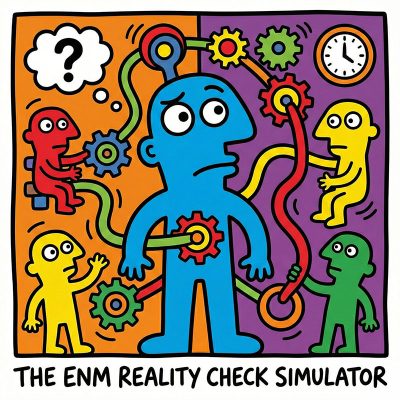
Theory is sexy. Reality is messy. You agreed you could date others, but how does your stomach drop when he takes her to your anniversary spot? Or when she comes home smelling like someone else?
This simulator drags your abstract rules into the harsh light of day. We force you to confront the visceral, gut-wrenching scenarios that actually destroy relationships, before they happen. Test your nervous system in the simulator so you don't crash the car in real life.
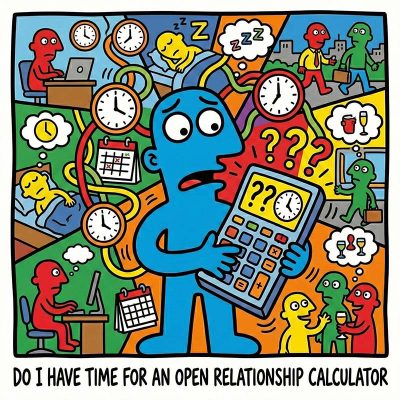
The fantasy is endless romance. The reality? It’s a logistical nightmare. Dating isn't just sex; it’s a second job of swiping, spending, and emotional processing that drains your sanity. Underestimating the "admin" of non-monogamy is the fastest way to turn your relationship into a burnout factory where resentment thrives.
This calculator forces you to confront the brutal math of your time, energy, and wallet. Can you actually afford this lifestyle, or are you just signing up for exhaustion?
"I thought we agreed" is the sentence that destroys relationships & marriages. Relying on verbal promises when emotions run high is a gamble you cannot afford to lose. Your memory isn't just faulty; it's a liability. Ambiguity is the oxygen that jealousy breathes, turning "freedom" into a minefield of "did I mess up?"
This generator transforms vague permissions into a concrete, signed reality. Stop arguing about what you thought was said and lean on what is written. Secure your boundaries in ink, not hope.
Principles of healthy ENM communication
Use these guiding ideas like a compass when you talk with partners. They help you stay on track even when emotions run high.
- Clarity beats guesswork Be specific about what you want and what you can handle. Ambiguity invites misunderstanding.
- Consent is ongoing Consent is not a one time check in. Revisit decisions as feelings and life circumstances change.
- Sharing is caring Share feelings thoughts and boundaries early and often. It is easier to adjust when information is current rather than buried.
- Respect your own needs Own your desires and limits without shaming yourself or others. Honesty in service of safety and wellbeing is the goal.
- Respect others needs Listen with curiosity even when you disagree. People deserve to have their feelings acknowledged.
- Security and privacy matter Decide what is shared with others and what stays private. Privacy protects trust and safety for everyone involved.
How to have effective ENM conversations
Conversations in ENM can feel risky because they touch on vulnerability. The good news is you can set up conversations to be productive and respectful. Here is a practical approach you can start today.
- Choose the right moment Pick a calm time when you both are not rushed and can focus. Avoid high stress moments right after a trigger or a fight.
- State your intention Start with a clear purpose. For example I want to talk about how we handle new dating this month and what would feel good to you.
- Use I statements Speak from your experience without blaming. I feel anxious when schedules change quickly and I want to find a way to plan together.
- Be specific Share concrete examples what happened what you would like to avoid and what success looks like for you.
- Invite feedback After sharing invite your partner to reflect and ask questions. This is a two way street not a monologue.
- Summarize and document End with a recap of what you agreed and a plan for next steps. Write it down so you both have a reference.
From agreements to boundaries to practical plans
In ENM you will encounter three related but distinct concepts. Understanding how they relate helps you craft better plans.
- Boundaries Personal non negotiables. Boundaries protect your safety and core values. They are about what you are not willing to do or experience.
- Agreements Concrete decisions about how you will behave as a group. Agreements cover activities time frames safety rules and communication norms.
- Expectations Shared assumptions about how things should go. If you have never explicitly discussed an expectation it is better to treat it as an assumption and clarify it.
Types of agreements you will often see
Agreements can be framed in several ways depending on the needs of the people involved. Here are common formats you will encounter and how they function.
- Hard boundaries Clear unchanging limits for example no dating people who are in a committed relationship with a close friend. These are not negotiable for you and your partner to consider altering.
- Soft boundaries Flexible limits that can be revisited. For example dating someone new but with a minimum time before becoming intimate. This can shift with context and dialogue.
- Time based agreements Rules about scheduling time for each partner or for group events. Time management keeps calendars from colliding and helps everyone feel seen.
- Sexual safety agreements Clear expectations about protection practice and STI testing. Safety rules protect health and reduce risk while respecting autonomy.
- Disclosure agreements Decisions about what to share with others in your orbit such as friends family or social media. It is about privacy and respect.
- Communication norms How often you check in tools you use and how you handle conflict. A shared communication rhythm reduces stress during busy periods.
A practical step by step guide to creating your ENM agreements
Creating agreements is not a one off event it is an ongoing process. Here is a simple framework you can use to start or rework your ENM agreements today.
- Set a dedicated conversation window Block off time where you can talk without interruptions. This is not something to rush in the middle of a dinner cleanup or a commute.
- Create a neutral space Agree on a tone and place for the discussion. A calm environment helps people think more clearly and speak more honestly.
- Share your core needs Each person states what matters most to them. Focus on safety trust and emotional wellbeing first.
- Clarify risks and fears Name what makes you anxious and why. That clarity often reveals the real root of a constraint you want to address.
- Propose concrete options Rather than a vague idea offer specific options with pros and cons. For example a limit on dating frequency or a rule about discussing a date with a partner before it happens.
- Negotiate and reach a verdict Listen to each other and shape the agreements so that everyone can sign on with some level of comfort. If consensus is elusive decide to revisit after a set period.
- Document and schedule revisits Write down the agreements and set a time to review them. A living document is essential in ENM as life changes.
The freedom of an open relationship sounds incredible, but the logistics can feel like holding a grenade. That spinning "what if" anxiety isn't paranoia, it’s your survival instinct warning you that your bond is exposed. "Just seeing what happens" is the fastest way to turn a fantasy into a breakup.
The Essential Guide replaces chaos with discipline. We give you the blueprints, jealousy protocols, and repair scripts needed to explore the edge without falling off. Don't guess. Secure your foundation first.
The world of non-monogamy is a maze of confusing labels. Trying to be "Polyamorous" when your heart actually needs "Swinging" isn't just a vocabulary error; it’s a recipe for misery.
You can't build a stable home on a foundation that doesn't fit your psychology. This tool analyzes your emotional bandwidth and jealousy triggers to design the exact structure you need. Stop trying to squeeze into a box that doesn't fit. Build a relationship that actually feels like home.
Opening up feels exciting, but if you aren't reading from the same script, you're writing a tragedy. The disconnect between "I want freedom" and "I want safety" is where hearts break. This isn't just a quiz; it’s a synchronization engine.
We identify the silent gaps in your desires—from sleepover rules to emotional bandwidth, before they become unbridgeable chasms. Don't wait until the damage is done to find out you were never on the same page. Align your compasses now.
Theory is sexy. Reality is messy. You agreed you could date others, but how does your stomach drop when he takes her to your anniversary spot? Or when she comes home smelling like someone else?
This simulator drags your abstract rules into the harsh light of day. We force you to confront the visceral, gut-wrenching scenarios that actually destroy relationships, before they happen. Test your nervous system in the simulator so you don't crash the car in real life.
The fantasy is endless romance. The reality? It’s a logistical nightmare. Dating isn't just sex; it’s a second job of swiping, spending, and emotional processing that drains your sanity. Underestimating the "admin" of non-monogamy is the fastest way to turn your relationship into a burnout factory where resentment thrives.
This calculator forces you to confront the brutal math of your time, energy, and wallet. Can you actually afford this lifestyle, or are you just signing up for exhaustion?
"I thought we agreed" is the sentence that destroys relationships & marriages. Relying on verbal promises when emotions run high is a gamble you cannot afford to lose. Your memory isn't just faulty; it's a liability. Ambiguity is the oxygen that jealousy breathes, turning "freedom" into a minefield of "did I mess up?"
This generator transforms vague permissions into a concrete, signed reality. Stop arguing about what you thought was said and lean on what is written. Secure your boundaries in ink, not hope.
Real world scenarios and how to talk through them
Seeing how conversations can unfold in practice helps you plan ahead. Here are some realistic situations and example dialogue style. Remember this is a starting point you will tailor it to your own voice and relationships.
Scenario one a couple exploring with a new partner
Alex and Casey have a long term relationship and they are considering dating a new partner they will call Jordan. They want to talk about time boundaries safe sex practices and how information is shared between all parties. They sit down and open with I statements. Alex says I feel hopeful and a little nervous about meeting someone new and I want to make sure we both feel comfortable with how much we share about that person. Casey adds I feel the same and I want to avoid situations where one of us feels left out. They agree on a weekly check in they will each limit dating to two evenings per week and they will share basic information about Jordan there will be emotional updates but not intimate details unless both agree. They decide to use condoms and agree to use a reliable form of birth control unless all parties consent to a different approach. They write these decisions into their agreement and set a date to review after one month.
Scenario two a triad with shifting emotional dynamics
Nova Atlas and Blair form a triad. They want to maintain fairness while acknowledging that emotional intensity can vary. They agree to a policy of rotating date nights with an explicit understanding that some weeks one person may have more time with another partner. They decide to track time in a shared calendar and to hold a monthly triad debrief to talk about what is working and where resentment might be growing. They also set a boundary that no one will be made to feel obligated to respond to messages after a certain hour to preserve sleep and personal space. They know this is a living experiment and they commit to revisiting the arrangement if jealousy becomes persistent or unfair patterns appear.
Scenario three long distance ENM and tech dating
Rita and Devin live in separate cities and have an agreement for occasional dating with other people. They discuss what information they want about a date such as emotional updates and what details feel private. They agree to a brief text message after each date and a deeper weekly conversation about the relationship and feelings. They establish a safe sex plan including STI testing every six months and a preference to discuss potential safety concerns before meeting someone new. They also agree to a back up plan if a date goes too long or shifts into something more serious so both partners feel safe and respected.
Scenario four dealing with jealousy without shaming
Kai and Sam notice a rising sense of jealousy during a new dating phase. They implement a jealousy management plan which includes regular check in times two minute breathing exercises when tension rises and a short walk to cool down. They also practice compersion by actively celebrating each other s joys and by sharing small wins from dates. They set a plan to pause new dating for a week if either person feels overwhelmed and revisit with a specific set of conditions before starting again. The key is to address the emotion without blaming the partner and to use it as a signal that a boundary or agreement needs refinement.
How to handle jealousy and cultivate compersion
Jealousy is a natural signal that something matters to you. Rather than suppressing the feeling you can use it as a guide. Compersion is the flip side the feeling of joy for a partner s happiness with someone else. Building compersion takes practice and a few habits help:
- Acknowledgement first Name the feeling without judgment. I feel a little jealous right now and I want to understand why helps you stay connected rather than explode.
- Own your need Clarify what would help you feel secure and loved. For example I need more one on one time with you this week to feel connected.
- Reframe the story Look for positive angles. Your partner is growing their life and that can enrich your own life too.
- Practice gratitude Celebrate what you enjoy about the relationship and the trust that is built through openness.
- Seek support If jealousy becomes frequent or overwhelming consider speaking with a therapist who understands ENM dynamics.
Privacy boundaries and social sharing
Decide what to share with friends family and social media. Some people share only broad strokes while others are comfortable with more details. The key is to discuss privacy expectations with all partners and to document these preferences in your agreements so everyone is on the same page even if life circumstances change.
Keeping agreements current and flexible
Life moves fast and feelings shift. A living document approach is essential in ENM. Schedule regular check ins to adjust boundaries and renew agreements. If a partner s needs change you can renegotiate with an emphasis on fairness and care. It is perfectly normal for details to evolve as you learn more about yourselves and each other.
Practical tools that help ENM conversation and agreement flow
- Shared notes A private space where all partners can add thoughts reflections and updates.
- Calendar integration A group calendar that shows dating blocks important dates and check in days to avoid over booking everyone.
- Date notes Short records after a date capturing feelings and what worked or did not work for future reference.
- Check in rituals A simple routine such as a weekly five minute chat or a longer monthly review to keep communication consistent.
- Safety plan Clear steps for what to do if someone feels unsafe or if a boundary is crossed including who to contact and how to pause activities if needed.
Common pitfalls to avoid in ENM communication
- Coercion Pressuring someone to accept a dating scenario or activity is not okay. Consent must be freely given by everyone involved.
- Information dumping Flooding a partner with too much at once can backfire. Pace conversations and check for understanding.
- Assuming rather than asking If you are unsure about a boundary or feeling ask and confirm. Assumptions often lead to hurt feelings.
- Inconsistent communication Irregular updates create distance and suspicion. Set a rhythm that fits all partners.
- Ignoring emotions Dismissing jealousy sadness or insecurity keeps problems hidden and grows resentments.
Templates and prompts you can adapt
These prompts are designed to get you started with clear language and honest intent. Use them as a base you can customize for your dynamic.
- Intention statement I want to discuss how we handle new dating this month and ensure we both feel valued and safe.
- Boundary prompt A boundary I have is that we will not discuss intimate details from other dates unless both of us want to hear them. Is that acceptable to you?
- Agreement prompt If one of us wants to pause dating for a set period we will inform the other at least 24 hours in advance and revisit the plan after two weeks.
- Jealousy check in When I feel jealousy I will name the feeling and ask for one concrete change that would help me feel better this week.
- Compersion exercise Share one small win from your date with the other partner and celebrate the joy together.
Glossary of useful terms and acronyms
- ENM Ethical Non Monogamy a relationship style that embraces more than one romantic or sexual connection with consent.
- Agreement A written or agreed plan that outlines what is allowed what is not allowed and how decisions are made.
- Boundary A personal limit about what you will or will not do or experience.
- Compersion Joy at your partner s happiness with another person.
- Jealousy An emotion that can signal a need for better communication or security.
- Meta The partner of a partner in a polyamorous or ENM network.
- Primary partner A partner who plays a central role in life planning and emotional safety for a period of time.
- Polycule The network of people connected through relationships in a ENM lifestyle.
- Negotiation The process of discussing and deciding how the relationships will work.
- Safe sex policy A set of rules about protection testing and health to reduce risk in sex between partners.
Frequently asked questions
Here are common questions people ask when they start exploring ENM communication and agreements. If you have a question not listed here you can take it to your partners for discussion or ask us for a tailored prompt.
How do you start a conversation about ENM if you are nervous
Begin with a calm statement about your intent and a simple invitation to talk. For example Hello I would like to talk about expanding our relationship in a way that respects both of us. Can we sit down for a short chat this evening? Use I statements and share one or two core feelings to anchor the talk.
What is the difference between an agreement and a boundary
A boundary is a personal non negotiable limit. An agreement is a shared decision about how you will act in a given situation. They work together with boundaries to create a safe and fair dynamic.
How often should ENM agreements be reviewed
Regular reviews are important. Many couples schedule a formal review every month or two and a more casual touch base weekly. Adjustments can happen anytime but deliberate reviews ensure everyone is heard.
What should I do if I feel jealous
Acknowledge the feeling name it and share it. Then discuss what would help you feel better whether that is more time together more open communication or a temporary pause on dating. If jealousy persists seek guidance from a professional who understands ENM dynamics.
How can we avoid controlling behavior
Make decisions together instead of issuing edicts. Check in about power dynamics and keep an emphasis on consent and respect. If one person starts dictating terms that is a red flag you should pause and reassess the partnership structure.
Is ENM possible in a long distance setup
Yes. Long distance ENM works with clear communication explicit agreements and reliable communication tools. Schedule regular check ins and discuss what is possible given the distance. Use technology to stay connected and to keep promises.
The freedom of an open relationship sounds incredible, but the logistics can feel like holding a grenade. That spinning "what if" anxiety isn't paranoia, it’s your survival instinct warning you that your bond is exposed. "Just seeing what happens" is the fastest way to turn a fantasy into a breakup.
The Essential Guide replaces chaos with discipline. We give you the blueprints, jealousy protocols, and repair scripts needed to explore the edge without falling off. Don't guess. Secure your foundation first.
The world of non-monogamy is a maze of confusing labels. Trying to be "Polyamorous" when your heart actually needs "Swinging" isn't just a vocabulary error; it’s a recipe for misery.
You can't build a stable home on a foundation that doesn't fit your psychology. This tool analyzes your emotional bandwidth and jealousy triggers to design the exact structure you need. Stop trying to squeeze into a box that doesn't fit. Build a relationship that actually feels like home.
Opening up feels exciting, but if you aren't reading from the same script, you're writing a tragedy. The disconnect between "I want freedom" and "I want safety" is where hearts break. This isn't just a quiz; it’s a synchronization engine.
We identify the silent gaps in your desires—from sleepover rules to emotional bandwidth, before they become unbridgeable chasms. Don't wait until the damage is done to find out you were never on the same page. Align your compasses now.
Theory is sexy. Reality is messy. You agreed you could date others, but how does your stomach drop when he takes her to your anniversary spot? Or when she comes home smelling like someone else?
This simulator drags your abstract rules into the harsh light of day. We force you to confront the visceral, gut-wrenching scenarios that actually destroy relationships, before they happen. Test your nervous system in the simulator so you don't crash the car in real life.
The fantasy is endless romance. The reality? It’s a logistical nightmare. Dating isn't just sex; it’s a second job of swiping, spending, and emotional processing that drains your sanity. Underestimating the "admin" of non-monogamy is the fastest way to turn your relationship into a burnout factory where resentment thrives.
This calculator forces you to confront the brutal math of your time, energy, and wallet. Can you actually afford this lifestyle, or are you just signing up for exhaustion?
"I thought we agreed" is the sentence that destroys relationships & marriages. Relying on verbal promises when emotions run high is a gamble you cannot afford to lose. Your memory isn't just faulty; it's a liability. Ambiguity is the oxygen that jealousy breathes, turning "freedom" into a minefield of "did I mess up?"
This generator transforms vague permissions into a concrete, signed reality. Stop arguing about what you thought was said and lean on what is written. Secure your boundaries in ink, not hope.
