
Core Values That Define Ethical Non Monogamy


Welcome to a practical, honest, and a little bit playful deep dive into the core values that define ethical non monogamy. If you are curious about ENM that stands for Ethical Non Monogamy you are in good company. This is not about chasing perfection it is about choosing a healthy framework where honesty consent respect and care guide every relationship choice. Think of ENM as a flexible toolkit for connection rather than a rigid set of rules. My aim here is to lay out the big ideas the values that hold ENM together and then show you how to apply them in real life with empathy and practicality. Let’s talk like grownups who want to get better at relating to people we care about while still keeping our own needs visible and respected.
Quick Links to Useful Sections
- What ENM means and why values matter
- Consent and enthusiastic participation as the foundation
- Understanding consent in ENM
- Enthusiastic consent vs blanket consent
- Boundaries and renegotiation
- Honest communication and transparency as everyday practice
- The power of honest communication
- Transparency versus oversharing
- Tools for effective ENM communication
- Respect and autonomy as daily practice
- Respecting time energy and boundaries
- Autonomy and ownership of decisions
- Power dynamics and equality
- Negotiation as a discipline and consent culture
- Negotiation frameworks that work
- Time limited agreements and renegotiation cycles
- Handling breaches with care
- Accountability and care ethics
- Accountability as a relational habit
- Repair processes and aftercare
- Safety first including emotional and physical wellbeing
- Emotional safety as a baseline
- Physical safety and safer sex practices
- Boundaries about information sharing and privacy
- Jealousy compersion and emotional work
- Understanding jealousy as a signal
- Compersion the opposite of envy
- Practical jealousy management techniques
- Flexibility and honoring agreements
- Balancing consistency with adaptability
- When agreements fail and how to recover
- Relationship structure and hierarchy in ENM
- Non hierarchical versus hierarchical setups
- How to discuss structure with partners
- Ethical dating technology and privacy
- Privacy and consent in dating apps and online spaces
- Policy for sharing stories and images
- Realistic scenarios and common mistakes to avoid
- Scenario one a new partner joins an existing network
- Scenario two jealousy flares up during a busy period
- Scenario three a partner wants to date someone who has a history of conflicts
- Practical tips for building ENM ethics in everyday life
- Glossary of useful terms and acronyms
- Frequently asked questions
In this guide you will find terms explained so everyone can understand what is being discussed. You will also see real world scenarios and practical tips you can try in your own life. The world of ethical non monogamy is not about petty drama and drama free is not the goal. The goal is consistent care honest communication and a culture where all involved feel respected and safe. If you are coming from a monogamous background this may feel like a jump but the core values are universal and incredibly useful no matter your starting point.
What ENM means and why values matter
ENM stands for Ethical Non Monogamy. It is a relational approach that recognizes that people can have meaningful connections with more than one partner at a time with consent transparency and ongoing negotiation. The core values we are about to explore are the glue that keeps ENM relationships functional and thriving. When values are clear everyone knows what to expect and what is acceptable which reduces miscommunication and hurts feelings. Values act like a compass guiding decisions especially when situations get tricky. The point is not to create a cookie cutter relationship style but to offer a principled framework that supports consent autonomy and care for everyone involved. You will see that this is less about freedom from rules and more about disciplined freedom with boundaries that protect people you care about.
Consent and enthusiastic participation as the foundation
Understanding consent in ENM
Consent is a mutual agreement about what will and will not happen in a given situation. In ENM consent is ongoing and revisited as feelings change and life shifts. It is not a one and done checkbox rather a living process. The moment you treat consent as flexible you open space for growth learning and safety. Consent is not only about sexual activity it also covers emotional boundaries time commitments and how information will be shared with others. A core ENM value is that all participants have agency and power in decisions that affect them. No one is pressured into something they do not want and no one is left out of important conversations simply because it seems easier to go with the flow.
Enthusiastic consent vs blanket consent
Enthusiastic consent means yes with energy and intentionality not just the absence of a no. It is about actively choosing to participate and showing up with a positive mindset. Blanket consent is a trap in ENM because circumstances change and people grow. A date that felt exciting last year might feel less appealing this year and that is perfectly fine as long as you renegotiate openly. The healthier path is to seek ongoing consent conversation by conversation rather than assuming agreement based on past interactions. This is how you prevent coercion and create a culture of mutual respect.
Boundaries and renegotiation
Boundaries are personal and dynamic. They outline what you are willing to offer and what you expect in return. Boundaries should be clear concrete and negotiable. Nobody should guess what your boundary is you should express it clearly and revisit it when life changes whether that means a new job schedule a new partner or a changed comfort level with physical affection. Renegotiation is not a sign of failure it is a sign of growth. You can arrive at new agreements that better fit the current reality and you can do this as a team with kindness and honesty.
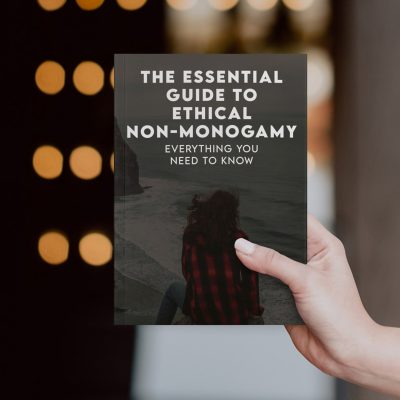
The freedom of an open relationship sounds incredible, but the logistics can feel like holding a grenade. That spinning "what if" anxiety isn't paranoia, it’s your survival instinct warning you that your bond is exposed. "Just seeing what happens" is the fastest way to turn a fantasy into a breakup.
The Essential Guide replaces chaos with discipline. We give you the blueprints, jealousy protocols, and repair scripts needed to explore the edge without falling off. Don't guess. Secure your foundation first.
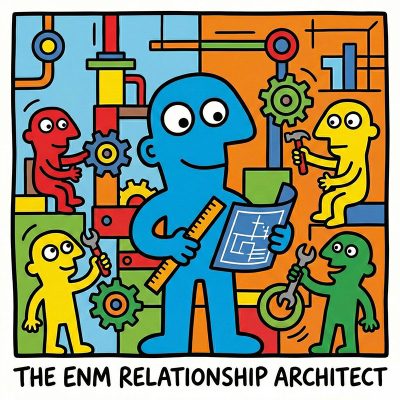
The world of non-monogamy is a maze of confusing labels. Trying to be "Polyamorous" when your heart actually needs "Swinging" isn't just a vocabulary error; it’s a recipe for misery.
You can't build a stable home on a foundation that doesn't fit your psychology. This tool analyzes your emotional bandwidth and jealousy triggers to design the exact structure you need. Stop trying to squeeze into a box that doesn't fit. Build a relationship that actually feels like home.
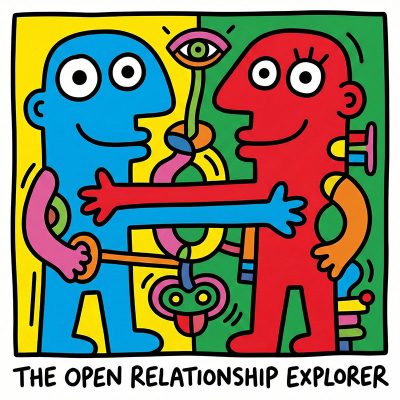
Opening up feels exciting, but if you aren't reading from the same script, you're writing a tragedy. The disconnect between "I want freedom" and "I want safety" is where hearts break. This isn't just a quiz; it’s a synchronization engine.
We identify the silent gaps in your desires—from sleepover rules to emotional bandwidth, before they become unbridgeable chasms. Don't wait until the damage is done to find out you were never on the same page. Align your compasses now.
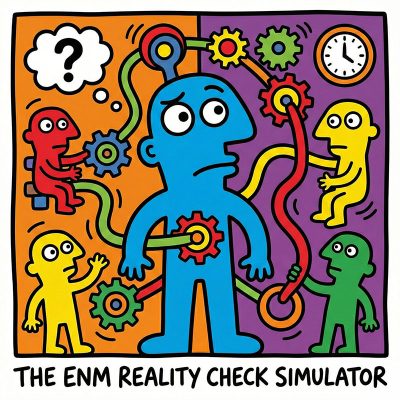
Theory is sexy. Reality is messy. You agreed you could date others, but how does your stomach drop when he takes her to your anniversary spot? Or when she comes home smelling like someone else?
This simulator drags your abstract rules into the harsh light of day. We force you to confront the visceral, gut-wrenching scenarios that actually destroy relationships, before they happen. Test your nervous system in the simulator so you don't crash the car in real life.

The fantasy is endless romance. The reality? It’s a logistical nightmare. Dating isn't just sex; it’s a second job of swiping, spending, and emotional processing that drains your sanity. Underestimating the "admin" of non-monogamy is the fastest way to turn your relationship into a burnout factory where resentment thrives.
This calculator forces you to confront the brutal math of your time, energy, and wallet. Can you actually afford this lifestyle, or are you just signing up for exhaustion?
"I thought we agreed" is the sentence that destroys relationships & marriages. Relying on verbal promises when emotions run high is a gamble you cannot afford to lose. Your memory isn't just faulty; it's a liability. Ambiguity is the oxygen that jealousy breathes, turning "freedom" into a minefield of "did I mess up?"
This generator transforms vague permissions into a concrete, signed reality. Stop arguing about what you thought was said and lean on what is written. Secure your boundaries in ink, not hope.
Honest communication and transparency as everyday practice
The power of honest communication
Honest communication is the daily habit that makes ENM workable. It means sharing true feelings even when they are uncomfortable and doing so in a way that is not attacking the other person. Honest communication requires listening actively and asking clarifying questions. It also means naming emotions and needs specifically rather than making vague statements that can be misinterpreted. It is okay to say I am feeling insecure right now and I would like to talk about what would help me feel safe. You deserve that honesty and so does your partner.
Transparency versus oversharing
Transparency means sharing information that affects the relationship and the well being of everyone involved. It is not about dumping every thought on the other person or broadcasting private details. The goal is to provide enough context so that decisions can be made with all relevant information. The balance is to protect privacy while avoiding secrecy that can erode trust. A simple rule of thumb is to share information that could change how someone makes a decision about a boundary or a commitment.
Tools for effective ENM communication
- Regular check ins where all participants can speak openly
- Clear and explicit language about what is being requested
- Escalation plans for difficult conversations
- Written summaries of agreements to reduce memory gaps
- Space for emotions separate from problem solving
Respect and autonomy as daily practice
Respecting time energy and boundaries
Respect is about treating others with consideration and dignity. It means showing up on time following through on commitments and acknowledging the impact of your choices on others. Respect also means honoring boundaries even if they differ from your own. In ENM every person has autonomy and deserves consideration not pressure admiration or manipulation. Respect is not a suggestion it is a standard that shapes every interaction.
Autonomy and ownership of decisions
Autonomy is the power to make your own choices. In ENM this means recognizing that each person owns their desires limits and decisions. No one should be coerced or coerced into participating in something that makes them uncomfortable. A healthy ENM approach values autonomy even when it complicates shared life plans. When autonomy is respected relationships have space to evolve and flourish rather than stagnate in a fog of unspoken resentment.
Power dynamics and equality
Power dynamics can show up in many forms including age experience economic resources or social capital. ENM communities aim for fairness and consent driven decisions rather than to reinforce old fashioned hierarchies. That does not mean every relationship is identical or that everyone has to be exactly the same. It does mean that all voices are invited to the table and that decisions are made with consent and care for all involved.
Negotiation as a discipline and consent culture
Negotiation frameworks that work
Negotiation in ENM is about creating agreements that work in real life. Start with clarity about what you want and what your partner is willing to offer. Use concrete terms such as how often you plan to date a new person what level of information you will share and what qualifies as a breach of a boundary. The goal is to reach a shared understanding that protects everyone involved. Over time negotiation becomes a muscle you exercise to adapt to new life phases and relationships.
Time limited agreements and renegotiation cycles
Time limited agreements provide checkpoints where you review how things are going. A monthly or quarterly renegotiation cycle can prevent drift. The key is to keep these cycles predictable and inclusive inviting all participants to contribute. If a boundary is crossed or a feeling shifts the renegotiation should be easy to initiate. Creating a culture where renegotiation is normal reduces conflict and fosters trust.
Handling breaches with care
Breaches happen even in the best of setups. The ENM mindset is to address breaches with accountability repair and learning. An honest apology followed by a clear plan to repair harm is a strong foundation. Agreement on what repair looks like can vary from a cooling off period to a practical change in behavior. The focus should be on restoring safety and trust rather than assigning blame.
Accountability and care ethics
Accountability as a relational habit
Accountability means owning your actions acknowledging the impact on others and taking steps to repair harm. It is a sign of maturity and commitment to care. In ENM this often shows up as timely disclosure when plans change and a willingness to adjust your behavior to protect the emotional safety of all involved. Accountability is not punitive it is about learning and improving together.
Repair processes and aftercare
Aftercare is the practice of taking care of each other after emotionally charged or boundary crossing experiences. This can include checking in with everyone involved asking how they felt and what they might need going forward. Repair looks like concrete steps to prevent recurrence and a renewed mutual commitment to the agreed boundaries. A strong aftercare practice helps people feel seen and supported even after tough moments.
Safety first including emotional and physical wellbeing
Emotional safety as a baseline
Emotional safety means creating spaces where people can express fears pains joys and boundaries without fear of ridicule or punishment. It requires listening without becoming defensive and validating others feelings. Emotional safety is built through consistent behavior over time. It is the bedrock of trust and the foundation for deep connections.
Physical safety and safer sex practices
Physical safety includes practicing safer sex having honest conversations about STI testing boundaries and consent around physical affection. It also means respecting anyone refusal of sexual activity at any moment. Regular STI testing transparent sharing of results and agreed strategies for protection are practical steps that protect all partners involved. This is not about paranoia it is about care and responsibility and it is part of modern ethical non monogamy.
Boundaries about information sharing and privacy
Privacy matters in ENM. Decide together what information is shared with others what stays private and how much detail about intimate life is appropriate to disclose in different settings. Boundaries around privacy help prevent gossip misinterpretation and jealousy triggered by rumors. A clear privacy policy for your relationships helps you sleep better at night.
Jealousy compersion and emotional work
Understanding jealousy as a signal
Jealousy is a normal human emotion not a failing. It often signals a need a boundary or a change in intimacy level. The ENM approach is not to erase jealousy but to explore what it is telling you in a compassionate way. Acknowledge the feeling label it describe it and then decide what action would make you feel safer or more seen. This kind of emotional work strengthens all parts of the relationship.
Compersion the opposite of envy
Compersion is the feeling of genuine happiness for a partner when they experience joy with someone else. Cultivating compersion takes intentional practice. Celebrate small wins and share in the emotional success of your partner. It does not require suppressing your own needs it simply adds a layer of generosity to your relational toolkit.
Practical jealousy management techniques
- Use a feelings journal to name what you feel and why
- Schedule regular check ins to discuss evolving needs
- Ask for reassurance rituals that feel affirming
- Bring a trusted friend or therapist into the conversation when needed
- Keep a boundary renegotiation plan ready for moments of high emotion
Flexibility and honoring agreements
Balancing consistency with adaptability
Life changes and so do people. A strong ENM practice values stability while recognizing that flexibility is essential. If a boundary no longer fits the current reality it should be renegotiated rather than ignored. The aim is to keep agreements relevant and respectful for all involved. A flexible approach reduces friction and increases the likelihood that everyone feels valued and heard.
When agreements fail and how to recover
Breaches happen again. The important thing is how you respond. Start with a sincere apology followed by a practical plan for damage control. Reconfirm each person’s needs and update the agreements to prevent a repeat. Recovery is a process not a one time event. The more you practice the better you get at moving through missteps with grace and care.
Relationship structure and hierarchy in ENM
Non hierarchical versus hierarchical setups
In ENM you will find both non hierarchical arrangements and hierarchical ones. A non hierarchical approach treats all relationships as equally important while a hierarchical approach gives one relationship a priority level. The choice depends on the people involved and the dynamics they prefer. The key is not to pretend that hierarchy does not exist yet to manage it with clear consent and open dialogue. Discussing structure early helps prevent confusion and resentment later on.
How to discuss structure with partners
Start with a values based conversation what matters most to you in a relationship. Share how you feel about time allocation emotional needs and level of disclosure. Invite your partners to do the same and work toward a joint understanding that respects everybody. This is not about controlling others but about aligning expectations so everyone can thrive.
Ethical dating technology and privacy
Privacy and consent in dating apps and online spaces
Dating apps and online spaces are powerful tools but they come with responsibilities. Always obtain explicit consent before sharing someone’s information images or stories with others. Be mindful of what is disclosed publicly and what should stay private. Digital footprints matter and consent in the digital space is just as important as in person interactions.
Policy for sharing stories and images
Consent to share is a shared value. Before posting a photo a story or personal details about a partner on social media or in a group chat ask for specific permission. If someone declines respect their decision and adjust your sharing habits accordingly. Even small breaches can erode trust if you do not take consent seriously in the digital world.
Realistic scenarios and common mistakes to avoid
Scenario one a new partner joins an existing network
A new partner arrives with enthusiasm and questions. The core values at play are consent clear boundaries and communication. Start with a joint conversation about expectations and what information will be shared. Make space for everyone to express concerns and comfort levels while avoiding pressure. You can stage a slow introduction and gradually expand the network as comfort grows.
Scenario two jealousy flares up during a busy period
When life gets chaotic jealousy can rise to the surface. Use a structured approach to manage it. Name the feeling identify the trigger and discuss practical solutions such as scheduled time with each partner or creating a buffer for emotional space. The aim is to prevent jealousy from hijacking a relationship and to use it as a cue for a needed boundary or connection.
Scenario three a partner wants to date someone who has a history of conflicts
Assess risk and communicate openly. Explore what about the person triggers concerns and what safeguards could mitigate risk. It might mean extra check ins or adjusting dating frequency. The decision should consider all who will be affected and be grounded in honesty and respect rather than fear or speculation.
Practical tips for building ENM ethics in everyday life
- Practice regular check ins with all involved partners to keep communication fresh
- Keep a written record of agreements and revisions so nothing slips through the cracks
- Develop a culture of accountability where harms are owned and repaired
- Prioritize care including aftercare after emotionally intense events
- Engage in ongoing education about consent safety and healthy relationship norms
Glossary of useful terms and acronyms
- ENM Ethical Non Monogamy. A relational approach that accepts multiple loving or intimate connections with consent and care.
- Ethical Non Monogamy ENM spelled out in full the phrase you will see used as the name of this relationship style.
- Consent A clear and voluntary agreement to participate in a specific activity at a specific time. Consent is ongoing and can be withdrawn at any time.
- Enthusiastic consent A positive and energetic yes that confirms readiness and desire to participate.
- Boundaries Personal limits that protect emotional and physical wellbeing within a relationship or network.
- Compersion The feeling of joy when a partner experiences happiness with someone else.
- Jealousy An emotional response to perceived threat or insecurity about a partner’s other connections.
- Aftercare Actions taken after an emotionally charged event to support partners and repair any minor harms.
- Boundaries renegotiation The process of revisiting and updating agreements as needs or life circumstances change.
- Non hierarchical A structure where no single relationship holds automatic primacy over others.
- Hierarchical A structure where some relationships have prioritized status or access to resources.
- Transparency Sharing relevant information openly to aid decision making while respecting privacy boundaries.
- Safer sex practices Methods and agreements that reduce risk of sexually transmitted infections while respecting all partners needs.
- Open communication A habit of speaking honestly and listening actively even when it is uncomfortable.
- Privacy The right to control who sees personal information and intimate details about one’s life.
Frequently asked questions
Below are quick answers to common questions about ethical non monogamy. If something here sparks a new question for you you can use it as a starting point for a deeper conversation with your partners.
The freedom of an open relationship sounds incredible, but the logistics can feel like holding a grenade. That spinning "what if" anxiety isn't paranoia, it’s your survival instinct warning you that your bond is exposed. "Just seeing what happens" is the fastest way to turn a fantasy into a breakup.
The Essential Guide replaces chaos with discipline. We give you the blueprints, jealousy protocols, and repair scripts needed to explore the edge without falling off. Don't guess. Secure your foundation first.
The world of non-monogamy is a maze of confusing labels. Trying to be "Polyamorous" when your heart actually needs "Swinging" isn't just a vocabulary error; it’s a recipe for misery.
You can't build a stable home on a foundation that doesn't fit your psychology. This tool analyzes your emotional bandwidth and jealousy triggers to design the exact structure you need. Stop trying to squeeze into a box that doesn't fit. Build a relationship that actually feels like home.
Opening up feels exciting, but if you aren't reading from the same script, you're writing a tragedy. The disconnect between "I want freedom" and "I want safety" is where hearts break. This isn't just a quiz; it’s a synchronization engine.
We identify the silent gaps in your desires—from sleepover rules to emotional bandwidth, before they become unbridgeable chasms. Don't wait until the damage is done to find out you were never on the same page. Align your compasses now.
Theory is sexy. Reality is messy. You agreed you could date others, but how does your stomach drop when he takes her to your anniversary spot? Or when she comes home smelling like someone else?
This simulator drags your abstract rules into the harsh light of day. We force you to confront the visceral, gut-wrenching scenarios that actually destroy relationships, before they happen. Test your nervous system in the simulator so you don't crash the car in real life.
The fantasy is endless romance. The reality? It’s a logistical nightmare. Dating isn't just sex; it’s a second job of swiping, spending, and emotional processing that drains your sanity. Underestimating the "admin" of non-monogamy is the fastest way to turn your relationship into a burnout factory where resentment thrives.
This calculator forces you to confront the brutal math of your time, energy, and wallet. Can you actually afford this lifestyle, or are you just signing up for exhaustion?
"I thought we agreed" is the sentence that destroys relationships & marriages. Relying on verbal promises when emotions run high is a gamble you cannot afford to lose. Your memory isn't just faulty; it's a liability. Ambiguity is the oxygen that jealousy breathes, turning "freedom" into a minefield of "did I mess up?"
This generator transforms vague permissions into a concrete, signed reality. Stop arguing about what you thought was said and lean on what is written. Secure your boundaries in ink, not hope.
