
Creating Agreements That Can Evolve


Welcome to a down to earth, no fluff look at creating agreements that can grow with you. Here at The Monogamy Experiment we love honest conversation and practical tools. Ethical non monogamy or ENM is about consent, communication and care that shifts as life changes. Agreements are not cages they are guides that can adapt. This guide will walk you through what evolving ENM agreements are how to build them and how to renegotiate when life shifts. We will explain terms and acronyms in plain language so there are no confusing moments just clear paths forward.
Quick Links to Useful Sections
- Who this guide is for
- What ENM means and some quick terms you might see
- Why agreements matter in ENM and why they should evolve
- Core principles for evolving ENM agreements
- The structure of an evolving agreement
- Practical steps to create an evolving ENM agreement
- Step 1: start with shared values and a safety check
- Step 2: draft a flexible base agreement
- Step 3: define a renegotiation cadence
- Step 4: establish renegotiation triggers
- Step 5: try it out and adjust
- Step 6: document changes and share
- What to include in an evolving ENM agreement
- Scenarios that illustrate evolving agreements in action
- Scenario A: A partner starts a long distance relationship
- Scenario B: A new partner joins the dynamic
- Scenario C: Health changes require new safety measures
- Scenario D: Life events shift schedules dramatically
- Communication tools that help agreements evolve smoothly
- Common missteps to avoid
- Glossary of useful terms and acronyms
- Fill in the blanks template for an evolving ENM agreement
- How to implement this in real life
- Quick tips for negotiating better agreements
- Live examples of evolving agreements in action
- Delivery ideas that help you stay aligned
- Would this work for you
- Frequently asked questions
- Next steps you can take today
- Checklist before you renegotiate
Who this guide is for
This deep dive is for anyone who practices or is curious about ethical non monogamy. If you and your partners want to keep things fair and enjoyable while life moves you in different directions this guide is for you. If you are new to ENM or if you have been at this for years you will find practical steps that can help you design agreements that truly fit your lives. No matter your relationship structure whether you are a couple exploring outside or a group explorer this article will offer useful ideas. The Monogamy Experiment aims to be your friendly partner in creating agreements that evolve with you not against you.
What ENM means and some quick terms you might see
ENM stands for ethical non monogamy. This is a broad umbrella term for relationship styles where more than two people are involved in romantic or sexual connections with consent and honest communication. You may also hear CNM which stands for consensual non monogamy. Sometimes people use the term polyamory to describe loving more than one person with consent. Other common terms include boundaries which are guidelines set by partners to protect their comfort zones; renegotiation which is the process of updating agreements as situations change; compersion which is the feeling of joy from a partner’s happiness with someone else; and disclosure which means sharing important information with all involved parties. Think of ENM as a flexible framework rather than a rigid rule book. It is about care clarity and consent above all else.
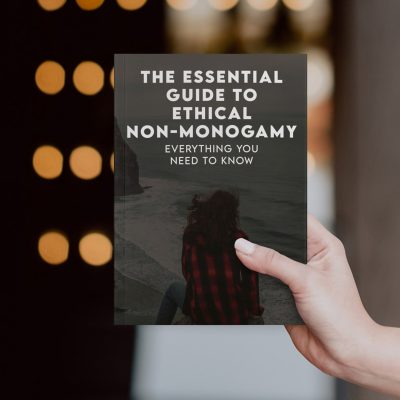
The freedom of an open relationship sounds incredible, but the logistics can feel like holding a grenade. That spinning "what if" anxiety isn't paranoia, it’s your survival instinct warning you that your bond is exposed. "Just seeing what happens" is the fastest way to turn a fantasy into a breakup.
The Essential Guide replaces chaos with discipline. We give you the blueprints, jealousy protocols, and repair scripts needed to explore the edge without falling off. Don't guess. Secure your foundation first.

The world of non-monogamy is a maze of confusing labels. Trying to be "Polyamorous" when your heart actually needs "Swinging" isn't just a vocabulary error; it’s a recipe for misery.
You can't build a stable home on a foundation that doesn't fit your psychology. This tool analyzes your emotional bandwidth and jealousy triggers to design the exact structure you need. Stop trying to squeeze into a box that doesn't fit. Build a relationship that actually feels like home.

Opening up feels exciting, but if you aren't reading from the same script, you're writing a tragedy. The disconnect between "I want freedom" and "I want safety" is where hearts break. This isn't just a quiz; it’s a synchronization engine.
We identify the silent gaps in your desires—from sleepover rules to emotional bandwidth, before they become unbridgeable chasms. Don't wait until the damage is done to find out you were never on the same page. Align your compasses now.
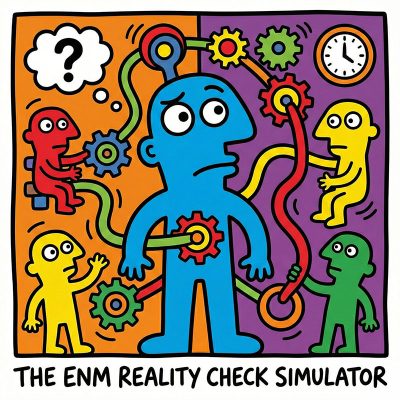
Theory is sexy. Reality is messy. You agreed you could date others, but how does your stomach drop when he takes her to your anniversary spot? Or when she comes home smelling like someone else?
This simulator drags your abstract rules into the harsh light of day. We force you to confront the visceral, gut-wrenching scenarios that actually destroy relationships, before they happen. Test your nervous system in the simulator so you don't crash the car in real life.
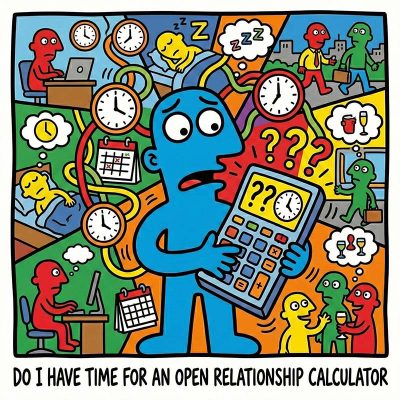
The fantasy is endless romance. The reality? It’s a logistical nightmare. Dating isn't just sex; it’s a second job of swiping, spending, and emotional processing that drains your sanity. Underestimating the "admin" of non-monogamy is the fastest way to turn your relationship into a burnout factory where resentment thrives.
This calculator forces you to confront the brutal math of your time, energy, and wallet. Can you actually afford this lifestyle, or are you just signing up for exhaustion?
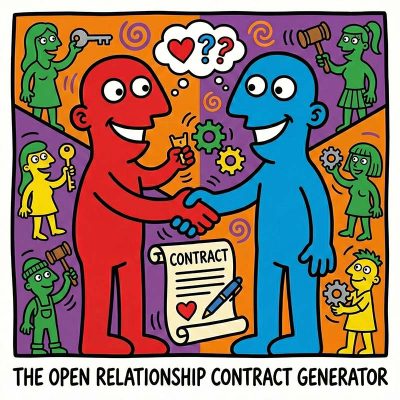
"I thought we agreed" is the sentence that destroys relationships & marriages. Relying on verbal promises when emotions run high is a gamble you cannot afford to lose. Your memory isn't just faulty; it's a liability. Ambiguity is the oxygen that jealousy breathes, turning "freedom" into a minefield of "did I mess up?"
This generator transforms vague permissions into a concrete, signed reality. Stop arguing about what you thought was said and lean on what is written. Secure your boundaries in ink, not hope.
Why agreements matter in ENM and why they should evolve
In ENM life changes. People get new jobs travel schedules shift personal health evolves arrivals and departures of partners occur. Agreements that are written as fixed forever can become out of date quickly. An evolving agreement is a living document that grows as your needs and your values change. The goal is to reduce miscommunication lower the risk of hurt feelings and keep relationships healthy and resilient. When you see an agreement as a tool for ongoing conversation you remove the fantasy that all good rules are permanent and perfect. Instead you get a reliable framework for renegotiation that honors everyone involved.
Core principles for evolving ENM agreements
Keep these guiding ideas in mind as you craft and refine. They are anchors that help you stay fair and compassionate even when topics are tough.
- Consent is ongoing Consenting today does not guarantee consent tomorrow. Check in regularly and treat each new desire with respect.
- Communication is the foundation Honest open and kind talk regardless of how awkward or nervous you feel is essential.
- Clarity beats assumptions If something is unclear ask questions and restate what you heard to confirm understanding.
- Agreements are flexible tools not punishments They exist to help care for everyone. If a rule feels punitive it probably needs revisiting.
- Life changes fast Work schedules health changes travel kids financial shifts all of these can affect what feels right.
- Fairness includes everyone All involved parties should feel heard and respected in any renegotiation.
The structure of an evolving agreement
Think of an ENM agreement as a living blueprint. It should cover who is involved what counts as a risk what counts as a boundary how you will communicate and how you will renegotiate. It should also provide a simple process for updating things when life changes. A good agreement is practical flexible and clear about when and how to renegotiate.
Practical steps to create an evolving ENM agreement
Step 1: start with shared values and a safety check
Before writing anything down take time to discuss core values with your partners. What matters most to you in this chapter of your lives? Examples include honesty respect consent care for each other emotional security and sexual health. Do a quick safety check on your boundaries are you all feeling safe and heard during the discussion? If not address that first. When everyone feels seen you have a strong base for a durable agreement.
Step 2: draft a flexible base agreement
Create a starting point that outlines boundaries and agreements at a high level. Use plain language not legal speak. Include sections like who is involved what constitutes a date or meetup outside the primary couple what sorts of sexual activities are allowed and where if relevant what needs to be disclosed and how often check ins occur and what the process is for renegotiation. Keep the base simple with room to grow. You are building a framework not a wall.
Step 3: define a renegotiation cadence
Agree on how often you will review the agreement. Some groups choose a quarterly review while others do it with major life events like moving in together or welcoming a new partner. You can also set triggers that automatically prompt a renegotiation for example a new job a new child a move or a change in work hours. Make sure everyone has a voice and time to prepare.
Step 4: establish renegotiation triggers
Triggers are signals that it is time to pause and rethink. They might include a partner expresses discomfort a boundary is tested a new relationship begins or an old boundary no longer fits. You can also design triggers around health changes or travel demands. The point is to prevent drift and to catch issues before they turn into bigger problems.
Step 5: try it out and adjust
Put the agreement through a practical test for a set period. After this test talk about what worked and what did not. Identify what is missing and add it. It is common to adjust timing boundaries disclosure rules and emotional agreements after this stage. The aim is to learn together not to win or lose a debate.
Step 6: document changes and share
When you reach a comfortable version capture it in writing and share it with all involved. Store a copy in a shared space you all can access. Make sure everyone knows how to request further revisions. A clear record helps avoid miscommunication and keeps everyone aligned.
What to include in an evolving ENM agreement
Below is a practical checklist you can adapt. It is not a prison it is a map that helps you navigate complex feelings and changing life conditions.
- Participants List all people who are part of the agreement and their roles. Be precise about who is in a given arrangement and who is not.
- Relationship goals Describe the aims for each relationship involved. Are you looking for long term commitment a casual dynamic or something else?
- Sexual boundaries Clarify what sexual activities are allowed with whom where and under what conditions. Include details about protection consent and health checks.
- Emotional boundaries Decide how you will handle jealousy communication and emotional needs. Consider how support will be provided when feelings run high.
- Time management Define how much time is allocated to different relationships how you will share schedules and what happens if time must be rearranged.
- Disclosure and transparency Set expectations for how much information is shared with partners and when disclosure is necessary. Include safe sharing practices.
- Health and safety Create a plan for STI testing boundary about testing frequency and how results will be communicated.
- Domestic and family considerations If you share living space or have kids discuss how these areas will be handled with respect to boundaries and agreements.
- Renegotiation process Outline who starts renegotiations how decisions are made and how long a renegotiation window should last.
- Conflict resolution Include a simple method for addressing conflicts including timeouts de escalation and where to seek help if needed.
- Exit clauses If someone wants to leave a relationship explain how transitions will be handled and how information will be shared with other involved parties.
The freedom of an open relationship sounds incredible, but the logistics can feel like holding a grenade. That spinning "what if" anxiety isn't paranoia, it’s your survival instinct warning you that your bond is exposed. "Just seeing what happens" is the fastest way to turn a fantasy into a breakup.
The Essential Guide replaces chaos with discipline. We give you the blueprints, jealousy protocols, and repair scripts needed to explore the edge without falling off. Don't guess. Secure your foundation first.
The world of non-monogamy is a maze of confusing labels. Trying to be "Polyamorous" when your heart actually needs "Swinging" isn't just a vocabulary error; it’s a recipe for misery.
You can't build a stable home on a foundation that doesn't fit your psychology. This tool analyzes your emotional bandwidth and jealousy triggers to design the exact structure you need. Stop trying to squeeze into a box that doesn't fit. Build a relationship that actually feels like home.
Opening up feels exciting, but if you aren't reading from the same script, you're writing a tragedy. The disconnect between "I want freedom" and "I want safety" is where hearts break. This isn't just a quiz; it’s a synchronization engine.
We identify the silent gaps in your desires—from sleepover rules to emotional bandwidth, before they become unbridgeable chasms. Don't wait until the damage is done to find out you were never on the same page. Align your compasses now.
Theory is sexy. Reality is messy. You agreed you could date others, but how does your stomach drop when he takes her to your anniversary spot? Or when she comes home smelling like someone else?
This simulator drags your abstract rules into the harsh light of day. We force you to confront the visceral, gut-wrenching scenarios that actually destroy relationships, before they happen. Test your nervous system in the simulator so you don't crash the car in real life.
The fantasy is endless romance. The reality? It’s a logistical nightmare. Dating isn't just sex; it’s a second job of swiping, spending, and emotional processing that drains your sanity. Underestimating the "admin" of non-monogamy is the fastest way to turn your relationship into a burnout factory where resentment thrives.
This calculator forces you to confront the brutal math of your time, energy, and wallet. Can you actually afford this lifestyle, or are you just signing up for exhaustion?
"I thought we agreed" is the sentence that destroys relationships & marriages. Relying on verbal promises when emotions run high is a gamble you cannot afford to lose. Your memory isn't just faulty; it's a liability. Ambiguity is the oxygen that jealousy breathes, turning "freedom" into a minefield of "did I mess up?"
This generator transforms vague permissions into a concrete, signed reality. Stop arguing about what you thought was said and lean on what is written. Secure your boundaries in ink, not hope.
Scenarios that illustrate evolving agreements in action
Real life examples help you see how these ideas play out. Here are some relatable situations and how an evolving agreement can guide you through them without drama overload.
Scenario A: A partner starts a long distance relationship
Two partners in a triad realize one member will be working abroad for six months. The base agreement has a rule about outside dating but it assumed weekend meetups near home. With travel the dynamic shifts. The group revisits the agreement focusing on safe sex practices privacy and emotional check ins. They set a renegotiation window for mid trip and agree to weekly video check ins and a monthly review to adjust boundary details. The outcome is a smoother transition with fewer misunderstandings and more room for trust to grow.
Scenario B: A new partner joins the dynamic
A couple opens their relationship and a new partner enters. They use a renegotiation framework with a soft start. Initially they limit dates to group events and small one on one meetups with explicit consent and disclosure. After a few weeks they hold a review meeting to discuss how everyone feels and whether boundaries should be tightened or loosened. They adjust time allocation and revise disclosure expectations. The result is a balanced inclusion with room to expand as comfort grows.
Scenario C: Health changes require new safety measures
One partner develops a chronic health condition that requires more careful risk management. The group revisits the health and safety clause updating consent processes vaccination status testing and communication norms. They add a monthly well being check in a plan for health related emergencies and an updated disclosure approach for new partners. The new steps help protect everyone and maintain trust.
Scenario D: Life events shift schedules dramatically
A job change means one partner now works night shifts which alters when they can meet others. The agreement is updated to reflect different availability times how solo dates should be scheduled and how partnership activities are prioritized during busy periods. They also add a renegotiation trigger for major schedule changes ensuring the system remains flexible rather than brittle.
Communication tools that help agreements evolve smoothly
Use practical communication methods to support your evolving agreements. The goal is not to win a point but to care for everyone involved and to stay connected and honest.
- Regular check ins Short but consistent conversations about how each person is feeling tastefully scheduled and honoured.
- Effectively naming emotions Practice identifying your feelings with real language rather than bottled up frustration or blame.
- Direct questions Ask clear questions like what would help you feel more secure right now or what would make this easier for you.
- Pause and reflect When tension rises take a break to breathe and come back with calmer words. Speed is not the goal clarity is.
- Neutral language Use language that describes behaviours not intent to avoid attacks and defensiveness.
Common missteps to avoid
Even the best intentions can derail a conversation if you slip into old habits. Here are missteps to avoid when building or renegotiating agreements.
- Skipping the check in Believing that the old agreement will cover new feelings is a fast path to drift.
- Using ultimatums Threats or pressure rarely creates lasting trust and can damage the connection.
- Making it personal Treat opinions about the agreement as opinions about the situation not as verdicts on character.
- Rushing through renegotiation Haste creates gaps. Take the time you need to build true understanding.
- Forgetting privacy boundaries Sharing others information without consent can destroy trust. Always check what can be disclosed.
Glossary of useful terms and acronyms
- ENM Ethical non monogamy a relationship style where ethical consent and communication allow connections with multiple people.
- CNM Consensual non monogamy another way of saying ENM used interchangeably by some groups.
- Polyamory Loving more than one person with everyone's knowledge and consent.
- Boundaries Personal guidelines that protect your comfort and safety in the relationship.
- Renegotiation The process of updating an agreement in response to changes in life or feelings.
- Disclosures Sharing important information with all involved parties.
- Consent An ongoing explicit agreement to participate in a specific activity or dynamic.
- Jealousy management Techniques and conversations that help you handle jealousy in a healthy way.
- Hard limits Boundaries that are non negotiable for one or more people in the circle.
- Soft limits Boundaries that may be revisited and renegotiated over time.
- Health and safety plan Protocols for testing protection and risk reduction relevant to intimate activities.
Fill in the blanks template for an evolving ENM agreement
Use this as a starting point and tailor it to your group. Keep it simple and practical. Each section can be expanded as your life changes.
Title ENM agreement for [Names]
Participants This agreement includes [Partner A] [Partner B] and any other partners or partners involved with their explicit consent.
Core values We commit to honesty respect consent care and ongoing communication. We aim to support each other emotionally physically and sexually and to renegotiate when things shift.
Relationship goals Each relationship within this dynamic has a clear purpose and agreed expectations. For example one on one dating another casual connection or a long term partner arrangement. All goals are discussed openly and updated as needed.
Boundaries and limits This section lists hard and soft boundaries including sexual activities times and places and what information will be disclosed to others. Each boundary includes a rationale to help everyone understand the reason behind it.
Health and safety We agree to discuss sexual health status share STI testing results when appropriate and follow agreed safety practices including contraception and protection if applicable.
Communication plan We will check in every [time period] and after major life events. We will use a preferred method for updates and ensure everyone has an equal voice in discussions.
Renegotiation process We will revisit this agreement at least every [time period] or sooner if a trigger occurs. A trigger is any event that may require changing the agreement such as a new partner health changes or a shift in time availability.
Disclosures We agree to disclose important information with the consent of all involved parties and to respect privacy when required by circumstance.
Exit plan If someone wants to step back or leave the dynamic we will follow a clear process to minimize harm including a note about information sharing and closure steps.
How to implement this in real life
To make these ideas work you need more than a document. You need a practice. Here is a practical implementation plan you can start today.
- Set a quiet meeting with all involved to talk without distractions.
- Agree on a date for the next renegotiation and mark it on the calendar.
- Record decisions in a shared document and save copies in a secure place.
- Practice compassionate confrontation. If you disagree slow down and speak from your experience using I statements.
- Use a check in ritual such as a weekly mood or energy snapshot to catch issues early.
Quick tips for negotiating better agreements
- Lead with compassion and curiosity not blame or insistence.
- Ask questions that invite clarity like what is the impact on you if we X or Y happens?
- Pause if emotions run high and revisit after a break rather than forcing a decision in the heat of the moment.
- Record what works and what does not so you can iterate with precision next time.
Live examples of evolving agreements in action
Here is a short fictional vignette showing how evolving agreements can look during a real world moment. Maya and Eli along with their casual partner Jordan have been navigating ENM for a year. They start their quarterly renegotiation with a simple check in about emotional weariness. Maya says she has begun to feel stretched thin around a new job and late nights. They agree to adjust meet up frequency and add more generous window for rest days. They also decide to increase transparency about how much time each person spends with others and to implement a short weekly reflection ritual to catch resentment before it grows. The renegotiation ends with a clear plan rather than a vague sense of unease. This is the power of an evolving agreement.
In another example Sam and Noor are building their triad. Noor wants to explore a new dating boundary while preserving the safety net for Sam. They decide to pause certain kinds of interactions while Noor develops a better sense of what feels good. They set a precise timeline for testing the new boundary and a look ahead to a full renegotiation once Noor has more data. By treating the boundary as a test rather than a fixed rule they keep the relationship dynamic while protecting Sam. Again the result is a healthier greater sense of trust across the group.
Delivery ideas that help you stay aligned
Having a good conversation is one thing. Being able to implement the outcomes is another. Here are some practical delivery ideas you can use to keep your evolving ENM agreements effective.
- Use a dedicated space for negotiations A regular time and place reduces pressure and distractions.
- Keep conversations structured Start with what is working then discuss what needs adjustment then end with clear next steps.
- Document decisions Write down what is agreed and confirm it with all involved parties to prevent memory drift.
- Schedule future refreshes Treat renegotiations as a normal part of relationship maintenance not as a crisis response.
Would this work for you
Agreements that evolve are not a one size fits all solution. They work best when they match your unique dynamics values and life. The Monogamy Experiment encourages you to experiment with these ideas. Start with a simple base you can build on and adapt as you grow together. The goal is to create a culture of care honest talk and flexible structure that empowers all partners to thrive.
Frequently asked questions
Below are common questions people have when starting to build evolving ENM agreements. If you have a question not listed here you can reach out to us for more tailored guidance.
What makes an agreement in ENM different from a traditional relationship contract
ENM agreements focus on consent open communication and flexibility. They are not about controlling others actions they are about ensuring every person feels safe respected and heard. They are expected to change as circumstances shift and are open to renegotiation at any time.
How often should we renegotiate our ENM agreement
There is no universal rule. Many groups renegotiate quarterly or after major life events. The important piece is to have a defined cadence so people know when to prepare and when to expect changes. If there is a high level of life change you may prefer monthly reviews until things settle.
How do we handle a partner who wants to push boundaries we have not agreed to
First check in about the why behind the request. If this involves a potential risk you should pause and revisit the safety aspects of the arrangement. If the boundary is a hard limit for someone you should not pressure them. Instead renegotiate the overall agreement to reflect evolving comfort levels and ensure everyone remains safe and respected.
What if someone feels jealousy is overwhelming during renegotiation
Jealousy is a normal signal that something matters to you. Acknowledge the feeling without judgement and explore what action would help. The group can adjust boundaries increase check ins or involve a therapist or mediator if needed but never pressure someone to suppress a natural emotion.
How do we document the changes without creating a long boring document
Keep the document concise and practical. Use bullet points for clarity and maintain a simple version history so you can see what changed and why. You can update only the sections that are affected by the renegotiation rather than rewriting the entire document each time.
Is it okay to involve new partners in the renegotiation process
Yes it can be very helpful to include new partners early on if they will be part of the dynamic long term. Ensure everyone involved has a clear understanding of the current agreement and that they consent to the ongoing renegotiation process. Communication remains essential.
Next steps you can take today
Ready to start building evolving ENM agreements? Here are a few practical actions you can take right now.
- Discuss core values with your partner or partners and identify shared goals for the next six to twelve months.
- Draft a simple base agreement focusing on boundaries safety and communication.
- Set a renegotiation cadence and pick a date for your first formal review.
- Agree on a method for documenting changes and storing the current version in a shared space.
We hope this guide gives you a clear path to crafting agreements that adapt as your life changes. If you want help turning these ideas into a live document tailored to your situation reach out to The Monogamy Experiment. We love helping couples and individuals navigate ENM with kindness clarity and humor. After all the best agreements are the ones that feel alive and supportive for everyone involved.
Checklist before you renegotiate
- Confirm who is involved in the renegotiation
- Prepare notes on what is currently working and what is not
- Agree on a time frame for the renegotiation and a process for making changes
- Decide how you will communicate changes to other partners and how information will be shared
- Record the changes in the master document and share with all involved
The freedom of an open relationship sounds incredible, but the logistics can feel like holding a grenade. That spinning "what if" anxiety isn't paranoia, it’s your survival instinct warning you that your bond is exposed. "Just seeing what happens" is the fastest way to turn a fantasy into a breakup.
The Essential Guide replaces chaos with discipline. We give you the blueprints, jealousy protocols, and repair scripts needed to explore the edge without falling off. Don't guess. Secure your foundation first.
The world of non-monogamy is a maze of confusing labels. Trying to be "Polyamorous" when your heart actually needs "Swinging" isn't just a vocabulary error; it’s a recipe for misery.
You can't build a stable home on a foundation that doesn't fit your psychology. This tool analyzes your emotional bandwidth and jealousy triggers to design the exact structure you need. Stop trying to squeeze into a box that doesn't fit. Build a relationship that actually feels like home.
Opening up feels exciting, but if you aren't reading from the same script, you're writing a tragedy. The disconnect between "I want freedom" and "I want safety" is where hearts break. This isn't just a quiz; it’s a synchronization engine.
We identify the silent gaps in your desires—from sleepover rules to emotional bandwidth, before they become unbridgeable chasms. Don't wait until the damage is done to find out you were never on the same page. Align your compasses now.
Theory is sexy. Reality is messy. You agreed you could date others, but how does your stomach drop when he takes her to your anniversary spot? Or when she comes home smelling like someone else?
This simulator drags your abstract rules into the harsh light of day. We force you to confront the visceral, gut-wrenching scenarios that actually destroy relationships, before they happen. Test your nervous system in the simulator so you don't crash the car in real life.
The fantasy is endless romance. The reality? It’s a logistical nightmare. Dating isn't just sex; it’s a second job of swiping, spending, and emotional processing that drains your sanity. Underestimating the "admin" of non-monogamy is the fastest way to turn your relationship into a burnout factory where resentment thrives.
This calculator forces you to confront the brutal math of your time, energy, and wallet. Can you actually afford this lifestyle, or are you just signing up for exhaustion?
"I thought we agreed" is the sentence that destroys relationships & marriages. Relying on verbal promises when emotions run high is a gamble you cannot afford to lose. Your memory isn't just faulty; it's a liability. Ambiguity is the oxygen that jealousy breathes, turning "freedom" into a minefield of "did I mess up?"
This generator transforms vague permissions into a concrete, signed reality. Stop arguing about what you thought was said and lean on what is written. Secure your boundaries in ink, not hope.
