
Defining Success in Ethical Non Monogamy


Ethical Non Monogamy or ENM is a flexible approach to relationships where more than one intimate connection is allowed with the knowledge and consent of everyone involved. The word ethical matters because it flags a commitment to honesty, respect, and clear communication rather than secrecy or manipulation. ENM covers a wide range of setups from open relationships to polyamory to solo poly and beyond. There is no one size fits all definition of success in ENM because success looks different for every couple or group. But there are shared ideas that can help you assess progress and adjust as life changes. Think of this as a practical map that helps you decide what success means for you and your partners at this moment in time.
Quick Links to Useful Sections
- What ENM is and how it differs from monogamy
- Defining success in ENM is personal and dynamic
- Core domains that often shape ENM success
- Emotional health and safety
- Communication quality
- Consent and agreements
- Time and energy management
- Sexual health and safety
- Personal growth and resilience
- Setting up for success in ENM
- Clarify your core values and goals
- Create explicit agreements
- Plan for check ins and adjustments
- Normalize ongoing consent
- Develop practical routines for safety and health
- Real living scenarios and how to handle them
- Scenario one: A new outside relationship enters your life
- Scenario two: Jealousy or insecurity appears
- Scenario three: Scheduling conflicts create friction
- Scenario four: A partner wants more or less connection than you are comfortable with
- Pitfalls to avoid and how to navigate them
- Tools and practices that support sustainable ENM life
- Glossary of useful terms and acronyms
- Frequently asked questions
We will break down the concept into concrete terms you can use in real life. You will get clear definitions of key terms and practical tips you can apply this week. We will share realistic scenarios so you can see how the ideas play out. And we will offer a robust FAQ that addresses common questions and concerns. The goal is to empower you to design relationships that feel healthier, more joyful and more resilient while staying true to your own values.
What ENM is and how it differs from monogamy
Ethical Non Monogamy is about choosing to have multiple intimate relationships in a way that prioritizes consent honesty and communication. The ethical part means everyone involved knows what is happening and agrees to it. Non Monogamy simply means more than one romantic or sexual connection at the same time. The key distinction from typical cheating is that ENM is not secret and it is not about taking without asking. Instead it is about transparent processes that support all the people involved. Many people find ENM liberating because it allows for deeper connection with more people while still honoring boundaries that feel safe and right. Others prefer to stay with a single primary relationship and explore outside connections in a controlled way. The important thing is that you and your partners clearly articulate what you want and what you will not accept. That is the foundation of success in ENM.
Terms you might see in ENM discussions
- ENM Ethical Non Monogamy a framework that supports multiple intimate relationships with consent and honesty.
- Open relationship A relationship structure where partners agree that dating or sexual activity with others is allowed.
- Polyamory A form of ENM where a person has multiple loving relationships simultaneously with the knowledge and consent of everyone involved.
- Hierarchical ENM A setup where one or more relationships are prioritized over others while all agreements remain explicit.
- Non hierarchical ENM A setup where all relationships are treated as equal without a ranking by importance.
- Compersion The positive feeling you experience when your partner is happy with someone else. The opposite of jealousy in many ENM conversations.
- Jealousy An emotional response that can show up in ENM just like in any relationship. It signals a need or boundary that may need attention.
- Consent An ongoing agreement given freely by all parties about what will happen in relationships and activities.
- Boundaries The lines you set around what feels safe and respectful for you and your relationships.
- Safety and health practices Agreements around safer sex testing and risk management to protect everyone involved.
Defining success in ENM is personal and dynamic
Success in ENM does not mean a flawless perfect life. It means a life where you and your partners feel seen heard and respected and where you can navigate changes without burning too many bridges. It is about sustainable energy and genuine connection more than a flawless schedule or number of partners. The right measure will depend on your values and your current life stage. For some people success is about deep emotional bonds with several partners for others it is about freedom and autonomy while staying honest about needs. Your definition should be revisited regularly because people change life changes and relationships grow or shift. The aim is to keep aligning your agreements with who you are and who you want to become.

The freedom of an open relationship sounds incredible, but the logistics can feel like holding a grenade. That spinning "what if" anxiety isn't paranoia, it’s your survival instinct warning you that your bond is exposed. "Just seeing what happens" is the fastest way to turn a fantasy into a breakup.
The Essential Guide replaces chaos with discipline. We give you the blueprints, jealousy protocols, and repair scripts needed to explore the edge without falling off. Don't guess. Secure your foundation first.
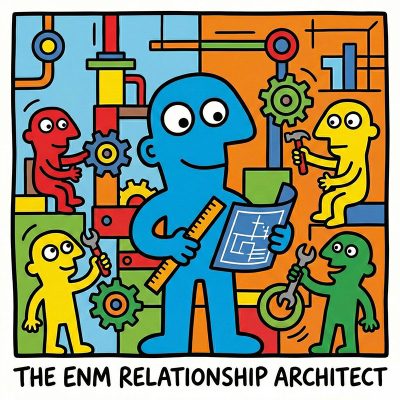
The world of non-monogamy is a maze of confusing labels. Trying to be "Polyamorous" when your heart actually needs "Swinging" isn't just a vocabulary error; it’s a recipe for misery.
You can't build a stable home on a foundation that doesn't fit your psychology. This tool analyzes your emotional bandwidth and jealousy triggers to design the exact structure you need. Stop trying to squeeze into a box that doesn't fit. Build a relationship that actually feels like home.

Opening up feels exciting, but if you aren't reading from the same script, you're writing a tragedy. The disconnect between "I want freedom" and "I want safety" is where hearts break. This isn't just a quiz; it’s a synchronization engine.
We identify the silent gaps in your desires—from sleepover rules to emotional bandwidth, before they become unbridgeable chasms. Don't wait until the damage is done to find out you were never on the same page. Align your compasses now.
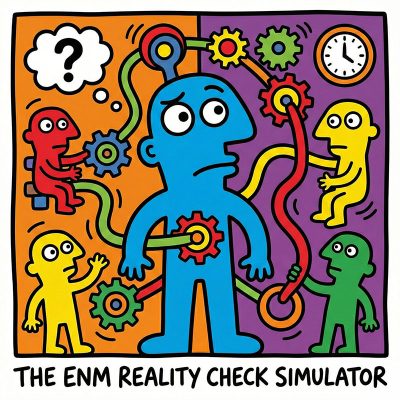
Theory is sexy. Reality is messy. You agreed you could date others, but how does your stomach drop when he takes her to your anniversary spot? Or when she comes home smelling like someone else?
This simulator drags your abstract rules into the harsh light of day. We force you to confront the visceral, gut-wrenching scenarios that actually destroy relationships, before they happen. Test your nervous system in the simulator so you don't crash the car in real life.

The fantasy is endless romance. The reality? It’s a logistical nightmare. Dating isn't just sex; it’s a second job of swiping, spending, and emotional processing that drains your sanity. Underestimating the "admin" of non-monogamy is the fastest way to turn your relationship into a burnout factory where resentment thrives.
This calculator forces you to confront the brutal math of your time, energy, and wallet. Can you actually afford this lifestyle, or are you just signing up for exhaustion?
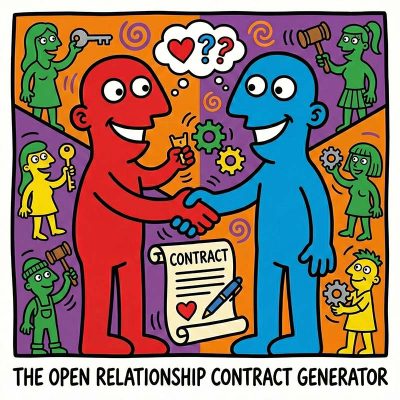
"I thought we agreed" is the sentence that destroys relationships & marriages. Relying on verbal promises when emotions run high is a gamble you cannot afford to lose. Your memory isn't just faulty; it's a liability. Ambiguity is the oxygen that jealousy breathes, turning "freedom" into a minefield of "did I mess up?"
This generator transforms vague permissions into a concrete, signed reality. Stop arguing about what you thought was said and lean on what is written. Secure your boundaries in ink, not hope.
Core domains that often shape ENM success
These domains are common touch points. They are not a rigid checklist but a lens to help you see where you are thriving and where you might need adjustments.
Emotional health and safety
Emotional safety means you feel respected heard and valued. It also means you have a practical way to process tough feelings like jealousy or insecurity without lashing out or hiding. Emotional health grows through honest conversations predictable check ins and skills for managing uncomfortable feelings. If you notice chronic stress anxiety or resentment building up in one person or among the group then it is time to pause and reassess rather than push through. ENM thrives when emotional needs are acknowledged and cared for just as much as physical needs.
Communication quality
Clear honest and timely communication is the engine of ENM success. It includes check ins detailed discussions about boundaries and transparent sharing of feelings and needs. Communication also means listening to what others are saying without planning your reply while they are speaking. When communication flows well misunderstandings fade away faster and trust grows. Good communication is a skill you can practice and improve with intention and time.
Consent and agreements
Consent is not a one time event it is an ongoing process. Agreements set the boundaries around what is allowed and what is not allowed. They cover everything from dating outside partners to how you handle scheduling to how you talk about a partner to others. The best agreements are clear flexible and revisited often. They respect autonomy while protecting everyone involved. Without consent and clear agreements ENM relationships easily drift into friction or harm which is not what anyone wants.
Time and energy management
Energy is not infinite. In ENM you need to balance your time attention and emotional energy across all relationships including friendships work and self care. The most successful ENM setups keep a realistic calendar review the rhythm of dates and make space for rest. When energy feels depleted you can adjust by slowing down adding boundaries or renegotiating agreements. Sustainable ENM life is built on sustainable energy patterns not heroic last minute efforts.
Sexual health and safety
Sexual health is a practical component of ENM that protects everyone involved. This includes regular STI testing open discussions about safer sex practices and agreements about disclosure and boundaries around sexual activity with different partners. Making health a shared value keeps trust high and reduces fear as sexual dynamics evolve. It is about responsibility and care more than control.
Personal growth and resilience
ENM can push you to grow comfort with vulnerability and practice self reflection. You can learn to identify triggers and work on addressing them in constructive ways. When you coach yourself through challenging moments you build resilience which in turn strengthens your relationships. Growth is a sign that you are engaging with the process rather than just coasting through it.
Setting up for success in ENM
Getting clear about what you want and how you will handle it is essential. Below is a practical framework you can apply today. It is designed to be adaptable to many ENM setups whether you are practicing solo poly with no primary or you have a hierarchical network of partners.
Clarify your core values and goals
Take a quiet moment and write down the values that matter most to you in a relationship. Examples include honesty respect autonomy safety fun growth and loyalty. Then list the relationship goals you want to pursue in the next six to twelve months. This exercise is not a test it is a compass that helps you align your agreements with what matters most to you.
Create explicit agreements
Draft a simple set of agreements that cover communication check ins boundaries and safety. You do not need to write a novel. A short practical set of statements is better than a long emotional speech that is easy to forget. Include how you will handle jealousy how you will share information about sexual activity with others and how you will approach scheduling across partners. Revisit these agreements every few months or when life changes such as a new partner a move or a major life event occur.
Plan for check ins and adjustments
Agree on a regular cadence for check ins. Some ENM groups do weekly or bi weekly conversations. Others prefer monthly deep dives with a lighter ongoing dialogue. The point is not to trap people into constant review but to catch problems early when feelings are fresh and before they become patterns that damage trust.
Normalize ongoing consent
Consent is an active practice not a one off target. Revisit consent when new situations arise with new partners or when you notice a drift away from your original agreements. It is normal for consent to evolve. Stay curious about each other’s changing boundaries and comfort levels.
Develop practical routines for safety and health
Make STI testing a familiar part of life. Decide who should be tested and how often moving from monthly to quarterly or aligning with partner schedules. Agree on safer sex practices that work for everyone. Document these practices so there is a clear reference point whenever new partners enter the picture.
Real living scenarios and how to handle them
Scenario one: A new outside relationship enters your life
You meet someone wonderful and a new connection forms. The first steps are to share the news with your existing partners and revisit your agreements. You discuss how this new relationship fits within the current structure do you want to treat it as a primary connection or as a casual outside relationship do you want to schedule time together and solo time. You also review boundaries such as privacy who will know what and how much information will be shared. The key is to communicate early and to invite feedback. If concerns arise you hold a space for renegotiation rather than pushing ahead without consent.
Scenario two: Jealousy or insecurity appears
Jealousy is a normal signal that something in your emotional needs is not being met. The best response is to name the emotion and the need behind it. For example you might say I feel uneasy when you spend long evenings with a new partner because I need more reassurance about our time together. Then you propose a practical adjustment such as a weekly date night for you and your partner or a brief check in about how things are progressing. The goal is to turn jealousy into a constructive conversation rather than a silent power struggle.
Scenario three: Scheduling conflicts create friction
Time is a common friction point in ENM. The healthier approach is to be proactive about scheduling. Use shared calendars set expectations about late notices and be transparent about commitments. If someone has a conflicting event discuss options such as alternate times or adjusting the rhythm of connections. Timely communication often prevents misinterpretations that escalate into drama.
Scenario four: A partner wants more or less connection than you are comfortable with
Desire levels change over time and that is normal. The answer is to renegotiate with honesty and care. This might mean scaling back or increasing time with a partner or rethinking whether a relationship remains a good match. The important thing is to approach the process with respect and to avoid ultimatums. If you cannot find a new balance it may be necessary to restructure relationships to protect emotional safety for everyone involved.
Pitfalls to avoid and how to navigate them
- Rigidity Inflexible rules that do not reflect real life lead to resentment. Build rules that are erasable in the light of new information and new feelings.
- Secrecy Hiding outside relationships undercuts trust and can escalate fear. Openness reduces risk and builds safety.
- Unclear consent When consent is implicit rather than explicit the door to harm opens. Keep consent explicit and revisitable.
- Competing priorities If one relationship consistently drains energy you may need to rebalance attention or redefine expectations.
- Overlooking health Skipping STI testing or unsafe sex practices endanger everyone. Make health a shared value and a routine.
Tools and practices that support sustainable ENM life
- Check in questions Prepare a short list of questions for regular check ins. Examples include what is working what needs adjustment and what would make the next phase easier for you.
- Journaling A private place to process your feelings and track changes over time helps you stay aware of your own needs.
- Calendars and planning tools Shared calendars or planning apps keep everyone in the loop and reduce last minute chaos.
- Boundaries and safety logs Create a living document that records boundaries and safety plans so there is a reference point for everyone.
- Support networks Friends coaches or therapists who understand ENM can provide perspective and strategies when things get tricky.
Glossary of useful terms and acronyms
- ENM Ethical Non Monogamy a relationship approach that permits multiple intimate connections with consent.
- Open relationship A relationship structure that allows dating or sex with others outside the primary couple.
- Polyamory A form of ENM where a person maintains multiple loving relationships at once.
- Hierarchical ENM An arrangement where one relationship is treated as more central than others.
- Non hierarchical ENM All relationships are treated as equal without a clear ranking.
- Compersion The happiness you feel for your partner when they experience joy with another person.
- Jealousy A natural emotion that can indicate unaddressed needs or boundaries needing adjustment.
- Consent Ongoing voluntary agreement to engage in a specific activity with another person.
- Boundaries Personal limits about what is acceptable in your relationships.
- Safer sex agreement Rules about contraception and protection to reduce health risks for all involved.
- Polycule The network of people who are connected through romantic or sexual relationships.
Frequently asked questions
What does success look like in ENM for a new couple
Success starts with clear agreements and honest communication. It looks like both partners feeling heard their needs being acknowledged and the sense that boundaries and health practices are respected. It also includes a plan for managing jealousy and a realistic schedule that prevents burnout. Most importantly it means ongoing consent that is revisited as life changes.
How often should ENM agreements be revisited
Check in about every two to three months or sooner if life changes such as a new partner a move or a shift in work or family demands occur. Flexibility is a feature not a flaw when it comes to ENM agreements.
Is monogamy required in ENM
No. ENM is about consent and communication for multiple connections. Some people prefer to maintain a primary relationship and explore outside connections with clear guidelines. Others practice non hierarchical ENM and treat all relationships as equal. The key is that everyone involved agrees and feels safe and respected.
How do you handle jealousy in ENM
Label the feeling name the need and discuss it with your partner. Explore practical changes such as more time together more frequent check ins or adjusting boundaries. Compersion can grow when you reframe the situation as a positive development for your partner and for the relationship as a whole.
What if one partner wants more freedom than the others
That is a signal to renegotiate and possibly re balance. You might adjust scheduling or redefine the level of connection. If alignment cannot be reached the healthiest move may be to re evaluate the relationship structure or even part ways with care and honesty.
Should safety be personalized in ENM
Yes safety is personal and also collective. Each person should be comfortable with the agreed health practices and risk management strategies. Regular STI testing and open discussion about sexual boundaries are essential components of ENM safety.
Can you transition in and out of ENM over time
Absolutely. People and their needs evolve. You can shift from ENM to a more monogamous arrangement or back as life and feelings change. The important thing is to communicate clearly and to maintain respect for anyone involved in the process.
What if I need help outside my existing relationship
Talking to a relationship coach or a therapist who understands ENM can provide perspective and tools. A neutral third party can help you navigate tricky dynamics and keep the focus on honest communication and mutual care.
The freedom of an open relationship sounds incredible, but the logistics can feel like holding a grenade. That spinning "what if" anxiety isn't paranoia, it’s your survival instinct warning you that your bond is exposed. "Just seeing what happens" is the fastest way to turn a fantasy into a breakup.
The Essential Guide replaces chaos with discipline. We give you the blueprints, jealousy protocols, and repair scripts needed to explore the edge without falling off. Don't guess. Secure your foundation first.
The world of non-monogamy is a maze of confusing labels. Trying to be "Polyamorous" when your heart actually needs "Swinging" isn't just a vocabulary error; it’s a recipe for misery.
You can't build a stable home on a foundation that doesn't fit your psychology. This tool analyzes your emotional bandwidth and jealousy triggers to design the exact structure you need. Stop trying to squeeze into a box that doesn't fit. Build a relationship that actually feels like home.
Opening up feels exciting, but if you aren't reading from the same script, you're writing a tragedy. The disconnect between "I want freedom" and "I want safety" is where hearts break. This isn't just a quiz; it’s a synchronization engine.
We identify the silent gaps in your desires—from sleepover rules to emotional bandwidth, before they become unbridgeable chasms. Don't wait until the damage is done to find out you were never on the same page. Align your compasses now.
Theory is sexy. Reality is messy. You agreed you could date others, but how does your stomach drop when he takes her to your anniversary spot? Or when she comes home smelling like someone else?
This simulator drags your abstract rules into the harsh light of day. We force you to confront the visceral, gut-wrenching scenarios that actually destroy relationships, before they happen. Test your nervous system in the simulator so you don't crash the car in real life.
The fantasy is endless romance. The reality? It’s a logistical nightmare. Dating isn't just sex; it’s a second job of swiping, spending, and emotional processing that drains your sanity. Underestimating the "admin" of non-monogamy is the fastest way to turn your relationship into a burnout factory where resentment thrives.
This calculator forces you to confront the brutal math of your time, energy, and wallet. Can you actually afford this lifestyle, or are you just signing up for exhaustion?
"I thought we agreed" is the sentence that destroys relationships & marriages. Relying on verbal promises when emotions run high is a gamble you cannot afford to lose. Your memory isn't just faulty; it's a liability. Ambiguity is the oxygen that jealousy breathes, turning "freedom" into a minefield of "did I mess up?"
This generator transforms vague permissions into a concrete, signed reality. Stop arguing about what you thought was said and lean on what is written. Secure your boundaries in ink, not hope.
