
Digital Safety and Privacy

In a world where love lives online as well as in person you need a clear playbook for digital safety and privacy. This guide is written for people in ethical non monogamy also known as ENM. ENM describes relationship styles where partners agree to pursue romantic or sexual connections with others outside a primary bond while maintaining consent and honesty. The online layer of ENM adds extra complexity. You need to protect sensitive information you share about partners and boundaries while still being open and honest with the people who matter. The goal here is practical clarity not paranoia. We want you to feel confident about what you share who you share it with and how you protect your digital life. This guide breaks down common risks offers practical steps and provides real world scenarios to help you navigate difficult moments with calm and care. And yes we will explain all terms so you are never left in the dark.
Quick Links to Useful Sections
- What digital safety means in an ENM context
- Key terms and acronyms you will see
- Ethical non monogamy ENM
- Privacy and security basics
- Digital footprint
- Data minimization
- End to end encryption E2EE
- Two factor authentication 2FA
- Data breach
- Why ENM makes digital safety more important
- Practical steps for personal data hygiene
- Build strong device security
- Use a password manager
- Enable two factor authentication everywhere you can
- Secure backups and data minimization
- Device hygiene and privacy modes
- Managing your digital footprint in ENM
- Dating apps and social platforms
- Profile boundaries and selective sharing
- Photo and location privacy
- Public channels versus private conversations
- Consent and boundaries in online communication
- Talking about privacy early
- Documenting agreements
- Handling breaches with care
- Safe sharing and what to avoid
- What to avoid sharing online
- Safe sharing practices
- Real world ENM scenarios and how to handle them
- Scenario one a partner shares a photo from a date without consent
- Scenario two a friend overhears a conversation and shares details with a social circle
- Scenario three a data breach on a dating app or platform
- Scenario four a partner asks you to delete messages or data after a boundary is changed
- Tools and routines that support ENM privacy
- Secure messaging and collaboration
- Privacy focused social media practices
- Calendars and shared planning
- Emergency and response plans
- Boundary negotiation and privacy contracts
- Creating a shared privacy charter
- Negotiating in a polycule or larger ENM networks
- Digital safety rituals for ENM households
- Common mistakes to avoid
- Putting it all together a practical ENM privacy toolkit
- Practical tips at a glance
- Checklist before you step into new ENM space
- Glossary of useful terms and acronyms
- Frequently asked questions
What digital safety means in an ENM context
Digital safety in ENM means controlling information that could affect relationships or personal security. It covers how you protect data on devices how you manage online identities and how you set boundaries around what you share with whom. It also means recognizing that trust is built through explicit permissions rather than assumptions. In ENM the circle of people who know about your arrangements can be larger than in monogamous setups. That increases the chance of information leaking or being misused. The aim is to reduce risk while preserving openness and consent. Below you will find practical steps built for ENM journeys that vary from casual dating to deeply connected polycules.
Key terms and acronyms you will see
Ethical non monogamy ENM
ENM stands for ethical non monogamy. It describes relationships in which all involved parties have clear consent and communication about dating outside a primary relationship. ENM is a broad umbrella that includes open relationships polyamory swinging and other forms of non monogamy. The common thread is consent honesty and ongoing negotiation rather than secrecy.
Privacy and security basics
Privacy means controlling who can see your personal information and what details they can access. Security means protecting that information from unauthorized access using tools and practices. Both are essential in ENM because it is common for multiple networks to intersect including friends family coworkers and various partners.
Digital footprint
A digital footprint is the trail of data you leave behind when you use online services. This includes posts messages photos location data and even the devices you use. In ENM your footprint can reveal relationship status dates and partner networks if not carefully managed.
Data minimization
Data minimization is the practice of collecting and keeping only what is necessary. In ENM this means sharing only what is needed for a relationship or event and no more.
End to end encryption E2EE
End to end encryption is a method that protects messages so that only the people in the conversation can read them. It helps prevent eavesdropping by outsiders even if a platform experiences a data breach.
Two factor authentication 2FA
Two factor authentication adds a second method to verify your identity when you sign in. It makes unauthorized access much harder.
Data breach
A data breach occurs when unauthorized people gain access to private data. This can happen on apps websites or devices. When a breach happens you want a plan to respond quickly.
The freedom of an open relationship sounds incredible, but the logistics can feel like holding a grenade. That spinning "what if" anxiety isn't paranoia, it’s your survival instinct warning you that your bond is exposed. "Just seeing what happens" is the fastest way to turn a fantasy into a breakup.
The Essential Guide replaces chaos with discipline. We give you the blueprints, jealousy protocols, and repair scripts needed to explore the edge without falling off. Don't guess. Secure your foundation first.

The world of non-monogamy is a maze of confusing labels. Trying to be "Polyamorous" when your heart actually needs "Swinging" isn't just a vocabulary error; it’s a recipe for misery.
You can't build a stable home on a foundation that doesn't fit your psychology. This tool analyzes your emotional bandwidth and jealousy triggers to design the exact structure you need. Stop trying to squeeze into a box that doesn't fit. Build a relationship that actually feels like home.

Opening up feels exciting, but if you aren't reading from the same script, you're writing a tragedy. The disconnect between "I want freedom" and "I want safety" is where hearts break. This isn't just a quiz; it’s a synchronization engine.
We identify the silent gaps in your desires—from sleepover rules to emotional bandwidth, before they become unbridgeable chasms. Don't wait until the damage is done to find out you were never on the same page. Align your compasses now.
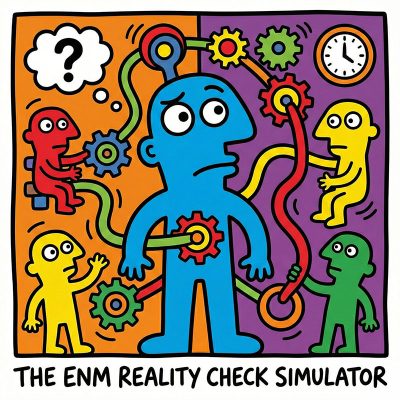
Theory is sexy. Reality is messy. You agreed you could date others, but how does your stomach drop when he takes her to your anniversary spot? Or when she comes home smelling like someone else?
This simulator drags your abstract rules into the harsh light of day. We force you to confront the visceral, gut-wrenching scenarios that actually destroy relationships, before they happen. Test your nervous system in the simulator so you don't crash the car in real life.
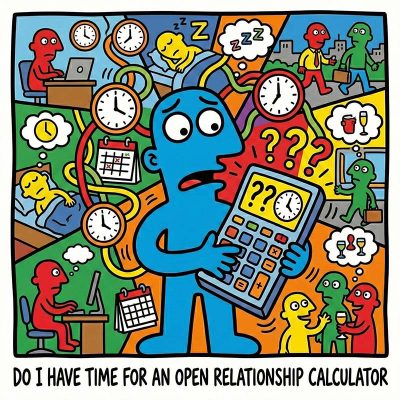
The fantasy is endless romance. The reality? It’s a logistical nightmare. Dating isn't just sex; it’s a second job of swiping, spending, and emotional processing that drains your sanity. Underestimating the "admin" of non-monogamy is the fastest way to turn your relationship into a burnout factory where resentment thrives.
This calculator forces you to confront the brutal math of your time, energy, and wallet. Can you actually afford this lifestyle, or are you just signing up for exhaustion?
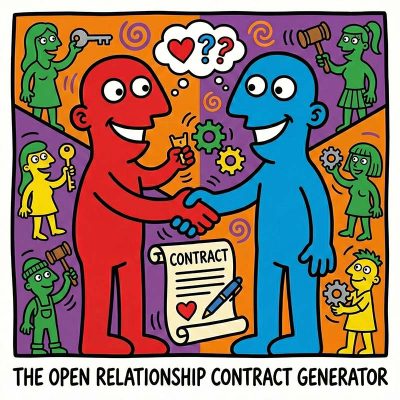
"I thought we agreed" is the sentence that destroys relationships & marriages. Relying on verbal promises when emotions run high is a gamble you cannot afford to lose. Your memory isn't just faulty; it's a liability. Ambiguity is the oxygen that jealousy breathes, turning "freedom" into a minefield of "did I mess up?"
This generator transforms vague permissions into a concrete, signed reality. Stop arguing about what you thought was said and lean on what is written. Secure your boundaries in ink, not hope.
Why ENM makes digital safety more important
In ENM you often manage several overlapping networks. You may have a primary partner and a number of secondary connections. In some cases you might coordinate events share calendars and exchange private details about boundaries plans or health information. If the wrong person sees this information it can cause harm including heartbreak embarrassment or real life consequences. Digital safety is not about hiding everything it is about sharing the right things with the right people at the right time. When you approach privacy with intention you preserve trust and you reduce the chance of misunderstandings turning into drama.
Practical steps for personal data hygiene
Build strong device security
Start with your devices. Use strong unique passwords for each device and for every critical account. Enable biometric unlock if your device supports it and add a robust screen lock. Keep your operating system and apps up to date because updates often include important security fixes. Install reputable security apps and run regular scans.
Use a password manager
Passwords are the first line of defense. A password manager stores complex unique passwords for every service so you do not have to remember them. This reduces the risk of using the same password across multiple sites. Enable two factor authentication on all accounts that offer it.
Enable two factor authentication everywhere you can
Two factor authentication makes it harder for someone to break in even if they obtain your password. Favor apps that you control like authenticator apps rather than SMS codes which can be intercepted. Set up backup codes and store them in a secure place.
Secure backups and data minimization
Back up important information using encrypted methods or services. Do not keep every message forever on every device. Create a policy to delete or archive conversations after a reasonable period. This reduces the risk of sensitive data exposure if a device is lost or stolen.
Device hygiene and privacy modes
Draw clear lines about shared devices. If you share a device with a partner you may want a separate profile for dating apps or set strict separation rules for work and personal life. Use privacy settings on devices to restrict app permissions especially location and contact access.
Managing your digital footprint in ENM
Dating apps and social platforms
Dating apps are the most common gateway for new connections in ENM. Each platform has its own privacy controls. Review what data you share and who can see it. Consider using a separate profile for ENM activity if privacy is a concern and avoid cross posting sensitive details from one network to another. Turn off location sharing when you do not need it and disable auto syncing with social networks unless you really need it.
Profile boundaries and selective sharing
Ask yourself what information is essential for a new connection. For example you may share your relationship status and a general boundary portfolio while keeping specific partners or schedules private until trust grows. Share sensitive details only through trusted channels and with explicit consent.
Photo and location privacy
Be mindful of photos that reveal locations or routines. Use photo editing to remove identifying backgrounds when sharing in public spaces. Consider removing location stamps from images and avoid geotagging unless it serves a specific purpose that all involved parties have consented to.
Public channels versus private conversations
Different conversations deserve different levels of privacy. Use private messages for sensitive information and keep public channels free of private details. This creates a natural boundary that protects everyone involved.
Consent and boundaries in online communication
Talking about privacy early
Have a privacy check in conversation when a new partner enters your life. Discuss what to share who should know and when to include partners in updates. Make a simple plan you can revisit.
Documenting agreements
Write down the core boundaries and get agreement. A short document is enough to anchor trust and provide a reference point if concerns arise. Include who can see what information and how you will handle potential breaches.
Handling breaches with care
If someone reveals information without consent respond with calm clarity. Acknowledge the breach state how it affects you and discuss steps to repair the trust. If needed involve a mediator or a trusted friend to help resolve the situation.
Safe sharing and what to avoid
What to avoid sharing online
- Personal details that reveal schedules or routines that could be exploited by others
- Specific health information unless all involved parties have a legitimate reason to know
- Private messages or intimate photos that have not been clearly consented to for sharing
- Details that expose the identities of partners without their explicit consent
Safe sharing practices
- Share information in a controlled manner using private channels
- Ask for consent before posting or sharing anything about another person
- Use privacy settings to restrict who can see posts
- Think about how information could be misused and choose restraint when in doubt
The freedom of an open relationship sounds incredible, but the logistics can feel like holding a grenade. That spinning "what if" anxiety isn't paranoia, it’s your survival instinct warning you that your bond is exposed. "Just seeing what happens" is the fastest way to turn a fantasy into a breakup.
The Essential Guide replaces chaos with discipline. We give you the blueprints, jealousy protocols, and repair scripts needed to explore the edge without falling off. Don't guess. Secure your foundation first.
The world of non-monogamy is a maze of confusing labels. Trying to be "Polyamorous" when your heart actually needs "Swinging" isn't just a vocabulary error; it’s a recipe for misery.
You can't build a stable home on a foundation that doesn't fit your psychology. This tool analyzes your emotional bandwidth and jealousy triggers to design the exact structure you need. Stop trying to squeeze into a box that doesn't fit. Build a relationship that actually feels like home.
Opening up feels exciting, but if you aren't reading from the same script, you're writing a tragedy. The disconnect between "I want freedom" and "I want safety" is where hearts break. This isn't just a quiz; it’s a synchronization engine.
We identify the silent gaps in your desires—from sleepover rules to emotional bandwidth, before they become unbridgeable chasms. Don't wait until the damage is done to find out you were never on the same page. Align your compasses now.
Theory is sexy. Reality is messy. You agreed you could date others, but how does your stomach drop when he takes her to your anniversary spot? Or when she comes home smelling like someone else?
This simulator drags your abstract rules into the harsh light of day. We force you to confront the visceral, gut-wrenching scenarios that actually destroy relationships, before they happen. Test your nervous system in the simulator so you don't crash the car in real life.
The fantasy is endless romance. The reality? It’s a logistical nightmare. Dating isn't just sex; it’s a second job of swiping, spending, and emotional processing that drains your sanity. Underestimating the "admin" of non-monogamy is the fastest way to turn your relationship into a burnout factory where resentment thrives.
This calculator forces you to confront the brutal math of your time, energy, and wallet. Can you actually afford this lifestyle, or are you just signing up for exhaustion?
"I thought we agreed" is the sentence that destroys relationships & marriages. Relying on verbal promises when emotions run high is a gamble you cannot afford to lose. Your memory isn't just faulty; it's a liability. Ambiguity is the oxygen that jealousy breathes, turning "freedom" into a minefield of "did I mess up?"
This generator transforms vague permissions into a concrete, signed reality. Stop arguing about what you thought was said and lean on what is written. Secure your boundaries in ink, not hope.
Real world ENM scenarios and how to handle them
Scenario one a partner shares a photo from a date without consent
You notice a partner has posted a photo from your shared date that includes yourself or another partner. The first step is to pause and assess how you want to respond. Communicate privately with the person who posted asking them to remove the image or blur faces. Explain why the image is sensitive and refer to your agreed boundaries. If necessary involve a moderator or a trusted third party to help resolve the situation. After the incident review your privacy settings on the platform and consider adjusting sharing rules for future posts.
Scenario two a friend overhears a conversation and shares details with a social circle
In ENM your circle of knowledge can be wider than in traditional setups. If a private conversation is repeated to others you should address it directly with the person who shared. Reiterate the boundaries about what can be discussed publicly and propose a more discreet approach to future conversations. Reflect on whether you need to adjust what you reveal in initial talks and enhance privacy controls on messaging apps.
Scenario three a data breach on a dating app or platform
When a platform experiences a data breach your first move is to change passwords for related accounts and enable 2FA if you have not already done so. Review the breach notice for guidance on what information may have been exposed. If you shared sensitive data with the platform you should consider notifying trusted partners and taking a pause on sharing new information until you understand the scope of the breach. If breach risks are significant you may want to reassess which platforms you use for ENM connections.
Scenario four a partner asks you to delete messages or data after a boundary is changed
Sometimes boundaries evolve. If a boundary changes you may need to discuss what to preserve and what to delete. In many cases it is wise to archive or securely delete conversations that involve outdated boundaries to prevent confusion in the future. Ensure that all involved partners consent to any deletion and that you maintain a record of the new agreement if needed for reference.
Tools and routines that support ENM privacy
Secure messaging and collaboration
Use messaging apps that offer end to end encryption as a baseline. Signal is a popular choice for secure conversations. Some platforms provide optional encrypted chats but you want to verify that the encryption is truly end to end and not just advertised as such. Consider keeping extremely sensitive information in a channel that is accessible only to trusted partners.
Privacy focused social media practices
Review each platform lets you adjust who can see your posts who can tag you who can comment and who can see your lists of friends or followers. Create separate networks where possible to keep personal life separate from ENM activities.
Calendars and shared planning
When you share calendars with partners ensure that the details you add are appropriate for that audience. Do not include intimate schedule details in shared calendars unless all involved have given clear consent. Consider using separate calendars for different circles and keep a minimal amount of sensitive data in shared items.
Emergency and response plans
Have a plan for what to do if you lose a device or if you suspect a breach. Your plan should include changing passwords updating 2FA and notifying trusted partners. A quick response can limit harm and protect the privacy of everyone involved.
Boundary negotiation and privacy contracts
Creating a shared privacy charter
A privacy charter is a simple one page document that outlines who can know what about whom. It includes permission to share what kinds of information and how to handle potential breaches. The charter can be revisited regularly as relationships shift.
Negotiating in a polycule or larger ENM networks
In larger circles make space for ongoing conversations about privacy. Set up regular check ins to review how well the privacy plan is working and adjust as necessary. Encourage all involved to speak up if something feels risky or uncomfortable.
Digital safety rituals for ENM households
- Monthly privacy review including password updates and device checks
- Quarterly boundary updates to reflect new relationships or changes in the network
- Dedicated time to discuss privacy in a non crisis context to maintain trust
- Clear rules for sharing stories in public spaces such as podcasts or blogs while protecting the identities of partners
Common mistakes to avoid
- Trying to police others privacy too aggressively without consent
- Over sharing in public spaces and crossing boundaries unintentionally
- Ignoring the need for device security and relying on password alone
- Assuming that privacy means secrecy without clear consent
Putting it all together a practical ENM privacy toolkit
This toolkit combines practical steps with a mindset oriented toward consent and care. Start by securing devices and accounts. Next map your digital footprint across platforms you use for ENM. Create a simple privacy charter with your partners that spells out what information can be shared and with whom. Build routines that keep privacy current such as monthly reviews and a plan for dealing with breaches. Remember ENM is about consent and communication. Digital safety is the method that makes that consent possible in a connected world.
Practical tips at a glance
- Update your software regularly to close security gaps
- Use a password manager and enable two factor authentication on all accounts
- Limit the amount of personal data you share on public platforms especially about your relationships
- Have explicit conversations with each partner about what to share and when to share it
- Keep sensitive conversations in private channels and avoid posting them publicly
- Review privacy settings on all apps and adjust them to minimize exposure
- Archive or delete old conversations that are no longer needed
- Prepare a quick response plan for device loss data breach or privacy issues
Checklist before you step into new ENM space
- Confirm the minimum privacy expectations with new partners
- Set up strong security basics on your devices and accounts
- Decide which information is safe to share publicly and which belongs in private channels
- Agree on how to handle potential breaches or leaks
- Schedule a privacy review after a new relationship enters your orbit
Glossary of useful terms and acronyms
- ENM Ethical non monogamy a relationship style with consent and communication about outside connections
- Privacy Managing who can see your information and what details are kept private
- Security Protecting data from unauthorized access and misuse
- Digital footprint All data traces you leave online including posts messages and location data
- Data minimization Keeping only the data that is truly needed
- End to end encryption E2EE Encryption that ensures only the communicating users can read the messages
- Two factor authentication 2FA An extra step to verify identity when signing in
- Breaches Incidents where private data is accessed by unauthorized people
- PDH Personal data hygiene a set of practices that protect personal information
Frequently asked questions
What is the fastest way to improve digital safety in ENM
Start with device security and a password manager. Enable two factor authentication everywhere and review the privacy settings on your most active platforms. Set clear boundaries with partners about what information can be shared and with whom.
How can I explain privacy boundaries to a new partner
Use a calm conversation that covers what you are comfortable sharing who can see details and how you will handle changes. Provide a simple written summary you can both agree on and revisit if needed.
What should I do if someone shares private information without consent
Address the breach directly with the person who shared and remind them of the agreed boundaries. If necessary involve a trusted third party to mediate and adjust the privacy plan. Consider temporarily stepping back from sharing until trust is rebuilt.
Is it safe to use multiple profiles for ENM life
Multiple profiles can be useful but they require careful management. Separate accounts reduce the risk of accidental disclosures but you must maintain discipline to avoid cross posting or mixing contact lists.
What is the role of a privacy charter in ENM
A privacy charter is a short document that captures consent boundaries for sharing information. It serves as a reference point during disputes and helps new partners align with established norms.
How do I handle a data breach on a dating app
Change passwords immediately and enable 2FA if available. Check which data was exposed and inform trusted partners if it affects them. Consider pausing use of the platform until you assess the risk and seek alternatives with stronger privacy controls.
Should I share relationship status with colleagues or family
This depends on your comfort and the level of privacy you want. If you choose to share only general terms like dating someone new or exploring non traditional relationships be mindful of how that information could be interpreted or misused.
Can privacy concerns affect ENM dynamics
Yes privacy concerns can influence trust dynamics. Prioritize transparent conversations about boundaries and implement practical safeguards. When everyone feels heard the risk of miscommunication drops significantly.
The freedom of an open relationship sounds incredible, but the logistics can feel like holding a grenade. That spinning "what if" anxiety isn't paranoia, it’s your survival instinct warning you that your bond is exposed. "Just seeing what happens" is the fastest way to turn a fantasy into a breakup.
The Essential Guide replaces chaos with discipline. We give you the blueprints, jealousy protocols, and repair scripts needed to explore the edge without falling off. Don't guess. Secure your foundation first.
The world of non-monogamy is a maze of confusing labels. Trying to be "Polyamorous" when your heart actually needs "Swinging" isn't just a vocabulary error; it’s a recipe for misery.
You can't build a stable home on a foundation that doesn't fit your psychology. This tool analyzes your emotional bandwidth and jealousy triggers to design the exact structure you need. Stop trying to squeeze into a box that doesn't fit. Build a relationship that actually feels like home.
Opening up feels exciting, but if you aren't reading from the same script, you're writing a tragedy. The disconnect between "I want freedom" and "I want safety" is where hearts break. This isn't just a quiz; it’s a synchronization engine.
We identify the silent gaps in your desires—from sleepover rules to emotional bandwidth, before they become unbridgeable chasms. Don't wait until the damage is done to find out you were never on the same page. Align your compasses now.
Theory is sexy. Reality is messy. You agreed you could date others, but how does your stomach drop when he takes her to your anniversary spot? Or when she comes home smelling like someone else?
This simulator drags your abstract rules into the harsh light of day. We force you to confront the visceral, gut-wrenching scenarios that actually destroy relationships, before they happen. Test your nervous system in the simulator so you don't crash the car in real life.
The fantasy is endless romance. The reality? It’s a logistical nightmare. Dating isn't just sex; it’s a second job of swiping, spending, and emotional processing that drains your sanity. Underestimating the "admin" of non-monogamy is the fastest way to turn your relationship into a burnout factory where resentment thrives.
This calculator forces you to confront the brutal math of your time, energy, and wallet. Can you actually afford this lifestyle, or are you just signing up for exhaustion?
"I thought we agreed" is the sentence that destroys relationships & marriages. Relying on verbal promises when emotions run high is a gamble you cannot afford to lose. Your memory isn't just faulty; it's a liability. Ambiguity is the oxygen that jealousy breathes, turning "freedom" into a minefield of "did I mess up?"
This generator transforms vague permissions into a concrete, signed reality. Stop arguing about what you thought was said and lean on what is written. Secure your boundaries in ink, not hope.
