
Emotional Regulation in Complex Relationships

Welcome to a practical guide on keeping your cool when the relationship dynamic gets complicated. If you practice ethical non monogamy ENM you know that emotions can zoom up fast. This guide gives you simple steps to regulate those emotions without losing your edge or your empathy. We keep it real with clear terms stories and tools you can actually use in daily life. Think of this as the playbook your inner voice would write if it had a favorite lab coat and a big heart.
Quick Links to Useful Sections
- What ENM is and why emotional regulation matters
- Common terms and acronyms you will hear in ENM conversations
- The core emotions in ENM and how to regulate them
- Jealousy versus insecurity versus fear
- Compersion as a practice not a miracle
- Trust and transparency in ENM relationships
- Regulation as a shared skill not a solo mission
- Practical frameworks for regulating emotions in ENM
- Pre negotiations and intention setting
- Communication frameworks that actually help
- Emotion labeling and quick check ins
- Cognitive reframing and mental shifts
- Boundaries and time management in ENM
- Grounding and body based regulation techniques
- Journaling and reflective practice
- Self care as a foundation
- Tools for daily life in ENM dynamics
- Realistic ENM scenarios and regulation playbooks
- Scenario one a new partner and a cherished routine
- Scenario two scheduling conflicts and boundary renegotiation
- Scenario three a misread message and a hurt reaction
- Scenario four metamour dynamics and compersion challenges
- Repair after conflicts and moving forward
- Health and safety in ENM relationships
- Next steps on your ENM journey
- Practice friendly reminders you can use today
- Glossary of useful terms and acronyms
- Frequently asked questions
What ENM is and why emotional regulation matters
ENM stands for ethical non monogamy. In plain talk that means agreements about dating connection and intimacy that involve more than two people with the consent and care of everyone involved. ENM is not a free for all it is a designed way of relating that requires clear communication and ongoing consent. The fancy word for putting care first is consent culture. In ENM the emotional landscape can be richer and more complex which makes emotional regulation a critical skill. When you regulate your emotions well you can show up with honesty kindness and resilience even when the world around you feels messy.
Emotional regulation is the practice of noticing what you feel naming it and choosing how you respond. In ENM the stakes are a bit higher because there are more moving parts. Each new partner each date or each change in a schedule can trigger old patterns or create new ones. The goal is not to erase emotions it is to understand them and respond in a way that keeps trust and respect intact. Good regulation helps you set the stage for healthier conversations more reliable boundaries and better adventures with your people.
Common terms and acronyms you will hear in ENM conversations
- ENM Ethical non monogamy a relationship style where more than two people are involved with consent and communication.
- Compersion A positive feeling when a partner finds happiness with someone else often described as bikers for joy in another person s joy.
- Jealousy An emotional reaction that can show up as fear insecurity or protectiveness and it is a normal part of ENM life to acknowledge and manage it well.
- Boundary A limit or guideline you set to protect your wellbeing and your relationships.
- Hard boundary A boundary that is non negotiable for you and requires immediate respect from others.
- Soft boundary A boundary that may be negotiable or adjustable with time or context.
- Metamour A partner s partner a person you are not dating but who is connected through someone you love.
- Nesting A practice where one partner has a primary or central place in time or intention in a polyamory setup.
- Transparent communication Sharing honest feelings needs and boundaries in a clear and timely way.
- Timing and scheduling agreements Pre negotiated plans for dating activities to reduce overlap and stress.
Knowing these terms helps you name what you feel and locate the right room for a conversation. When you practice emotional regulation you turn potential chaos into a chance to grow together not apart. Remember that ENM is a journey not a destination and the path is built on ongoing conversations kindness and curiosity.
The freedom of an open relationship sounds incredible, but the logistics can feel like holding a grenade. That spinning "what if" anxiety isn't paranoia, it’s your survival instinct warning you that your bond is exposed. "Just seeing what happens" is the fastest way to turn a fantasy into a breakup.
The Essential Guide replaces chaos with discipline. We give you the blueprints, jealousy protocols, and repair scripts needed to explore the edge without falling off. Don't guess. Secure your foundation first.

The world of non-monogamy is a maze of confusing labels. Trying to be "Polyamorous" when your heart actually needs "Swinging" isn't just a vocabulary error; it’s a recipe for misery.
You can't build a stable home on a foundation that doesn't fit your psychology. This tool analyzes your emotional bandwidth and jealousy triggers to design the exact structure you need. Stop trying to squeeze into a box that doesn't fit. Build a relationship that actually feels like home.

Opening up feels exciting, but if you aren't reading from the same script, you're writing a tragedy. The disconnect between "I want freedom" and "I want safety" is where hearts break. This isn't just a quiz; it’s a synchronization engine.
We identify the silent gaps in your desires—from sleepover rules to emotional bandwidth, before they become unbridgeable chasms. Don't wait until the damage is done to find out you were never on the same page. Align your compasses now.
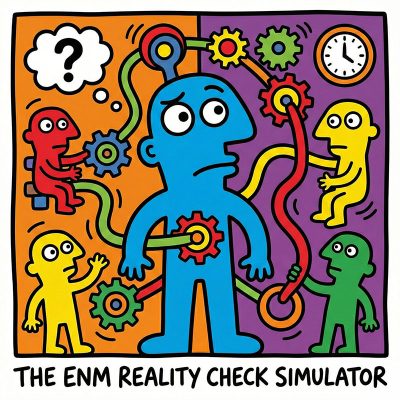
Theory is sexy. Reality is messy. You agreed you could date others, but how does your stomach drop when he takes her to your anniversary spot? Or when she comes home smelling like someone else?
This simulator drags your abstract rules into the harsh light of day. We force you to confront the visceral, gut-wrenching scenarios that actually destroy relationships, before they happen. Test your nervous system in the simulator so you don't crash the car in real life.
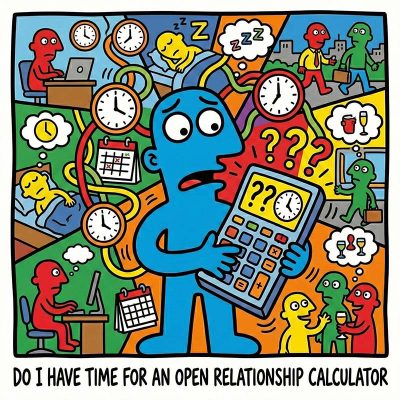
The fantasy is endless romance. The reality? It’s a logistical nightmare. Dating isn't just sex; it’s a second job of swiping, spending, and emotional processing that drains your sanity. Underestimating the "admin" of non-monogamy is the fastest way to turn your relationship into a burnout factory where resentment thrives.
This calculator forces you to confront the brutal math of your time, energy, and wallet. Can you actually afford this lifestyle, or are you just signing up for exhaustion?
"I thought we agreed" is the sentence that destroys relationships & marriages. Relying on verbal promises when emotions run high is a gamble you cannot afford to lose. Your memory isn't just faulty; it's a liability. Ambiguity is the oxygen that jealousy breathes, turning "freedom" into a minefield of "did I mess up?"
This generator transforms vague permissions into a concrete, signed reality. Stop arguing about what you thought was said and lean on what is written. Secure your boundaries in ink, not hope.
The core emotions in ENM and how to regulate them
Jealousy versus insecurity versus fear
Jealousy is often the loudest emotion in ENM conversations but it is not the only one. Insecurity shows up as doubt about your value or your place in the group. Fear can be about losing connection or missing out. The first step in regulation is to identify which feeling you are dealing with. A simple label can change the game. For example you might say I am feeling jealousy about the time she spends with a new partner I also feel a sense of insecurity about my place in the hierarchy and I am worried I will be left out. Clear labeling reduces the power of the emotion and makes it easier to pick a helpful response instead of a knee jerk reaction.
When you separate these feelings you can tailor responses. If jealousy is the driver you may want more time with a partner or a clearer plan for how time with others will fit with your needs. If insecurity is active you might insist on more regular check ins or more visible appreciation. If fear is present you can create safety nets together such as a call during busy nights or a shared calendar so you can anticipate what is coming.
Compersion as a practice not a miracle
Compersion is a positive response to someone s joy. It is a skill that can be cultivated. You can choose to notice small moments where a partner s happiness benefits you too. You can celebrate the other person s connections while staying true to your own needs. Compersion grows when you feel secure in your own value and when you have reliable ways to stay connected to the people you care about. It is not about pretending you are happy when you are not. It is about choosing to nurture a generous stance even when your own needs are real and valid.
Trust and transparency in ENM relationships
Trust grows from consistent dependable behavior and honest talking. Transparency means sharing feelings needs and changes in plans in a timely way. In ENM trust is a living thing that needs regular attention. If a schedule shifts or a boundary needs revision you talk about it early and with respect. When you practice transparency you reduce the chances of hidden wind ups secret cravings or sudden shocks that shake the relationship.
Regulation as a shared skill not a solo mission
Emotional regulation in ENM is a team sport. You can learn to regulate your own storms and you can support others to regulate theirs. That means listening without rushing to fix and offering space and time for processing. It also means recognizing when you need a pause to cool off and when you need a partner to hold space. A healthy ENM circle uses regulation as a common language and a shared toolkit rather than a private burden. The result is more resilient relationships that can adapt to change with grace and humor.
Practical frameworks for regulating emotions in ENM
Pre negotiations and intention setting
At the start of any ENM chapter you should discuss core values and boundaries. Set a clear intention for how you want to show up in the relationship. Create a shared understanding about how you will handle emotions when plans shift. Talk about what compersion looks like in your circle. Outline what kind of information you want shared and what you prefer to keep private. Having these conversations ahead of time reduces friction and gives you a reference point when things get rough.
Communication frameworks that actually help
One effective approach is a simple three step pattern. Step one describe what happened with factual clarity. Step two share how you felt in that moment and what you needed. Step three ask for a specific action or offer a suggestion for the next steps. Use I statements so the focus stays on your experience rather than blaming others. For example I felt left out when we did not loop in me on the date and I would appreciate a regular check in before new plans are made. This keeps the conversation constructive and makes it easier for your partner to respond with care.
Emotion labeling and quick check ins
Label emotions early and often. A fast check in can be as simple as I am feeling overwhelmed right now and I need a pause to breathe. Then schedule a time to revisit the topic when you have both cooled down. Short check ins protect the relationship from becoming a backlog of unsaid feelings that explode at once. Regular calm conversations build trust and reduce the pressure of any one moment becoming a crisis.
Cognitive reframing and mental shifts
Reframing helps you see a situation from a different perspective. Instead of I hate sharing you might re frame it as I am practicing generosity and I want to feel secure in how we arrange our time. Reframing does not change what you feel instantly but it changes how you respond and what you do next. It can make it easier to have a calm thoughtful conversation rather than a heated argument.
Boundaries and time management in ENM
Boundaries are not walls they are guardrails. They keep you moving in a direction that protects your wellbeing while allowing room for growth. Time management is a practical boundary. Set regular check in times and create a realistic pace for new connections. Share calendars where possible and agree on how much detail is comfortable to disclose. When time is scarce or plans conflict you will have a baseline to refer to that reduces drama.
Grounding and body based regulation techniques
Breathing exercises quick body scans and grounding techniques help you reset during a tense moment. Try a simple three breath count box breathing technique. Inhale for four counts hold for four counts exhale for four counts and hold again for four counts. This pattern reduces cortisol and helps you respond rather than react. Pair your breathing with a brief body scan from head to toe noting where you feel tension and releasing it as you exhale. Practice this when you are calm so it is easy to access when you are under stress.
Journaling and reflective practice
Journaling helps you capture patterns over time. Write about what triggered you what you needed and what helped you regulate. Include small wins where you handled a tricky moment well and what you learned. You can use a simple structure like a trigger date emotion result and learning. Over time journaling becomes a personal playbook you can review before tough conversations and use to guide future decisions.
Self care as a foundation
Good regulation starts with good care. Sleep adequate nutrition regular movement and social support all matter. When you are rested you respond more calmly to surprises. Build a self care routine that fits your life and that respects your needs. Prioritizing you makes it easier to hold space for others and to stay present during difficult talks.
Tools for daily life in ENM dynamics
- Shared and private calendars for scheduling and avoiding last minute conflicts
- Regular check in rituals with your partners and metamours to review feelings needs and boundaries
- An emotions quick reference card with common feelings and needs that you can refer to during conversations
- A list of go to phrases that keep conversations respectful even when emotions run high
- A plan for cooling off that both sides agree to use when heat rises in a conversation
These tools help translate intention into action. They reduce friction and make it easier to behave in ways that support relationships rather than undermine them. The aim is not to perfect the emotion gate but to create reliable pathways for consistent care and honest communication.
Realistic ENM scenarios and regulation playbooks
Scenario one a new partner and a cherished routine
You are excited about a new partner but your established weekly date night with a long term partner feels less meaningful. The regulation playbook starts with naming the emotion and the need. I feel excited and a little anxious I need a clear plan that preserves our weekly together time. Propose a short extra check in specifically about the new connection and a plan to keep special time with your long term partner. The practical move is to schedule a couple of hours for the two of you and to set a boundary that weekly time is protected. If the energy shifts you renegotiate how often you see both people while preserving core needs.
Scenario two scheduling conflicts and boundary renegotiation
Two partners want to see you on the same weekend which hurts your sense of equity. Here the regulation path is to acknowledge the feeling of unfairness and to propose a transparent solution. Acknowledge the fairness concern and say that you want to design a schedule that respects everyone s needs. Offer two options and invite input from all parties including metamours when appropriate. Use a simple decision making process like vote or consensus and follow up with a written plan so everyone knows what to expect. The goal is to replace double booked anxiety with clear agreements that feel fair.
Scenario three a misread message and a hurt reaction
You receive a text that lands as a rejection or a sign of disinterest. The immediate impulse is to react in the moment. The regulation playbook calls for a pause. Take a breath and decide on a time to talk that works for everyone. When you reconnect you name the impact of the message. I read your text as a sign you are pulling back and that makes me question my place here. I would like to talk about how we can maintain closeness even as new connections evolve. Structure the conversation around needs and collaboration not blame.
Scenario four metamour dynamics and compersion challenges
Metamours can bring a special kind of landscape. You might feel envy caution or even admiration while watching your partner connect with someone new. Regulation here means naming your experience and asking for what you need. I feel unsure about the possibility of deep friendship between us I would like a set of boundaries that protect our connection without restricting others and I would also enjoy a private check in before group events. Propose a plan for inclusive social time and a separate space for private conversations to build trust. This approach can ease tension and open the door to healthier social chemistry.
Repair after conflicts and moving forward
In ENM relationships conflicts happen. The aim is to repair quickly and with intention. Start with a sincere apology that focuses on impact not intention. Name what you will do differently and follow through with a concrete action within a short timeframe. Schedule a debrief after a difficult event where everyone can share feelings needs and possible adjustments to agreements. Use this time to rebuild trust and to renew commitments. The most important part is to keep showing up and to learn from what did and did not work.
Health and safety in ENM relationships
Emotional regulation also touches safety. Be mindful of your mental health check in with yourself and with professionals if needed. Share information about sexual health boundaries and testing where relevant and keep lines of communication open. In ENM the care you give yourself and the care you invite from others keeps the system resilient. You can maintain safety while staying emotionally connected by practicing transparent honesty respecting boundaries and making space for feelings to change over time.
Next steps on your ENM journey
Regulation is not a single event it is a series of daily practices. Start small with one technique you find useful and build from there. Consider writing a personal regulation plan that fits your life and your relationship map. Track what helps you feel grounded what improves your communication and what fosters compersion in action. Over time your response to stress will become steadier and your capacity for connection easier to tap into even in the face of change.
Practice friendly reminders you can use today
- Label your emotion before you speak
- Share your needs clearly and specifically
- Offer a practical next step rather than a vague complaint
- Ask for input from your partners and metamours
- Agree on a time to revisit challenging topics
Glossary of useful terms and acronyms
- ENM Ethical non monogamy a relationship approach where more than two people are involved with consent and ongoing communication.
- Compersion Feeling happy for a partner when they find joy with someone else.
- Jealousy An emotional response that can arise when there is fear of losing connection or attention.
- Insecurity A sense of doubt about your value or your place in a relationship network.
- Fear A concern about safety or stability often triggered by change or uncertainty.
- Metamour A partner s partner a person you are not dating but connected to through someone you care about.
- Nesting A term used to describe a central or primary place in a polyamory setup.
- Boundary A limit you set to protect your wellbeing and your relationships.
- Hard boundary A boundary you will not bend under any circumstances.
- Soft boundary A boundary that may shift with context or time.
- Transparency Open honest sharing of feelings needs and changes in plans.
- Compersion practice Deliberate acts or attitudes that cultivate joy in a partner s happiness with others.
- Check in A scheduled moment to share feelings and update agreements.
Frequently asked questions
The freedom of an open relationship sounds incredible, but the logistics can feel like holding a grenade. That spinning "what if" anxiety isn't paranoia, it’s your survival instinct warning you that your bond is exposed. "Just seeing what happens" is the fastest way to turn a fantasy into a breakup.
The Essential Guide replaces chaos with discipline. We give you the blueprints, jealousy protocols, and repair scripts needed to explore the edge without falling off. Don't guess. Secure your foundation first.
The world of non-monogamy is a maze of confusing labels. Trying to be "Polyamorous" when your heart actually needs "Swinging" isn't just a vocabulary error; it’s a recipe for misery.
You can't build a stable home on a foundation that doesn't fit your psychology. This tool analyzes your emotional bandwidth and jealousy triggers to design the exact structure you need. Stop trying to squeeze into a box that doesn't fit. Build a relationship that actually feels like home.
Opening up feels exciting, but if you aren't reading from the same script, you're writing a tragedy. The disconnect between "I want freedom" and "I want safety" is where hearts break. This isn't just a quiz; it’s a synchronization engine.
We identify the silent gaps in your desires—from sleepover rules to emotional bandwidth, before they become unbridgeable chasms. Don't wait until the damage is done to find out you were never on the same page. Align your compasses now.
Theory is sexy. Reality is messy. You agreed you could date others, but how does your stomach drop when he takes her to your anniversary spot? Or when she comes home smelling like someone else?
This simulator drags your abstract rules into the harsh light of day. We force you to confront the visceral, gut-wrenching scenarios that actually destroy relationships, before they happen. Test your nervous system in the simulator so you don't crash the car in real life.
The fantasy is endless romance. The reality? It’s a logistical nightmare. Dating isn't just sex; it’s a second job of swiping, spending, and emotional processing that drains your sanity. Underestimating the "admin" of non-monogamy is the fastest way to turn your relationship into a burnout factory where resentment thrives.
This calculator forces you to confront the brutal math of your time, energy, and wallet. Can you actually afford this lifestyle, or are you just signing up for exhaustion?
"I thought we agreed" is the sentence that destroys relationships & marriages. Relying on verbal promises when emotions run high is a gamble you cannot afford to lose. Your memory isn't just faulty; it's a liability. Ambiguity is the oxygen that jealousy breathes, turning "freedom" into a minefield of "did I mess up?"
This generator transforms vague permissions into a concrete, signed reality. Stop arguing about what you thought was said and lean on what is written. Secure your boundaries in ink, not hope.
