
Emotional Safety Alongside Physical Safety


Welcome to a down to earth, totally honest guide to keeping both hearts and bodies safe in Ethical Non Monogamy. ENM stands for Ethical Non Monogamy a clear and practical approach to dating and loving more than one person with consent and care. We will break down how to protect feelings and protect bodies at the same time in a world where multiple connections are normal and exciting. If you are new to ENM or you are deep in the practice this guide will give you practical tips, real life scenarios, and plain language explanations for terms and acronyms you will hear along the way.
Quick Links to Useful Sections
- What ENM is and why safety matters in ENM dynamics
- Key terms and acronyms you will hear in ENM conversations
- The emotional safety foundation in ENM
- Clear open communication is the bedrock
- Boundaries and consent are dynamic
- Managing jealousy with compassion
- Emotional check ins and aftercare
- Handling conflicts without derailing safety
- The physical safety practice in ENM
- Safer sex as a shared practice
- Health checks and STI testing
- Disclosure and privacy
- Consent for physical intimacy and activities
- Privacy protection and digital safety
- Negotiation frameworks and practical tools for ENM safety
- Relationship agreements and safety plans
- Jealousy management tools
- Safety check list for new connections
- Practical tips for daily ENM safety routines
- Realistic scenarios illustrating emotional and physical safety in ENM
- Scenario 1: A new date requires boundary clarification
- Scenario 2: Jealousy triggers a healthy conversation
- Scenario 3: Safer sex and STI disclosure in a multi partner setup
- Common mistakes and how to fix them in ENM safety practices
- Practical templates to support safety in ENM
- Safety plan template
- Jealousy trigger log
- Boundary map example
- Consent and disclosure checklist
- Real world tips for talking about safety with partners
- Frequently asked questions
- The practical conclusion you can act on today
Think of this as a safety manual written by a friend who has your back and also a sense of humor. We will cover both emotional safety and physical safety because a thriving ENM dynamic thrives where both get attention. You will find checklists templates and ready to use phrases that help you move from theory to action without losing the warmth and honesty that make ENM work for real people.
What ENM is and why safety matters in ENM dynamics
Ethical Non Monogamy is about building relationships that are honest with all people involved. It is not about reckless risk taking or ignoring feelings. It is about clear consent transparent communication and negotiated boundaries. When we talk about safety in ENM we are talking about two intertwined areas. Emotional safety covers the feelings connections and mental wellbeing of everyone involved. Physical safety covers health boundaries safer sex practices and risk management. Both are essential to healthy sustainable ENM relationships.
vast majority of ENM relationships succeed when all parties feel heard seen and respected. When safety takes a front seat people are more likely to share honestly to negotiate boundaries early and to handle jealousy or conflict without it turning into a major crisis. The goal is a dynamic where people can grow together while staying safe and connected.
Key terms and acronyms you will hear in ENM conversations
Let us lay out a few practical terms and acronyms you will encounter so you can follow the conversation without getting lost in jargon.
- ENM Ethical Non Monogamy the umbrella term for dating and loving more than one person with consent and transparency.
- CNM Consensual Non Monogamy another widely used term for the same idea as ENM sometimes preferred by people who emphasize consent as the core value.
- Boundary A personal limit about what you will or will not tolerate in a relationship including who you see and how you spend time together.
- Consent An active agreement between all people involved that a particular activity or arrangement is welcome. Consent can be withdrawn at any time.
- Jealousy A natural emotion that arises when insecurity about another person or comparison enters the scene. The goal is to acknowledge jealousy and respond with care rather than suppression or blame.
- Safe sex Practices that reduce the risk of sexually transmitted infections and unwanted pregnancies. This includes barriers such as condoms and dental dams and regular STI testing when relevant.
- Aftercare The time after an intimate encounter to check in with feelings process emotions and provide reassurance and support.
- Disclosure Sharing important information about sexual history health status or new partners with existing partners in a timely and respectful manner.
- Health safety plan A practical approach to staying on top of sexual health needs and medical checkups within an ENM network.

The freedom of an open relationship sounds incredible, but the logistics can feel like holding a grenade. That spinning "what if" anxiety isn't paranoia, it’s your survival instinct warning you that your bond is exposed. "Just seeing what happens" is the fastest way to turn a fantasy into a breakup.
The Essential Guide replaces chaos with discipline. We give you the blueprints, jealousy protocols, and repair scripts needed to explore the edge without falling off. Don't guess. Secure your foundation first.

The world of non-monogamy is a maze of confusing labels. Trying to be "Polyamorous" when your heart actually needs "Swinging" isn't just a vocabulary error; it’s a recipe for misery.
You can't build a stable home on a foundation that doesn't fit your psychology. This tool analyzes your emotional bandwidth and jealousy triggers to design the exact structure you need. Stop trying to squeeze into a box that doesn't fit. Build a relationship that actually feels like home.

Opening up feels exciting, but if you aren't reading from the same script, you're writing a tragedy. The disconnect between "I want freedom" and "I want safety" is where hearts break. This isn't just a quiz; it’s a synchronization engine.
We identify the silent gaps in your desires—from sleepover rules to emotional bandwidth, before they become unbridgeable chasms. Don't wait until the damage is done to find out you were never on the same page. Align your compasses now.

Theory is sexy. Reality is messy. You agreed you could date others, but how does your stomach drop when he takes her to your anniversary spot? Or when she comes home smelling like someone else?
This simulator drags your abstract rules into the harsh light of day. We force you to confront the visceral, gut-wrenching scenarios that actually destroy relationships, before they happen. Test your nervous system in the simulator so you don't crash the car in real life.

The fantasy is endless romance. The reality? It’s a logistical nightmare. Dating isn't just sex; it’s a second job of swiping, spending, and emotional processing that drains your sanity. Underestimating the "admin" of non-monogamy is the fastest way to turn your relationship into a burnout factory where resentment thrives.
This calculator forces you to confront the brutal math of your time, energy, and wallet. Can you actually afford this lifestyle, or are you just signing up for exhaustion?
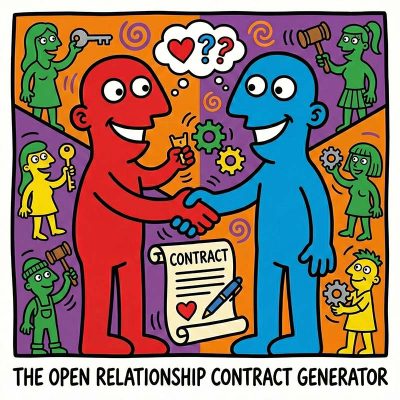
"I thought we agreed" is the sentence that destroys relationships & marriages. Relying on verbal promises when emotions run high is a gamble you cannot afford to lose. Your memory isn't just faulty; it's a liability. Ambiguity is the oxygen that jealousy breathes, turning "freedom" into a minefield of "did I mess up?"
This generator transforms vague permissions into a concrete, signed reality. Stop arguing about what you thought was said and lean on what is written. Secure your boundaries in ink, not hope.
The emotional safety foundation in ENM
Clear open communication is the bedrock
In ENM you will often be sharing time affection and attention with more than one person. Clarity becomes essential. That means talking about desires limits and expectations before activities begin. It also means ongoing honest conversations about how everyone feels as situations change. Communication is not a one and done event. It is a skill you practice daily. Use direct language focus on feelings not blame and ask questions that invite understanding rather than defensiveness.
Boundaries and consent are dynamic
Boundaries are not permanent rules carved in stone. They are living agreements that evolve as relationships grow and as people learn more about themselves. Consent must be explicit each time a new dynamic or activity is proposed. If someone is unsure or uncomfortable do not push for agreement. Take a pause and revisit later after everyone has had time to reflect.
Managing jealousy with compassion
Jealousy is not a sign that something is wrong with you or with the relationship. It is a signal that something in the dynamic needs attention. Typical causes include fear of shedding attention between partners fear of loss or fear of missing out. The antidote is a compassionate process that includes acknowledging the feeling naming its cause and deciding what action will help. You can use structured check ins during which each person shares their current feelings and needs without assigning blame.
Emotional check ins and aftercare
Regular check ins reduce the risk of bottling up emotions and letting them explode at a bad moment. A simple routine can be enough. After a date or a new dynamic you can ask questions like how did you feel today what felt good what would you like more of what felt off. Aftercare is the supportive time after intimate moments to help partners feel safe reconnected and valued.
Handling conflicts without derailing safety
Conflict is natural. The goal is to resolve it with care rather than escalate it into a breakup or a blowout fight. Ground rules like taking a pause before responding asking for time if needed and using a neutral facilitator can help. When conflict arises look for the underlying needs not just the surface disagreement. Then craft solutions that meet those needs as a team.
The physical safety practice in ENM
Safer sex as a shared practice
Safer sex in ENM means using barrier methods where appropriate sharing current information about sexual health and agreeing on testing routines. It is not a criticism of anyone's choices it is a practical habit that protects everyone involved. For many people this means using condoms with new partners and considering other barriers for oral sex. It also means discussing contraception if pregnancy is a possibility for any partner and choosing methods that work for all people involved.
Health checks and STI testing
Regular STI testing is a cornerstone of physical safety. The frequency will depend on your level of activity and risk factors but a common approach is to test at least annually and sooner if you have new partners or new sexual activities. Sharing test results with partners in a timely and respectful manner helps build trust and reduces anxiety for everyone involved.
Disclosure and privacy
Disclosing health information should be done with care and respect for everyone involved. Decide together what information should be shared what level of detail is helpful and who will receive it. You do not owe anyone sensitive information that would cause harm but honesty about safety considerations is essential.
Consent for physical intimacy and activities
Consent applies to every new activity and every new partner. Do not assume consent based on past behaviors. Check in with each person involved and document agreements where useful. When a new partner joins the network you can revisit what safety practices are in place and what updates are needed.
Privacy protection and digital safety
Maintaining privacy means being mindful about what you share online who can access your information and how you present yourself in different communities. Do not post intimate details about others without explicit consent. Use secure channels for sharing health or safety information and respect each other’s boundaries in online spaces.
Negotiation frameworks and practical tools for ENM safety
Relationship agreements and safety plans
A relationship agreement is a written or agreed set of guidelines that cover emotional safety boundaries physical safety practices and communication norms. It can be a living document that you revise as your relationships change. A strong agreement helps reduce misunderstandings and supports a calm approach when things get complicated.
Jealousy management tools
Keep a jealousy toolkit handy. This can include a personal journal a set of check in questions a list of coping strategies and a time to reflect before acting. Having a go to plan reduces rash decisions and helps people respond from a place of care.
Safety check list for new connections
Before you start dating a new partner consider running through a quick safety check. Do all involved parties know about the other relationships in the network? Is consent clearly stated for activities? When will we share health information and what are the boundaries around time and attention? Is there a plan for conflict resolution and aftercare?
Practical tips for daily ENM safety routines
- Set a weekly emotional check in with each partner. A simple three question format keeps things focused.
- Schedule regular STI testing reminders for yourself and discuss a shared testing plan with partners.
- Keep a boundary map that shows who you are willing to date see or be physically intimate with and under what conditions.
- Create a consent log to document agreements about activities with each partner and any changes that occur over time.
- Use a non judgmental tone when talking about safety even if concerns arise. Tone helps keep conversations constructive and productive.
- Prepare a personal aftercare routine that helps you reset after emotionally charged moments or intense dates.
- Share practical safety information in a respectful way to help others feel informed and secure without feeling pressured.
Realistic scenarios illustrating emotional and physical safety in ENM
Scenario 1: A new date requires boundary clarification
Jamie feels excited about a new date with Alex but also a little nervous because Jamie is already in a triad with Sam and Riley. They all sit down in a calm group chat to map out boundaries. Jamie explains that any romantic or sexual activity with Alex should not affect existing commitments with Sam and Riley. They agree on a check in after the first date and a brief disclosure within 24 hours about any new feelings or changes in plans. They also decide to use barriers with Alex until everyone has confidence in safety practices and STI testing is up to date. The talk goes smoothly because everyone listened and asked clarifying questions without accusing or blaming. This moment proves that early boundary conversation plus transparent safety planning reduces risk and increases emotional safety for all involved.
Scenario 2: Jealousy triggers a healthy conversation
Priya notices that her partner Kai spent a long evening with a new partner. The feeling is there and Priya recognizes it as jealousy. Kai responds with openness and asks Priya to name the feeling and the need beneath it. Priya says she needs reassurance that Kai still values the connection with her and she also wants more predictability about scheduling. Kai acknowledges both needs and suggests a weekly planning session where they share upcoming dates with each other and discuss emotional needs. They also agree to a short aftercare ritual after a date to reconnect and check in. The result is a stronger bond and a practical plan that handles jealousy with care rather than blame.
Scenario 3: Safer sex and STI disclosure in a multi partner setup
Elena enters a new relationship with a partner who has other connections. They discuss a safety plan that includes barrier use for all sexual activities with new partners and a commitment to regular STI testing. Elena shares her last test results and asks for the same from the new partner. They agree to keep health information current and to disclose within a reasonable timeframe before intimate acts. They also create a clear rule about not pressuring others for unprotected sex and about pausing activities if anyone feels uncertain. This approach helps everyone protect their health while keeping the relationship dynamics open and respectful.
Common mistakes and how to fix them in ENM safety practices
- Assuming consent just because you have a history with someone. Always check in again with each new activity or partner.
- Rushing safety conversations before someone else feels ready. Move at a pace that includes everyone in the discussion.
- Letting jealousy snowball into blame or withdrawal. Use the jealousy toolkit to identify needs and address them with care.
- Treating STI testing as a one time thing. Keep testing on a regular schedule that matches your activity level and discuss updates with partners.
- Over sharing health or personal information in public spaces. Maintain privacy while being transparent with those who need to know for safety.
Practical templates to support safety in ENM
Safety plan template
Who is involved
- Primary partners names
- Secondary partners names
- Support person or mediator if conflicts arise
Safety rules
- Consent check for new activities with each person
- Regular STI testing intervals agreed by the network
- Clear boundaries about time and attention with each partner
Communication plan
- Preferred channels for updates
- Frequency of emotional check ins
- Escalation path if safety concerns arise
Jealousy trigger log
A simple one page log to capture triggers and responses. Date what happened how you felt what you needed and what you did about it. Over time you will see patterns and build better coping strategies.
Boundary map example
A visual map showing who can be involved in different activities and under what conditions. This map helps partners understand each other at a glance and helps reduce miscommunication.
Consent and disclosure checklist
- Is there explicit consent for this activity from all involved?
- Has everyone signed off on the level of disclosure to other partners?
- Are test results or health information shared in a timely and respectful way?
Real world tips for talking about safety with partners
- Lead with care not accusation. State your own feelings and needs using I statements.
- Aim for questions that invite discussion rather than defensiveness. For example ask what would make you feel safer rather than are you being safe enough.
- Offer concrete actions instead of simply naming a problem. For example propose a weekly check in or a shared safety plan update meeting.
- Remember that safety is a shared responsibility. It is not about policing but about mutual care and respect.
- Give yourself space and time to process emotions. Return to a conversation when all parties feel calm and ready to engage.
Frequently asked questions
What does emotional safety look like in ENM
Emotional safety means that all people in the network feel heard valued and respected. It means clear honest communication about needs boundaries and feelings and it means having a plan to handle conflicts with kindness rather than blame. It also means aftercare time after intimate experiences to reconnect and reassure one another.
How can I balance emotional and physical safety without feeling overwhelmed
Start with small steps and build gradually. Establish a baseline safety plan with all partners then adjust as needs evolve. Use check ins and logs to monitor feelings and health outcomes. If it feels like a lot take a pause and revisit priorities together.
What should be included in a relationship safety agreement
A safety agreement should cover consent expectations boundaries what activities are and are not allowed how information will be disclosed to partners and agreed testing routines. It should be revisited regularly as the dynamic grows or changes.
How often should we check in emotionally
Many ENM networks find weekly check ins are a good rhythm for ongoing care. If your schedule is busy you can opt for bi weekly yet ensure there is a space for open honest reflections about feelings and needs.
What about STI testing and health privacy
Agree on testing intervals you all consent to share results and decide who will be informed and when. Privacy matters so limit sharing to what is necessary for safety and health. Always handle test results with sensitivity and care.
How to handle breakups without hurting safety foundations
Breakups can be emotional. Keep lines of communication open until final boundaries are set. Revisit the safety plan to ensure everyone is still protected and supported. Aftercare remains available even as relationships change.
Is it okay to discuss safety with someone new online
Yes as long as everyone involved is aware of the ongoing networks and consent is clearly sought for interactions. Always respect privacy and avoid sharing details that may hurt others or violate their boundaries.
The practical conclusion you can act on today
This guide is about turning safety into a habit. Start by naming your own boundaries and the health practices you want to commit to. Bring your partner(s) into the planning process and test plans in small steps. Remember ENM is a journey not a fixed destination. The game is to remain curious kind and safe while building meaningful connections with honesty and respect.
The freedom of an open relationship sounds incredible, but the logistics can feel like holding a grenade. That spinning "what if" anxiety isn't paranoia, it’s your survival instinct warning you that your bond is exposed. "Just seeing what happens" is the fastest way to turn a fantasy into a breakup.
The Essential Guide replaces chaos with discipline. We give you the blueprints, jealousy protocols, and repair scripts needed to explore the edge without falling off. Don't guess. Secure your foundation first.
The world of non-monogamy is a maze of confusing labels. Trying to be "Polyamorous" when your heart actually needs "Swinging" isn't just a vocabulary error; it’s a recipe for misery.
You can't build a stable home on a foundation that doesn't fit your psychology. This tool analyzes your emotional bandwidth and jealousy triggers to design the exact structure you need. Stop trying to squeeze into a box that doesn't fit. Build a relationship that actually feels like home.
Opening up feels exciting, but if you aren't reading from the same script, you're writing a tragedy. The disconnect between "I want freedom" and "I want safety" is where hearts break. This isn't just a quiz; it’s a synchronization engine.
We identify the silent gaps in your desires—from sleepover rules to emotional bandwidth, before they become unbridgeable chasms. Don't wait until the damage is done to find out you were never on the same page. Align your compasses now.
Theory is sexy. Reality is messy. You agreed you could date others, but how does your stomach drop when he takes her to your anniversary spot? Or when she comes home smelling like someone else?
This simulator drags your abstract rules into the harsh light of day. We force you to confront the visceral, gut-wrenching scenarios that actually destroy relationships, before they happen. Test your nervous system in the simulator so you don't crash the car in real life.
The fantasy is endless romance. The reality? It’s a logistical nightmare. Dating isn't just sex; it’s a second job of swiping, spending, and emotional processing that drains your sanity. Underestimating the "admin" of non-monogamy is the fastest way to turn your relationship into a burnout factory where resentment thrives.
This calculator forces you to confront the brutal math of your time, energy, and wallet. Can you actually afford this lifestyle, or are you just signing up for exhaustion?
"I thought we agreed" is the sentence that destroys relationships & marriages. Relying on verbal promises when emotions run high is a gamble you cannot afford to lose. Your memory isn't just faulty; it's a liability. Ambiguity is the oxygen that jealousy breathes, turning "freedom" into a minefield of "did I mess up?"
This generator transforms vague permissions into a concrete, signed reality. Stop arguing about what you thought was said and lean on what is written. Secure your boundaries in ink, not hope.
