
Ethical Non Monogamy Across Different Cultures

Welcome to a grounded guide on ethical non monogamy or ENM as many people call it. We are talking about relationships that are negotiated with care and consent rather than rules that trap people in unfair patterns. This article looks at ENM through a cultural lens so you can see how traditions, beliefs, and community norms shape what is possible and how to have honest conversations. We will break down terms in plain language and give you practical tips you can use in real life without turning your life into a field test. Think of this as a friendly conversation with someone who has seen a lot of relationship dynamics and wants you to move forward with clarity and respect.
Quick Links to Useful Sections
- What ENM means and how it fits into culture
- Core terms explained in plain language
- Culture shaped by history religion and family expectations
- Real world situations and cultural nuance
- Scenario one a traditional family background with evolving beliefs
- Scenario two a collectivist culture with strong group norms
- Scenario three migration and cross cultural dating
- Scenario four language barriers and communication styles
- Communication strategies that work across cultures
- Negotiated agreements and ethics in diverse settings
- Safety emotional wellness and consent in ENM across cultures
- Legal and social realities that influence ENM across cultures
- Gender power and intersectionality in ENM
- Practical tips for starting or continuing ENM in a culturally diverse world
- Glossary of useful terms and acronyms
- Frequently asked questions
- Putting it into practice
- Next steps and resources
Ethical non monogamy is about consent communication and fairness. It is about choosing partners with honesty and letting them know what you want and what you are not willing to do. It means checking in and revising agreements as you learn more about yourselves and the world around you. Culture matters because it shapes what people are taught about love commitment and desire. The aim of this guide is to acknowledge differences while offering practical pathways that respect all involved. We will cover core concepts practical strategies and culture specific considerations so you can approach ENM with curiosity and care.
What ENM means and how it fits into culture
ENM stands for ethical non monogamy. Ethical means that everyone involved gives informed consent and agrees to the terms of the relationship. Non monogamy means having romantic or sexual connections with more than one person at a time in a way that all people involved know about each other. There are many shapes ENM can take and no single blueprint fits all communities. Some forms focus on having multiple romantic partners with clear boundaries while others emphasize casual connections alongside deep emotional bonds. The common thread is honesty respect and ongoing negotiation rather than secrecy or coercion.
Within ENM a few terms come up frequently and it helps to know what they mean. Polyamory is a common form of ENM where a person has multiple loving relationships that are consensual. Open relationships is a broader term that often means romantic or sexual relationships outside the primary pair with all parties aware. Swinging usually involves intimate activities with partners outside the main couple in a social context often at events or specific settings. Relationship anarchy is a philosophy that rejects standard relational hierarchies and favors autonomy and negotiated agreements without fixed roles. Compersion is the feel good moment when you feel genuine happiness for a partner who is thriving with someone else. Negotiated agreements are the terms and boundaries that partners set together often in writing or in a repeating conversation.
Across cultures these ideas may look different on the ground. For some communities ENM is a visible norm with open discussion and public practice. In other places ENM may be taboo or met with strong resistance from family religious institutions or legal systems. In some cultures there are power imbalances that make consent and safety more fragile. In others language and social structure support more transparent conversations. The point is not a single standard but a set of principles that help people act with care toward themselves and others regardless of cultural context.
Core terms explained in plain language
Ethical non monogamy is often discussed with many terms and acronyms. Here is a quick glossary so you can follow the conversation without getting lost. If a term feels unfamiliar ask questions and take the time to understand how it applies to a given situation.
- ENM Short for ethical non monogamy. It describes relationships where more than one romantic or sexual connection exists with the consent of all involved.
- Polyamory A form of ENM where people have multiple loving relationships at once with the knowledge and consent of everyone involved.
- Open relationship A relationship in which partners agree that they may pursue other romantic or sexual ties while maintaining their primary bond.
- Swinging Partners engage in sexual activity with other couples or individuals within shared settings usually for recreation and social connection.
- Relationship anarchy A philosophy that rejects fixed rules about what counts as a relationship and prioritizes autonomy and personal agreements.
- Compersion The positive emotion you feel when your partner experiences happiness with someone else.
- Jealousy work The ongoing process of understanding and managing jealousy through communication and security measures.
- Boundaries Agreed limits that protect emotional safety and physical safety for all people involved.
- Negotiated agreements The explicit terms that partners establish about time honesty sexual activity and emotional commitments.
- Primary partner The person considered the main relationship in the couples arrangement sometimes with special responsibilities or access to information.
- Secondary partner A partner who is important but not considered the primary relationship in the current setup.
- Meta partner A person who is in a relationship with your partner, creating a network of romantic connections.
- Consent A clear and voluntary agreement to engage in any activity. Consent can be given or withdrawn at any time.
- Capacity The ability to give informed consent based on mental state and clarity of mind at the moment of agreement.
- Safety plan A practical set of steps that protects everyone involved from physical or emotional harm.
The freedom of an open relationship sounds incredible, but the logistics can feel like holding a grenade. That spinning "what if" anxiety isn't paranoia, it’s your survival instinct warning you that your bond is exposed. "Just seeing what happens" is the fastest way to turn a fantasy into a breakup.
The Essential Guide replaces chaos with discipline. We give you the blueprints, jealousy protocols, and repair scripts needed to explore the edge without falling off. Don't guess. Secure your foundation first.
The world of non-monogamy is a maze of confusing labels. Trying to be "Polyamorous" when your heart actually needs "Swinging" isn't just a vocabulary error; it’s a recipe for misery.
You can't build a stable home on a foundation that doesn't fit your psychology. This tool analyzes your emotional bandwidth and jealousy triggers to design the exact structure you need. Stop trying to squeeze into a box that doesn't fit. Build a relationship that actually feels like home.
Opening up feels exciting, but if you aren't reading from the same script, you're writing a tragedy. The disconnect between "I want freedom" and "I want safety" is where hearts break. This isn't just a quiz; it’s a synchronization engine.
We identify the silent gaps in your desires—from sleepover rules to emotional bandwidth, before they become unbridgeable chasms. Don't wait until the damage is done to find out you were never on the same page. Align your compasses now.
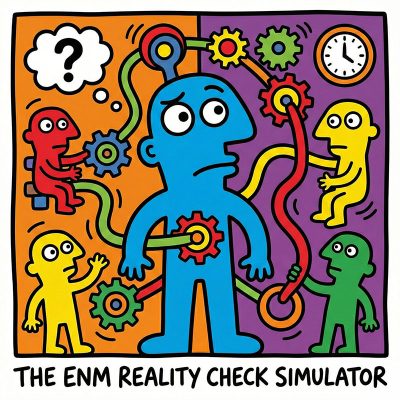
Theory is sexy. Reality is messy. You agreed you could date others, but how does your stomach drop when he takes her to your anniversary spot? Or when she comes home smelling like someone else?
This simulator drags your abstract rules into the harsh light of day. We force you to confront the visceral, gut-wrenching scenarios that actually destroy relationships, before they happen. Test your nervous system in the simulator so you don't crash the car in real life.

The fantasy is endless romance. The reality? It’s a logistical nightmare. Dating isn't just sex; it’s a second job of swiping, spending, and emotional processing that drains your sanity. Underestimating the "admin" of non-monogamy is the fastest way to turn your relationship into a burnout factory where resentment thrives.
This calculator forces you to confront the brutal math of your time, energy, and wallet. Can you actually afford this lifestyle, or are you just signing up for exhaustion?
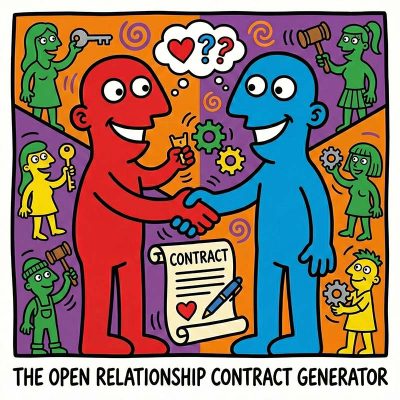
"I thought we agreed" is the sentence that destroys relationships & marriages. Relying on verbal promises when emotions run high is a gamble you cannot afford to lose. Your memory isn't just faulty; it's a liability. Ambiguity is the oxygen that jealousy breathes, turning "freedom" into a minefield of "did I mess up?"
This generator transforms vague permissions into a concrete, signed reality. Stop arguing about what you thought was said and lean on what is written. Secure your boundaries in ink, not hope.
Culture shaped by history religion and family expectations
Culture acts like a lens that shapes how people think about love intimacy and relationships. It affects how communities talk about sex and romance and it influences what kinds of relationships are considered acceptable. In many Western societies openness is increasingly normalized through media and progressive social norms. This does not mean everyone accepts ENM but there is greater visibility and dialogue. In many other cultures expectations around family marriage and sexual behavior are tightly woven into social and religious norms. In those settings ENM may be less visible and more heavily scrutinized or stigmatized. These differences matter because the same concept ENM can be expressed in very different ways depending on who you are and where you live.
Religion often plays a central role in shaping relationship norms. Some faiths emphasize lifelong monogamous marriage as a sacred path while others are more permissive or simply tolerate diverse expressions of love. Some communities hold strong expectations about gender roles which can influence who initiates conversations about boundaries who makes decisions and how power is shared inside relationships. When you approach ENM across cultures you want to consider the religious landscape and how it informs personal values and community norms. You can still practice ethical non monogamy in a way that respects faith while staying true to your own consent based agreements.
Real world situations and cultural nuance
Let us look at realistic scenarios to illustrate how culture can influence ENM in everyday life. These examples are hypothetical but drawn from common patterns you may encounter. People may be navigating family expectations migrational dynamics and workplace cultures as they explore ENM. The goal is to provide practical insights that help you talk honestly and respectfully with partners and communities.
Scenario one a traditional family background with evolving beliefs
A person grew up in a community that values family unity and religious tradition. They come to embrace ENM after exposure to new ideas and after honest conversations with a partner. They approach the topic slowly share their evolving feelings and invite open dialogue with their partner about boundaries. They also consider how their wider family may react and decide how much to disclose in different settings. The key is patience listening and a willingness to adjust the agreements as they learn more about themselves and their family dynamics.
Scenario two a collectivist culture with strong group norms
In a collectivist culture the group and family can have a strong influence on personal choices. A person practicing ENM may find it helpful to involve trusted allies such as a supportive friend or a therapist who understands culture specific concerns. Agreements may include more explicit time management to respect family obligations and clear boundaries about which topics are safe to discuss in family circles. The aim is to protect harmony while preserving individual autonomy and consent.
Scenario three migration and cross cultural dating
When people move across borders they often encounter different expectations around dating and intimacy. A couple may begin with a standard ENM model at home and then adjust as they encounter new legal social or religious landscapes. Clear conversations about what is permissible time allocation and how to handle privacy become essential. In some cases couples decide to reduce disclosure to protect family members who may not understand ENM. Others choose to be transparent with friends while explaining that they are choosing a different relationship path for themselves.
Scenario four language barriers and communication styles
Language differences can complicate consent and boundaries. One strategy is to use simple direct language and to check in frequently. It is useful to summarize agreements in writing and to confirm understanding with all involved. Nonverbal cues matter as well so take time to learn how different cultures express discomfort or enthusiasm and adjust your communication style accordingly.
Communication strategies that work across cultures
Healthy ENM depends on open communication. Culture adds layers to how messages are sent and received. Here are practical communication techniques you can use in diverse cultural contexts.
- Start with a clear invitation Begin conversations with an invitation to talk about desires needs and boundaries. Make it a two way exchange not a lecture.
- Check for understanding After sharing a point ask your partner to paraphrase what they heard. This helps prevent misinterpretation especially when language is not your first language.
- Document agreements Put major boundaries and agreements in writing or use a shared document. This creates a reliable reference point for all involved.
- Schedule regular check ins Agree to revisit agreements on a set cadence. Culture can bring new family or work obligations so you may need to adjust.
- Practice reflective listening Reflect back what you heard before sharing your own perspective. This builds trust and reduces defensiveness.
- Respect privacy In some contexts discussing ENM publicly is risky. Decide what you share and with whom while respecting others comfort levels.
- Avoid coercion Any attempt to pressure someone into ENM is a red flag. Consent must be enthusiastic and ongoing.
Negotiated agreements and ethics in diverse settings
Ethical practice means ongoing consent and care for everyone involved. Agreements should be flexible and inclusive while protecting emotional and physical safety. In diverse cultural contexts this can mean adding topics such as family time balancing commitments safety boundaries for travel or how to handle privacy in small communities. The core messages remain the same. Communicate clearly check in regularly and adjust as needed.
Some communities may rely on collective decision making or extended families to shape boundaries. In those cases it can be helpful to involve trusted mentors or counselors who understand both ENM and the cultural landscape. The aim is to reduce risk while preserving autonomy and respect for all parties involved.
Safety emotional wellness and consent in ENM across cultures
Safety in ENM is not only about protecting bodies but also about protecting emotions and relationships. Practices that support safety include consent education regular check ins honest disclosures and access to support networks such as counseling peers or support groups. Consent is a living process and it can be renegotiated at any time. Understanding that consent is not a one time event is essential in cultures where relationships carry high expectations and strong social judgment.
Emotional wellness means paying attention to jealousy insecurity and fear and dealing with them constructively. It can involve journaling reflecting with a trusted friend or seeking therapy. Cultural norms can intensify feelings so having tools to manage emotions is a crucial part of ethical practice.
Legal and social realities that influence ENM across cultures
Law and policy vary widely around the world. Some places have legal recognition of couples and even sexual rights that can be extended to ENM networks. Other places do not recognize multiple partner arrangements and may treat them with suspicion. Social attitudes also play a large role. Communities with strong stigma may require discreet behavior or more careful handling of information. It is wise to know local laws and social climates and to plan how to protect yourself and others while staying true to consent based agreements.
When you live in a country with restrictive norms you may want to limit how much you share publicly while maintaining your internal agreements. When you travel or relocate you should reassess neighborhoods and social circles to ensure your safety and the safety of your partners. Always prioritize consent and avoid exploiting anyone in a new context.
Gender power and intersectionality in ENM
Gender roles social status and identity shape how ENM plays out. People who hold privilege in one culture may face different risks in another. Intersectionality is a framework that helps us understand how overlapping identities such as race gender sexual orientation or disability influence experiences with consent and safety. A thoughtful ENM approach recognizes these layers and centers the dignity and agency of every person involved.
In some settings traditional expectations around gender may constrain who initiates conversations who sets boundaries and who controls access to information. Practicing ENM well means creating space for all voices to be heard and ensuring power is not used to pressure or manipulate others. It also means recognizing how race ethnicity and class can shape access to resources including therapy travel funds or education about ENM practices.
Practical tips for starting or continuing ENM in a culturally diverse world
- Educate yourself first Read about different cultural contexts and listen to voices from communities you want to learn from. Knowledge reduces fear and builds respect.
- Ask open ended questions When talking with a potential partner use questions that invite detailed responses rather than yes or no answers.
- Share your boundaries clearly Use concrete examples and avoid vague statements. Clarity prevents misunderstandings later.
- Be patient Cultural adjustment takes time. Do not rush agreements especially when family or religious expectations may exert pressure.
- Choose allies wisely Seek people who will support ethical practice and who understand the cultural complexity of the situation.
- Respect privacy In small communities or families information can spread quickly. Decide what to disclose and to whom without shame or secrecy.
Glossary of useful terms and acronyms
- ENM Ethical non monogamy a broad term that covers many relationship styles involving more than one partner with consent.
- Polyamory A form of ENM where several loving relationships exist with everyone’s knowledge and consent.
- Open relationship Partners agree to see other people while maintaining their bond with each other.
- Swinging People engage in sexual activity with others outside the primary couple often in social settings.
- Relationship anarchy A mindset that rejects rigid relationship hierarchies in favor of personal agreements.
- Compersion The joy you feel when your partner experiences happiness with someone else.
- Jealousy work The ongoing effort to understand and manage jealous feelings in a healthy way.
- Boundaries Limits that protect emotional safety and physical well being for all parties.
- Negotiated agreements The explicit terms agreed upon by all involved about time priority privacy and sexual activity.
- Primary partner The person who plays a central role in the current relationship structure.
- Secondary partner A partner who is important but not the main focus of the relationship structure.
- Meta partner Someone who is in a relationship with one of your partners creating a wider network of connections.
- Consent A clear willing agreement to participate in a specific activity at a given time.
- Capacity The mental state that allows someone to give true and informed consent.
- Safety plan A written or agreed set of steps that reduce risk and protect everyone involved.
Frequently asked questions
Below are common questions people ask when exploring ENM across cultures. If you have another question you can use our contact page to ask for more details tailored to your situation.
What is ENM and how does it differ from monogamy
ENM means ethical non monogamy. This is when people pursue relationships with multiple partners with explicit consent and clear agreements. Monogamy is the practice of having one romantic or sexual partner at a time with exclusive commitments. The key difference is consent specific terms and ongoing negotiation rather than assumed exclusivity.
How can cultural beliefs affect ENM negotiations
Culture influences how people talk about desire how they interpret consent and how much they share with family and friends. Some cultures emphasize family honor and social harmony which can add layers to what is disclosed and how. Negotiations may need more time and more careful wording to respect community norms while protecting the individuals involved.
What should I do if my family or community disapproves
First check in with your internal needs and values. Decide what boundaries you want to protect in family contexts and what you are willing to disclose. Seek out supportive communities or counselors who understand both ENM and your cultural background. You deserve care and safety regardless of outside judgment.
How can I ensure consent remains ongoing in ENM across cultures
Treat consent as a living process. Check in regularly about comfort levels and revise agreements as needed. Different cultures may change how comfortable people feel with certain topics so ongoing communication is essential.
Is it possible to practice ENM ethically in religious settings
Yes but it requires sensitivity. Some religious communities may have strict norms and expectations. Engaging in ENM with respect for those beliefs means transparent discussion about boundaries and ensuring that no one feels pressured to violate their conscience.
What role can therapy or counseling play
Therapy can provide a neutral space to explore feelings jealousy and communication strategies. A therapist who understands ENM and cultural dynamics can help you build skills and navigate conflicts more effectively.
How do I handle privacy when I live in a small community
Privacy becomes a safety issue in small communities. Decide what information you want to keep private and who needs to know. Use separate social channels and be mindful of conversations that can be overheard. Always align privacy choices with consent and safety for all involved.
What about children and ENM in different cultures
Child welfare and family stability are paramount. When children are involved it is important to shield them from adult conflicts and to model respectful behavior. Explain commitments in age appropriate ways and maintain consistency to create a sense of security for kids.
How do I start a conversation about ENM with a partner from a different culture
Choose a calm time and a private space. Use simple language and invite honest feedback. Focus on shared values like honesty respect and care. Give time for questions and avoid pressuring anyone to respond immediately.
Putting it into practice
Ethical non monogamy across cultures is not about adopting a single template. It is about aligning your actions with clear consent honest communication and strong care for everyone involved. Start with your own values and then check in with partners to see how those values translate into real world agreements. Be patient with yourself and with others. Culture brings richness to your life and can also demand more thoughtful navigation. The core remains universal kindness and respect for the autonomy and dignity of every person you share life with.
Next steps and resources
If you want to deepen your understanding there are several practical steps you can take. Start with a written list of your own boundaries and what you are hoping to explore. Then invite a partner to share their list so you can compare and find overlap. Use simple language and avoid assumptions. If possible seek out a community or a counselor with experience in ENM and cross cultural issues. Sharing experiences with others who walk a similar path can provide perspective and support.
Remember that ethical non monogamy is not about rushing into new relationships or collecting partners. It is about growing as a person and growing together with honest consent at the center. Culture will shape the pace and direction. Your job is to stay mindful of safety respect and fairness while listening deeply to those you care about.
The freedom of an open relationship sounds incredible, but the logistics can feel like holding a grenade. That spinning "what if" anxiety isn't paranoia, it’s your survival instinct warning you that your bond is exposed. "Just seeing what happens" is the fastest way to turn a fantasy into a breakup.
The Essential Guide replaces chaos with discipline. We give you the blueprints, jealousy protocols, and repair scripts needed to explore the edge without falling off. Don't guess. Secure your foundation first.
The world of non-monogamy is a maze of confusing labels. Trying to be "Polyamorous" when your heart actually needs "Swinging" isn't just a vocabulary error; it’s a recipe for misery.
You can't build a stable home on a foundation that doesn't fit your psychology. This tool analyzes your emotional bandwidth and jealousy triggers to design the exact structure you need. Stop trying to squeeze into a box that doesn't fit. Build a relationship that actually feels like home.
Opening up feels exciting, but if you aren't reading from the same script, you're writing a tragedy. The disconnect between "I want freedom" and "I want safety" is where hearts break. This isn't just a quiz; it’s a synchronization engine.
We identify the silent gaps in your desires—from sleepover rules to emotional bandwidth, before they become unbridgeable chasms. Don't wait until the damage is done to find out you were never on the same page. Align your compasses now.
Theory is sexy. Reality is messy. You agreed you could date others, but how does your stomach drop when he takes her to your anniversary spot? Or when she comes home smelling like someone else?
This simulator drags your abstract rules into the harsh light of day. We force you to confront the visceral, gut-wrenching scenarios that actually destroy relationships, before they happen. Test your nervous system in the simulator so you don't crash the car in real life.
The fantasy is endless romance. The reality? It’s a logistical nightmare. Dating isn't just sex; it’s a second job of swiping, spending, and emotional processing that drains your sanity. Underestimating the "admin" of non-monogamy is the fastest way to turn your relationship into a burnout factory where resentment thrives.
This calculator forces you to confront the brutal math of your time, energy, and wallet. Can you actually afford this lifestyle, or are you just signing up for exhaustion?
"I thought we agreed" is the sentence that destroys relationships & marriages. Relying on verbal promises when emotions run high is a gamble you cannot afford to lose. Your memory isn't just faulty; it's a liability. Ambiguity is the oxygen that jealousy breathes, turning "freedom" into a minefield of "did I mess up?"
This generator transforms vague permissions into a concrete, signed reality. Stop arguing about what you thought was said and lean on what is written. Secure your boundaries in ink, not hope.
