
Fear of Abandonment and Reassurance


You are curious about embracing more freedom in love while feeling a pull toward security. Fear of abandonment can show up even when you deeply care for your partners. Welcome to a practical guide that breaks down why this fear happens in ethical non monogamy ENM and how to reassure your partners without losing your own sense of self. We will explain terms as we go and give you real world conversations you can lift and adapt. Think of this as a friendly experiment with solid tools you can actually use.
Quick Links to Useful Sections
- What is ENM and why does fear show up here
- Common attachment styles in ENM and how they matter
- Why fear of abandonment tends to surface in ENM
- Building reassurance into ENM agreements
- Practical strategies for reassurance in ENM
- 1. Start with self awareness and personal needs
- 2. Use transparent and kind communication
- 3. Create reliable check in rituals
- 4. Build a shared calendar for time and energy
- 5. Clarify boundaries while leaving space for growth
- 6. Normalize renegotiation without stigma
- 7. Use concrete language for reassurance
- 8. Build compersion and celebrate connections
- 9. Practice emotional first aid for yourself
- 10. Develop a reassurance toolkit for tough moments
- Real world conversations you can use
- Conversation 1 to reassure a partner who fears abandonment
- Conversation 2 about time management and inclusion
- Conversation 3 about introducing a new partner
- Jealousy is not a flaw it is a signal
- Handling conflicts with kindness and clarity
- Self directed growth and coming back to balance
- Glossary of useful terms and acronyms
- Practical tips for partners who are more anxious or more avoidant
- Real world steps you can take today
- Final thoughts and a flexible mindset for ENM reassurance
What is ENM and why does fear show up here
ENM stands for ethical non monogamy. It describes relationship styles where people have romantic or sexual connections with more than one partner with consent and communication. ENM is not a single plan. It is a family of choices that include polyamory swinging open relationships and other models. The core is honesty and explicit consent among all involved.
In ENM you might share time with multiple partners or you might keep certain partnerships separate from others. You could have rules about how much information you share or how often you check in. All of these pieces are called agreements and they guide how people relate to one another. Fear of abandonment in this world often comes from two places. First is the insecurity that someone will drift away as you add more people into your life. Second is the worry that you will not be included or loved as much as before. Both fears are real. The good news is that you can address them with clear talking and steady actions.
Common attachment styles in ENM and how they matter
Attachment theory helps explain why fear of abandonment pops up. If you tend toward an anxious attachment style you may worry a lot about being left out or replaced. If you lean toward avoidance you might respond by pulling back or resisting closeness in an effort to protect yourself. Secure attachment combines interest in others with trust in your own value and in the relationship. In ENM it is possible to grow toward a more secure attachment by practicing open communication and consistent care across your connections.
Let us name a few terms so you are on the same page. Anxious attachment means you often worry about losing the person you care about. Avoidant attachment means you keep a careful distance to avoid potential pain. Secure attachment means you feel confident in your worth and you trust that your relationships can handle honesty and difference. Compersion is the joyful learning to be happy while your partner experiences pleasure with someone else. Jealousy is a signal that a boundary is not being respected or a need is not being met. Both jealousy and compersion can coexist in a healthy ENM dynamic when you have strong communication and clear agreements.

The freedom of an open relationship sounds incredible, but the logistics can feel like holding a grenade. That spinning "what if" anxiety isn't paranoia, it’s your survival instinct warning you that your bond is exposed. "Just seeing what happens" is the fastest way to turn a fantasy into a breakup.
The Essential Guide replaces chaos with discipline. We give you the blueprints, jealousy protocols, and repair scripts needed to explore the edge without falling off. Don't guess. Secure your foundation first.

The world of non-monogamy is a maze of confusing labels. Trying to be "Polyamorous" when your heart actually needs "Swinging" isn't just a vocabulary error; it’s a recipe for misery.
You can't build a stable home on a foundation that doesn't fit your psychology. This tool analyzes your emotional bandwidth and jealousy triggers to design the exact structure you need. Stop trying to squeeze into a box that doesn't fit. Build a relationship that actually feels like home.

Opening up feels exciting, but if you aren't reading from the same script, you're writing a tragedy. The disconnect between "I want freedom" and "I want safety" is where hearts break. This isn't just a quiz; it’s a synchronization engine.
We identify the silent gaps in your desires—from sleepover rules to emotional bandwidth, before they become unbridgeable chasms. Don't wait until the damage is done to find out you were never on the same page. Align your compasses now.

Theory is sexy. Reality is messy. You agreed you could date others, but how does your stomach drop when he takes her to your anniversary spot? Or when she comes home smelling like someone else?
This simulator drags your abstract rules into the harsh light of day. We force you to confront the visceral, gut-wrenching scenarios that actually destroy relationships, before they happen. Test your nervous system in the simulator so you don't crash the car in real life.

The fantasy is endless romance. The reality? It’s a logistical nightmare. Dating isn't just sex; it’s a second job of swiping, spending, and emotional processing that drains your sanity. Underestimating the "admin" of non-monogamy is the fastest way to turn your relationship into a burnout factory where resentment thrives.
This calculator forces you to confront the brutal math of your time, energy, and wallet. Can you actually afford this lifestyle, or are you just signing up for exhaustion?
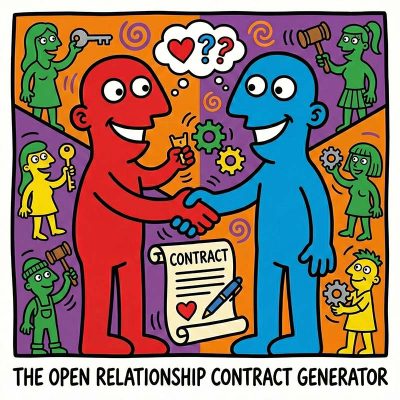
"I thought we agreed" is the sentence that destroys relationships & marriages. Relying on verbal promises when emotions run high is a gamble you cannot afford to lose. Your memory isn't just faulty; it's a liability. Ambiguity is the oxygen that jealousy breathes, turning "freedom" into a minefield of "did I mess up?"
This generator transforms vague permissions into a concrete, signed reality. Stop arguing about what you thought was said and lean on what is written. Secure your boundaries in ink, not hope.
Why fear of abandonment tends to surface in ENM
ENM introduces new relationships and new potential sources of pain. When you date more people you may worry about time availability. You might fear that your partner will choose someone else over you. You could worry that sharing emotional closeness with another person reduces the space you have in your life. The very structure of ENM invites conversations about boundaries often and early. That can be uncomfortable but it is also the path to reassurance when done well. When things are not clear you may fill gaps with worst case thoughts. That is normal but you can train yourself to ask questions and seek clarity instead of letting fear drive decisions.
Building reassurance into ENM agreements
The heart of reassurance is predictable kindness and reliable follow through. Agreements are not rules to trap people they are living documents that help you feel safe and respected. Here are practical moves to build reassurance into your ENM set up.
- Make time for each connection. Even quick weekly check ins can create a sense of continuity across relationships.
- Clarify what information you share and who you share it with. Some people want more transparency while others prefer boundaries around certain topics.
- Agree on how you handle new partners. Decide how much you want to know about new connections and set a plan for introductions and boundaries.
- Define what counts as a renegotiation. If something feels off you should be allowed to pause and revisit the arrangement without stigma.
- Protect your own emotional space. Establish routines that help you recharge and avoid burning out from too many emotional inputs.
Reassurance is not controlling another person but ensuring you have access to emotional safety. Safety is built on honest talk and consistent behavior over time. It is a two way street where everyone gets to ask for what they need and people are allowed to say no with respect.
Practical strategies for reassurance in ENM
1. Start with self awareness and personal needs
Describe your own needs with clarity. Are you seeking more time with a primary partner? Do you need more updates about emotional life with others? Do you want to be involved in social spaces or prefer private connection? Name your needs without blaming others. Self awareness reduces mis readings and creates a calm space for negotiation.
2. Use transparent and kind communication
Always lead with empathy. When you fear abandonment you may feel triggered by a message that another partner is spending time with someone else. A calm approach is to name the feeling and then state the impact and the request. For example you can say I feel anxious when we go a week without talking about your other relationship. I would appreciate a quick check in every few days so I know we are okay. Then ask for what you would like next.
3. Create reliable check in rituals
Rituals do not have to be long. A short daily or every other day update can reassure. Decide the format that works for both of you. It may be a text a voice note a brief call or a shared journal. The key is consistency and warmth rather than intensity.
4. Build a shared calendar for time and energy
Keep a central view of all partners. Put important dates such as anniversaries and key events in a shared calendar if everyone is comfortable. When possible schedule special moments with each partner and block out periods for the group dynamic you are exploring together. Seeing time laid out helps reduce fear about being left out.
5. Clarify boundaries while leaving space for growth
Boundaries are not walls they are guardrails. They protect what matters to you while allowing room for new experiences. Revisit boundaries periodically to reflect growth. If you learn that a boundary is no longer needed or needs adjustment adjust with care and consent from everyone involved.
6. Normalize renegotiation without stigma
Shifting a plan as life changes is normal. You do not have to fix everything in one talk. It is okay to renegotiate as you go. People appreciate being asked rather than feeling the need to guess your needs. Practice gentle renegotiation as a shared skill rather than a demand or ultimatum.
7. Use concrete language for reassurance
Words matter. Instead of saying I am fine you can say I still feel connected to you even when you are with someone else and I would like to schedule a weekly check in. Specific examples make it easier for everyone to respond with clarity and care.
8. Build compersion and celebrate connections
Compersion is the joy you feel when a partner experiences happiness with someone else. If this is new it may require practice. Look for tiny moments of joy and express appreciation. Acknowledging positive energy helps reduce fear and builds a healthier vibe across your poly network.
9. Practice emotional first aid for yourself
Learn strategies to calm yourself when fear spikes. Breathing exercises short grounding practices and stepping away to recharge can prevent impulsive reactions. Self care has a big impact on how you show up in conversations with partners.
10. Develop a reassurance toolkit for tough moments
Prepare phrases and techniques for moments when fear surfaces. For example you can say I am feeling unsettled and I want to pause to collect my thoughts. Then we can talk again in an hour. Simple phrases like this give everyone time to reflect and respond with care.
Real world conversations you can use
Conversation 1 to reassure a partner who fears abandonment
Partner B Thank you for telling me this. I want you to feel safe too. I can commit to a weekly check in and I will share how things are going with my other partner. If you ever feel overwhelmed we can pause and revisit the plan. I care about you and I want us both to feel secure while we grow our network.
Conversation 2 about time management and inclusion
partner X I notice you have a new partner and I want to share that I need some dedicated time with you this week. Can we schedule a date night and a longer call where we talk through how we are feeling about everything. I am not asking to overtake your other relationship I just want us to maintain closeness and predictability in our dynamic.
partner Y That sounds fair. Let us plan a night where we are just us and we will also add a couple of hours with the new partner to keep the whole network moving forward without pressure. I want you to feel secure and I am happy to adjust our plan as we grow.
Conversation 3 about introducing a new partner
partner A We are excited about meeting your new partner. Before we do I want to share how I am feeling. I am a little anxious but I trust you and I want to approach this with care. Can we agree on a short introduction and a check in after the first meeting so I can share how I feel and we can adjust as needed.
partner B That works for me. I will introduce gradually and I will keep you posted after each step. I want you to feel included and I want all of us to communicate openly.
Jealousy is not a flaw it is a signal
Jealousy is information about what you need or fear. It is not a wrong feeling to have. The key is to respond to jealousy with curiosity and care. Ask questions such as What would help you feel more secure Right now and How can we adjust our plan to meet that need Without blaming anyone for the emotion you can create a path forward.
Handling conflicts with kindness and clarity
Conflicts happen in any relationship style. In ENM they can be more nuanced because multiple people are involved. Approach conflicts with a goal of understanding rather than winning. Use calm language describe how you feel and avoid character judgments. Seek outcomes that preserve safety and respect for all involved. If needed pause the discussion and return with fresh energy rather than pushing to a resolution in the moment.
Self directed growth and coming back to balance
Working on your own attachment style can reduce fear over time. Consider therapy coaching or support groups that focus on non monogamy relationships. You can also practice journaling and mindfulness exercises to observe your patterns without judgment. A steady personal practice helps you bring your best self to your ENM dynamics and makes reassurance easier for everyone involved.
Glossary of useful terms and acronyms
- ENM Ethical non monogamy a relationship style that emphasizes consent and honesty when more than one romantic or sexual relationship exists.
- CNM Consensual non monogamy a broader term that covers ENM and related practices.
- Polyamory A form of CNM where people have multiple loving relationships simultaneously with consent from everyone involved.
- Compersion The feeling of joy when a partner experiences happiness with someone else.
- Jealousy An emotion that often signals a boundary or need is not being met.
- Boundary A boundary is a personal limit that helps you feel safe and respected within a relationship.
- Agreement A practical understanding about how the relationships will function including time and communication plans.
- Renegotiation Reassessing and changing an agreement in response to new circumstances or feelings.
- Secure attachment A state of feeling confident in your worth and in your relationship with others.
- Anxious attachment A pattern where fear of abandonment leads to heightened worry and searching for reassurance.
- Avoidant attachment A pattern where people pull back to protect themselves from perceived threat or pain.
Practical tips for partners who are more anxious or more avoidant
If you tend to be anxious in ENM be direct about what you need and practice asking for help. If you tend to be avoidant you can practice staying present in conversations about fear and practice inviting your partner closer even when it feels uncomfortable. Both sides benefit from patience and steady effort. You can learn to hold space for vulnerability while still honoring your own need for space and independence.
Real world steps you can take today
- Have a single page you can share with a new partner that explains your agreements clear and concise.
- Schedule a weekly check in with each partner for emotional weather reports not for policing or micromanagement.
- Draft a short reassurance script you can use during tense moments and practice it out loud.
- Keep a personal journal that logs fears triggers and the actions you took to ease them.
- Ask for feedback from your partners about what helps them feel secure and what might feel intrusive and adjust accordingly.
Final thoughts and a flexible mindset for ENM reassurance
Reassurance in ethical non monogamy is a practice not a destination. It takes time to find the balance between emotional safety and freedom to connect with others. You can build a sense of security by keeping promises clear and by showing up with empathy and curiosity. If you stay curious about your own needs and the needs of others you will create a space where growth and closeness can thrive together. Remember that every relationship is unique and agreements that work for one pair may not suit another. The trick is to keep talking and keep adjusting with care and respect.
The freedom of an open relationship sounds incredible, but the logistics can feel like holding a grenade. That spinning "what if" anxiety isn't paranoia, it’s your survival instinct warning you that your bond is exposed. "Just seeing what happens" is the fastest way to turn a fantasy into a breakup.
The Essential Guide replaces chaos with discipline. We give you the blueprints, jealousy protocols, and repair scripts needed to explore the edge without falling off. Don't guess. Secure your foundation first.
The world of non-monogamy is a maze of confusing labels. Trying to be "Polyamorous" when your heart actually needs "Swinging" isn't just a vocabulary error; it’s a recipe for misery.
You can't build a stable home on a foundation that doesn't fit your psychology. This tool analyzes your emotional bandwidth and jealousy triggers to design the exact structure you need. Stop trying to squeeze into a box that doesn't fit. Build a relationship that actually feels like home.
Opening up feels exciting, but if you aren't reading from the same script, you're writing a tragedy. The disconnect between "I want freedom" and "I want safety" is where hearts break. This isn't just a quiz; it’s a synchronization engine.
We identify the silent gaps in your desires—from sleepover rules to emotional bandwidth, before they become unbridgeable chasms. Don't wait until the damage is done to find out you were never on the same page. Align your compasses now.
Theory is sexy. Reality is messy. You agreed you could date others, but how does your stomach drop when he takes her to your anniversary spot? Or when she comes home smelling like someone else?
This simulator drags your abstract rules into the harsh light of day. We force you to confront the visceral, gut-wrenching scenarios that actually destroy relationships, before they happen. Test your nervous system in the simulator so you don't crash the car in real life.
The fantasy is endless romance. The reality? It’s a logistical nightmare. Dating isn't just sex; it’s a second job of swiping, spending, and emotional processing that drains your sanity. Underestimating the "admin" of non-monogamy is the fastest way to turn your relationship into a burnout factory where resentment thrives.
This calculator forces you to confront the brutal math of your time, energy, and wallet. Can you actually afford this lifestyle, or are you just signing up for exhaustion?
"I thought we agreed" is the sentence that destroys relationships & marriages. Relying on verbal promises when emotions run high is a gamble you cannot afford to lose. Your memory isn't just faulty; it's a liability. Ambiguity is the oxygen that jealousy breathes, turning "freedom" into a minefield of "did I mess up?"
This generator transforms vague permissions into a concrete, signed reality. Stop arguing about what you thought was said and lean on what is written. Secure your boundaries in ink, not hope.
