
Growth Change and Ethics


Welcome to a down to earth, no fluff tour through how growth changes in real time when you are exploring ethical non monogamy. We will break down what ENM stands for, how personal growth fits with relationship growth, and why ethics are not a checkbox you tick once but a living practice you revisit. If you are new to ENM you will get accessible explanations of terms and acronyms so you can read without feeling like you need a cheat sheet. If you are experienced you will find practical frameworks and fresh perspectives to keep evolving with your partners. I promise a friendly voice that tells it like it is while keeping the focus on respect, consent and honest communication.
Quick Links to Useful Sections
- What ENM means and why it matters
- Growth in ENM is a journey not a destination
- Growth is a journey not a destination
- Personal growth and relational growth alignment
- Common growth milestones in ENM
- Change management in ENM
- How to notice when things need to change
- Negotiation techniques
- Handling jealousy and insecurity
- Renegotiating agreements
- Ethics at the core of ENM
- Consent is ongoing and dynamic
- Honesty and transparency
- Respect for all partners autonomy
- Fairness and harm minimization
- Ethical kink and risk awareness
- Practical frameworks and tools you can use now
- The agreements grid
- Communication rituals
- Check ins and feedback loops
- Hierarchies versus relationship anarchy
- Real life scenarios and practical examples
- Scenario 1: A new partner enters the orbit
- Scenario 2: A boundary needs revision after a lifestyle shift
- Scenario 3: Jealousy spikes during a busy life phase
- Scenario 4: A partner wants more independence from the group
- Scenario 5: Health safety first
- Common ethics failures to avoid
- Glossary of useful terms and acronyms
- Frequently asked questions
What ENM means and why it matters
ENM stands for ethical non monogamy. That is a mouthful so let us break it down. Ethical means that your actions are guided by values that protect everyone involved. Non monogamy means you have relationships with more than one person at the same time or you pursue romantic or sexual connections outside a primary couple. This can look different from couple to couple. Some people use the term polyamory to describe multiple loving relationships. Others call their approach an open relationship or a relationship that practices openness without a fixed hierarchy. The point is not the label but how people handle consent, honesty and care as they grow together or apart.
As you read you will see many terms. Here is a quick glossary so you know what we mean when we use them. ENM is the umbrella term. Polyamory refers to loving multiple people with the knowledge and consent of everyone involved. An open relationship describes dating or connecting with others outside a primary relationship with a negotiated level of involvement. A safety net is the agreements you set up to protect emotional health as well as physical health. Consent is an ongoing agreement to participate in any activity. Communication is the ongoing practice of sharing needs, boundaries and feelings. Compersion is the feeling of joy when a partner experiences happiness with someone else. Negotiation is the back and forth process of updating agreements as feelings and life circumstances change. A boundary is a clearly stated limit that helps you feel safe and respected. A renegotiation is when you revise agreements to fit new realities.
Growth in ENM is a journey not a destination
Growth is a journey not a destination
Growth in ethical non monogamy is less about finishing a course and more about showing up with better listening, clearer boundaries and more honest self reflection. It is common to notice parts of yourself that you want to change as you add new relationships into the mix. You might discover you need more time alone to recharge or you might learn that you actually enjoy being vulnerable in front of others. The point is not to rush change but to stay curious and kind toward yourself and your partners. When we treat growth as an ongoing practice we make room for uncertainty without letting fear drive every choice.
Personal growth and relational growth alignment
Growth gaps show up when your inner world and your outer world drift apart. You may feel excited about a new connection yet notice that your old patterns of jealousy or control start to flare up. That is not a failure. It is a signal that growth work is needed. In ENM the goal is not to become perfectly unbothered by every new person. The goal is to increase capacity for honesty, to expand your ability to tolerate ambiguity and to keep your commitments even when life gets messy. Aligning personal growth with relationship growth means turning introspection into action. If you identify a need during a check in you translate that into a concrete change in agreements, routines or communication habits.
Common growth milestones in ENM
- Understanding your own needs around attention, intimacy and time
- Developing a reliable system for disclosure about new connections
- Practicing emotional regulation to handle jealousy and insecurity
- Building a habit of frequent, compassionate check ins with all partners
- Expanding your comfort zone from secrecy to transparent sharing
- Learning to separate love and desire and to respect each person’s autonomy
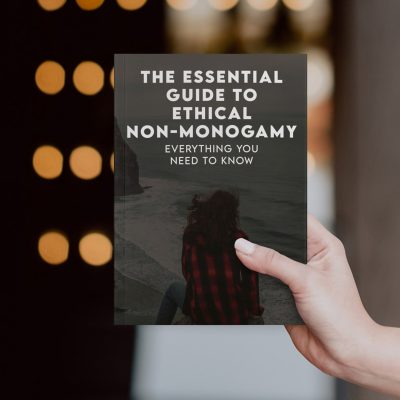
The freedom of an open relationship sounds incredible, but the logistics can feel like holding a grenade. That spinning "what if" anxiety isn't paranoia, it’s your survival instinct warning you that your bond is exposed. "Just seeing what happens" is the fastest way to turn a fantasy into a breakup.
The Essential Guide replaces chaos with discipline. We give you the blueprints, jealousy protocols, and repair scripts needed to explore the edge without falling off. Don't guess. Secure your foundation first.
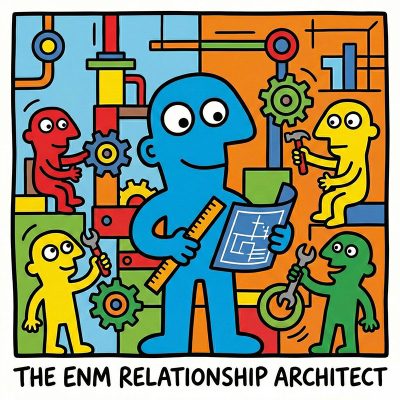
The world of non-monogamy is a maze of confusing labels. Trying to be "Polyamorous" when your heart actually needs "Swinging" isn't just a vocabulary error; it’s a recipe for misery.
You can't build a stable home on a foundation that doesn't fit your psychology. This tool analyzes your emotional bandwidth and jealousy triggers to design the exact structure you need. Stop trying to squeeze into a box that doesn't fit. Build a relationship that actually feels like home.

Opening up feels exciting, but if you aren't reading from the same script, you're writing a tragedy. The disconnect between "I want freedom" and "I want safety" is where hearts break. This isn't just a quiz; it’s a synchronization engine.
We identify the silent gaps in your desires—from sleepover rules to emotional bandwidth, before they become unbridgeable chasms. Don't wait until the damage is done to find out you were never on the same page. Align your compasses now.
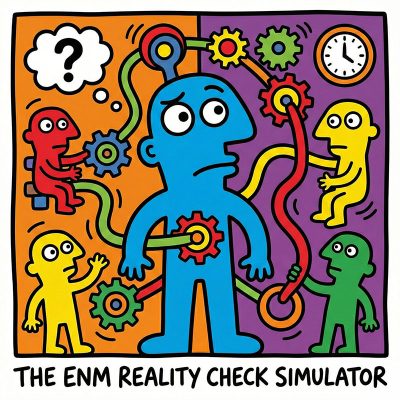
Theory is sexy. Reality is messy. You agreed you could date others, but how does your stomach drop when he takes her to your anniversary spot? Or when she comes home smelling like someone else?
This simulator drags your abstract rules into the harsh light of day. We force you to confront the visceral, gut-wrenching scenarios that actually destroy relationships, before they happen. Test your nervous system in the simulator so you don't crash the car in real life.

The fantasy is endless romance. The reality? It’s a logistical nightmare. Dating isn't just sex; it’s a second job of swiping, spending, and emotional processing that drains your sanity. Underestimating the "admin" of non-monogamy is the fastest way to turn your relationship into a burnout factory where resentment thrives.
This calculator forces you to confront the brutal math of your time, energy, and wallet. Can you actually afford this lifestyle, or are you just signing up for exhaustion?
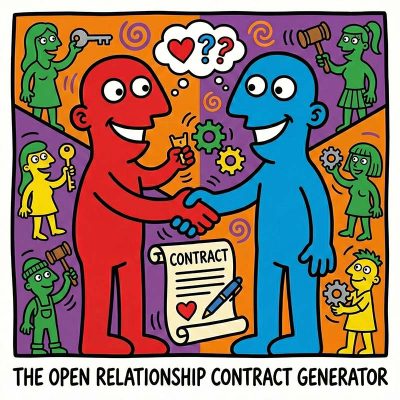
"I thought we agreed" is the sentence that destroys relationships & marriages. Relying on verbal promises when emotions run high is a gamble you cannot afford to lose. Your memory isn't just faulty; it's a liability. Ambiguity is the oxygen that jealousy breathes, turning "freedom" into a minefield of "did I mess up?"
This generator transforms vague permissions into a concrete, signed reality. Stop arguing about what you thought was said and lean on what is written. Secure your boundaries in ink, not hope.
Change management in ENM
How to notice when things need to change
Changes in life circumstances or relationship dynamics often require a shift in agreements. You might move closer to a partnership with a new person or you may face a health issue that reduces the time you can invest in others. Changes can be sudden or gradual. The key is to stay tuned to patterns rather than one off incidents. If you notice rising friction after a new connection, you should pause and assess rather than plow ahead with the old plan. Regular self audits and partner audits help you spot misalignment early and address it before it grows into a bigger problem.
Negotiation techniques
Negotiation in ENM is not a one time event. It is a skill you practice with every new partner, during transitions and when life shifts. Start with clarity about your non negotiables. Then share what you can compromise on and what you cannot. Use concrete examples rather than labels. For instance talk about time blocks you can allocate weekly instead of saying you are friendly with everyone. Make space for questions and repeat back what you heard to ensure understanding. Keep records of agreements so you can refer back when things change. The goal is to have a living document that evolves with you rather than a static rule book that stops you from growing.
Handling jealousy and insecurity
Jealousy is a signal not a verdict. It often points to a boundary that needs a bit more attention or a fear that you are losing something important. The fastest way through jealousy is not to pretend it does not exist but to name it and explore it with care. When jealousy rises say I am feeling jealous and here is what I think is true. Then open the floor for a conversation about what would help you feel safer or more connected. You can adjust schedules, renegotiate disclosure, or bring in new rituals to increase reassurance. The aim is to reduce the intensity of the feeling while preserving your own autonomy and the autonomy of your partners.
Renegotiating agreements
Renegotiation happens because people grow and life changes. A well crafted ENM agreement is not a prison. It is a flexible framework that supports honesty and consent. If you find yourself consistently overwhelmed by a rule, it is time to revise it. If a new partner needs space to build trust, you may create a phased disclosure plan or a trial period with clear boundaries. Remember that renegotiation should feel like a collaborative process rather than a power play. The more you treat all people involved with respect the more sustainable any change will be.
Ethics at the core of ENM
Consent is ongoing and dynamic
Consent is not a one and done moment. It is a living agreement that you revisit. If someone changes their mind you honor that decision even if it complicates your plans. No one should feel coerced into any arrangement. Check ins are a practical tool to ensure that all parties still want what they have agreed to. If a boundary becomes uncomfortable you can pause and reassess rather than pushing through just to keep the schedule intact.
Honesty and transparency
Honesty is the lifeblood of ethical non monogamy. It means sharing feelings, fears, and sexual health information without shaming or blaming. It also means not hiding little details that could affect a partner negatively. Openness creates trust which in turn makes it easier to navigate tough conversations. It is not about sharing every thought at all times. It is about sharing what matters for safety, consent and emotional well being.
Respect for all partners autonomy
Ethics in ENM means recognizing that every person has their own agency and pace. Even if you love someone deeply you cannot control their actions or their feelings. Respect means listening more than you defend and stepping back if a partner needs space. It also means supporting a partner in exploring relationships that align with their own values and life plans if those plans diverge from yours.
Fairness and harm minimization
Fairness is about balancing needs as much as possible and avoiding practices that cause harm. This can involve practical steps like safe sex protocols, regular health checks, honest risk disclosures, and making sure everyone has access to emotional support if play or dating becomes intense. Harm minimization also means recognizing when a practice is not worth pursuing and choosing less risky paths that still honor your values and connections.
Ethical kink and risk awareness
If you are into kink or power dynamics within ENM the same ethics apply. Clear consent, negotiated boundaries and enthusiastic participation are essential. Informed consent includes discussing risks, limits, and safe words. Aftercare is part of the practice and supports healing and reassurance after intense moments. Ethical kink in ENM is possible when all players are on the same page and committed to ongoing consent and respect.
Practical frameworks and tools you can use now
The agreements grid
Think of an agreements grid as a living map. It helps you track who you are involved with, what you share, when you see each other and how you handle safety. A practical grid might include these pillars:
- Primary relationship rules and expectations
- Disclosure norms about new partners and time spent with others
- Scheduling patterns to ensure everyone feels seen
- Sexual health commitments including testing and protection
- Emotional boundaries around vulnerability and sharing personal details
- Communication cadence such as weekly check ins or whenever boundaries feel tested
Communication rituals
Rituals are small, repeatable actions that keep the emotional temperature stable. A weekly check in with ground rules can prevent small issues from turning into big fights. A daily or bi weekly mood check that uses a simple scale can give you early signals when someone is feeling overwhelmed. Rituals are not about policing each other; they are about creating a predictable space where people can say what they need without fear of blowback.
Check ins and feedback loops
Check ins are about listening as much as speaking. A good check in asks a question, gives space for response and then repeats back what you heard. You can structure it around a few prompts like What has been good this week for you and What has been hard and how can we help? Feedback loops turn static dissatisfaction into a plan of action. The most effective loops are short, respectful and specific rather than general and blaming.
Hierarchies versus relationship anarchy
Some ENM communities use a hierarchy where a primary partner gets priority in scheduling and decisions. Relationship anarchy is a different philosophy that emphasizes equality and minimizing fixed hierarchies. Neither approach is inherently better. The key is to be explicit about which model you choose and to renegotiate it if your life or feelings change. The healthiest approach is the one that both honors your own needs and respects your partners as full people with their own needs and life circumstances.
Real life scenarios and practical examples
Scenario 1: A new partner enters the orbit
You start seeing someone new and your existing partners want to know how this will affect time together. You propose a phased disclosure plan with a gradual increase in information about the new person. You set up a weekly group check in for the first month and individually check in with each partner to hear concerns without judgment. After a few weeks you refine the schedule to maximize everyone’s sense of safety and connection. This approach respects autonomy while acknowledging the emotional work involved in expanding the family circle.
Scenario 2: A boundary needs revision after a lifestyle shift
A health issue reduces your energy but your partner wants more time with others. You renegotiate using a concrete plan: reduce time spent with others to two evenings per week, extend cuddle and date nights with the partner who needs more closeness, and maintain open communication about changes. The renegotiation keeps consent alive and shows that care remains the compass guiding all decisions.
Scenario 3: Jealousy spikes during a busy life phase
During a stressful period you notice jealousy rising across multiple connections. You and your partner implement a temporary pause on new disclosures, increase check ins to twice a week, and introduce a brief nightly debrief ritual to talk through fears. The key is not to deny feelings but to adjust support structures so everyone feels seen and safe while the emotional weather clears.
Scenario 4: A partner wants more independence from the group
A partner signals that they want more space to explore solo connections outside the shared agreements. You hold a calm conversation focused on their needs while validating your own. You may decide to reduce some shared time and increase solo time for all partners. The aim is to maintain fairness and avoid coercion while supporting personal growth.
Scenario 5: Health safety first
Health and safety are a shared responsibility. You agree to upfront STI testing timelines, safer sex practices, and honesty about recent exposures. You share test results with all partners and maintain a policy of disclosure that protects everyone. This approach reduces risk while preserving trust and respect across the network.
Common ethics failures to avoid
- Coercing someone into a new connection or into changing boundaries
- Withholding information that affects a partner’s safety or emotional well being
- Dismissive responses when someone shares a feeling or boundary
- Over restricting or controlling behaviors under the banner of openness
Glossary of useful terms and acronyms
- ENM Ethical non monogamy the umbrella term for relationship styles that involve consensual non monogamy
- Polyamory Loving multiple people with the knowledge and consent of everyone involved
- Open relationship A relationship that allows dating or sexual connections outside the primary partnership with negotiated boundaries
- Compersion Joy you feel when your partner finds happiness with someone else
- Negotiation The back and forth process used to establish and update agreements
- Consent Ongoing, enthusiastic agreement to participate in activities
- Boundaries Clearly stated limits that protect your well being and safety
- Renegotiation Updating agreements in response to life changes and growth
- Disclosure Sharing information about relationships and sexual activity to relevant partners
- Check in Regular conversations to assess how everyone is feeling and whether needs are being met
Frequently asked questions
What is ethical non monogamy in simple terms
Ethical non monogamy means choosing to have romantic or sexual relationships with more than one person with the consent and awareness of everyone involved. It is not chaotic or careless by default. It is about honesty, respect and ongoing communication.
How do I start talking about ENM with a partner
Start with your own needs and boundaries. Be clear about what you want to explore and why it matters to you. Invite a response without pressure and listen first. Use a setting that feels safe for both of you and agree to a follow up conversation to reflect on what you heard.
How do we handle jealousy in ENM
Treat jealousy as information rather than as a verdict. Pause, reflect, and talk about what the feeling is signaling. You can adjust schedules, increase check ins, and refine boundaries to reduce the intensity of the emotion. Compassion and patience are your allies here.
What should be included in an ENM agreement
An ENM agreement should cover communication norms, disclosure expectations, time management, sexual health practices, boundaries around emotional sharing, and how renegotiations will be handled. It is a living document that you update as life and feelings change.
Is there a one size fits all approach to ENM
No. There is no universal template that works for every couple or group. The best approach is to tailor agreements to fit your values, needs, and life situation. Some teams prefer a stronger primary relationship focus while others practice relationship anarchy where decisions are made in a more egalitarian way.
How do we keep ethics front and center in ENM
Keep consent ongoing, practice transparency, and respect for all partners autonomy. Regularly revisit and revise agreements as needed and make space for honest feedback without fear of punishment or judgment. Ethical practice is a continuous process not a one time event.
What if we clash with friends or family over ENM
Social disapproval can be hard. You can set boundaries about what to share and when, and you can decide which parts of your life to keep private. The most important thing is to maintain respect within your chosen relationship circle and to avoid pressuring anyone into accepting your lifestyle.
How do we handle health and safety in ENM
Commit to safer sex practices, regular health checkups, and timely disclosure of health changes or exposures to partners. Keeping everyone informed reduces risk and builds trust. It is often helpful to establish a shared health protocol and assign a point person for check ins on this topic.
What is compersion and how does it fit
Compersion is the feeling of happiness for a partner when they are connected with someone else. It is not required but can be cultivated with perspective taking, celebrating each other’s joys and practicing empathy. It supports a relational climate where all people feel valued.
Can ENM work for long term relationships
Yes. Many couples build durable, loving partnerships with ENM by emphasizing communication, trust and shared values. The key is ongoing negotiation and a willingness to grow together rather than trying to force a single model onto a relationship that wants to evolve.
The freedom of an open relationship sounds incredible, but the logistics can feel like holding a grenade. That spinning "what if" anxiety isn't paranoia, it’s your survival instinct warning you that your bond is exposed. "Just seeing what happens" is the fastest way to turn a fantasy into a breakup.
The Essential Guide replaces chaos with discipline. We give you the blueprints, jealousy protocols, and repair scripts needed to explore the edge without falling off. Don't guess. Secure your foundation first.
The world of non-monogamy is a maze of confusing labels. Trying to be "Polyamorous" when your heart actually needs "Swinging" isn't just a vocabulary error; it’s a recipe for misery.
You can't build a stable home on a foundation that doesn't fit your psychology. This tool analyzes your emotional bandwidth and jealousy triggers to design the exact structure you need. Stop trying to squeeze into a box that doesn't fit. Build a relationship that actually feels like home.
Opening up feels exciting, but if you aren't reading from the same script, you're writing a tragedy. The disconnect between "I want freedom" and "I want safety" is where hearts break. This isn't just a quiz; it’s a synchronization engine.
We identify the silent gaps in your desires—from sleepover rules to emotional bandwidth, before they become unbridgeable chasms. Don't wait until the damage is done to find out you were never on the same page. Align your compasses now.
Theory is sexy. Reality is messy. You agreed you could date others, but how does your stomach drop when he takes her to your anniversary spot? Or when she comes home smelling like someone else?
This simulator drags your abstract rules into the harsh light of day. We force you to confront the visceral, gut-wrenching scenarios that actually destroy relationships, before they happen. Test your nervous system in the simulator so you don't crash the car in real life.
The fantasy is endless romance. The reality? It’s a logistical nightmare. Dating isn't just sex; it’s a second job of swiping, spending, and emotional processing that drains your sanity. Underestimating the "admin" of non-monogamy is the fastest way to turn your relationship into a burnout factory where resentment thrives.
This calculator forces you to confront the brutal math of your time, energy, and wallet. Can you actually afford this lifestyle, or are you just signing up for exhaustion?
"I thought we agreed" is the sentence that destroys relationships & marriages. Relying on verbal promises when emotions run high is a gamble you cannot afford to lose. Your memory isn't just faulty; it's a liability. Ambiguity is the oxygen that jealousy breathes, turning "freedom" into a minefield of "did I mess up?"
This generator transforms vague permissions into a concrete, signed reality. Stop arguing about what you thought was said and lean on what is written. Secure your boundaries in ink, not hope.
