
How Media Representation Shapes Public Perception

Let us talk about how the stories we see on screens and in print shape what people think about Ethical Non Monogamy ENM. You know the drill the moment a headline hits about a couple who dated someone outside their main relationship the internet lights up like a neon sign. Media not only reflects culture it also rewrites it by molding attitudes and expectations. This guide breaks down how ENM is depicted in different kinds of media why those depictions matter and what we can do to read with more nuance and more honesty. We will keep it clear and real because understanding how media shapes perception helps us talk about ENM with confidence and empathy.
Quick Links to Useful Sections
- What ENM means and why media depictions matter
- The landscape of ENM depictions in entertainment and news
- Entertainment media and fictional worlds
- News media and social discourse
- Documentaries and educational content
- Stereotypes and myths about ENM in the media
- What is Ethical Non Monogamy and how does it differ from cheating
- Why does media representation of ENM matter
- How can I critically assess ENM portrayals in media
- What are common mistakes writers make with ENM content
- How can audiences engage with ENM content respectfully
- Is it possible to have nuanced ENM storytelling in mainstream media
- Where can I learn more about ENM in a practical way
What ENM means and why media depictions matter
ENM stands for Ethical Non Monogamy a term used to describe a relationship framework in which all adults involved consent to having romantic or sexual connections with more than one person. The key idea here is consent communication and clarity. ENM is not a single recipe it is a family of practices that includes polyamory open relationships swinging and relationship anarchy among others. It is important to note that ENM is not synonymous with cheating. Cheating happens when someone breaks agreed upon rules or boundaries usually without consent. ENM is built on open communication consent and ongoing negotiation of boundaries. When media uses tropes that confuse these ideas it can create a public image that either romanticizes and normalizes ENM or paints it as something chaotic risky and morally questionable.
Media shapes perception in three big ways. First media normalizes ideas by showing them repeatedly in familiar formats like shows movies or news segments. Second media gives audiences shortcuts called heuristics for quick judgments about people who practice ENM. Third media sets expectations about what a healthy ENM dynamic looks like what counts as good communication and how jealousy is handled. When people encounter ENM in daily life or in policymaking these media frames can tilt opinions toward support or toward stigma and misunderstanding. This is not about blaming entertainment media for every opinion out there but about recognizing the power of representation and choosing to engage with it thoughtfully.
The landscape of ENM depictions in entertainment and news
Media representations of ENM fall on a spectrum from sensationalized drama to grounded thoughtful storytelling. Here is a snapshot of how different media shapes perceptions today.
Entertainment media and fictional worlds
In film and television ENM stories often surface as a plot device within relationships that must renegotiate boundaries. Some examples lean into drama around jealousy control and social stigma while others present ENM as a healthy choice grounded in strong communication and trust. When done well these portrayals can model healthy conversations about consent boundaries and negotiated comfort levels. They can also show the complexity of love that does not fit the traditional monogamy model without turning ENM into a parody or a spectacle.
Positive portrayals frequently emphasize transparent communication explicit consent and agreed boundaries. Characters demonstrate how to check in with partners share feelings honestly and handle conflict constructively. A well crafted ENM storyline respects the autonomy of all parties and avoids reducing characters to their relationship structure. On the other hand some shows lean into shock value sensationalize casual sex or frame ENM as chaotic without offering any honest exploration of the why and how behind the choices. Those depictions can reinforce stereotypes that ENM means chaos or betrayal which can fuel real world stigma.
News media and social discourse
News outlets often react to ENM situations with urgency framing them through moral lenses or controversy. A headline might present ENM as a scandal or simply as a lifestyle choice depending on the outlet and the storyteller. This kind of framing can move the public conversation toward moral judgment or sensationalism rather than nuanced discussion of consent relationships and well being. Social media adds another layer where quick takes often replace careful analysis. Comments threads memes and short clips can spread misinformation and popular myths about ENM that then seep into everyday conversations even among people who have never considered non monogamy themselves.
Documentaries and educational content
Documentaries and educational pieces have the potential to bring depth and context to ENM topics. When these pieces lean into interviews with ethical practitioners researchers and everyday people they can illuminate the lived realities of negotiating multiple relationships building community and managing boundary work. A thoughtful documentary can help audiences see ENM as a real option with challenges just like any other relationship structure rather than as a caricature. The best of these pieces present data acknowledge diversity within ENM communities and foreground voices from marginalized groups within ENM to avoid monolithic representation.
The freedom of an open relationship sounds incredible, but the logistics can feel like holding a grenade. That spinning "what if" anxiety isn't paranoia, it’s your survival instinct warning you that your bond is exposed. "Just seeing what happens" is the fastest way to turn a fantasy into a breakup.
The Essential Guide replaces chaos with discipline. We give you the blueprints, jealousy protocols, and repair scripts needed to explore the edge without falling off. Don't guess. Secure your foundation first.
The world of non-monogamy is a maze of confusing labels. Trying to be "Polyamorous" when your heart actually needs "Swinging" isn't just a vocabulary error; it’s a recipe for misery.
You can't build a stable home on a foundation that doesn't fit your psychology. This tool analyzes your emotional bandwidth and jealousy triggers to design the exact structure you need. Stop trying to squeeze into a box that doesn't fit. Build a relationship that actually feels like home.
Opening up feels exciting, but if you aren't reading from the same script, you're writing a tragedy. The disconnect between "I want freedom" and "I want safety" is where hearts break. This isn't just a quiz; it’s a synchronization engine.
We identify the silent gaps in your desires—from sleepover rules to emotional bandwidth, before they become unbridgeable chasms. Don't wait until the damage is done to find out you were never on the same page. Align your compasses now.
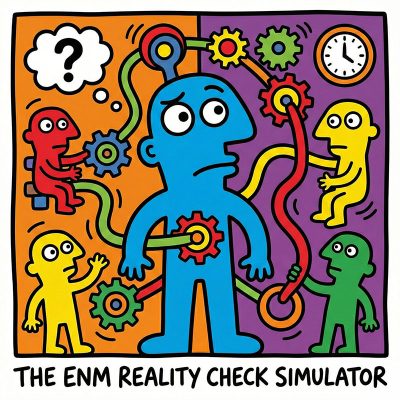
Theory is sexy. Reality is messy. You agreed you could date others, but how does your stomach drop when he takes her to your anniversary spot? Or when she comes home smelling like someone else?
This simulator drags your abstract rules into the harsh light of day. We force you to confront the visceral, gut-wrenching scenarios that actually destroy relationships, before they happen. Test your nervous system in the simulator so you don't crash the car in real life.
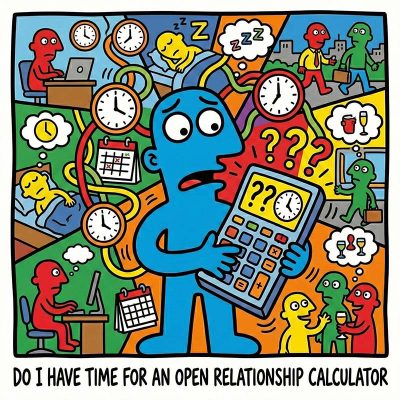
The fantasy is endless romance. The reality? It’s a logistical nightmare. Dating isn't just sex; it’s a second job of swiping, spending, and emotional processing that drains your sanity. Underestimating the "admin" of non-monogamy is the fastest way to turn your relationship into a burnout factory where resentment thrives.
This calculator forces you to confront the brutal math of your time, energy, and wallet. Can you actually afford this lifestyle, or are you just signing up for exhaustion?
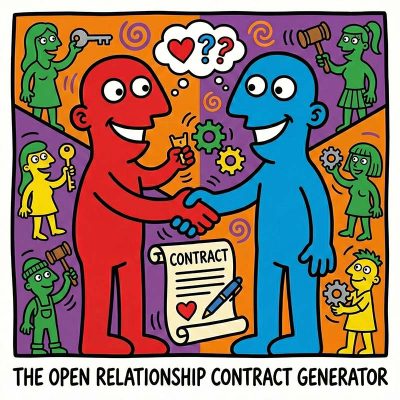
"I thought we agreed" is the sentence that destroys relationships & marriages. Relying on verbal promises when emotions run high is a gamble you cannot afford to lose. Your memory isn't just faulty; it's a liability. Ambiguity is the oxygen that jealousy breathes, turning "freedom" into a minefield of "did I mess up?"
This generator transforms vague permissions into a concrete, signed reality. Stop arguing about what you thought was said and lean on what is written. Secure your boundaries in ink, not hope.
Stereotypes and myths about ENM in the media
There are several recurring myths that pop up in media coverage of ENM. These myths can shape how people think about ENM before they ever meet someone who practices it. Here are a few you will encounter and why they miss the mark.
- ENM equals cheating. The myth suggests that ENM is just a sanctioned way to cheat. In reality ENM is a consciously chosen structure with ongoing consent and negotiated boundaries. Cheating is a breach of agreed rules not a feature of ENM by definition.
- ENM is chaotic and unstable. Some media narratives depict ENM as a free for all with no rules. In healthy ENM relationships there are clear boundaries agreements and check ins just like in any relationship style.
- All ENM is about sex and nothing else. There is a wide range of ENM experiences. Some people pursue deep romantic connections others focus on companionship and shared life goals. Reducing ENM to sex erases the emotional and logistical work that goes into long lasting non monogamous relationships.
- ENM is a male only or heteronormative thing. ENM exists across genders sexual orientations and relationship configurations. Representation should reflect diversity and avoid stereotypes that center only one voice or experience.
- Primary and secondary dynamics are a universal norm in ENM. Some models use a primary partner concept but many ENM practices reject hierarchy altogether or tailor hierarchy to the people involved. The reality is that every ENM arrangement is defined by those involved and it looks different from one couple to the next.
Consent is the cornerstone of ENM and of any ethical relationship practice. Media does not always portray consent with the same seriousness it deserves. In some stories consent is a quick line or a plot twist that conveniently resolves itself rather than an ongoing practice. In good depictions consent is not a one time checkbox it is an ongoing negotiation through communication and reflection. Media that treats consent as dynamic helps audiences understand that people in ENM communities are actively choosing and re evaluating what they want and need as relationships evolve. This kind of portrayal can show healthy boundaries real life negotiation and the hard work that goes into maintaining trust over time.
Boundaries in media should not be treated as a burden but as a practical framework for care. When characters discuss boundaries they model how to talk about what is comfortable what is not comfortable what is negotiable and what is non negotiable. Seeing these conversations on screen or in a podcast helps demystify ENM and gives viewers real world tools they can apply in their own lives even if they choose a different relationship path.
People practice ENM in every corner of society and stories should reflect that diversity. Race ethnicity gender identity sexual orientation and ability all intersect with relationship choices. When media only shows a narrow slice of ENM stories audiences may assume that those experiences are the only valid ones. Inclusive portrayals that center voices from different racial and ethnic backgrounds different sexual orientations including LGBTQIA plus experiences and a range of abilities help normalize ENM as a human experience rather than a niche curiosity.
Intersectional representation also challenges stereotypes by showing how social power structures including racism sexism ableism and class bias affect relationship dynamics. A thoughtful portrayal will ask questions about access to resources how communities respond in different cultural contexts and how stigma can impact mental health and safety. Media that explores these layers helps audiences understand that ENM is not a one size fits all practice.
Reading media critically does not mean being dreary about every story you enjoy. It means asking good questions and noticing patterns. Here are practical steps you can use whenever you encounter ENM content in film news or on social platforms.
- Identify the premise. What is the story trying to say about ENM and why now?
- Check for consent and boundary language. Are the characters talking about what they want what they need and what counts as consent in their world?
- Look for nuance versus sensationalism. Are there moments of complexity or is the plot relying on shock value or stereotypes?
- Notice the diversity of voices. Are there characters from different backgrounds and perspectives being represented fairly?
- Ask yourself how you would feel in that situation. This helps you build empathy and a deeper understanding of different relationship choices.
- Seek additional sources. When a show or article makes a claim about ENM look for research studies or firsthand accounts that can give you a fuller picture.
A healthy ENM narrative centers on respect trust openness and communication. It shows the practical tools people use to maintain care including regular check ins honest conversations about boundaries and a shared understanding of what each person wants and needs. It also tackles the emotional labor that comes with multiple relationships including managing jealousy navigating time management and balancing competing priorities. Importantly a strong ENM narrative respects the autonomy of each person involved and doesn t reduce anyone to their relationship configuration alone.
When content creators model healthy ENM they help normalize the idea that romance can be diverse and that people can thrive in non traditional relationship structures. That doesn t mean there aren t challenges there are always challenges. It means the stories explicitly show how people handle those challenges with maturity and care which can help audiences rethink their assumptions.
Ethical portrayal means avoiding exploitation sensationalism and stereotypes. It means asking tough questions before writing a line or choosing a frame. Who benefits from this depiction who might be harmed by it and what do real people experience in similar situations. Ethical portrayal also invites voices from ENM communities to participate in the storytelling process including writers directors producers and consultants. When media projects bring in lived experiences and research it is more likely to produce accurate nuanced content that resonates with audiences without dehumanizing or trivializing real people.
If you are a writer producer director or designer who wants to tell ENM stories responsibly here are some practical guidelines to keep in mind. Think of this as a starter kit that helps you build more authentic characters and more credible world building.
- Do your homework. Read interviews research papers and first person accounts from people who practice ENM. It gives you texture and realism beyond stereotypes.
- Center consent conversation. Show explicit ongoing consent a dynamic conversation about limits and a plan for renegotiation as relationships grow and change.
- Avoid caricatures. Focus on individuals not just on their relationship style. People in ENM are as varied as people in monogamous relationships.
- Incorporate boundaries and negotiation as a plot element. Let characters discuss what is okay what is not and how they handle conflict when boundaries are tested.
- Show the logistics of complexity. Time management finances childcare and social calendars are real pieces of the ENM puzzle. Don t pretend these issues disappear.
- Invite diverse perspectives. Include storytellers from different racial ethnic gender identities sexual orientations and abilities to enrich the narrative.
- Be careful with stereotypes about jealousy. Treat jealousy as a signal that can be explored rather than a default failing or flaw of the characters.
- Provide resources. Include notes in the program or episode credits with hotlines counseling support and community groups relevant to ENM communities for viewers who want to learn more.
Audience members have a role too. Curious viewers can approach ENM content with curiosity not cynicism. Ask for context and recognize the difference between drama driven storytelling and everyday lived experience. Support creators who portray ENM with care and seek out voices from within ENM communities. When you encounter a depiction that feels off take a moment to research and read other perspectives before forming a firm judgment. Media literacy is not about censorship it is about sharpening our ability to understand the world more clearly and compassionately.
- ENM Ethical Non Monogamy a relationship approach built on consent and communication among all involved.
- Ethical Non Monogamy A framework where people agree to multiple romantic or sexual connections with clear consent and boundaries.
- Polyamory The practice of having intimate relationships with more than one partner with everyone's knowledge and consent.
- Open relationship A relationship in which partners agree that sex or romance with others is allowed outside the primary partnership.
- Swinging A practice involving couples swapping partners for sexual activity typically within a social setting or club context.
- Relationship anarchy A philosophy that rejects hierarchical relationship structures and emphasizes autonomy and personal agreements among all people involved.
- Compersion The joy one feels from a partner s happiness or pleasure with someone else.
- Jealousy An emotion that often arises in any relationship when insecurity arises or fear of loss appears, can be managed with communication and support.
- Consent An ongoing explicit agreement between all involved parties about what is allowed and what is not.
- Boundaries Rules that partners set to keep relationships comfortable and safe for everyone involved.
- Stigma A negative bias or stereotype that is associated with a group often leading to discrimination.
- Representation The way a group is shown in media including the characters stories and perspectives that are present on screen or in print.
What is Ethical Non Monogamy and how does it differ from cheating
Ethical Non Monogamy is a consensual relationship approach where all adults involved agree to pursue multiple romantic or sexual connections with clear boundaries. Cheating happens when someone breaks these agreed rules or deceives their partners about those activities. ENM is about consent transparency and ongoing communication not about sneaking around behind someone s back.
Why does media representation of ENM matter
Media representation shapes public perception which in turn affects how people think feel and act toward ENM communities. Accurate and nuanced portrayals can reduce stigma improve mental health outcomes for people in ENM relationships and encourage healthier conversations about consent and boundaries. Misleading depictions can reinforce stereotypes and harm real lives by creating fear or misunderstanding.
How can I critically assess ENM portrayals in media
Start by asking who is telling the story who is being included whose voice is missing and what is the underlying message about consent boundaries and communication. Look for evidence of ongoing negotiation explicit consent and the portrayal of a range of experiences rather than a single monolithic path. Cross reference with credible sources if the piece makes strong claims about ENM practices.
What are common mistakes writers make with ENM content
Common mistakes include depicting ENM as inherently chaotic or morally disreputable extrapolating from a single couple to a whole community over generalizing about genders or racing to sensational conclusions without context. The most productive content acknowledges diversity within ENM communities and treats consent and boundaries as living practices rather than one time decisions.
How can audiences engage with ENM content respectfully
Engage with respect curiosity. Recognize that ENM is a personal choice for many people and that experiences vary widely. Avoid shaming language or sweeping generalizations. If a piece makes you uncomfortable give it a moment then look for a broader range of perspectives or resources to understand why it resonated or did not.
Is it possible to have nuanced ENM storytelling in mainstream media
Yes. It requires thoughtful writers directors and consultants who bring real lived experiences into the process. It means embracing complexity rather than shrinking stories to fit a simple moral. It also means listening to communities that are often underrepresented and providing space for their voices to lead the conversation.
Where can I learn more about ENM in a practical way
Look for books and articles from practitioners and researchers, join panels or podcasts that feature people practicing ENM, and participate in community groups that offer education on consent and boundary setting. Credible resources focus on lived experience as well as research and advocate for healthy and respectful engagement.
The freedom of an open relationship sounds incredible, but the logistics can feel like holding a grenade. That spinning "what if" anxiety isn't paranoia, it’s your survival instinct warning you that your bond is exposed. "Just seeing what happens" is the fastest way to turn a fantasy into a breakup.
The Essential Guide replaces chaos with discipline. We give you the blueprints, jealousy protocols, and repair scripts needed to explore the edge without falling off. Don't guess. Secure your foundation first.
The world of non-monogamy is a maze of confusing labels. Trying to be "Polyamorous" when your heart actually needs "Swinging" isn't just a vocabulary error; it’s a recipe for misery.
You can't build a stable home on a foundation that doesn't fit your psychology. This tool analyzes your emotional bandwidth and jealousy triggers to design the exact structure you need. Stop trying to squeeze into a box that doesn't fit. Build a relationship that actually feels like home.
Opening up feels exciting, but if you aren't reading from the same script, you're writing a tragedy. The disconnect between "I want freedom" and "I want safety" is where hearts break. This isn't just a quiz; it’s a synchronization engine.
We identify the silent gaps in your desires—from sleepover rules to emotional bandwidth, before they become unbridgeable chasms. Don't wait until the damage is done to find out you were never on the same page. Align your compasses now.
Theory is sexy. Reality is messy. You agreed you could date others, but how does your stomach drop when he takes her to your anniversary spot? Or when she comes home smelling like someone else?
This simulator drags your abstract rules into the harsh light of day. We force you to confront the visceral, gut-wrenching scenarios that actually destroy relationships, before they happen. Test your nervous system in the simulator so you don't crash the car in real life.
The fantasy is endless romance. The reality? It’s a logistical nightmare. Dating isn't just sex; it’s a second job of swiping, spending, and emotional processing that drains your sanity. Underestimating the "admin" of non-monogamy is the fastest way to turn your relationship into a burnout factory where resentment thrives.
This calculator forces you to confront the brutal math of your time, energy, and wallet. Can you actually afford this lifestyle, or are you just signing up for exhaustion?
"I thought we agreed" is the sentence that destroys relationships & marriages. Relying on verbal promises when emotions run high is a gamble you cannot afford to lose. Your memory isn't just faulty; it's a liability. Ambiguity is the oxygen that jealousy breathes, turning "freedom" into a minefield of "did I mess up?"
This generator transforms vague permissions into a concrete, signed reality. Stop arguing about what you thought was said and lean on what is written. Secure your boundaries in ink, not hope.
