
How to Start the Ethical Non Monogamy Conversation

Ethical non monogamy or ENM for short is a choice some couples make when they want more than one emotionally or physically intimate connection. It is not a permission slip to cheat or a way to avoid hard work. It is a shared agreement founded on honesty consent and ongoing negotiation. If you have questions about ENM you are in good company. This guide is written in plain language with real world examples and practical steps you can use starting today.
Quick Links to Useful Sections
- What ENM means and common terms explained
- Why talk about ENM in the first place
- Who should start the ENM conversation
- When is the right time to begin this conversation
- How to approach the conversation
- Step one start with the why
- Step two define the terms
- Step three invite a shared safety check
- Step four present boundaries and flexibility
- Step five discuss practicalities
- Step six agree on a trial period
- Step seven document the plan
- Sample scripts you can adapt to your situation
- Casual but honest opening
- Direct but respectful
- If your partner is unsure
- Negotiating boundaries
- Important topics to cover in the conversation
- Handling jealousy and difficult emotions in ENM conversations
- Maintaining trust across multiple relationships
- Common myths about ethical non monogamy and how to respond
- Real world scenarios and how to talk about them
- Practical tips for ongoing ENM conversations
- Long term view: renegotiation and staying connected
- Health safety and consent in ENM conversations
- Glossary of useful terms and acronyms
- Frequently asked questions
What ENM means and common terms explained
Let us begin with the basics so we are all on the same page. ENM stands for ethical non monogamy. This means all parties involved consent to more than one intimate connection while keeping honesty and respect at the center of the relationship. ENM is not a single blueprint. It is a broad category that includes several dynamics. Here are some terms you might hear and what they mean in plain language:
- Ethical Non Monogamy A relationship style where more than two people engage in consensual intimate or romantic connections. The emphasis is on consent transparency and fairness.
- Polyamory A form of ENM where people have multiple romantic partnerships with the knowledge and consent of everyone involved.
- Open relationships A relationship structure where partners allow romantic or sexual interactions with others outside the primary relationship while maintaining a primary bond.
- Relationship anarchy A philosophy that rejects traditional relationship hierarchies and emphasizes personal autonomy and negotiated boundaries.
- Monogamy The expectation of exclusive romantic and sexual relationships with one partner at a time.
- Boundaries Agreed lines that define what is acceptable and what is not in any given relationship or dynamic.
- Consent Permission given freely by all involved after clear information is shared about what will happen.
- Jealousy An emotional response that may show up when a partner forms connections with someone else. It is real and manageable with honest talking and support.
- Compersion A positive feeling when you feel happy for your partner because they are experiencing joy with someone else.
Why talk about ENM in the first place
Starting a conversation about ENM is about aligning values not about forcing a change. A good ENM conversation helps you learn what your partner wants and what you want too. It creates a path to explore together with honesty courage and care. A thoughtful conversation can reduce fear and increase trust. It can also surface concerns your partner might have before they grow into bigger problems.
If you are curious or nervous the first step is to name that this is a conversation not a verdict. You are not declaring you will do ENM you are checking if it could be a fit and what that would look like for both of you. The goal is to understand each other better and to design a plan you both feel good about.
The freedom of an open relationship sounds incredible, but the logistics can feel like holding a grenade. That spinning "what if" anxiety isn't paranoia, it’s your survival instinct warning you that your bond is exposed. "Just seeing what happens" is the fastest way to turn a fantasy into a breakup.
The Essential Guide replaces chaos with discipline. We give you the blueprints, jealousy protocols, and repair scripts needed to explore the edge without falling off. Don't guess. Secure your foundation first.
The world of non-monogamy is a maze of confusing labels. Trying to be "Polyamorous" when your heart actually needs "Swinging" isn't just a vocabulary error; it’s a recipe for misery.
You can't build a stable home on a foundation that doesn't fit your psychology. This tool analyzes your emotional bandwidth and jealousy triggers to design the exact structure you need. Stop trying to squeeze into a box that doesn't fit. Build a relationship that actually feels like home.
Opening up feels exciting, but if you aren't reading from the same script, you're writing a tragedy. The disconnect between "I want freedom" and "I want safety" is where hearts break. This isn't just a quiz; it’s a synchronization engine.
We identify the silent gaps in your desires—from sleepover rules to emotional bandwidth, before they become unbridgeable chasms. Don't wait until the damage is done to find out you were never on the same page. Align your compasses now.
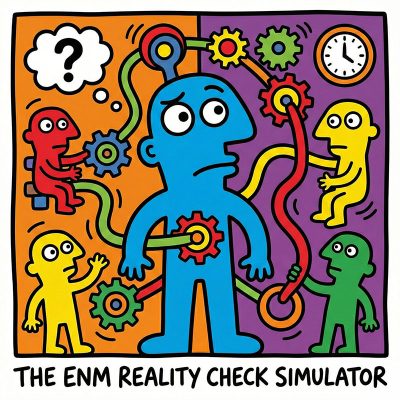
Theory is sexy. Reality is messy. You agreed you could date others, but how does your stomach drop when he takes her to your anniversary spot? Or when she comes home smelling like someone else?
This simulator drags your abstract rules into the harsh light of day. We force you to confront the visceral, gut-wrenching scenarios that actually destroy relationships, before they happen. Test your nervous system in the simulator so you don't crash the car in real life.

The fantasy is endless romance. The reality? It’s a logistical nightmare. Dating isn't just sex; it’s a second job of swiping, spending, and emotional processing that drains your sanity. Underestimating the "admin" of non-monogamy is the fastest way to turn your relationship into a burnout factory where resentment thrives.
This calculator forces you to confront the brutal math of your time, energy, and wallet. Can you actually afford this lifestyle, or are you just signing up for exhaustion?
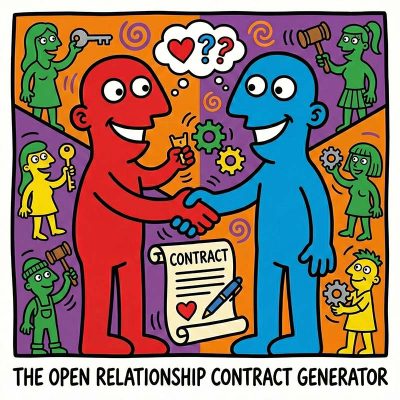
"I thought we agreed" is the sentence that destroys relationships & marriages. Relying on verbal promises when emotions run high is a gamble you cannot afford to lose. Your memory isn't just faulty; it's a liability. Ambiguity is the oxygen that jealousy breathes, turning "freedom" into a minefield of "did I mess up?"
This generator transforms vague permissions into a concrete, signed reality. Stop arguing about what you thought was said and lean on what is written. Secure your boundaries in ink, not hope.
Who should start the ENM conversation
There is no universal rule about who should start. The important thing is to choose a moment when you can talk without interruptions. If you have a sense that one of you is curious while the other is not yet ready you can start with openness about that difference. A joint approach is best when both parties feel ready to listen and to share. If you feel uncertain you can ask a trusted friend or a relationship coach to help you prepare.
When is the right time to begin this conversation
Pick a calm moment. Avoid starting during a fight a high stress period or when plans are changing. You want a space where you both feel safe and listened to. It helps to have a plan for the talk and some time set aside so you are not rushing through a sensitive topic. A Saturday afternoon after a long walk or a quiet evening at home can be ideal. The point is not to rush the talk but to give it the attention it deserves.
How to approach the conversation
Below is a practical framework you can use. It focuses on honesty clear language and mutual respect. The steps are designed to reduce defensiveness and keep the talk productive.
Step one start with the why
Explain why you want to discuss ENM. It could be curiosity a belief that this could improve your relationship or a desire to remove secrets from your dynamic. Keep this section short and personal. For example you might say I have been thinking about how we relate to others and I want to know if exploring ENM could fit with our values. This is not a promise it is a question to explore together.
Step two define the terms
Make sure you both understand what ENM means in your context. Share simple definitions of polyamory open relationships relationship anarchy and any other terms you will use. Avoid jargon and draw on real world examples to keep it clear. If one of you has a friend who practices ENM describe what you admire or what concerns you. Clarity reduces confusion and fear.
Step three invite a shared safety check
Safety here means emotional safety not physical risk only. Ask a question like What would make this conversation feel safer for you? What would you need from me to feel comfortable to listen and share honestly? This question invites collaboration and signals you respect your partner's feelings.
Step four present boundaries and flexibility
Boundaries are not rigid rules they are negotiated lines. Share ideas about boundaries you believe could work and invite your partner to add theirs. For example you might say I feel comfortable keeping primary emotional commitments with you while exploring other connections. We could use a limit on time or certain topics we do not want to discuss publicly. You might also discuss signals to pause the conversation if it gets too intense. The goal is to keep trust intact while exploring possibilities.
Step five discuss practicalities
Discuss practical pieces such as communication frequency what kind of updates are expected and how to handle conflicts. Will you keep daily check ins or weekly in depth conversations? Are there people you both trust to talk to if a boundary feels unclear? Define how you will handle logistics such as scheduling dates or meetings and how you will manage privacy and disclosure to friends family or social circles.
Step six agree on a trial period
Many couples find it helpful to approach ENM as a trial rather than a drawbridge that never closes. Agree on a time box a review date and what success would look like. The review could focus on emotional safety communication quality and whether the arrangement improves the relationship. If the trial reveals problems you can pause third party interactions and return to the core relationship until both feel ready to revisit the topic.
Step seven document the plan
Write down the agreed boundaries rules and goals. A written plan reduces misunderstandings and gives you something concrete to refer back to. It does not have to be long but it should be clear. You can include a simple checklist for check in times a list of topics to revisit and a plan for what to do if emotions run high.
Sample scripts you can adapt to your situation
Scripts are not contracts but they give you a reliable starting point. Use them as templates and tailor them to your voice and your relationship.
Casual but honest opening
Hey I have been thinking about us and how we relate to other people. I am not announcing a change I am asking if we want to explore ENM together. I care about you and our relationship more than anything and I want to know how you feel about this idea.
Direct but respectful
I want to talk about ENM with you seriously. I am curious about what keeping our primary relationship while forming other connections would look like for us. I am not trying to push you into something you do not want. I want to hear your thoughts and I want us to decide together if this is a path we should explore.
If your partner is unsure
That is totally okay. I respect your feelings and I am not here to pressure you. Let us talk about what would make you comfortable. If you prefer we could start by learning together what ENM means and how people navigate it. We can take the time we need and only move forward if we both feel good.
Negotiating boundaries
Here is a starting point for boundaries I would be comfortable with. We would keep open communication and honesty as our guiding values. We would have a weekly check in to discuss how things are going. We would not discuss other people with our families unless both of us agree. We would not share private details of any third party without consent.
Important topics to cover in the conversation
- Emotional boundaries What is acceptable emotionally what is not and how you will manage feelings that arise.
- Sexual boundaries What acts are allowed what topics are off limits and how you protect each other from risk.
- Time management How you balance time with your primary partner and any other connections you pursue.
- Protection and health STI testing consent practices safe sex gear and communication about new partners.
- Privacy and disclosure Who should be told about your ENM plan and how you handle sensitive information.
- Family and social dynamics How to talk to friends family and coworkers if a situation becomes known.
- Consent and renegotiation How you handle evolving feelings and how you revisit agreements over time.
Keep the conversation with kindness. ENM works best when people are patient with each other and willing to adjust their expectations as feelings shift. You do not need to have all answers in one talk. You can set up a series of smaller conversations that build toward a shared path.
The freedom of an open relationship sounds incredible, but the logistics can feel like holding a grenade. That spinning "what if" anxiety isn't paranoia, it’s your survival instinct warning you that your bond is exposed. "Just seeing what happens" is the fastest way to turn a fantasy into a breakup.
The Essential Guide replaces chaos with discipline. We give you the blueprints, jealousy protocols, and repair scripts needed to explore the edge without falling off. Don't guess. Secure your foundation first.
The world of non-monogamy is a maze of confusing labels. Trying to be "Polyamorous" when your heart actually needs "Swinging" isn't just a vocabulary error; it’s a recipe for misery.
You can't build a stable home on a foundation that doesn't fit your psychology. This tool analyzes your emotional bandwidth and jealousy triggers to design the exact structure you need. Stop trying to squeeze into a box that doesn't fit. Build a relationship that actually feels like home.
Opening up feels exciting, but if you aren't reading from the same script, you're writing a tragedy. The disconnect between "I want freedom" and "I want safety" is where hearts break. This isn't just a quiz; it’s a synchronization engine.
We identify the silent gaps in your desires—from sleepover rules to emotional bandwidth, before they become unbridgeable chasms. Don't wait until the damage is done to find out you were never on the same page. Align your compasses now.
Theory is sexy. Reality is messy. You agreed you could date others, but how does your stomach drop when he takes her to your anniversary spot? Or when she comes home smelling like someone else?
This simulator drags your abstract rules into the harsh light of day. We force you to confront the visceral, gut-wrenching scenarios that actually destroy relationships, before they happen. Test your nervous system in the simulator so you don't crash the car in real life.
The fantasy is endless romance. The reality? It’s a logistical nightmare. Dating isn't just sex; it’s a second job of swiping, spending, and emotional processing that drains your sanity. Underestimating the "admin" of non-monogamy is the fastest way to turn your relationship into a burnout factory where resentment thrives.
This calculator forces you to confront the brutal math of your time, energy, and wallet. Can you actually afford this lifestyle, or are you just signing up for exhaustion?
"I thought we agreed" is the sentence that destroys relationships & marriages. Relying on verbal promises when emotions run high is a gamble you cannot afford to lose. Your memory isn't just faulty; it's a liability. Ambiguity is the oxygen that jealousy breathes, turning "freedom" into a minefield of "did I mess up?"
This generator transforms vague permissions into a concrete, signed reality. Stop arguing about what you thought was said and lean on what is written. Secure your boundaries in ink, not hope.
Handling jealousy and difficult emotions in ENM conversations
Jealousy is a natural signal that something is out of balance. It is not a failure of character. The quickest path through jealousy is to talk about the root causes what the emotion is telling you and what you need in the moment. Some practical strategies include:
- Practice name and claim your feelings without blaming your partner. For example say I feel anxious about this because I want to feel secure and heard.
- Create emotional triggers ahead of time such as a plan for what to do if jealousy spikes during a date with someone else.
- Increase transparency during the transition period by sharing general updates and check ins about how you are feeling.
- Arrange extra reassurance from your partner if that is what helps you feel more secure while navigating boundaries.
Maintaining trust across multiple relationships
Trust in ENM is earned through consistent communication honest actions and reliability. It is not built by clever arguments but by predictable behavior that matches what you say. Here are ways to keep trust strong:
- Be explicit about what is shared and with whom. Ask for consent before sharing private details.
- Follow through on boundaries even when it is inconvenient. Consistency matters more than clever words.
- Check in regularly about emotional safety and practical arrangements. Do not wait for problems to pile up.
- Be willing to pause or revise the plan if it stops feeling good for anyone involved.
Common myths about ethical non monogamy and how to respond
Debunking myths helps people approach ENM with a clear head. Here are some common myths and honest responses you can use in conversation:
- Myth ENM means you do not love your partner as much. Reality ENM is a different form of love that can coexist with deep care and commitment.
- Myth ENM is a loophole to cheat. Reality ENM requires explicit consent consent and scheduled agreements. It cannot be done without conversation.
- Myth ENM is for people who cannot commit. Reality ENM is chosen by people who want more connection and are willing to work for it with honesty.
- Myth ENM hurts families and children. Reality with careful planning and transparency ENM can be managed respectfully with clear boundaries.
- Myth ENM means there is no boundaries. Reality ENM thrives on solid negotiated boundaries that all parties agree to uphold.
Real world scenarios and how to talk about them
Sometimes you will want to discuss ENM in the context of a specific situation. Here are some realistic conversations you can borrow or adapt. Each example shows how you might start the talk and how you might respond to pushback.
- Scenario A partner develops a connection with someone at work. How to talk Start with I noticed you have been spending a lot of time with a coworker and I want to understand what that means for you and for us. Would you be open to talking about ENM or open relationships and what boundaries we might set.
- Scenario You want to experiment with dating others after a certain time together. How to talk I feel ready to explore dating others while keeping our relationship strong. What does a phased approach look like for you and what boundaries would help you feel safe.
- Scenario Your partner is unsure or anxious about ENM. How to talk Thank you for telling me how you feel. I care about your fear and would like to talk through what could make this feel safer for you and what you need from me to keep our bond strong.
Practical tips for ongoing ENM conversations
- Schedule regular check ins. Use a predictable cadence like every two to four weeks to revisit feelings and agreements.
- Document changes in a shared plan. A simple written document helps prevent confusion as feelings change over time.
- Use active listening. Reflect back what your partner is saying and ask clarifying questions to confirm you understand.
- Acknowledge emotions without judgment. You do not need to agree with every feeling but you should acknowledge it as real for the other person.
- Keep privacy in mind. Decide what you will share with others about your ENM journey and who needs to know.
Long term view: renegotiation and staying connected
ENM is not a one time talk. It is an ongoing process that may require renegotiation as life changes. People grow shift careers move or start new families. All of those changes can impact how you want to structure ENM. The key is to stay curious about each other and to keep communicating even when the topic feels hard or uncomfortable. A good rule is to check in when you notice a shift in comfort or in your levels of energy around the arrangement. You and your partner deserve a love that evolves with you not a plan that becomes an anchor.
Health safety and consent in ENM conversations
Safety in ENM covers emotional safety and physical health. If you move forward with ENM you will want to discuss safe sex practices regular STI testing how you manage contraception and how you handle disclosures to each other about new partners. Clear consent is essential before any new relationship or encounter. Everyone involved should have a sense of what is on the table and what is off limits. Check ins should happen before changes are made so there are no surprises.
Glossary of useful terms and acronyms
- ENM Ethical non monogamy a term for relationship styles that involve more than two people with consent and honesty at the core.
- Polyamory Having multiple loving relationships with the knowledge and consent of all involved.
- Open relationship A primary relationship that allows sex or romance with others under agreed terms.
- Relationship anarchy A framework that rejects fixed relationship hierarchies and focuses on autonomy and consent driven agreements.
- Boundaries Constraints that partners agree to to keep relationships healthy and safe.
- Consent The act of agreeing to something freely with clarity and understanding.
- Jealousy A natural emotional response that can signal a need for more security or communication.
- Compersion A positive feeling when a partner experiences joy with someone else.
- Negotiation The process of discussing and deciding on boundaries boundaries and expectations together.
- Consent audits Checks to confirm that all parties still agree and feel comfortable with the arrangements.
- Safe sex practices Measures taken to protect partners from sexually transmitted infections and unwanted pregnancies.
Frequently asked questions
What should I do first if I want to talk about ENM
Choose a calm moment set aside time and ask your partner if they are open to a conversation about ENM. State that you care about the relationship and want to explore possibilities together. Be ready to listen and take notes on their reactions.
How do I bring up ENM without pressuring my partner
Lead with curiosity not obligation. Use phrases like I am curious about this and I would like to understand how you feel about it. Emphasize that you want to explore together and that there is no expectation for immediate agreement.
What if my partner says no
Respect their response. A firm no is a clear boundary that deserves consideration. You can ask if they would be willing to revisit the topic later and what changes might make it more acceptable for them. A no today does not automatically mean a permanent no but it does mean you should pause and reflect together.
How do we keep trust if we try ENM
Trust grows when agreements are honored and communication remains transparent. Keep each other informed about new connections what you learn and how you feel. Do not hide information or overstep boundaries. If a boundary needs adjustment talk about it early rather than letting it slide.
Is ENM right for every couple
No. ENM is not for everyone. It requires strong communication trust willingness to negotiate and a genuine desire to grow with your partner. Some relationships thrive in ENM and others thrive in monogamy. The best path is the one that respects both partners needs and values.
How do we start a second conversation after the first one
Return to the questions that matter most such as what does safety look like what boundaries feel doable and how will we check in. You can start with a simple question like Do you want to revisit this topic in two weeks or would you prefer we set a longer break before we talk again. The goal is steady honest progress not rapid compliance.
The freedom of an open relationship sounds incredible, but the logistics can feel like holding a grenade. That spinning "what if" anxiety isn't paranoia, it’s your survival instinct warning you that your bond is exposed. "Just seeing what happens" is the fastest way to turn a fantasy into a breakup.
The Essential Guide replaces chaos with discipline. We give you the blueprints, jealousy protocols, and repair scripts needed to explore the edge without falling off. Don't guess. Secure your foundation first.
The world of non-monogamy is a maze of confusing labels. Trying to be "Polyamorous" when your heart actually needs "Swinging" isn't just a vocabulary error; it’s a recipe for misery.
You can't build a stable home on a foundation that doesn't fit your psychology. This tool analyzes your emotional bandwidth and jealousy triggers to design the exact structure you need. Stop trying to squeeze into a box that doesn't fit. Build a relationship that actually feels like home.
Opening up feels exciting, but if you aren't reading from the same script, you're writing a tragedy. The disconnect between "I want freedom" and "I want safety" is where hearts break. This isn't just a quiz; it’s a synchronization engine.
We identify the silent gaps in your desires—from sleepover rules to emotional bandwidth, before they become unbridgeable chasms. Don't wait until the damage is done to find out you were never on the same page. Align your compasses now.
Theory is sexy. Reality is messy. You agreed you could date others, but how does your stomach drop when he takes her to your anniversary spot? Or when she comes home smelling like someone else?
This simulator drags your abstract rules into the harsh light of day. We force you to confront the visceral, gut-wrenching scenarios that actually destroy relationships, before they happen. Test your nervous system in the simulator so you don't crash the car in real life.
The fantasy is endless romance. The reality? It’s a logistical nightmare. Dating isn't just sex; it’s a second job of swiping, spending, and emotional processing that drains your sanity. Underestimating the "admin" of non-monogamy is the fastest way to turn your relationship into a burnout factory where resentment thrives.
This calculator forces you to confront the brutal math of your time, energy, and wallet. Can you actually afford this lifestyle, or are you just signing up for exhaustion?
"I thought we agreed" is the sentence that destroys relationships & marriages. Relying on verbal promises when emotions run high is a gamble you cannot afford to lose. Your memory isn't just faulty; it's a liability. Ambiguity is the oxygen that jealousy breathes, turning "freedom" into a minefield of "did I mess up?"
This generator transforms vague permissions into a concrete, signed reality. Stop arguing about what you thought was said and lean on what is written. Secure your boundaries in ink, not hope.
