
Legal and Social Risks


Welcome to a practical, no fluff deep dive into the legal and social realities you might face when practicing ethical non monogamy or ENM. This is about being thoughtful, staying safe, and keeping your relationships healthy while navigating a world that often assumes one partner and one path. We are going to explain what terms mean, what risks exist, and how to plan ahead so you can build a life that works for you and your people. Think of this as a candid conversation with a friend who tells it like it is and helps you think outside the ordinary box.
Quick Links to Useful Sections
- What ENM means in practice
- Legal realities across jurisdictions
- Marriage civil unions and domestic partnerships
- Parenting rights and custody
- Property and finances
- Contracts and practical planning
- Health care privacy and medical consent
- Immigration and visa issues
- Tax implications
- Insurance considerations
- Privacy and data safety
- Social risks and community dynamics
- Family and religious communities
- Dating platforms and platform policies
- Navigating risk management in ENM
- Honest communication and ongoing consent
- Boundaries and check ins
- Documentation and records
- Professional guidance
- Practical safety and health measures
- Practical scenarios and case studies
- Scenario 1 a multi partner family with children and shared custody considerations
- Scenario 2 long distance ENM network and visa challenges
- Scenario 3 workplace considerations
- Scenario 4 legal documents and competing priorities
- Glossary of useful terms and acronyms
- Frequently asked questions
What ENM means in practice
ENM stands for ethical non monogamy. Ethical means that all involved people give informed consent and that boundaries and agreements are discussed openly. Non monogamy means you have romantic or sexual connections with more than one person at the same time. This can look very different from one situation to another. Some common variants include polyamory open relationships and polyfidelity. A polyamorous network of relationships is often called a polycule. Often people who live this way refer to consent based frameworks rather than rules that feel controlling. It is important to distinguish ENM from cheating which happens without honest communication and agreement. When you practice ENM the goal is honesty respect and care for everyone involved.
Key terms you may hear include:
- CNM Consensual non monogamy the umbrella term many people use for ENM and related practices.
- Polyamory Loving more than one person with everyone’s knowledge and consent.
- Open relationship A relationship where partners agree that emotional or sexual connections outside the primary pair are allowed with boundaries.
- Polycule A network of people who are connected by romantic or sexual relationships.
- Scope and hierarchy Some couples choose a hierarchy with a primary partner while others prefer a flat structure with no single primary relationship.
- Compersion Feeling happiness from someone else happiness rather than jealousy the opposite of jealousy in ENM contexts.
- Ethical stacking When more than two people share resources time attention and energy in a coordinated way.
Understanding these terms helps you communicate clearly with partners family and friends and it helps you spot when a situation is moving from a healthy ENM dynamic into something risky or confusing.
Legal realities across jurisdictions
Legal systems around the world largely assume monogamous marriage as the default and do not automatically recognize multiple partners as a family unit in the way they recognize two people who marry. That means in many places ENM relationships are not afforded automatic legal status. This is a practical reality that can shape everyday life and future planning. It is not a condemnation of ENM it is a sober reminder to think ahead and make informed choices. Laws can vary widely from place to place and they can also change over time. The big message is know the rules in your local area and get professional guidance when needed.
Marriage civil unions and domestic partnerships
In many jurisdictions the most common legally recognized formal relationships are marriage civil unions and domestic partnerships. ENM relationships generally do not fall under these categories automatically. Some couples are able to enter into a formal arrangement that covers shared finances and certain rights through a tailored contract or through a legal framework like a domestic partnership if it exists in their region. The crucial point is that even with a formal arrangement ENM partners may not automatically have the same parental or decision making rights as a legally recognized spouse. Do not assume a non traditional relationship will be treated the same as a marriage in a court of law. This is an area where legal counsel is worth every penny.
Parenting rights and custody
When children are part of the picture the legal landscape becomes more complex. Courts typically focus first on the best interests of the child and on formal parental rights. If a person who is not an official parent wants to obtain rights or access to medical information or decision making authority during emergencies a well crafted plan is essential. Where there are multiple adults involved in parenting a child good practice is to formalize parental roles through clear documents that address custody time medical consent and decision making. Laws vary widely so do not rely on hearsay or common sense alone. Consult a family lawyer who understands your jurisdiction and your family structure.
Property and finances
Property ownership and debts follow civil law and contract law more than relationship status. If two people are married community property or other property regimes may apply and in some places those rules do not automatically apply to a trio or larger network. A cohabitation agreement or a set of contracts can help clarify who owns what who pays for what and what happens if the relationship ends. Even when partners share finances having clarity in writing reduces conflict and provides a trusted reference in times of stress.
Contracts and practical planning
Many ENM households find value in written agreements. A well drafted set of agreements can address financial arrangements household roles custody plans for children if present and rules about sexual health and boundaries. It is important to recognize that a contract is not magic. In some places contracts are not legally binding in certain areas or they may be treated as a private document during a dispute. The purpose of contracts is to reduce ambiguity and to provide a roadmap for all parties. A professional familiar with family law can help craft documents that align with local rules while respecting the wishes of everyone involved.
Health care privacy and medical consent
Access to medical information and the ability to make medical decisions for a partner is often regulated by law. A legally recognized spouse or parent often holds certain authorities that a non recognized partner does not. Health care proxies and HIPAA authorized releases are tools you can use to ensure a trusted person can receive information and make decisions when needed. If you have a medical emergency with a partner or if a partner is not present it is wise to have up to date documents that clearly designate who can act on behalf of whom in medical settings.
Immigration and visa issues
In many countries visa status depends on the relationship with a sponsor who is a citizen or permanent resident. When multiple partners are involved the situation grows more complicated. If a partner is seeking residency or citizenship the supported relationship may rely on a legal or recognized relationship status. The presence of more than one relationship can create questions about eligibility and sponsorship. If travel or relocation is part of the plan you want clarity about how ENM relationships are treated in immigration policy and what documentation might be needed. Always consult a specialist in immigration law before making big moves.
Tax implications
Tax law is built around recognized households and dependent status. ENM networks can complicate filing statuses and dependency claims. In practice you may need to treat multiple partners as separate households or use contracts to document shared expenses and support if you want to claim deductions or allocate benefits. This is not a simple area so seek advice from a tax professional who understands your country’s rules for domestic partners and dependents even when those rules are not specific to ENM arrangements.
Insurance considerations
Insurance policies often have precise language about policyholders beneficiaries and covered relationships. If you have a polycule the question becomes who is eligible to be insured who can access coverage and how beneficiaries are designated. Inherited coverage and medical insurance are not automatically extended across a non traditional network. Training yourself to understand policy documents and speaking with an insurance advisor can prevent gaps that might cause problems when you need coverage most.
Privacy and data safety
Living a transparent ENM life can clash with the realities of privacy and data protection. Your personal information might be more widely visible across devices apps and networks than you expect. It is prudent to talk about what information you share about your relationships online and with which platforms. Consider separate profiles for different groups and strong security practices for devices that hold intimate information. Privacy is a practical ongoing practice not a one time decision.
Social risks and community dynamics
Stigma discrimination and judgment from family friends or religious communities can be sharp and painful. Workplace culture can also present challenges especially if a person’s relationship status becomes visible to coworkers in a way that affects professional opportunities. The risk is real but there are proactive steps you can take. Build a trusted support network choose who you share information with and maintain professional boundaries in work settings. Engaging with communities that share your values can also provide validation and practical advice for navigating tough conversations.
Family and religious communities
Families and faith communities bring history tradition and strong beliefs. It is common to face questions that feel personal or even invasive. You can decide how much you want to disclose and to whom. In some cases the best choice is to set clear limits about what you share and when you share it. Your safety and your emotional well being come first. It is perfectly acceptable to walk away from discussions that feel disrespectful or harmful rather than trying to win a debate about deeply held beliefs.
Dating platforms and platform policies
Dating apps and sites may have terms that address polyamory or non monogamy in some way. Policies can change and platform rules occasionally restrict what users can claim about their relationship status or limit the number of connections someone can pursue. It is important to read the terms of service and community guidelines for any platform you use. If you encounter restrictions or content moderation that feels unfair you can reach out to support or seek alternatives that better fit your relationship reality.
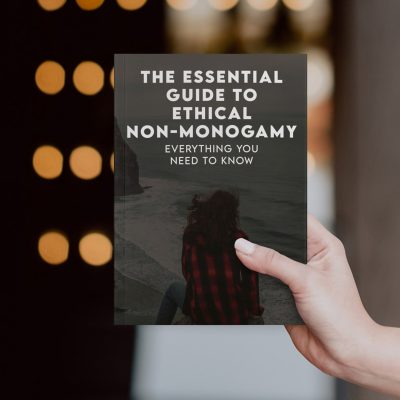
The freedom of an open relationship sounds incredible, but the logistics can feel like holding a grenade. That spinning "what if" anxiety isn't paranoia, it’s your survival instinct warning you that your bond is exposed. "Just seeing what happens" is the fastest way to turn a fantasy into a breakup.
The Essential Guide replaces chaos with discipline. We give you the blueprints, jealousy protocols, and repair scripts needed to explore the edge without falling off. Don't guess. Secure your foundation first.
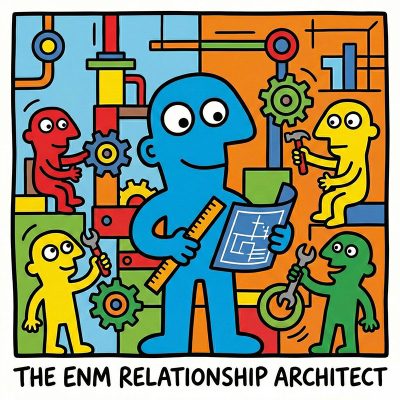
The world of non-monogamy is a maze of confusing labels. Trying to be "Polyamorous" when your heart actually needs "Swinging" isn't just a vocabulary error; it’s a recipe for misery.
You can't build a stable home on a foundation that doesn't fit your psychology. This tool analyzes your emotional bandwidth and jealousy triggers to design the exact structure you need. Stop trying to squeeze into a box that doesn't fit. Build a relationship that actually feels like home.
Opening up feels exciting, but if you aren't reading from the same script, you're writing a tragedy. The disconnect between "I want freedom" and "I want safety" is where hearts break. This isn't just a quiz; it’s a synchronization engine.
We identify the silent gaps in your desires—from sleepover rules to emotional bandwidth, before they become unbridgeable chasms. Don't wait until the damage is done to find out you were never on the same page. Align your compasses now.
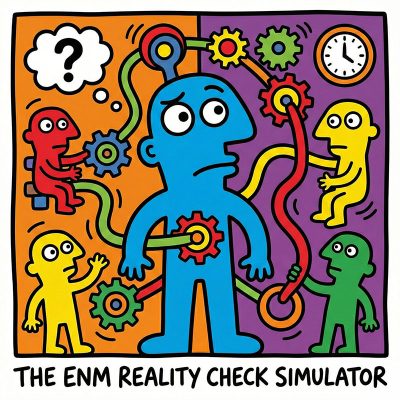
Theory is sexy. Reality is messy. You agreed you could date others, but how does your stomach drop when he takes her to your anniversary spot? Or when she comes home smelling like someone else?
This simulator drags your abstract rules into the harsh light of day. We force you to confront the visceral, gut-wrenching scenarios that actually destroy relationships, before they happen. Test your nervous system in the simulator so you don't crash the car in real life.

The fantasy is endless romance. The reality? It’s a logistical nightmare. Dating isn't just sex; it’s a second job of swiping, spending, and emotional processing that drains your sanity. Underestimating the "admin" of non-monogamy is the fastest way to turn your relationship into a burnout factory where resentment thrives.
This calculator forces you to confront the brutal math of your time, energy, and wallet. Can you actually afford this lifestyle, or are you just signing up for exhaustion?
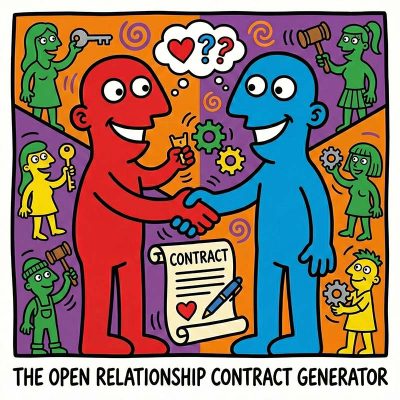
"I thought we agreed" is the sentence that destroys relationships & marriages. Relying on verbal promises when emotions run high is a gamble you cannot afford to lose. Your memory isn't just faulty; it's a liability. Ambiguity is the oxygen that jealousy breathes, turning "freedom" into a minefield of "did I mess up?"
This generator transforms vague permissions into a concrete, signed reality. Stop arguing about what you thought was said and lean on what is written. Secure your boundaries in ink, not hope.
Navigating risk management in ENM
Risk management for ENM is about proactive planning and ongoing communication. The goal is to maximize consent safety and trust while minimizing avoidable harm. Here are practical steps you can start using today.
Honest communication and ongoing consent
Make a habit of clear open conversations with every person involved. Consent is not a one time check in it is an ongoing practice that adapts as feelings and circumstances evolve. When plans change or new people join the network revisit the terms and ensure everyone remains comfortable. You should be willing to pause or renegotiate if someone feels uneasy. Respect for each person’s boundaries is non negotiable.
Boundaries and check ins
Agree on boundaries that are explicit and easy to reference. Some people use written check ins every few weeks others prefer a casual talk after a date. The key is that boundaries are clear and revisited regularly. Examples might include limits on time spent with new partners or agreements about how much information to share publicly about your network. Boundaries should feel empowering not punitive and they should never be used to shame a partner.
Documentation and records
Keeping a shared document or notebook with agreed rules and key dates can reduce confusion. This does not replace ongoing conversation but it creates a reliable reference point. Consider including things like emergency contacts medical proxies who is allowed to visit a partner in hospital what kinds of information can be shared with others and how finances are managed in shared living situations.
Professional guidance
A family therapist or relationship coach who understands ENM dynamics can be a powerful ally. They can help with communication skills boundary setting and conflict resolution. If you are dealing with legal complexities a lawyer who understands non traditional family structures is essential. Real world challenges often benefit from experts who can translate personal goals into practical plans that fit local law.
Practical safety and health measures
Prioritize sexual health with regular testing shared prevention strategies and open discussions about STI status and boundaries. Discuss consent around contraception and safer sex practices. Plan for healthcare needs and ensure someone you trust knows how to access medical information when necessary. Safety includes digital safety as well handling private information responsibly and respecting the privacy of every partner.
Practical scenarios and case studies
Scenario 1 a multi partner family with children and shared custody considerations
Julia and her partner group have two children with a shared weekly schedule and a central home. They have documented a family plan that explains who can make medical decisions for the children when both parents are present and who can give permission if a parent is unavailable. They have a family lawyer who helped draft a guardianship plan that clarifies who has decision making authority and how to handle emergencies. They also maintain open calendars so everyone knows when a partner will be present in the home and when they will be away. This approach reduces confusion and protects the children while respecting each adult’s relationship choices.
Scenario 2 long distance ENM network and visa challenges
A couple living in one country supports a network of partners who live in different locations. One partner is pursuing a visa and there is a question about whether a non traditional relationship can be part of the visa process. They consult immigration counsel who explains what documentation could help in a sponsored visa scenario and what is likely to be insufficient. They decide to proceed with careful planning and they keep records of communication and commitments to avoid misinterpretation. They also discuss how to maintain fairness and emotional safety across distances and time zones.
Scenario 3 workplace considerations
A professional in a conservative industry has an ENM life that is largely private. A casual disclosure to a colleague leads to uncomfortable questions and a potential risk to career progression. They work with a mentor who helps them craft boundaries about what is shared in the workplace and who within the organization has a legitimate need to know about personal relationships. They also examine policies with HR to understand what is appropriate for the company culture while preserving personal privacy. The result is a plan that keeps work life stable while respecting personal truth.
Scenario 4 legal documents and competing priorities
A group of adults living together recognizes the need for formal documents. They draft a cohabitation agreement a set of powers of attorney health care proxies and a will that designates guardians and beneficiaries. They share copies with each other and with a trusted attorney. When a sudden medical event occurs the documents provide clarity and reduce stress for everyone involved. The family can focus on care and connection rather than on legal confusion.
Glossary of useful terms and acronyms
- ENM Ethical non monogamy a broad term for relationship styles that involve more than two people with consent.
- CNM Consensual non monogamy an umbrella term for relationships based on consent including polyamory and open relationships.
- Polyamory Loving more than one person with consent and transparency.
- Open relationship A relationship in which partners agree that romantic or sexual connections outside the primary couple are allowed.
- Polycule A network of people connected by romantic or sexual relationships.
- Compersion A positive feeling when seeing a partner experience happiness with someone else.
- Primary partner The person designated as the main partner in a hierarchical arrangement.
- Boundary A limit that a person sets about what is acceptable in a relationship.
- Power of attorney A legal document that gives someone else authority to make decisions on your behalf in certain situations.
- Health care proxy A document naming who can make medical decisions if you cannot.
- Domestic partner agreement A contract that outlines shared finances housing and other practicalities for partners not legally married.
- Will A legal document describing how assets and guardianship are handled after death.
- Consent In ENM consent means all parties understand and agree to the relationship dynamics and any changes.
Frequently asked questions
What is ENM in simple terms
ENM means ethical non monogamy. It is about forming romantic or sexual connections with more than one person with everyone s knowledge and consent.
Is ENM legal in my country
Legal status varies a lot by country and even by region within a country. In most places ENM itself is not illegal it is more about how the law treats marriages parenting and property access. You should seek local legal guidance to understand the risks and options in your area.
Can ENM relationships affect custody if a relationship ends
Yes custody outcomes can be influenced by family dynamics and how the court views who cares for the children and who has continued parental involvement. Clear documentation and professional legal guidance can help protect the best interests of the children and the adults who share parenting duties.
What about medical decisions for a partner in ENM
Medical decision making is generally limited to legally recognized relationships unless a health care proxy or power of attorney is in place. Having documents that designate who can speak for a partner can prevent delays and confusion during medical events.
How can I protect privacy while practicing ENM
Use careful digital hygiene avoid sharing private information on public platforms and consider separate profiles or accounts to reduce cross contamination of personal life. Discuss what is appropriate to share with family friends and coworkers and respect others privacy as well.
What should I do if someone in my life disapproves
Start with boundaries and a calm conversation. If the disapproval becomes harmful protect your safety and emotional well being and consider limiting contact. When possible rely on a trusted support network including professionals who understand ENM and can provide perspective and strategies.
Do I need a lawyer to work with ENM relationships
A lawyer who understands ENM dynamics and local law can be very valuable. You may need help drafting a domestic partner agreement a will a health care proxy and possibly a guardianship plan if children are involved. Having professional guidance reduces risk and helps everyone feel more secure.
How can I discuss ENM with family or friends
Prepare for the conversation with a small script that communicates basic truths without overwhelming the listener. Choose a private setting and be respectful of others feelings. If the person will not receive the information well you can choose to limit sharing or to set boundaries about the level of detail you will discuss.
The freedom of an open relationship sounds incredible, but the logistics can feel like holding a grenade. That spinning "what if" anxiety isn't paranoia, it’s your survival instinct warning you that your bond is exposed. "Just seeing what happens" is the fastest way to turn a fantasy into a breakup.
The Essential Guide replaces chaos with discipline. We give you the blueprints, jealousy protocols, and repair scripts needed to explore the edge without falling off. Don't guess. Secure your foundation first.
The world of non-monogamy is a maze of confusing labels. Trying to be "Polyamorous" when your heart actually needs "Swinging" isn't just a vocabulary error; it’s a recipe for misery.
You can't build a stable home on a foundation that doesn't fit your psychology. This tool analyzes your emotional bandwidth and jealousy triggers to design the exact structure you need. Stop trying to squeeze into a box that doesn't fit. Build a relationship that actually feels like home.
Opening up feels exciting, but if you aren't reading from the same script, you're writing a tragedy. The disconnect between "I want freedom" and "I want safety" is where hearts break. This isn't just a quiz; it’s a synchronization engine.
We identify the silent gaps in your desires—from sleepover rules to emotional bandwidth, before they become unbridgeable chasms. Don't wait until the damage is done to find out you were never on the same page. Align your compasses now.
Theory is sexy. Reality is messy. You agreed you could date others, but how does your stomach drop when he takes her to your anniversary spot? Or when she comes home smelling like someone else?
This simulator drags your abstract rules into the harsh light of day. We force you to confront the visceral, gut-wrenching scenarios that actually destroy relationships, before they happen. Test your nervous system in the simulator so you don't crash the car in real life.
The fantasy is endless romance. The reality? It’s a logistical nightmare. Dating isn't just sex; it’s a second job of swiping, spending, and emotional processing that drains your sanity. Underestimating the "admin" of non-monogamy is the fastest way to turn your relationship into a burnout factory where resentment thrives.
This calculator forces you to confront the brutal math of your time, energy, and wallet. Can you actually afford this lifestyle, or are you just signing up for exhaustion?
"I thought we agreed" is the sentence that destroys relationships & marriages. Relying on verbal promises when emotions run high is a gamble you cannot afford to lose. Your memory isn't just faulty; it's a liability. Ambiguity is the oxygen that jealousy breathes, turning "freedom" into a minefield of "did I mess up?"
This generator transforms vague permissions into a concrete, signed reality. Stop arguing about what you thought was said and lean on what is written. Secure your boundaries in ink, not hope.
