
Maintaining Rituals and Quality Time

Let us be real for a moment. When you are exploring ethical non monogamy or ENM that is shorthand for Ethical Non Monogamy you are juggling multiple meaningful connections. You want depth with each person you care about and you want time that respects everyone’s needs without turning your life into a logistics nightmare. This guide is your friendly playbook. It is practical it is funny and it breaks down rituals and quality time into bite sized pieces you can actually use. We explain terms and acronyms so you never feel like you need a PhD in polyamory to keep up. And yes we keep it real about the messy middle while offering simple strategies that actually work.
Quick Links to Useful Sections
- What ENM means and why rituals matter
- Why rituals and quality time improve ENM life
- Principles for building lasting ENM rituals
- Be explicit about wants and boundaries
- Match rituals to the relationship tempo
- Keep rituals reciprocal
- Respect privacy and consent
- Build rituals that scale
- Types of rituals you can experiment with
- Daily check in rituals
- Weekly connection rituals
- Monthly or quarterly integration rituals
- Onboarding rituals for new partners
- Rituals around disclosure and transparency
- Practical scheduling strategies for ENM life
- Block time intentionally
- Rituals that travel well
- Time budgeting for energy and capacity
- Shared calendars and communication norms
- Navigating jealousy and insecurity with rituals
- Communication strategies that support ENM rituals
- Real world scenarios and practical scripts
- Scenario 1: You are dating someone new while maintaining a long term partner
- Scenario 2: Scheduling conflict arises another week
- Scenario 3: A new partner joins the polycule
- Scenario 4: Long distance ENM and time zone hurdles
- Boundaries renegotiation and ritual evolution
- Self care and personal sustainability in ENM rituals
- Templates and practical tools you can try
- Ritual calendar template
- Conversation starter scripts for setting rituals
- Glossary of useful terms and acronyms
- Frequently asked questions
What ENM means and why rituals matter
ENM stands for Ethical Non Monogamy. It is a relationship approach where people have intimate or romantic connections with more than one partner with consent and transparency. The word ethical is important here because it signals that everyone involved should have honest conversations about wants limits and boundaries. A ritual in this context is any repeated practice or routine that signals care intention and connection. Rituals create predictable moments in a sometimes unpredictable web of relationships. Quality time is not about equal minutes on a clock it is about meaningful moments that feel right for each relationship and for your own well being.
Let us translate a few common terms you will hear in ENM spaces:
- Compersion The positive feeling you get when your partner experiences happiness with someone else. Think of it as the opposite of jealousy in many scenarios.
- Polyamory A lifestyle or relationship orientation that involves more than two intimate relationships with the knowledge and consent of everyone involved.
- Polycule A network of interconnected relationships in a polyamory structure often resembling a small social graph of partners and ex partners and friends connected through love and care.
- Primary partner The person in a relationship whom you designate as primary typically sharing long term plans or living arrangements with central commitments. This is not a fixed rule and partners may renegotiate roles as life changes.
- Secondary partner A partner who is important and cherished but not classified as primary. Roles can shift with time and events.
- Boundary A personal limit about what you are and are not comfortable with. Boundaries are conversations not ultimatums.
Rituals are not about forcing sameness across all connections. They are about creating meaningful moments that fit each relationship and your shared reality. Rituals can be simple or elaborate depending on the people involved and what works in your life. The aim is to keep communication clear and your care consistent without devolving into schedule tyranny.
Why rituals and quality time improve ENM life
Rituals and quality time help with several core ENM challenges. They reduce miscommunication postpone jealousy and support emotional safety. When you have more than one relationship it gets easy to drift. A well crafted ritual acts like an anchor letting everyone involved know they are seen and valued. It also helps you monitor your own energy. If you are an energy sensitive person you will want rituals that protect your capacity to give and to receive. The right rituals prevent resentment from creeping in as you balance multiple loves. They also create space for new partners to feel welcomed and for existing partners to feel secure. Without rituals life can feel like a chaotic schedule of yes no and maybe with a lot of guesswork. Rituals bring clarity and a sense of shared purpose.
The freedom of an open relationship sounds incredible, but the logistics can feel like holding a grenade. That spinning "what if" anxiety isn't paranoia, it’s your survival instinct warning you that your bond is exposed. "Just seeing what happens" is the fastest way to turn a fantasy into a breakup.
The Essential Guide replaces chaos with discipline. We give you the blueprints, jealousy protocols, and repair scripts needed to explore the edge without falling off. Don't guess. Secure your foundation first.
The world of non-monogamy is a maze of confusing labels. Trying to be "Polyamorous" when your heart actually needs "Swinging" isn't just a vocabulary error; it’s a recipe for misery.
You can't build a stable home on a foundation that doesn't fit your psychology. This tool analyzes your emotional bandwidth and jealousy triggers to design the exact structure you need. Stop trying to squeeze into a box that doesn't fit. Build a relationship that actually feels like home.

Opening up feels exciting, but if you aren't reading from the same script, you're writing a tragedy. The disconnect between "I want freedom" and "I want safety" is where hearts break. This isn't just a quiz; it’s a synchronization engine.
We identify the silent gaps in your desires—from sleepover rules to emotional bandwidth, before they become unbridgeable chasms. Don't wait until the damage is done to find out you were never on the same page. Align your compasses now.
Theory is sexy. Reality is messy. You agreed you could date others, but how does your stomach drop when he takes her to your anniversary spot? Or when she comes home smelling like someone else?
This simulator drags your abstract rules into the harsh light of day. We force you to confront the visceral, gut-wrenching scenarios that actually destroy relationships, before they happen. Test your nervous system in the simulator so you don't crash the car in real life.
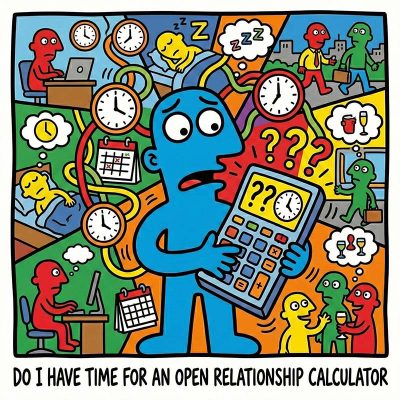
The fantasy is endless romance. The reality? It’s a logistical nightmare. Dating isn't just sex; it’s a second job of swiping, spending, and emotional processing that drains your sanity. Underestimating the "admin" of non-monogamy is the fastest way to turn your relationship into a burnout factory where resentment thrives.
This calculator forces you to confront the brutal math of your time, energy, and wallet. Can you actually afford this lifestyle, or are you just signing up for exhaustion?
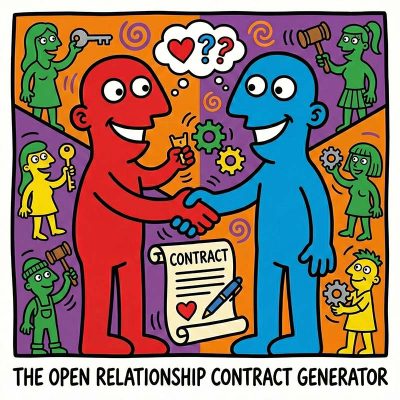
"I thought we agreed" is the sentence that destroys relationships & marriages. Relying on verbal promises when emotions run high is a gamble you cannot afford to lose. Your memory isn't just faulty; it's a liability. Ambiguity is the oxygen that jealousy breathes, turning "freedom" into a minefield of "did I mess up?"
This generator transforms vague permissions into a concrete, signed reality. Stop arguing about what you thought was said and lean on what is written. Secure your boundaries in ink, not hope.
Principles for building lasting ENM rituals
Be explicit about wants and boundaries
Start with what you want not what you fear. Clarify what you want to experience with each partner and what you are not willing to trade away.Your boundaries are your own to own and they can change as you grow. The key is to communicate them clearly and early while staying flexible enough to adapt as life shifts.
Match rituals to the relationship tempo
Some relationships move quickly some move slowly. Rituals should reflect the pace of each connection. Do not copy a ritual from one relationship to another simply because it seems successful elsewhere. Adapt the cadence the rituals to the needs of the people involved.
Keep rituals reciprocal
Rituals work best when all involved feel they gain something meaningful. If a ritual is one sided it will become a source of resentment. Involve your partners in the design so that each person has a stake in the practice.
Respect privacy and consent
Some rituals require sharing a moment or a detail with others while some are more private. Always ask before bringing in new elements that involve others. If you are considering a public or semi public ritual think about how it affects partner privacy and who gets to know what.
Build rituals that scale
As your ENM network grows you will want rituals that can stretch without breaking. This often means creating flexible templates rather than fixed one size fits all routines. A scalable ritual system keeps what works intact while allowing room to grow.
Types of rituals you can experiment with
Daily check in rituals
These are quick but powerful. They keep emotional temperature consistent and prevent small issues from turning into big resentments. A daily check in can be as simple as a 10 minute conversation or a short text note say I am glad we have this connection and I want to hear how your day went. For larger networks you can set a common rhythm with your primary partner and then individual micro rituals with each secondary partner. The goal is to maintain emotional visibility without turning every moment into a board meeting.
Weekly connection rituals
Weekly rituals might include a dedicated date night with a specific partner or a shared group activity with your polycule. The important part is consistency. You may rotate which partner you spend a dedicated evening with or host a game night or cooking night that includes everyone who is available that week. The point is to create a reliable space for connection while respecting everyone else’s schedule.
Monthly or quarterly integration rituals
These longer sessions are about reviewing boundaries the term length of relationships and the overall balance of attention and energy. A monthly integration ritual can be a long casual hangout a guided conversation with a facilitator friend or a structured conversation that covers what is working what is not and what needs to shift. Regular reviews prevent drift and offer a sanctioned moment to renegotiate if needed.
Onboarding rituals for new partners
Welcoming a new partner is a delicate moment. Design a warm smooth onboarding ritual that includes a hello sequence with existing partners a sharing of values and clear expectations. A simple ritual could be a welcome coffee a joint dinner and a short written agreement about shared norms. You want to create a sense of belonging from day one without overshadowing existing dynamics.
Rituals around disclosure and transparency
Transparency is the backbone of ethical non monogamy. Rituals around disclosure can include a monthly shared update where each partner can bring questions or concerns and discuss them in a calm setting. A transparent culture does not mean you leak every thought it means you create a safe space where concerns can be aired and addressed respectfully.
Practical scheduling strategies for ENM life
Block time intentionally
Use calendar blocks to protect ritual times. Color code by partner or by type of ritual. This visual cue helps you see where your attention is going and adjust before you burn out.
Rituals that travel well
Not every week will be in the same place or with the same people. Build rituals that can be executed in different settings. For example a weekly video date can replace a live date when logistics are tricky. A ritual should survive distance and still feel meaningful.
Time budgeting for energy and capacity
Think of your emotional and mental energy as a resource you allocate. Create a rough budget each week that accounts for time with each partner and time for yourself. Respect your own limits and be prepared to renegotiate when life throws curveballs.
Shared calendars and communication norms
A shared calendar that marks important dates for each partner helps everyone stay informed. Establish norms around how to handle last minute changes and how to notify your partners in a timely way. Clear communication prevents last minute chaos and hurt feelings.
Navigating jealousy and insecurity with rituals
Jealousy is a natural signal not a verdict. The right rituals give you a constructive way to respond. When you notice jealousy peaking consider a quick ritual check in with yourself and a partner. You can use a structure like
- Describe the feeling without blame
- State a specific need behind the feeling
- Propose a small adjustment or a new ritual to address the need
- Agree on a trial period and revisit
Compersion can also be cultivated through rituals that celebrate shared joy. Acknowledge when a partner experiences happiness with someone else and create moments that allow you to witness and reflect on that joy together.
Communication strategies that support ENM rituals
Nonviolent Communication or NVC is a helpful framework. You can adapt NVC language to discuss rituals and time without turning into a debate about who gets what. The four core steps are
- Observation: describe what happened without judgment
- Feeling: name how you feel about it
- Need: identify the underlying need
- Request: make a concrete request that could meet the need
Using this simple approach with your partners reduces defensiveness and keeps conversations constructive. When you couple NVC with rituals you create predictable and respectful lines of communication that everyone can rely on.
Real world scenarios and practical scripts
Scenario 1: You are dating someone new while maintaining a long term partner
Nina has a long term partner and recently started dating someone new named Alex. They want to maintain a weekly date with her long term partner and a separate date night with Alex. They also want a joint group activity once a month with the two of them and the existing partner. They decide to keep the weekly date nights on the same weekday and rotate who joins for the group activity. They agree to a 15 minute daily check in with the long term partner and a separate 10 minute check in with Alex. This setup protects all relationships and creates predictable rituals that everyone can look forward to.
Scenario 2: Scheduling conflict arises another week
Two partners have a work trip that overlaps with a planned date night. They decide to replace that week with a shorter but meaningful ritual such as a phone call or a short video chat on a fixed night. They document it in the shared calendar and still maintain the sense of connection by keeping the ritual length concise and intentional. The following week they resume the full ritual as planned. This approach keeps the pattern intact even when life throws a curveball.
Scenario 3: A new partner joins the polycule
The introduction phase is crucial. They host a welcome ritual that includes a casual group meal and a private one on one with the new partner to answer questions and share expectations. They also establish a simple onboarding plan that includes a short conversation about timelines around intimacy and a one month check in to adjust boundaries if needed. The ritual signals belonging from day one while preserving space for existing dynamics to evolve naturally.
Scenario 4: Long distance ENM and time zone hurdles
Rituals that travel well come into play here. They design a late night coffee ritual that lines up with both partners schedules or a weekend video check in with each partner individually. They also plan quarterly in person get togethers when possible and use shared media like a playlist or a photo album as a form of asynchronous togetherness between visits. Consistency over distance matters more than grand gestures that only happen rarely.
Boundaries renegotiation and ritual evolution
Boundaries are not static. As people grow and life changes you will need to renegotiate. A ritual can be paused or adapted instead of being abandoned. When renegotiation is needed start with a clear honest statement of what is not working and follow with a proposal for a new ritual. Give your partners a chance to respond and then agree on a trial period with a clear check in date.
Self care and personal sustainability in ENM rituals
Rituals should support your well being not deplete it. If you find yourself exhausted you may need to scale back temporarily shift to lighter rituals or ask for more help from your partners. Self care can include time alone time with friends or activities that recharge you away from relationship dynamics. Sustainable rituals are those you can keep up over months and years without losing the joy and intention behind them.
Templates and practical tools you can try
Ritual calendar template
Draft a simple calendar that includes
- Daily 10 minute check in with each partner
- Weekly date night per partner with rotation
- Monthly group gathering if possible
- Quarterly boundary review session
Keep the template flexible and accessible. You can adapt it to a paper planner or a digital tool like a shared calendar app. The important thing is that every person involved can see and trust the rhythm you are building together.
Conversation starter scripts for setting rituals
Even the best rituals fail if you cannot discuss them clearly. Here are a few gentle scripts you can adapt
- Opening a new ritual with a partner: Hello I want to create a small ritual that helps us stay connected given our busy lives. Are you open to trying a 15 minute weekly check in with me and a different 15 minute call with our other partner this month?
- renegotiating a boundary: I have noticed I need a bit more space after our group events to decompress. Can we try a 20 minute solo wind down after group time and see how that feels?
- welcoming a new partner: We are excited to welcome you into our little circle. Let us set up a calm welcome ritual this week and share what is most important to us about growing together.
Glossary of useful terms and acronyms
- ENM Ethical Non Monogamy the approach this article focuses on. It emphasizes consent open communication and ethical practices in relationships with more than one partner.
- Compersion The joy you feel when your partner experiences love or happiness with someone else.
- Primary partner The partner given priority in terms of time and energy according to an agreed arrangement though this can shift over time.
- Secondary partner A partner who is important but not designated as primary in the current arrangement.
- Boundaries Personal rules about what you are comfortable with in the relationship network.
- Polycule A network of interconnected relationships among multiple partners.
- Negotiated agreement A written or spoken agreement that captures what each person is comfortable with in the ENM setup.
Frequently asked questions
What is the best way to introduce rituals to a new partner?
Start with a gentle welcome and an open conversation about what rituals mean to you and why they matter. Invite the new partner to contribute ideas and ensure they feel included in the design. Keep the initial rituals simple and flexible to accommodate everyone’s comfort level.
How do I avoid ritual burnout across multiple partners?
Rotate ritual types avoid overloading any single week with too many commitments and keep the length reasonable. Use scalable rituals and allow space to pause or adapt when life gets overwhelming. Check in with each person about energy levels and adjust accordingly.
Can rituals replace honest conversations about problems?
Rituals are a support structure not a substitute for communication. Use rituals to create safe spaces for open dialogue but address serious issues directly as they arise. Consistency in rituals helps create trust that makes tough conversations easier.
What if a partner wants more privacy about certain rituals?
Respect privacy. Some rituals can be kept more intimate while still honoring the overall structure. You can create private moments and still maintain shared rituals that involve everyone who agrees to participate.
How do I handle time zone challenges in long distance ENM?
Choose rituals that can be conducted asynchronously or at overlapping times that are workable for all. A shared playlist a weekly voice message or a short video check in can sustain connection even across oceans and hours.
Is it okay to modify or drop a ritual if it stops feeling meaningful?
Yes. Rituals should be meaningful not mandatory. If a ritual stops serving its purpose or begins to create friction it should be re evaluated or replaced with something that better fits the current reality.
Should we document our rituals in writing?
Sharing a simple ritual charter can be helpful especially when new partners join. A brief written guide in plain language clarifies expectations and makes it easier to onboard new people without pressure.
How often should boundaries be renegotiated in ENM?
There is no fixed schedule. Boundaries should be revisited when life changes such as new partners shifts in work schedules or evolving emotional needs. Regular check ins make renegotiation a natural part of the process rather than an uncomfortable debate.
The freedom of an open relationship sounds incredible, but the logistics can feel like holding a grenade. That spinning "what if" anxiety isn't paranoia, it’s your survival instinct warning you that your bond is exposed. "Just seeing what happens" is the fastest way to turn a fantasy into a breakup.
The Essential Guide replaces chaos with discipline. We give you the blueprints, jealousy protocols, and repair scripts needed to explore the edge without falling off. Don't guess. Secure your foundation first.
The world of non-monogamy is a maze of confusing labels. Trying to be "Polyamorous" when your heart actually needs "Swinging" isn't just a vocabulary error; it’s a recipe for misery.
You can't build a stable home on a foundation that doesn't fit your psychology. This tool analyzes your emotional bandwidth and jealousy triggers to design the exact structure you need. Stop trying to squeeze into a box that doesn't fit. Build a relationship that actually feels like home.
Opening up feels exciting, but if you aren't reading from the same script, you're writing a tragedy. The disconnect between "I want freedom" and "I want safety" is where hearts break. This isn't just a quiz; it’s a synchronization engine.
We identify the silent gaps in your desires—from sleepover rules to emotional bandwidth, before they become unbridgeable chasms. Don't wait until the damage is done to find out you were never on the same page. Align your compasses now.
Theory is sexy. Reality is messy. You agreed you could date others, but how does your stomach drop when he takes her to your anniversary spot? Or when she comes home smelling like someone else?
This simulator drags your abstract rules into the harsh light of day. We force you to confront the visceral, gut-wrenching scenarios that actually destroy relationships, before they happen. Test your nervous system in the simulator so you don't crash the car in real life.
The fantasy is endless romance. The reality? It’s a logistical nightmare. Dating isn't just sex; it’s a second job of swiping, spending, and emotional processing that drains your sanity. Underestimating the "admin" of non-monogamy is the fastest way to turn your relationship into a burnout factory where resentment thrives.
This calculator forces you to confront the brutal math of your time, energy, and wallet. Can you actually afford this lifestyle, or are you just signing up for exhaustion?
"I thought we agreed" is the sentence that destroys relationships & marriages. Relying on verbal promises when emotions run high is a gamble you cannot afford to lose. Your memory isn't just faulty; it's a liability. Ambiguity is the oxygen that jealousy breathes, turning "freedom" into a minefield of "did I mess up?"
This generator transforms vague permissions into a concrete, signed reality. Stop arguing about what you thought was said and lean on what is written. Secure your boundaries in ink, not hope.
