
Navigating Different Risk Tolerances


Here is the honest, no fluff guide to how two or more people can handle different comfort levels when dating outside a primary relationship. Think of risk tolerance as the spice level in a dinner you all share. Some people want a pinch of pepper others crave a full curry. The point is to align what everyone can handle without losing the point of why you are here in the first place. We will break down terms, talk through practical steps, share realistic scenarios and give you a playbook you can adapt. No preaching just real world guidance from people who have been there and learned a few things the hard way.
Quick Links to Useful Sections
- What is risk tolerance in ethical nonMonogamy ENM dynamics
- Why risk tolerance matters in ENM
- Different kinds of risk you might encounter
- How to assess your own tolerance and your partner s tolerance
- Step one: name the dimensions that matter
- Step two: rate your comfort levels
- Step three: map your tolerance with a partner or partners
- Step four: create a living agreement
- Step five: test the waters gradually
- Communication toolkit for ENM risk conversations
- Best practices for tough talks
- Three sentence negotiation method
- Handling disagreements without shutting down
- Practical frameworks you can use now
- The risk tolerance matrix
- Progressive disclosure schedule
- Health and safety cadence
- Realistic ENM scenarios showing different risk tolerances
- Scenario A slight difference in emotional risk tolerance
- Scenario B higher risk tolerance for health and time management
- Scenario C misalignment and renegotiation
- Scenario D privacy concerns
- Boundaries and practical agreements you can adopt
- Health and safety in ENM
- Safer sex practices for ENM
- Medical and health considerations
- Jealousy compassion and compersion in ENM
- Common mistakes and how to avoid them
- Glossary of useful terms and acronyms
- Checklist for navigating risk tolerances in ENM
- Frequently asked questions
What is risk tolerance in ethical nonMonogamy ENM dynamics
Risk tolerance in ENM means how comfortable a person or a couple is with potential emotional or physical risk when dating or forming connections outside a primary relationship. It covers a lot of ground. It is not a fixed label. It changes with life events, health status, stress levels and the quality of communication in the relationship. The key is to talk openly and renegotiate when needed. ENM stands for ethical nonmonogamy. This means all parties consent to more than one romantic or sexual relationship in a way that respects boundaries and agreements. It is about consent, honesty and care. We explain common terms as we go so you can follow along without guessing what someone means.
Why risk tolerance matters in ENM
- It helps prevent fights that spiral into jealousy or resentment.
- It creates a structure that makes space for new connections without erasing the primary relationship.
- It supports safer sex and emotional wellbeing by making expectations clear from the start.
- It helps each person feel seen and valued, even when their comfort level is different from someone else in the dynamic.
Different kinds of risk you might encounter
- Emotional risk How much emotional energy a person is willing to invest in someone outside the main relationship. This includes feelings of jealousy, insecurity or fear of loss.
- Sexual health risk The chances of encountering sexually transmitted infections or other health concerns. This includes discussing contraception, testing frequency and safe sex practices.
- Time and energy risk How much attention and time a person can dedicate to multiple relationships. Busy schedules can create uneven dynamics if one person has more time to invest than another.
- Boundary risk The risk that a boundary might be pushed or misinterpreted. Clear boundaries reduce confusion and protect wellbeing.
- Social risk How friends and family might react or what social circles expect. People may worry about judgment or privacy concerns.
How to assess your own tolerance and your partner s tolerance
Understanding where you stand starts with a simple map of your comfort levels. You can do this solo first and then compare notes with anyone who shares a life with you. The goal is not to win a battle over who is more open. The goal is to find a workable middle ground that feels fair and kind to everyone involved.
Step one: name the dimensions that matter
List the areas where risk might show up for you. Common dimensions include emotional connection, sexual health, time investment, privacy, and relationship hierarchy. Some people want a flat non hierarchical structure while others prefer a clear tiered approach. Decide which dimensions are your anchors and which you are flexible on.
Step two: rate your comfort levels
- Give each dimension a score from 1 to 5 where 1 means very uncomfortable and 5 means totally comfortable. Be honest even if it feels uncomfortable to admit. You are allowed to be imperfect here.
- For each dimension, write one sentence that explains the reason for your score. A real line helps your future self remember why you feel this way.
Step three: map your tolerance with a partner or partners
Share your scores in a calm setting. Use a structured discussion to avoid blame. A simple format is to name the dimension, state your score, and then explain the why behind the number. Then listen without interrupting. You may find surprise in your partner s perspective and that is a sign you are in a healthy negotiation loop.
Step four: create a living agreement
Turn the map into a living document. Include who is involved, how decisions are made, how often you will check in, and a plan for renegotiation if someone s tolerance changes. A living agreement means you will revisit it after big life events such as a new relationship, a move, a pregnancy, or a major health change.
Step five: test the waters gradually
Start with small steps that test the waters. This reduces the risk of large emotional spikes and gives you a chance to adjust. You can increase exposure slowly as everyone s comfort grows. If someone experiences a dip in tolerance, slow down again until the group finds its footing.

The freedom of an open relationship sounds incredible, but the logistics can feel like holding a grenade. That spinning "what if" anxiety isn't paranoia, it’s your survival instinct warning you that your bond is exposed. "Just seeing what happens" is the fastest way to turn a fantasy into a breakup.
The Essential Guide replaces chaos with discipline. We give you the blueprints, jealousy protocols, and repair scripts needed to explore the edge without falling off. Don't guess. Secure your foundation first.

The world of non-monogamy is a maze of confusing labels. Trying to be "Polyamorous" when your heart actually needs "Swinging" isn't just a vocabulary error; it’s a recipe for misery.
You can't build a stable home on a foundation that doesn't fit your psychology. This tool analyzes your emotional bandwidth and jealousy triggers to design the exact structure you need. Stop trying to squeeze into a box that doesn't fit. Build a relationship that actually feels like home.

Opening up feels exciting, but if you aren't reading from the same script, you're writing a tragedy. The disconnect between "I want freedom" and "I want safety" is where hearts break. This isn't just a quiz; it’s a synchronization engine.
We identify the silent gaps in your desires—from sleepover rules to emotional bandwidth, before they become unbridgeable chasms. Don't wait until the damage is done to find out you were never on the same page. Align your compasses now.
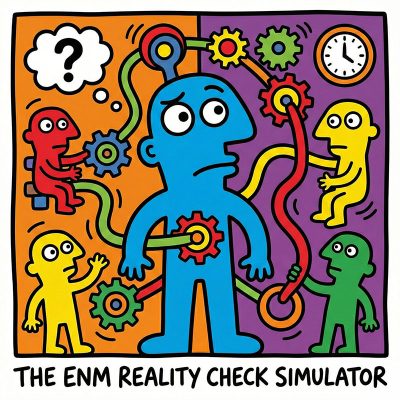
Theory is sexy. Reality is messy. You agreed you could date others, but how does your stomach drop when he takes her to your anniversary spot? Or when she comes home smelling like someone else?
This simulator drags your abstract rules into the harsh light of day. We force you to confront the visceral, gut-wrenching scenarios that actually destroy relationships, before they happen. Test your nervous system in the simulator so you don't crash the car in real life.
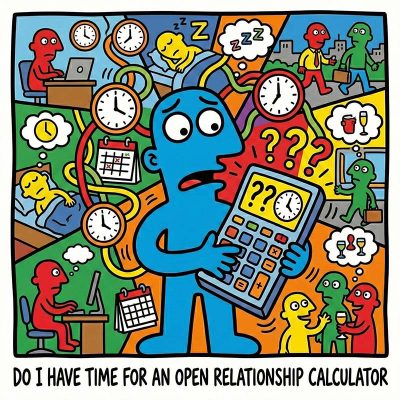
The fantasy is endless romance. The reality? It’s a logistical nightmare. Dating isn't just sex; it’s a second job of swiping, spending, and emotional processing that drains your sanity. Underestimating the "admin" of non-monogamy is the fastest way to turn your relationship into a burnout factory where resentment thrives.
This calculator forces you to confront the brutal math of your time, energy, and wallet. Can you actually afford this lifestyle, or are you just signing up for exhaustion?
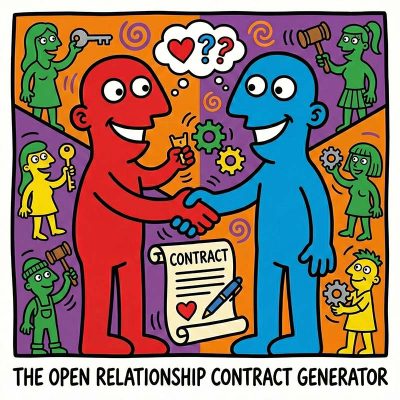
"I thought we agreed" is the sentence that destroys relationships & marriages. Relying on verbal promises when emotions run high is a gamble you cannot afford to lose. Your memory isn't just faulty; it's a liability. Ambiguity is the oxygen that jealousy breathes, turning "freedom" into a minefield of "did I mess up?"
This generator transforms vague permissions into a concrete, signed reality. Stop arguing about what you thought was said and lean on what is written. Secure your boundaries in ink, not hope.
Communication toolkit for ENM risk conversations
Communication is the backbone of successful ENM. Clear, compassionate conversations prevent misinterpretations and protect trust. The goal is not to convince others to agree with you but to understand where they stand and to find a path that respects everyone s boundaries.
Best practices for tough talks
- Choose the right moment Have the conversation when everyone is calm and not in the middle of a conflict or a stressful moment.
- Use I statements Speak from your own experience and feelings. For example, I feel unsettled when a boundary isn t clear rather than You never follow our rules.
- Narrate real life examples Share a story that illustrates your point. Specificity creates understanding and reduces speculation.
- Practice active listening Reflect back what you heard and ask for clarification if needed. This shows you value the other person s perspective.
- Record decisions Keep a shared note or document with decisions and dates. It reduces confusion later on.
Three sentence negotiation method
Three sentences can unlock a big conversation without turning into a debate. Sentence one states your current stance. Sentence two explains why that stance exists. Sentence three asks for feedback or proposes a next step. For example, I am comfortable with meeting new partners but I would like us to discuss potential emotional boundaries first. What do you think about setting a 30 day review after a new connection starts?
Handling disagreements without shutting down
- Agree to take a break if emotions run hot. Cool down and come back later with fresh eyes.
- Shift from a battle of who is right to a joint problem solving session. You are a team not opponents.
- Use a neutral mediator if needed. A trusted friend or a relationship facilitator can help.
Practical frameworks you can use now
The risk tolerance matrix
Think of a 3 by 3 grid. On the vertical axis you have emotional risk from low to high. On the horizontal axis you have sexual health risk from low to high. Each person marks a point on the grid to show where they stand for a given partner or encounter. Use this to guide conversations about boundaries and agreements. The goal is to have overlapping zones where all parties feel safe and heard.
Progressive disclosure schedule
Plan how much information you share and when. Start with high level details and only dive deeper when everyone is ready. This helps preserve privacy and reduces unnecessary vulnerability too soon.
Health and safety cadence
Agree on a minimum health care cadence that everyone subscribes to. For example routine STI testing every three to six months depending on activity. Discuss what kind of protection you use and how you handle contraception. Align on what changes in testing frequency would trigger a renegotiation.
Realistic ENM scenarios showing different risk tolerances
These stories are plausible and common. They illustrate how tolerances influence decisions and how a good process helps everyone feel respected.
Scenario A slight difference in emotional risk tolerance
Alicia and Marco are in a long term relationship. Alicia is comfortable exploring a new emotional connection. Marco worries about jealousy and wants to keep things simple. They agree to meet new partners with a focus on casual dating for Alicia. They set a rule that Alicia will share early red flags and will check in with Marco within 48 hours of a first date. They also schedule a monthly check in to review how things feel. After three months both report reduced anxiety and a deeper sense of trust because they communicate early and often.
Scenario B higher risk tolerance for health and time management
Jules is part of a triad with Sam and Kai. Jules has a high tolerance for sexual health risk and wants to pursue multiple connections to explore. Sam is more cautious and values time with a partner who is emotionally available. Kai wants balance and prefers to limit new partners until current arrangements feel stable. They agree on mutual testing every three months, a shared calendar to coordinate date nights, and a monthly joint check in. When a potential new partner emerges, they start with a short intro date and a conversation about boundaries before any physical intimacy occurs.
Scenario C misalignment and renegotiation
Amy wants a strong hierarchy where the primary couple leads and others follow. Ben wants a more fluid approach where commitment is earned over time. They run into a slow drift where Amy feels left out and Ben feels controlled. They decide to pause new connections for a set period, revisit their priorities, and rework the agreement. They realize that their core needs include honesty, flexibility and time for themselves. The renegotiation yields a plan that respects both of their needs and reduces tension.
Scenario D privacy concerns
Taylor and Jordan share a home and a primary relationship but worry about privacy in the age of social media. They decide that anything involving dating outside the primary relationship must be kept private unless all parties consent in writing to disclosure. They create a simple privacy clause that protects everyone s sense of safety and respect. This makes social interactions less stressful and keeps trust intact.
Boundaries and practical agreements you can adopt
Boundaries are not walls they are guardrails. They guide behavior and reduce risk while still allowing growth and connection. Boundaries work best when they are specific, testable and revisable. Here are some examples that you can adapt to your life.
- Who can you date outside the primary relationship and what details are shared with the partner group.
- What types of activities require extra consent or check ins before they happen.
- What constitutes a red flag that should trigger a renegotiation or pause.
- What safety protocols are in place for sexual health including testing, condom use and PrEP discussions if relevant.
- What privacy expectations exist for dating in shared spaces such as living arrangements or social circles.
Health and safety in ENM
Health and safety must stay front and center. Ethical nonmonogamy does not mean you skip health measures. It means you talk about them openly and include everyone in the plan. Important terms you should know include STI sexually transmitted infection HIV human immunodeficiency virus PrEP pre exposure prophylaxis and PEP post exposure prophylaxis. If you are unsure what these terms mean we explain them in the glossary below. Regular testing and transparent communication reduce risk for everyone and build trust over time.
Safer sex practices for ENM
- Discuss what protection you will use with new partners. This might include condoms dental dams or other barriers depending on activity.
- Set expectations about testing frequency and sharing results before intimate encounters.
- Agree on how much detail about sexual history will be shared and how private information will be handled.
- Maintain open lines of communication about what feels safe and what does not.
Medical and health considerations
- Keep up with general health checks and routine STI testing. Frequency depends on activity level and risk factors.
- Discuss PrEP or post exposure protocols if applicable with a healthcare provider and ensure all participants are informed.
- Share test results with partners who should know them and discuss any positive results promptly and responsibly.
Jealousy compassion and compersion in ENM
Jealousy is a normal human emotion. It can show up in ENM even when agreements exist. The goal is not to eliminate jealousy but to manage it in healthy ways. Compersion is the feeling of pleasure when a partner forms a positive connection with someone else. It is not required but it can grow over time with good communication and trust. You can practice compersion by celebrating a partner s growth and by being honest about your own needs without blaming others. You can also use rituals that reaffirm your bond such as dedicated date nights with your primary partner or shared activities with metamours if that feels right.
Common mistakes and how to avoid them
- Rushing into new connections before clear boundaries exist. Take it slow and test boundaries gradually.
- Assuming everyone understands a term in the same way. Always define terms in your own group and write them down.
- Trying to force alignment on someone else s tolerance. Respect differences and renegotiate rather than insisting on sameness.
- Making changes unilaterally. Use a formal renegotiation process with all stakeholders involved.
- Letting fear drive decisions. Base choices on consent honesty and care rather than fear of missing out or losing a relationship.
Glossary of useful terms and acronyms
- ENM Ethical nonmonogamy a relationship style where all parties consent to more than one romantic or sexual relationship.
- Primary relationship The main partnership that often shapes the structure of the rest of the network.
- Metamour A partner s partner who is not your partner but with whom you may have a relationship or connection.
- Compersion Feeling happiness or joy for a partner s other relationships rather than jealousy.
- Hot person policy A playful term sometimes used to describe boundaries around attraction to others outside the relationship and how to discuss it.
- STI Sexually transmitted infection an infection that can be transmitted through sexual contact.
- Testing cadence The planned frequency for STI testing used to monitor health and reduce risk.
- PrEP Pre exposure prophylaxis a medication that can reduce the risk of HIV infection for people at high risk.
- PEP Post exposure prophylaxis treatment started after potential exposure to HIV to prevent infection.
- Red flag A signal that something may be unsafe or not aligned with agreed boundaries and triggers renegotiation or pause.
- Negotiation The process of discussing and agreeing on terms that govern the relationship and activities.
- Renegotiation Revisiting and adjusting agreements when circumstances change.
Checklist for navigating risk tolerances in ENM
- Have a calm and explicit initial conversation about risk tolerance levels for each dimension that matters.
- Create a shared risk map that you revisit regularly and whenever life changes.
- Set clear boundaries written in a mutually agreed document that all parties can reference.
- Agree on a regular check in for early signs of misalignment or stress.
- Establish a health plan including testing cadence and protective practices for sexual activity.
- Practice compassionate communication especially when you feel jealousy or fear arise.
- Be prepared to renegotiate when necessary and honor the outcome even if it changes your plans.
Frequently asked questions
How do I know if my risk tolerance is too high or too low for ENM
It is not about right or wrong. It is about alignment with your partner s tolerance and your capacity for safe open connections. If you frequently feel overwhelmed anxious or on edge the tolerance might be too high for your current life. If you feel bored bored or emotionally distant you might want to try expanding your boundaries slowly with strong check ins and a clear renegotiation plan.
What if my partner wants more risk than I can handle
Take a step back and slow down. Have a structured renegotiation conversation using specific scenarios. If needed pause new connections until both sides feel ready. A safe approach is to agree on a temporary pause or on testing a small step with a strict boundary and a clear evaluation period.
How often should we renegotiate our ENM agreements
Set a baseline such as every six months or after major life events. You can also renegotiate if a new partner enters the picture or if health or work circumstances change. The goal is to keep lines of communication open and to adjust before conflicts burn out the relationship.
What is compersion and how can we cultivate it
Compersion is a positive feeling about a partner s happiness with someone else. It grows when trust and communication are strong, when you see that your partner is fulfilled and safe, and when you have meaningful personal boundaries that protect you. You can cultivate compersion by sharing positive stories about each other s experiences, practicing gratitude and celebrating each other s relationships without comparing them to your own.
How do we handle new partners without breaking trust
Start with consent and transparency. Share general details about the new connection and set a plan for how much information to share and when. Keep testing health and safety practices up to date. Schedule check ins to discuss how the new relationship is impacting everyone s wellbeing.
Should we involve a professional facilitator for renegotiations
If conversations repeatedly stall or escalate into conflict, a trained facilitator can help. A therapist with experience in nonmonogamy or a certified relationship coach can provide tools to improve communication and help you reach a healthier negotiation.
The freedom of an open relationship sounds incredible, but the logistics can feel like holding a grenade. That spinning "what if" anxiety isn't paranoia, it’s your survival instinct warning you that your bond is exposed. "Just seeing what happens" is the fastest way to turn a fantasy into a breakup.
The Essential Guide replaces chaos with discipline. We give you the blueprints, jealousy protocols, and repair scripts needed to explore the edge without falling off. Don't guess. Secure your foundation first.
The world of non-monogamy is a maze of confusing labels. Trying to be "Polyamorous" when your heart actually needs "Swinging" isn't just a vocabulary error; it’s a recipe for misery.
You can't build a stable home on a foundation that doesn't fit your psychology. This tool analyzes your emotional bandwidth and jealousy triggers to design the exact structure you need. Stop trying to squeeze into a box that doesn't fit. Build a relationship that actually feels like home.
Opening up feels exciting, but if you aren't reading from the same script, you're writing a tragedy. The disconnect between "I want freedom" and "I want safety" is where hearts break. This isn't just a quiz; it’s a synchronization engine.
We identify the silent gaps in your desires—from sleepover rules to emotional bandwidth, before they become unbridgeable chasms. Don't wait until the damage is done to find out you were never on the same page. Align your compasses now.
Theory is sexy. Reality is messy. You agreed you could date others, but how does your stomach drop when he takes her to your anniversary spot? Or when she comes home smelling like someone else?
This simulator drags your abstract rules into the harsh light of day. We force you to confront the visceral, gut-wrenching scenarios that actually destroy relationships, before they happen. Test your nervous system in the simulator so you don't crash the car in real life.
The fantasy is endless romance. The reality? It’s a logistical nightmare. Dating isn't just sex; it’s a second job of swiping, spending, and emotional processing that drains your sanity. Underestimating the "admin" of non-monogamy is the fastest way to turn your relationship into a burnout factory where resentment thrives.
This calculator forces you to confront the brutal math of your time, energy, and wallet. Can you actually afford this lifestyle, or are you just signing up for exhaustion?
"I thought we agreed" is the sentence that destroys relationships & marriages. Relying on verbal promises when emotions run high is a gamble you cannot afford to lose. Your memory isn't just faulty; it's a liability. Ambiguity is the oxygen that jealousy breathes, turning "freedom" into a minefield of "did I mess up?"
This generator transforms vague permissions into a concrete, signed reality. Stop arguing about what you thought was said and lean on what is written. Secure your boundaries in ink, not hope.
