
Power Imbalances and Privilege

Ethical non monogamy shortens to ENM a term that covers a wide range of relationship styles with openness honesty and consent at the core. In any adult relationship space power imbalances can crop up and ENM is not immune. This deep dive is about how power and privilege show up in ENM dynamics how to spot them and how to handle them in practical compassionate ways. We keep things real warm and useful with clear terms friendly examples and practical steps you can try in your own dating and relationship life.
Quick Links to Useful Sections
- What power and privilege look like in ENM
- Common sources of power imbalances in ENM
- Time and attention
- Money and material resources
- Social power and identity
- Emotional labor and boundary maintenance
- Education and access to information
- Safety and vulnerability
- The ethics of ENM and how to address imbalances
- Practical tools to reduce power imbalances
- Scenarios that illustrate power imbalances and how to respond
- Scenario one time pressure and access to information
- Scenario two money dynamics and gatekeeping experiences
- Scenario three racial or gender bias in dating scripts
- Scenario four hierarchy regret and boundary creep
- Self work and accountability
- Building healthier agreements in ENM
- Glossary of useful terms and acronyms
- Frequently asked questions
What power and privilege look like in ENM
Power in relationships is not a bad word not a personal attack and it is not something you can stamp out with a single talk. Power is the ability to influence outcomes for yourself or others. In ENM this can show up in time resources emotional energy access to information and social capital. Privilege means unearned advantages based on identity or position for example race gender class sexual orientation ability age or education. Privilege can operate invisibly which makes it easy to miss yet it quietly sets the stage for decisions and conversations. Understanding power and privilege in ENM is not about blaming anyone it is about identifying where imbalances create risk and harm and then choosing healthier paths forward.
In ENM you might hear terms like primary partner hierarchy a concept that some people use to describe how couples organise their time and emotional energy. A primary partner is often described as the main partner in a constellation of relationships while secondary partners are other people connected to the same person or group. These labels can be useful for clarity but they can also create or reinforce power dynamics especially when one partner wields more social or economic power than the others. We see power when one person has greater control over scheduling finances space or who is included in important conversations. We see privilege when a person can move through life with less fear or fewer barriers because of who they are or what they bring to the table socially or economically.
Privilege is not something you own or wear like a badge. It is a system effect shaped by identities and social structures. The ENM world includes many diverse voices and experiences and it is crucial to name privilege while staying focused on practical steps that reduce harm and support consent and care for everyone involved.
Common sources of power imbalances in ENM
Power imbalances come from several directions and they can stack on top of each other. Here are the main sources you are likely to encounter in ENM spaces and how they might show up in everyday life.
Time and attention
Time is a resource that matters a lot in ENM. If one person can offer a lot of available time for intimacy planning emotional talk or scheduling while another person is juggling work kids and caregiving the first person may be able to secure more access more often. The result can be an uneven dynamic where one relationship gets more energy and another gets less which can lead to neglect fatigue or resentment.
Money and material resources
Finances influence what is possible in terms of dating experiences living arrangements travel or paying for private therapy coaching or safe sex tools. If one person controls the money or has more disposable income it can tilt decisions and gatekeep experiences for others. This is not about shaming money it is about naming how money can shape choices and creating fair workable agreements that respect everyone involved.
Social power and identity
Racial gender age disability and other identity factors affect how people are treated in social situations and in institutions. If a person faces discrimination for their identity that can affect how they show up in ENM spaces and how others respond to their boundaries and needs. Even subtle forms such as assumptive language jokes or exclusion can accumulate over time creating a power imbalance that hurts.
Emotional labor and boundary maintenance
Who does the hard conversations who notices the needs of others who keeps track of the rules and reminds people about agreements that is emotional labor. If one person bears most of that load while others coast the emotional balance tips toward resentment and burnout. Fair distribution of emotional labor is a practical way to reduce power disparities.
Education and access to information
Some people have more access to sex positive therapy coaching books and online communities than others. When someone carries more information they can guide negotiations select safer options or push for particular boundaries without broad input. Ensuring everyone has access to the same information and the space to ask questions helps level the field.
Safety and vulnerability
Some identities carry higher risk in certain settings for example people who are navigating stigma around sexuality or people with disabilities who rely on accessible spaces. If safety concerns are not openly acknowledged some participants may feel unsafe or unheard which undermines trust and consent.

The freedom of an open relationship sounds incredible, but the logistics can feel like holding a grenade. That spinning "what if" anxiety isn't paranoia, it’s your survival instinct warning you that your bond is exposed. "Just seeing what happens" is the fastest way to turn a fantasy into a breakup.
The Essential Guide replaces chaos with discipline. We give you the blueprints, jealousy protocols, and repair scripts needed to explore the edge without falling off. Don't guess. Secure your foundation first.
The world of non-monogamy is a maze of confusing labels. Trying to be "Polyamorous" when your heart actually needs "Swinging" isn't just a vocabulary error; it’s a recipe for misery.
You can't build a stable home on a foundation that doesn't fit your psychology. This tool analyzes your emotional bandwidth and jealousy triggers to design the exact structure you need. Stop trying to squeeze into a box that doesn't fit. Build a relationship that actually feels like home.

Opening up feels exciting, but if you aren't reading from the same script, you're writing a tragedy. The disconnect between "I want freedom" and "I want safety" is where hearts break. This isn't just a quiz; it’s a synchronization engine.
We identify the silent gaps in your desires—from sleepover rules to emotional bandwidth, before they become unbridgeable chasms. Don't wait until the damage is done to find out you were never on the same page. Align your compasses now.
Theory is sexy. Reality is messy. You agreed you could date others, but how does your stomach drop when he takes her to your anniversary spot? Or when she comes home smelling like someone else?
This simulator drags your abstract rules into the harsh light of day. We force you to confront the visceral, gut-wrenching scenarios that actually destroy relationships, before they happen. Test your nervous system in the simulator so you don't crash the car in real life.
The fantasy is endless romance. The reality? It’s a logistical nightmare. Dating isn't just sex; it’s a second job of swiping, spending, and emotional processing that drains your sanity. Underestimating the "admin" of non-monogamy is the fastest way to turn your relationship into a burnout factory where resentment thrives.
This calculator forces you to confront the brutal math of your time, energy, and wallet. Can you actually afford this lifestyle, or are you just signing up for exhaustion?
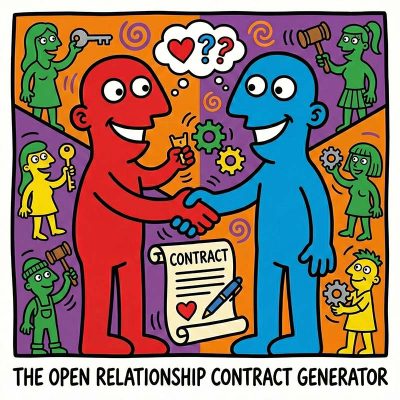
"I thought we agreed" is the sentence that destroys relationships & marriages. Relying on verbal promises when emotions run high is a gamble you cannot afford to lose. Your memory isn't just faulty; it's a liability. Ambiguity is the oxygen that jealousy breathes, turning "freedom" into a minefield of "did I mess up?"
This generator transforms vague permissions into a concrete, signed reality. Stop arguing about what you thought was said and lean on what is written. Secure your boundaries in ink, not hope.
The ethics of ENM and how to address imbalances
Ethical non monogamy is not a free for all. The ethical backbone of ENM rests on consent honesty transparency and care. When power imbalances appear the ethical move is to pause and examine what is happening and how the dynamic can be adjusted to protect everyone involved. Here are core ethical practices that help keep ENM relationships healthy even when imbalances exist.
- Consent as ongoing dialogue Consent is not a one time check it is a continuing process that evolves as relationships grow and circumstances change. Regular check ins and explicit consent for new activities or partners prevent drift into coercion or pressure.
- Open transparent communication share relevant information about boundaries safety plans and expectations. When information is withheld there is a risk of misinterpretation and harm.
- Mutual respect for boundaries Boundaries ensure emotional safety and agency. Each person should feel free to state limits without fear of punitive reactions.
- Fair distribution of tasks and energy If someone bears more emotional labor or scheduling responsibility discuss a shift in responsibilities or compensate with support and appreciation.
- Accountability and humility If you realize you crossed a boundary or overstepped a limit own it apologize clearly and adjust your behavior. This work is ongoing not a one time event.
- Inclusion and accessibility Make spaces and conversations accessible to all. This includes language that invites rather than excludes and formats that accommodate diverse needs.
- Safety and risk management Talk about safety including sex safety consent safety in social settings and safety planning in case of harassment or discrimination.
Practical tools to reduce power imbalances
Here is a toolbox you can apply in real life to make ENM more equitable and respectful for everyone involved. Use these ideas as building blocks for your own agreements and rituals.
- Regular relationship health checks Schedule a recurring moment every few weeks or months to reflect on how power and privilege feel in the dynamic. Use a structured format to share concerns and celebrate wins.
- Clear labeling and de labeling of roles Distinguish between emotional ties and practical commitments avoid rigid hierarchies that trap people into boxed roles. Stay flexible about who is primary or secondary depending on needs and consent.
- Explicit economic fairness agreements Decide how shared costs are handled who pays for what which dates events or therapies and what happens if circumstances change. Make arrangements that do not isolate or punish anyone for financial differences.
- Time banking and energy budgets Create a system where partners contribute time energy and attention into a shared pool and draw from it when needed. This makes planning fairer and reduces one side carrying most of the load.
- Accessible spaces and inclusive language Ensure events are physically accessible and that language used in conversations is inclusive and non judgmental. This helps people feel seen and valued.
- Structured consent frameworks Use consent tools that are clear and easy to revisit. Example prompts include Are you comfortable with this new activity What boundaries would you like to set and do you want a check in later on this topic.
- Conflict resolution protocols Agree in advance on how to handle disagreements without escalating into blame or coercion. This might include cooling off periods a designated mediator or a structured discussion format.
Scenarios that illustrate power imbalances and how to respond
Real world scenarios help make these concepts tangible. The aim here is not to shame but to illuminate hidden dynamics and practice better moves. Each scenario ends with practical actions you can take to rebalance power and strengthen consent care and respect.
Scenario one time pressure and access to information
Alex has a long term partner after a complex history with friends with benefits. Alex began dating Casey who has similar values but Casey works a job with irregular hours and travels often. Alex holds a shared calendar and has been the point person for booking dates and discussing safe sex protocols. When Casey asks to join a new couple they met online they want a detailed plan and clear consent from all involved. The issue arises because Alex has more access to up to date information on sexual health and past experiences which gives them a quiet power in the negotiation. Casey senses the imbalance and asks for more inclusive conversations with the group and for a copy of all safety protocols regardless of who generates them. The healthy move is to pause the negotiation ask for input from everyone including Casey and review all documents together ensuring equal access for all participants.
Scenario two money dynamics and gatekeeping experiences
Kira shares a home with a long term partner and occasionally hosts play nights. A partner new to the scene wants to come to a group event but there is a cost for attendance and a sliding scale option. Kira often pays for the space drinks and activities while another partner has more disposable income and can cover their own share plus extras. This creates a subtle gatekeeping effect where the partner with less money feels excluded based on ability to pay. A fair response is to restructure how costs are shared maybe by creating a transparent budget and offering scholarships or waivers for those who cannot pay. Increasing access reduces the power of money to act as a barrier and affirms that everyone belongs.
Scenario three racial or gender bias in dating scripts
In a dating circle one person notices that their partner tends to pursue partners who fit a certain appearance focusing on gender or racial stereotypes. The dynamic can create a sense of invisibility for others and push people out of the conversation. The ethical move is to call out patterns gently and invite a broader range of partners while prioritizing consent and safety. The group could establish ground rules for respect inclusive language and a process for addressing concerns when someone feels marginalized.
Scenario four hierarchy regret and boundary creep
Two partners borrow energy and time from a third partner repeatedly without asking for consent or adjusting boundaries. The third partner starts to feel overwhelmed and used and begins to pull away. A healthy response is to call the behavior out in a non accusatory way and propose a reset of boundaries or even a temporary pause in certain activities to rebuild trust. The key is to name the feeling and propose a practical plan to restore balance and ensure all voices are heard equally.
Self work and accountability
Rooted in humility this section focuses on personal growth that reduces harm and supports all partners. Power dynamics are often shaped by unexamined habits so the work starts with you. Here are practical steps you can take to increase awareness and shift behavior in constructive directions.
- Shadow mapping Reflect on your own privileges and biases. Identify where your identities might shield you from consequences and where you benefit from unearned advantages. This is a personal audit not a guilt trip.
- Ask for feedback Invite feedback from all partners about how you show up and what could be done differently. Listen without defending your role and commit to making changes.
- Practice transparent negotiations Document key agreements and revisit them regularly. Transparency helps reduce misunderstandings and unintended power moves.
- Develop assertive communication Learn to express needs clearly while respecting others boundaries. This reduces the chance of coercion or manipulation even in heated moments.
- Build supportive networks Create spaces with mentors peers or therapists who can provide guidance and accountability outside the core group.
Building healthier agreements in ENM
The aim is not to restrain desire but to align it with consent care and fairness. Agreements are living documents that adapt as people grow and life shifts. Use these prompts to craft agreements that feel fair to everyone involved.
- Open topic sessions Set a regular slot to discuss relationships dynamics and any new concerns that arise. Fresh topics deserve a chance to be explored safely rather than buried.
- Equitable scheduling rules Create a policy for how dates are planned who gets priority and how conflicts are resolved. Ensure every voice is heard before decisions are finalized.
- Safety first approach Include explicit consent for sexual activities safety protocols and limits on what is ok to explore in any given phase of the relationship.
- Resource sharing plan Agree on how money time and energy are shared and what adjustments happen if circumstances change such as job loss or a move.
- Clear transitions If a relationship changes status or ends ensure a respectful process for rebalancing the group and preserving dignity for everyone involved.
Glossary of useful terms and acronyms
Here are key terms you will encounter in ENM spaces along with simple explanations to keep everyone on the same page.
- ENM Ethical Non Monogamy a broad umbrella term for relationship styles that involve consensual non monogamy rather than monogamy only.
- Ethical non monogamy The practice of forming intimate or sexual relationships with the knowledge and consent of all involved.
- Primary partner The partner who is often considered the central or main relationship in a given network.
- Secondary partner A partner who is connected to a person but is not the primary partner in terms of time and energy commitments in a given setup.
- Compersion A feeling of joy when a partner experiences happiness with someone else even if you are not directly involved.
- Boundary A limit that a person sets to protect their wellbeing or comfort in a relationship or activity.
- Consent A clear yes given freely and informed for a specific act or situation that is reversible at any time.
- Kink A range of consensual erotic practices that may involve power exchange or role play as part of sexual expression.
- Power dynamics The ways in which control or influence over decisions and outcomes flows between people in a relationship.
- Privilege Unearned advantages due to identity or position that influence treatment in society and relationships.
- Emotional labor The mental work involved in managing emotions handling conversations and maintaining relationships for others.
- Safety protocols Steps and rules designed to protect physical and emotional wellbeing during sexual or intimate activities.
- Gatekeeping The act of controlling access to resources or spaces often unintentionally creating barriers for others.
- Trauma informed practice An approach that recognises past trauma and aims to avoid retraumatization while supporting healing and safety.
- Capacity The available time energy and emotional space a person has to invest in relationships at a given moment.
- Negotiation A process of discussion to reach mutually agreeable terms about boundaries activities and commitments.
Frequently asked questions
What counts as a power imbalance in ENM
A power imbalance occurs when one person can influence outcomes more easily due to resources status or social dynamics and others have less voice or protection. It shows up in decisions about time money or safety and it can shape how people experience consent and autonomy.
How can I tell if I am contributing to an imbalance without realizing it
Look for patterns such as one person consistently making plans and others feeling left out or pressure to accept activities that raise concerns. Regular check ins and open questions like are you comfortable with this help surface hidden issues and create space to adjust.
What should I do if I identify a power imbalance in my ENM group
Pause the activity review the agreements with all parties present and discuss adjustments. You may redistribute tasks reset boundaries update safety protocols or bring in a neutral facilitator for the conversation. The goal is a fair solution that protects wellbeing and consent.
Can privilege be a positive force in ENM
Privilege is not inherently good or bad it is a reality. The healthy move is to acknowledge privilege when it shows up and use that awareness to expand access for others empower them and ensure equitable participation rather than to shield yourself from accountability.
Is it possible to fully remove power imbalances
Complete removal is unlikely because human dynamics are complex. The aim is ongoing awareness and continuous adjustment. Small consistent changes over time can create a much fairer and more caring ENM environment.
How often should we revisit our ENM agreements
Set a regular cadence such as every one to three months plus after any major life change. Also schedule a quick check in after a new partner is introduced or after a boundary is tested to confirm it still works for everyone.
What if someone feels unsafe
Take it seriously. Ensure there are clear steps for reporting concerns and maintaining safety. If needed pause activities totals until concerns are addressed. If someone is in immediate danger contact appropriate local services.
Are there resources to learn more about ENM ethics
Yes explore books on ethical non monogamy consent and relationship ethics as well as qualified therapy and education spaces. Look for resources that emphasize consent trauma informed practice and inclusive language.
The freedom of an open relationship sounds incredible, but the logistics can feel like holding a grenade. That spinning "what if" anxiety isn't paranoia, it’s your survival instinct warning you that your bond is exposed. "Just seeing what happens" is the fastest way to turn a fantasy into a breakup.
The Essential Guide replaces chaos with discipline. We give you the blueprints, jealousy protocols, and repair scripts needed to explore the edge without falling off. Don't guess. Secure your foundation first.
The world of non-monogamy is a maze of confusing labels. Trying to be "Polyamorous" when your heart actually needs "Swinging" isn't just a vocabulary error; it’s a recipe for misery.
You can't build a stable home on a foundation that doesn't fit your psychology. This tool analyzes your emotional bandwidth and jealousy triggers to design the exact structure you need. Stop trying to squeeze into a box that doesn't fit. Build a relationship that actually feels like home.
Opening up feels exciting, but if you aren't reading from the same script, you're writing a tragedy. The disconnect between "I want freedom" and "I want safety" is where hearts break. This isn't just a quiz; it’s a synchronization engine.
We identify the silent gaps in your desires—from sleepover rules to emotional bandwidth, before they become unbridgeable chasms. Don't wait until the damage is done to find out you were never on the same page. Align your compasses now.
Theory is sexy. Reality is messy. You agreed you could date others, but how does your stomach drop when he takes her to your anniversary spot? Or when she comes home smelling like someone else?
This simulator drags your abstract rules into the harsh light of day. We force you to confront the visceral, gut-wrenching scenarios that actually destroy relationships, before they happen. Test your nervous system in the simulator so you don't crash the car in real life.
The fantasy is endless romance. The reality? It’s a logistical nightmare. Dating isn't just sex; it’s a second job of swiping, spending, and emotional processing that drains your sanity. Underestimating the "admin" of non-monogamy is the fastest way to turn your relationship into a burnout factory where resentment thrives.
This calculator forces you to confront the brutal math of your time, energy, and wallet. Can you actually afford this lifestyle, or are you just signing up for exhaustion?
"I thought we agreed" is the sentence that destroys relationships & marriages. Relying on verbal promises when emotions run high is a gamble you cannot afford to lose. Your memory isn't just faulty; it's a liability. Ambiguity is the oxygen that jealousy breathes, turning "freedom" into a minefield of "did I mess up?"
This generator transforms vague permissions into a concrete, signed reality. Stop arguing about what you thought was said and lean on what is written. Secure your boundaries in ink, not hope.
