
Pregnancy and Fertility Conversations


If you are navigating pregnancy in an ethical non monogamy or nonmonogamous relationship setup, you are not alone. ENM is about consent honesty and communication and that trio of values becomes essential when fertility and parenting are on the table. This guide is designed to help you talk clearly with partners across a polycule or with a new partner about pregnancy fertility contraception and parenting. It is written in a down to earth voice with practical steps and plenty of examples. We explain terms and acronyms so you can speak confidently even if you are new to ENM or to big life questions like starting a family.
Quick Links to Useful Sections
- What ENM means for pregnancy and fertility
- Key terms and acronyms you may encounter
- How pregnancy can shift ENM dynamics
- Starting conversations about pregnancy fertility and ENM boundaries
- 1. Set the time and place
- 2. Share your current feelings and needs
- 3. Clarify goals and boundaries
- 4. Decide on a preliminary plan
- 5. Check in and revise
- Conversation templates you can use in real life
- Template A: Talking to a primary partner about pregnancy
- Template B: Including a secondary partner in the conversation
- Template C: If you are discussing donor options or surrogacy
- Template D: Disclosing new pregnancy news to a polycule
- Realistic scenarios and how to navigate them
- Medical and fertility planning in ENM contexts
- Contraception and pregnancy risk management in ENM
- Legal and financial considerations for ENM families
- Parenting in ENM households
- Handling stigma and nervous clients or partners
- Practical tools for ongoing conversations
- Glossary of useful terms and acronyms
- Frequently asked questions
Before we dive in a quick orientation. ENM stands for ethical non monogamy. Some people also use the term CNM Consensual Non Monogamy but we will keep ENM as our shorthand here. The goal is to create spaces where all adults involved can consent to roles boundaries and expectations. When pregnancy or fertility enters the picture those conversations must be explicit open and ongoing. Emotions will ride shotgun and that is normal. The aim is to move from reaction to planning with empathy humor and practical steps.
What ENM means for pregnancy and fertility
In a traditional monogamous setup pregnancy planning and fertility talk usually involve two people at most. In ethical non monogamy you may have several adults with a say in how fertility decisions unfold. You could be in a couple but your partner may also have a long term partner or a short term partner who is part of the family plan. You might be part of a polycule with more than two adults who want to share or co parent. You might be exploring donor options or surrogacy as well. The shared thread through all of this is consent communication and clarity about roles responsibilities and expectations.
Key point number one. You must have ongoing consent for each step in fertility planning. Consent is not a one time checkbox. It is a living agreement that can change when life changes. Key point number two. Boundaries in ENM are not walls they are flexible agreements that adapt as needs evolve. Boundaries help everyone feel safe and respected even when a plan shifts. Boundaries can include who is involved in medical decisions who is informed who helps with childcare and how intimate boundaries apply during pregnancy when energy levels fluctuate and when medical needs require privacy.
Pregnancy affects every relationship in a polycule in unique ways. For some people pregnancy intensifies connection for others it shifts dynamics and for some it changes sexual and emotional boundaries. The best approach is to talk early talk often and document agreements in a simple way that all adults can refer back to. We will share concrete scripts and scenarios later in this guide. For now keep in mind that pregnancy is a life event that deserves special attention and care for everyone involved.
Key terms and acronyms you may encounter
- ENM Ethical non monogamy. A framework that values consent clear communication and ongoing negotiation of boundaries.
- CNM Consensual non monogamy. Often used interchangeably with ENM in some communities though some people see CNM as a subset of ENM.
- Nonmonogamy An umbrella term describing relationship structures that involve more than two consenting adults.
- Polycules A network of relationships connected through one or more individuals often with multiple partners.
- Compersion A feeling of joy when a partner experiences happiness with someone else. The opposite of envy.
- Jealousy mapping A technique for identifying the roots of jealousy and addressing underlying needs.
- Boundaries Agreements about what is allowed who is involved what information is shared and how decisions are made.
- Contraception Methods to prevent pregnancy. Important in ENM to coordinate as needed with all partners who may become pregnant or cause pregnancy.
- Fertility options Approaches to starting a family including natural conception assisted reproductive technologies donor options and surrogacy.
- Co parenting Shared parenting arrangements that can occur across a polycule with or without a formal legal structure.

The freedom of an open relationship sounds incredible, but the logistics can feel like holding a grenade. That spinning "what if" anxiety isn't paranoia, it’s your survival instinct warning you that your bond is exposed. "Just seeing what happens" is the fastest way to turn a fantasy into a breakup.
The Essential Guide replaces chaos with discipline. We give you the blueprints, jealousy protocols, and repair scripts needed to explore the edge without falling off. Don't guess. Secure your foundation first.
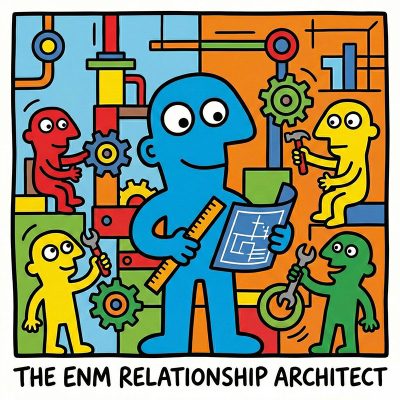
The world of non-monogamy is a maze of confusing labels. Trying to be "Polyamorous" when your heart actually needs "Swinging" isn't just a vocabulary error; it’s a recipe for misery.
You can't build a stable home on a foundation that doesn't fit your psychology. This tool analyzes your emotional bandwidth and jealousy triggers to design the exact structure you need. Stop trying to squeeze into a box that doesn't fit. Build a relationship that actually feels like home.
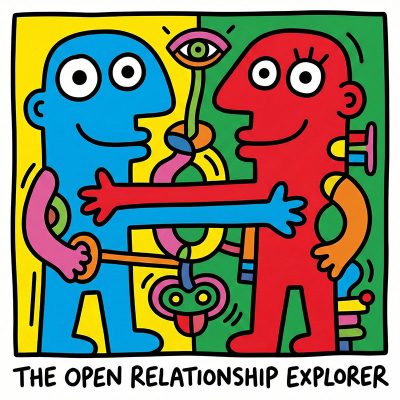
Opening up feels exciting, but if you aren't reading from the same script, you're writing a tragedy. The disconnect between "I want freedom" and "I want safety" is where hearts break. This isn't just a quiz; it’s a synchronization engine.
We identify the silent gaps in your desires—from sleepover rules to emotional bandwidth, before they become unbridgeable chasms. Don't wait until the damage is done to find out you were never on the same page. Align your compasses now.
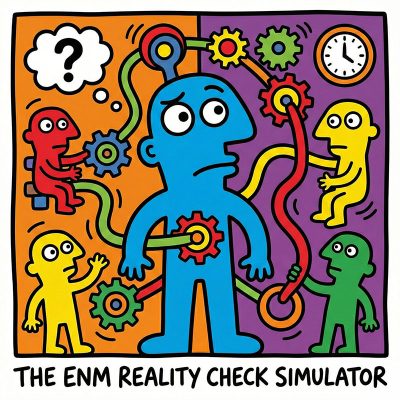
Theory is sexy. Reality is messy. You agreed you could date others, but how does your stomach drop when he takes her to your anniversary spot? Or when she comes home smelling like someone else?
This simulator drags your abstract rules into the harsh light of day. We force you to confront the visceral, gut-wrenching scenarios that actually destroy relationships, before they happen. Test your nervous system in the simulator so you don't crash the car in real life.

The fantasy is endless romance. The reality? It’s a logistical nightmare. Dating isn't just sex; it’s a second job of swiping, spending, and emotional processing that drains your sanity. Underestimating the "admin" of non-monogamy is the fastest way to turn your relationship into a burnout factory where resentment thrives.
This calculator forces you to confront the brutal math of your time, energy, and wallet. Can you actually afford this lifestyle, or are you just signing up for exhaustion?
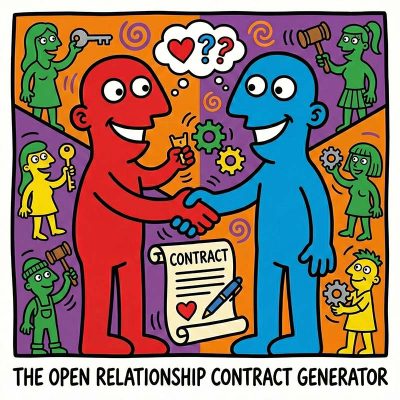
"I thought we agreed" is the sentence that destroys relationships & marriages. Relying on verbal promises when emotions run high is a gamble you cannot afford to lose. Your memory isn't just faulty; it's a liability. Ambiguity is the oxygen that jealousy breathes, turning "freedom" into a minefield of "did I mess up?"
This generator transforms vague permissions into a concrete, signed reality. Stop arguing about what you thought was said and lean on what is written. Secure your boundaries in ink, not hope.
How pregnancy can shift ENM dynamics
Pregnancy changes energy levels health needs and priorities. It can shift the balance of attention time and emotional closeness among partners. Here are some common patterns you might see in ENM or nonmonogamous setups:
- Increased need for practical support. A pregnant partner may require more help with daily tasks medical appointments and decision making.
- New boundaries around intimacy. Some partners may want to slow down or pause sexual activities with certain partners during pregnancy while others may want to maintain sexual connections with informed consent and clear communication.
- Focus on safety and health. Medical visits tests genetic screening or fertility considerations may involve a broader set of people in the polycule who are willing to participate or offer support.
- Communication becomes more critical. Regular check ins with all involved partners help prevent misreads and misinterpretations that can lead to conflict or hurt feelings.
- Planning for the future. Decisions about parenting co parenting scheduling and roles often require formal agreements and written plans so that everyone understands expectations.
Every ENM family is different. Some people keep very tight core relationships while others expand the circle and treat parenting as a shared adventure with a broad support network. The unifying thread is that every person involved should feel respected heard and included in decisions about pregnancy fertility and parenting to the greatest extent possible.
Starting conversations about pregnancy fertility and ENM boundaries
Conversation is the backbone of ENM and it is especially critical when pregnancy or fertility is on the table. Here is a practical sequence you can use to start the dialogue with a partner or with a polycule. Think of this as a living framework you revisit as things evolve.
1. Set the time and place
Choose a calm moment without the pressure of an emergency or a heated moment. Turn off distractions. The goal is to create a space where everyone can listen and be heard without fear of interruption. You might say I want to talk about pregnancy and fertility and I would like us all to be present and engaged. If you feel uncertain about the group you can start with your primary partner first and then expand to others after you both feel ready.
2. Share your current feelings and needs
Be honest about where you are emotionally and practically. You might say I am considering pregnancy options and I want to hear how you feel about expanding our family timeline. I may need more information about fertility options and I want to know your boundaries around involvement with other partners during pregnancy. Invite others to share their perspectives and needs as well.
3. Clarify goals and boundaries
Set clear goals for the next steps. For example our goal is to decide whether to pursue pregnancy within the next six to twelve months and to clarify who in our circle would be involved if we move forward. Boundaries can include who is informed about medical decisions who participates in any fertility related activities and how we handle scheduling during pregnancy.
4. Decide on a preliminary plan
Agree on a rough plan including timelines for information gathering medical consultations and a follow up conversation. A good practice is to document the plan in a simple shared note or document. This makes it easier for everyone to stay aligned and reduces the chance of miscommunication.
5. Check in and revise
Set a reminder to revisit the conversation within a few weeks. People change their minds and life circumstances shift. Ongoing check ins help ensure that the plan remains aligned with everyone s needs and desires.
Conversation templates you can use in real life
Below are practical scripts you can adapt for different situations. Feel free to tweak language to fit your relationship dynamics and cultural context. The goal is clear honest communication not perfect language.
Template A: Talking to a primary partner about pregnancy
Hi I want to talk about something important. I am thinking about pregnancy options and I want to know how you feel about this. I value our relationship and your input matters. What are your thoughts on expanding our family and how would you like to be involved in decisions about fertility and parenting? I want us to be clear about boundaries and about how we inform other partners if we decide to pursue fertility options.
Template B: Including a secondary partner in the conversation
Thanks for joining this chat. Our family planning is shifting as we consider pregnancy. Your perspective matters because you are part of our life in a meaningful way. How do you feel about involvement in fertility decisions and what boundaries would you want to set regarding medical information and attendance at appointments? If we move forward would you be comfortable with being involved in parenting arrangements or in support roles we might plan for later?
Template C: If you are discussing donor options or surrogacy
We have a few options we want to explore including donor sperm egg or embryo options and possible surrogacy. We would like to know your comfort level with each option and any concerns you might have about legal responsibilities and future parental rights. Can we map out a few scenarios together and decide what information needs to be shared with the broader group?
Template D: Disclosing new pregnancy news to a polycule
Exciting news we are expecting. We want to celebrate this together and be mindful of everyone s wellbeing. Here is what we know so far and what we still need to figure out. We will share updates as they come and we will invite input on medical decisions and parenting planning. Please share any concerns or questions you have so we can address them together.
Realistic scenarios and how to navigate them
Scenario 1. A couple in ENM discovers pregnancy while a long term partner is outside the core couple. How to handle? Begin with the core couple s plan then have a targeted check in with the outside partner to share information that is appropriate and to discuss boundaries. Ensure consent is explicit about what information will be shared and who is involved in decision making. Scenario 2. One partner wants a child but another partner feels unsure or reluctant. Approach with empathy. Invite a trial period for information gathering and counseling if needed. Offer time and space for reflection and propose a plan that allows gradual involvement rather than immediate decisions. Scenario 3. A polycule is considering fertility treatments that involve medical procedures. Discuss who will accompany the partner undergoing treatment and what support is needed during and after medical procedures. Ensure financial planning is clear and that everyone understands potential risks and emotional impacts. Scenario 4. A donor or surrogate option is on the table. Have explicit conversations about legal parental rights responsibilities and long term commitments. Involve a lawyer or professional if needed to draft agreements and ensure everyone understands the implications.
Medical and fertility planning in ENM contexts
Medical decisions should be informed and inclusive. You may face a mix of fertility clinics with different policies around ENM arrangements and the involvement of partners who are not the legal parent. It is wise to collect information about:
- Fertility preservation options such as egg or sperm freezing if someone wants to defer pregnancy.
- Donor options including known donors or anonymous donors and any legal implications.
- Surrogacy possibilities including legal parentage and the cost and timeline involved.
- Screening and consent processes for all parties who will be involved in treatments.
- Plans for sharing medical information while protecting privacy and autonomy of each participant.
Source reliability matters here. Work with medical professionals who understand ENM dynamics and who respect all participants as consenting adults. A good clinician can help you craft a plan that prioritizes the wellbeing of the pregnant person while honoring the relationships across the polycule.
Contraception and pregnancy risk management in ENM
Even in ENM relationships pregnancy risk is not a one person concern. If contraception is needed especially when partners have ongoing intimate relationships with others it is important to coordinate. Some ENM setups use layered methods combining barrier methods with hormonal contraception to reduce the chance of unintended pregnancy among multiple partners. Every person who could contribute to a pregnancy should be part of the contraception discussion and decision. Revisit methods if life changes occur or if someone experiences changes in fertility windows.
Legal and financial considerations for ENM families
Legal matters can become complex in ENM families that involve more than two adults. Consider these steps to protect everyone involved:
- Clarify parental rights and responsibilities for all potential caregivers including co parents who are not the biological parent.
- Draft agreements that cover decision making in medical emergencies adoption or guardianship if planned co parenting is pursued.
- Discuss financial planning together including medical costs fertility treatments and child related expenses.
- Consult a lawyer experienced with family law and ENM arrangements to ensure your documents are enforceable.
Parenting in ENM households
Parenting in ENM setups can be incredibly rewarding and also very challenging. The key is to center the child s wellbeing while respecting the adults involved. Practical tips include:
- Develop a shared parenting plan that outlines roles responsibilities and schedule commitments across the polycule.
- Establish a communication routine for co parenting updates and concerns about the child. This can be a weekly check in or a shared digital notebook.
- Be mindful of background conversations about the child. Protect the child s privacy and shield them from unnecessary exposure to adult relationship dynamics.
- Prepare for transitions. Children benefit from clarity and stable routines even when adult relationships are evolving.
Handling stigma and nervous clients or partners
ENM families may face external stigma from friends family or institutions. Staying informed and maintaining a respectful steady approach helps. Arm yourself with education and compassionate communication. When in doubt ask for a quiet space to explain and to invite questions. A calm confident approach often helps others feel more comfortable with ENM family planning and parenting.
Practical tools for ongoing conversations
Use these tools to keep conversations productive and focused. They are designed to reduce miscommunication and to help you navigate emotional moments with care.
- Regular check in cycles. Schedule brief conversations every two to four weeks to revisit plans or decisions about fertility and parenting.
- Shared planning documents. Use a simple online document to track decisions timelines and responsibilities. Ensure all adults have access and can comment.
- Anonymous input option. Provide a way for partners to share concerns or ideas privately before a group discussion.
- Decision making framework. When there are major choices consider using a simple model such as clarify options assess risks and benefits consult others and then decide with consent.
Glossary of useful terms and acronyms
- ENM Ethical non monogamy a relationship framework built on consent honesty and ongoing negotiation.
- Nonmonogamy Relationships that include more than two consenting adults.
- Polycule A network of interconnected relationships often involving many partners.
- Compersion Feeling happiness for a partner while they pursue joy with someone else.
- Boundaries Agreements about what is allowed who is involved and how decisions are made.
- Co parenting Shared parenting responsibilities among multiple adults who may or may not be traditional partners.
- Fertility options A range of possibilities from natural conception to assisted reproduction including donors and surrogacy.
- Surrogacy A legal arrangement where another person carries and delivery a child for intended parents.
- Donor A person who provides genetic material for fertilization either known or anonymous.
- Legal parentage The recognition of a person as a parent by law which may involve birth certificates adoption or court orders.
- Co parenting plan A formal or informal plan detailing parenting responsibilities and arrangements across the ENM network.
Frequently asked questions
How should I start a conversation about pregnancy in ENM without triggering jealousy
Start with your own feelings and intentions and ask others what they need. A simple opening might be I am feeling excited and a little nervous about pregnancy. I want to hear your thoughts and we can figure out together how to support each other through this. Invite questions and acknowledge that feelings might shift over time.
What if one partner wants kids but another partner does not
Respect is essential. Explore the motivations behind both positions and consider a trial period during which you gather information and reflect. If there is no alignment on parenting after exploration you may need to accept a harder boundary and plan for a different future that preserves consent and care for all involved.
How do we involve new partners in pregnancy discussions
New partners should be included only if all existing agreements permit. Keep initial conversations focused on boundaries who informs whom and how medical information will be shared. Introductions should be gradual and respectful with space for the new person to process the information and ask questions.
What are practical steps to address fertility options in an ENM group
Start with a needs assessment for all involved partners who may contribute or be affected. Gather information from clinics about donor options surrogacy and legalities. Create a shared decision making process and document the agreed plan. Schedule regular reviews to adjust as needed.
Should we tell the children about ENM relationships
Children need age appropriate information that centers their wellbeing. It is not necessary to reveal every adult relationship detail. Focus on what the child needs to know about care safety and family structure. When appropriate share that families come in many forms and what matters most is love support and safety.
How do we handle medical emergencies or complicated pregnancies
Involve all relevant adults with clear consent for involvement. Have a medical power of attorney plan and ensure there is a designated point person who coordinates care and keeps everyone informed while respecting privacy and autonomy.
Is there a risk with ENM and legal parentage
Yes potential legal questions can arise especially with surrogacy donor arrangements or multiple parenting roles. Work with a lawyer who understands family law in your jurisdiction and who has experience with ENM families to create robust parentage and custody documents.
How do we communicate about pregnancy announcements within the group
Announcements should be mindful of privacy and emotional readiness of all involved. Give people time to process and offer channels for questions. Share clear information about what has been decided and what the next steps are so everyone knows how they will be informed about future updates.
What if we experience pregnancy loss
Presents a profound emotional challenge for everyone involved. Acknowledge the loss with compassion and provide space for grief. Discuss how information will be shared and what kind of support and roles feel appropriate for each person during this time. Seek outside support when needed such as counseling or support groups.
The freedom of an open relationship sounds incredible, but the logistics can feel like holding a grenade. That spinning "what if" anxiety isn't paranoia, it’s your survival instinct warning you that your bond is exposed. "Just seeing what happens" is the fastest way to turn a fantasy into a breakup.
The Essential Guide replaces chaos with discipline. We give you the blueprints, jealousy protocols, and repair scripts needed to explore the edge without falling off. Don't guess. Secure your foundation first.
The world of non-monogamy is a maze of confusing labels. Trying to be "Polyamorous" when your heart actually needs "Swinging" isn't just a vocabulary error; it’s a recipe for misery.
You can't build a stable home on a foundation that doesn't fit your psychology. This tool analyzes your emotional bandwidth and jealousy triggers to design the exact structure you need. Stop trying to squeeze into a box that doesn't fit. Build a relationship that actually feels like home.
Opening up feels exciting, but if you aren't reading from the same script, you're writing a tragedy. The disconnect between "I want freedom" and "I want safety" is where hearts break. This isn't just a quiz; it’s a synchronization engine.
We identify the silent gaps in your desires—from sleepover rules to emotional bandwidth, before they become unbridgeable chasms. Don't wait until the damage is done to find out you were never on the same page. Align your compasses now.
Theory is sexy. Reality is messy. You agreed you could date others, but how does your stomach drop when he takes her to your anniversary spot? Or when she comes home smelling like someone else?
This simulator drags your abstract rules into the harsh light of day. We force you to confront the visceral, gut-wrenching scenarios that actually destroy relationships, before they happen. Test your nervous system in the simulator so you don't crash the car in real life.
The fantasy is endless romance. The reality? It’s a logistical nightmare. Dating isn't just sex; it’s a second job of swiping, spending, and emotional processing that drains your sanity. Underestimating the "admin" of non-monogamy is the fastest way to turn your relationship into a burnout factory where resentment thrives.
This calculator forces you to confront the brutal math of your time, energy, and wallet. Can you actually afford this lifestyle, or are you just signing up for exhaustion?
"I thought we agreed" is the sentence that destroys relationships & marriages. Relying on verbal promises when emotions run high is a gamble you cannot afford to lose. Your memory isn't just faulty; it's a liability. Ambiguity is the oxygen that jealousy breathes, turning "freedom" into a minefield of "did I mess up?"
This generator transforms vague permissions into a concrete, signed reality. Stop arguing about what you thought was said and lean on what is written. Secure your boundaries in ink, not hope.
