
Psychology and Emotional Work


Ethical non monogamy or ENM is a relationship structure where partners consent to emotional and sexual connections with other people. If that sounds simple in theory it often isn t in practice. The human mind is wired for connection and novelty creates extra layers of emotional demand. In this guide we break down the psychology behind ENM and offer practical tools to manage the emotional work that comes with it. Think of this as a friendly playbook from someone who has done the math and lived to tell the story with humor and honesty.
Quick Links to Useful Sections
- What ENM means and why psychology matters
- Key terms you should know
- Why ENM can intensify emotional work
- What makes emotional work tough in ENM
- Foundational psychological concepts in ENM
- Attachment styles and ENM
- Internalized monogamy and belief systems
- Jealousy as information
- Compersion as a practice
- Structure your emotional work for ENM success
- Communication frameworks that work
- Practical tools for emotional labor
- Boundaries and agreements in ENM
- Must no s and must s in ENM
- Soft boundaries and negotiables
- Negotiation basics
- Real world ENM scenarios and psychological dynamics
- Scenario 1 daily life in a Vee arrangement
- Scenario 2 a new partner enters the dynamic
- Scenario 3 long distance ENM
- Scenario 4 compassionate boundaries with a meta partner
- Scenario 5 dealing with societal judgment
- Self care and mental health in ENM
- Therapy and ENM
- Mindfulness and emotional regulation practices
- Community and support
- Red flags and when to pause
- Practical takeaways you can apply this week
- Glossary of useful ENM psychology terms
- Frequently asked questions
What ENM means and why psychology matters
ENM stands for ethical non monogamy. It is a broad umbrella that includes polyamory open relationships swinging and other configurations where multiple romantic or sexual connections are allowed with everyone s knowledge and consent. Psychology matters here because relationships are ultimately a dance between
humans emotions identities needs and boundaries. The way people think about love attachment trust and time can either unlock freedom or create friction. Understanding the psychology behind ENM helps you navigate jealousy miscommunication and the inevitable push and pull that comes with expanding your intimate world.
Key terms you should know
- ENM Ethical non monogamy a relationship style where all partners agree that more than one romantic or sexual relationship can occur.
- Polyamory A form of ENM where partners have multiple loving relationships simultaneously with the knowledge and consent of everyone involved.
- Ethical Acting with honesty openness and respect for others boundaries and feelings.
- Compersion Feeling joy when another partner experiences happiness or pleasure with someone else. The opposite of jealousy in many cases.
- Jealousy A natural emotion that can signal insecurity fear of loss or unmet needs. It becomes a problem when it is not acknowledged or managed.
- Attachment style A framework from psychology describing how people form emotional bonds. Common styles include secure anxious avoidant and disorganized and each affects ENM dynamics differently.
- Emotional labor The mental load involved in managing feelings communication scheduling and relationship logistics for multiple people.
Why ENM can intensify emotional work
In mono relationships the emotional load is often shared between two people. ENM increases the number of people who need care and the number of interactions that require thoughtful communication. You might be coordinating with a partner about safe sex needs one night with someone else another partner s schedule a friend who is an ex who is now a co parent or even a meta partner a term that describes another partner within the same relationship network. All this adds up to more conversations more check ins more rules and more negotiation. The good news is that with clear communication and healthy boundaries you can convert this complexity into growth and deeper connection.
What makes emotional work tough in ENM
- Time and attention allocation across several relationships that may have different needs and intensities.
- Managing fears related to jealousy and the sense of not being enough or being replaced.
- Balancing ethical transparency with personal privacy and the right to emotional autonomy.
- Navigating the expectations created by past monogamous norms and internalized beliefs about love and ownership.
- Dealing with external opinions from family friends or society that may misunderstand ENM.
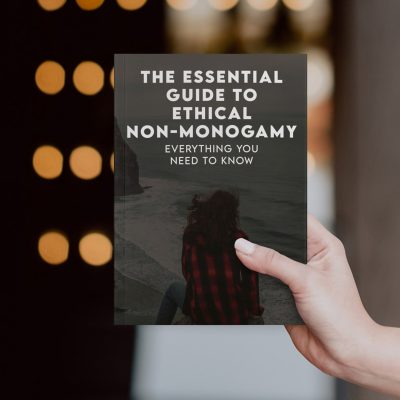
The freedom of an open relationship sounds incredible, but the logistics can feel like holding a grenade. That spinning "what if" anxiety isn't paranoia, it’s your survival instinct warning you that your bond is exposed. "Just seeing what happens" is the fastest way to turn a fantasy into a breakup.
The Essential Guide replaces chaos with discipline. We give you the blueprints, jealousy protocols, and repair scripts needed to explore the edge without falling off. Don't guess. Secure your foundation first.
The world of non-monogamy is a maze of confusing labels. Trying to be "Polyamorous" when your heart actually needs "Swinging" isn't just a vocabulary error; it’s a recipe for misery.
You can't build a stable home on a foundation that doesn't fit your psychology. This tool analyzes your emotional bandwidth and jealousy triggers to design the exact structure you need. Stop trying to squeeze into a box that doesn't fit. Build a relationship that actually feels like home.
Opening up feels exciting, but if you aren't reading from the same script, you're writing a tragedy. The disconnect between "I want freedom" and "I want safety" is where hearts break. This isn't just a quiz; it’s a synchronization engine.
We identify the silent gaps in your desires—from sleepover rules to emotional bandwidth, before they become unbridgeable chasms. Don't wait until the damage is done to find out you were never on the same page. Align your compasses now.
Theory is sexy. Reality is messy. You agreed you could date others, but how does your stomach drop when he takes her to your anniversary spot? Or when she comes home smelling like someone else?
This simulator drags your abstract rules into the harsh light of day. We force you to confront the visceral, gut-wrenching scenarios that actually destroy relationships, before they happen. Test your nervous system in the simulator so you don't crash the car in real life.
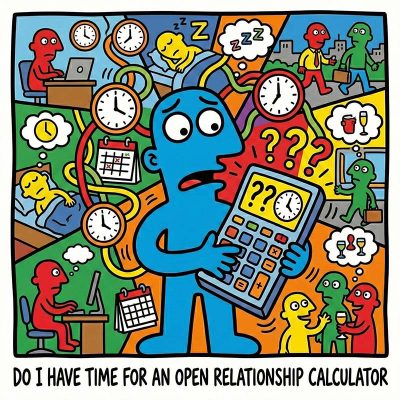
The fantasy is endless romance. The reality? It’s a logistical nightmare. Dating isn't just sex; it’s a second job of swiping, spending, and emotional processing that drains your sanity. Underestimating the "admin" of non-monogamy is the fastest way to turn your relationship into a burnout factory where resentment thrives.
This calculator forces you to confront the brutal math of your time, energy, and wallet. Can you actually afford this lifestyle, or are you just signing up for exhaustion?
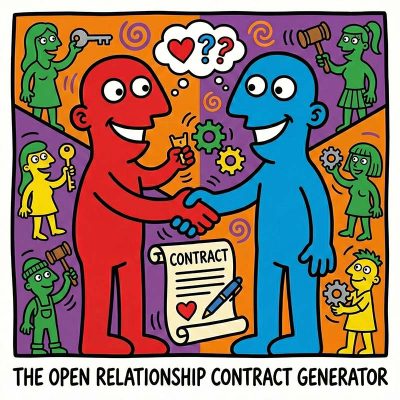
"I thought we agreed" is the sentence that destroys relationships & marriages. Relying on verbal promises when emotions run high is a gamble you cannot afford to lose. Your memory isn't just faulty; it's a liability. Ambiguity is the oxygen that jealousy breathes, turning "freedom" into a minefield of "did I mess up?"
This generator transforms vague permissions into a concrete, signed reality. Stop arguing about what you thought was said and lean on what is written. Secure your boundaries in ink, not hope.
Foundational psychological concepts in ENM
Grounding your ENM practice in solid psychology helps you interpret feelings and choose healthier actions. Below are concepts commonly used in ENM communities and therapy circles.
Attachment styles and ENM
Your attachment style shapes how you experience closeness independence and vulnerability. People with secure attachment tend to communicate openly and regulate emotions effectively. Those with anxious attachment may fear abandonment and require more reassurance. Avoidant types may struggle with closeness feeling overwhelmed by too much emotional sharing. In ENM the mix of attachment styles across partners can either create a rich ecosystem of support or become a source of tension. The goal is to cultivate secure anchored patterns across the network through consistent communication and dependable boundaries.
Internalized monogamy and belief systems
Internalized monogamy is the belief that monogamy is the only healthy way to love. Many people arrive in ENM carrying implicit rules about ownership time and exclusivity learned from culture family or past relationships. Recognizing these beliefs and deciding which ones serve your current goals is a vital step in healthy ENM practice. You can choose new narratives that emphasize trust consent and shared joy rather than control or fear.
Jealousy as information
Jealousy is not the enemy it is a signal that a need is unmet or a boundary is being tested. When jealousy arises in ENM the first step is naming what you feel and what you want. Do not shame yourself for feeling jealous. Instead explore the underlying need such as closeness time reassurance or safety. This shift from self blame to self inquiry is powerful in reducing defensiveness and opening up constructive dialogue.
Compersion as a practice
Compersion is the experience of finding happiness in your partner s joy with someone else. It is not mandatory in ENM but it is a widely valued skill. Cultivating compersion involves reframing and celebrating your partner s happiness and recognizing that another relationship does not diminish your own value or the strength of your bond. It grows with honest communication and a strong sense of self trust.
Structure your emotional work for ENM success
Emotional work in ENM is not a mystery box. It is a set of practices you can implement to support yourself and your partners. The aim is to reduce guesswork and increase clarity transparency and compassion.
Communication frameworks that work
Clear communication is the backbone of ENM. Here are practical frameworks you can use daily.
- Nonviolent Communication NVC Focus on observations feelings needs and requests. This method helps separate judgments from feelings and makes requests concrete rather than vague demands.
- Regular check ins Schedule informal check ins weekly or bi weekly with each partner and a longer multi person session every month or two to review agreements and mood trends.
- Meta communication Discuss how the network is functioning as a whole. Address scheduling fairness emotional load distribution and any boundary tensions.
- Active listening Reflect back what you heard to ensure understanding and show empathy rather than immediately offering solutions.
Practical tools for emotional labor
- Emotion naming Practice labeling feelings aloud or in a journal. Naming reduces intensity and makes it easier to address needs.
- Emotion timelines Track how your feelings shift over days or weeks around events like dates with other partners or transitions in a primary relationship.
- Needs framework When you name a feeling also name the underlying need that is connected to it. Then request something specific that could meet that need.
- Boundary mapping Create a living map of musts and negotiables. Revisit and revise as relationships evolve.
- Time boxing Allocate specific times for different relationships to avoid neglect and to protect personal well being.
Boundaries and agreements in ENM
Boundaries are not penalties they are guard rails that help you stay safe and true to your values. Agreements are negotiated understandings about how relationships will operate. Both should be revisited as life changes.
Must no s and must s in ENM
- Must no s Boundaries you will not cross such as dating someone who is in a long term relationship with someone else without consent or sharing private information you are not comfortable sharing.
- Must s Core commitments you insist on like honesty confidentiality consent for certain kinds of activities or agreed safety practices.
Soft boundaries and negotiables
Soft boundaries can shift with context. Examples include how often you want to see a new partner how much detail you want to share about dates or when you want to introduce a new partner to your family. These are dynamic and should be reviewed regularly.
Negotiation basics
- Begin with your own needs and feelings before bringing in others
- Seek win win outcomes that respect everyone s autonomy
- Be explicit about time and energy limits especially if you have a busy life or other commitments
- Document agreements in writing whether a simple text thread a shared document or email
Real world ENM scenarios and psychological dynamics
Here are some common situations and how psychology can guide you toward healthier choices. These examples are designed to be practical not theoretical.
Scenario 1 daily life in a Vee arrangement
In a Vee one person is the hinge while two others connect with that person separately. Emotions can run high because the hinge holds a large load. Regular check ins with both partners help prevent one side from feeling left out. Use scheduling tools to ensure no one feels neglected and create shared rituals that keep you all connected. If jealousy arises ask what need is not being met and discuss concrete actions to meet it such as more time together or more transparency about schedules.
Scenario 2 a new partner enters the dynamic
New partner introductions change the emotional landscape for everyone. It is common to feel a mix of curiosity excitement and insecurity. The psychology tip here is to practice deliberate empathy to acknowledge others feelings while protecting your own needs. Set a clear trial period during which communication is intensified and boundaries are tested in small ways such as limited frequency of dates or limited sharing of intimate details until all parties feel comfortable.
Scenario 3 long distance ENM
Long distance adds complexity to emotional work because the absence of physical presence can amplify insecurity. Maintain promise based communication keep a predictable rhythm and practice asynchronous check ins. Use shared calendars and designated times for virtual dates. The mental health lesson is to normalize loneliness without letting it define self worth or the relationship. Focus on building a secure internal sense of self while relying on trusted partners for support when needed.
Scenario 4 compassionate boundaries with a meta partner
A meta partner is another romantic partner who shares the same primary partner or a similar network. Transitions can trigger feeling like the network is expanding into private space. Address this with explicit boundary talks treat your meta relationship as part of the whole system and keep an eye on how information is shared between all parties. When in doubt talk it out and keep transparency the default while honoring privacy boundaries.
Scenario 5 dealing with societal judgment
ENM sometimes attracts outside criticism from family friends or society. Psychology suggests strengthening internal validation and creating supportive external networks. Seek communities or therapists who understand ENM. Build a simple response plan for outside questions that keeps your privacy intact while politely educating others about your choices.
Self care and mental health in ENM
Emotional work does not have to exhaust you. Self care and professional support are essential. The goal is sustainable growth that feels good and respects everyone involved.
Therapy and ENM
A therapist who understands ENM can help you explore attachment patterns negotiate boundaries and process jealousy in a constructive way. Look for therapists who express openness to non traditional relationship structures and who use non judgmental language. Individual therapy can improve self esteem while couples or group therapy can help align expectations across the network.
Mindfulness and emotional regulation practices
Mindfulness meditation journaling and body awareness techniques can reduce reactivity and increase clarity. A simple daily practice of 10 minutes can make a big difference in how you respond to triggers.
Community and support
Having a trusted circle who understands ENM can reduce isolation. Consider joining online communities or local groups that offer peer support and practical tips. Sharing experiences with others who navigate similar dynamics can be incredibly validating and instructive.
Red flags and when to pause
Healthy ENM growth includes recognizing warning signs that a situation may be harmful. If you consistently feel unsafe unheard disrespected or overwhelmed to the point of affecting daily functioning it may be time to pause reassess or seek professional support. Common red flags include persistent control attempts fears of abandonment that lead to coercive behavior or repeated boundary violations without repair.
Practical takeaways you can apply this week
- Set a weekly mood check in with yourself and each partner and use a simple scale from 1 to 5 to rate how the relationship feels.
- Practice naming without blaming. For example say I feel anxious about this because I need more reassurance and time together not you always do this.
- Document boundaries and agreements in a single shared file and review them monthly or after any major life change.
- Create a jealousy to information map. Write down what jealousy is telling you and what action would satisfy the underlying need.
- Schedule protected time for yourself each week to recharge without relationship obligations so you do not burn out.
Glossary of useful ENM psychology terms
- ENM Ethical non monogamy a relationship practice that emphasizes consent honesty and communication across multiple relationships.
- Polyamory A form of ENM involving multiple loving relationships simultaneously with consent of all involved.
- Compersion Joy in your partner s happiness with another person.
- Jealousy An emotion that signals unmet needs or fears of loss and can be managed with healthy strategies.
- Attachment style A pattern of how you give and receive closeness often formed in childhood and carried into adult relationships.
- Emotional labor The effort involved in managing others feelings expectations and logistics for several relationships.
- Internalized monogamy The belief that monogamy is the only acceptable form of love which can shape behavior in ENM.
- Boundaries Guardrails that protect personal well being and relationship health.
- Negotiations The process of discussing and agreeing on how relationships will work.
Frequently asked questions
What is the main psychological benefit of ENM
Many people report increased self awareness emotional resilience and a broader capacity for empathy and communication. ENM often invites ongoing personal growth and improved communication skills which can benefit many areas of life beyond romantic relationships.
How do I start talking about ENM with a current partner
Begin with vulnerability and curiosity. Share your own feelings what you want and what you fear without blaming. Invite your partner to express their perspective and listen actively. Propose small experiments with clear boundaries and a simple timeframe to reassess.
What if my partner is not interested in ENM but I am
Respect boundaries and have an honest conversation about your needs. Some couples choose to renegotiate the relationship or pursue separate paths. If both parties value the relationship there may be a compromise such as individual therapy and a re defined openness plan. If not a mutual resolution ends the romantic relationship with care and respect.
How do I handle jealousy without damaging the relationship
Label the feeling and the need behind it then talk about it openly. Avoid accusing language and instead focus on your experience and your requests. Often jealousy fades when you feel seen and when your needs for reassurance time or closeness are met.
Is ENM right for everyone
No. ENM requires strong communication emotional regulation and a willingness to continuously renegotiate boundaries and expectations. It works well for many people but not for everyone. The key is honesty about your values and a commitment to consent and respect for all involved.
How can I protect my mental health while exploring ENM
Prioritize self care maintain supportive friendships and engage in therapy if needed. Build a robust safety plan for emotional lows and make sure you have a trusted person to talk to when things feel overwhelming. Establish boundaries that protect your well being and don t be afraid to pause if needed.
How do I talk about safety and consent across multiple partners
Make safety a routine topic in every check in. Discuss STI testing boundaries sexual health practices consent for new activities and how information is shared within the network. A clear safety framework reduces anxiety and helps everyone feel respected.
The freedom of an open relationship sounds incredible, but the logistics can feel like holding a grenade. That spinning "what if" anxiety isn't paranoia, it’s your survival instinct warning you that your bond is exposed. "Just seeing what happens" is the fastest way to turn a fantasy into a breakup.
The Essential Guide replaces chaos with discipline. We give you the blueprints, jealousy protocols, and repair scripts needed to explore the edge without falling off. Don't guess. Secure your foundation first.
The world of non-monogamy is a maze of confusing labels. Trying to be "Polyamorous" when your heart actually needs "Swinging" isn't just a vocabulary error; it’s a recipe for misery.
You can't build a stable home on a foundation that doesn't fit your psychology. This tool analyzes your emotional bandwidth and jealousy triggers to design the exact structure you need. Stop trying to squeeze into a box that doesn't fit. Build a relationship that actually feels like home.
Opening up feels exciting, but if you aren't reading from the same script, you're writing a tragedy. The disconnect between "I want freedom" and "I want safety" is where hearts break. This isn't just a quiz; it’s a synchronization engine.
We identify the silent gaps in your desires—from sleepover rules to emotional bandwidth, before they become unbridgeable chasms. Don't wait until the damage is done to find out you were never on the same page. Align your compasses now.
Theory is sexy. Reality is messy. You agreed you could date others, but how does your stomach drop when he takes her to your anniversary spot? Or when she comes home smelling like someone else?
This simulator drags your abstract rules into the harsh light of day. We force you to confront the visceral, gut-wrenching scenarios that actually destroy relationships, before they happen. Test your nervous system in the simulator so you don't crash the car in real life.
The fantasy is endless romance. The reality? It’s a logistical nightmare. Dating isn't just sex; it’s a second job of swiping, spending, and emotional processing that drains your sanity. Underestimating the "admin" of non-monogamy is the fastest way to turn your relationship into a burnout factory where resentment thrives.
This calculator forces you to confront the brutal math of your time, energy, and wallet. Can you actually afford this lifestyle, or are you just signing up for exhaustion?
"I thought we agreed" is the sentence that destroys relationships & marriages. Relying on verbal promises when emotions run high is a gamble you cannot afford to lose. Your memory isn't just faulty; it's a liability. Ambiguity is the oxygen that jealousy breathes, turning "freedom" into a minefield of "did I mess up?"
This generator transforms vague permissions into a concrete, signed reality. Stop arguing about what you thought was said and lean on what is written. Secure your boundaries in ink, not hope.
