
Relationship Anarchy Principles

Welcome to a practical deep dive into relationship anarchy also known as RA a way of thinking about intimate connections that puts people first not labels or boxes. This guide is written in our usual down to earth style with plenty of real world examples and clear explanations of terms. If you are exploring ethical non monogamy or you want to rethink how you build connections with honesty you are in the right place. Think of this as a friendly lab notebook where we test ideas and share what works with others who want more freedom and more responsibility at the same time.
Quick Links to Useful Sections
- What is relationship anarchy
- Core principles of relationship anarch y in ENM
- Autonomy and personal freedom
- Anti hierarchy across all connections
- Ongoing negotiation and consent
- Flexibility and personal responsibility
- Transparency and honest communication
- Non possessiveness and healthy jealousy management
- Self defined labels and non labeling bias
- RA in practice within ENM
- Scenario one a day with multiple partners
- Scenario two renegotiating after changes in life
- Scenario three handling jealousy without drama
- Scenario four introducing RA to a new partner
- Scenario five dealing with comparison pressure
- Common terms and acronyms you will hear in RA ENM
- RA versus other approaches
- Practical steps to start applying RA today
- Myths and no nos when adopting RA in ENM
- Seasoned tips for sustaining RA in the long run
- How RA supports ethical non monogamy in everyday life
- Real life examples of RA in ENM relationships
- Glossary of useful terms and acronyms
- Practical tips to communicate RA to partners
- Checklist for starting your RA ENM journey
- Frequently asked questions
What is relationship anarchy
Relationship anarchy is a philosophy that rejects traditional hierarchies in favor of flexible connections that are defined by the people involved. In practice this means treating each connection as unique and valuable without automatically ranking them by how long you have known someone how serious a label implies or how much social pressure exists around a relationship. In the world of ethical non monogamy RA fits as a guiding principle that encourages consent open communication and personal responsibility while letting people design their connections in ways that feel authentic to them.
It helps to understand a few core ideas that commonly show up under the RA umbrella. First there is the focus on autonomy the belief that adults should have the freedom to define their own relationship structures and goals. Second there is a commitment to anti hierarchy the idea that no relationship should automatically hold more weight than another. Third there is flexibility that allows people to renegotiate and adapt as feelings and situations change. Finally RA emphasizes transparency and honesty even when the truth is uncomfortable or messy.
Core principles of relationship anarch y in ENM
ENM stands for ethical non monogamy. It is a broad umbrella that describes consensual non exclusive relationship styles. RA lives inside ENM as a set of principles that help people navigate multiple connections with respect and care. Here are the core RA principles tailored for ENM life.
Autonomy and personal freedom
Autonomy means you are free to choose for yourself how you want to relate to others. It also means you respect your partner s autonomy and expect the same in return. There is no need to force a particular structure into every relationship. You decide what feels right based on ongoing consent and practical realities like time energy and emotional bandwidth. In an ENM setup this often shows up as choosing how much time you dedicate to each connection and being clear about those decisions with everyone involved.
Anti hierarchy across all connections
Anti hierarchy is the idea that no relationship should automatically be placed above another. Love care and friendship each have value in their own right. A long term romance does not automatically outrank a casual dating connection or a deeply supportive friendship. In practice this means avoiding default scripts such as marriage equals superiority or being the primary partner means you have all control. It also means recognizing that a connection can be strong and meaningful even if it does not fit traditional expectations.
Ongoing negotiation and consent
RA bets on consent as an everyday practice not a one time form to sign. People need to renegotiate boundaries as life changes whether that means a new partner a shift in work hours or changing feelings. Ongoing consent means checking in with honesty about what feels good what does not and what needs to be adjusted. Negotiation should feel collaborative not coercive and it should honor the dignity and agency of everyone involved.
Flexibility and personal responsibility
Flexibility is the ability to adjust plans when life changes and to make space for discoveries about yourself and others. Personal responsibility means owning your actions being honest about your needs and following through on commitments you make. In a RA ENM setup flexibility looks like adapting your calendar making space for new connections honoring established agreements and recognizing when a connection needs more or less attention.
Transparency and honest communication
Transparency is not about sharing every tiny thought with every person but about communicating clearly about what matters. This includes expectations boundaries timelines and emotions that affect someone else. Honest communication helps build trust and makes room for empathy even when conversations are tough. It also reduces the risk of hidden misunderstandings that later cause friction.
Non possessiveness and healthy jealousy management
Non possessiveness means you do not treat a partner like a possession or an asset that you own. It recognizes that others have the freedom to make their own choices and you have the freedom to choose your path as well. Jealousy is a signal that something interesting is happening not a breach of trust. When jealousy shows up you examine the trigger name the feeling and explore a path that honors all people involved. This often means improving communication exploring needs and finding ways to adjust schedules or boundaries so everyone can feel cared for.
Self defined labels and non labeling bias
RA invites people to resist imposing fixed labels on each other. A person might be a partner a friend a date or something else entirely depending on the moment. The goal is to describe the reality of the connection rather than rely on a label that may not fit over time. This approach reduces pressure and creates space for relationships to evolve naturally.
The freedom of an open relationship sounds incredible, but the logistics can feel like holding a grenade. That spinning "what if" anxiety isn't paranoia, it’s your survival instinct warning you that your bond is exposed. "Just seeing what happens" is the fastest way to turn a fantasy into a breakup.
The Essential Guide replaces chaos with discipline. We give you the blueprints, jealousy protocols, and repair scripts needed to explore the edge without falling off. Don't guess. Secure your foundation first.
The world of non-monogamy is a maze of confusing labels. Trying to be "Polyamorous" when your heart actually needs "Swinging" isn't just a vocabulary error; it’s a recipe for misery.
You can't build a stable home on a foundation that doesn't fit your psychology. This tool analyzes your emotional bandwidth and jealousy triggers to design the exact structure you need. Stop trying to squeeze into a box that doesn't fit. Build a relationship that actually feels like home.
Opening up feels exciting, but if you aren't reading from the same script, you're writing a tragedy. The disconnect between "I want freedom" and "I want safety" is where hearts break. This isn't just a quiz; it’s a synchronization engine.
We identify the silent gaps in your desires—from sleepover rules to emotional bandwidth, before they become unbridgeable chasms. Don't wait until the damage is done to find out you were never on the same page. Align your compasses now.
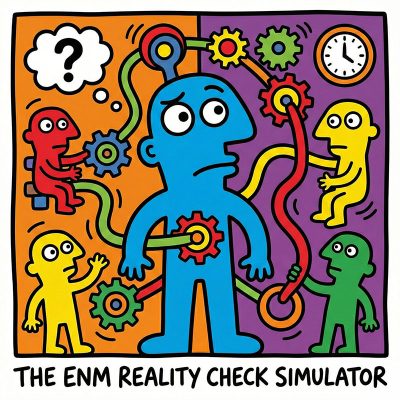
Theory is sexy. Reality is messy. You agreed you could date others, but how does your stomach drop when he takes her to your anniversary spot? Or when she comes home smelling like someone else?
This simulator drags your abstract rules into the harsh light of day. We force you to confront the visceral, gut-wrenching scenarios that actually destroy relationships, before they happen. Test your nervous system in the simulator so you don't crash the car in real life.
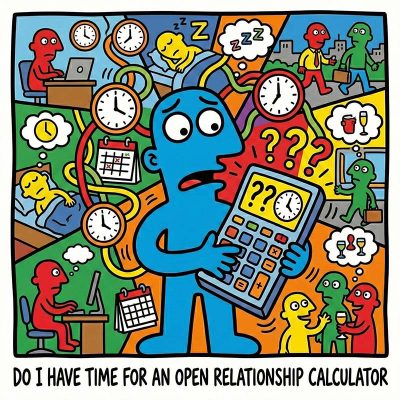
The fantasy is endless romance. The reality? It’s a logistical nightmare. Dating isn't just sex; it’s a second job of swiping, spending, and emotional processing that drains your sanity. Underestimating the "admin" of non-monogamy is the fastest way to turn your relationship into a burnout factory where resentment thrives.
This calculator forces you to confront the brutal math of your time, energy, and wallet. Can you actually afford this lifestyle, or are you just signing up for exhaustion?
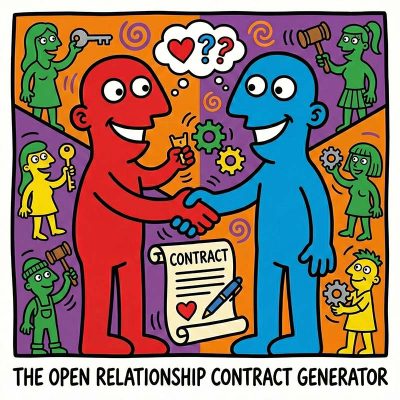
"I thought we agreed" is the sentence that destroys relationships & marriages. Relying on verbal promises when emotions run high is a gamble you cannot afford to lose. Your memory isn't just faulty; it's a liability. Ambiguity is the oxygen that jealousy breathes, turning "freedom" into a minefield of "did I mess up?"
This generator transforms vague permissions into a concrete, signed reality. Stop arguing about what you thought was said and lean on what is written. Secure your boundaries in ink, not hope.
RA in practice within ENM
How do these principles play out in real life when you are navigating ethical non monogamy? Here are several practical scenarios with takeaways you can apply today.
Scenario one a day with multiple partners
You have plans with Partner A and a date with Partner B on the same day. RA helps you decide how to allocate time without feeling like you must choose one relationship over the other. You communicate in advance about timing you discuss how you want to divide the day and what each connection needs from you. You listen for cues and you are honest if you sense you are spreading yourself too thin. The key is to maintain clear boundaries and ensure consent from all involved while staying true to your own needs.
Scenario two renegotiating after changes in life
Life shifts a new job a move or a health change can alter how much time you have for relationships. RA encourages a calm renegotiation with all relevant partners. You name the constraints what you can offer and what you cannot. You solicit input from others and look for creative options that honor everyone s needs. This might mean shorter dates longer check ins or temporary pauses on certain connections while you navigate the change.
Scenario three handling jealousy without drama
Jealousy is a common emotion in ENM and RA provides a path to handle it with respect. Start by naming the feeling invite the other person into the conversation and surface the underlying need. Is the jealousy about time attention certainty or something else? Then work together to adjust plans or details that would ease the concern. The goal is to strengthen trust not to shame anyone for feeling jealous.
Scenario four introducing RA to a new partner
When a new person enters your life you can explain RA as a philosophy and share how you use it to shape your relationships. Be honest about your expectations ask about theirs and listen closely. You do not need to agree on every point right away. You can propose a trial period a shared set of check ins and a willingness to renegotiate as you both learn what you want and need.
Scenario five dealing with comparison pressure
It is common to compare connections in ENM settings. RA helps by reframing comparisons as information not judgments. If you notice a pattern of comparing your relationships with someone else pause name the pattern and decide how you want to respond. You might choose to celebrate the unique strengths of each connection rather than ranking them. This mindset reduces insecurity and invites more authentic interactions.
Common terms and acronyms you will hear in RA ENM
We think in plain language but there are many terms you might encounter. Here is a quick glossary with simple explanations to keep you from feeling like you need a translator.
- RA Relationship anarchy a philosophy that emphasizes autonomy anti hierarchy and flexible agreements rather than fixed labels.
- ENM Ethical non monogamy a broad term for relationship styles that involve consensual non exclusivity.
- Polyamory Having more than one loving relationship at a time with all parties aware and consenting.
- Compersion Feeling joy from your partner s happiness with someone else.
- Renegotiation Reopening a discussion to adjust agreements to fit current needs and reality.
- Boundaries Clearly stated limits that help protect comfort and safety in relationships.
- Transparency Open honest communication about feelings needs and changes in plans.
- Hierarchy A system that places some relationships above others based on assumed rules or labels.
- Primary
A term used in some relationship styles to describe a top tier relationship. RA invites you to question whether this label is serving you or limiting you.
RA versus other approaches
Relationship anarchy is often compared with other non monogamy styles to highlight differences. In polyamory the emphasis is frequently on the capacity to love more than one person often within agreed hierarchies or agreements. In contrast RA centers the individual context of each connection. It avoids default titles and the assumption that certain connections must be prioritized. RA does not reject love or commitment it simply refuses to turn relationship structure into a power dynamic that determines value. In the end RA is a toolkit for designing relationships on your own terms with consent and respect at the core.
Practical steps to start applying RA today
If you want to experiment with RA in your life here is a simple step by step plan you can begin this week. These steps are designed to be easy to implement and highly effective in reducing friction and increasing trust.
- Map your connections Write down every current relationship or meaningful connection you have. Note the level of commitment time and emotional energy you invest in each one. This is not a scoring system it is a transparency exercise that helps you see the real picture.
- Define your own value symbols Decide what matters most to you in a relationship style that works for you. Use language that reflects your actual needs not what culture suggests.
- Have a shared language with partners Talk about what RA means to you talk about how you want to handle time boundaries and what you expect in terms of honesty and updates.
- Practice renegotiation Bring up a hypothetical scenario and practice what renegotiation would look like. This builds a habit that makes actual renegotiations easier when life changes occur.
- Celebrate differences Each relationship is different. Looking for sameness can create pressure and misalignment. Embrace the differences and adjust as needed.
- Build a support circle Connect with friends partners and communities that understand ENM and RA. A support network helps you stay honest and grounded when tensions arise.
Myths and no nos when adopting RA in ENM
Like any approach RA has myths that can create confusion if you take them too literally. Here are the most common myths and what to do instead.
- Myth RA means no rules. Reality RA means flexible rules with ongoing consent and frequent checks ins. There are always boundaries you can negotiate and adjust as needed.
- Myth RA forbids love. Reality RA is about loving freely in ways that respect everyone involved. Love exists in many forms and does not need to be ranked.
- Myth RA requires no communication. Reality RA requires more honest communication not less. Clarity protects everyone s emotional safety.
- Myth RA is only for couples who want to sleep with many people. Reality RA is for anyone who wants authentic connections regardless of numbers or labels.
Seasoned tips for sustaining RA in the long run
- Keep a running log of important conversations. A simple note helps you recall what was agreed and why it matters.
- Practice active listening. Reflect back what you heard and invite corrections to prevent misinterpretation.
- Respect the emotional economy of your network. If someone feels overloaded you help them find a path that protects their wellbeing.
- Be careful with social media sharing. Do not post details that could reveal private information about a partner without their consent.
- Decline the urge to compare. Each relationship follows its own arc and values. Comparisons rarely help.
- Offer consistent affection and reassurance. People want to know they are cared for even when schedules get busy.
How RA supports ethical non monogamy in everyday life
RA aligns naturally with ENM by creating a framework that respects individuality while building trust across multiple connections. It helps people navigate the realities of work life family obligations and personal growth without feeling pressured to cling to outdated scripts. By centering consent transparency and autonomy RA empowers people to explore intimacy in ways that feel right for them and their circle. The goal is not chaos it is clarity a flexible structure that leaves room for joy curiosity and authentic connection.
Real life examples of RA in ENM relationships
Real life examples can make RA feel accessible. Here are a few brief vignettes that illustrate how RA might play out in everyday situations. Use these as inspiration for conversations and experiments in your own life.
Example one a couple moves toward RA while keeping their own personal growth at the forefront. They decide to keep a weekly check in where they discuss what is working what is not and where they want to adjust. They acknowledge that a new partner is bringing something fresh to their lives without diminishing the other relationship. They choose not to assign a hierarchy and instead celebrate the positive impact of every connection.
Example two a group of friends explores RA within a poly friendly community. They share a set of norms including consent boundaries time management and openness. They create a shared space for discussing emotions that arise from dating multiple people and they practice renegotiation as patterns shift over time.
Example three a person starts dating someone new and explains RA to their partner in a calm honest way. They talk through potential schedules that respect all relationships involved and they plan a slow start with defined check ins. The new partner appreciates the transparency and the mutual respect that keeps anxiety low and trust high.
Glossary of useful terms and acronyms
- RA Relationship anarchy a philosophy that values autonomy and flexible connection without rigid hierarchies.
- ENM Ethical non monogamy a broad umbrella for relationship styles that involve consensual non exclusivity.
- Compersion The experience of joy when a partner experiences happiness with someone else.
- Renegotiation The ongoing process of adjusting agreements to reflect current needs and realities.
- Monogamy A relationship model that centers on two people exclusively in romantic and sexual terms.
- Boundaries Personal limits about what is acceptable and what is not in a relationship context.
- Transparency Open honest sharing of intentions feelings and plans to build trust.
- Hierarchy A structure that places certain relationships above others by default due to labels or expectations.
- Primary A term used in some relationship scripts to denote a top tier relationship. RA questions the automatic use of this label.
- Consent Clear enthusiastic permission given freely for any activity or change in a relationship.
Practical tips to communicate RA to partners
- Lead with your values in conversations. Explain that you value autonomy honesty and respect for differences as guiding principles.
- Ask questions not accusations. Invite your partner to share how they feel about RA and what they want moving forward.
- Offer concrete examples. Instead of saying we do not do labels give a scenario that demonstrates your approach to connections and time management.
- Document agreements when possible. A simple shared note can prevent miscommunications and provides a reference point for renegotiations.
- Respect differing comfort levels. Not everyone will feel the same in a RA setup and that is okay. You may need to adjust your practices for fairness and care.
Checklist for starting your RA ENM journey
- Learn the core RA principles and reflect on how they align with your values.
- Identify your own boundaries and expectations while staying open to renegotiation.
- Practice transparent communication with current partners about your preferences and limits.
- Invite feedback from others without pressure to change your approach.
- Develop a family of support people who understand ENM and RA and who can offer guidance when needed.
- Engage in regular check ins focusing on emotional needs as well as practical concerns such as time and energy.
Frequently asked questions
What is relationship anarchy in simple terms
Relationship anarchy is a way of relating to people that avoids rigid hierarchies and fixed labels. It emphasizes autonomy honesty and flexible agreements for each connection.
How does RA differ from polyamory
Polyamory typically involves multiple loving relationships often with a recognized hierarchy. Relationship anarchy focuses on equality across connections and does not rely on fixed scripts or ranks.
Can RA work in a traditional ENM setup
Yes RA can be practiced within various ENM frameworks. It offers tools for clearer communication and more adaptive boundaries no matter what your specific arrangement looks like.
How should I handle jealousy in RA ENM
View jealousy as a signal to explore a need or boundary. Name the feeling and discuss it with the involved partners. Work together to adjust schedules or agreements so everyone can feel secure and respected.
Is it necessary to renegotiate every week
No renegotiation is not required every week unless life calls for it. Regular check ins every couple of months or after major life events is usually enough to stay aligned.
What if someone wants more structure than RA allows
That is a valid concern. You can craft a shared approach that respects RA while offering enough predictability for everyone. The key is to keep consent and honest communication at the center of the process.
How do I explain RA to a new partner
Be calm clear and honest. Explain the core ideas of autonomy anti hierarchy and ongoing consent and invite them to share their expectations. Allow time for questions and avoid pushing your approach too hard at once.
Can RA be practiced by someone who is not dating multiple people
Absolutely. RA can guide any relationship by focusing on the quality of the connection the clarity of communication and the fairness of boundaries. It is about how you relate not merely how many people you relate to.
What is compersion and why does it matter in RA
Compersion is feeling joy for a partner s happiness with someone else. It supports the RA mindset by decreasing the impulse to own or control a partner s experiences and by increasing trust and goodwill among all involved.
The freedom of an open relationship sounds incredible, but the logistics can feel like holding a grenade. That spinning "what if" anxiety isn't paranoia, it’s your survival instinct warning you that your bond is exposed. "Just seeing what happens" is the fastest way to turn a fantasy into a breakup.
The Essential Guide replaces chaos with discipline. We give you the blueprints, jealousy protocols, and repair scripts needed to explore the edge without falling off. Don't guess. Secure your foundation first.
The world of non-monogamy is a maze of confusing labels. Trying to be "Polyamorous" when your heart actually needs "Swinging" isn't just a vocabulary error; it’s a recipe for misery.
You can't build a stable home on a foundation that doesn't fit your psychology. This tool analyzes your emotional bandwidth and jealousy triggers to design the exact structure you need. Stop trying to squeeze into a box that doesn't fit. Build a relationship that actually feels like home.
Opening up feels exciting, but if you aren't reading from the same script, you're writing a tragedy. The disconnect between "I want freedom" and "I want safety" is where hearts break. This isn't just a quiz; it’s a synchronization engine.
We identify the silent gaps in your desires—from sleepover rules to emotional bandwidth, before they become unbridgeable chasms. Don't wait until the damage is done to find out you were never on the same page. Align your compasses now.
Theory is sexy. Reality is messy. You agreed you could date others, but how does your stomach drop when he takes her to your anniversary spot? Or when she comes home smelling like someone else?
This simulator drags your abstract rules into the harsh light of day. We force you to confront the visceral, gut-wrenching scenarios that actually destroy relationships, before they happen. Test your nervous system in the simulator so you don't crash the car in real life.
The fantasy is endless romance. The reality? It’s a logistical nightmare. Dating isn't just sex; it’s a second job of swiping, spending, and emotional processing that drains your sanity. Underestimating the "admin" of non-monogamy is the fastest way to turn your relationship into a burnout factory where resentment thrives.
This calculator forces you to confront the brutal math of your time, energy, and wallet. Can you actually afford this lifestyle, or are you just signing up for exhaustion?
"I thought we agreed" is the sentence that destroys relationships & marriages. Relying on verbal promises when emotions run high is a gamble you cannot afford to lose. Your memory isn't just faulty; it's a liability. Ambiguity is the oxygen that jealousy breathes, turning "freedom" into a minefield of "did I mess up?"
This generator transforms vague permissions into a concrete, signed reality. Stop arguing about what you thought was said and lean on what is written. Secure your boundaries in ink, not hope.
