
Repairing Communication Breakdowns

You are navigating ethical nonmonogamy and a rough patch hits the communication highway. Maybe someone felt missed, a boundary was brushed aside, or a new partner intro triggered a storm of feelings. The good news is that communication breakdowns are not a verdict. They are a signal that needs a practical repair plan. This guide breaks down what ENM stands for, why these breakdowns happen, and how to repair them with real world tactics. Think of this as a friendly, practical playbook from your experimental friend who tells it like it is and helps you think outside the box.
Quick Links to Useful Sections
- What is ethical nonmonogamy ENM and why communication matters
- Why communication breaks happen in ENM
- Recognizing the signs a breakup in communication is looming
- A practical repair framework for ENM communication
- Step 1. Pause and name what is happening
- Step 2. Listen with curiosity and reflect
- Step 3. Revisit agreements and values
- Step 4. Create a concrete plan for moving forward
- Step 5. Practice better communication habits
- Tools to support ENM communication repair
- Communication rituals
- Scripts you can adapt for tough talks
- Boundaries and capacity in practice
- Realistic scenarios with repair playbooks
- Scenario A: A new partner intro triggers jealousy in the primary partner
- Scenario B: Boundaries are unclear after a miscommunication about events
- Scenario C: Slow or lack of response causing drift and tension
- Common mistakes to avoid when repairing ENM communication
- Putting it into practice day to day
- Glossary of useful ENM terms and acronyms
- Frequently asked questions
What is ethical nonmonogamy ENM and why communication matters
Ethical nonmonogamy is a broad umbrella for relationships where two or more adults consent to have romantic or sexual connections with others outside a primary relationship or existing agreements. The core idea is consent transparency, ongoing negotiation, and respect for everyone’s needs. In this space the work happens in the open not in the dark. Communication becomes the glue that keeps the patchwork of multiple relationships from falling apart.
Key terms you will hear a lot in ENM circles include:
- ENM Short for ethical nonmonogamy. A philosophy and practice that emphasizes consent and clear agreements when more than two people are involved romantically or sexually.
- CNM Consensual nonmonogamy. A similar term often used interchangeably with ENM, depending on who you ask.
- Compersion A positive reaction to your partner's happiness with someone else rather than feeling jealous. Think of it as joy for someone you care about.
- Metamour A partner of your partner who is not your own partner. They are part of your relational circle and can be a friend or lover depending on the dynamic.
- Boundaries Explicit limits you set to protect your comfort and safety. Boundaries can be about time, emotional energy, sex, disclosure, or anything important to you.
- Capacity The mental and emotional space you have to invest in relationships. Capacity can shift with life events and needs to be checked often.
- Agreements The written or spoken rules the people in your network agree to follow. These are not laws but trusted guidelines you update as life changes.
- Primary and secondary dynamics Terms people use to describe different levels of commitment or priority within the network. Not all networks use these labels and many avoid hierarchy altogether.
- Jealousy A natural human emotion that signals a boundary or need. Jealousy in ENM can be a doorway to deeper understanding if handled well.
- Rehearsal and repair Processes to practice and fix communication gaps after rough moments.
In ENM the goal is not to pretend there are no problems. The goal is to acknowledge feelings honestly and respond with curiosity and care. The moment you commit to transparent communication you place honesty at the center of your relationships. That is how you keep multiple connections thriving without turning conflicts into catastrophes.
Why communication breaks happen in ENM
Communication breakdowns in ethical nonmonogamy happen for many reasons. Here are the big ones and how they tend to show up in everyday life.
- Ambiguity about boundaries People think they are on the same page but they are not. A boundary that seems obvious to one person can be invisible to another. Ambiguity creates friction fast.
- Jealousy as a signal Jealousy is not a flaw. It is information about needs that are not being met. When jealousy is ignored it grows and morphs into withdrawal or resentment.
- Capacity and time constraints Everyone has a finite amount of emotional energy. When one person feels stretched too thin the quality of communication dips and misunderstandings rise.
- Information gaps Important details might not be shared in a timely way. Slow or partial sharing invites misinterpretation and assumptions.
- Fear of conflict People avoid difficult talks, which makes problems fester. Hard conversations done with care are better than letting issues drift.
- Complicity and secrecy Hiding thoughts or feelings can seem protective but it always backfires. Openness builds trust over time.
- External stress Work pressures, health concerns, or family demands can spill into relationships. Stress reduces capacity and makes small issues feel bigger.
The good news is that most breakdowns are not unique. They have patterns and there are reliable repair strategies that work across different ENM setups. You can build a toolkit that helps you respond in the moment and repair ongoing damage over weeks or months.

The freedom of an open relationship sounds incredible, but the logistics can feel like holding a grenade. That spinning "what if" anxiety isn't paranoia, it’s your survival instinct warning you that your bond is exposed. "Just seeing what happens" is the fastest way to turn a fantasy into a breakup.
The Essential Guide replaces chaos with discipline. We give you the blueprints, jealousy protocols, and repair scripts needed to explore the edge without falling off. Don't guess. Secure your foundation first.

The world of non-monogamy is a maze of confusing labels. Trying to be "Polyamorous" when your heart actually needs "Swinging" isn't just a vocabulary error; it’s a recipe for misery.
You can't build a stable home on a foundation that doesn't fit your psychology. This tool analyzes your emotional bandwidth and jealousy triggers to design the exact structure you need. Stop trying to squeeze into a box that doesn't fit. Build a relationship that actually feels like home.

Opening up feels exciting, but if you aren't reading from the same script, you're writing a tragedy. The disconnect between "I want freedom" and "I want safety" is where hearts break. This isn't just a quiz; it’s a synchronization engine.
We identify the silent gaps in your desires—from sleepover rules to emotional bandwidth, before they become unbridgeable chasms. Don't wait until the damage is done to find out you were never on the same page. Align your compasses now.

Theory is sexy. Reality is messy. You agreed you could date others, but how does your stomach drop when he takes her to your anniversary spot? Or when she comes home smelling like someone else?
This simulator drags your abstract rules into the harsh light of day. We force you to confront the visceral, gut-wrenching scenarios that actually destroy relationships, before they happen. Test your nervous system in the simulator so you don't crash the car in real life.

The fantasy is endless romance. The reality? It’s a logistical nightmare. Dating isn't just sex; it’s a second job of swiping, spending, and emotional processing that drains your sanity. Underestimating the "admin" of non-monogamy is the fastest way to turn your relationship into a burnout factory where resentment thrives.
This calculator forces you to confront the brutal math of your time, energy, and wallet. Can you actually afford this lifestyle, or are you just signing up for exhaustion?
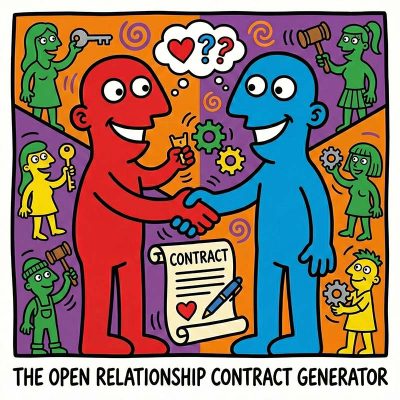
"I thought we agreed" is the sentence that destroys relationships & marriages. Relying on verbal promises when emotions run high is a gamble you cannot afford to lose. Your memory isn't just faulty; it's a liability. Ambiguity is the oxygen that jealousy breathes, turning "freedom" into a minefield of "did I mess up?"
This generator transforms vague permissions into a concrete, signed reality. Stop arguing about what you thought was said and lean on what is written. Secure your boundaries in ink, not hope.
Recognizing the signs a breakup in communication is looming
Early signs that a repair is needed include:
- One or more people avoid conversations or withdraw from group chats
- Requests for updates feel like interruptions instead of sharing space
- Discussions about boundaries end in defensiveness or anger
- Important updates are shared late or never which leads to misaligned plans
- There is a sense of pressure to perform or pretend everything is fine
Across ENM networks these signs can show up in a variety of patterns. The same underlying issues often drive different surface behaviors. The core fix remains the same: bring the topic into the light, name the feelings, and negotiate a practical path forward that respects everyone involved.
A practical repair framework for ENM communication
Think of repair as a five step process you can do when a conversation goes off track. It is not a single talk it is a cycle you repeat as needed. The steps are designed to be doable in real life without turning serious talks into a full blown therapy session every time.
Step 1. Pause and name what is happening
Start with a quick pause. Even a 30 second breath can lower the temperature and prevent a knee jerk reaction. Then name the issue in a neutral way. Use sentences that begin with I or we rather than you statements that can feel accusatory.
Example:
- I felt surprised when we did not discuss my boundary before the date with our new partner.
- We seem to be avoiding conversations about scheduling which makes me worry we are not aligned.
The goal is to reduce blame and keep the focus on the topic and the feelings behind it. You want to invite collaboration not defensiveness.
Step 2. Listen with curiosity and reflect
Practice what we might call reflective listening. The rule is simple. Listen to understand not to respond. Then reflect back what you heard to confirm accuracy before adding your own perspective.
Pause after each person speaks and use phrases like:
- What I hear you saying is that you felt X because Y.
- Am I understanding you correctly that your concern is Z?
This approach reduces misunderstandings and demonstrates genuine care for the other person s experience. It makes it easier to move toward a practical fix.
Step 3. Revisit agreements and values
Go back to the agreements you have in place. Do they still fit your lives? If a boundary feels unclear or out of date it is time to adjust it. ENM relationships evolve and renewal of agreements is normal and healthy. Do not pretend you have it all figured out. The point is to keep options on the table and keep the door open for honest updates.
Tactical questions to ask during this step:
- Are we still comfortable with the same boundaries around time together?
- Do we need a more transparent approach to disclosing partners or events?
- Is our capacity aligned with current life responsibilities and personal needs?
Step 4. Create a concrete plan for moving forward
Shaky talk needs concrete actions. The plan should include who does what by when. It can be a practical schedule adjustment, a more explicit disclosure practice, or a check in cadence. The plan needs a clear owner, a deadline, and a way to measure success.
- Set a weekly check in of 15 to 30 minutes with all involved partners
- Agree on how you will share updates about new dates or partners
- Decide on a red line for urgent issues that require immediate discussion
- Define how you will handle jealousy when new situations arise
Step 5. Practice better communication habits
Effective ENM communication is not an event it is a habit. Here are practical practices that stick:
- Nonviolent communication State what you observe, how you feel, what you need, and make a concrete request. This pattern reduces blame and increases clarity.
- Active listening Focus on understanding before replying. Paraphrase what you heard and ask for confirmation.
- Regular transparency Share a quick update after experiences that might influence others in the network. Keep the cadence predictable so everyone stays informed.
- Written follow ups When a conversation covers a lot of ground or touches sensitive topics, write a short summary and share it. It reduces misinterpretation.
- Soft starts Begin conversations with appreciation or a statement of intent before delving into tough topics. This lowers defensiveness from the outset.
Tools to support ENM communication repair
Use practical tools and rituals that keep the repair process accessible rather than a one off heavy lift. The aim is to normalize check ins and reflective dialogue so it becomes second nature.
Communication rituals
- Weekly check in A short scheduled conversation where everyone shares how they are feeling and what they need for the coming week.
- Boundary refresh A monthly or quarterly review of boundaries to account for changes in life circumstances and relationship dynamics.
- Metamour meetups Optional hangouts that help everyone build trust and reduce future misreadings. These do not replace partner time but can strengthen the relational ecosystem.
- Jealousy journaling A personal practice where someone writes down what triggered jealousy and what need that signal might be pointing to. Share only if comfortable.
Scripts you can adapt for tough talks
Use these starter scripts to lower the barrier to beginning a difficult conversation. Personalize them so they reflect your voice and your truth.
- Opening a boundary topic: I want to talk about boundaries with our new partner. My aim is to understand what feels safe for you and to share my current concerns without blaming anyone.
- Addressing a missed update: I did not hear from you about the plan last night and I felt anxious. Can we agree on a quick check in time after major changes in plans?
- Handling jealousy: I feel jealous about the time you spend with someone else. I would like to talk about how we can ensure I still feel seen and valued.
Boundaries and capacity in practice
Boundaries are not walls they are guidelines that support you to show up as your best self. Capacity is the limit of what you can handle emotionally energetically at any given moment. Both need to be revisited regularly as life changes. If someone feels overwhelmed it is often a signal to slow down or adjust the agreements rather than push through in a way that causes resentment later.
Realistic scenarios with repair playbooks
Reading about theory is useful but you learn best when you see how this works in real life. Here are a few everyday situations with practical repair playbooks you can steal and adapt.
Scenario A: A new partner intro triggers jealousy in the primary partner
Context: You have welcomed a new partner into your life and your primary partner feels left out or uncertain about where they stand. The moment feels volatile. You want to preserve both relationships with honesty and care.
Repair playbook:
- Pause and acknowledge the emotion. Name it without accusation.
- Invite the primary partner to share what they feel and what they need more of. Use I statements.
- Explain your intentions clearly for both partners and reaffirm the value of both connections.
- Update or adjust the agreements to reflect the new reality. Decide on a schedule that ensures time with the primary partner and time with the new partner without creating a sense of neglect.
- Plan a low stake check in at the end of the week to see how both relationships feel and whether any tweaks are needed.
Sample dialogue:
Primary partner: I feel a bit nervous about where I fit in. I need to know I am still a priority and that my time with you matters.
You: I hear that you want to feel valued and safe in our relationship. I care about both of you. Let us schedule dedicated time for us and carve out a regular slot for your time with our new partner. Can we try that this week?
Scenario B: Boundaries are unclear after a miscommunication about events
Context: Plans were made to meet one partner and another partner was surprised by the change. Misunderstandings have built up and humor is gone from the conversation.
Repair playbook:
- Call a pause and reset the conversation with a calm tone.
- Describe what happened and how you felt without blame.
- Revisit the exact boundaries involved and update as needed. Put the plan in writing.
- Agree on a simple check in after the next major event to prevent a repeat.
Sample dialogue:
Partner A: I was surprised by the change in plans and I felt a little neglected. I would like us to confirm the plan in advance next time and share any changes sooner.
Partner B: That makes sense. I did not realize the impact. Let us decide on a quick format for updates during the week so everyone stays in the loop.
Scenario C: Slow or lack of response causing drift and tension
Context: One person feels unseen due to slow replies about plans or feelings. The other person may be busy but not communicating clearly.
Repair playbook:
- Agree on a reasonable response window and what to do if you are behind on replies.
- Use a simple check in to communicate a current capacity. This helps others understand if there is a delay and why.
- Set a time to revisit the pattern and adjust as needed. Document the new cadence.
Sample dialogue:
Person 1: I know you are busy but when I don t hear back I worry something is off between us. Can we agree on a response window and a short update if you are delayed?
Person 2: You are right. I can commit to replying within 24 hours and I will send a brief update if I am unable to reply sooner.
Common mistakes to avoid when repairing ENM communication
- Treating conflict as a sign that the relationship is broken Conflicts are part of any relationship. They are a signal to adjust not a verdict that everything is doomed.
- Talking only to one person while excluding others In ENM the health of the network depends on inclusive communication. Keep everyone informed when decisions affect more than one person.
- Using ultimatums as negotiation tools Ultimatums escalate situations and often leave everyone hurt. Aim for options and collaborative problem solving.
- Assuming you know the other person s feelings Ask and reflect. People may not express their feelings the way you expect. Clarifying questions avoid misreads.
- Letting fear drive decisions It is okay to feel fear. Do not let fear push you to close doors. Open conversations with empathy and curiosity instead.
Putting it into practice day to day
Repairing communication in ENM is a practice not a one off event. Half the work is building habits that sustain the relationship network over time. Here are quick wins you can start today.
- Begin every major topic with a shared intention. For example, we want to maintain trust and care while exploring new connections.
- Have a living set of agreements that are easy to reference. If something feels off you can pull out the relevant clause and discuss it rather than guessing.
- Schedule regular relationship health checks. A 30 minute weekly cadence is enough to catch issues before they grow.
- Keep notes of important decisions. A short summary helps everyone stay on the same page and reduces future confusion.
- Let compersion lead your tone. Celebrate your partner s happiness while honestly expressing your needs and boundaries.
Glossary of useful ENM terms and acronyms
- Ethical nonmonogamy An approach to relationships where all parties consent to more than one romantic or sexual connection.
- CNM Consensual nonmonogamy, another common shorthand for the same idea.
- Compersion Feeling happy for a partner s joy with someone else instead of envy.
- Metamour A partner of a partner who is not your own partner.
- Boundaries Explicit personal limits that protect safety and comfort.
- Capacity The emotional energy available to invest in relationships at any given time.
- Agreements Updated rules and understandings that guide how your network operates.
- Primary partner The person who is designated as the main or central relationship anchor in some networks.
- Secondary partner A partner who is not the primary but is still an important part of the network.
- Jealousy An emotion that signals a boundary or need that requires attention and care.
- Repair A set of actions to restore trust and understanding after a breakdown in communication.
Frequently asked questions
- What is ENM and how does it differ from polyamory ENM is a broad approach to ethical nonmonogamy where consent and open communication are central. Polyamory is a specific form of ENM where multiple loving relationships are practiced.
- How do I start a difficult ENM conversation Begin with intent and care. Use I statements, reflect what you hear, and set a practical plan with concrete steps.
- What if I feel overwhelmed or unable to cope Seek support from a trusted friend or a professional counselor who understands ENM dynamics. It is okay to pause and seek help.
- How often should we check in A weekly check in works for many networks. Some teams prefer bi weekly. The key is consistency and responsiveness to life events.
- How do we renegotiate boundaries when life changes Bring the topic early, share what has shifted in your life, discuss new needs, and draft updated agreements with practical timelines.
- Can therapy help ENM relationships Yes. A therapist who understands ENM dynamics can offer tools for communication, boundary setting, and conflict repair.
- What should I do about jealousy in ENM Name the feeling, identify the need behind it, and explore ways to meet that need through more time together, better disclosure, or clearer boundaries.
- What if my partner is not ready to talk Respect the pause but set a concrete plan for when you will revisit the conversation. Do not ignore the issue entirely.
- Is it okay to share in a group chat about a conflict Yes if everyone involved is comfortable with it and it helps maintain transparency. If not, use private conversations first and then share updates as appropriate.
The freedom of an open relationship sounds incredible, but the logistics can feel like holding a grenade. That spinning "what if" anxiety isn't paranoia, it’s your survival instinct warning you that your bond is exposed. "Just seeing what happens" is the fastest way to turn a fantasy into a breakup.
The Essential Guide replaces chaos with discipline. We give you the blueprints, jealousy protocols, and repair scripts needed to explore the edge without falling off. Don't guess. Secure your foundation first.
The world of non-monogamy is a maze of confusing labels. Trying to be "Polyamorous" when your heart actually needs "Swinging" isn't just a vocabulary error; it’s a recipe for misery.
You can't build a stable home on a foundation that doesn't fit your psychology. This tool analyzes your emotional bandwidth and jealousy triggers to design the exact structure you need. Stop trying to squeeze into a box that doesn't fit. Build a relationship that actually feels like home.
Opening up feels exciting, but if you aren't reading from the same script, you're writing a tragedy. The disconnect between "I want freedom" and "I want safety" is where hearts break. This isn't just a quiz; it’s a synchronization engine.
We identify the silent gaps in your desires—from sleepover rules to emotional bandwidth, before they become unbridgeable chasms. Don't wait until the damage is done to find out you were never on the same page. Align your compasses now.
Theory is sexy. Reality is messy. You agreed you could date others, but how does your stomach drop when he takes her to your anniversary spot? Or when she comes home smelling like someone else?
This simulator drags your abstract rules into the harsh light of day. We force you to confront the visceral, gut-wrenching scenarios that actually destroy relationships, before they happen. Test your nervous system in the simulator so you don't crash the car in real life.
The fantasy is endless romance. The reality? It’s a logistical nightmare. Dating isn't just sex; it’s a second job of swiping, spending, and emotional processing that drains your sanity. Underestimating the "admin" of non-monogamy is the fastest way to turn your relationship into a burnout factory where resentment thrives.
This calculator forces you to confront the brutal math of your time, energy, and wallet. Can you actually afford this lifestyle, or are you just signing up for exhaustion?
"I thought we agreed" is the sentence that destroys relationships & marriages. Relying on verbal promises when emotions run high is a gamble you cannot afford to lose. Your memory isn't just faulty; it's a liability. Ambiguity is the oxygen that jealousy breathes, turning "freedom" into a minefield of "did I mess up?"
This generator transforms vague permissions into a concrete, signed reality. Stop arguing about what you thought was said and lean on what is written. Secure your boundaries in ink, not hope.
