
Scheduling Without Burnout


Welcome to a down to earth guide that treats scheduling like a system you actually enjoy using. If you practice ethical nonmonogamyenm and you are trying to balance multiple partners, friends with benefits and shifting life demands, you know that a great calendar can be a partner in itself. The Monogamy Experiment is here to help you keep energy high, communication clear and your relationships thriving without burning out. We will explain terms so everything feels understandable and not like a secret club you never learned how to join.
Quick Links to Useful Sections
- What scheduling burnout looks like in ethical nonmonogamy
- Key terms you should know
- A framework for scheduling without burnout
- Step 1. Align values and relationship goals
- Step 2. Inventory relationships and energy budgets
- Step 3. Design a scheduling framework that respects everyone
- Step 4. Choose tools that work for your polycule
- Step 5. Establish rituals and cadences for communication
- Step 6. Build in self care and solo time
- Step 7. Review regularly and adjust
- Real world scenarios you might recognize
- Scenario A: A couple with a bilateral open dynamic and one long distance partner
- Scenario B: A triad negotiating time fairly during busy seasons
- Scenario C: Quads with overlapping social circles and family commitments
- Scenario D: Newly forming ENM relationships with evolving energy
- Common pitfalls and how to avoid them
- Tools and templates you can borrow
- Self care and burnout prevention
- Glossary of useful terms and acronyms
- Frequently asked questions
Ethical nonmonogamy is a broad umbrella. It includes polyamory open relationships swinging and other relationship styles that rely on consent, honesty and ongoing negotiation. The goal is not to collect dates but to cultivate connection while respecting everyone involved including you. Scheduling without burnout means creating a rhythm that works for all partners and for your own wellbeing. It means having a plan that reduces drama and increases joy rather than piling tasks on top of each other until something inevitably slips or someone gets hurt.
What scheduling burnout looks like in ethical nonmonogamy
Burnout in this space happens when energy runs dry and connection feels more like a chore than a gift. Here are common signs to look for in your polycule or ENM setup.
- You feel exhausted after coordinating plans rather than energized by time with people you care about.
- Dates get cancelled or rescheduled frequently and the pattern seems to be you carrying most of the scheduling load.
- Feelings of jealousy or resentment build up because someone feels overlooked or undervalued in the calendar.
- Communication slows down or becomes clinical and easily misread as disinterest.
- Boundaries drift or get ignored because there is no clear agreed framework for how time is shared.
- Overall life feels like a stretch not a flow and personal energy is not replenished between commitments.
Burnout is not a character flaw. It is a signal that the scheduling system needs tuning. The good news is that you can redesign a calendar that respects different energy levels and relationship goals while still keeping room for spontaneity and fun. This guide will walk you through a practical framework that many ENM communities use to stay healthy and connected.
Key terms you should know
If you are new to ethical nonmonogamy or if you want a quick refresher here are the essentials explained in plain language. We break down acronyms and terms so you can use them confidently in conversations with partners and potential partners.
- Ethical nonmonogamy A relationship style where all people involved consent to more than one romantic or sexual relationship at the same time. The key idea is consent and open communication rather than secrecy.
- CNM Consensual nonmonogamy. A term many people use interchangeably with ethical nonmonogamy. It emphasizes consent as a baseline for all interactions.
- Polyamory The practice of having multiple loving relationships with the knowledge and consent of everyone involved. It often includes deeper emotional connections beyond casual dating.
- Polycule The network of people who are connected through consented relationships. It is common to map a polycule to visualize who is dating whom and how energy flows.
- NRE New relationship energy. A surge of excitement and novelty when two people start dating. It is powerful but can also cloud judgment if not managed well.
- Boundaries The limits and expectations you set around time, energy, intimacy, and communication. Boundaries keep everyone safe and respected.
- Negotiation A collaborative process where all parties discuss needs and agree on terms that work for everyone involved.
- Consent A clear, ongoing agreement from all involved that a given arrangement is acceptable. Consent can be revisited as life changes.
- Energy budget An estimate of how much emotional and physical energy you can reasonably devote to relationships without running on empty.
- Time blocking A scheduling technique where you reserve specific periods for different activities or people. It helps reduce decision fatigue and overbooking.
Understanding these terms helps you have straight talk with partners and prevents miscommunications that can derail a schedule. The goal is to create clarity and safety while keeping space for play and closeness.

The freedom of an open relationship sounds incredible, but the logistics can feel like holding a grenade. That spinning "what if" anxiety isn't paranoia, it’s your survival instinct warning you that your bond is exposed. "Just seeing what happens" is the fastest way to turn a fantasy into a breakup.
The Essential Guide replaces chaos with discipline. We give you the blueprints, jealousy protocols, and repair scripts needed to explore the edge without falling off. Don't guess. Secure your foundation first.
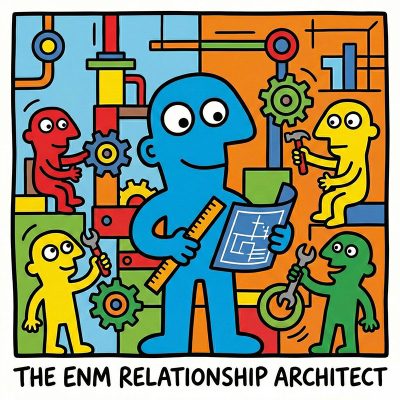
The world of non-monogamy is a maze of confusing labels. Trying to be "Polyamorous" when your heart actually needs "Swinging" isn't just a vocabulary error; it’s a recipe for misery.
You can't build a stable home on a foundation that doesn't fit your psychology. This tool analyzes your emotional bandwidth and jealousy triggers to design the exact structure you need. Stop trying to squeeze into a box that doesn't fit. Build a relationship that actually feels like home.

Opening up feels exciting, but if you aren't reading from the same script, you're writing a tragedy. The disconnect between "I want freedom" and "I want safety" is where hearts break. This isn't just a quiz; it’s a synchronization engine.
We identify the silent gaps in your desires—from sleepover rules to emotional bandwidth, before they become unbridgeable chasms. Don't wait until the damage is done to find out you were never on the same page. Align your compasses now.
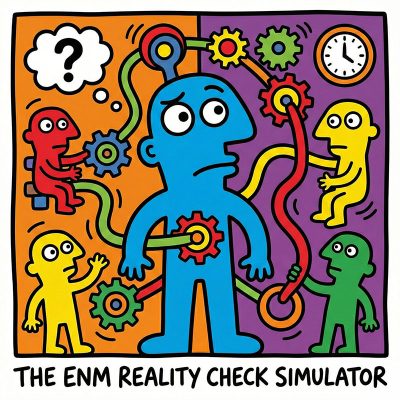
Theory is sexy. Reality is messy. You agreed you could date others, but how does your stomach drop when he takes her to your anniversary spot? Or when she comes home smelling like someone else?
This simulator drags your abstract rules into the harsh light of day. We force you to confront the visceral, gut-wrenching scenarios that actually destroy relationships, before they happen. Test your nervous system in the simulator so you don't crash the car in real life.
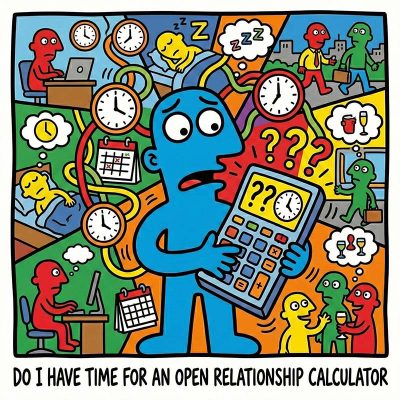
The fantasy is endless romance. The reality? It’s a logistical nightmare. Dating isn't just sex; it’s a second job of swiping, spending, and emotional processing that drains your sanity. Underestimating the "admin" of non-monogamy is the fastest way to turn your relationship into a burnout factory where resentment thrives.
This calculator forces you to confront the brutal math of your time, energy, and wallet. Can you actually afford this lifestyle, or are you just signing up for exhaustion?
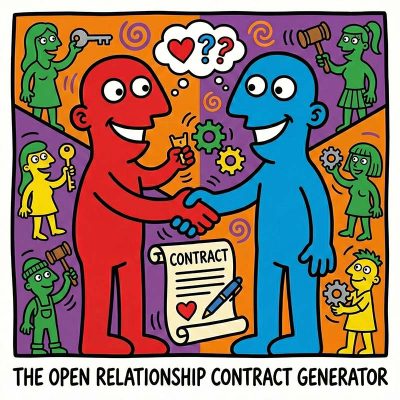
"I thought we agreed" is the sentence that destroys relationships & marriages. Relying on verbal promises when emotions run high is a gamble you cannot afford to lose. Your memory isn't just faulty; it's a liability. Ambiguity is the oxygen that jealousy breathes, turning "freedom" into a minefield of "did I mess up?"
This generator transforms vague permissions into a concrete, signed reality. Stop arguing about what you thought was said and lean on what is written. Secure your boundaries in ink, not hope.
A framework for scheduling without burnout
Think of scheduling in ENM as building a living system. It should be flexible enough to accommodate life changes and strong enough to protect your wellbeing. Here is a practical framework you can adapt to your own polycule.
Step 1. Align values and relationship goals
Start with an honest conversation with everyone involved about what you want from your ENM arrangement. Some questions to guide the talk:
- What are our shared values about honesty, time, and emotional safety?
- What is non negotiable in terms of boundaries and communication?
- What level of public visibility is comfortable for everyone involved?
- How do we define success for our relationships beyond just having dates?
Take notes together, capture the agreements and confirm them. The aim is a mutual understanding that forms the foundation of your scheduling decisions. If you cannot reach agreement on a specific point, set a time to revisit it and agree to a temporary approach until a better solution appears.
Step 2. Inventory relationships and energy budgets
Make a clear map of who you are dating or connected to, what those connections entail and how much energy each one requires. A simple way to do this is to list:
- Partnership name or alias
- Relationship type (romantic, casual, friendship with benefits, etc.)
- Average weekly energy commitment (low, medium, high)
- Preferred days or time windows for contact
- Current agreements around privacy and disclosure
With this inventory you can see where your calendar is already crowded and where you have breathing room. It helps you prevent overloading yourself or a partner. Remember energy budgets are personal. Respect what you can realistically give and invite others to do the same.
Step 3. Design a scheduling framework that respects everyone
A good scheduling framework lays out how time will be allocated and how changes will be handled. Consider these components:
- Core time vs flexible time. Core time is the period you are reliably available to a partner; flexible time is where you can shift plans if needed.
- Pairing logic. Do you prioritize certain couples or triads on certain weeks? How do you rotate to ensure fairness?
- Turnaround rules. How much notice is required before a date is set or changed? What happens if someone needs to cancel last minute?
- Emergency plans. If a partner falls ill or a life event disrupts the schedule, how do we reallocate time without causing a ripple in the rest of the week?
Draft a document that all involved parties sign or acknowledge. This creates a shared reference point that reduces misinterpretation and helps keep the calendar fair and predictable.
Step 4. Choose tools that work for your polycule
Technology helps when used thoughtfully. Here are practical tools and how to use them well:
- Shared calendars Use a calendar platform that supports multiple calendars or color coding per partner. This makes it easy to see who has time booked with whom at a glance.
- Time blocking templates Create weekly blocks for each relationship category such as romantic time with Partner A, group activities with the trio, solo time for you, and personal downtime.
- Check in rituals A short weekly or biweekly check in allows everyone to adjust plans based on changing energy levels and life events.
- Consent and boundary tracker A lightweight shared document or app where agreements are stored and can be updated with consent confirmations as things change.
Don’t overcomplicate the stack. Start with one shared calendar and a simple weekly check in. Add tools only when they genuinely save time or reduce friction. The best tool is the tool you actually keep using consistently.
Step 5. Establish rituals and cadences for communication
Rituals are the predictable habits that reduce stress. Consider these as you build your cadence:
- Weekly planning session with all involved partners to preview the week and adjust as needed.
- Two minute daily check in for quick energy or scheduling notes so no one feels out of the loop.
- A pre date check in to confirm expectations and comfort levels before meeting up.
- A post date debrief if needed to ensure feelings were processed and boundaries respected.
- A clear rule about non urgent messages. For example people may use a message window to discuss plans rather than bombarding everyone with updates all day.
These rituals help keep communication flowing and avoid the emotional load of constant planning. They also create space for spontaneity within a planned structure rather than outside of it.
Step 6. Build in self care and solo time
Even in a thriving ENM setup you must protect your own energy. Solo time is not selfish it is essential. Build in time for rest hobbies exercise sleep and time with your closest allies outside the polycule. When you protect your own energy you bring more present attention to your relationships instead of resenting the calendar you are juggling.
- Schedule regular blocks for solo activities or time with close friends who are not part of your ENM network.
- Set a personal energy limit and learn to say no when you are at or near it. Respect for your own needs models healthy behavior for others.
- Practice micro rituals that help you recharge such as a 10 minute wind down after work or a morning routine that centers you before planning begins.
Step 7. Review regularly and adjust
Regular review is how you avoid drift and burnout. Schedule a monthly or bimonthly polycule review where you discuss what is working and what is not. Use a simple framework:
- What went well since the last check in?
- Which scheduling rules need tweaking because life changed?
- Are energy budgets accurately reflecting reality or do they need re balancing?
- What new boundaries or agreements should be added or updated?
Keep the mood constructive. The goal is improvement not blame. When everyone feels heard new patterns emerge and the schedule becomes easier to maintain over time.
Real world scenarios you might recognize
Every ENM journey is unique. Here are a few common setups with practical scheduling approaches that help prevent burnout.
Scenario A: A couple with a bilateral open dynamic and one long distance partner
A couple, Alex and Maya, dates a long distance partner, Sam, who is in a different city. They balance weekly date nights with Sam via video calls and a monthly in person visit. They run a shared calendar that marks two weekly in person windows for Sam when Sam is visiting and three weekly slots for in person time with each other. They also reserve flexible evenings where either partner can swap a date with Sam if needed. They keep energy budgets in mind and allow for extra time if NRE appears with Sam or with each other. This approach preserves connection while acknowledging the distance and different energy levels across relationships.
Scenario B: A triad negotiating time fairly during busy seasons
In a triangle with three people who each have demanding work weeks, the group uses a rotating scheduling block. Every two weeks they plan a full group date and alternate individual dates on the off weeks. They also maintain quiet weeks for rest after intense work spikes. When one person cannot meet a planned date, the others adjust slots with minimal drama by following the written agreements about notice and swap rules.
Scenario C: Quads with overlapping social circles and family commitments
Two couples in a quad share a calendar that categorizes time by partner pairings and group activities. They set a monthly all quad night and ensure at least one partner has solo time with each other person on a rotating basis. They place practical boundaries around family obligations and respect the need for privacy for partners who are navigating family dynamics. The system prioritizes fairness and clear communication so no partner feels sidelined.
Scenario D: Newly forming ENM relationships with evolving energy
When new partners enter a polycule the energy budget is more dynamic. The group starts with shorter trial periods for new introductions and uses a limited number of observable dates to prevent overload. They scale up slowly and adjust energy caps as comfort grows. A transparent rule set helps everyone know what to expect and reduces the risk of miscommunication or jealousy as relationships mature.
Common pitfalls and how to avoid them
Even the best systems can stumble if you do not watch for warning signs. Here are frequent traps and straightforward fixes.
- Over scheduling When the calendar becomes crowded with dates for many partners you lose energy for yourself and for those you are with. Fix by building in consistent rest blocks and declaring a maximum number of active dates per week per person.
- Unequal time distribution If one person consistently gets more time than others resentment grows. Fix by rotating priority windows and using a fairness matrix during planning sessions.
- Poor communication Messages pile up and misunderstandings grow. Fix by using a short weekly planning call plus a daily quick check in and a clear method for requesting changes.
- Drifting boundaries Boundaries that were agreed on drift when life gets busy. Fix by revisiting the boundary document during monthly reviews and updating as needed.
- Energy misestimation You think you can handle more while you cannot. Fix by being honest about energy budgets and adjusting down immediately when you notice signs of fatigue.
- secrecy or opportunistic scheduling Hiding plans undermines trust. Fix by keeping transparency at the center and sharing calendars publicly within the consent framework.
Tools and templates you can borrow
Use these practical assets to implement your scheduling framework without reinventing the wheel every week.
- Weekly planning template A simple checklist to review energy budgets, upcoming events, and any potential conflicts. Include space for each partner to note preferred times and any changes since the last plan.
- Color coded calendar Assign a color for each partner or relationship category. Group events by personal time group and by couple or trio time to see at a glance where energy is allocated.
- Energy budget sheet A one page view that shows each relationship's current energy use and remaining budget for the week or month. Update after each major event so you can see when you are over or under budgeting.
- Consent log A compact record where agreements are noted and can be updated with each negotiated change. This reduces back and forth and protects everyone.
Self care and burnout prevention
Healthy ENM does not come from perfect scheduling alone. It comes from a culture of care where everyone respects their own limits and supports how others manage theirs. Here is how to keep burnout at bay:
- Make sleep and down time non negotiable parts of your weekly rhythm. Energy is the fuel for relationships and life beyond the romance.
- Practice compassionate honesty. If you feel overwhelmed speak up early so adjustments can be made before issues escalate.
- Protect solo time as a shared value. It is how you replenish your own sense of self and bring more authenticity to your relationships.
- Develop a simple exit strategy for dates that go sideways emotionally. A safe word or agreed upon signal helps you step back with respect and care.
- Celebrate progress. When a plan works well or a boundary is honored well share that win with all involved. Positive reinforcement keeps the system working.
Glossary of useful terms and acronyms
- Ethical nonmonogamy A relationship approach that emphasizes consent honesty and openness with multiple partners.
- Consensual nonmonogamy Another term used to describe the same family of relationship styles where all people involved agree to more than one romantic or sexual relationship.
- Polyamory Relationships with multiple loving connections that are pursued with consent and respect for everyone involved.
- Polycule The map of people connected through consensual relationships within a given ENM setup.
- NRE A wave of excitement energy and novelty that often accompanies a new relationship or a new partner.
- Boundaries Personal lines around time space intimacy and communication that protect everyone involved.
- Negotiation A collaborative dialogue that reaches agreements about who does what when how money is handled and how feelings are treated.
- Consent A clear ongoing agreement to participate in a specific activity or relationship arrangement.
- Energy budget An estimate of how much emotional and logistical energy a person can devote to relationships during a given period.
- Time blocking A scheduling technique that sets aside fixed blocks for specific activities or relationships.
Frequently asked questions
The freedom of an open relationship sounds incredible, but the logistics can feel like holding a grenade. That spinning "what if" anxiety isn't paranoia, it’s your survival instinct warning you that your bond is exposed. "Just seeing what happens" is the fastest way to turn a fantasy into a breakup.
The Essential Guide replaces chaos with discipline. We give you the blueprints, jealousy protocols, and repair scripts needed to explore the edge without falling off. Don't guess. Secure your foundation first.
The world of non-monogamy is a maze of confusing labels. Trying to be "Polyamorous" when your heart actually needs "Swinging" isn't just a vocabulary error; it’s a recipe for misery.
You can't build a stable home on a foundation that doesn't fit your psychology. This tool analyzes your emotional bandwidth and jealousy triggers to design the exact structure you need. Stop trying to squeeze into a box that doesn't fit. Build a relationship that actually feels like home.
Opening up feels exciting, but if you aren't reading from the same script, you're writing a tragedy. The disconnect between "I want freedom" and "I want safety" is where hearts break. This isn't just a quiz; it’s a synchronization engine.
We identify the silent gaps in your desires—from sleepover rules to emotional bandwidth, before they become unbridgeable chasms. Don't wait until the damage is done to find out you were never on the same page. Align your compasses now.
Theory is sexy. Reality is messy. You agreed you could date others, but how does your stomach drop when he takes her to your anniversary spot? Or when she comes home smelling like someone else?
This simulator drags your abstract rules into the harsh light of day. We force you to confront the visceral, gut-wrenching scenarios that actually destroy relationships, before they happen. Test your nervous system in the simulator so you don't crash the car in real life.
The fantasy is endless romance. The reality? It’s a logistical nightmare. Dating isn't just sex; it’s a second job of swiping, spending, and emotional processing that drains your sanity. Underestimating the "admin" of non-monogamy is the fastest way to turn your relationship into a burnout factory where resentment thrives.
This calculator forces you to confront the brutal math of your time, energy, and wallet. Can you actually afford this lifestyle, or are you just signing up for exhaustion?
"I thought we agreed" is the sentence that destroys relationships & marriages. Relying on verbal promises when emotions run high is a gamble you cannot afford to lose. Your memory isn't just faulty; it's a liability. Ambiguity is the oxygen that jealousy breathes, turning "freedom" into a minefield of "did I mess up?"
This generator transforms vague permissions into a concrete, signed reality. Stop arguing about what you thought was said and lean on what is written. Secure your boundaries in ink, not hope.
