
Setting Intentions Before Opening a Relationship

Stepping into ethical non monogamy ENM is an adventure not a surrender of your standards. The moment you decide to open a relationship you are choosing honesty consent and clear communication as your compass. This guide helps you set powerful intentions that protect your values and your heart while you explore new connections. We break down terms we explain acronyms and we give you practical steps that work in real life. Think of this as your pre opening playbook for ENM or CNM consensual non monogamy.
Quick Links to Useful Sections
- What ENM means and why intention matters
- Key terms you will hear in ENM and what they mean
- Why setting clear intentions before opening a relationship pays off
- Setting intentions step by step
- Step 1. Do the inner work first
- Step 2. Have a candid conversation with your partner
- Step 3. Create a joint intention statement or relationship agreement
- Step 4. Establish consent and communication protocols
- Step 5. Outline practical rules and boundaries
- Step 6. Plan for friction and jealousy management
- Models of ENM and how intentions map to them
- Non hierarchical ENM
- Hierarchical ENM
- Realistic scenarios and how intentions guide choices
- Scenario 1: A new potential partner enters your life
- Scenario 2: Time constraints and busy schedules
- Scenario 3: Long distance or remote connections
- Scenario 4: A shift in life goals or relationship status
- A practical intention template you can adapt
- Must do s and must avoids in ENM intention setting
- Must do s
- Must avoid s
- Common pitfalls and how to prevent them
- Practical tips for conversations with others about ENM intentions
- Glossary of useful ENM terms and acronyms
What ENM means and why intention matters
Ethical non monogamy is a broad umbrella term used for relationship styles that involve honesty consent and transparency with more than one romantic or sexual connection. Some people use the term ENM to describe any arrangement that has ethical boundaries and ongoing communication. Others use CNM which stands for consensual non monogamy. Both terms point to a shared principle that all parties involved know what is happening and have agreed to it. Within ENM you may encounter polyamory open relationships swinging and other dynamic expressions. The common thread is consent and mutual respect. Setting intentions before opening a relationship is about naming your purpose for stepping into this space and making sure your partner or partners are aligned before you push play. Intentions function as a map. They help you decide what counts as a good match what experiments to try and what you will not tolerate along the way. Intentions are not a guarantee they are a guide that can evolve as you learn new things about yourself and your core values.
Key terms you will hear in ENM and what they mean
- Ethical non monogamy ENM a framework that prioritises consent honesty and respectful handling of multiple intimate relationships.
- Consensual non monogamy CNM another label for ENM that emphasises consent among all involved.
- Polyamory emotionally intimate connections with more than one partner at the same time.
- Open relationship a relationship in which partners may have sexual experiences with other people while maintaining their primary bond if desired.
- Primary partner the person who holds a central role in a relationship often sharing long term life plans and emotional intimacy.
- Secondary partner a partner who is important but not the central focus of daily life or decision making in a given arrangement.
- Hierarchical ENM a model where one relationship is designated as primary and other connections are subordinate to that primary bond.
- Non hierarchical ENM all relationships are treated as equal in status and priority.
- Relationship agreement a living document that outlines rules boundaries expectations and communication norms for a given trio quad or larger network.
- Consent clear voluntary agreement to participate in activity after informed discussion and without pressure.
- Boundaries clearly defined limits around what will and will not happen in the relationship space.
- Jealousy an emotional signal that something feels threatened in the relationship; it can be a cue to check needs and communication rather than a threat to fear.
- Compersion positive feelings when you witness your partner finding joy with someone else.
- Contract or agreement a practical written document that captures intentions rules and processes for handling changes and conflicts.
- Disclosure sharing information about other relationships with your partner in a timely and honest way.
- Soft and hard limits soft limits are boundaries you would rather avoid but could consider with negotiation; hard limits are boundaries you will not cross.
- STI testing screening for sexually transmitted infections done with consent and with privacy considerations in mind.
The freedom of an open relationship sounds incredible, but the logistics can feel like holding a grenade. That spinning "what if" anxiety isn't paranoia, it’s your survival instinct warning you that your bond is exposed. "Just seeing what happens" is the fastest way to turn a fantasy into a breakup.
The Essential Guide replaces chaos with discipline. We give you the blueprints, jealousy protocols, and repair scripts needed to explore the edge without falling off. Don't guess. Secure your foundation first.

The world of non-monogamy is a maze of confusing labels. Trying to be "Polyamorous" when your heart actually needs "Swinging" isn't just a vocabulary error; it’s a recipe for misery.
You can't build a stable home on a foundation that doesn't fit your psychology. This tool analyzes your emotional bandwidth and jealousy triggers to design the exact structure you need. Stop trying to squeeze into a box that doesn't fit. Build a relationship that actually feels like home.

Opening up feels exciting, but if you aren't reading from the same script, you're writing a tragedy. The disconnect between "I want freedom" and "I want safety" is where hearts break. This isn't just a quiz; it’s a synchronization engine.
We identify the silent gaps in your desires—from sleepover rules to emotional bandwidth, before they become unbridgeable chasms. Don't wait until the damage is done to find out you were never on the same page. Align your compasses now.
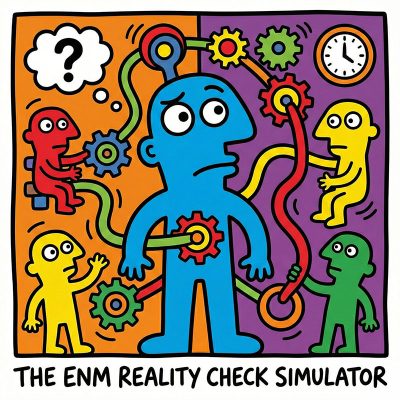
Theory is sexy. Reality is messy. You agreed you could date others, but how does your stomach drop when he takes her to your anniversary spot? Or when she comes home smelling like someone else?
This simulator drags your abstract rules into the harsh light of day. We force you to confront the visceral, gut-wrenching scenarios that actually destroy relationships, before they happen. Test your nervous system in the simulator so you don't crash the car in real life.

The fantasy is endless romance. The reality? It’s a logistical nightmare. Dating isn't just sex; it’s a second job of swiping, spending, and emotional processing that drains your sanity. Underestimating the "admin" of non-monogamy is the fastest way to turn your relationship into a burnout factory where resentment thrives.
This calculator forces you to confront the brutal math of your time, energy, and wallet. Can you actually afford this lifestyle, or are you just signing up for exhaustion?
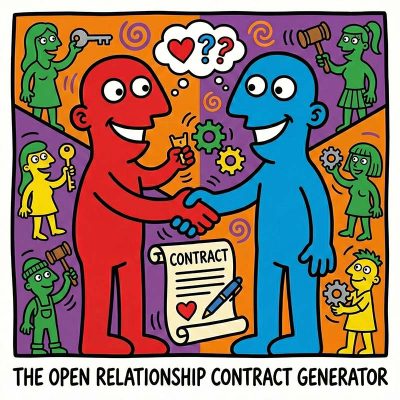
"I thought we agreed" is the sentence that destroys relationships & marriages. Relying on verbal promises when emotions run high is a gamble you cannot afford to lose. Your memory isn't just faulty; it's a liability. Ambiguity is the oxygen that jealousy breathes, turning "freedom" into a minefield of "did I mess up?"
This generator transforms vague permissions into a concrete, signed reality. Stop arguing about what you thought was said and lean on what is written. Secure your boundaries in ink, not hope.
Why setting clear intentions before opening a relationship pays off
Clarity reduces miscommunication and helps you avoid situations that drain your energy or hurt people you care about. When you name your reasons for opening a relationship you can better decide who to involve and how to structure conversations. Intentions help you negotiate time boundaries they help you decide what activities you are comfortable with and they guide the style of communication you will use. People who set intentions early tend to experience fewer boundary violations and quicker conflict resolution. They also report more enjoyment and less stress because they are not guessing about what their partners want or fear.
Setting intentions step by step
Step 1. Do the inner work first
Before you talk with anyone else it is important to understand your own reasons for exploring ENM. This is not about right or wrong it is about truth for you. Spend time asking yourself questions and writing down honest answers. These prompts can help you uncover your core purpose and set a solid foundation.
- What do I hope to gain from stepping into ENM a sense of connection variety play novelty security or growth?
- What fears show up when I think about dating or having sexual experiences with others?
- What boundaries feel non negotiable to me and why do they matter?
- Which parts of my life would I want to protect with a primary relationship or a fixed arrangement?
- How do I handle information sharing and privacy for myself and my partner?
- What are my personal indicators that I am comfortable or uncomfortable with a situation?
Give yourself permission to be imperfect here. The goal is honesty not perfection. Your inner work will shape the tone of your conversations and the decisions you make as you move forward.
Step 2. Have a candid conversation with your partner
If you currently have a partner you want to open with you both need to be present for the talk. Try a calm setting. Use language that describes needs rather than accusations. A simple framework like non violent communication can help keep the conversation constructive.
- State what you are recognizing and what you feel. For example I feel curious about finding new connections and I want to understand how this impacts us.
- Express what you need to explore together and what you are not willing to compromise on.
- Invite your partner to share their perspective and reflect back what you heard to confirm you understood.
During this talk avoid saying things such as you always or you never as these phrases can escalate defensiveness. Focus on present needs and shared goals for the relationship. It is also helpful to discuss what happens if you both want different things. You can plan a process for renegotiation or a cooling off period if things become tense.
Step 3. Create a joint intention statement or relationship agreement
A joint intention statement is a short clear declaration of what you both want to experience through ENM. It can be followed by a more detailed relationship agreement that captures rules boundaries and negotiation methods. The aim is to create alignment not control. Your agreement should be revisitable and flexible as you learn what works and what does not.
Elements to consider including in your joint intention and agreement
- Shared goals and values such as honesty respect and kindness
- Who is involved in what capacity and what roles exist in your network
- Time management boundaries including how you split calendars and holidays or weekends
- Disclosure expectations what will be shared and when
- Communication norms how you will talk when conflicts arise and how often you will check in
- Sexual and emotional boundaries including safe sex expectations and emotional boundaries with other partners
- Consent and negotiation process for changes in the arrangement
- Handling of privacy privacy is an important value in ENM and needs clear rules
- A plan for imperfect moments including what you will do if jealousy arises
Remember this document is living. You will want to revisit and revise it as your relationships evolve and as you encounter new people and new situations.
Step 4. Establish consent and communication protocols
Consent is ongoing and explicit. Even if you have an existing agreement you should check in before trying something new. Define how you will obtain consent and how you will handle situations where consent is not given or is withdrawn. Establish a clear channel for communication that both partners feel comfortable with for example regular weekly check ins or a mid week text to share a quick update. Decide what happens if one person experiences a boundary violation and how suspense or time outs will be handled without shaming anyone.
Step 5. Outline practical rules and boundaries
Rules and boundaries should protect your wellbeing and respect the needs of others in your network. Distinguish between what you will not cross and what you are open to negotiating. This distinction helps you avoid the trap of trying to control people or micromanage their choices.
- Sexual boundaries such as do not have sex without protection or you will only have sex with other partners with a certain health status.
- Emotional boundaries such as how much time you will share with other partners or what topics are reserved for your main partner.
- Time boundaries such as how often you will have date nights with other partners or how you will balance work family and ENM activities.
- Disclosure boundaries such as when and how you share information about other relationships with your partner.
- Location boundaries or privacy preferences regarding places you will meet others.
Be practical and specific. Vague rules lead to drift and conflict. If a boundary is unclear it is a signal to have a follow up conversation rather than making assumptions.
Step 6. Plan for friction and jealousy management
Jealousy is a natural signal rather than a failure. Treat it as data that tells you what you need to adjust. Build strategies for when intense emotions arise including pausing to breathe practicing self soothing techniques and seeking support from a trusted friend or therapist if needed.
- Have a jealousy protocol such as a time bound pause on certain activities or a check in with your partner to process feelings.
- Practice compersion by acknowledging your partner’s joy even when it is directed toward someone else.
- Use cognitive reframing to remind yourself that you can hold multiple truths at once; you can be happy for your partner and still have your own needs met.
- Engage in joint activities that reinforce your bond such as shared hobbies or regular date nights independent of other relationships.
Models of ENM and how intentions map to them
Not all ENM looks the same. The way you set intentions will depend on the model you choose. Here are two common patterns and how intentions apply to them.
Non hierarchical ENM
In this model all relationships hold equal status. Intentions focus on equality fairness and open communication across all partners. The aim is to prevent any single relationship from dominating the others. People in non hierarchical networks often use transparent calendars open disclosure and shared decision making for major life choices.
Hierarchical ENM
In a hierarchical structure one or more relationships are designated as primary while others have less formal priority. Intentions here include clearly outlining what counts as a primary partnership what is open between others and how conflicts will be resolved with fairness. The key is to agree on how priorities will be managed and to keep that management explicit rather than implicit resistance built on assumptions.
Realistic scenarios and how intentions guide choices
Scenario 1: A new potential partner enters your life
You meet someone interesting while you already have one or more ongoing connections. Your intentions will guide whether you want to explore a connection with this person at a casual level or with a desire for emotional intimacy. You will discuss with your current partner whether to pursue a date or introduction how much you will share and how new you want the setup to be. This scenario tests your boundary clarity and your communication plan.
Scenario 2: Time constraints and busy schedules
Many adults juggle work family and ENM. Your intentions should include a plan for how you will manage time and energy when schedules are tight. You might decide to focus on one negotiated date per week with others on a monthly basis or to set flexible blocks in advance. Your agreement should specify how you will adjust if someone needs more space or if work demands increase.
Scenario 3: Long distance or remote connections
Connection can extend beyond geographic limits. Intentions here include how you will handle communication frequency how you will manage emotional boundaries at a distance and how safe sex practices and STI testing will be addressed. You may plan to create shared activities such as online dates or coordinated time zones to stay connected while respecting all partners.
Scenario 4: A shift in life goals or relationship status
Life changes such as moving in with a partner changing jobs or starting a family can alter ENM dynamics. Your intentions should include a process for renegotiation and a timeline for revisiting your relationship agreement. This kind of planning helps you adapt without losing the core values that brought you into ENM in the first place.
A practical intention template you can adapt
Use these prompts to create a simple yet powerful intention statement. It is better to keep it concise and revisitable. You can print this and keep it in a binder or stored in a note app you share with your partner.
- We intend to explore non exclusive connections with honesty and respect for everyone involved.
- We commit to open transparent communication and to regular check ins to review how we feel and what is working.
- We agree to set boundaries that protect our emotional and physical wellbeing including safety and privacy considerations.
- We will practice compassionate listening and will address conflicts with care and without blame.
- We will revisit this agreement every three months or sooner if life changes demand it.
Feel free to tailor this to your situation. You may want to add details about health safety privacy or location rules. The most important thing is that both of you feel heard seen and respected as you move forward together.
Must do s and must avoids in ENM intention setting
Must do s
- Speak honestly about your desires fears and boundaries
- Document your agreement and keep it accessible to all involved
- Schedule regular check ins even when things are going well
- Respect the boundaries of others and expect the same in return
- Be willing to renegotiate and adapt as relationships evolve
Must avoid s
- Using fear manipulation or guilt to control a partner or a situation
- Assuming consent or pressuring someone to do something they are not comfortable with
- Rushing into new connections without time to reflect and discuss
- Ignoring privacy or sharing information that others expect to keep private
- Letting jealousy slide into resentment without addressing it
Common pitfalls and how to prevent them
Opening a relationship is not a one off event it is an ongoing process. Here are pitfalls to watch for and practical ways to prevent them.
- Boundary creep where limits slowly shift without discussion. Prevent by revisiting your agreement at set intervals and after major life events.
- Communication fatigue where you avoid difficult conversations. Prevent by scheduling structured check ins and keeping them focused on needs and feelings not accusations.
- Imbalance or hidden expectations where one partner feels unfairly burdened. Prevent by maintaining transparent calendars and noting decisions in your relationship agreement.
- Over sharing or too much detail with people who do not have a close role in your life. Prevent by keeping disclosures within the agreed boundaries and with everyone’s consent.
- Unclear consent for new activities. Prevent by asking clearly and documenting consent as part of the agreement.
Practical tips for conversations with others about ENM intentions
Starting conversations with potential partners or with friends who might be curious requires tact and clarity. Here are ready to use approaches that respect everyone involved.
- Open with a simple honest statement about what you are seeking and why it matters.
- Ask questions that invite the other person to share their boundaries and expectations.
- Offer to share your agreement and invite their input or a separate conversation to build a mutually respectful dynamic.
- Be prepared to say no and to hear no with grace. Not every connection will fit and that is okay.
- Use language that focuses on care and consent rather than control or fear.
Glossary of useful ENM terms and acronyms
- ENM Ethical non monogamy the umbrella term for practices that involve multiple intimate connections with consent.
- CNM Consensual non monogamy another widely used label for ENM.
- Polyamory Having multiple loving relationships at the same time with the knowledge and consent of everyone involved.
- Open relationship A framework where partners can have sexual experiences with others while maintaining the principal relationship.
- Primary partner The partner who holds a central place in your life and future plans.
- Secondary partner A partner who is important but not central to the life plan as the primary partner.
- Hierarchical ENM A model where the primary relationship takes priority over other connections.
- Non hierarchical ENM A model where all relationships are treated as equal in status.
- Relationship agreement A living document that outlines rules boundaries feedback processes and negotiation norms.
- Consent Clear voluntary agreement to participate in activities after full information and without pressure.
- Boundaries Limits set to protect emotional physical and mental wellbeing.
- Jealousy An emotional signal that something feels uncertain or risky in the relationship space.
- Compersion Feeling happiness when your partner experiences joy with someone else.
- Disclosure Sharing information about other relationships in a timely and appropriate way.
- Soft limits Boundaries you would rather avoid crossing but might consider under certain conditions.
- Hard limits Boundaries you will not cross under any circumstances.
- STI testing Screening for sexually transmitted infections to protect everyone involved.
The freedom of an open relationship sounds incredible, but the logistics can feel like holding a grenade. That spinning "what if" anxiety isn't paranoia, it’s your survival instinct warning you that your bond is exposed. "Just seeing what happens" is the fastest way to turn a fantasy into a breakup.
The Essential Guide replaces chaos with discipline. We give you the blueprints, jealousy protocols, and repair scripts needed to explore the edge without falling off. Don't guess. Secure your foundation first.
The world of non-monogamy is a maze of confusing labels. Trying to be "Polyamorous" when your heart actually needs "Swinging" isn't just a vocabulary error; it’s a recipe for misery.
You can't build a stable home on a foundation that doesn't fit your psychology. This tool analyzes your emotional bandwidth and jealousy triggers to design the exact structure you need. Stop trying to squeeze into a box that doesn't fit. Build a relationship that actually feels like home.
Opening up feels exciting, but if you aren't reading from the same script, you're writing a tragedy. The disconnect between "I want freedom" and "I want safety" is where hearts break. This isn't just a quiz; it’s a synchronization engine.
We identify the silent gaps in your desires—from sleepover rules to emotional bandwidth, before they become unbridgeable chasms. Don't wait until the damage is done to find out you were never on the same page. Align your compasses now.
Theory is sexy. Reality is messy. You agreed you could date others, but how does your stomach drop when he takes her to your anniversary spot? Or when she comes home smelling like someone else?
This simulator drags your abstract rules into the harsh light of day. We force you to confront the visceral, gut-wrenching scenarios that actually destroy relationships, before they happen. Test your nervous system in the simulator so you don't crash the car in real life.
The fantasy is endless romance. The reality? It’s a logistical nightmare. Dating isn't just sex; it’s a second job of swiping, spending, and emotional processing that drains your sanity. Underestimating the "admin" of non-monogamy is the fastest way to turn your relationship into a burnout factory where resentment thrives.
This calculator forces you to confront the brutal math of your time, energy, and wallet. Can you actually afford this lifestyle, or are you just signing up for exhaustion?
"I thought we agreed" is the sentence that destroys relationships & marriages. Relying on verbal promises when emotions run high is a gamble you cannot afford to lose. Your memory isn't just faulty; it's a liability. Ambiguity is the oxygen that jealousy breathes, turning "freedom" into a minefield of "did I mess up?"
This generator transforms vague permissions into a concrete, signed reality. Stop arguing about what you thought was said and lean on what is written. Secure your boundaries in ink, not hope.
