
Sexual Health Agreements and Testing Norms


Welcome to a real world guide built for people who practice ethical non monogamy. We are The Monogamy Experiment and we believe that talking openly about safety and testing is part of loving honestly. ENM stands for Ethical Non Monogamy. It is a relationship approach where people have more than one romantic or sexual connection with the informed consent of everyone involved. This guide is practical, funny when it helps you breathe, and clear when it helps you plan. We explain terms and acronyms so you can talk about health without getting tangled in jargon. If you want plain language plus real world strategies for agreements and testing norms you are in the right place.
Quick Links to Useful Sections
- What ethical non monogamy means for sexual health
- Key terms you should know
- Core components of a strong sexual health agreement in ENM
- Boundaries and consent checklists
- Partner types and categories
- Disclosure expectations
- Testing norms and status updates
- Safety practices beyond testing
- Testing norms and practical guidelines
- How to negotiate testing and health agreements with partners in ENM
- Realistic scenarios and example scripts
- Scenario 1 New primary partner joins a duo
- Scenario 2 Open triad with varying risk levels
- Scenario 3 Consistency over time with easing boundaries
- Scenario 4 Discordant statuses and careful planning
- Practical conversations you can start today
- Templates you can adapt for your ENM group
- Template A: Baseline health plan
- Template B: Ongoing testing schedule
- Template C: Disclosure and update protocol
- Template D: Handling discordant statuses
- Practical tips to implement these norms smoothly
- Common mistakes and how to avoid them
- Practical delivery tips for conversations about health
- Dealing with changes in health status
- Common questions and quick answers
- Checklist to keep you on track
- Final notes on health and ENM
- Glossary of useful terms and acronyms
- Frequently asked questions
What ethical non monogamy means for sexual health
Ethical non monogamy is not a free pass to ignore safety. It is a framework for transparent conversations about risk and care. When you choose ENM you decide that all partners deserve respect and clear information. That includes health information that can influence choices about how you connect with others. You can still build strong relationships while keeping everyone safe. The aim is to reduce risk while maintaining trust authenticity and joy. We will break down the components you need to design a robust health plan that fits your group dynamic.
Key terms you should know
- ENM Ethical Non Monogamy. A relationship style where people have more than one romantic or sexual connection with informed consent from all involved. It is not about carelessness it is about clear boundaries and honest communication.
- STI Sexually Transmitted Infection. In this article the term STI is used to describe infections that can be spread through sexual contact. Some infections are asymptomatic which means you can carry them without symptoms.
- HIV Human Immunodeficiency Virus. A virus that attacks the body's immune system. With modern medicine people can live long healthy lives. Regular testing and treatment reduce risk of transmission.
- Chlamydia A common bacterial infection that can be treated with antibiotics. It can spread through vaginal anal and oral sex.
- Gonorrhea A bacterial infection spread mainly through sexual contact. It can affect the genitals rectum and throat. It can often be cured with antibiotics.
- Syphilis A bacterial infection that can affect the heart brain and nerves if not treated. It is curable with antibiotics when detected early.
- HPV Human Papillomavirus. A very common virus with many types. Some types can cause health problems later. There is a vaccine for prevention and treatment for some conditions.
- Herpes A viral infection that can cause outbreaks. It is manageable with medication and careful communication with partners.
- PrEP Pre Exposure Prophylaxis. A medication taken by people at risk to prevent HIV infection.
- PEP Post Exposure Prophylaxis. Medicine started after a potential exposure to HIV to prevent infection. Time is critical so seek medical advice quickly.
- Window period The time between exposure to an infection and when a test can reliably detect it. Different infections have different window periods.
- Disclosure Sharing information about health status and test results with partners in a timely and respectful way.
- Safer sex Practices intended to reduce the risk of STI transmission. This includes condom use and other protective measures depending on the situation.

The freedom of an open relationship sounds incredible, but the logistics can feel like holding a grenade. That spinning "what if" anxiety isn't paranoia, it’s your survival instinct warning you that your bond is exposed. "Just seeing what happens" is the fastest way to turn a fantasy into a breakup.
The Essential Guide replaces chaos with discipline. We give you the blueprints, jealousy protocols, and repair scripts needed to explore the edge without falling off. Don't guess. Secure your foundation first.
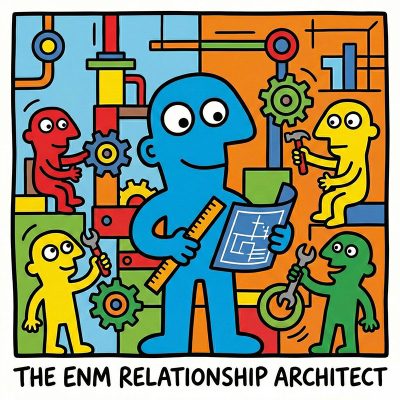
The world of non-monogamy is a maze of confusing labels. Trying to be "Polyamorous" when your heart actually needs "Swinging" isn't just a vocabulary error; it’s a recipe for misery.
You can't build a stable home on a foundation that doesn't fit your psychology. This tool analyzes your emotional bandwidth and jealousy triggers to design the exact structure you need. Stop trying to squeeze into a box that doesn't fit. Build a relationship that actually feels like home.

Opening up feels exciting, but if you aren't reading from the same script, you're writing a tragedy. The disconnect between "I want freedom" and "I want safety" is where hearts break. This isn't just a quiz; it’s a synchronization engine.
We identify the silent gaps in your desires—from sleepover rules to emotional bandwidth, before they become unbridgeable chasms. Don't wait until the damage is done to find out you were never on the same page. Align your compasses now.
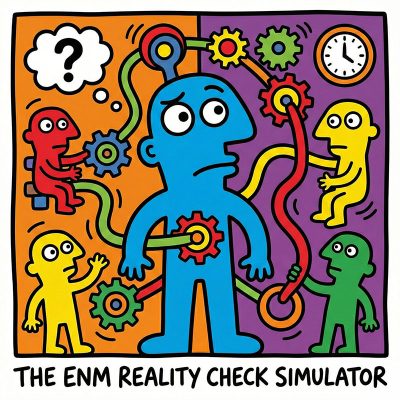
Theory is sexy. Reality is messy. You agreed you could date others, but how does your stomach drop when he takes her to your anniversary spot? Or when she comes home smelling like someone else?
This simulator drags your abstract rules into the harsh light of day. We force you to confront the visceral, gut-wrenching scenarios that actually destroy relationships, before they happen. Test your nervous system in the simulator so you don't crash the car in real life.

The fantasy is endless romance. The reality? It’s a logistical nightmare. Dating isn't just sex; it’s a second job of swiping, spending, and emotional processing that drains your sanity. Underestimating the "admin" of non-monogamy is the fastest way to turn your relationship into a burnout factory where resentment thrives.
This calculator forces you to confront the brutal math of your time, energy, and wallet. Can you actually afford this lifestyle, or are you just signing up for exhaustion?
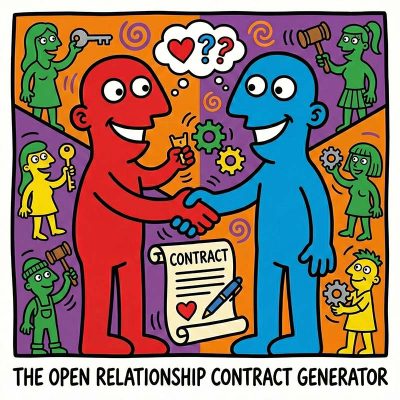
"I thought we agreed" is the sentence that destroys relationships & marriages. Relying on verbal promises when emotions run high is a gamble you cannot afford to lose. Your memory isn't just faulty; it's a liability. Ambiguity is the oxygen that jealousy breathes, turning "freedom" into a minefield of "did I mess up?"
This generator transforms vague permissions into a concrete, signed reality. Stop arguing about what you thought was said and lean on what is written. Secure your boundaries in ink, not hope.
Core components of a strong sexual health agreement in ENM
Boundaries and consent checklists
Healthy ENM requires clear boundaries and ongoing consent. Boundaries are the lines that no one crosses without a deliberate discussion. Consent is ongoing and can be withdrawn at any time. A practical approach is to create a shared checklist that includes topics such as which acts are allowed with which partners which activities require condom use and what health information must be shared before and after encounters. You can adapt the checklist as relationships evolve. The important part is that every person involved has access to the same information and agrees to the terms.
Partner types and categories
People in ENM often categorize partners to help with planning and health decisions. Categories can vary but a common approach is to label partners as primary secondary or casual. A primary partner is someone who holds a central place in your life and household. A secondary partner is important but not the central anchor. A casual partner is someone you might see occasionally. The exact labels are less important than having a transparent plan for how each category affects risk and testing. Documentation can be kept in a shared file or app that everyone can access with consent.
Disclosure expectations
Disclosure is about sharing how you feel and what your health status is with your partners. A well designed plan specifies how soon you share updates about test results how often you check in and what to do if results change. It is common to agree to disclose STI results that are relevant to sexual activity within the last certain number of days or weeks. The timeline should feel fair and keep lines of communication open rather than creating fear or guilt. The goal is to empower all partners to make informed decisions together.
Testing norms and status updates
Testing norms are a practical map for keeping everyone safe. They include which infections you test for which tests you use and how you interpret results. A robust plan helps people avoid assumptions and fosters trust. It is normal to adjust testing frequency as life changes such as starting a new partner or entering a primary relationship. The norms should reflect risk levels and the desires of all involved. There is no one size fits all approach but there are common best practices that work well for most ENM groups.
Safety practices beyond testing
Testing is a central pillar but safety also includes how you use protection during sex how you clean shared toys and how you handle boundaries around kissing and oral sex. Some groups choose to use condoms for all vaginal and anal sex while allowing certain activities without condoms after discussion and agreement. Others may incorporate regular rapid testing or partner notifications for specific activities. The key is to put safety pilots in place so you can steer the ship when life gets busy or confusing.
Testing norms and practical guidelines
In ENM the goal is informed consent backed by reliable information. That means a practical plan for testing as a baseline and as a living document you update with your partners. Here are practical guidelines you can adapt to your group. Remember that local medical advice can vary so talk to your clinician about what makes sense for your situation.
- Baseline testing When you start a new partner or a new constellation plan a baseline set of tests. This helps everyone understand the current health status before sexual activity intensifies.
- HIV testing The standard testing for HIV involves an antibody test an antigen antibody test or a nucleic acid test. The choice depends on timing and access. If you are at high risk talk with a clinician about appropriate testing and possible use of PrEP for ongoing protection.
- Chlamydia and gonorrhea testing These infections are common and can be tested through urine samples or swabs. Regular testing is wise for anyone with new partners especially when new sexual activity begins with multiple partners.
- Syphilis testing This test is typically done through a blood sample. It is a straightforward test and can be done during routine visits at sexual health clinics.
- Hepatitis B and C testing Testing covers a range of possible infections. Vaccination for hepatitis B is available in many places and is a smart protective step for those at risk.
- HPV testing and vaccination HPV is very common and has several high risk types. Vaccination can prevent many issues and regular screenings catch problems early where applicable.
- Herpes testing Herpes is very common but not all infections are tested routinely. Discuss with a clinician whether testing is right for you given your risk profile.
- Window periods Tests need time after exposure to detect infections. If you have a recent exposure discuss timing with your clinician to choose the right test schedule.
- Testing frequency by risk People with multiple partners or with new partners frequently may schedule testing every three to six months depending on local guidance and risk levels. Those with fewer partners may choose to test semi annually or annually unless symptoms arise.
- At home testing At home test kits can be convenient but make sure you use tests that are reliable and approved in your region. Report results to partners and your clinician as needed.
- Post exposure steps If you have a possible exposure to HIV or other infections seek medical advice promptly. PEP is most effective when started within hours after exposure and not later than a few days depending on the infection.
How to negotiate testing and health agreements with partners in ENM
Negotiating health agreements can feel awkward at first. The key is to frame safety as care and to approach the conversation with curiosity not judgment. Start with questions rather than statements. For example you might ask what testing routine works for you what concerns you have and what would make you feel safer. You can propose a shared calendar for testing dates set reminders and commit to updating results in a secure place. When talking about health status remember to protect privacy by sharing only what is necessary. You can discuss what level of detail you want to share such as a simple positive or negative status or more detailed information about the test type and date. The important outcome is that all partners have clear expectations and a plan that feels fair.
Realistic scenarios and example scripts
Scenario 1 New primary partner joins a duo
In this scenario a couple adds a new partner who will become part of the relationships main circle. The group sits down to map a health plan. They agree that all parties will complete baseline testing before any sexual activity beyond casual dating begins. They decide that HIV and STI testing will occur every three months and after any new partner joins the circle. They set up a shared secure document where results are recorded in a simple true or false form along with the test date. They also discuss how to handle a positive result with respect and support. The new partner agrees to disclose results within a week of receiving them and to update the group if their status changes.
Scenario 2 Open triad with varying risk levels
In this setup three people share a household and maintain separate relationships with each other. They craft a plan that includes a baseline test before any sexual event with another partner. They then schedule testing every four months for all three. They use condoms for vaginal and anal sex and they agree to perform HPV and hepatitis B vaccination follow ups as recommended by their clinician. One member asks for more frequent testing after a single partner reports recent unprotected sex. The group discusses and agrees to adjust the schedule to every two months for a cycle until reassuring negative results are obtained.
Scenario 3 Consistency over time with easing boundaries
A couple evolves from a long term relationship to a more flexible ENM arrangement. They review their safety plan annually and adjust as needed. They keep a shared log of test results and emphasize that disclosure is allowed but not forced. They also discuss the possibility of re establishing safety boundaries after major life events such as moving or starting a new job. The key is staying honest about risk and keeping lines of communication open even when life gets busy.
Scenario 4 Discordant statuses and careful planning
In this scenario one partner tests positive for a non HIV infection while the other two test negative. They pause all new sexual activity beyond established partners while everyone discusses how to proceed. They consult a clinician to confirm the plan. They decide to renew the entire health agreement with updated expectations and timelines. They choose to share only necessary information with the group while providing support resources for the partner with the infection. The group refrains from pressuring anyone to disclose details they are uncomfortable sharing and focuses on respect and ongoing consent.
Practical conversations you can start today
Use simple questions to start the health talk. You can say I want to keep everyone safe and respected. I propose we create a baseline testing plan before we have new sexual experiences. When should we schedule our first check in and how will we share results? If something changes how will we notify everyone involved? How comfortable are you with sharing health information and how much detail would you like to share? These are fair questions that keep the door open for honest dialogue without shame.
Templates you can adapt for your ENM group
Template A: Baseline health plan
We are a group that cares about safety and honesty. Before new sexual activity begins with a partner outside our current circle we will complete baseline tests. Our baseline tests include HIV HIV related tests and tests for common STIs which may include chlamydia gonorrhea and syphilis. We will share the results with all partners involved and we will discuss any necessary precautions such as condom use safer sex methods or changes to the frequency of testing.
Template B: Ongoing testing schedule
We agree to test every three months for all partners or sooner if there is a new partner or a potential exposure. We will review results together and adjust our practices as needed. We will maintain a shared secure record of test results with limited access to protect privacy. We will use this information to guide decisions about safety and boundaries.
Template C: Disclosure and update protocol
We will disclose health status changes within seven days of receiving new results. We will provide only the information necessary for safety and will respect each person s privacy. If someone tests positive for an infection we will pause new sexual activity until we agree to updated terms and a new plan with the involved clinicians.
Template D: Handling discordant statuses
If one person has a different status from others we will discuss how to proceed with consent and safety. We may decide to limit certain activities until everyone agrees to a safe approach. We will seek medical guidance when needed and keep communication open so no one feels isolated or blamed.
The freedom of an open relationship sounds incredible, but the logistics can feel like holding a grenade. That spinning "what if" anxiety isn't paranoia, it’s your survival instinct warning you that your bond is exposed. "Just seeing what happens" is the fastest way to turn a fantasy into a breakup.
The Essential Guide replaces chaos with discipline. We give you the blueprints, jealousy protocols, and repair scripts needed to explore the edge without falling off. Don't guess. Secure your foundation first.
The world of non-monogamy is a maze of confusing labels. Trying to be "Polyamorous" when your heart actually needs "Swinging" isn't just a vocabulary error; it’s a recipe for misery.
You can't build a stable home on a foundation that doesn't fit your psychology. This tool analyzes your emotional bandwidth and jealousy triggers to design the exact structure you need. Stop trying to squeeze into a box that doesn't fit. Build a relationship that actually feels like home.
Opening up feels exciting, but if you aren't reading from the same script, you're writing a tragedy. The disconnect between "I want freedom" and "I want safety" is where hearts break. This isn't just a quiz; it’s a synchronization engine.
We identify the silent gaps in your desires—from sleepover rules to emotional bandwidth, before they become unbridgeable chasms. Don't wait until the damage is done to find out you were never on the same page. Align your compasses now.
Theory is sexy. Reality is messy. You agreed you could date others, but how does your stomach drop when he takes her to your anniversary spot? Or when she comes home smelling like someone else?
This simulator drags your abstract rules into the harsh light of day. We force you to confront the visceral, gut-wrenching scenarios that actually destroy relationships, before they happen. Test your nervous system in the simulator so you don't crash the car in real life.
The fantasy is endless romance. The reality? It’s a logistical nightmare. Dating isn't just sex; it’s a second job of swiping, spending, and emotional processing that drains your sanity. Underestimating the "admin" of non-monogamy is the fastest way to turn your relationship into a burnout factory where resentment thrives.
This calculator forces you to confront the brutal math of your time, energy, and wallet. Can you actually afford this lifestyle, or are you just signing up for exhaustion?
"I thought we agreed" is the sentence that destroys relationships & marriages. Relying on verbal promises when emotions run high is a gamble you cannot afford to lose. Your memory isn't just faulty; it's a liability. Ambiguity is the oxygen that jealousy breathes, turning "freedom" into a minefield of "did I mess up?"
This generator transforms vague permissions into a concrete, signed reality. Stop arguing about what you thought was said and lean on what is written. Secure your boundaries in ink, not hope.
Practical tips to implement these norms smoothly
- Use a central tool Choose a secure shared document or a dedicated app for health agreements that everyone can access with permission. Keep it simple and up to date.
- Schedule regular check ins Put reminders on a calendar for testing dates and for renewing agreements. These conversations should feel routine not dramatic.
- Stock essential resources Keep information about local clinics testing options and vaccination opportunities in one place so people can act quickly if needed.
- Protect privacy Only share details that are necessary for safety. Respect personal boundaries and avoid pressuring anyone to disclose more than they want to share.
- Normalize testing Treat testing as a normal ongoing care habit just like annual physicals. This reduces stigma and makes it easier to plan ahead.
- Seek professional guidance When in doubt talk to a clinician who specializes in sexual health. They can tailor advice to your group dynamics and local conditions.
Common mistakes and how to avoid them
- Assuming status equality Not everyone will want to share the same level of detail about their health. Honour each person s comfort level and still maintain a group safety standard.
- Rushing conversations Do not rush health talks. Take time to discuss concerns and to understand risks. Set aside time that respects everyone involved.
- Letting testing slide Life is busy. It is easy to skip a test. Put reminders in place and view testing as essential care and not a chore.
- Oversharing private health information Respect privacy. Share enough to protect others and avoid exposing sensitive details that do not affect safety.
- Neglecting consent updates If boundaries change or new activity begins update the agreement promptly. Ongoing consent requires ongoing conversation.
Practical delivery tips for conversations about health
- Choose the right time Have the first health talk in a calm setting when everyone is focused. Avoid stress moments when emotions are running high.
- Be curious not accusatory Frame questions with care. For example ask what concerns you have and how we can address them together rather than blaming.
- Use role playing Practice with a friend or partner role by role for tough scenarios. This helps you speak more clearly when the moment arrives.
- Document outcomes After discussions write down the agreed plan and share it with all participants. Documentation reinforces clarity and accountability.
- Be patient Health conversations can be uncomfortable. Give people space to think and to reflect. Patience is part of the safety net you build together.
Dealing with changes in health status
When health status changes a group can adapt quickly or slowly depending on the people involved. The most important thing is to maintain respect and open dialogue. If someone tests positive for an infection the group should pause any new sexual activity with new partners while everyone reviews the plan. Then they can decide together what steps are needed next. This might involve more frequent testing for a period or updating safety boundaries. The goal is to protect health while preserving trust and connection.
Common questions and quick answers
Below are some short answers to questions people often ask when starting to work on health agreements in ENM. If you want more detail read the longer sections above.
- What does ENM require for health care? It requires honest conversations about risk and a plan that fits the group dynamics. It also invites ongoing consent and careful handling of health status information.
- How often should we test in a multi partner setup? A common approach is every three months for all involved and more often if there is a new partner or increased risk. You may adjust based on personal circumstances and clinician guidance.
- What infections should we test for? HIV chlamydia gonorrhea syphilis and hepatitis B and C are frequently included. Some groups also test for HSV herpes simplex virus and HPV depending on risk factors and local guidance.
- Who should know the health status of a partner? The minimum necessary information should be shared with all partners to maintain safety. Respect privacy while ensuring able to make informed choices about risk and activities.
- What if someone does not want to disclose details? The group should discuss boundaries and decide what level of information is needed to protect safety. It may lead to adjusted activities or re defined boundaries until everyone is comfortable again.
- Do we need to see a clinician for every change? Not every change requires a clinician. Your health care team can guide you on what tests are needed for safety. Clinician advice is most valuable when risks change or new infections are suspected.
- Can we combine testing addresses with regular medical visits? Yes. Many people coordinate sexual health testing with annual physicals or visits to a sexual health clinic to make the process convenient and consistent.
- Is it okay to keep testing results private? You should decide together what the group can access. Protecting privacy is important while ensuring safety for everyone involved.
- What if a test is positive? Work with your clinician to understand the treatment options and the best steps to protect partners. Provide support and adjust the plan as needed while awaiting recoveries and follow up testing.
Checklist to keep you on track
- Define your ENM structure and identify all partners involved in the plan.
- Agree on baseline testing before new sexual activity begins with a partner outside the core group.
- Decide which infections you will test for and how often you will test.
- Choose a method for sharing results that protects privacy and fosters trust.
- Set a cadence for reviewing the health agreement and update it as life changes.
- Keep a list of trusted clinics and testing options in your shared space.
Final notes on health and ENM
The core idea in ENM is clear honest communication about safety with care and respect for all people involved. Health agreements are not shackles they are a map that helps you move through relationship choices with confidence. If you approach these conversations with kindness and practical plans you can keep your connections vibrant and safe. The Monogamy Experiment is here to help you navigate this with practical steps real world examples and a tone that keeps things human. Health is a core element of any relationship and it deserves systematic thoughtful attention just like trust and respect do.
Glossary of useful terms and acronyms
- ENM Ethical Non Monogamy a relationship approach that involves multiple consensual romantic or sexual connections.
- STI Sexually Transmitted Infection
- HIV Human Immunodeficiency Virus
- PrEP Pre Exposure Prophylaxis
- PEP Post Exposure Prophylaxis
- HSV Herpes Simplex Virus
- HPV Human Papillomavirus
- Baseline testing Tests performed before new sexual activity or new partners join a group to establish health status
- Window period The time after exposure before a test can reliably detect an infection
- Disclosure Sharing relevant health information with partners in a timely and respectful way
- Safer sex Practices that reduce the risk of STI transmission
Frequently asked questions
How should I start a health conversation in ENM
Begin with a calm introduction about safety and care. State you want to build a robust plan together and invite input. Use concrete topics like testing frequency and information sharing and invite questions from others.
What if I forget to test or disclosure slips my mind
Pause and acknowledge the slip. Schedule an immediate follow up to address the gap and adjust the plan. Do not punish yourself or others. The goal is continuous improvement and safety.
Is there a minimum standard for reporting results
Most groups find that sharing results that impact risk is the minimum. The level of detail should feel comfortable for all partners while ensuring everyone can act safely. A simple result yes or no with the date can be enough for practical purposes.
What if a partner refuses to test
Respect the choice but discuss the safety implications. You may decide to limit certain activities until everyone agrees to a shared testing plan. You can also reassess the arrangement and consider whether the group remains a good fit for you.
Can we use home testing kits
Home testing can be convenient but use only reliable approved tests. Confirm results with a clinician if possible and share outcomes according to your agreed plan. Do not rely on home tests alone for critical decisions.
Should we discuss vaccinations as part of the plan
Vaccines are an important protective measure. If relevant talk about vaccines for hepatitis B and HPV and keep a current plan on booster shots when indicated. Vaccination supports long term safety for everyone involved.
The freedom of an open relationship sounds incredible, but the logistics can feel like holding a grenade. That spinning "what if" anxiety isn't paranoia, it’s your survival instinct warning you that your bond is exposed. "Just seeing what happens" is the fastest way to turn a fantasy into a breakup.
The Essential Guide replaces chaos with discipline. We give you the blueprints, jealousy protocols, and repair scripts needed to explore the edge without falling off. Don't guess. Secure your foundation first.
The world of non-monogamy is a maze of confusing labels. Trying to be "Polyamorous" when your heart actually needs "Swinging" isn't just a vocabulary error; it’s a recipe for misery.
You can't build a stable home on a foundation that doesn't fit your psychology. This tool analyzes your emotional bandwidth and jealousy triggers to design the exact structure you need. Stop trying to squeeze into a box that doesn't fit. Build a relationship that actually feels like home.
Opening up feels exciting, but if you aren't reading from the same script, you're writing a tragedy. The disconnect between "I want freedom" and "I want safety" is where hearts break. This isn't just a quiz; it’s a synchronization engine.
We identify the silent gaps in your desires—from sleepover rules to emotional bandwidth, before they become unbridgeable chasms. Don't wait until the damage is done to find out you were never on the same page. Align your compasses now.
Theory is sexy. Reality is messy. You agreed you could date others, but how does your stomach drop when he takes her to your anniversary spot? Or when she comes home smelling like someone else?
This simulator drags your abstract rules into the harsh light of day. We force you to confront the visceral, gut-wrenching scenarios that actually destroy relationships, before they happen. Test your nervous system in the simulator so you don't crash the car in real life.
The fantasy is endless romance. The reality? It’s a logistical nightmare. Dating isn't just sex; it’s a second job of swiping, spending, and emotional processing that drains your sanity. Underestimating the "admin" of non-monogamy is the fastest way to turn your relationship into a burnout factory where resentment thrives.
This calculator forces you to confront the brutal math of your time, energy, and wallet. Can you actually afford this lifestyle, or are you just signing up for exhaustion?
"I thought we agreed" is the sentence that destroys relationships & marriages. Relying on verbal promises when emotions run high is a gamble you cannot afford to lose. Your memory isn't just faulty; it's a liability. Ambiguity is the oxygen that jealousy breathes, turning "freedom" into a minefield of "did I mess up?"
This generator transforms vague permissions into a concrete, signed reality. Stop arguing about what you thought was said and lean on what is written. Secure your boundaries in ink, not hope.
