
Sexual Health and Safety


Welcome to a straight talking guide about sexual health and safety in the world of Ethical Non Monogamy, or ENM for short. ENM is a dynamic where partners agree to explore multiple relationships or sexual experiences with clear consent and honest communication. This guide is here to lay out practical safety strategies that work in real life situations. We keep things simple, practical and with a sense of humor because this stuff should empower you not scare you. Think of this as your friendly safety playbook for ENM adventures.
Quick Links to Useful Sections
- What ENM means for sexual health
- Building a health and safety plan for ENM
- Know your terms and how they apply
- Consent and ongoing negotiation
- Risk awareness and personal responsibility
- Partner selection and disclosures
- Boundaries and practical safety measures
- STI and HIV testing in ENM
- How often to test
- What to test for
- How to handle testing with multiple partners
- PrEP and PEP in ENM
- Vaccinations and vaccines that matter
- Safer sex practices in ENM
- Condoms and barrier methods
- Lubrication and comfort
- Safe sex with shared toys
- Oral health and hygiene
- Pregnancy risk and contraception
- Managing health in dynamic relationships
- Regular health check ins
- Handling a possible exposure
- Emotional health and safety
- Travel and safety on the move
- Practical tools to support ENM health and safety
- A simple risk matrix you can use with partners
- Communication templates that work
- Practical check lists for new partners
- Glossary of useful terms and acronyms
- Frequently asked questions
What ENM means for sexual health
Ethical Non Monogamy is about consent and openness. It is not about reckless risk taking or ignoring boundaries. In ENM you choose what works for you and your partners. That means making intentional decisions about sexual health that protect everyone involved. The core ideas here are consent, communication and safety. ENM invites people to explore connections with more than one partner while maintaining respect for each person’s limits and comfort levels. That means honesty about your sexual history your current arrangements and your feelings as things shift over time.
In plain language ENM asks three big questions. First what does everyone want from this arrangement and what are the boundaries. Second what level of risk feels acceptable to all parties. Third what practical steps do we take to stay healthy and respectful. When you have a plan for answering these questions you can explore with confidence rather than fear. This article will walk you through practical steps to keep health and safety front and center without killing the fun.
Building a health and safety plan for ENM
A health and safety plan is not a fancy document it is a living agreement that guides your choices. The plan should be created with all current partners and revisited regularly. It should be clear and actionable so everyone knows what to do and when to do it. Here are the essential pieces to include in your ENM safety plan.
Know your terms and how they apply
Ethical Non Monogamy means different things to different groups. To avoid confusion you should define the core terms you will use with your partners. For example you might define polyamory as pursuing more than one emotionally meaningful relationship with consent from all involved. You might define swinging as sexual activity with casual partners that does not always involve emotional closeness. You may also encounter terms like open relationship casual dating and relationship hierarchy. We will explain terms throughout this guide so you always have a practical reference you can share with someone new.
Consent and ongoing negotiation
Consent is active clear and ongoing. It is not a one time checkbox. In ENM you will renegotiate boundaries as your situations evolve. You should discuss what you are comfortable with who you want to see and what activities you are open to. Check in regularly even when things are going smoothly. A simple weekly or monthly check in can keep everyone aligned. If a partner experiences a change in feelings or a shift in risk tolerance that is a signal to pause or renegotiate. You deserve safety and you deserve to have your voice heard.
Risk awareness and personal responsibility
Health safety in ENM is about informed consent based on accurate information. You should understand the risks that come with various activities and know how to reduce those risks. Not every risk is the same and not every activity carries the same level of risk. You will make choices about everything from oral sex to penetrative sex to shared sex toys and beyond. The goal is to minimize risk while preserving autonomy and pleasure. Responsible risk management means choosing safer sex practices using protective barriers and seeking regular health check ups.
Partner selection and disclosures
Honesty about health status history and risk is essential. Each partner should disclose relevant information that could influence a decision to participate. The level of disclosure will depend on your shared agreements and personal comfort. You should agree on what information needs to be shared and how it will be communicated. Disclosures should feel respectful not punitive. The aim is to support informed decisions for everyone involved.
Boundaries and practical safety measures
Boundaries are the limits that keep people comfortable. They can be about who you see how you meet those people where you meet them and what activities you engage in. Boundaries can be changed as relationships grow or shift. In practice you might set boundaries on the number of partners you see in a given week or on specific acts you do or do not engage in. It is perfectly normal for boundaries to change over time. The important thing is to keep the lines of communication open.

The freedom of an open relationship sounds incredible, but the logistics can feel like holding a grenade. That spinning "what if" anxiety isn't paranoia, it’s your survival instinct warning you that your bond is exposed. "Just seeing what happens" is the fastest way to turn a fantasy into a breakup.
The Essential Guide replaces chaos with discipline. We give you the blueprints, jealousy protocols, and repair scripts needed to explore the edge without falling off. Don't guess. Secure your foundation first.

The world of non-monogamy is a maze of confusing labels. Trying to be "Polyamorous" when your heart actually needs "Swinging" isn't just a vocabulary error; it’s a recipe for misery.
You can't build a stable home on a foundation that doesn't fit your psychology. This tool analyzes your emotional bandwidth and jealousy triggers to design the exact structure you need. Stop trying to squeeze into a box that doesn't fit. Build a relationship that actually feels like home.

Opening up feels exciting, but if you aren't reading from the same script, you're writing a tragedy. The disconnect between "I want freedom" and "I want safety" is where hearts break. This isn't just a quiz; it’s a synchronization engine.
We identify the silent gaps in your desires—from sleepover rules to emotional bandwidth, before they become unbridgeable chasms. Don't wait until the damage is done to find out you were never on the same page. Align your compasses now.
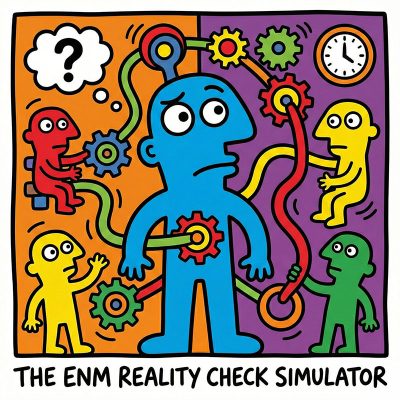
Theory is sexy. Reality is messy. You agreed you could date others, but how does your stomach drop when he takes her to your anniversary spot? Or when she comes home smelling like someone else?
This simulator drags your abstract rules into the harsh light of day. We force you to confront the visceral, gut-wrenching scenarios that actually destroy relationships, before they happen. Test your nervous system in the simulator so you don't crash the car in real life.

The fantasy is endless romance. The reality? It’s a logistical nightmare. Dating isn't just sex; it’s a second job of swiping, spending, and emotional processing that drains your sanity. Underestimating the "admin" of non-monogamy is the fastest way to turn your relationship into a burnout factory where resentment thrives.
This calculator forces you to confront the brutal math of your time, energy, and wallet. Can you actually afford this lifestyle, or are you just signing up for exhaustion?
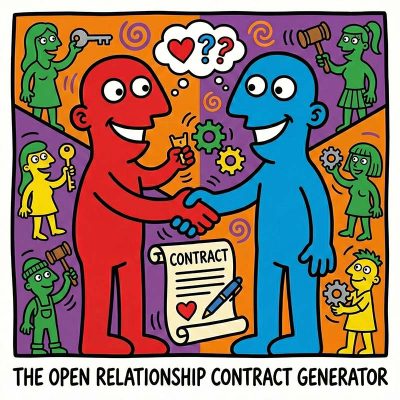
"I thought we agreed" is the sentence that destroys relationships & marriages. Relying on verbal promises when emotions run high is a gamble you cannot afford to lose. Your memory isn't just faulty; it's a liability. Ambiguity is the oxygen that jealousy breathes, turning "freedom" into a minefield of "did I mess up?"
This generator transforms vague permissions into a concrete, signed reality. Stop arguing about what you thought was said and lean on what is written. Secure your boundaries in ink, not hope.
STI and HIV testing in ENM
Regular testing is the backbone of sexual health in ENM. It protects you and your partners and it reduces anxiety by giving you clear data. The exact testing cadence depends on your activities and your numbers of partners but there are some general principles that work well for most people practicing ENM.
How often to test
First establish your baseline. If you have never tested before then you should do a full STI panel with your clinician. After you have a baseline you can set a cadence that matches your risk profile. A common approach for many ENM focused individuals is to test at least every three to six months. If you have new partners or if you engage in higher risk activities you may choose to test more often. If you have a partner with a known infection you should test sooner and follow your clinician guidance. Always follow local health guidelines and the advice of your healthcare provider because testing recommendations can vary by location and by individual risk factors.
What to test for
A standard STI panel usually includes tests for chlamydia gonorrhea syphilis and HIV. Depending on your activities you may also want to test for hepatitis B and C herpes hepatitis A and other infections. Talk to your clinician about which tests are most appropriate for you based on your sexual practices and your risk profile. Your clinician can tailor a testing plan that fits your life and your values. Do not guess when it comes to health. Professional guidance is your best ally.
How to handle testing with multiple partners
Coordination can be tricky but there are practical ways to make it smoother. You can share your testing plans with partners and agree to test around the same time. Some people prefer to go to appointments together for support and accountability. If you prefer privacy you can still coordinate through a trusted partner or use a shared calendar to track testing dates. The key is consistency and transparency about what you are testing for and when you schedule tests.
PrEP and PEP in ENM
PrEP stands for pre exposure prophylaxis a medication used to reduce the risk of acquiring HIV. PEP stands for post exposure prophylaxis a treatment started after potential HIV exposure to prevent infection. Both are important tools in a comprehensive ENM health plan. Whether PrEP or PEP is right for you depends on your risk profile your medical history and your conversations with a healthcare provider. If you are considering PrEP or PEP talk to a clinician who can review your options and provide guidance on how to use these medications safely and effectively.
Vaccinations and vaccines that matter
Vaccinations help protect you and protect your partners. Important vaccines include HPV vaccines which protect against several cancers and warts and vaccines for hepatitis A and B depending on your location and risk. HIV prevention relies more on behavioral strategies and PrEP but vaccines are still a critical part of overall health. Keeping up to date with vaccines is a smart move for anyone practicing ENM especially if you are exposed to different partner pools or you travel for relationships.
Safer sex practices in ENM
Safer sex is a practical toolkit not a rule book. It includes barrier methods condoms dental dams and proper lubrication. It also includes careful hygiene handling of toys and clean surfaces for sharing items. Regular cleaning guidelines and clear rules about which items are shared and which are kept personal help prevent cross contamination. The goal is to reduce STI transmission risk while maintaining pleasure and intimacy. Different activities require different protective measures and you should tailor your approach to your partners and your boundaries.
Condoms and barrier methods
Condoms remain one of the most effective tools for reducing STI transmission and unintended pregnancies. For oral sex consider dental dams especially when giving oral contact to a partner. If you are unsure about a barrier product check the label to confirm it covers the activity you plan to do. If you have latex allergies there are polyurethane and polyisoprene options available. It is important to use a new barrier with each new partner and with each new encounter even if you have used one before in the same session.
Lubrication and comfort
Use water based or silicone based lubricants to reduce friction which lowers the chance of micro tears that can spread infections. Do not use oil based lubricants with latex condoms as they can cause the condom to break. If you use flavored lubricants or products be mindful of potential irritation for sensitive partners and avoid products with added sugars that can disrupt natural flora.
Safe sex with shared toys
If you use sex toys with multiple partners you should clean them thoroughly between uses. For shared toys consider using barrier protections such as condoms over the toy when sharing. Some toys are designed to be disinfected thoroughly while others are not. Always read the manufacturer directions and when in doubt err on the side of safety. Do not assume a toy is safe to share without protective measures.
Oral health and hygiene
Oral sex carries its own set of risks. Good dental hygiene and regular dental care reduce the risk of certain infections. If you or a partner have mouth ulcers or active infections it may be wise to avoid certain activities until symptoms clear up. If you have questions about risk levels talk to a healthcare professional who can give guidance tailored to your situation.
Pregnancy risk and contraception
If pregnancy is not desired you should use a reliable contraception method in addition to barrier protection if pregnancy is a concern. Methods include hormonal options barrier methods and long acting reversible contraception. Discuss options with a healthcare professional to determine what makes the most sense for your health goals and life circumstances. If pregnancy is desired in a non monogamous setup you should have open conversations about contraception plan timelines and parenting goals with all involved partners.
Managing health in dynamic relationships
ENM can feel exciting and liberating and it can also bring complex feelings and practical challenges. The health side of things should be a steady part of your everyday routines not a response to a problem. Here are practical tips for staying healthy in a busy ENM life.
Regular health check ins
Schedule periodic discussions with partners about safety boundaries testing plans and any new partners. Make space for honest updates. If someone is experiencing symptoms they should be able to pause activities that involve others until they are cleared. Create an environment where people feel safe sharing concerns without blame or shame.
Handling a possible exposure
If you think you may have been exposed to an STI the best move is to get tested promptly and avoid sexual activity until you know your status. Notify partners according to your agreed protocols and seek medical guidance on what steps to take next. Do not delay seeking medical advice because you fear how others will react. Your health and the health of your partners matter most.
Emotional health and safety
Sexual health in ENM is not just physical. Emotional safety matters too. Jealousy fear and insecurity can impact how you engage in sexual activity. Have plans to address these feelings including safe spaces to discuss them with partners or a professional if needed. When people feel emotionally supported they are better able to make wise decisions about boundaries and safety.
Travel and safety on the move
When you travel or meet partners in different settings you should review safety protocols. In new environments storms of feelings and different cultural norms can influence how you practice safety. Plan ahead for events such as open fireworks of a party an intimate encounter or meeting someone new. Share your travel plans with trusted partners and set up emergency contacts and check in routines so everyone feels secure.
Practical tools to support ENM health and safety
We all need practical aids to make good choices. Below are tools you can adopt right away to improve health safety in ENM. Adapt them to fit your life and your agreements with partners.
A simple risk matrix you can use with partners
Create a small matrix listing activities along one axis and risk levels along the other axis. For example oral sex condom use protected intercourse sharing toys and kissing. For each activity discuss how likely risk is and what protective steps you will take. Keep the conversation focused on safety measures and consent rather than blaming. Update the matrix whenever plans change or new partners are added.
Communication templates that work
Use clear consent language that can be read aloud or used in messages. Examples include I would like to play with you in a way that keeps us safe and I want to check we are both comfortable with this before we begin. If either of us feels unsure we pause and talk it through. If we need to we can take a break and revisit later. You can adapt these phrases to suit your tone and your relationships.
Practical check lists for new partners
- Ask about last STI testing and results
- Agree on what activities you will share and how to protect everyone
- Set expectations for testing cadence with new partners
- Confirm understanding of boundaries and consent triggers
- Arrange a convenient plan for reporting any health concerns
Glossary of useful terms and acronyms
- Ethical Non Monogamy ENM An approach to relationships where all parties consent to multiple romantic or sexual connections with clear communication and ethical behavior.
- Polyamory A form of ENM focused on emotionally meaningful relationships with more than one partner.
- Open relationship A relationship in which partners agree that one or both may have sexual or romantic relationships with others.
- Swinging People who engage in sexual activities with others as a couple or within a relationship network often for recreation rather than for forming new emotional bonds.
- Safer sex Practices that reduce the risk of sexually transmitted infections and unintended pregnancy.
- STI Sexually transmitted infection. Also commonly called STI or sexually transmitted disease depending on the condition.
- Gonorrhea A common bacterial STI that affects mucous membranes including in the genitals throat and rectum.
- Chlamydia A widespread bacterial STI that often presents few or no symptoms but can cause health problems if untreated.
- HIV Human immunodeficiency virus which attacks the body's immune system. With proper treatment people can live long healthy lives.
- PrEP Pre exposure prophylaxis a daily medication that significantly reduces the risk of HIV infection in people who are at high risk.
- PEP Post exposure prophylaxis a short course of HIV medicines started after a potential exposure to reduce the chance of infection.
- HPV Human papillomavirus a common virus that can cause cervical cancer or other cancers and warts. Vaccines protect against several strains.
- HPV vaccine A vaccine that prevents infection with several high risk strains of HPV.
- Barrier methods Products like condoms dental dams and other physical barriers used to prevent STI transmission.
- Fusion A term sometimes used to describe a strong emotional bond formed with more than one partner. It is not required in ENM and different people use it in different ways.
- Enthusiastic consent A clear positive yes to engaging in a specific activity at that moment which can be withdrawn at any time.
Frequently asked questions
How often should ENM partners be tested for STIs
Most people in ENM test every three to six months as a default baseline. If you have new partners or engage in higher risk activities you may choose to test more often. Always align with your clinicians recommendations and the comfort levels of your partners.
What is the difference between ENM and swinging
ENM emphasizes multiple relationship connections with emotional and sexual openness and clear consent. Swinging is often focused on sexual activity within couples or networks without forming new emotional bonds. Both are legitimate forms of non monogamy depending on the people involved and the agreements they make.
Is PrEP recommended for ENM
PrEP can be a valuable option for people at risk of HIV infection. Whether it is right for you depends on your risk profile your health history and your discussions with a healthcare professional. It is part of a broader health plan that includes testing safe sex practices and open communication.
How do I discuss sexual safety with a new partner
Be direct and compassionate. Share your testing history your safety practices and what you are looking for in terms of boundaries. Invite your potential partner to share their practices and comfort levels as well. Agree on a plan that feels fair to both of you and be prepared to renegotiate as you both gain more information and experience.
What about pregnancy risk and contraception in ENM
If pregnancy is not desired you should use a reliable contraception method in addition to barrier protection. If pregnancy is desired you should discuss how to handle parenting plans and how this affects health decisions for all involved partners. Clear conversations early on prevent complications later.
How should I handle a partner who has an STI
Communicate openly with your partner about the infection and what it means for your safety. Follow your clinician guidance on testing and treatment. Decide together whether to pause certain activities until both of you are clear. Supporting each other while staying safe is a core part of ENM ethics.
What safe sex supplies should I have on hand
Keep a stock of condoms you are comfortable using and that fit well. Include dental dams if you engage in oral sex with condoms. Have a good personal lubricant available and keep a selection of toy cleaning supplies. Make sure to replace supplies regularly and never reuse a barrier between partners without proper cleaning or replacement.
The freedom of an open relationship sounds incredible, but the logistics can feel like holding a grenade. That spinning "what if" anxiety isn't paranoia, it’s your survival instinct warning you that your bond is exposed. "Just seeing what happens" is the fastest way to turn a fantasy into a breakup.
The Essential Guide replaces chaos with discipline. We give you the blueprints, jealousy protocols, and repair scripts needed to explore the edge without falling off. Don't guess. Secure your foundation first.
The world of non-monogamy is a maze of confusing labels. Trying to be "Polyamorous" when your heart actually needs "Swinging" isn't just a vocabulary error; it’s a recipe for misery.
You can't build a stable home on a foundation that doesn't fit your psychology. This tool analyzes your emotional bandwidth and jealousy triggers to design the exact structure you need. Stop trying to squeeze into a box that doesn't fit. Build a relationship that actually feels like home.
Opening up feels exciting, but if you aren't reading from the same script, you're writing a tragedy. The disconnect between "I want freedom" and "I want safety" is where hearts break. This isn't just a quiz; it’s a synchronization engine.
We identify the silent gaps in your desires—from sleepover rules to emotional bandwidth, before they become unbridgeable chasms. Don't wait until the damage is done to find out you were never on the same page. Align your compasses now.
Theory is sexy. Reality is messy. You agreed you could date others, but how does your stomach drop when he takes her to your anniversary spot? Or when she comes home smelling like someone else?
This simulator drags your abstract rules into the harsh light of day. We force you to confront the visceral, gut-wrenching scenarios that actually destroy relationships, before they happen. Test your nervous system in the simulator so you don't crash the car in real life.
The fantasy is endless romance. The reality? It’s a logistical nightmare. Dating isn't just sex; it’s a second job of swiping, spending, and emotional processing that drains your sanity. Underestimating the "admin" of non-monogamy is the fastest way to turn your relationship into a burnout factory where resentment thrives.
This calculator forces you to confront the brutal math of your time, energy, and wallet. Can you actually afford this lifestyle, or are you just signing up for exhaustion?
"I thought we agreed" is the sentence that destroys relationships & marriages. Relying on verbal promises when emotions run high is a gamble you cannot afford to lose. Your memory isn't just faulty; it's a liability. Ambiguity is the oxygen that jealousy breathes, turning "freedom" into a minefield of "did I mess up?"
This generator transforms vague permissions into a concrete, signed reality. Stop arguing about what you thought was said and lean on what is written. Secure your boundaries in ink, not hope.
