
Shared Calendars and Planning Tools

Welcome to a down to earth guide built for ethical non monogamy fans who want to keep love and life organized without turning every relationship moment into a scheduling sprint. ENM stands for Ethical Non Monogamy a frame where honesty consent and communication are the core tools. A well organized calendar can be your best friend in an ENM dynamic. It helps you track dates times boundaries and check ins so everyone feels seen and respected. This article is not about policing love it is about creating space for multiple connections while keeping fairness and care at the center.
Quick Links to Useful Sections
- What shared calendars do for ENM relationships
- Key terms you should know when we talk about ENM calendars
- Choosing the right planning tool for your ENM setup
- How to set up a shared ENM calendar system from scratch
- Practical calendar layouts and weekly templates for ENM
- Template one a simple weekly rhythm
- Template two a flexible schedule with nesting
- Handling overlaps conflicts and changes with grace
- Real world scenarios showing calendars at work in ENM dynamics
- Scenario one a triad finds balance
- Scenario two nesting plus distant partners
- Scenario three four person polycule with flexible visits
- Communication tactics that pair well with calendars
- Tools and templates you can use today
- Safety boundaries and privacy practices for ENM calendars
- Glossary of useful terms and acronyms
- Frequently asked questions
- Putting it all together a quick starter guide
We are going to walk through what shared calendars and planning tools can do for you the kinds of setups that work in ENM and practical steps to build a system that fits your vibe. Expect real world examples verifiable tips and a friendly glossary of terms so you can talk about this stuff without getting stuck in jargon.
What shared calendars do for ENM relationships
In ethical non monogamy calendars are more than a list of dates they are a living map of your relationships. A good calendar helps everyone know when they are on call for time together when there are check in conversations and when to plan solo time or group events. The benefits are real:
- Clear visibility without shouting across the room or sending ten messages in a day
- Respect for boundaries around privacy and openness
- Better anticipation of conflicts or overlaps and a chance to reschedule with care
- Explicit spaces for metamours friends and partner groups to be included or kept separate as agreed
- Less cognitive load because you can rely on a central source of truth rather than memory alone
Let us be practical. A calendar is not a moral test it is a tool that helps you honor agreements. It can also reduce jealousy by making expectations explicit. When you can see that a partner has a date night and a check in with someone else you can plan your own needs accordingly. The aim is not to control people but to coordinate life in a way that feels fair for everyone involved.
Key terms you should know when we talk about ENM calendars
As we dive into this topic we will use a few terms and acronyms that are common in ENM conversations. Here is a quick primer so you can follow along with ease.
- ENM Ethical Non Monogamy a relationship style that values honest communication consent and fairness among all involved.
- Metamours People who are connected to the same partner but who are not in a romantic relationship with each other.
- Compersion The feeling of joy when a partner experiences happiness with someone else.
- Primary The partner who is considered the center of the relationship or who has the most influence over decisions in a given setup.
- Secondary A partner who shares time and attention but is not the primary anchor in a particular arrangement.
- Tertiary A partner who may have a more flexible or occasional role in the relationship web.
- Nesting A dynamic where partners live together or spend large blocks of time in the same home or space.
- Boundaries Explicit agreements that describe what is allowed what is not and how decisions are made.
- Transparency Being open about needs desires and changes that affect the group while respecting privacy where needed.
The freedom of an open relationship sounds incredible, but the logistics can feel like holding a grenade. That spinning "what if" anxiety isn't paranoia, it’s your survival instinct warning you that your bond is exposed. "Just seeing what happens" is the fastest way to turn a fantasy into a breakup.
The Essential Guide replaces chaos with discipline. We give you the blueprints, jealousy protocols, and repair scripts needed to explore the edge without falling off. Don't guess. Secure your foundation first.
The world of non-monogamy is a maze of confusing labels. Trying to be "Polyamorous" when your heart actually needs "Swinging" isn't just a vocabulary error; it’s a recipe for misery.
You can't build a stable home on a foundation that doesn't fit your psychology. This tool analyzes your emotional bandwidth and jealousy triggers to design the exact structure you need. Stop trying to squeeze into a box that doesn't fit. Build a relationship that actually feels like home.
Opening up feels exciting, but if you aren't reading from the same script, you're writing a tragedy. The disconnect between "I want freedom" and "I want safety" is where hearts break. This isn't just a quiz; it’s a synchronization engine.
We identify the silent gaps in your desires—from sleepover rules to emotional bandwidth, before they become unbridgeable chasms. Don't wait until the damage is done to find out you were never on the same page. Align your compasses now.
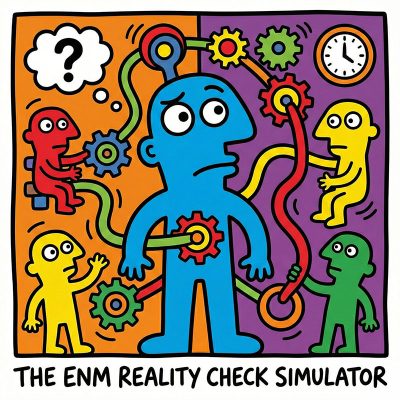
Theory is sexy. Reality is messy. You agreed you could date others, but how does your stomach drop when he takes her to your anniversary spot? Or when she comes home smelling like someone else?
This simulator drags your abstract rules into the harsh light of day. We force you to confront the visceral, gut-wrenching scenarios that actually destroy relationships, before they happen. Test your nervous system in the simulator so you don't crash the car in real life.
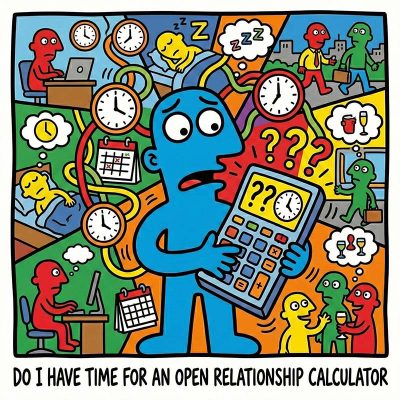
The fantasy is endless romance. The reality? It’s a logistical nightmare. Dating isn't just sex; it’s a second job of swiping, spending, and emotional processing that drains your sanity. Underestimating the "admin" of non-monogamy is the fastest way to turn your relationship into a burnout factory where resentment thrives.
This calculator forces you to confront the brutal math of your time, energy, and wallet. Can you actually afford this lifestyle, or are you just signing up for exhaustion?
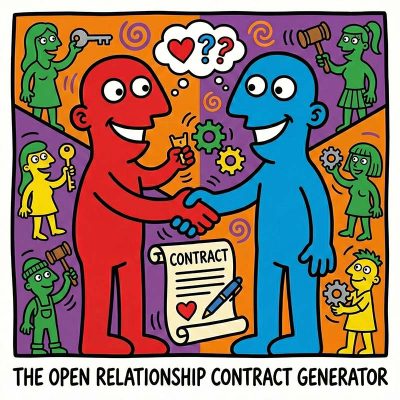
"I thought we agreed" is the sentence that destroys relationships & marriages. Relying on verbal promises when emotions run high is a gamble you cannot afford to lose. Your memory isn't just faulty; it's a liability. Ambiguity is the oxygen that jealousy breathes, turning "freedom" into a minefield of "did I mess up?"
This generator transforms vague permissions into a concrete, signed reality. Stop arguing about what you thought was said and lean on what is written. Secure your boundaries in ink, not hope.
Choosing the right planning tool for your ENM setup
The market is full of planning tools and it can feel overwhelming. The key is to choose a system that respects consent supports clear communication and reduces friction rather than adding friction. Here are the core features to look for:
- Shared visibility A central calendar that everyone involved can access with clear permission controls.
- Privacy controls The ability to mark certain events as private or to create separate calendars for certain relationships while still enabling the group to see what matters.
- Color coding A legend that makes it easy to distinguish dates with different partners groups or activities at a glance.
- Reminders and notifications Gentle prompts that help people remember ahead of events without feeling nagged.
- Cross device sync Access from phones tablets and laptops so you can add an event on the go or from the living room.
- Integrations Works with Google Calendar Apple Calendar Outlook or other tools you already use.
- Security You want solid access controls two factor authentication and good data handling practices.
While there are many options a few setups tend to work well in ENM contexts. A single shared calendar with additional private calendars for specific relationships often balances openness with privacy. Some groups also favor a metamour calendar for coordination while keeping certain details out of that calendar to preserve privacy. The choice is personal and should be discussed openly with your partners.
How to set up a shared ENM calendar system from scratch
Here is a practical, beginner friendly plan you can adapt to your own situation. We will keep it simple yet powerful enough to scale as your network grows.
- Define your goals Start with a quick conversation about what you want the calendar to achieve. Is the aim to reduce scheduling conflicts only or to improve emotional communication as well? Clarify success metrics like fewer last minute changes or more advanced planning for trips.
- Choose a primary calendar Pick one calendar that will act as the home base. This is the place where major events go and where the core schedule lives.
- Create additional calendars For example a partner specific calendar and a metamour calendar. You can also have a private calendar for sensitive planning if everyone agrees.
- Set a color legend Assign a color to each person or category. For example blue for your primary partner red for a secondary partner green for friend or family involvement. Keep the legend visible in the calendar notes.
- Agree on event naming Use clear, consistent names like Date Night with Alex or Weekend trip with Sam and Jamie. Avoid cryptic titles that require a decoder ring.
- Agree on privacy rules Decide what kinds of events stay private and which ones can be visible to the whole group. Put these rules in writing so everyone knows where they stand.
- Set reminders Use reminders that fit your vibe. Some people like a gentle nudge a day before while others prefer an hour before the event.
- Establish a cadence for check ins Build a routine time for conversation about the calendar. This can be a weekly or bi weekly chat to adjust plans and revisit boundaries.
- Implement a refresh routine Schedule a quarterly calendar review to clean up outdated events and re align on goals.
Practical calendar layouts and weekly templates for ENM
Below are two simple templates you can adapt. You can implement these in most calendar tools with a few clicks and a shared access link.
Template one a simple weekly rhythm
In a week with two partners and a metamour this might look like this. Monday evening is reserved for partner A. Tuesday afternoon for partner B. Wednesday is a free catch up night you can use for a check in or a solo activity. Thursday evenings you may have a group hang with partner A and partner B. Friday is date night with partner C. Saturday morning you have a quiet time for yourself and Sunday is flexible reserve or renegotiation time when needed. The exact days can shift but the idea is to have predictable blocks that reduce last minute scheduling chaos.
Template two a flexible schedule with nesting
In a nesting setup you may spend weekdays in the shared home with the nesting partner and have weekend time with other partners. A calendar can show the shared living blocks and a separate calendar for visits by other partners. The color system keeps things clear and you can add notes about boundaries or agreements for the weekend. The important part is that everyone knows when they are likely to be on site and when to plan around the shared space and the private time each person needs.
Handling overlaps conflicts and changes with grace
Calendars do not eliminate the need for honest conversations they enable better conversations. When a conflict arises the most helpful move is to pause reflect and check in with clear communication. Here are some strategies that work well in ENM contexts.
- Plan ahead but stay flexible You can block time in advance but allow for adjustments if a partner needs to reschedule. Use a buffer to absorb changes without creating cascading conflicts.
- Use check in moments Regularly talk about how the calendar feels for everyone. Do not wait for problems to pile up. Short monthly check ins can prevent friction from growing.
- Honor boundaries If a boundary exists make sure the calendar reflects it. For example do not put items on a calendar if they would violate a stated boundary. Respect that for all involved.
- Practice compassionate language When plans change describe the impact and propose a new option rather than assigning blame.
- Hold space for jealousy If someone feels anxious it may help to name the feeling and create a plan to meet their needs while still respecting others plans.
Real world scenarios showing calendars at work in ENM dynamics
Here are three realistic mini case studies that show how shared calendars can improve coordination and reduce stress. Each scenario highlights a common ENM situation and the calendar based approach that helped.
Scenario one a triad finds balance
In a triad with two partners and a third person the couple uses a shared calendar to coordinate weekly date nights and monthly group activities with their metamour. By color coding the events with blue for partner one red for partner two and purple for the metamour they can quickly see how much time each person has with the group. When a city break comes up the planning is visible to everyone including where accommodations will be and which dates are private for the core partners. This reduces the need for a flood of messages and allows space for everyone to feel included.
Scenario two nesting plus distant partners
A nesting arrangement between two partners who live together but also have long distance connections uses a main calendar for the core week and separate calendars for long distance partners. They place travel windows on the calendar and add notes about travel time and communication preferences. On weeks when a long distance partner visits the calendar shows a block of time for a long weekend together. This setup prevents double bookings and makes it easier to plan travel days and down time without stepping on the nesting space.
Scenario three four person polycule with flexible visits
A four person network has a central partner who coordinates a shared calendar for the group and two secondary partners with complementary visits. The system uses a private calendar for personal medical appointments and a public calendar for all group events. The color codes help everyone know which events are group related and which are personal. The calendar helps the group maintain clear expectations around boundaries while still allowing spontaneity when all participants are available and enthusiastic.
Communication tactics that pair well with calendars
Calendars work best when paired with open direct conversations and a plan for regular check ins. Here are some practical tips to fuse calendar use with healthy communication.
- Set aside quiet time Reserve a weekly moment to review the calendar together without distractions.
- Use neutral language Keep your language focused on plans needs and agreements rather than emotional judgments.
- Document decisions When a change is agreed write it into the calendar and summarize the decision in a follow up message so everyone is aligned.
- Respect privacy needs Recognize that some people may want to keep certain events private. Honor those boundaries while maintaining group harmony.
Tools and templates you can use today
Here are practical tools and templates that you can adapt to your own ENM setup. The goal is to get you moving quickly without compromising on consent and care.
- One central calendar Use a main shared calendar for all core events. This becomes the backbone of your planning system.
- Private companion calendars Create one or more private calendars for sensitive information or boundary specific planning. Access is limited to those who need it.
- Color legend Document the meaning of every color on a legend note in the calendar so everyone knows what each color represents.
- Event naming conventions Example patterns include Date Night with [Name] or Check in with [Name] and Group Activity with [Names].
- Reminders Set two reminders for important events one 24 hours ahead and one a few hours before to accommodate last minute changes.
- Check in prompts Add recurring events that prompt the group to discuss the calendar and share updates about needs and boundaries.
Safety boundaries and privacy practices for ENM calendars
Sharing calendars is a form of data sharing and it comes with responsibilities. Here are guidelines that help you keep trust intact while making planning easier.
- Ask before sharing Make sure everyone who will be included on the calendar is on board and understands how information will be used.
- Respect privacy limits If someone wants a particular date kept private for personal reasons honor that request and still capture the essential plan in the calendar if possible.
- Limit sensitive details Where possible avoid posting deeply personal feelings or private diagnoses in shared calendars. Use the calendar for plans and boundaries and reserve private conversations for direct talks.
- Revisit consent Periodically check that all participants are still comfortable with the level of visibility and access offered by the calendar system.
Glossary of useful terms and acronyms
- ENM Ethical Non Monogamy a relationship style centered on honesty consent and fair treatment of all involved.
- Metamour A partner of a partner who is not in a romantic relationship with you.
- Compersion A feeling of joy at another person enjoying a relationship or experience with someone you care about.
- Primary The partner who acts as the main anchor for the relationship portfolio in a given arrangement.
- Secondary A partner who shares time and energy but is not the main anchor in the arrangement.
- Nesting A setup where partners share a living space or spend a large portion of time together in one home.
- Boundaries Agreements that guide behavior and decision making within the group.
- Transparency Open discussion about needs wants and changes that affect the group.
- Metamours calendar A separate calendar used to coordinate activities with metamours without sharing every personal detail inside the main calendar.
Frequently asked questions
What is the best first step to start using a shared calendar in an ENM setup
Start with a clear conversation about goals and boundaries then agree on one main calendar and perhaps a private calendar for sensitive topics. Create a simple color legend and a few naming conventions. Set a regular check in to review the calendar and make adjustments as needed.
How do we handle privacy while still keeping the group informed
Use a private calendar for highly personal events and a public or shared calendar for group level planning. Each participant should consent to access and you should document which events are visible to whom. The key is transparent rules and ongoing consent.
What tools do you recommend for beginners
Start with a widely used calendar platform that supports sharing across devices such as Google Calendar or Apple Calendar. Add a second private calendar for sensitive topics if needed. Use a simple color legend to keep things readable and set reminders that feel helpful not overwhelming.
How should we name events to avoid confusion
Use clear straightforward names that include the people involved and the type of event. Examples include Date Night with Alex and Jordan or Check In with Sample Partner and Date with Jamie. Avoid vague titles that require more context to understand.
How to handle overlap when two partners want the same time
Use a collaborative approach to reschedule. If possible offer alternative times with a commitment to revisit if the alternative does not work for both. If a conflict must occur maintain a calm tone and focus on finding a solution that respects everyone involved.
What about long distance partners
Long distance planning often needs extra lead time and flexible scheduling. Use weekly blocks for visits plus a separate calendar or calendar section for virtual dates call ins or flexible check ins that fit time zones. Be sure to confirm times in writing to prevent miscommunication.
Is it possible to manage nesting and non nesting partners with the same calendar
Yes it is possible with thoughtful structure. Use a main calendar for all core plans and private calendars for nesting or private visits. This keeps life simple while preserving the needed privacy for certain arrangements. Regular check ins help ensure everyone stays aligned on boundaries and needs.
How often should we review our calendar setup
Plan a calendar review at least every quarter. You can also schedule shorter monthly huddles during busy seasons. A review is a chance to adjust color codes rename event types and revisit consent agreements.
How do we address jealousy and emotional reactions when plans change
Naming the feeling and creating a plan to meet needs helps. For example you can set a rule that if a person feels left out there is a quick check in with that partner to restore balance. Use compassionate language and stay focused on solutions that work for everyone involved.
Putting it all together a quick starter guide
Here is a concise starter kit you can use right away to begin your ENM calendar journey. It is practical and easy to adapt to your specific dynamics.
- Choose one main calendar with shared access for core events
- Set up one or two private calendars for sensitive topics or boundary specific planning
- Create a color legend that is easy to understand at a glance
- Name events clearly and consistently
- Document consent when you introduce new participants or change boundaries
- Schedule regular check ins to review the calendar and adjust as needed
And remember this is a tool not a rule book. The aim is to support honest communication and care for everyone involved while allowing your relationships to flourish in a way that feels fair and kind.
The freedom of an open relationship sounds incredible, but the logistics can feel like holding a grenade. That spinning "what if" anxiety isn't paranoia, it’s your survival instinct warning you that your bond is exposed. "Just seeing what happens" is the fastest way to turn a fantasy into a breakup.
The Essential Guide replaces chaos with discipline. We give you the blueprints, jealousy protocols, and repair scripts needed to explore the edge without falling off. Don't guess. Secure your foundation first.
The world of non-monogamy is a maze of confusing labels. Trying to be "Polyamorous" when your heart actually needs "Swinging" isn't just a vocabulary error; it’s a recipe for misery.
You can't build a stable home on a foundation that doesn't fit your psychology. This tool analyzes your emotional bandwidth and jealousy triggers to design the exact structure you need. Stop trying to squeeze into a box that doesn't fit. Build a relationship that actually feels like home.
Opening up feels exciting, but if you aren't reading from the same script, you're writing a tragedy. The disconnect between "I want freedom" and "I want safety" is where hearts break. This isn't just a quiz; it’s a synchronization engine.
We identify the silent gaps in your desires—from sleepover rules to emotional bandwidth, before they become unbridgeable chasms. Don't wait until the damage is done to find out you were never on the same page. Align your compasses now.
Theory is sexy. Reality is messy. You agreed you could date others, but how does your stomach drop when he takes her to your anniversary spot? Or when she comes home smelling like someone else?
This simulator drags your abstract rules into the harsh light of day. We force you to confront the visceral, gut-wrenching scenarios that actually destroy relationships, before they happen. Test your nervous system in the simulator so you don't crash the car in real life.
The fantasy is endless romance. The reality? It’s a logistical nightmare. Dating isn't just sex; it’s a second job of swiping, spending, and emotional processing that drains your sanity. Underestimating the "admin" of non-monogamy is the fastest way to turn your relationship into a burnout factory where resentment thrives.
This calculator forces you to confront the brutal math of your time, energy, and wallet. Can you actually afford this lifestyle, or are you just signing up for exhaustion?
"I thought we agreed" is the sentence that destroys relationships & marriages. Relying on verbal promises when emotions run high is a gamble you cannot afford to lose. Your memory isn't just faulty; it's a liability. Ambiguity is the oxygen that jealousy breathes, turning "freedom" into a minefield of "did I mess up?"
This generator transforms vague permissions into a concrete, signed reality. Stop arguing about what you thought was said and lean on what is written. Secure your boundaries in ink, not hope.
