
Solo Polyamory and Autonomy


Think of this as your friendly guide from a person who has been messy with love and still somehow managed to keep the core of themselves intact. Solo polyamory is a way to build multiple loving connections while maintaining personal independence. It is about autonomy in the world of ethical non monogamy. If you want to date with intention, protect your time, and keep your inner compass steady this guide is for you.
Quick Links to Useful Sections
- What this guide covers
- Key terms and acronyms you should know
- Understanding solo polyamory
- How autonomy shows up in solo poly
- Why autonomy matters in ethical non monogamy
- The dance of desire and independence
- Common dynamics in solo polyamory
- Independent lives and shared moments
- Flexible agreements
- Boundary as a living thing
- practical tips for thriving as a solo polyamorist
- 1. Start with a personal autonomy audit
- 2. Create a transparent communication routine
- 3. Build a flexible but clear boundary framework
- 4. Manage time and energy with care
- 5. Practice healthy jealousy management
- 6. Build compersion muscle
- 7. Keep consent at the center
- 8. Document agreements but stay flexible
- Real life scenarios you might recognize
- Scenario 1 A busy professional with multiple partners
- Scenario 2 A student navigating new connections
- Scenario 3 A parent balancing family life and romance
- Common myths about solo polyamory debunked
- What to do when your life changes
- Practical tools to support autonomy in ENM
- Personal dashboards and journaling
- Simple consent and boundaries templates
- Communication rituals
- Safety and health practices
- How to tell friends and family about your style
- Is solo polyamory right for you
- Careful considerations for long term planning
- Checklist to use as you start or grow your solo poly life
- Glossary of useful terms and acronyms
- Frequently asked questions
What this guide covers
We will walk through the what and the why of solo polyamory and autonomy. You will get clear definitions so you know exactly what people mean when they say ENM which stands for ethical non monogamy. We will explain solo polyamory as a path that centers personal independence and individual relation ships rather than a fixed central partner. You will learn practical strategies for communication boundaries scheduling and conflict resolution that fit a solo poly lifestyle. There are realistic scenarios to help you picture everyday life. And of course we will cover common pitfalls myths and questions people have when they start exploring this dynamic.
Key terms and acronyms you should know
Ethical Non Monogamy ENM is a broad term for relationship styles that involve more than one romantic or sexual connection with the knowledge and consent of everyone involved. Solo polyamory is a version of ENM where the person prioritizes autonomy independence and personal growth even while dating multiple partners. A relationship not tied to a cohabiting or exclusive framework is common in solo poly environments. Compersion is feeling joy for a partner s happiness even when that happiness does not involve you directly. Boundary work means deciding what is okay and what is not in your intimate life and communicating those limits clearly. Negotiated agreements are the explicit conversations and written or unwritten rules that guide how multiple partners interact. A polycule is the network of people who are romantically or sexually connected to one another. Time management in ENM means making space for all partners while maintaining personal time for self care and reflection.
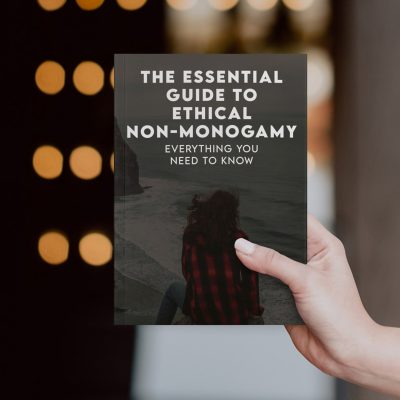
The freedom of an open relationship sounds incredible, but the logistics can feel like holding a grenade. That spinning "what if" anxiety isn't paranoia, it’s your survival instinct warning you that your bond is exposed. "Just seeing what happens" is the fastest way to turn a fantasy into a breakup.
The Essential Guide replaces chaos with discipline. We give you the blueprints, jealousy protocols, and repair scripts needed to explore the edge without falling off. Don't guess. Secure your foundation first.

The world of non-monogamy is a maze of confusing labels. Trying to be "Polyamorous" when your heart actually needs "Swinging" isn't just a vocabulary error; it’s a recipe for misery.
You can't build a stable home on a foundation that doesn't fit your psychology. This tool analyzes your emotional bandwidth and jealousy triggers to design the exact structure you need. Stop trying to squeeze into a box that doesn't fit. Build a relationship that actually feels like home.

Opening up feels exciting, but if you aren't reading from the same script, you're writing a tragedy. The disconnect between "I want freedom" and "I want safety" is where hearts break. This isn't just a quiz; it’s a synchronization engine.
We identify the silent gaps in your desires—from sleepover rules to emotional bandwidth, before they become unbridgeable chasms. Don't wait until the damage is done to find out you were never on the same page. Align your compasses now.

Theory is sexy. Reality is messy. You agreed you could date others, but how does your stomach drop when he takes her to your anniversary spot? Or when she comes home smelling like someone else?
This simulator drags your abstract rules into the harsh light of day. We force you to confront the visceral, gut-wrenching scenarios that actually destroy relationships, before they happen. Test your nervous system in the simulator so you don't crash the car in real life.

The fantasy is endless romance. The reality? It’s a logistical nightmare. Dating isn't just sex; it’s a second job of swiping, spending, and emotional processing that drains your sanity. Underestimating the "admin" of non-monogamy is the fastest way to turn your relationship into a burnout factory where resentment thrives.
This calculator forces you to confront the brutal math of your time, energy, and wallet. Can you actually afford this lifestyle, or are you just signing up for exhaustion?
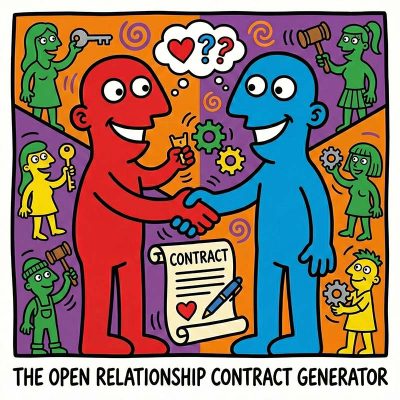
"I thought we agreed" is the sentence that destroys relationships & marriages. Relying on verbal promises when emotions run high is a gamble you cannot afford to lose. Your memory isn't just faulty; it's a liability. Ambiguity is the oxygen that jealousy breathes, turning "freedom" into a minefield of "did I mess up?"
This generator transforms vague permissions into a concrete, signed reality. Stop arguing about what you thought was said and lean on what is written. Secure your boundaries in ink, not hope.
Understanding solo polyamory
In a traditional sense many people think of a couple as the default unit. Solo polyamory flips that idea on its head. The focus is on keeping your own life as a complete life while engaging in meaningful connections with others. You do not give up your autonomy to please someone else. Instead you build a web of relationships that respect each person s independence. You keep your own schedule your own living space and your own goals aligned with your values. You are not hiding in a shared life you are actively choosing to live with diverse relationships on your terms.
How autonomy shows up in solo poly
- You maintain your own living space finances and time boundaries even when dating multiple people.
- You approach relationships as partnerships of equals where each person holds ownership of their choices and feelings.
- You stay curious about your own needs and communicate them honestly rather than trying to fit a mold someone else has in mind.
- You practice compersion by cultivating joy for others success while acknowledging your own needs are valid too.
Why autonomy matters in ethical non monogamy
Autonomy is not about being cold or distant. It is about choosing how you show up in relationships and not losing yourself in the process. When you have autonomy you can better manage jealousy you can preserve friendships and you can develop healthier boundaries. Autonomy helps you avoid the trap of becoming a role more than a person. It helps you avoid the blend of resentment and burnout that can happen when you feel you are always second best or always the one who compromises the most.
The dance of desire and independence
Desire is not a fixed resource. It shifts with mood energy and life events. Solo polyamory recognizes this by letting you feel okay about changing how you relate to different people over time. You can be deeply connected to one person while maintaining casual but meaningful connections with others. The important thing is to communicate transparently and regularly check in with yourself and with your partners. This approach creates a healthier ecosystem where people can thrive without losing their core identity.
Common dynamics in solo polyamory
In solo poly there are some recurring patterns. Being aware of them helps you navigate more smoothly.
Independent lives and shared moments
People in this space often live separately have their own friendships and pursue personal interests outside romantic ties. They come together for dates celebrates milestones or simply share a meal and conversation when it fits. The balance between time alone and time with others becomes a deliberate practice rather than a default setting.
Flexible agreements
Agreements are not meant to trap you they are tools to reduce risk and misunderstandings. You might renegotiate rules as life evolves. That is normal and healthy in a dynamic arrangement. The key is to document important agreements so everyone can refer back to them and feel seen in the process.
Boundary as a living thing
Boundaries are not walls meant to keep people out they are invitations to each person to show up in alignment with their values. In solo poly you will likely revisit boundaries around time with partners around dating with ex partners around sexual boundaries and around emotional sharing. The pace is yours to set and adjust with care.
practical tips for thriving as a solo polyamorist
The real world is messy and that is part of the charm. Here are practical strategies you can apply right away to live in alignment with autonomy while honoring ethical non monogamy.
1. Start with a personal autonomy audit
Take a careful look at your own life before bringing more people into it. Ask yourself what does autonomy look like for me in this season of life. Are there areas where I feel stretched along with multiple partners? Do I have enough personal space and time to recharge? Write down your top three personal goals and map out how dating will fit into achieving them rather than the other way around.
2. Create a transparent communication routine
Regular check ins help prevent small issues from becoming big problems. Choose a cadence that works for you and your partners whether that is a weekly chat a monthly deep dive or a shared journaling practice. During these conversations be specific and avoid blaming language. Focus on what you need what you want and what your partner can offer. Practice listening with curiosity and without jumping to conclusions.
3. Build a flexible but clear boundary framework
Boundaries should feel liberating not limiting. A strong framework helps everyone know where the line is and reduces anxiety. Write down boundaries that relate to time sexuality emotional intimacy and privacy. Be ready to renegotiate as situations change but maintain a predictable structure so communication stays easy.
4. Manage time and energy with care
Time is a precious resource. In solo polyamory you are balancing multiple connections while also living your own life. Use a personal calendar that is shared with partners if needed and label blocks for deep work social time date nights and self care. Remember that it is okay to cancel or rearrange plans if you need space for yourself.
5. Practice healthy jealousy management
Jealousy is normal in any dating scenario. The goal is not to eliminate it but to manage it in a way that respects yourself and others. When jealousy shows up name the feeling without judgment then explore the underlying need. It may be a need for reassurance time together or a sense of security. Talk together about how to meet those needs without pressing on someone else s autonomy.
6. Build compersion muscle
Compersion is the joy you feel when your partner experiences happiness with someone else. It does not demand you deny your own needs or suppress feelings. It is a practice that grows with time and honest communication. Share positive moments with your partner and celebrate their joys together. It increases trust and deepens connection without sacrificing autonomy.
7. Keep consent at the center
Consent is not a one time checkbox it is an ongoing conversation. Be explicit about what you are comfortable with and invite others to share their boundaries as well. When you introduce new partners or new activities check in with all involved. Create a culture where everyone feels safe speaking up and where changes can be negotiated without drama.
8. Document agreements but stay flexible
A simple written agreement can save a lot of confusion. You do not need a formal contract for every little thing. A few clear points about communication about time about sexual safety can go a long way. Review these documents periodically and adjust them as life changes.
The freedom of an open relationship sounds incredible, but the logistics can feel like holding a grenade. That spinning "what if" anxiety isn't paranoia, it’s your survival instinct warning you that your bond is exposed. "Just seeing what happens" is the fastest way to turn a fantasy into a breakup.
The Essential Guide replaces chaos with discipline. We give you the blueprints, jealousy protocols, and repair scripts needed to explore the edge without falling off. Don't guess. Secure your foundation first.
The world of non-monogamy is a maze of confusing labels. Trying to be "Polyamorous" when your heart actually needs "Swinging" isn't just a vocabulary error; it’s a recipe for misery.
You can't build a stable home on a foundation that doesn't fit your psychology. This tool analyzes your emotional bandwidth and jealousy triggers to design the exact structure you need. Stop trying to squeeze into a box that doesn't fit. Build a relationship that actually feels like home.
Opening up feels exciting, but if you aren't reading from the same script, you're writing a tragedy. The disconnect between "I want freedom" and "I want safety" is where hearts break. This isn't just a quiz; it’s a synchronization engine.
We identify the silent gaps in your desires—from sleepover rules to emotional bandwidth, before they become unbridgeable chasms. Don't wait until the damage is done to find out you were never on the same page. Align your compasses now.
Theory is sexy. Reality is messy. You agreed you could date others, but how does your stomach drop when he takes her to your anniversary spot? Or when she comes home smelling like someone else?
This simulator drags your abstract rules into the harsh light of day. We force you to confront the visceral, gut-wrenching scenarios that actually destroy relationships, before they happen. Test your nervous system in the simulator so you don't crash the car in real life.
The fantasy is endless romance. The reality? It’s a logistical nightmare. Dating isn't just sex; it’s a second job of swiping, spending, and emotional processing that drains your sanity. Underestimating the "admin" of non-monogamy is the fastest way to turn your relationship into a burnout factory where resentment thrives.
This calculator forces you to confront the brutal math of your time, energy, and wallet. Can you actually afford this lifestyle, or are you just signing up for exhaustion?
"I thought we agreed" is the sentence that destroys relationships & marriages. Relying on verbal promises when emotions run high is a gamble you cannot afford to lose. Your memory isn't just faulty; it's a liability. Ambiguity is the oxygen that jealousy breathes, turning "freedom" into a minefield of "did I mess up?"
This generator transforms vague permissions into a concrete, signed reality. Stop arguing about what you thought was said and lean on what is written. Secure your boundaries in ink, not hope.
Real life scenarios you might recognize
Scenario 1 A busy professional with multiple partners
Alex is a graphic designer who dates two people and lives alone. They structure their week with dedicated date nights and blocks of time for deep work. They communicate early about upcoming travel and renegotiate the calendar when stress spikes at work. Their approach keeps work and relationships from colliding while still honoring their need for autonomy.
Scenario 2 A student navigating new connections
Jordan is finishing school and exploring a few casual and more serious connections. They practice clear boundary setting around study time and social time. They are honest with partners about the possibility of shifts in priorities as classes take more hours. They keep a notes folder with agreed terms so everyone can reference it when life gets busy.
Scenario 3 A parent balancing family life and romance
Sam shares custody of their child and maintains two separate romantic connections. They schedule with care ensuring child care overlapped times. They are open with partners about parenting responsibilities and keep private spaces for personal reflection. This setup helps them honor both parenting duties and romantic interests without losing themselves.
Common myths about solo polyamory debunked
Myth one: Solo polyamory means you cannot be emotionally intimate with anyone. Truth: You can cultivate deep emotional connections while still keeping your independence. The key is honesty boundaries and ensuring each person s needs are respected. Myth two: You will be lonely if you stay autonomous. Truth: Autonomy does not equal isolation. It means you choose how you want to relate to each person and you build a life that centers your growth. Myth three: Solo poly requires a big time commitment. Truth: It depends on your choices and your energy. You can design a pace that fits your life and your values. Myth four: Autonomy means not owning up to your responsibilities. Truth: Responsibility in solo poly is about communication consent and consistent care for your own needs and for others you are involved with. Myth five: It is impossible to coordinate with a partner who wants exclusivity. Truth: You can negotiate terms that respect both positions even if one person prefers more independence than the other. Cleaner boundaries and clear communication often resolve these tensions.
What to do when your life changes
People s circumstances shift. A job move a new partner the desire for more or less connection a decision to start a family or a shift in living arrangements all of these impact your ENM dynamic. The best approach is to reset with a fast honesty session. Check in with yourself first about what you want next then invite partners into a conversation about how to adjust. You may need to renegotiate boundaries re schedule your time or redefine the pace of new connections. The important part is the open dialogue and the mutual willingness to adapt without losing your core sense of self.
Practical tools to support autonomy in ENM
Personal dashboards and journaling
Keep a personal journal that tracks your emotional state your time use and your goals. You can also use a digital dashboard where you log your relationships what you have scheduled and what you need next. This creates a clear view of how all parts of your life fit together and helps you stay centered.
Simple consent and boundaries templates
Create short templates that you can share with new partners. Include lines about what you are comfortable with and what would need a check in before shifting. You can adapt these templates as your life changes but keep the spirit of ongoing consent present.
Communication rituals
Design rituals that feel safe and supportive. For example a regular check in with each partner a weekly group chat for logistics a monthly mood review. The goal is to keep channels open and to prevent miscommunications from piling up.
Safety and health practices
Green light all around means discussing sexual health including STI status testing and safe sex practices. Share test results when appropriate and respect others decision about testing frequency. Use protection as agreed and talk about what you each consider safe care for your bodies.
How to tell friends and family about your style
Explaining solo polyamory to friends and family can feel daunting. You can keep things simple at first and share the core values honesty consent and respect. It helps to prepare a short sentence that describes what you are doing and why it works for you. You might want to offer resources or invite them to ask questions. Not everyone will understand right away but patience and consistent communication often pay off over time.
Is solo polyamory right for you
Only you can answer this question fully. Some people crave independence and love the idea of multiple meaningful connections with space to pursue personal goals. Others prefer a more concentrated type of commitment and a single partner. There is no right or wrong here as long as you are honest with yourself and with others about what you want and what you can give. If you lean toward autonomy you might enjoy the freedom to evolve your relationships without feeling boxed in. If you crave stability you can seek a partner who shares similar boundaries and a vision for a partnered life within an ENM framework.
Careful considerations for long term planning
Think about your values your future plans your current energy and your support system. Talk about potential life events such as cohabitation children or major career changes. Consider how these events could affect your relationships and what you might need to renegotiate. Remember autonomy is a living practice. Your needs may shift and that is perfectly okay as long as you keep communication strong and kind.
Checklist to use as you start or grow your solo poly life
- Define your personal goals and how relationships fit into them.
- Identify non negotiables for you around time space and safety.
- Practice honest communication about needs and boundaries with current and potential partners.
- Set a reasonable dating pace that supports your energy and focus on self care.
- Build a support network outside of your romantic life to avoid burnout.
- Regularly renegotiate agreements as situations change.
- Document key agreements for clarity without rigidity.
- Stay curious about your own desires and show up authentically in every connection.
Glossary of useful terms and acronyms
- ENM Ethical Non Monogamy a broad term for relationship styles that involve more than one romantic or sexual connection with the knowledge and consent of everyone involved.
- Solo polyamory A form of ENM where the person prioritizes autonomy independence and personal growth while dating multiple partners.
- Autonomy The freedom to make your own choices about relationships and life while honoring others needs.
- Compersion The feeling of joy for a partner s happiness even when that happiness does not involve you directly.
- Boundaries Limits or guidelines you set to define what is acceptable and safe for you in relationships.
- Negotiated agreements Explicit conversations that outline how multiple partners interact with each other.
- Polycule The network of people who are connected romantically or sexually to one another.
- Time management The practice of scheduling and balancing your personal life and multiple relationships with care.
- Jealousy management Skills and practices that help you recognize and address jealousy in healthy ways.
- Self care Actions that protect your mental emotional and physical well being.
Frequently asked questions
What is solo polyamory exactly
Solo polyamory is a form of ethical non monogamy in which an individual maintains independence in living space finances and emotional life while engaging in multiple romantic or sexual relationships. It emphasizes personal autonomy as a guiding principle.
How can I keep autonomy while dating multiple people
Start with clear personal boundaries decide how much time you can realistically devote to each relationship and maintain separate lives that still interconnect in healthy ways. Communicate openly about your needs and renegotiate as life shifts.
What should I do if I feel jealous
Label the emotion name the underlying need and discuss it with your partner. Explore what can be changed to meet that need. Jealousy is a signal not a verdict about someone s character. Use it as a chance to grow closer through honest conversation.
How do I know if solo poly is right for me
Ask yourself how important independence is to you how much energy you want to invest in multiple relationships and whether you can handle potential life changes with flexible agreements. If autonomy is tempting and you value personal growth you may fit well in this dynamic.
Can I have a traditional long term relationship and still practice solo polyamory
Yes some people blend elements of monogamy with ethical non monogamy with careful negotiation and clear boundaries. The key is consent clarity and ongoing communication with all involved.
What about kids and family dynamics
Many families navigate ENM thoughtfully and safely with open conversations about boundaries safety and respect. You should consider the impact on children and how to model healthy communication. Tailor conversations to the ages involved and maintain a stable home environment.
Is there a standard set of rules in solo polyamory
No there is no universal rulebook. Every group creates its own agreements as life evolves. The best agreements are practical fair and revisited regularly.
The freedom of an open relationship sounds incredible, but the logistics can feel like holding a grenade. That spinning "what if" anxiety isn't paranoia, it’s your survival instinct warning you that your bond is exposed. "Just seeing what happens" is the fastest way to turn a fantasy into a breakup.
The Essential Guide replaces chaos with discipline. We give you the blueprints, jealousy protocols, and repair scripts needed to explore the edge without falling off. Don't guess. Secure your foundation first.
The world of non-monogamy is a maze of confusing labels. Trying to be "Polyamorous" when your heart actually needs "Swinging" isn't just a vocabulary error; it’s a recipe for misery.
You can't build a stable home on a foundation that doesn't fit your psychology. This tool analyzes your emotional bandwidth and jealousy triggers to design the exact structure you need. Stop trying to squeeze into a box that doesn't fit. Build a relationship that actually feels like home.
Opening up feels exciting, but if you aren't reading from the same script, you're writing a tragedy. The disconnect between "I want freedom" and "I want safety" is where hearts break. This isn't just a quiz; it’s a synchronization engine.
We identify the silent gaps in your desires—from sleepover rules to emotional bandwidth, before they become unbridgeable chasms. Don't wait until the damage is done to find out you were never on the same page. Align your compasses now.
Theory is sexy. Reality is messy. You agreed you could date others, but how does your stomach drop when he takes her to your anniversary spot? Or when she comes home smelling like someone else?
This simulator drags your abstract rules into the harsh light of day. We force you to confront the visceral, gut-wrenching scenarios that actually destroy relationships, before they happen. Test your nervous system in the simulator so you don't crash the car in real life.
The fantasy is endless romance. The reality? It’s a logistical nightmare. Dating isn't just sex; it’s a second job of swiping, spending, and emotional processing that drains your sanity. Underestimating the "admin" of non-monogamy is the fastest way to turn your relationship into a burnout factory where resentment thrives.
This calculator forces you to confront the brutal math of your time, energy, and wallet. Can you actually afford this lifestyle, or are you just signing up for exhaustion?
"I thought we agreed" is the sentence that destroys relationships & marriages. Relying on verbal promises when emotions run high is a gamble you cannot afford to lose. Your memory isn't just faulty; it's a liability. Ambiguity is the oxygen that jealousy breathes, turning "freedom" into a minefield of "did I mess up?"
This generator transforms vague permissions into a concrete, signed reality. Stop arguing about what you thought was said and lean on what is written. Secure your boundaries in ink, not hope.
