
The Difference Between Structure and Freedom


Hey there friend. If you are navigating the world of ethical non monogamy or ENM you might feel pulled in two directions at once. On one hand you crave a sense of structure a solid plan a map you can follow. On the other hand you want space room to explore connections and relationships that feel true to you. That tug of war is not a mistake it is a feature of ENM. It is about balancing structure and freedom so you can grow and feel secure at the same time. This guide breaks down what that balance looks like in practical terms with clear explanations friendly examples and steps you can apply tonight. We will keep it real and keep it useful. No fluff just practical insights you can use with confidence.
Quick Links to Useful Sections
- What Ethical Non Monogamy is and why structure matters
- Key terms and acronyms you should know
- The tension between structure and freedom a practical view
- Real world ENM structures you might recognize
- Open arrangements with clear boundaries
- Open arrangements with hierarchical structure
- Relationship anarchy in practice
- Solo polyamory as a philosophy and practice
- Compartmentalized or linked structures
- Practical frameworks to balance structure and freedom
- 1. Start with core agreements and then renegotiate
- 2. Build ritual check ins not random conversations
- 3. Practice transparent communication about boundaries and needs
- 4. Create safety nets for health and safety
- 5. Embrace compersion and emotional hygiene
- 6. Decide on how to handle time together and time apart
- 7. Use a simple decision making model
- Common myths about structure and freedom in ENM
- Real world scenarios to illustrate the balance
- Tips for working through jealousy and building trust
- Practical do list for starting a healthy ENM structure
- Where structure and freedom meet within consent culture
- Common missteps and how to avoid them
- Glossary of useful terms and acronyms
- Frequently asked questions
- Putting it into practice tonight
- Checklist before you step into a new ENM conversation
- Where to go next
- Final notes on structure and freedom in ENM
Before we dive in quick note on terms for readers who want a quick glossary. ENM stands for Ethical Non Monogamy sometimes shortened to ENM in conversation. CNM means Consensual Non Monogamy which is the umbrella term many people use interchangeably with ENM. Polyamory is a type of CNM that emphasizes loving more than one person often with emotional commitments. Relationship anarchy a philosophy that treats relationships as freely organized without fixed hierarchies or assumed rules. Jealousy is a natural feeling that can signal boundaries or needs that require attention. Compersion is the feeling of joy from a partner's happiness even when it involves someone else. Now let us explore the difference between structure and freedom and how to make them work together rather than against each other.
What Ethical Non Monogamy is and why structure matters
Ethical Non Monogamy is a relationship approach that centers consent honesty and ongoing communication. It opens the door to dating and loving multiple people while trying to maintain respect for everyone involved. Structure in this space does not mean rigid control. It means thoughtful agreements clear communication and predictable processes that reduce guesswork. Structure helps you protect your time your energy and your core values. It also helps your partners know where they stand which reduces insecurity and confusion. The freedom comes from the trust you cultivate the ability to pursue meaningful connections with consent and with awareness of other people s needs. The result is a dynamic that can feel expansive like a wide horizon while still feeling grounded because everything is negotiated agreed upon and revisited as life changes.
Let us be practical. Structure in ENM can include these elements:
- Clear agreements about who you are dating and what activities are on or off limits
- Time management that protects primary relationships if you have them while leaving room for new connections
- Regular check ins where everyone involved shares feelings needs and boundaries
- Consent based processes for introducing new partners and negotiating changes
- Transparent communication about health safety dating history and any logistics that affect others
Freedom in ENM is about empowering you to choose who you want to invest in how you invest and how you spend your emotional energy. Freedom thrives when there is honesty transparency and a culture of consent. It means you can pursue relationships that feel authentic whether those relationships are casual romantic connections a deep emotional bond or a mix of both. Freedom is not a free for all with no boundaries. It is a cultivated practice of mutual respect for each other s autonomy and for your own needs.
Key terms and acronyms you should know
If you are new to ENM you might hear several terms that can feel like a language upgrade. Here is a quick glossary so you can read on with confidence.
- ENM Ethical Non Monogamy. A form of non monogamy that prioritizes consent open communication and ethical care for all involved.
- CNM Consensual Non Monogamy. A broad term used to describe any non monogamous arrangement that all parties have agreed to.
- Polyamory A form of CNM where people have multiple loving relationships often with emotional commitments shared with more than one partner.
- Relationship anarchy A philosophy where relationships are organized without fixed hierarchies rules or labels but guided by consent and personal agreements.
- Jealousy A natural emotion that can signal a boundary need or fear. It is not a betrayal it is information to be explored with care.
- Compersion The joy felt when a partner experiences happiness with someone else. Think of it as a positive cousin to empathy.
- Boundaries Personal limits you set to protect your wellbeing and align with your values. Boundaries can be about time emotional energy or physical safety.
- Agreements Explicit understandings negotiated with partners about what is allowed what is not and how everyone will communicate.
- Renegotiation Revisiting and adjusting agreements as life changes or as feelings evolve.
- Primary partner A label some people use to designate a main relationship. Not everyone uses this term and some prefer not to use it at all in favor of relationship autonomy.
- Open arrangement An agreement that allows dating or sexual activity with others outside the primary relationship under defined conditions.
- Solo polyamory A style where a person maintains autonomy while having multiple intimate connections without prioritizing a single primary partner.
- Negotiation The process of discussing needs fears and boundaries with partners in order to reach a mutual understanding.
Having a shared vocabulary makes structure easier to manage. It also lowers the risk of miscommunication which is the silent killer of good ENM practice.
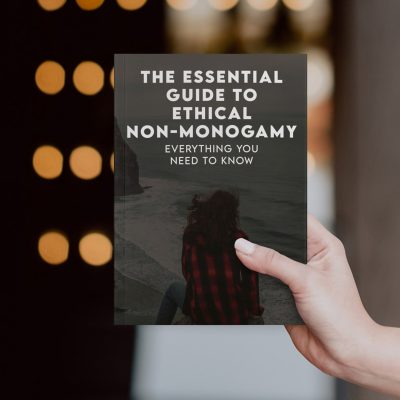
The freedom of an open relationship sounds incredible, but the logistics can feel like holding a grenade. That spinning "what if" anxiety isn't paranoia, it’s your survival instinct warning you that your bond is exposed. "Just seeing what happens" is the fastest way to turn a fantasy into a breakup.
The Essential Guide replaces chaos with discipline. We give you the blueprints, jealousy protocols, and repair scripts needed to explore the edge without falling off. Don't guess. Secure your foundation first.
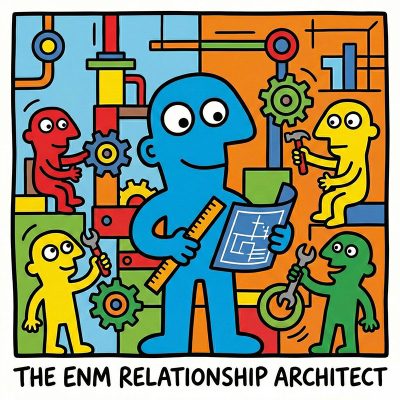
The world of non-monogamy is a maze of confusing labels. Trying to be "Polyamorous" when your heart actually needs "Swinging" isn't just a vocabulary error; it’s a recipe for misery.
You can't build a stable home on a foundation that doesn't fit your psychology. This tool analyzes your emotional bandwidth and jealousy triggers to design the exact structure you need. Stop trying to squeeze into a box that doesn't fit. Build a relationship that actually feels like home.

Opening up feels exciting, but if you aren't reading from the same script, you're writing a tragedy. The disconnect between "I want freedom" and "I want safety" is where hearts break. This isn't just a quiz; it’s a synchronization engine.
We identify the silent gaps in your desires—from sleepover rules to emotional bandwidth, before they become unbridgeable chasms. Don't wait until the damage is done to find out you were never on the same page. Align your compasses now.
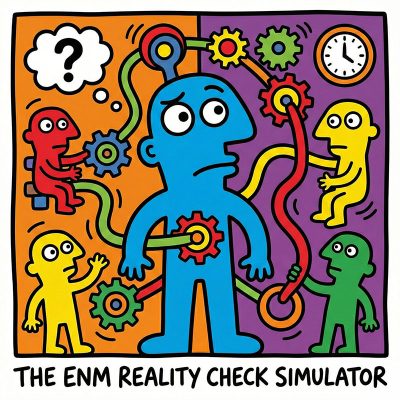
Theory is sexy. Reality is messy. You agreed you could date others, but how does your stomach drop when he takes her to your anniversary spot? Or when she comes home smelling like someone else?
This simulator drags your abstract rules into the harsh light of day. We force you to confront the visceral, gut-wrenching scenarios that actually destroy relationships, before they happen. Test your nervous system in the simulator so you don't crash the car in real life.
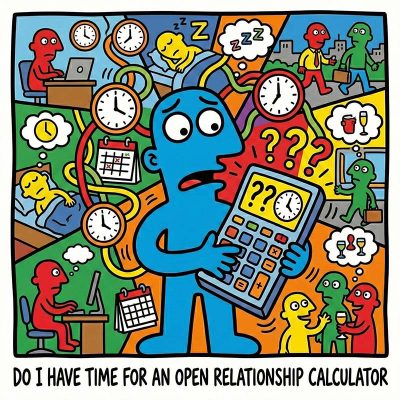
The fantasy is endless romance. The reality? It’s a logistical nightmare. Dating isn't just sex; it’s a second job of swiping, spending, and emotional processing that drains your sanity. Underestimating the "admin" of non-monogamy is the fastest way to turn your relationship into a burnout factory where resentment thrives.
This calculator forces you to confront the brutal math of your time, energy, and wallet. Can you actually afford this lifestyle, or are you just signing up for exhaustion?
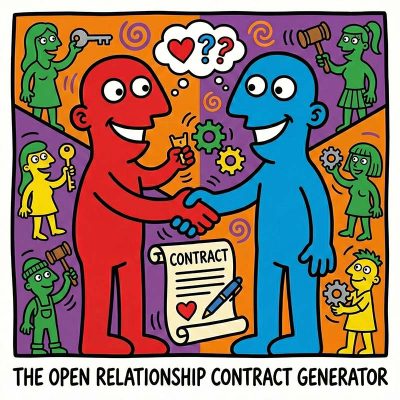
"I thought we agreed" is the sentence that destroys relationships & marriages. Relying on verbal promises when emotions run high is a gamble you cannot afford to lose. Your memory isn't just faulty; it's a liability. Ambiguity is the oxygen that jealousy breathes, turning "freedom" into a minefield of "did I mess up?"
This generator transforms vague permissions into a concrete, signed reality. Stop arguing about what you thought was said and lean on what is written. Secure your boundaries in ink, not hope.
The tension between structure and freedom a practical view
Let us unpack the core tension a bit more. Structure without freedom can feel like a cage. It might protect you but it can suppress curiosity and connection. Freedom without structure can feel exhilarating for a moment and terrifying soon after. Without agreements you might drift into situations that feel unbalanced risky or painful for someone involved. The sweet spot is a dynamic where structure is adaptable flexible and centered on consent. Freedom is real because you have room to explore while agreements keep you from stepping on toes or crossing lines that matter to someone else.
Think of it as a dance with rhythm. The music is consent and communication. The steps are agreements. The tempo shifts as life changes and as the dance partners evolve. When structure serves as a safety net freedom feels safer because there is a plan to handle the falls. When freedom drives your choices structure is the map that makes sure your adventures stay aligned with your values. This balance is not static. It shifts with relationships life stages and personal growth. The better you are at renegotiation the more resilient your ENM ecosystem becomes.
Real world ENM structures you might recognize
There are many flavors of ENM structures and a lot of overlap between them. Here are some common patterns along with what makes them work well and where they can trip people up.
Open arrangements with clear boundaries
In an open arrangement a couple or a group decides that sex or dating with others is allowed under agreed boundaries. Examples include limits on sexual acts certain times or places or the requirement to disclose new partners. The strength of this structure lies in explicit consent and regular updates about new connections. The risks come when boundaries become vague or when information is withheld. The antidote is timely transparent communication and renegotiation when needed.
Open arrangements with hierarchical structure
Some ENM setups introduce hierarchies such as primary and secondary relationships. The primary partner might have prioritized time or home life. The secondary relationships can be meaningful but may have less time or emotional investment. This structure works for people who need a sense of stability in some areas of life while still enjoying other connections. It works best when everyone understands the hierarchy as a choice not a weapon and when renegotiation happens openly if needs change.
Relationship anarchy in practice
Relationship anarchists reject fixed hierarchies and labels. The focus is on consent trust and direct communication about what feels right in each connection. The structure here is light touch and fluid. People may not know in advance which relationships will take a high or low priority but they rely on ongoing dialogue to keep things fair and respectful. The challenge can be managing expectations when there are multiple partners and busy lives. The advantage is that relationships can grow organically around mutual needs rather than a pre set plan.
Solo polyamory as a philosophy and practice
In solo polyamory the person values independence and personal autonomy while pursuing multiple relationships. The structure tends to be minimalist and focused on self knowledge consent and direct communication rather than external rules. The freedom comes from maintaining autonomy while building connections with others. The potential pitfall is not having enough time or emotional energy for all connections which requires sharp self awareness and honest scheduling.
Compartmentalized or linked structures
Some people choose to compartmentalize their lives work dating friends family while others link parts of their lives more fully. The structure in compartmentalized arrangements is separation and boundaries. The freedom comes from clear but flexible rules about what is discussed and when. Linked structures avoid secrecy and require high levels of transparency and coordination. The key to success is mutual respect and a shared belief that communication is a continuous practice not a one time event.
Practical frameworks to balance structure and freedom
If you want to build a healthy ENM life think about the practical tools you can use. Here are frameworks that many people find helpful.
1. Start with core agreements and then renegotiate
Core agreements are the essential boundaries that define how you want your relationships to feel. They might cover honesty expectations about dating new people how you handle time together and how you talk about sexual health. Agree on a method to renegotiate these as life changes. A simple rule is to revisit agreements every three to six months or after major life events like moving in starting a new job or a new partner entering the circle.
2. Build ritual check ins not random conversations
Regular check ins create predictable space to share feelings and needs. Some common patterns include a weekly 30 minute conversation a monthly couple check in and a quarterly all partners meeting. The exact rhythm does not matter what matters is consistency. If you skip too many meetings tension builds and small issues become big issues quickly.
3. Practice transparent communication about boundaries and needs
Transparency is a form of care. Share your needs fears and expectations clearly even when the topic is uncomfortable. When someone asks a question answer honestly even if the truth feels painful. You do not have to share every thought in a single sitting but you should commit to a process that reveals patterns and motivations over time.
4. Create safety nets for health and safety
Health and safety are foundational. Discuss sex health testing how you will manage protection and what you will do if a partner experiences a health concern. Having a plan reduces anxiety and keeps freedom from turning into risk.
5. Embrace compersion and emotional hygiene
Compersion is a lovely goal but it is not automatic. It requires practice just like any other skill. Celebrate your partner s joy even when it involves someone else and be honest about your emotions. Emotional hygiene means addressing feelings rather than letting them pile up and explode later.
6. Decide on how to handle time together and time apart
Time is one of the most precious resources in ENM. Decide how much time you want to spend with different partners and how you will protect your primary relationship if you have one. The plan should reflect what is sustainable for you personally and what feels fair to your partners.
7. Use a simple decision making model
A straightforward model works well. State the situation explain the options choose a path and reevaluate after you try it. This habit makes renegotiation predictable not dramatic.
Common myths about structure and freedom in ENM
- Myth 1: ENM means no rules. Reality: ENM thrives on consent and clear agreements though those agreements are meant to be flexible and revisited as needed.
- Myth 2: If you love someone you must commit forever. Reality: ENM users often build lasting commitments while also having other meaningful connections with consent and care.
- Myth 3: Freedom means doing whatever you want without regard for others. Reality: Real freedom in ENM means acting with responsibility transparency and respect for everyone involved.
- Myth 4: Structure kills romance. Reality: A strong structure can actually deepen romance by reducing miscommunication and giving space for genuine connection to grow.
Real world scenarios to illustrate the balance
Here are a few quick stories that show how structure and freedom interact in everyday life. They are simplified but they reflect common patterns you might recognize.
Scenario A: Two people with a flexible schedule decide to keep a standing weekly date night with each other and open space for occasional new connections. They renegotiate every quarter to adjust how much time each person wants to invest and to decide how conversations about new partners will happen. They feel supported by a stable routine while still exploring new chemistry when it arises.
Scenario B: A solo polyamorous partner maintains autonomy in most areas while coordinating with partners about major life events like traveling together or sharing housing. The structure helps keep expectations clear and prevents overlap or boundary violations. Freedom here is the ability to explore diverse relationships without losing personal independence.
Scenario C: A couple embraces relationship anarchy and uses a weekly check in to confirm that each connection is meeting real needs. They avoid label driven decisions and instead discuss what each relationship is delivering emotionally physically and socially. The result is a flexible network where people feel seen and valued for who they are in each connection.
The freedom of an open relationship sounds incredible, but the logistics can feel like holding a grenade. That spinning "what if" anxiety isn't paranoia, it’s your survival instinct warning you that your bond is exposed. "Just seeing what happens" is the fastest way to turn a fantasy into a breakup.
The Essential Guide replaces chaos with discipline. We give you the blueprints, jealousy protocols, and repair scripts needed to explore the edge without falling off. Don't guess. Secure your foundation first.
The world of non-monogamy is a maze of confusing labels. Trying to be "Polyamorous" when your heart actually needs "Swinging" isn't just a vocabulary error; it’s a recipe for misery.
You can't build a stable home on a foundation that doesn't fit your psychology. This tool analyzes your emotional bandwidth and jealousy triggers to design the exact structure you need. Stop trying to squeeze into a box that doesn't fit. Build a relationship that actually feels like home.
Opening up feels exciting, but if you aren't reading from the same script, you're writing a tragedy. The disconnect between "I want freedom" and "I want safety" is where hearts break. This isn't just a quiz; it’s a synchronization engine.
We identify the silent gaps in your desires—from sleepover rules to emotional bandwidth, before they become unbridgeable chasms. Don't wait until the damage is done to find out you were never on the same page. Align your compasses now.
Theory is sexy. Reality is messy. You agreed you could date others, but how does your stomach drop when he takes her to your anniversary spot? Or when she comes home smelling like someone else?
This simulator drags your abstract rules into the harsh light of day. We force you to confront the visceral, gut-wrenching scenarios that actually destroy relationships, before they happen. Test your nervous system in the simulator so you don't crash the car in real life.
The fantasy is endless romance. The reality? It’s a logistical nightmare. Dating isn't just sex; it’s a second job of swiping, spending, and emotional processing that drains your sanity. Underestimating the "admin" of non-monogamy is the fastest way to turn your relationship into a burnout factory where resentment thrives.
This calculator forces you to confront the brutal math of your time, energy, and wallet. Can you actually afford this lifestyle, or are you just signing up for exhaustion?
"I thought we agreed" is the sentence that destroys relationships & marriages. Relying on verbal promises when emotions run high is a gamble you cannot afford to lose. Your memory isn't just faulty; it's a liability. Ambiguity is the oxygen that jealousy breathes, turning "freedom" into a minefield of "did I mess up?"
This generator transforms vague permissions into a concrete, signed reality. Stop arguing about what you thought was said and lean on what is written. Secure your boundaries in ink, not hope.
Tips for working through jealousy and building trust
Jealousy is a signal not a failure. It often points to boundaries that need strengthening or emotions that need more attention. A few practical moves can help:
- Acknowledge the feeling without judgment and name the source of the discomfort.
- Invite your partner to share what may trigger discomfort and what would help you feel more secure.
- Establish a plan for what will happen if jealousy spikes such as taking a break from a new activity or increasing check ins temporarily.
- Practice self compassion and avoid blaming your partner for your feelings.
- Develop personal self care routines that support your emotional state outside the relationship network.
Compersion can grow when you focus on your own needs and celebrate your partner s happiness without feeling overwhelmed by the presence of others. It takes time but with practice you can expand your emotional repertoire and find a deeper sense of connection across relationships.
Practical do list for starting a healthy ENM structure
- Define your core values and what you want from ENM in this season of life
- Draft initial agreements with partners focusing on consent communication and safety
- Set a realistic cadence for check ins and renegotiation
- Agree on a health plan including testing communication and safety measures
- Practice compassionate honesty even when the truth is awkward or painful
- Keep the door open to change and do not fear renegotiation as a strength
Where structure and freedom meet within consent culture
Consent is the thread that weaves structure and freedom together in ENM. When every person involved has a clear sense of what is okay and what is not and feels comfortable renegotiating as needs shift the entire web of relationships becomes more resilient. Consent is not a one time question it is a living practice that you revisit with every new connection every change in life and every emotional reveal. The hour you invest in learning to negotiate your agreements build emotional muscles and grow your ability to read signals will pay off many times over as your ENM world expands.
Common missteps and how to avoid them
- Relying on assumptions rather than explicit conversations
- Ignoring how life events change needs and priorities
- Withholding information that could affect a partner or another relationship
- Assuming that more partners automatically equals more happiness
- Trying to clone one relationship template onto another instead of tailoring to each connection
The antidote to these missteps is open honest dialogue backed by practical renegotiation. If you can schedule time to talk with your partners and you can agree on a process for revisiting agreements you are already on a better path.
Glossary of useful terms and acronyms
- ENM Ethical Non Monogamy
- CNM Consensual Non Monogamy
- Polyamory Multiple loving relationships with more than one partner
- Relationship anarchy Flexible relationships guided by consent not labels
- Jealousy A normal feeling that signals needs to be addressed
- Compersion Joy from a partner s happiness with someone else
- Boundaries Personal limits to protect wellbeing
- Agreements Explicit understandings about what is allowed and how to communicate
- Renegotiation Revisiting and adjusting agreements as life changes
- Primary partner A term some people use for a main relationship
- Open arrangement An agreement that allows dating or sexual activity with others under defined conditions
- Solo polyamory A practice where a person maintains autonomy while having multiple relationships
Frequently asked questions
How do I define the right level of structure for my ENM life
Start with your core needs and values. Ask yourself what would make you feel secure comfortable and respected. Draft a few simple agreements and test them for a few weeks. Renegotiate if necessary. Structure should feel like a safety net not a cage.
What if my partner wants more structure than I do
Meet in the middle by identifying non negotiables and flexible areas. You can agree to more frequent check ins or updated boundaries while preserving space for autonomy in other areas. Honest discussions about fear and desire help both sides feel heard.
Can ENM work if my relationships have different levels of commitment
Yes. Many people manage this by clarifying expectations in each relationship and by using renegotiation to keep everyone on the same page. The key is transparent communication and consent for all involved.
How do I handle safety and health in ENM
Agree on a standard health plan including regular testing and honest sharing of results. Decide how you will handle disclosure if a partner experiences a health issue. Use protection where appropriate and maintain boundaries that protect everyone s wellbeing.
What is relationship anarchy and should I try it
Relationship anarchy is a philosophy rather than a recipe. It emphasizes autonomy consent and avoiding rigid labels. It can work well for people who prefer flexibility and direct communication. It may feel unfamiliar if you are used to traditional hierarchies. It is worth trying if it aligns with your values and if all involved are comfortable with the approach.
Is it okay to renegotiate after a long period of time
Absolutely. People change life situations change and so do needs and desires. Renegotiation should be a normal part of the ENM journey. It signals growth and maturity rather than failure.
Should I share every intimate detail with all my partners
Share what is relevant to maintain trust and consent. Details that affect safety health or emotional boundaries are worth sharing. When in doubt ask yourself how the information affects the other person s wellbeing and the overall dynamics you have agreed upon.
What if I realize I want out of an agreement
Communicate honestly and promptly. Renegotiate or end the agreement if needed. Ending or changing arrangements is a normal part of growing relationships and it is best handled with care and clarity rather than avoidance.
How long should I give a new agreement before renegotiating
Three to six months is a good window to test a new arrangement. If feelings or circumstances shift sooner you can renegotiate at that point. The key is to stay tuned to your own needs and to your partners needs as well.
Putting it into practice tonight
Here is a simple starter plan you can implement this week to move toward a healthier balance of structure and freedom in your ENM life.
- Have a calm sit down with all involved and identify one area where you would like more structure and one area where you want more freedom.
- Draft two or three simple agreements that capture those goals. Keep language clear and avoid assuming anything.
- Establish a regular check in time this week and commit to sticking with it for the next month.
- Agree on a health safety plan including testing frequency and how results will be shared.
- Set a renegotiation date six weeks from now to review how things feel and adjust as needed.
Relation ships in ENM are not a single destination. They are a living ecosystem that grows with attention care and honest conversation. Structure gives you a durable frame and freedom gives you space to become more fully you. With the right balance you can build connections that feel meaningful and life paths that feel exciting rather than overwhelming.
Checklist before you step into a new ENM conversation
- Clarify your own needs and boundaries before you talk to anyone else
- Choose a calm time and place so the conversation can unfold without heat
- Use a simple script to start the discussion and invite questions
- Agree on a brief trial period and a renegotiation date
- Document the agreements in writing or a shared note so everyone can refer back
Where to go next
If you liked this guide you probably want more. Our approach is to keep ENM practical accessible and grounded in consent and care. Explore additional topics such as navigating long term relationships in ENM handling family or peer pressure when you are open to other relationships and building a robust safety plan. Remember this is your journey not a race. You have the right to ask for what you need and you have the power to choose the path that fits best for you and your partners.
Final notes on structure and freedom in ENM
The heart of ENM is not about collecting partners or chasing novelty. It is about building a network that reflects who you are and who you want to become. Structure and freedom are not opposites. They are two legs that carry you forward when you walk with awareness and care. The better you are at asking for what you need and listening to what others need the more resilient your ENM world becomes. So take a breath pick a direction and start a conversation. Your future relationships are waiting for a clear honest and compassionate start.
Frequently asked questions
Why is clear communication so important in ENM
Clear communication prevents misunderstanding reduces insecurity and helps all partners feel respected. It creates a shared map so everyone knows what is allowed what is expected and how to handle changes.
What counts as a renegotiation in ENM
A renegotiation is a conscious review of any part of your agreements. It can be triggered by life changes a new partner a shift in feelings or simply a desire to adjust boundaries. Renegotiation is a healthy ongoing practice not a sign of failure.
How do I start talking about jealousy
Bring curiosity to the conversation. Name the feeling and its source. Ask your partner what would help you feel safer supported or closer. Then listen and respond with care even if the answer is not perfect.
Is ENM right for every couple
No not every couple will thrive in ENM. It requires mutual interest willingness to grow together and a commitment to ethical care. If one person feels pressured or unhappy it is a sign to pause and reassess or seek guidance from a qualified relationship counselor.
What is compersion and how can I cultivate it
Compersion is the ability to feel happiness for a partner s joy with someone else. It grows when you build trust invest in your own emotional health and practice honest joyful celebration of each other s life choices.
How do I handle a new partner coming into an existing relationship
Introduce boundaries and expectations early. Discuss how time together will be shared what information will be disclosed and how you will manage conflicts. Keep the lines of communication open and check in after the first few weeks to adjust as needed.
The freedom of an open relationship sounds incredible, but the logistics can feel like holding a grenade. That spinning "what if" anxiety isn't paranoia, it’s your survival instinct warning you that your bond is exposed. "Just seeing what happens" is the fastest way to turn a fantasy into a breakup.
The Essential Guide replaces chaos with discipline. We give you the blueprints, jealousy protocols, and repair scripts needed to explore the edge without falling off. Don't guess. Secure your foundation first.
The world of non-monogamy is a maze of confusing labels. Trying to be "Polyamorous" when your heart actually needs "Swinging" isn't just a vocabulary error; it’s a recipe for misery.
You can't build a stable home on a foundation that doesn't fit your psychology. This tool analyzes your emotional bandwidth and jealousy triggers to design the exact structure you need. Stop trying to squeeze into a box that doesn't fit. Build a relationship that actually feels like home.
Opening up feels exciting, but if you aren't reading from the same script, you're writing a tragedy. The disconnect between "I want freedom" and "I want safety" is where hearts break. This isn't just a quiz; it’s a synchronization engine.
We identify the silent gaps in your desires—from sleepover rules to emotional bandwidth, before they become unbridgeable chasms. Don't wait until the damage is done to find out you were never on the same page. Align your compasses now.
Theory is sexy. Reality is messy. You agreed you could date others, but how does your stomach drop when he takes her to your anniversary spot? Or when she comes home smelling like someone else?
This simulator drags your abstract rules into the harsh light of day. We force you to confront the visceral, gut-wrenching scenarios that actually destroy relationships, before they happen. Test your nervous system in the simulator so you don't crash the car in real life.
The fantasy is endless romance. The reality? It’s a logistical nightmare. Dating isn't just sex; it’s a second job of swiping, spending, and emotional processing that drains your sanity. Underestimating the "admin" of non-monogamy is the fastest way to turn your relationship into a burnout factory where resentment thrives.
This calculator forces you to confront the brutal math of your time, energy, and wallet. Can you actually afford this lifestyle, or are you just signing up for exhaustion?
"I thought we agreed" is the sentence that destroys relationships & marriages. Relying on verbal promises when emotions run high is a gamble you cannot afford to lose. Your memory isn't just faulty; it's a liability. Ambiguity is the oxygen that jealousy breathes, turning "freedom" into a minefield of "did I mess up?"
This generator transforms vague permissions into a concrete, signed reality. Stop arguing about what you thought was said and lean on what is written. Secure your boundaries in ink, not hope.
