
The History and Cultural Roots of Ethical Non Monogamy

Ethical non monogamy or ENM is an umbrella term for relationship styles that reject the idea that one person must be the sole anchor of another's romantic and sexual life. In ENM arrangements consent, communication and respect for boundaries are central. This article takes you on a journey through history and culture to show how ENM has evolved from ancient and traditional contexts to the modern open minded movement. Expect practical explanations of terms you may hear today and a look at how people navigate jealousy consent and fairness in diverse communities.
Quick Links to Useful Sections
- What ENM means and why it matters today
- Why history matters for present day practice
- A quick glossary of terms you will see in ENM conversations
- Historical roots and early forms of non exclusivity
- Ancient and classical worlds
- Medieval and early modern patterns
- The Oneida community and complex marriage
- Modern reclamation and the rise of ENM as a movement
- The sexual revolution and the shift toward openness
- Open relationships and the call for ethics in dating
- Polyamory and the rise of a community driven movement
- Open networks the digital era and cultural diversification
- Global conversations and diverse communities
- Technology as a facilitator and a challenge
- Jealousy compersion and emotional work in ENM
- Strategies for handling jealousy
- Myths and misconceptions about ENM debunked
- Practical guidance for readers curious about ENM
- Important terms and acronyms explained
- Who practices ENM where it comes from and how it differs by culture
- The place of gender and power in ENM history
- Building a personal practice grounded in respect
- The literature and resources you might consult
- Glossary of useful terms and acronyms
- Frequently asked questions
- Further reading and resources
What ENM means and why it matters today
Ethical non monogamy is not a single blueprint. It is a family of relationship models that prioritize honesty consent and negotiated boundaries rather than assuming exclusivity is the only path to commitment. The ENM family includes polyamory which is about having more than one loving relationship at a time open relationships where some partnerships allow others while maintaining separate bonds and swinging which focuses more on sexual encounters outside a primary relationship often with boundaries. Each dynamic uses a different mix of communication strategy consent norms and emotional work.
Readers should know a few core terms as you begin this journey. ENM stands for ethical non monogamy a general label for relationships that are not strictly exclusive. Polyamory is a form of ENM that emphasizes love and emotional bonds with multiple people. An open relationship is when a couple agrees that each partner may have romantic or sexual interactions with others. Swinging refers to sexual activity with others within a couple oriented more toward recreational encounters than ongoing romantic bonds. Compersion is the feeling of joy when a partner experiences happiness with someone else and it is often cited as a healthy sign of emotional maturity in ENM circles.
Why history matters for present day practice
Understanding history helps demystify ENM and shows that human beings have explored relationship variety for a very long time. Many modern readers assume monogamy was always the default for all cultures. In reality a wide range of family structures have existed across time and space. Seeing ENM as part of a broader human story helps individuals choose practical models that fit their values and lives today rather than chasing a one size fits all template.
A quick glossary of terms you will see in ENM conversations
Because ENM uses a lot of specialized language it is worth anchoring your understanding with clear definitions. Here are common terms and plain language explanations you can rely on.
- Ethical non monogamy ENM A family of relationship styles that reject strict exclusivity in favor of openness honesty and consent among all involved.
- Polyamory A form of ENM where people have multiple loving romantic relationships at once with the knowledge and consent of everyone involved.
- Open relationship A couple agrees that one or both partners may pursue intimate connections with others outside the primary pairing while maintaining the main relationship.
- Swinging Sexual activities with other couples or individuals usually within the context of a couple and often without pursuing ongoing romantic attachments.
- Compersion A positive feeling of joy when a partner experiences happiness with another person a sought after emotional state in ENM communities.
- Jealousy A natural emotion that can appear in any relationship and in ENM it is managed through communication and boundaries rather than suppression.
- Boundaries Agreements about what is allowed and not allowed in terms of time what kind of contact what kind of relationships and what kind of disclosure is expected.
- Consent A clear enthusiastic and ongoing agreement from all involved about standing boundaries and decisions in a relationship.
- Non monogamy A broad term that describes relationship styles that include more than one romantic or sexual connection at a time.
- Relationship orientation The way someone prioritizes romantic life across multiple partners for example a primary couple a secondary network or a distributed set of relationships without a single main focus.
The freedom of an open relationship sounds incredible, but the logistics can feel like holding a grenade. That spinning "what if" anxiety isn't paranoia, it’s your survival instinct warning you that your bond is exposed. "Just seeing what happens" is the fastest way to turn a fantasy into a breakup.
The Essential Guide replaces chaos with discipline. We give you the blueprints, jealousy protocols, and repair scripts needed to explore the edge without falling off. Don't guess. Secure your foundation first.
The world of non-monogamy is a maze of confusing labels. Trying to be "Polyamorous" when your heart actually needs "Swinging" isn't just a vocabulary error; it’s a recipe for misery.
You can't build a stable home on a foundation that doesn't fit your psychology. This tool analyzes your emotional bandwidth and jealousy triggers to design the exact structure you need. Stop trying to squeeze into a box that doesn't fit. Build a relationship that actually feels like home.
Opening up feels exciting, but if you aren't reading from the same script, you're writing a tragedy. The disconnect between "I want freedom" and "I want safety" is where hearts break. This isn't just a quiz; it’s a synchronization engine.
We identify the silent gaps in your desires—from sleepover rules to emotional bandwidth, before they become unbridgeable chasms. Don't wait until the damage is done to find out you were never on the same page. Align your compasses now.
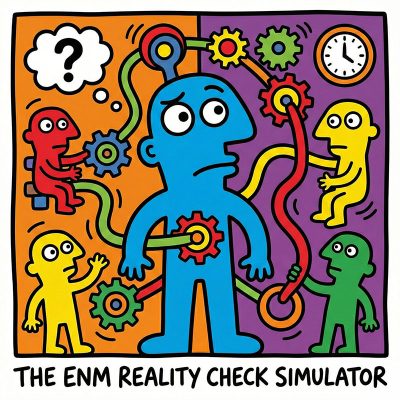
Theory is sexy. Reality is messy. You agreed you could date others, but how does your stomach drop when he takes her to your anniversary spot? Or when she comes home smelling like someone else?
This simulator drags your abstract rules into the harsh light of day. We force you to confront the visceral, gut-wrenching scenarios that actually destroy relationships, before they happen. Test your nervous system in the simulator so you don't crash the car in real life.
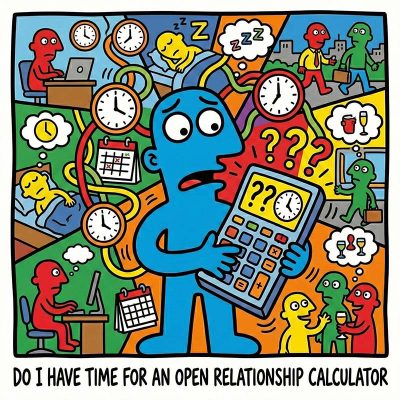
The fantasy is endless romance. The reality? It’s a logistical nightmare. Dating isn't just sex; it’s a second job of swiping, spending, and emotional processing that drains your sanity. Underestimating the "admin" of non-monogamy is the fastest way to turn your relationship into a burnout factory where resentment thrives.
This calculator forces you to confront the brutal math of your time, energy, and wallet. Can you actually afford this lifestyle, or are you just signing up for exhaustion?
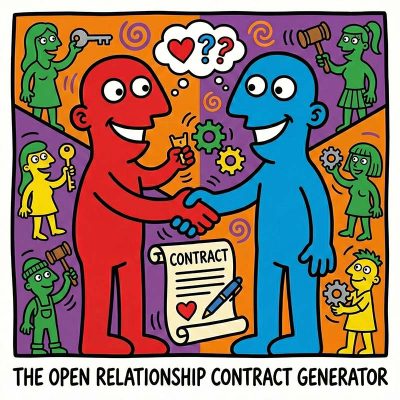
"I thought we agreed" is the sentence that destroys relationships & marriages. Relying on verbal promises when emotions run high is a gamble you cannot afford to lose. Your memory isn't just faulty; it's a liability. Ambiguity is the oxygen that jealousy breathes, turning "freedom" into a minefield of "did I mess up?"
This generator transforms vague permissions into a concrete, signed reality. Stop arguing about what you thought was said and lean on what is written. Secure your boundaries in ink, not hope.
Historical roots and early forms of non exclusivity
Non exclusive dating and relationship practices have appeared in many places around the world well before the term ENM existed. This section surveys some of the patterns scholars point to when tracing the roots of ethical non monogamy in human societies. Remember that in many cases the social and cultural contexts shaped how relationships were formed who held power in those relationships and what counted as consent even if the people involved did not label their arrangements as ENM.
Ancient and classical worlds
In several ancient societies there were relationship practices that allowed bonds outside a single marriage. In some communities ritual and social norms permitted connections between individuals who were not bound to each other by marriage alone. Philosophers in ancient times sometimes debated the nature of love and fidelity and how communities should organize households. The upshot is that the modern assumption that exclusive coupling is the only natural form of loving has not always matched lived reality across all places and times.
One caution as we discuss the past is to avoid projecting modern labels onto historic practices. People in the past used their own words and categories to describe relationships that often differ from today. The core takeaway is less about pattern matching to today and more about recognizing that people have long sought bonds that suit their lives values and needs.
Medieval and early modern patterns
In various societies there were social spaces where couples negotiated non exclusive arrangements with awareness and sometimes with legal or religious recognition. These patterns were often shaped by wealth status kinship networks and communal expectations. In some places complex marriage models allowed for affection and companionship beyond a single partner. The details varied widely from one culture to another but the underlying idea remains clear the social contract of a household could be more porous than a strict one to one pairing in certain contexts.
The Oneida community and complex marriage
In the mid nineteenth century the Oneida Community in the United States experimented with a model sometimes described as complex marriage broad sharing of partners and a deliberate attempt to reduce possessiveness within the community. Members practiced a form of relationship arrangement that moved beyond conventional marriage ideas while still emphasizing consent and communal accountability. The historical example shows that people have long experimented with alternatives to exclusive marriage and that such experiments were structured with rules and communal norms rather than spontaneity alone.
Modern reclamation and the rise of ENM as a movement
The modern phase of ethical non monogamy began to take shape in the late twentieth century with an emphasis on consent communication and personal autonomy. Several social currents converged to form the contemporary ENM landscape including the sexual revolution openness about emotions and a growing critique of rigid gender roles. In this period the language used to describe multiple relationships started to cohere around terms like polyamory and ethical non monogamy rather than older or more regional labels.
The sexual revolution and the shift toward openness
The sixty s and seventy s revolutions challenged many social conventions including those around intimate life. People began to ask bigger questions about fulfillment personal growth and the allocation of time and energy in romantic life. The conversation shifted from censorship and secrecy toward consent communication and agency. ENM picked up momentum as people sought more authentic relationships that could grow and change over time rather than being forced into a single script.
Open relationships and the call for ethics in dating
As dating scenes expanded with urbanization and mobility couples started to explore arrangements that allowed growth outside the core bond while still valuing the primary connection. The idea of ethics in dating means clear communication about desires boundaries and how information will be shared. It also means checking in with all involved parties and adjusting arrangements as life shifts occur. The emphasis on consent is a constant thread through this evolution.
Polyamory and the rise of a community driven movement
While the word polyamory was popularized in the late century it rose from community conversations where people shared experiences and developed practical frameworks for nurturing multiple relationships. The polyamory movement placed a premium on consent honesty and ongoing negotiations which can front load much of the emotional labor that comes with ENM. Communities formed workshops writings and conferences to help people learn how to navigate jealousy how to build compersion and how to create a culture of care within complex networks of relationships.
Open networks the digital era and cultural diversification
The internet and later dating apps created a new layer of possibility for ENM. People could connect with others who shared interests values and relationship goals regardless of geographic location. This connectivity helped normalize ENM as a life style choice rather than a fringe practice and it also highlighted cultural variations in how ENM is understood and practiced. In some communities ENM is explored through negotiated agreements within a small circle while in others it expands into a broader network of partners and friendships that may include romantic ties as well as sexual ones.
Global conversations and diverse communities
Across cultures ENM manifests in different ways. In some places the practice is centered in urban centers where communities come together in meetups and discussion groups. In other regions family and community structures influence how relationships are formed and maintained. The shared thread remains a focus on consent communication and respect for boundaries while recognizing that local norms and laws can shape how ENM is lived.
Technology as a facilitator and a challenge
Dating apps and online communities have made it easier to meet potential partners while also creating new questions about privacy and transparency. ENM practitioners often discuss how to manage disclosure how to balance time with multiple partners and how to protect emotional health in a connected world. The technology landscape is a tool for development as well as a source of potential stress if boundaries are not clearly negotiated.
Jealousy compersion and emotional work in ENM
Jealousy is a natural human emotion and it can surface even in relationships that are open or polyamorous. ENM communities emphasize that jealousy is not a deal breaker but a signal that something in the system may need adjustment. The practice of compersion a term borrowed from the philosophy of empathy describes feeling happy for a partner even when that happiness involves another person. Cultivating compersion is not about suppressing jealousy but about transforming it through honest dialogue corrective boundaries and supportive actions.
Strategies for handling jealousy
Common strategies include clear boundaries what counts as disclosure how often partners should check in and how new connections are introduced to the existing network. People who are new to ENM are often advised to start with self reflection what do I actually want from this arrangement and what fears might be getting in the way. Friends mentors and therapists who understand ENM can also be valuable allies in building resilience and healthy communication patterns.
Myths and misconceptions about ENM debunked
Misconceptions about ENM are common and they can stop people from exploring healthier relationship options. Here are some of the most frequent myths and straightforward explanations that set the record straight.
- Myth ENM means you do not love your partner as much. Reality ENM is about building trust loyalty and honest communication while recognizing that love can expand beyond a single bond.
- Myth ENM is only for young people. Reality ENM can work at any age and across life stages as long as all parties consent and communicate well.
- Myth ENM is a rejection of commitment. Reality For many it is a deliberate choice to orient their commitments in a way that fits their values and life goals even if that means multiple bonds.
- Myth ENM means unlimited sexual partners. Reality Successful ENM cultures emphasize ethics boundaries consent and emotional care more than the number of partners.
- Myth ENM is the same as cheating. Reality Cheating happens when consent is absent or when transparency is broken. ENM aims to avoid that through negotiated agreements.
The freedom of an open relationship sounds incredible, but the logistics can feel like holding a grenade. That spinning "what if" anxiety isn't paranoia, it’s your survival instinct warning you that your bond is exposed. "Just seeing what happens" is the fastest way to turn a fantasy into a breakup.
The Essential Guide replaces chaos with discipline. We give you the blueprints, jealousy protocols, and repair scripts needed to explore the edge without falling off. Don't guess. Secure your foundation first.
The world of non-monogamy is a maze of confusing labels. Trying to be "Polyamorous" when your heart actually needs "Swinging" isn't just a vocabulary error; it’s a recipe for misery.
You can't build a stable home on a foundation that doesn't fit your psychology. This tool analyzes your emotional bandwidth and jealousy triggers to design the exact structure you need. Stop trying to squeeze into a box that doesn't fit. Build a relationship that actually feels like home.
Opening up feels exciting, but if you aren't reading from the same script, you're writing a tragedy. The disconnect between "I want freedom" and "I want safety" is where hearts break. This isn't just a quiz; it’s a synchronization engine.
We identify the silent gaps in your desires—from sleepover rules to emotional bandwidth, before they become unbridgeable chasms. Don't wait until the damage is done to find out you were never on the same page. Align your compasses now.
Theory is sexy. Reality is messy. You agreed you could date others, but how does your stomach drop when he takes her to your anniversary spot? Or when she comes home smelling like someone else?
This simulator drags your abstract rules into the harsh light of day. We force you to confront the visceral, gut-wrenching scenarios that actually destroy relationships, before they happen. Test your nervous system in the simulator so you don't crash the car in real life.
The fantasy is endless romance. The reality? It’s a logistical nightmare. Dating isn't just sex; it’s a second job of swiping, spending, and emotional processing that drains your sanity. Underestimating the "admin" of non-monogamy is the fastest way to turn your relationship into a burnout factory where resentment thrives.
This calculator forces you to confront the brutal math of your time, energy, and wallet. Can you actually afford this lifestyle, or are you just signing up for exhaustion?
"I thought we agreed" is the sentence that destroys relationships & marriages. Relying on verbal promises when emotions run high is a gamble you cannot afford to lose. Your memory isn't just faulty; it's a liability. Ambiguity is the oxygen that jealousy breathes, turning "freedom" into a minefield of "did I mess up?"
This generator transforms vague permissions into a concrete, signed reality. Stop arguing about what you thought was said and lean on what is written. Secure your boundaries in ink, not hope.
Practical guidance for readers curious about ENM
If you are curious about ENM or considering a shift in your relationship style here are practical steps to start a thoughtful and respectful exploration.
- Learn the language Start with definitions and read widely to understand different dynamics within ENM. The more you know the easier conversations will be.
- Check your own needs Reflect on what you want from a relationship do you seek romance companionship or sexual variety or a combination of these. Clarity helps you articulate your boundaries and preferences.
- Talk with your partner Choose a calm time to discuss how you both feel about ENM. Share fears hopes and boundaries and listen without interrupting.
- Take small steps If you decide to try ENM start with a clear pilot arrangement such as a single supervised date with another person or a trial period for discussing boundaries.
- Document boundaries Write down agreed boundaries and review them after a few weeks. Boundaries should be revisited as life circumstances change.
- Seek community support Look for local or online groups that focus on ENM. A supportive community can provide practical guidance and a sense of belonging.
- Prioritize safety and consent Talk about safety including physical health boundaries and consent etiquette. Consent is an ongoing process not a one time checkbox.
Important terms and acronyms explained
In any ENM conversation you will encounter a few acronyms and concepts that are worth knowing. Here is a short list with plain language explanations to keep handy.
- ENM Ethical non monogamy a broad umbrella term for relationship styles that involve more than one romantic or sexual connection with consent.
- Polyamory A form of ENM that centers on multiple loving relationships with the consent and knowledge of everyone involved.
- Open relationship A couple agrees that either partner may pursue connections with others while maintaining the primary bond.
- Swinging Sexual activity with other couples or individuals often without ongoing romantic ties.
- Compersion A positive feeling when a partner is happy with someone else which signals healthy emotional adaptability.
- Jealousy management A set of practices to acknowledge jealousy and address it through communication boundaries and reformulated expectations.
- Boundaries Agreed rules that govern interactions including time boundaries disclosure expectations and what counts as acceptable behavior.
- Consent An ongoing enthusiastic agreement among all parties about the terms of involvement in each relationship.
Who practices ENM where it comes from and how it differs by culture
ENM is not a single cultural invention or a universal practice. It is a living field shaped by local norms religious beliefs and legal structures. In some places ENM is framed within secular modern relationships while in others it intersects with religious or community norms. In many urban centers ENM communities emphasize explicit consent and open communication as central values. In more conservative settings people may explore ENM within private communities or micro networks where everyone agrees to the same rules. The common thread is a shared belief that adults should have agency over their own romantic and sexual lives when everyone involved consents and is respected.
The place of gender and power in ENM history
Gender dynamics have always influenced how relationships are formed and why. ENM practices have sometimes been a response to inequities in traditional marriage a way to explore autonomy and mutual respect. Modern ENM communities work to address gendered power imbalances by prioritizing transparent agreements and consent based decision making. This history matters because it highlights why many people value ENM as a practice aimed at consent honesty and ongoing dialogue rather than mere novelty.
Building a personal practice grounded in respect
If you want to explore ENM in your life you are not alone. Many people find that the path toward a more open relationship begins with inner work and strong communication. Start by clarifying your values your goals for relationships and your willingness to engage in the emotional work that ENM requires. The next step is to have a calm conversation with one or more partners about what you hope to explore and what you require to feel safe and cared for. From there you can begin to experiment gradually with clear boundaries and regular check ins. You will likely learn a lot about yourself and your relationships in the process which is a core part of the ENM journey.
The literature and resources you might consult
There is a growing body of work in both academic and community circles that explores ENM. You can begin with accessible guides that cover practical negotiation emotional health and the ethics of multi relationship life. Look for books and articles written by researchers and practitioners who emphasize consent inclusive communication and respect for diverse life paths. Attend workshops if available and consider connecting with a local ENM friendly therapist or counselor who understands the nuances of non traditional relationship models.
Glossary of useful terms and acronyms
- ENM Ethical non monogamy a broad umbrella term for relationship styles that include more than one romantic or sexual connection with consent.
- Polyamory A form of ENM focused on multiple loving relationships with the consent and knowledge of all involved.
- Open relationship A couple agrees that each partner may pursue outside connections while keeping the primary bond intact.
- Swinging Sexual activity with other couples or individuals often without ongoing romantic ties.
- Compersion The feeling of joy when a partner experiences happiness with another person.
- Consent A clear enthusiastic ongoing agreement about involvement in relationship activities.
- Boundaries Agreed limits about what is allowed and what is not in terms of time contact disclosure and behavior.
- Jealousy An emotional response that ENM communities address through honest dialogue and reassurance rather than denial.
- Transparency Openness about intentions feelings and actions within relationships to build trust.
Frequently asked questions
What is ethical non monogamy in simple terms
Ethical non monogamy means choosing to have relationships with more than one person with full consent and honest communication. It is not about reckless dating it is about care respect and ongoing negotiation among all involved.
How did ENM history begin and evolve
No single starting point exists. ENM is a thread that runs through many cultures and eras. Modern ENM as a practiced field grew from late modern philosophical debates about autonomy the sexual revolution and new social networks that made dialogue about boundaries and consent easier and more common.
What is the difference between ENM and polyamory
Polyamory is a specific form of ENM that focuses on emotional bonds with multiple people. ENM is a broader category that includes polyamory but also open relationships and swinging among other models. The shared feature is consent and honesty above all else.
What is compersion and why is it important
Compersion is the feeling of happiness when your partner experiences love or pleasure with someone else. It is not required but it is often seen as a sign of emotional maturity in ENM settings. It helps reduce possessiveness and supports healthier communication.
How important is consent in ENM
Consent is central in every ENM relationship. It means everyone agrees to what is happening and agrees to revisit and revise the agreements as life changes. It is about ongoing dialogue rather than a one time check box.
Can ENM work for families and long term commitments
Yes many people maintain long term commitments and co parent while pursuing ENM. The structure and boundaries vary widely and the key is ongoing communication and a shared commitment to the wellbeing of all involved including any children if present.
What if I feel jealous or uncertain
Jealousy is natural. The best approach is to acknowledge it and discuss what triggers it using specific examples. Adjust boundaries if needed and lean on your support network whether that is a partner a friend or a therapist who understands ENM dynamics.
How should I approach conversations about ENM with a partner
Choose a calm time a private space and an unhurried pace. Lead with your feelings what you hope to explore and your boundaries. Invite your partner to share their thoughts then work together to draft a plan that both of you can commit to and revisit regularly.
Is ENM right for me
Only you can answer that. A good way to explore is to read and talk with trusted partners or friends who practice ethical non monogamy. Start with small conversations and consider seeking guidance from a therapist familiar with ENM to help you assess fit and readiness.
Further reading and resources
If you want to dive deeper here are some suggested directions. Look for community led guides that emphasize practical negotiation mental health and inclusive ethics. Academic works that explore the historical and cultural contexts can also provide a broader understanding of how ENM has emerged and evolved. Always prioritize sources that emphasize consent transparency and care for all involved.
Remember ENM is a living practice. It adapts to the people and cultures that carry it forward. The core is always clear honest communication and a commitment to the wellbeing of everyone involved.
The freedom of an open relationship sounds incredible, but the logistics can feel like holding a grenade. That spinning "what if" anxiety isn't paranoia, it’s your survival instinct warning you that your bond is exposed. "Just seeing what happens" is the fastest way to turn a fantasy into a breakup.
The Essential Guide replaces chaos with discipline. We give you the blueprints, jealousy protocols, and repair scripts needed to explore the edge without falling off. Don't guess. Secure your foundation first.
The world of non-monogamy is a maze of confusing labels. Trying to be "Polyamorous" when your heart actually needs "Swinging" isn't just a vocabulary error; it’s a recipe for misery.
You can't build a stable home on a foundation that doesn't fit your psychology. This tool analyzes your emotional bandwidth and jealousy triggers to design the exact structure you need. Stop trying to squeeze into a box that doesn't fit. Build a relationship that actually feels like home.
Opening up feels exciting, but if you aren't reading from the same script, you're writing a tragedy. The disconnect between "I want freedom" and "I want safety" is where hearts break. This isn't just a quiz; it’s a synchronization engine.
We identify the silent gaps in your desires—from sleepover rules to emotional bandwidth, before they become unbridgeable chasms. Don't wait until the damage is done to find out you were never on the same page. Align your compasses now.
Theory is sexy. Reality is messy. You agreed you could date others, but how does your stomach drop when he takes her to your anniversary spot? Or when she comes home smelling like someone else?
This simulator drags your abstract rules into the harsh light of day. We force you to confront the visceral, gut-wrenching scenarios that actually destroy relationships, before they happen. Test your nervous system in the simulator so you don't crash the car in real life.
The fantasy is endless romance. The reality? It’s a logistical nightmare. Dating isn't just sex; it’s a second job of swiping, spending, and emotional processing that drains your sanity. Underestimating the "admin" of non-monogamy is the fastest way to turn your relationship into a burnout factory where resentment thrives.
This calculator forces you to confront the brutal math of your time, energy, and wallet. Can you actually afford this lifestyle, or are you just signing up for exhaustion?
"I thought we agreed" is the sentence that destroys relationships & marriages. Relying on verbal promises when emotions run high is a gamble you cannot afford to lose. Your memory isn't just faulty; it's a liability. Ambiguity is the oxygen that jealousy breathes, turning "freedom" into a minefield of "did I mess up?"
This generator transforms vague permissions into a concrete, signed reality. Stop arguing about what you thought was said and lean on what is written. Secure your boundaries in ink, not hope.
