
Travel and Long Distance Dynamics


Welcome to a practical field guide for navigating travel and long distance dynamics in ethical non monogamy. If you are dipping your toes into ENM or you already have a thriving polycule, time apart can feel like a stress test for trust, communication and every fancy plan you have made. This guide is designed to be casual, honest and useful. We break down terms, share realistic scenarios and offer concrete strategies you can put to work without turning your life into a spreadsheet of anxiety. Let us walk you through how to keep connection strong when miles separate you and when travel becomes part of the rhythm of your relationships.
Quick Links to Useful Sections
- What ENM means in simple terms
- Why travel and distance change the game
- Core principles for ENM travel and long distance dynamics
- Realistic scenarios you may encounter
- Scenario 1: A partner travels for work and needs to date while away
- Scenario 2: You and a partner travel together to see a different partner
- Scenario 3: You are visiting a partner and meeting others for the first time
- Scenario 4: Distance creates a slow fade or a new relationship spark
- Negotiating boundaries around travel and contact
- Planning and logistics for travel ENM
- Techniques for effective ENM communication during travel
- Handling jealousy and insecurities on the road
- Real life tips and practical scripts you can adapt
- Opening a boundary conversation before a trip
- Negotiating a new dating boundary during a trip
- Reacting to a boundary being unintentionally crossed
- Compersion practice when a partner is thriving with someone else
- Practical safety and health considerations for travel ENM
- Finances and resource sharing on the road
- The role of technology in ENM travel
- Glossary of useful terms and acronyms
- Frequently asked questions
- Putting it into practice a simple travel ready plan
- Final notes on navigating distance with care
- Checklist before you step onto the plane
- Final reminder
What ENM means in simple terms
ENM stands for ethical non monogamy. It is a relationship philosophy that prioritizes consent, honesty and clear negotiated boundaries. It is not about random dating or casual misadventure without accountability. It is about choosing to connect with more than one person in a way that respects everyone involved. In ENM you might hear terms like open relationships and polyamory. Those terms have subtle differences. Here is a quick glossary so you are on the same page as you read on.
- Ethical non monogamy An approach to relationships that centers consent, communication and mutual respect when more than one romantic or sexual connection is present.
- Open relationship A relationship structure where a couple allows outside partners under agreed rules and boundaries.
- Polyamory The practice of having romantic or sexual relationships with multiple people with the knowledge and consent of everyone involved.
- Compersion The feeling of joy when a partner experiences happiness with someone else rather than jealousy.
- Polycule The network of people who are connected through romantic or sexual relationships with one another.
- Long distance dynamics Patterns of communication, scheduling and boundary setting that keep connections vibrant when partners are geographically separated.
Why travel and distance change the game
Distance changes the terrain in meaningful ways. When you add travel into the mix you are juggling schedules, currencies, time zones and comfort levels all at once. The stakes feel higher when you are not just managing your own day but also coordinating with partners who live in different cities or countries. Travel can create opportunities for growth and closeness or spark friction if permissions and expectations are not crystal clear. The good news is that with honest planning and a few practical habits you can turn distance into a driver for healthy connection rather than a source of conflict.

The freedom of an open relationship sounds incredible, but the logistics can feel like holding a grenade. That spinning "what if" anxiety isn't paranoia, it’s your survival instinct warning you that your bond is exposed. "Just seeing what happens" is the fastest way to turn a fantasy into a breakup.
The Essential Guide replaces chaos with discipline. We give you the blueprints, jealousy protocols, and repair scripts needed to explore the edge without falling off. Don't guess. Secure your foundation first.

The world of non-monogamy is a maze of confusing labels. Trying to be "Polyamorous" when your heart actually needs "Swinging" isn't just a vocabulary error; it’s a recipe for misery.
You can't build a stable home on a foundation that doesn't fit your psychology. This tool analyzes your emotional bandwidth and jealousy triggers to design the exact structure you need. Stop trying to squeeze into a box that doesn't fit. Build a relationship that actually feels like home.

Opening up feels exciting, but if you aren't reading from the same script, you're writing a tragedy. The disconnect between "I want freedom" and "I want safety" is where hearts break. This isn't just a quiz; it’s a synchronization engine.
We identify the silent gaps in your desires—from sleepover rules to emotional bandwidth, before they become unbridgeable chasms. Don't wait until the damage is done to find out you were never on the same page. Align your compasses now.

Theory is sexy. Reality is messy. You agreed you could date others, but how does your stomach drop when he takes her to your anniversary spot? Or when she comes home smelling like someone else?
This simulator drags your abstract rules into the harsh light of day. We force you to confront the visceral, gut-wrenching scenarios that actually destroy relationships, before they happen. Test your nervous system in the simulator so you don't crash the car in real life.

The fantasy is endless romance. The reality? It’s a logistical nightmare. Dating isn't just sex; it’s a second job of swiping, spending, and emotional processing that drains your sanity. Underestimating the "admin" of non-monogamy is the fastest way to turn your relationship into a burnout factory where resentment thrives.
This calculator forces you to confront the brutal math of your time, energy, and wallet. Can you actually afford this lifestyle, or are you just signing up for exhaustion?
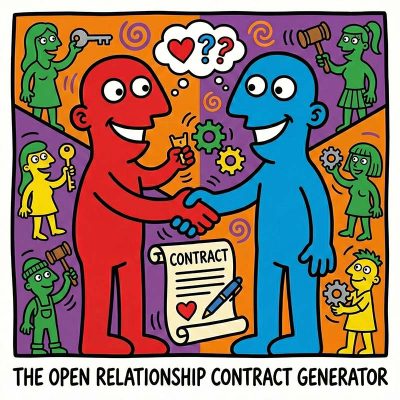
"I thought we agreed" is the sentence that destroys relationships & marriages. Relying on verbal promises when emotions run high is a gamble you cannot afford to lose. Your memory isn't just faulty; it's a liability. Ambiguity is the oxygen that jealousy breathes, turning "freedom" into a minefield of "did I mess up?"
This generator transforms vague permissions into a concrete, signed reality. Stop arguing about what you thought was said and lean on what is written. Secure your boundaries in ink, not hope.
Core principles for ENM travel and long distance dynamics
These principles work in almost every ENM travel scenario. They are simple in concept but require ongoing attention and practice.
- Consent and transparency Everyone involved should know what is happening, when it is happening and with whom. This includes conversations about travel plans that involve others as well as potential encounters during trips.
- Clear boundaries Boundaries are conversations not a rule book. They should be revisited as circumstances change while respecting the autonomy of every person involved.
- Mutual benefit The arrangements should aim to improve the lives of all partners and respect their safety, emotional needs and physical health.
- Communication cadence Travel often disrupts normal routines. Scheduling regular check ins helps keep everyone aligned and reduces uncertainty.
- Safety first This includes STI testing, consent for travel plans with outsiders, and safety planning when alcohol or new environments change the dynamic.
- Flexibility Things rarely go exactly as planned in real life. Being able to adjust expectations without personal blame keeps relationships resilient.
- Self care Distance can boost feelings of longing or insecurity. Personal routines, mental health care and grounding practices matter just as much as communication with partners.
Realistic scenarios you may encounter
Here we outline several common situations and practical ways to handle them without drama. Pick the scenario that matches your life and adapt the tips to fit your context.
Scenario 1: A partner travels for work and needs to date while away
In many ENM setups a partner may schedule travel for work that includes time for dating or meeting new people. The key here is to align expectations before the trip. Have a conversation about what kind of dating is comfortable, how much information will be shared back home and what safety practices will be followed. Create a simple plan you can both reference. For example you might agree to a daily check in at a specific time and a cap on how much you share about intimate details. You can also agree on a coded signal if one of you wants to pause a discussion or review boundaries mid trip. Keep the plan balanced so both partners feel respected and free to enjoy the experience without fear of reprisal or jealousy.
Scenario 2: You and a partner travel together to see a different partner
Traveling as a trio can be a deeply bonding experience when everyone is aligned. Start with a joint conversation about what each person wants from the trip. Ask questions like what kind of time you want alone with each partner, what activities you want to share collectively and how you will handle new introductions. Schedule explicit separate time blocks to ensure each connection gets attention. Use a calendar that all involved can view and update. Some people create a shared travel plan that includes days for group activities and nights reserved for individual connections. Transparency reduces the chances of misread signals or resentment.
Scenario 3: You are visiting a partner and meeting others for the first time
First visits can feel awkward and exciting at the same time. Prepare by agreeing on how introductions will happen and what boundaries apply during the visit. If you expect to be intimate with someone new, discuss safe sex practices and testing timelines. Agree on how much post visit sharing will occur back home and who will be informed. This is a good moment to practice compassion and patience as everyone navigates new feelings and physical chemistry. The goal is to leave the trip with everyone feeling heard and respected.
Scenario 4: Distance creates a slow fade or a new relationship spark
Distance can cause old dynamics to shift while new connections emerge. Do not wait for a crisis to have a serious talk. Proactively schedule conversations to reevaluate boundaries and to check in on emotional state. If you notice a partner developing a strong bond with someone else, acknowledge the shift and discuss how to adjust schedules, communication routines and expectations. The important piece is to stay curious rather than punitive. Curiosity about each other builds trust even when romantic landscapes change.
Negotiating boundaries around travel and contact
Boundaries in ENM are not prison bars. They are living agreements that help everyone feel safe and respected. When travel is involved, boundaries can cover time spent with other partners, types of activities, locations where dates occur and how much personal information is shared back home. Here are some practical boundary templates to adapt to your reality.
- Time boundaries Decide how many hours per week you want to reserve for your primary pair or for other partners when you are traveling. Adjust as needed while communicating changes.
- Privacy boundaries Agree on what details will be shared back home. Some people want to hear only high level updates while others want more specifics.
- Safety boundaries Establish how you will handle introductions, consent for actions and safe sex practices while you are away from home base.
- Emotional boundaries Check ins and honest discussion about feelings should be regular but not invasive. Respect each person’s process and timing.
- Visibility boundaries Decide whether you want to be public about the ENM arrangement during travel or keep things private until after you return.
Planning and logistics for travel ENM
Thoughtful planning makes all the difference when you are juggling multiple relationships and a travel schedule. Here is a practical checklist you can adapt to your situation.
- Calendar alignment Sync calendars with all involved parties. Use shared digital calendars and align travel dates well in advance when possible.
- Time zones Map the time difference and set realistic windows for communication. Acknowledge that day to day routines will shift when crossing zones.
- Finances Be transparent about travel costs, lodging and accommodations. Decide in advance who pays for what and how expenses will be tracked.
- Accommodation planning Decide whether to share lodging or stay separate. Consider safety, privacy and comfort for everyone involved.
- Health and safety Discuss STI testing timelines, contraception needs and protection plans. Share medical information that is necessary for safety but keep personal data secure.
- Communication tools Agree on preferred methods of contact for different scenarios. Some people like fast back and forth chats while others prefer daily updates.
- Travel boundaries with others If you are meeting someone new while traveling, discuss disclosure expectations and consent with your current partners before the trip starts.
- Emergency plan Have a plan for what to do if someone feels unwell or a boundary is crossed. A designated safe person can help mediate and support.
Techniques for effective ENM communication during travel
Communication is the backbone of ENM travel success. Here are practical methods that help keep conversations honest and compassionate regardless of location.
- Daily check ins Short conversations each day help reduce anxiety and keep everyone informed about emotional states and plans.
- Structured conversations Use a simple framework for deeper talks. State the intention, share feelings without blame, propose a request, and invite feedback.
- Asynchronous updates When time zones collide, send thoughtful messages that others can read later. Do not mistake silence for disapproval.
- Non violent communication Focus on needs and feelings rather than judgments. Frame requests in a way that respects autonomy and invites collaboration.
- Active listening Repeat back what you heard to confirm understanding. This helps avoid misinterpretations in text heavy conversations or voice notes.
The freedom of an open relationship sounds incredible, but the logistics can feel like holding a grenade. That spinning "what if" anxiety isn't paranoia, it’s your survival instinct warning you that your bond is exposed. "Just seeing what happens" is the fastest way to turn a fantasy into a breakup.
The Essential Guide replaces chaos with discipline. We give you the blueprints, jealousy protocols, and repair scripts needed to explore the edge without falling off. Don't guess. Secure your foundation first.
The world of non-monogamy is a maze of confusing labels. Trying to be "Polyamorous" when your heart actually needs "Swinging" isn't just a vocabulary error; it’s a recipe for misery.
You can't build a stable home on a foundation that doesn't fit your psychology. This tool analyzes your emotional bandwidth and jealousy triggers to design the exact structure you need. Stop trying to squeeze into a box that doesn't fit. Build a relationship that actually feels like home.
Opening up feels exciting, but if you aren't reading from the same script, you're writing a tragedy. The disconnect between "I want freedom" and "I want safety" is where hearts break. This isn't just a quiz; it’s a synchronization engine.
We identify the silent gaps in your desires—from sleepover rules to emotional bandwidth, before they become unbridgeable chasms. Don't wait until the damage is done to find out you were never on the same page. Align your compasses now.
Theory is sexy. Reality is messy. You agreed you could date others, but how does your stomach drop when he takes her to your anniversary spot? Or when she comes home smelling like someone else?
This simulator drags your abstract rules into the harsh light of day. We force you to confront the visceral, gut-wrenching scenarios that actually destroy relationships, before they happen. Test your nervous system in the simulator so you don't crash the car in real life.
The fantasy is endless romance. The reality? It’s a logistical nightmare. Dating isn't just sex; it’s a second job of swiping, spending, and emotional processing that drains your sanity. Underestimating the "admin" of non-monogamy is the fastest way to turn your relationship into a burnout factory where resentment thrives.
This calculator forces you to confront the brutal math of your time, energy, and wallet. Can you actually afford this lifestyle, or are you just signing up for exhaustion?
"I thought we agreed" is the sentence that destroys relationships & marriages. Relying on verbal promises when emotions run high is a gamble you cannot afford to lose. Your memory isn't just faulty; it's a liability. Ambiguity is the oxygen that jealousy breathes, turning "freedom" into a minefield of "did I mess up?"
This generator transforms vague permissions into a concrete, signed reality. Stop arguing about what you thought was said and lean on what is written. Secure your boundaries in ink, not hope.
Handling jealousy and insecurities on the road
Jealousy is a normal part of human emotion and distance can amplify it. The good news is jealousy can be explored and reduced with specific practices.
- Acknowledgement first Name what you are feeling without judging yourself. Saying I feel anxious about this helps you own the emotion and opens space to address it.
- Root cause analysis Identify what triggers the insecurity. Is it fear of loss, fear of missing out, or a boundary being crossed? Naming the root helps you address it directly.
- Reassurance rituals Agree on gentle check in words or rituals that remind everyone of care and commitment.
- Boundaries revision If a boundary feels too restrictive, renegotiate it. Boundaries should empower not punish.
- Self soothing Self care practices such as mindfulness, exercise, or journaling can reduce emotional spikes and build resilience.
Real life tips and practical scripts you can adapt
Words alone do not fix everything but they sure help when they are thoughtful and specific. Below are sample scripts you can tailor to your voice and your relationships. Replace placeholders with names and details from your life.
Opening a boundary conversation before a trip
Hi Dana I want to talk about the travel plans for next month. I value our connection and want to make sure we both feel secure and respected during the trip. Here is what I am thinking and I would love your thoughts. I would like us to agree on how we will share updates about outside partners, what kind of information feels comfortable to share and how we handle late night situations when we are apart. How does that sound to you?
Negotiating a new dating boundary during a trip
Hey Alex I am excited about the days we will spend apart while you meet new people. I want to be clear about what I am comfortable with and what I would rather avoid. I would prefer we do not share detailed or explicit stories in real time. Instead I would like to hear general updates at our scheduled check in times. If anything feels off I would like us to pause and revisit the plan. Is that workable for you?
Reacting to a boundary being unintentionally crossed
Thanks for listening to me. When I heard about what happened I felt a surge of worry. I know we both want to be fair and honest. I would like to pause and reflect together before we decide how to adjust boundaries. We can schedule time tomorrow to talk through what changes would help and what new agreements make sense for both of us.
Compersion practice when a partner is thriving with someone else
Hearing that you are enjoying a connection with someone else makes me happy for you. I want to celebrate your joy while also sharing how I am feeling. Let us plan a time to check in about our own connection while you are away and decide how we can keep supporting each other emotionally. Your happiness matters to me and I want to be part of your life while you explore.
Practical safety and health considerations for travel ENM
Health and safety deserve a dedicated space because they influence trust and consent. Here are essential practices to protect everyone involved.
- Testing Schedule STI testing according to the risk profile of each journey. Share test results with relevant partners as agreed and keep trackers updated with consent.
- Protection Use condoms or other barrier methods for sexual activity with new partners unless all parties have explicitly agreed to different risk reduction strategies.
- PrEP and sexual health If you or a partner use PrEP or have specific medical needs, keep a copy of prescription details handy and discuss how travel may affect access to medication.
- Boundaries around intimate spaces Discuss privacy expectations in hotel rooms, host homes or shared accommodations to ensure consent and comfort for everyone involved.
- Emergency contacts Have a plan for health emergencies including whom to contact, what information to share and where to seek care if needed.
Finances and resource sharing on the road
Money issues can quietly erode trust if not addressed openly. A few practical steps make a big difference.
- Transparent budgeting Create a travel budget that covers lodging, transport and shared meals. Decide who pays for what in advance and how to handle changes.
- Expense tracking Use a simple shared spreadsheet or app to track expenses. Make sure everyone can see and review the entries.
- Fairness and flexibility If someone is traveling for longer or to a more expensive location, adjust expectations and compensations with clear communication.
The role of technology in ENM travel
Technology acts as a bridge when miles stand between you. It also creates new pressures if not handled with care. Here are some practical ideas.
- Message cadence Decide on the pace of updates that feels comfortable for all. Some people prefer frequent short messages while others want longer updates every day or two.
- Video check ins A quick video call can replace hours of text and help you read tone and emotion more clearly.
- Shared calendars and documents A central place where travel plans, dates and boundaries live helps everyone stay in sync.
Glossary of useful terms and acronyms
- ENM Ethical Non Monogamy a relationship philosophy that emphasizes consent and honest communication when more than one romantic or sexual connection exists.
- Compersion The joy you feel seeing a partner happy with someone else rather than jealousy.
- Polycule The network of people connected through consensual non monogamy relationships.
- Open relationship A couple allows dating or relationships outside their main partnership under agreed boundaries.
- Time zones Regions of the world that differ in hours from your home time. They affect scheduling and communication windows.
- Testing STI testing for sexually transmitted infections to maintain health and safety across partners.
- PrEP Pre exposure prophylaxis a medication that helps reduce the risk of HIV infection for someone who is at substantial risk.
- Boundary An agreed line that helps keep relationships safe and respectful. Boundaries are reviewed and adjusted as needed.
Frequently asked questions
What does ENM mean and how is it different from monogamy
ENM stands for ethical non monogamy. It refers to a group of relationship styles where people consent to have romantic or sexual connections with more than one person. Monogamy means a relationship between two people only. ENM requires explicit communication about boundaries, consent and safety to work well.
How do I start a conversation about travel with my partners
Choose a calm moment and be honest about your needs. State the purpose of the conversation, share your travel plan and invite feedback. Use specific prompts such as what times should we check in, who will be informed about what details and how we handle new encounters together.
What if travel creates anxiety or jealousy
Acknowledge the feeling and talk about it openly. Break down the fear to its source then address it with a practical plan. Regular check ins and a revised boundary if needed can ease tension and rebuild trust quickly.
How much detail should be shared back home
That depends on everyone involved. Some partners want full details while others prefer high level updates. Agree on a standard and adjust as needed. The key is clarity and consent about what information is shared and with whom.
Should we always reveal every new connection
Not necessarily. A culture of transparency is healthy but you can respect privacy if all parties agree. Decide who will be told about new connections and when it is appropriate to share initial impressions and later details.
How do we handle finances when multiple partners travel
Discuss budgets upfront. Decide how costs will be split and track expenses in a simple shared document. Flexibility is important when plans change or travel costs shift unexpectedly.
Is it okay to travel with someone new while others are back home
Yes as long as all parties have given consent and there is a clear understanding of boundaries. Take extra care to ensure the new arrangement is welcomed by everyone involved and that health and safety practices are in place.
What role does compersion play in travel dynamics
Compersion is a gift you offer yourself and your partners. It is the ability to feel positive about your partner's happiness with someone else. It is not always automatic but it is a practice that strengthens trust and joy across the polycule.
How long should travel agreements stay in place
Travel agreements should be revisited whenever life or relationship dynamics shift. Set a cadence for reviews such as after a major trip or when a new partner enters the network. Use updates to refine boundaries and expectations.
Putting it into practice a simple travel ready plan
If you want a quick start plan you can implement this week here is a compact checklist you can use right away. It is designed to be flexible so you can adapt it to your own ENM setup.
- Schedule a boundary check in with all involved partners before any travel starts.
- Agree on a daily or near daily check in time for the duration of the trip to share feelings and updates.
- Decide which details will be shared back home and set a time frame for when to share more intimate notes if appropriate.
- Map time zones and create a shared calendar with travel dates and key events.
- Set safety protocols including STI testing timelines and how to handle health emergencies abroad.
- Plan lodging and travel logistics with clear money matters and a simple expense tracker.
- Decide how and when to disclose new connections to the group and what kind of off limits etiquette will apply to dating while traveling.
- Update boundaries after the trip based on how everyone felt and what changed in the dynamics.
Final notes on navigating distance with care
Distance tests your relationships in public and private spaces. The most robust ENM setups treat distance as an opportunity to deepen communication, build new intimacy and broaden trust. There will be moments of tension and misread signals. Use those moments as chances to practice kindness and to adjust plans rather than to assign blame. Authentic connection is a practice and travel is just another classroom where every conversation becomes a teaching moment. Keep listening and stay curious. With good planning and honest care you can sustain strong, joyful connections across distance and across borders.
Checklist before you step onto the plane
- Confirm time zone differences and plan check in times accordingly
- Share travel itinerary with all involved parties
- Agree on communication cadence and what will be shared back home
- Set health and safety plans including STI testing schedule and preventive measures
- Decide lodging arrangements and financial responsibilities
- Prepare emergency contacts and a simple plan for health issues
- Review boundaries and be ready to adjust if needed
Final reminder
Distance is not a verdict on love. It is a chance to practice better communication, deepen consent and show that care travels as well as you do. ENM is about choices you make together with clarity and kindness. Travel is simply another pathway to grow that togetherness while honoring every person’s safety, happiness and autonomy.
The freedom of an open relationship sounds incredible, but the logistics can feel like holding a grenade. That spinning "what if" anxiety isn't paranoia, it’s your survival instinct warning you that your bond is exposed. "Just seeing what happens" is the fastest way to turn a fantasy into a breakup.
The Essential Guide replaces chaos with discipline. We give you the blueprints, jealousy protocols, and repair scripts needed to explore the edge without falling off. Don't guess. Secure your foundation first.
The world of non-monogamy is a maze of confusing labels. Trying to be "Polyamorous" when your heart actually needs "Swinging" isn't just a vocabulary error; it’s a recipe for misery.
You can't build a stable home on a foundation that doesn't fit your psychology. This tool analyzes your emotional bandwidth and jealousy triggers to design the exact structure you need. Stop trying to squeeze into a box that doesn't fit. Build a relationship that actually feels like home.
Opening up feels exciting, but if you aren't reading from the same script, you're writing a tragedy. The disconnect between "I want freedom" and "I want safety" is where hearts break. This isn't just a quiz; it’s a synchronization engine.
We identify the silent gaps in your desires—from sleepover rules to emotional bandwidth, before they become unbridgeable chasms. Don't wait until the damage is done to find out you were never on the same page. Align your compasses now.
Theory is sexy. Reality is messy. You agreed you could date others, but how does your stomach drop when he takes her to your anniversary spot? Or when she comes home smelling like someone else?
This simulator drags your abstract rules into the harsh light of day. We force you to confront the visceral, gut-wrenching scenarios that actually destroy relationships, before they happen. Test your nervous system in the simulator so you don't crash the car in real life.
The fantasy is endless romance. The reality? It’s a logistical nightmare. Dating isn't just sex; it’s a second job of swiping, spending, and emotional processing that drains your sanity. Underestimating the "admin" of non-monogamy is the fastest way to turn your relationship into a burnout factory where resentment thrives.
This calculator forces you to confront the brutal math of your time, energy, and wallet. Can you actually afford this lifestyle, or are you just signing up for exhaustion?
"I thought we agreed" is the sentence that destroys relationships & marriages. Relying on verbal promises when emotions run high is a gamble you cannot afford to lose. Your memory isn't just faulty; it's a liability. Ambiguity is the oxygen that jealousy breathes, turning "freedom" into a minefield of "did I mess up?"
This generator transforms vague permissions into a concrete, signed reality. Stop arguing about what you thought was said and lean on what is written. Secure your boundaries in ink, not hope.
