
When Non Monogamy Activates Trauma


Here at The Monogamy Experiment we talk openly about how ethical nonmonogamy can trigger trauma and what to do about it. This guide is written in plain language with terms explained so you can move from confusion to clarity. We will break down what ENM means in everyday terms and give you concrete steps you can use in your relationships today. Think of this as your friend who tells it straight and keeps you rooted in safety and care.
Quick Links to Useful Sections
- What is ethical nonmonogamy and what do the terms mean
- Trauma in ENM what makes ENM a potential trigger
- How trauma can show up in ENM relationships
- Trauma informed boundaries safety and consent in ENM
- Practical tools for managing trauma in ENM
- Grounding techniques for difficult moments
- Communication scripts that reduce drama and protect trust
- Self care strategies
- Healing avenues and when to seek help
- Realistic ENM scenarios and trauma informed responses
- Scenario one a new partner introduction triggers old insecurities
- Scenario two a boundary renegotiation feels like control
- Scenario three a trusted person enacts what feels like betrayal
- Must nots and practical guidelines for ENM trauma
- Building a trauma informed ENM plan you can actually use
- Glossary of useful terms and acronyms
- Frequently asked questions
What is ethical nonmonogamy and what do the terms mean
Ethical nonmonogamy or ENM is a relationship approach where people actively choose to have romantic or sexual connections with more than one person at a time. The key word is choice. ENM is not chaos it is a deliberate structure that centers consent communication and safety. Within ENM you may hear terms like polyamory which generally means loving more than one person at the same time open relationships where partners agree to sexual exploration outside the main bond hierarchical versus non hierarchical arrangements and the idea of primary and secondary partners which describes different levels of commitment. In plain speak ENM is about care consent and clear rules that work for the people involved. If you are new to this world you might see words and acronyms that feel like a foreign language. That is okay we will explain them so you feel confident navigating conversations and decisions.
Terms you might see
- ENM Abbreviation for ethical nonmonogamy used to describe the practice itself.
- Polyamory Loving more than one person with the knowledge and consent of everyone involved.
- Open relationship A relationship structure where partners allow romantic or sexual connections outside the primary bond.
- Primary partner The person considered the main relationship focus for logistical or emotional reasons.
- Secondary partner A relationship that exists alongside a primary partnership with its own rules and dynamics.
- Hierarchy A defined order of priority among partners which can influence time energy and rules.
- Non hierarchical A setup where partners have equal status and no one holds formal priority over others.
- Disclosure The act of sharing relevant information about relationships decisions boundaries and feelings with all involved.
- Trauma A deeply distressing experience or ongoing stress reaction that can affect how you respond to future events.
Trauma in ENM what makes ENM a potential trigger
Trauma is not caused by ENM itself it is triggered by experiences that overwhelm your nervous system or reopen old wounds. When people enter ENM there are new layers of complexity time demands emotional labor and evolving boundaries. If someone has prior trauma especially around abandonment control coercion or infidelity ENM can bring those old hurts into sharp focus. The goal is not to fear ENM but to understand how trauma can show up and to build practices that keep you safe and supported.
Common sources of activation include:
- Past betrayals and broken trust resurfacing as you hear about a partner connecting with someone else.
- Fear of losing a primary bond or being replaced. This can feel like a threat to safety or identity.
- Boundary conflicts that feel like control or rejection when rules are tested or renegotiated.
- Time management and emotional labor stresses that leave you depleted which can amplify stress reactions.
- Inconsistent communication that makes you doubt yourself or the relationship choice you made.
When trauma is activated in ENM it can show up in several ways we will cover how trauma can present in ENM relationships in a moment. First we will name some common patterns so you can recognize them in your own life without judgement.
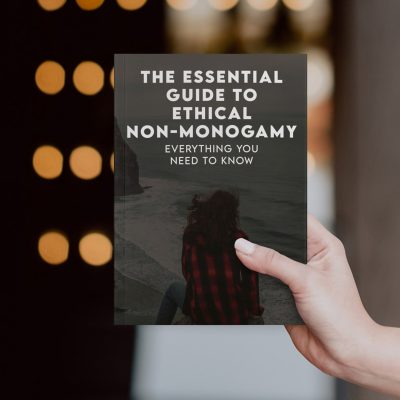
The freedom of an open relationship sounds incredible, but the logistics can feel like holding a grenade. That spinning "what if" anxiety isn't paranoia, it’s your survival instinct warning you that your bond is exposed. "Just seeing what happens" is the fastest way to turn a fantasy into a breakup.
The Essential Guide replaces chaos with discipline. We give you the blueprints, jealousy protocols, and repair scripts needed to explore the edge without falling off. Don't guess. Secure your foundation first.
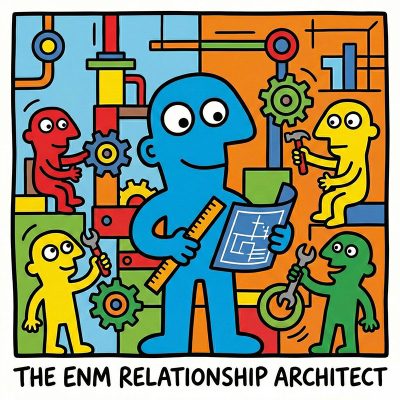
The world of non-monogamy is a maze of confusing labels. Trying to be "Polyamorous" when your heart actually needs "Swinging" isn't just a vocabulary error; it’s a recipe for misery.
You can't build a stable home on a foundation that doesn't fit your psychology. This tool analyzes your emotional bandwidth and jealousy triggers to design the exact structure you need. Stop trying to squeeze into a box that doesn't fit. Build a relationship that actually feels like home.

Opening up feels exciting, but if you aren't reading from the same script, you're writing a tragedy. The disconnect between "I want freedom" and "I want safety" is where hearts break. This isn't just a quiz; it’s a synchronization engine.
We identify the silent gaps in your desires—from sleepover rules to emotional bandwidth, before they become unbridgeable chasms. Don't wait until the damage is done to find out you were never on the same page. Align your compasses now.
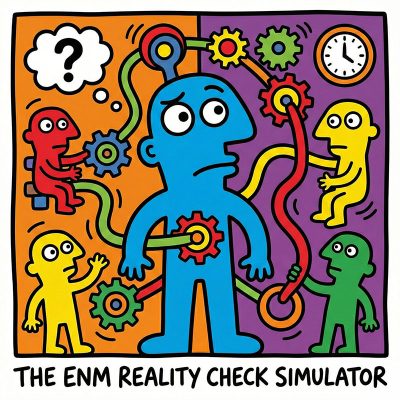
Theory is sexy. Reality is messy. You agreed you could date others, but how does your stomach drop when he takes her to your anniversary spot? Or when she comes home smelling like someone else?
This simulator drags your abstract rules into the harsh light of day. We force you to confront the visceral, gut-wrenching scenarios that actually destroy relationships, before they happen. Test your nervous system in the simulator so you don't crash the car in real life.
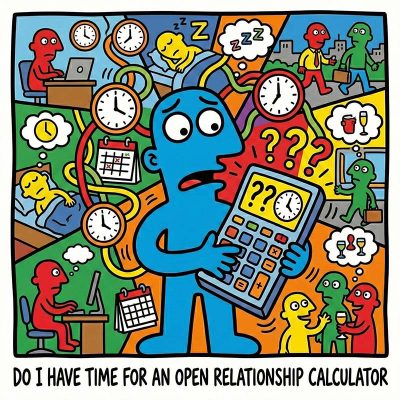
The fantasy is endless romance. The reality? It’s a logistical nightmare. Dating isn't just sex; it’s a second job of swiping, spending, and emotional processing that drains your sanity. Underestimating the "admin" of non-monogamy is the fastest way to turn your relationship into a burnout factory where resentment thrives.
This calculator forces you to confront the brutal math of your time, energy, and wallet. Can you actually afford this lifestyle, or are you just signing up for exhaustion?
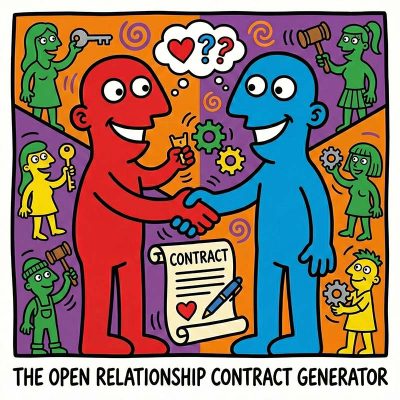
"I thought we agreed" is the sentence that destroys relationships & marriages. Relying on verbal promises when emotions run high is a gamble you cannot afford to lose. Your memory isn't just faulty; it's a liability. Ambiguity is the oxygen that jealousy breathes, turning "freedom" into a minefield of "did I mess up?"
This generator transforms vague permissions into a concrete, signed reality. Stop arguing about what you thought was said and lean on what is written. Secure your boundaries in ink, not hope.
How trauma can show up in ENM relationships
Trauma responses are the nervous system saying I am overwhelmed I need safety and predictability. In ENM you may notice a mix of strong emotions and physical sensations that show up in different ways. Here are some typical signs you might notice in yourself or a partner.
- Hypervigilance constantly scanning for threats or signals that something is about to go wrong.
- Emotional flooding intense emotions that feel too big to name or manage in the moment.
- Avoidance cutting off from conversations or experiences that trigger old memories.
- Resentment or bitterness that appears quickly after a boundary discussion or a new dating scenario.
- Difficulty making decisions or sticking to agreed timelines due to fear of making a wrong move.
- Physical symptoms like tension headaches stomach upset or trouble sleeping when a relationship stressor arises.
- Guilt or shame about wanting closeness or about setting boundaries for fear of hurting a partner.
- Over focusing on safety rules to the point where connection feels rigid or robotic.
It is important to understand that trauma reactions are not a sign that you are broken. They are signals from your nervous system trying to protect you. The aim is to respond with care and support rather than punishment or dismissal.
Trauma informed boundaries safety and consent in ENM
Trauma informed practice means placing safety at the center of every decision. In ENM this looks like clear communication predictable routines and agreements that are revisited as needed. Boundaries are not punishment they are tools that protect your emotional and physical well being. Consent means ongoing affirmed permission to engage in a new activity or a new level of intimacy. Consent can be withdrawn at any time and that withdrawal must be honored. Trauma informed practice also means recognizing that healing is not linear and that some days are harder than others.
Key principles include:
- Explicit consent for every new activity or boundary change
- Timely and honest disclosures about feelings and concerns
- Respect for nervous system limits and the pace set by the person who is most activated
- Access to support whether through friends a therapist or a trusted community member
- A plan for pause or cooling off when emotions become overwhelming
Ethical nonmonogamy thrives when people show up with curiosity kindness and a willingness to recalibrate. Trauma informs what safety actually means in practice and the best ENM communities lean into that careful approach rather than rushing into situations that overwhelm anyone involved.
Practical tools for managing trauma in ENM
If you are navigating ENM with trauma in the background the following tools can help you stay grounded and connected.
Grounding techniques for difficult moments
- 5 4 3 2 1 grounding exercise naming five things you can see four you can touch three you can hear two you can smell one you can taste
- Slow diaphragmatic breathing practice breathing in for four counts through the nose hold for four counts and exhale for six counts
- Body scan checking in with your feet knees hips shoulders and neck to notice where tension sits and letting it soften gradually
- Waking rituals such as stretching sipping water or stepping outside for a minute to reset
Communication scripts that reduce drama and protect trust
- Check in script I want to check in about how we are feeling after our last date. I felt ______ and I would like to understand how you felt too. Is now a good time to talk or would you prefer a little space
- Boundary negotiation I would like to pause X activity for the next two weeks to focus on healing. After that we can revisit and discuss options together
- Disclosure I am feeling some activation around this area and I want to share it with you so we can plan together for the next steps
Self care strategies
- Consistent sleep routines regular meals hydration and mood supportive activities like exercise or creative outlets
- Limited exposure to social media or stories about betrayal during tough times
- Professional support such as a therapist specializing in trauma or a coach familiar with ENM dynamics
Healing avenues and when to seek help
Healing from trauma in the context of ENM is a process not a sprint. It requires patience and practical supports. Some people benefit from professional therapy while others find peer support groups or somatic practices incredibly helpful. Look for approaches that acknowledge the body as a key part of healing. Methods like EMDR eye movement desensitization and reprocessing and somatic experiencing focus on processing distress stored in the body. These modalities are commonly recommended for trauma and can be effective alongside ENM. Some people also find journaling mindfulness and structured therapy exercises beneficial. The goal is to rebuild a sense of safety inside your own body while maintaining respectful relationships with others.
When to seek help urgently
- You experience thoughts of harming yourself or others or you feel completely unable to cope
- You have severe panic attacks or dissociation that lasts for hours
- You are considering harming a partner or you fear you might act out in ways that could hurt someone
- Your daily functioning is severely impaired for more than a few days
If any of these apply contact local emergency services or a crisis line in your area. If you are in a position to seek help promptly talking to a trusted partner friend or family member about the need for help can also be a first step. You deserve safe care and steady support whether you are pursuing ENM or stepping back to focus on healing.
Realistic ENM scenarios and trauma informed responses
Below are three common situations that can trigger activation and how to respond in trauma informed ways. The goal is to model calm clear and compassionate action. These are not universal rules but practical possibilities you can adapt to your own life.
Scenario one a new partner introduction triggers old insecurities
Alex has recently started seeing a new partner. A memory of a past breakup associated with cheating begins to replay. They notice a racing heart and thoughts about being abandoned. In this moment a trauma informed response is to pause the conversation with the new partner gently and check in with themselves or a trusted partner about how ready they feel to proceed. They might schedule a later meet up set clear boundaries about what information is shared and ensure there is a safety plan for support while navigating the new connection.
Scenario two a boundary renegotiation feels like control
Sam and their partner realize a boundary about time spent with a new partner feels violated. Sam experiences a surge of anger followed by guilt. A trauma informed response would be to name the activation to express the emotion in a non accusatory way for example I am feeling overwhelmed right now and I need a moment to breathe before we continue. They can propose taking a short pause and then revisit the boundary with a plan for gradual re engagement while validating both partners needs.
Scenario three a trusted person enacts what feels like betrayal
Juno trusted a close partner who disclosed a relationship with someone else outside of a agreed arrangement. Juno experiences a flood of memories from a prior relationship marked by betrayal. A trauma informed approach is to pause the emotional reaction and seek support from a friend or therapist. Then revisit what information needs to be disclosed and how to handle future disclosures with a clear agreed protocol so both partners feel respected and safe.
Must nots and practical guidelines for ENM trauma
- Avoid pressuring a partner into accepting a boundary or a new arrangement because you feel you must move forward fast
- Do not withhold information that could change the risk profile or emotional safety for someone else
- Do not blame a partner for your trauma responses even if their actions triggered a reaction
- Avoid making relationships a test that people must pass to prove they deserve care
- Do not skip professional help if trauma signs persist or escalate
- Avoid assuming that all partners will be on the same page about every issue
- Do not mix trauma coping with coercive controlling behavior in any form
Building a trauma informed ENM plan you can actually use
Plan for safety and growth. A practical approach may look like this.
- Set a clear date with yourself to review how you feel about your ENM situation and what you want moving forward
- Schedule regular check ins with each partner about needs boundaries and emotional health
- Create a shared space for boundaries expectations and agreements that is easy to access and update
- Decide what each person will share about new connections and when to share it
- Agree on a pause option if emotions become overwhelming and specify how long the pause lasts
Revisit and revise your plan as you grow. ENM is a dynamic process and trauma informed care is the steady anchor that keeps your system safe while you explore relationships with honesty and care.
Glossary of useful terms and acronyms
- ENM Ethical nonmonogamy a relationship approach that centers consent communication and safety while having connections with more than one person
- Trauma A distressing experience or ongoing stress reaction that can affect how you respond to future events
- Hypervigilance A heightened sense of alertness to potential threats
- Grounding Techniques that help you return to the present moment and reduce overwhelm
- EMDR Eye movement desensitization and reprocessing a therapy modality for trauma
- Somatic experiencing A body centered approach to healing trauma
- Disclosure Sharing relevant information about relationships rules and feelings with involved people
- Boundary A stated limit that protects emotional safety in a relationship
- Consent Ongoing voluntary agreement to engage in a specific activity or interaction
Frequently asked questions
Below are common questions people ask about ENM trauma and healing. If your question is not listed here you can share it with a trusted therapist or community member and adapt answers to your life.
- What should I do first if ENM triggers trauma? Pause take a moment to breathe and name what you are feeling then reach out to a trusted partner friend or therapist to get support before moving forward
- How can I explain my trauma response to a partner without blaming them? Use I statements focus on your experience and avoid accusations for example I feel overwhelmed when X happens and I need Y to feel safe
- Is it possible to practice ENM safely with trauma? Yes with trauma informed principles clear communication steady boundaries and access to support you can navigate ENM while prioritizing safety
- What if my trauma makes me want to avoid relationships altogether? That is a valid response. Allow yourself time to heal and seek support. ENM can be explored again when you feel ready
- When is it time to seek professional help? If trauma signs are persistent disruptive to daily life or you find yourself reckless or hopeless seek a trauma trained professional promptly
- How do I negotiate boundaries when I am activated Start with a pause establish a safe period then revisit boundaries with a plan for gradual re introduction that respects all involved
- Can therapy help with jealousy in ENM Yes therapies like cognitive behavioral therapy and EMDR can help reframe jealous thoughts and reduce emotional reactivity
- How do I talk about trauma with new partners Be honest about your needs your boundaries and what type of support helps you feel safe and valued
- What if I disagree with my partner about a boundary Focus on the underlying needs and invite a collaborative problem solving approach a calm respectful conversation often helps
- Are there resources for ENM trauma and healing Yes look for trauma informed therapists ENM supportive communities and educational materials from reputable sources
The freedom of an open relationship sounds incredible, but the logistics can feel like holding a grenade. That spinning "what if" anxiety isn't paranoia, it’s your survival instinct warning you that your bond is exposed. "Just seeing what happens" is the fastest way to turn a fantasy into a breakup.
The Essential Guide replaces chaos with discipline. We give you the blueprints, jealousy protocols, and repair scripts needed to explore the edge without falling off. Don't guess. Secure your foundation first.
The world of non-monogamy is a maze of confusing labels. Trying to be "Polyamorous" when your heart actually needs "Swinging" isn't just a vocabulary error; it’s a recipe for misery.
You can't build a stable home on a foundation that doesn't fit your psychology. This tool analyzes your emotional bandwidth and jealousy triggers to design the exact structure you need. Stop trying to squeeze into a box that doesn't fit. Build a relationship that actually feels like home.
Opening up feels exciting, but if you aren't reading from the same script, you're writing a tragedy. The disconnect between "I want freedom" and "I want safety" is where hearts break. This isn't just a quiz; it’s a synchronization engine.
We identify the silent gaps in your desires—from sleepover rules to emotional bandwidth, before they become unbridgeable chasms. Don't wait until the damage is done to find out you were never on the same page. Align your compasses now.
Theory is sexy. Reality is messy. You agreed you could date others, but how does your stomach drop when he takes her to your anniversary spot? Or when she comes home smelling like someone else?
This simulator drags your abstract rules into the harsh light of day. We force you to confront the visceral, gut-wrenching scenarios that actually destroy relationships, before they happen. Test your nervous system in the simulator so you don't crash the car in real life.
The fantasy is endless romance. The reality? It’s a logistical nightmare. Dating isn't just sex; it’s a second job of swiping, spending, and emotional processing that drains your sanity. Underestimating the "admin" of non-monogamy is the fastest way to turn your relationship into a burnout factory where resentment thrives.
This calculator forces you to confront the brutal math of your time, energy, and wallet. Can you actually afford this lifestyle, or are you just signing up for exhaustion?
"I thought we agreed" is the sentence that destroys relationships & marriages. Relying on verbal promises when emotions run high is a gamble you cannot afford to lose. Your memory isn't just faulty; it's a liability. Ambiguity is the oxygen that jealousy breathes, turning "freedom" into a minefield of "did I mess up?"
This generator transforms vague permissions into a concrete, signed reality. Stop arguing about what you thought was said and lean on what is written. Secure your boundaries in ink, not hope.
