
When One Partner Wants Monogamy Again


Welcome to a tough but common crossroads in ethical non monogamy. When one partner feels drawn back toward monogamy after a period of ENM the couple faces a set of questions about trust boundaries time together and what the relationship should look like next. This guide is written in plain language with concrete steps practical tips and real world examples. We break down terms and acronyms so everything is clear and keep the tone conversational because this is about human connection not a policy manual. If you are navigating this shift you are not alone and there are ways to handle it with honesty and care.
Quick Links to Useful Sections
- What ENM means and what monogamy again can look like
- Why might one partner want monogamy again
- Common dynamics when one partner returns to monogamy
- The renegotiation moment
- Two directions you might see
- Trust rebuild versus risk of retreat
- Emotional safety and jealousy as signals
- How to talk about it without burning the relationship
- Step 1 wise first talk
- Step 2 define what monogamy means for you both
- Step 3 create a renegotiation plan
- Step 4 use time boxes and check ins
- Step 5 bring in a neutral mediator if needed
- Boundaries and expectations to renegotiate
- Practical steps for renegotiation
- Sample dialogue templates
- Realistic scenarios you might encounter
- Scenario one
- Scenario two
- Scenario three
- Jealousy insecurity and how to handle them
- Is this fair to all involved
- Practical tips for dealing with family and kids
- How to find support and maintain self care
- Checklist before you step into renegotiation
- Glossary of useful terms and acronyms
- Frequently asked questions
What ENM means and what monogamy again can look like
ENM is short for ethical non monogamy. It is an approach to intimate relationships that allows more than two people to have romantic or sexual connections with consent and clear communication. ENM is not a single template. It includes a range of arrangements such as open relationships swinging polyamory triads and other forms. Monogamy means a deliberate commitment to one romantic and sexual partner at a time. When we talk about monogamy again we are describing a shift back to that one on one frame or a different version of exclusivity that is agreed upon by everyone involved. The key idea in ENM is consent informed choice ongoing communication and a willingness to adjust as needs change.
Terms you might see in this space include the following. Ethical non monogamy ENM describes the broad approach. Polyamory is having multiple romantic relationships with the knowledge and consent of everyone involved. Swinging refers to sexual activity with others in the context of a primary relationship often with a focus on shared experiences. Mono norm can be a casual way to refer to expectations that a couple acts monogamously though it is less common in formal ENM conversations. Metamour is a partner of your partner who is not your own partner. Compersion is the feeling of joy from your partner s happiness even when it comes from a relationship you are not part of. Boundaries are lines that couples agree not to cross. Negotiation is the process of making a plan together and deciding what is allowed or not allowed. Renegotiation is the process of revisiting those agreements when life changes.
Why might one partner want monogamy again
People change their needs and priorities over time and that is normal. In ENM the reasons someone may seek monogamy again can include a desire for more emotional safety a wish for fewer sexual boundaries to manage child care or family life more predictability or a sense that the primary partnership deserves a renewed focus. It can also come from burnout jealousy fatigue or a simple sense that the current structure no longer feels right. Some people want monogamy again after a long period of investing in other connections because they crave deep closeness with one person or they fear being out of sync with their partner s evolving boundaries. A shift like this does not mean someone has failed it means a relationship needs a new map and new rules to fit both people now. It is essential to name the motivation honestly rather than letting assumptions drive the conversation.
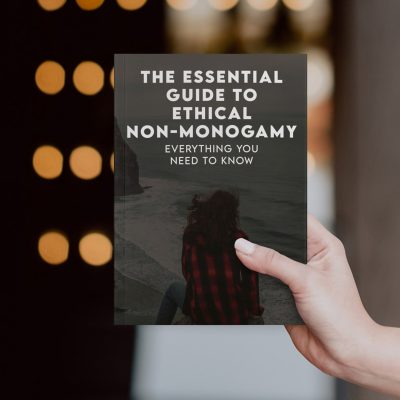
The freedom of an open relationship sounds incredible, but the logistics can feel like holding a grenade. That spinning "what if" anxiety isn't paranoia, it’s your survival instinct warning you that your bond is exposed. "Just seeing what happens" is the fastest way to turn a fantasy into a breakup.
The Essential Guide replaces chaos with discipline. We give you the blueprints, jealousy protocols, and repair scripts needed to explore the edge without falling off. Don't guess. Secure your foundation first.

The world of non-monogamy is a maze of confusing labels. Trying to be "Polyamorous" when your heart actually needs "Swinging" isn't just a vocabulary error; it’s a recipe for misery.
You can't build a stable home on a foundation that doesn't fit your psychology. This tool analyzes your emotional bandwidth and jealousy triggers to design the exact structure you need. Stop trying to squeeze into a box that doesn't fit. Build a relationship that actually feels like home.

Opening up feels exciting, but if you aren't reading from the same script, you're writing a tragedy. The disconnect between "I want freedom" and "I want safety" is where hearts break. This isn't just a quiz; it’s a synchronization engine.
We identify the silent gaps in your desires—from sleepover rules to emotional bandwidth, before they become unbridgeable chasms. Don't wait until the damage is done to find out you were never on the same page. Align your compasses now.
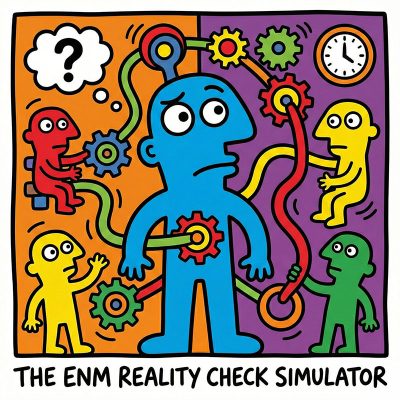
Theory is sexy. Reality is messy. You agreed you could date others, but how does your stomach drop when he takes her to your anniversary spot? Or when she comes home smelling like someone else?
This simulator drags your abstract rules into the harsh light of day. We force you to confront the visceral, gut-wrenching scenarios that actually destroy relationships, before they happen. Test your nervous system in the simulator so you don't crash the car in real life.

The fantasy is endless romance. The reality? It’s a logistical nightmare. Dating isn't just sex; it’s a second job of swiping, spending, and emotional processing that drains your sanity. Underestimating the "admin" of non-monogamy is the fastest way to turn your relationship into a burnout factory where resentment thrives.
This calculator forces you to confront the brutal math of your time, energy, and wallet. Can you actually afford this lifestyle, or are you just signing up for exhaustion?
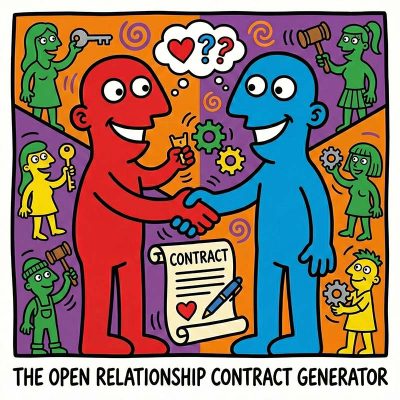
"I thought we agreed" is the sentence that destroys relationships & marriages. Relying on verbal promises when emotions run high is a gamble you cannot afford to lose. Your memory isn't just faulty; it's a liability. Ambiguity is the oxygen that jealousy breathes, turning "freedom" into a minefield of "did I mess up?"
This generator transforms vague permissions into a concrete, signed reality. Stop arguing about what you thought was said and lean on what is written. Secure your boundaries in ink, not hope.
Common dynamics when one partner returns to monogamy
The renegotiation moment
When a shift back toward monogamy is on the table the couple has to renegotiate. That renegotiation is not just about sex it is about trust time together emotional availability and expectations. One partner might want stricter boundaries or a slower ramp back into closeness with others. The other partner might feel hurt and worry about losing autonomy or about being judged for past choices. The moment of renegotiation is where you shape the future more than in any single conversation. The goal is to reach agreements that are clear fair and workable for both people.
Two directions you might see
- Renegotiated monogamy with explicit time limits for any outside connections. This can be a temporary period a trial or a long term change depending on how it feels for both partners.
- Hybrid or dual track where one partner remains open to ENM while the other pursues stricter monogamy. This requires careful boundaries and a lot of ongoing communication to prevent drift or resentment.
Trust rebuild versus risk of retreat
Trust can be built through honest conversations shared vulnerability and practiced boundaries. For some couples returning to monogamy is a trust reboot a way to refocus on the core partnership. For others it might feel like a retreat that increases distance from the parts of ENM that once brought vitality. The important part is recognizing which outcome you want and making choices that aim to restore trust while honoring both partners needs.
Emotional safety and jealousy as signals
Jealousy is not a sign of failure it is a signal that something needs attention. In a renegotiation jealousy can point to areas where boundaries are unclear or where emotional support mechanisms are missing. Emotional safety grows through predictable routines open check-ins and a culture of non shaming discussions. It is common to feel a mix of relief anxiety relief and sadness during this transition. That mix is not a problem it is human.
How to talk about it without burning the relationship
Communication is the engine of any ENM transformation. The goal is to speak honestly with kindness and without weaponizing past actions. Here are practical steps you can follow.
Step 1 wise first talk
Choose a calm time with no immediate stressors. Begin with a simple frame. For example you can say it feels important to you to talk about the future of our relationship and I want to share how I feel and hear how you feel too. Start with your own feelings and avoid assigning blame. The first conversation should set a collaborative tone rather than a verdict.
Step 2 define what monogamy means for you both
In ENM there are many shades of monogamy. Some couples want no romantic or sexual contact with others. Some want emotional monogamy with a firm boundary around dating others. Others prefer to keep sex with outsiders off the table but continue dating inside the primary pair. Start by mapping what monogamy means in your life together. This clarity reduces resentment and makes it easier to follow through on agreements.
Step 3 create a renegotiation plan
Write down clear agreements. Include what is allowed who is allowed when meetings happen and how information is shared. Decide on what will be treated as a trial period and how you will evaluate it. A plan creates a shared sense of movement and reduces uncertainty. It also gives you a framework to revisit if feelings change again later.
Step 4 use time boxes and check ins
Time boxes are concrete periods during which you test the new setup. For example a 60 day trial with weekly check ins can keep both partners aligned. After the period review what worked what didn t and what should change. Use written notes or a shared journal to capture thoughts between talks. This keeps emotions from piling up and helps you see patterns over time.
Step 5 bring in a neutral mediator if needed
Sometimes a neutral third party such as a therapist who understands ENM dynamics can help. A mediator can provide structure steer conversations away from blame and help you build a durable plan that honors both partners needs. If therapy feels intimidating start with a single intake session to identify goals and expectations.
Boundaries and expectations to renegotiate
Boundaries in a renegotiated monogamy are about what is allowed what is not allowed and how you handle changes. Here are core areas to cover.
- Sexual boundaries with others Decide whether sex with outsiders is allowed who participates where and with what safety standards. Clarify if this is allowed only in specific contexts or completely off the table for a defined period.
- Emotional boundaries Agree on what kinds of emotional connections outside the primary relationship are acceptable. Discuss how much time is dedicated to outside relationships and how you protect the primary bond.
- Disclosure and transparency Agree how much you share about external connections and how you share it. Some couples want to know every date while others prefer privacy.
- Privacy and metamours Agree how you handle metamour relationships and whether contact with metamours should be disclosed in advance.
- Communication cadence Set a schedule for check ins and for longer conversations about feelings. Consistency reduces anxiety and builds trust.
- Time management Define how you allocate time together and apart. The goal is a schedule that sustains the primary relationship while acknowledging outside interests.
- Health and safety Establish safer sex practices and regular health checks. Talk about disclosure in the event of an STI or other health concerns.
Practical steps for renegotiation
Here is a concrete plan you can adapt. Remember this is a collaborative process a path you walk together not a verdict handed down by one person.
- Step one pause any new ENM activity. Give yourselves space to breathe and gather thoughts. Do not escalate the tension with additional outside connections during this pause.
- Step two articulate motivations. Each partner writes down why they want monogamy again what they fear and what hope they have for the future. Share those notes without interruptions.
- Step three map options. Create a small menu of possible structures from full monogamy to restricted forms of openness and every variant in between. Discuss pros and cons of each option.
- Step four pick a path and set a trial period. Choose one structure to test and commit to it for a defined window. Define how you will measure success or failure.
- Step five schedule weekly reflections. Use a simple format such as what is working what is not what we can adjust. Keep notes and revisit them in the next meeting.
- Step six adjust and renew. After the trial period decide whether to continue the path with adjustments pause again or switch to a different arrangement. Flexibility is a core strength here.
Sample dialogue templates
Use these as starting points and tailor them to your voices. They are not prescriptive they are meant to reduce friction and help you begin the conversation with clarity.
Simple opener
Partner A I want to talk about our relationship and the idea of monogamy again. I value what we have and I want to understand how you feel about this shift.
Partner B I appreciate you bringing this up. I also want to be honest about how I feel and what I need to feel secure and cared for in our partnership.
Clarifying boundaries
Partner A I would like a defined period of sobriety from outside connections. I also want us to check in each week with a simple question set. How does that sound?
Partner B That sounds workable. I need a plan to manage my curiosity and I want transparency about any outside time we have so I know we are both prioritizing our relationship.
Realistic scenarios you might encounter
Scenario one
Two years into ENM one partner announces a return to monogamy within a six month trial. They propose no outside dating and a weekly check in. The other partner feels relief at the clarity but worries about losing their external connections. They agree to a three month trial instead of six and decide to adopt a monthly review with a therapist to help with the transition. The outcome is steady communication and a stronger sense of togetherness with a shared goal.
Scenario two
In another case one partner wants monogamy while the other wishes to maintain one external connection with strict safety guidelines. They agree to a hybrid model with one non primary relationship limited to a specific time frame and a joint commitment to regular emotional check ins. They decide to pause new external connections while they explore the dynamic for a defined period. Over time they find a rhythm that fits both partners without erasing the history of ENM they built together.
Scenario three
A couple navigates a lengthy ENM phase and discovers that monogamy is a personal preference for both of them after a period of experimentation. They decide to transition to a traditional monogamous relationship while keeping a strong friendship with a former metamour. They recognize that their past ENM life informs their values now and they choose a future that feels authentic for both of them.
Jealousy insecurity and how to handle them
Jealousy does not disappear simply because a couple chooses monogamy again. It can show up as fear of loss worry about commitment or concern about the effort being unequal. Address jealousy with three tools. First practice self compassion and name what you feel without judging yourself. Second use cognitive reframing to translate jealousy into questions you can answer with your partner. Third enroll in a joint ritual of reassurance and check ins so both people feel seen and heard.
Useful strategies include journaling to identify triggers, mental rehearsal of conversations, and writing down three things you appreciate about your partner in addition to the core discussion. Over time these practices reduce the power of jealousy and increase the sense of safety in the relationship.
Is this fair to all involved
Fairness is not a single standard it is a negotiated agreement that respects consent autonomy and the ability to choose. In ENM the ethical core is ongoing consent consent updates and a commitment to open communication. If one partner feels forced or repeatedly overruled that is not a fair arrangement. The renegotiation process is meant to protect the dignity and agency of both partners and any other people involved. If the current path becomes unfair for one person it is important to pause revisit terms and adjust until fairness is restored.
Practical tips for dealing with family and kids
If you have kids or you are in a family context it is important to consider how this transition affects them. Keep explanations age appropriate and avoid oversharing adult details with children. Be consistent in what you say to children and avoid using the kids as props or bargaining chips in adult conversations. If possible maintain stability in daily routines and communication patterns. Seek guidance from a family therapist if you notice persistent tension or confusion in the home.
How to find support and maintain self care
Renegotiating a major relationship shift can be emotionally draining. Build a support plan that includes trusted friends a therapist a support group or online communities where you can share experiences without shaming. Personal care matters too. Sleep nutrition movement and downtime strengthen your resilience. When you take care of yourself you are better positioned to show up for your partner and for the relationship you want to protect.
Checklist before you step into renegotiation
- Clarify your own needs and boundaries as clearly as possible.
- Agree on a simple and measurable trial period with a defined end date.
- Decide how and when you will check in with each other and what information you will share.
- Consider seeking guidance from a therapist who understands ENM dynamics.
- Prepare for emotions to fluctuate and plan compassionate responses for both partners.
- Keep a record of decisions so you can review them later if needed.
Glossary of useful terms and acronyms
- ENM Ethical non monogamy a framework that allows multiple romantic or sexual relationships with the consent of everyone involved.
- Monogamy Commitment to one romantic and sexual partner at a time.
- Polyamory Having multiple loving relationships with the knowledge and consent of everyone involved.
- Open relationship A relationship where partners agree to engage in romantic or sexual activities outside the primary partnership with boundaries.
- Swinging Sexual activity with others in a social setting often with a partner in the context of a primary relationship.
- Metamour A partner s partner who is not your own partner.
- Compersion Feeling happy for your partner s happiness even when it involves someone else.
- Boundaries Lines that define acceptable and unacceptable behavior in a relationship.
- Renegotiation The process of revisiting and revising agreements in a relationship.
- Safe sex practices Protocols to reduce risk in sexual activity with others.
- Check-in A regular conversation focusing on feelings and adjustments in the relationship.
Frequently asked questions
What is ENM and how does it differ from open relationships or polyamory
ENM is a broad approach based on consent and honesty about multiple relationships. An open relationship emphasizes the absence of emotional boundaries and typically focuses on sexual freedom within agreed limits. Polyamory centers on having multiple romantic relationships with emotional ties and ongoing communication. ENM encompasses all these forms and more and it is defined by consensual negotiation and ongoing agreement rather than a fixed template.
Why would one partner want monogamy again after ENM
Reasons include a desire for deeper emotional safety a wish to simplify life a request for more time together or a sense that the current arrangement no longer fits both partners. It can also reflect changes in life circumstances such as parenting shifts or health needs. It is a legitimate preference and the way forward should respect both partners agency and feelings.
How do we renegotiate without hurting trust
Start with transparency name feelings and listen without interruption. Write down concrete proposals and agree to a trial period with a clear end date. Revisit the agreements in scheduled sessions and adjust as needed. If past hurts feel overwhelming consider a therapist who specializes in ENM dynamics to guide the process.
How long should a monogamy trial last
Most couples find a window of 30 to 90 days helpful for evaluating comfort and fit. Some choose longer periods. The key is to set a fixed end point and commit to a full review of the agreements at that time rather than letting a trial drift indefinitely.
What happens if jealousy becomes unmanageable
Jealousy is a signal not a verdict. Use it as a guide to adjust boundaries and increase reassurance. Salt the relationship with more check ins more transparency and more shared experiences that reinforce the primary bond. If jealousy continues to escalate seek outside support from a therapist or a trusted facilitator who understands ENM.
Is it fair to discuss monogamy with children or family
Keep explanations appropriate to the age and curiosity level of children. When adults are involved keep conversations private and direct with your partner. The most important thing is to maintain trust and continuity for the kids by maintaining stable routines and clear expectations in daily life.
Can a couple return to full ENM after trying monogamy again
Yes it can happen if both partners feel a renewed interest in open or ENM connections. The renegotiation can be used to re frame what is allowed how often outside connections happen and how to balance outside relationships with the primary bond. It is also valid to decide to stay monogamous long term if that feels right for both people.
Should I involve other people in the decision
In ENM discussions involving metamours and friends can be helpful in some cases but this is ultimately a couple decision. Avoid putting others in a role where they are asked to mediate or decide for you. A therapist can provide neutral guidance while keeping the focus on your relationship.
What if the shift ends the relationship
Shifts in relationship structure can be hard. If the renegotiation reveals incompatible needs or persistent hurt the healthiest choice may be to part ways respectfully. A well handled breakup in this context can preserve dignity for both people and leave room for future connections that better fit each person s evolving needs.
The freedom of an open relationship sounds incredible, but the logistics can feel like holding a grenade. That spinning "what if" anxiety isn't paranoia, it’s your survival instinct warning you that your bond is exposed. "Just seeing what happens" is the fastest way to turn a fantasy into a breakup.
The Essential Guide replaces chaos with discipline. We give you the blueprints, jealousy protocols, and repair scripts needed to explore the edge without falling off. Don't guess. Secure your foundation first.
The world of non-monogamy is a maze of confusing labels. Trying to be "Polyamorous" when your heart actually needs "Swinging" isn't just a vocabulary error; it’s a recipe for misery.
You can't build a stable home on a foundation that doesn't fit your psychology. This tool analyzes your emotional bandwidth and jealousy triggers to design the exact structure you need. Stop trying to squeeze into a box that doesn't fit. Build a relationship that actually feels like home.
Opening up feels exciting, but if you aren't reading from the same script, you're writing a tragedy. The disconnect between "I want freedom" and "I want safety" is where hearts break. This isn't just a quiz; it’s a synchronization engine.
We identify the silent gaps in your desires—from sleepover rules to emotional bandwidth, before they become unbridgeable chasms. Don't wait until the damage is done to find out you were never on the same page. Align your compasses now.
Theory is sexy. Reality is messy. You agreed you could date others, but how does your stomach drop when he takes her to your anniversary spot? Or when she comes home smelling like someone else?
This simulator drags your abstract rules into the harsh light of day. We force you to confront the visceral, gut-wrenching scenarios that actually destroy relationships, before they happen. Test your nervous system in the simulator so you don't crash the car in real life.
The fantasy is endless romance. The reality? It’s a logistical nightmare. Dating isn't just sex; it’s a second job of swiping, spending, and emotional processing that drains your sanity. Underestimating the "admin" of non-monogamy is the fastest way to turn your relationship into a burnout factory where resentment thrives.
This calculator forces you to confront the brutal math of your time, energy, and wallet. Can you actually afford this lifestyle, or are you just signing up for exhaustion?
"I thought we agreed" is the sentence that destroys relationships & marriages. Relying on verbal promises when emotions run high is a gamble you cannot afford to lose. Your memory isn't just faulty; it's a liability. Ambiguity is the oxygen that jealousy breathes, turning "freedom" into a minefield of "did I mess up?"
This generator transforms vague permissions into a concrete, signed reality. Stop arguing about what you thought was said and lean on what is written. Secure your boundaries in ink, not hope.
