
Community Perception of Hierarchical Polyamory


Welcome to a practical, no fluff guide about how communities perceive hierarchical polyamory in the ethical non monogamy world. If you are exploring how society talks about this dynamic or if you live it daily and want some honest angles on the chatter around you this article will give you clear paths to understanding and navigating perceptions without losing your footing. We will explain terms as we go so everything stays clear even if this is your first deep dive into ENM territory. ENM stands for ethical non monogamy a term that covers relationships that involve more than two people with consent and honesty at the center. Hierarchical polyamory is a specific arrangement within ENM where people place primary partners in a more central role than others often with explicit agreements about time resources boundaries and life decisions. This article will help you see how communities talk about hierarchical polyamory what myths tend to show up and how to engage with both supporters and skeptics in a constructive way.
Quick Links to Useful Sections
- What hierarchical polyamory is
- Primary partner primary relationship
- Secondary partners and beyond
- The role of time resources and life decisions
- The social landscape who talks and who listens
- Stigma from friends family and religious communities
- Appearance in media and pop culture
- Reasons for stigma and misunderstanding
- Within the polyamory community: internal hierarchies and diversity
- The impact on mental health and relationships
- Strategies for navigating community perception
- Communication with partners
- Disclosure decisions
- Boundaries and negotiated consent
- Ethical considerations and power dynamics
- Consent coercion and manipulation
- Economic and time resources
- Practical tips for building supportive networks
- Case studies and realistic scenarios
- Scenario one A new partner in a hierarchical setup
- Scenario two A life change tests the hierarchy
- Scenario three Dealing with stigma from a close circle
- Glossary of useful terms and acronyms
- Frequently asked questions
What hierarchical polyamory is
Hierarchical polyamory is a relationship structure in which partners acknowledge a ranking among relationships. The primary partner or partners are generally the focal point for major life decisions and emotional security while secondary partners provide companionship romance or intimacy that is often more flexible in terms of time and priority. Unlike some forms of relationship for example a loose non hierarchical polyamory arrangement hierarchical polyamory keeps a negotiated order that guides how people allocate their time energy and resources. The emphasis is on consent open communication and mutual respect even when pain jealousy or confusion arises. If you are new to the term let us unpack a few common phrases you will encounter.
Primary partner primary relationship
A primary partner is usually the person or people who receive the most time energy and influence over big life choices such as where you live how you spend money or whether you take on certain family responsibilities. In many cases the primary relationship is the anchor that holds the rest of the network together. The exact definition can vary from couple to couple or from group to group. For some people the term means legal or financial ties for others it means emotional centrality and decision making power in key areas. Clarity about what constitutes primary status is essential to avoid confusion and hurt.
Secondary partners and beyond
Secondary partners are typically those relationships that are important and valuable but do not occupy the same level of decision making or daily life integration as a primary partner. Some people also use terms like tertiary or non primary to describe additional nestings that sit outside the main couple arrangement. Myths often circle around secondary roles they are not less real not less loving and not automatically disposable. The reality is that in many hierarchical setups secondary partners can have strong emotional bonds dynamic schedules and meaningful futures alongside the primary relationship. The key is explicit negotiated agreements about boundaries boundaries is the wrong word here because it sounds static. Think of it as negotiated boundaries that can adapt over time.
The role of time resources and life decisions
One of the practical reasons people choose hierarchical structures is the real world limitation of time energy and resources. If you have a demanding career kids a shared home or other responsibilities it can be easier to organize relationships around a central core. This does not mean the other relationships are lesser valued it means the arrangement is built for sustainable balance. The social conversation about hierarchy often touches on fairness transparency and how to avoid using the primary relationship as a tool for control. That is a harmful trap and one that ethical practice actively guards against.
The social landscape who talks and who listens
Social perception of hierarchical polyamory is shaped by multiple communities including family friends coworkers religious groups and cultural norms. The loudest voices are often those with strong opinions whether they come from inside the polyamory world or from outside it. The result is a spectrum where some people celebrate hierarchical polyamory as a mature compassionate choice while others express doubt fear or judgment. It is important to recognize these voices exist and to understand where they come from without letting one side define your entire experience.
Stigma from friends family and religious communities
Stigma is a stubborn companion for many people exploring ENM and hierarchical forms. Friends and family may question the legitimacy of the arrangement or treat it as a curiosity instead of a real relationship. Religious communities might interpret non monogamy as a violation of moral norms or a threat to traditional family structures. The key tactic in facing stigma is to be clear about your boundaries offer transparent information and avoid rebutting every stereotype with a full debate. Education plus time is often a more effective approach than confrontation. When people feel heard and see that your relationships bring health happiness and responsibility they are more likely to soften their stance or at least respect your choices even if they disagree.
Appearance in media and pop culture
Media representation matters because it shapes expectations and stereotypes. Hierarchical polyamory appears less often than non hierarchical polyamory or monogamish stories in popular culture. When it does appear the depiction might lean into drama power imbalances or melodrama about control or jealousy. Real life is rarely that tidy. A lot of the concern from observers comes from a fear that hierarchy implies unequal power or coercion. The reality is that people in hierarchical setups can and do negotiate power in ethical ways where consent transparency and mutual care are ongoing commitments. Positive media depictions that focus on communication boundaries and shared happiness can shift public perception away from fear and toward understanding.
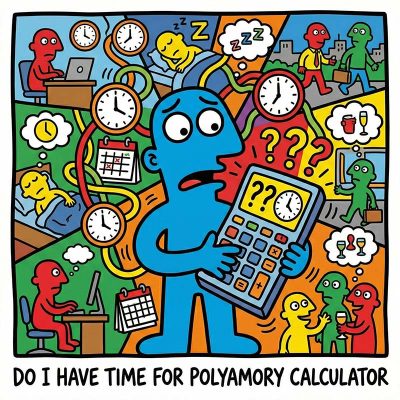
Love is infinite, but your calendar is brutally finite. The fantasy is deep connection; the reality is often just exhausted "calendar tetris." Promising time you don't actually have isn't romantic, it’s a recipe for burnout and broken trust. That sinking feeling when you have to cancel again? That’s the sound of overextension destroying your relationships.
This calculator forces you to confront the math of your life. Do you actually have space for another heart, or are you just setting everyone up for disappointment?

The fantasy is total autonomy and connection. The reality? It can feel like drowning in scheduling chaos and misunderstood expectations. That anxiety you feel isn’t just stress; it’s the wobble of living without a default "anchor." Without a solid architecture, Solo Polyamory stops being a life design and starts being a recipe for burnout and confusion.
The Essential Guide replaces the drift with a concrete anchor. We provide the "Solo Ethic," boundary scripts, and burnout protocols needed to protect your peace. Don't just date around—build a life that actually works for you.
Hierarchy sounds like a corporate org chart until someone gets their feelings hurt. That stomach-turning fear that you are just a "secondary" who can be fired at any time is real. If your relationship feels like a secret ranking system, you are doing it wrong.
Ambiguity is where resentment grows. The Essential Guide replaces the "who matters more" panic with a concrete charter. We provide the scripts and equity guardrails needed to protect every heart in the polycule. Stop guessing and start building.

The ideal is pure equality. The reality? It often slides into hidden rankings where someone gets hurt. That sinking feeling that you are secretly a "secondary" despite the label? That is your intuition detecting couple privilege. Ambiguity is where resentment thrives.
The Essential Guide replaces vague promises with concrete governance. We provide the charters, equity tools, and jealousy protocols needed to ensure "non-hierarchical" isn't just a fantasy. Stop guessing who matters most. Build a network that is actually fair.
The fantasy is total autonomy and connection. The reality? It can feel like drowning in scheduling chaos and misunderstood expectations. That anxiety you feel isn’t just stress; it’s the wobble of living without a default "anchor." Without a solid architecture, Solo Polyamory stops being a life design and starts being a recipe for burnout and confusion.
The Essential Guide replaces the drift with a concrete anchor. We provide the "Solo Ethic," boundary scripts, and burnout protocols needed to protect your peace. Don't just date around—build a life that actually works for you.
Hierarchy sounds like a corporate org chart until someone gets their feelings hurt. That stomach-turning fear that you are just a "secondary" who can be fired at any time is real. If your relationship feels like a secret ranking system, you are doing it wrong.
Ambiguity is where resentment grows. The Essential Guide replaces the "who matters more" panic with a concrete charter. We provide the scripts and equity guardrails needed to protect every heart in the polycule. Stop guessing and start building.
Reasons for stigma and misunderstanding
Misunderstanding often feeds stigma. Some key drivers include: a lack of direct exposure to ethical non monogamy myths about ownership or control fear of losing a partner or changing family dynamics and social norms that privilege monogamy as the default or only acceptable option. Another factor is cognitive dissonance when people hold long standing beliefs about romance and family while seeing a non traditional setup succeed. These factors can produce defensive reactions or judgement that feel personal even when they are about a concept not the individual. The important thing is to keep the conversations grounded in concrete examples and to share practical experiences that demonstrate safety consent and joy within ethical non monogamy.
Within the polyamory community: internal hierarchies and diversity
Within the ENM world hierarchy is not the only model. Some people adopt flexible non hierarchical polyamory or open non hierarchical structures where the emphasis is on equitable access to love and time rather than a formal ranking. Others may blend hierarchical elements with more fluid arrangements depending on life changes. The diverse ecosystem means there is no one right way and no single blueprint that fits all. The conversations inside the community can be just as nuanced as the conversations outside. Many people seek to balance autonomy with connection and to resist coercive patterns that can be masked as hierarchy. Core values across communities typically include consent honesty respect and an ongoing willingness to renegotiate when life shifts occur.
The impact on mental health and relationships
Like any relationship configuration ethical non monogamy can support or challenge mental health depending on tools and practices. Clear communication boundaries and regular check ins help create safety nets against jealousy insecurity or fear that can arise in hierarchical setups. When relationships are built on trust and transparency there is space for personal growth you learn to navigate emotions such as jealousy with compassion and curiosity rather than avoidance. On the flip side poorly managed hierarchy can contribute to stress and relationship strain if one person feels overwhelmed or if there is a power imbalance that looks like control rather than care. The best antidote is a commitment to ongoing consent open dialogue and a willingness to pause or adjust agreements as needed.
Strategies for navigating community perception
Whether you are entering hierarchical polyamory or you are already living it the way you present your life to the outside world matters. The following strategies are practical and grounded in everyday life not in theater. The aim is to cultivate understanding while protecting your emotional energy and your relationships.
Communication with partners
Open conversations with your partners about how you want to handle external conversations can prevent misunderstandings. Decide who will handle what topics who can speak for the group and how to present your structure to new people in your circle. Regular check ins help you catch miscommunications before they become wedges. You want to create a shared language around roles boundaries and decisions so everyone can feel confident about where they stand in the network.
Disclosure decisions
Deciding who to tell and when is highly personal. Some people choose to disclose only to trusted friends or family who ask questions or show genuine curiosity. Others may be comfortable sharing more publicly in appropriate settings. A few guidelines can help: tailor the detail to your audience avoid unnecessary personal disclosures and stay mindful of safety and privacy considerations especially in workplaces or communities with strong bias. You are not obligated to explain every detail to every person. You are allowed to guard your boundaries and share what you are comfortable sharing.
Boundaries and negotiated consent
Boundaries are not fences designed to trap you they are guardrails that help relationships thrive. In hierarchical polyamory boundaries may cover time management how decisions are made about major life events who gets written into family plans and what information is shared publicly. Consent in this context means ongoing explicit agreement to each new dynamic or change in the arrangement. It is important to check in with partners regularly and to document changes so everyone remains aligned. The goal is to prevent coercion or pressure disguised as tradition or hierarchy keep the path toward mutual joy and safety.
Ethical considerations and power dynamics
Power dynamics show up in all kinds of relationships but in hierarchical polyamory the potential for unequal influence is a real topic. Ethical practice requires explicit consent careful negotiation and sustained attention to how power is distributed and exercised. A healthy hierarchy recognizes that power is a resource to be shared used responsibly and regularly re examined. If one partner experiences coercion or a sense of losing autonomy that relationship pattern needs immediate attention. The best practice is to maintain open dialogue with all partners and to bring in mediators or counselors when needed. Power shines a light on what needs attention and when handled ethically it can deepen trust rather than erode it.
Consent coercion and manipulation
Consent means more than a one time yes. It is an ongoing agreement that updates as feelings shift life changes and new relationships form. Coercion looks like pressuring someone to accept a setup they did not choose or manipulating the situation to make someone comply. Manipulation is often subtler and can involve gaslighting guilt trips or insinuations. The antidote is transparent conversations with clear documentation of agreements and a commitment to pause or renegotiate when someone is uneasy. If you find yourself in a situation where you feel cornered seek support from a trusted friend or a professional who understands ethical non monogamy.
Economic and time resources
Another realistic factor is how much time energy and money each person is able to invest. People in hierarchical setups often allocate resources deliberately to protect the well being of all involved. This might mean scheduling regular date nights with primary partners while leaving space for secondary connections. Financial transparency is another pillar of ethical practice especially when shared living arrangements or children are part of the picture. Being pragmatic about what you can offer keeps the relationship healthy and reduces resentment.
Practical tips for building supportive networks
Support networks are crucial when you are navigating hierarchical polyamory in the real world. The right community can provide validation guidance and practical advice. Here are some actionable ideas to build supportive networks without pretending everything is easy all the time.
- Join ethical non monogamy friendly groups or meetups where people share experiences and resources in a respectful environment.
- Seek therapy or counseling with clinicians who understand ENM dynamics and can provide navigation tools for jealousy boundary setting and communication.
- Develop a personal education plan that includes reading about hierarchy in relationships seeking case studies and listening to voices from diverse backgrounds within ENM.
- Practice transparent conversations with your close friends and family focusing on how the structure works what its benefits are and how it addresses safety and happiness for everyone involved.
- Create a simple FAQ or one page that explains your arrangement for those who want more detail without disclosing private information.
Case studies and realistic scenarios
Let us look at a few practical scenarios that illustrate common situations and how people have navigated them with care and clarity. These are not one size fits all templates but they provide concrete examples you can adapt to your own life.
Scenario one A new partner in a hierarchical setup
A couple in a long term primary relationship meet someone new who wants a connection that could fit as a secondary partner. They have a long conversation about time boundaries emotional expectations and possible future scenarios. They test the waters with limited dates initially and agree on a trial period during which all parties will revisit the agreements. The key here is explicit consent and a shared process for feedback. If jealousy arises they address it with a plan for reassurance activities and more transparent communication rather than shutting down the connection.
Scenario two A life change tests the hierarchy
One person in a primary relationship receives a work opportunity that requires long hours and occasional travel. The couple discusses how this shift affects time with the primary partner the availability for secondary partners and whether the arrangement needs a temporary or permanent adjustment. They decide to reallocate energy temporarily bringing in cheers from the secondary partners and agreeing to more asynchronous communication during travel. The outcome is a refreshed plan that preserves the core bond while respecting new job demands.
Scenario three Dealing with stigma from a close circle
A member of the group faces a friend circle that questions the legitimacy of their relationships. They choose to explain their structure in a concise manner focusing on values like consent honesty and mutual care rather than defensiveness. The group creates a short talking points sheet to share with curious people while safeguarding their private life. After a few conversations some friends stay skeptical while others become supportive allies. The important takeaway is that you control the narrative you share and you remain open to education without sacrificing your safety or privacy.
Glossary of useful terms and acronyms
- ENM Ethical non monogamy a term for relationship styles that involve more than two people with consent and honesty at the center.
- Hierarchical polyamory A form of ENM where relationships are ranked with primary partners and other partners or relationships ranked below the top position.
- Primary partner The person who has the most central role in the relationship structure often guiding major decisions and sharing living space or finances.
- Secondary partner A partner who is important but does not occupy the same central role as the primary partner.
- Tertiary A term sometimes used for a third or additional partner within a hierarchical structure.
- Non primary A designation used to describe partners who are not in the primary position but still play meaningful roles.
- Jealousy An emotional response that can arise in any relationship when fear of loss or insecurity surfaces. Jealousy is a signal not a verdict it points to a need for communication or change.
- Compersion The opposite of jealousy you feel happiness when your partner experiences joy with someone else.
- New Relationship Energy The excitement you feel at the start of a new relationship often characterized by novelty and optimism.
- Mononormativity The cultural assumption that monogamy is the default or superior form of relationship and all other forms are deviations.
- Consent An ongoing explicit agreement to participate in a given activity within a relationship. Consent can be withdrawn at any time.
- Negotiated boundaries Rules and agreements that partners set together with flexibility to adapt as needed.
Frequently asked questions
What is hierarchical polyamory
Hierarchical polyamory is a form of ethical non monogamy where partners arrange relationships in a hierarchy typically with a primary partner and one or more secondary partners. The arrangement emphasizes explicit agreements about time resources and future plans.
How does community perception differ for hierarchical polyamory
Perception varies widely. Some people see hierarchy as practical honest and mature a structure that fosters stability. Others view it as a sign of power imbalance or control. The range of opinions depends on personal experiences cultural background and exposure to ENM. The best approach is to be clear about your own boundaries and to engage with openness and empathy when talking to others.
Why do people stigmatize hierarchical polyamory
Stigma often stems from fear unfamiliarity and moral judgments about family and romance. People may worry about the safety of children the stability of households or the integrity of commitments. Some critics may equate non monogamy with promiscuity or a lack of loyalty. Education patience and honest conversations can help reduce stigma over time though not every conversation will lead to agreement.
How can I talk to friends and family about hierarchical polyamory
Start with a concise explanation of the structure focus on values such as consent honesty and communication. Share how you maintain health and care in your life and acknowledge that not everyone will agree. Offer resources or invite questions but do not feel pressured to disclose private details. Give people space to absorb information and revisit topics as needed.
How does ENM relate to hierarchical polyamory
Hierarchical polyamory is a subset within the broader ENM umbrella. ENM covers many configurations while hierarchical polyamory centers on ranking relationships. Understanding this helps to situate your experience within a wider spectrum of relationship styles and shows that there is no single right way to be ethical and loving in multiple relationships.
What about power dynamics in hierarchical polyamory
Power dynamics require ongoing attention. Healthy setups include transparent decision making processes regular check ins and a willingness to adjust when someone feels unheard or overwhelmed. If power seems to be exercised in a coercive way the dynamic needs to be renegotiated or professional guidance sought. The goal is shared health and happiness for all involved not control or submission under pressure.
How do I maintain ethical boundaries with a primary partner
Keep open lines of communication invest in joint activities and respect each other’s boundaries. Revisit long term plans and be willing to adjust if life changes. When boundaries are clear and consent is ongoing both partners feel secure and respected which supports healthier relationships across the board.
Is hierarchical polyamory possible with kids
Yes it can be but it requires careful planning and sensitivity to the needs of children. Stability safety and clear communication are crucial. It is important to consider legal and logistical aspects as well as how to shield kids from adult relationship complexities while still being honest appropriately about family structure when appropriate.
Where can I learn more about hierarchical polyamory
Look for reputable resources that emphasize consent ethics and community perspectives. A balanced approach includes personal stories from people who live hierarchical polyamory alongside theoretical discussions about dynamics and social perception. Attending workshops or talking with therapists who specialize in ENM can also provide practical guidance.
Love is infinite, but your calendar is brutally finite. The fantasy is deep connection; the reality is often just exhausted "calendar tetris." Promising time you don't actually have isn't romantic, it’s a recipe for burnout and broken trust. That sinking feeling when you have to cancel again? That’s the sound of overextension destroying your relationships.
This calculator forces you to confront the math of your life. Do you actually have space for another heart, or are you just setting everyone up for disappointment?
The fantasy is total autonomy and connection. The reality? It can feel like drowning in scheduling chaos and misunderstood expectations. That anxiety you feel isn’t just stress; it’s the wobble of living without a default "anchor." Without a solid architecture, Solo Polyamory stops being a life design and starts being a recipe for burnout and confusion.
The Essential Guide replaces the drift with a concrete anchor. We provide the "Solo Ethic," boundary scripts, and burnout protocols needed to protect your peace. Don't just date around—build a life that actually works for you.
Hierarchy sounds like a corporate org chart until someone gets their feelings hurt. That stomach-turning fear that you are just a "secondary" who can be fired at any time is real. If your relationship feels like a secret ranking system, you are doing it wrong.
Ambiguity is where resentment grows. The Essential Guide replaces the "who matters more" panic with a concrete charter. We provide the scripts and equity guardrails needed to protect every heart in the polycule. Stop guessing and start building.
The ideal is pure equality. The reality? It often slides into hidden rankings where someone gets hurt. That sinking feeling that you are secretly a "secondary" despite the label? That is your intuition detecting couple privilege. Ambiguity is where resentment thrives.
The Essential Guide replaces vague promises with concrete governance. We provide the charters, equity tools, and jealousy protocols needed to ensure "non-hierarchical" isn't just a fantasy. Stop guessing who matters most. Build a network that is actually fair.
The fantasy is total autonomy and connection. The reality? It can feel like drowning in scheduling chaos and misunderstood expectations. That anxiety you feel isn’t just stress; it’s the wobble of living without a default "anchor." Without a solid architecture, Solo Polyamory stops being a life design and starts being a recipe for burnout and confusion.
The Essential Guide replaces the drift with a concrete anchor. We provide the "Solo Ethic," boundary scripts, and burnout protocols needed to protect your peace. Don't just date around—build a life that actually works for you.
Hierarchy sounds like a corporate org chart until someone gets their feelings hurt. That stomach-turning fear that you are just a "secondary" who can be fired at any time is real. If your relationship feels like a secret ranking system, you are doing it wrong.
Ambiguity is where resentment grows. The Essential Guide replaces the "who matters more" panic with a concrete charter. We provide the scripts and equity guardrails needed to protect every heart in the polycule. Stop guessing and start building.
