
Rebuilding Trust After Structural Changes

Welcome to a candid, practical guide to rebuilding trust when the structure of a hierarchical polyamory dynamic shifts. If you are in an ethical non monogamy situation with a clear priority order between partners, you know that changes to that structure can ripple through every part of life. This is not a mystical process with a magic fix. It is a deliberate practice of communication, consent, and accountability that can turn upheaval into growth. We will break down what changes look like, why trust can wobble, and concrete steps you can take to rebuild a sturdy, honest foundation. And yes we will keep the language simple so readers can apply ideas right away.
Quick Links to Useful Sections
- What is hierarchical polyamory and why does trust matter here
- Common structural changes in hierarchical polyamory
- The trust gap after changes what often goes wrong
- A practical framework for rebuilding trust step by step
- Step 1 , Name the changes and invite dialogue
- Step 2 , Renegotiate agreements with clear outcomes
- Step 3 , Increase transparency and information sharing
- Step 4 , Create practical time management tools
- Step 5 , Establish accountability mechanisms
- Step 6 , Define boundaries around external connections
- Step 7 , Work through jealousy with practical tools
- Step 8 , Normalize ongoing renegotiation
- Step 9 , Use rituals to reaffirm connection
- Step 10 , Monitor progress and celebrate wins
- Realistic scenarios and how trust can improve
- Must no s and best practices for healthy restructuring
- Communication tools that keep trust alive
- When to seek external help
- Practical exercises you can start today
- Glossary of useful terms and acronyms
- Frequently asked questions
Before we dive in here is a quick orientation on terms you will see in this guide. If a term is new to you we will explain it so you are not left guessing. Ethical non monogamy or ENM is a relationship style in which all parties consent to non exclusive romantic or erotic connections. Hierarchical polyamory is a form of ENM where one or more partners hold priority status over other partners. A primary partner is the person who has the deepest level of commitment and time investment. A secondary partner is someone who is important but who does not have the same level of priority. Negotiations will define what counts as a priority and how changes are handled. A renegotiation is a conversation to revise agreements after new information or feelings arise. Trust is the belief that partners will act with reliability honesty and respect toward shared goals. Jealousy is a normal response that can be managed with empathy and skill. Compersion is the joy you feel when a partner finds happiness with someone else. These ideas live in everyday practice not in theory.
What is hierarchical polyamory and why does trust matter here
Hierarchical polyamory places a clear ladder of emotional and practical priority among the people involved. The primary partner or partners have a higher claim on time planning emotional support and life decisions. Secondary partners enjoy meaningful connections but with different expectations around time and commitment. This structure can support stability when boundaries are clear and when every person agrees on what changes mean. When structural changes occur such as a shift in who is primary or how much time is allocated a trust test emerges. Will the new arrangement feel fair to everyone involved? Will people feel heard and respected as plans shift? Rebuilding trust means proving that the new reality will be handled with care and consistency rather than with hidden motives or flaky communication.
Common structural changes in hierarchical polyamory
- Changing who holds primary status a shift in who receives more time and energy.
- Adding a new partner who becomes part of the hierarchy and requires a rethink of schedules and boundaries.
- Rebalancing time resources such as dating nights weekends and shared planning time.
- Revising rules about disclosure transparency and what information is shared with which partner.
- Adjusting plans after a life event like a move a new job or changes in health or family responsibilities.
- Modifying expectations around sex intimacy and emotional availability with each partner.
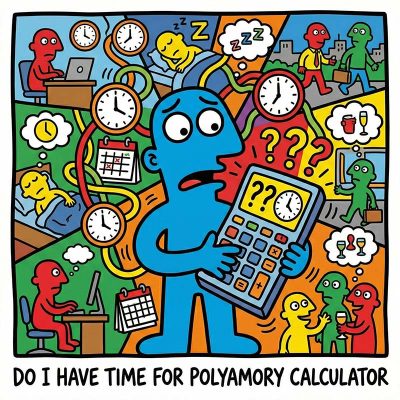
Love is infinite, but your calendar is brutally finite. The fantasy is deep connection; the reality is often just exhausted "calendar tetris." Promising time you don't actually have isn't romantic, it’s a recipe for burnout and broken trust. That sinking feeling when you have to cancel again? That’s the sound of overextension destroying your relationships.
This calculator forces you to confront the math of your life. Do you actually have space for another heart, or are you just setting everyone up for disappointment?

The fantasy is total autonomy and connection. The reality? It can feel like drowning in scheduling chaos and misunderstood expectations. That anxiety you feel isn’t just stress; it’s the wobble of living without a default "anchor." Without a solid architecture, Solo Polyamory stops being a life design and starts being a recipe for burnout and confusion.
The Essential Guide replaces the drift with a concrete anchor. We provide the "Solo Ethic," boundary scripts, and burnout protocols needed to protect your peace. Don't just date around—build a life that actually works for you.

Hierarchy sounds like a corporate org chart until someone gets their feelings hurt. That stomach-turning fear that you are just a "secondary" who can be fired at any time is real. If your relationship feels like a secret ranking system, you are doing it wrong.
Ambiguity is where resentment grows. The Essential Guide replaces the "who matters more" panic with a concrete charter. We provide the scripts and equity guardrails needed to protect every heart in the polycule. Stop guessing and start building.

The ideal is pure equality. The reality? It often slides into hidden rankings where someone gets hurt. That sinking feeling that you are secretly a "secondary" despite the label? That is your intuition detecting couple privilege. Ambiguity is where resentment thrives.
The Essential Guide replaces vague promises with concrete governance. We provide the charters, equity tools, and jealousy protocols needed to ensure "non-hierarchical" isn't just a fantasy. Stop guessing who matters most. Build a network that is actually fair.
The fantasy is total autonomy and connection. The reality? It can feel like drowning in scheduling chaos and misunderstood expectations. That anxiety you feel isn’t just stress; it’s the wobble of living without a default "anchor." Without a solid architecture, Solo Polyamory stops being a life design and starts being a recipe for burnout and confusion.
The Essential Guide replaces the drift with a concrete anchor. We provide the "Solo Ethic," boundary scripts, and burnout protocols needed to protect your peace. Don't just date around—build a life that actually works for you.
Hierarchy sounds like a corporate org chart until someone gets their feelings hurt. That stomach-turning fear that you are just a "secondary" who can be fired at any time is real. If your relationship feels like a secret ranking system, you are doing it wrong.
Ambiguity is where resentment grows. The Essential Guide replaces the "who matters more" panic with a concrete charter. We provide the scripts and equity guardrails needed to protect every heart in the polycule. Stop guessing and start building.
The trust gap after changes what often goes wrong
Trust can fray when people feel surprised by new arrangements or when information is withheld. Common pitfalls include sudden shifts without discussion hidden agendas not acknowledging hurt feelings unequal treatment or a lack of follow through on new promises. In hierarchical polyamory the perception of fairness is crucial. If one person feels that the new structure unfairly burdens them or leaves important needs unmet trust can shrink quickly. The good news is that trust can be rebuilt with explicit steps and steady practice even after tough changes.
A practical framework for rebuilding trust step by step
Below is a clear framework you can apply in real life. Each step includes practical actions you can take today. You do not need perfect expertise to begin you just need honesty willingness to listen and a plan to follow through.
Step 1 , Name the changes and invite dialogue
Open the conversation with clarity about what has changed and why. Use specific language and invite all involved to share their initial feelings without judgment. A simple script can help start the dialogue. For example say I want to talk about a shift in who is our primary relationship and how we will divide time going forward. What is your first reaction and what fears or hopes come up for you?
Tips for Step 1
- Set a dedicated time for the talk with no interruptions.
- Invite all affected partners to participate even if the changes seem focused on one person.
- Acknowledge emotions first before offering solutions.
Step 2 , Renegotiate agreements with clear outcomes
renegotiation is about turning feelings into concrete plans. Create a revised set of agreements that cover time boundaries communication expectations disclosure norms and safety practices. Each agreement should specify what changes what stays the same and how success will be measured.
A practical approach is to list each area that matters such as scheduling communication disclosure and intimacy. For each area write a rule plus a rationale and a check in cadence. For example schedule a weekly check in for updates on plans and a monthly review to assess whether the arrangement feels fair.
Step 3 , Increase transparency and information sharing
Transparency builds trust. Decide what information should be accessible to which partners and how to share it. This can include calendars shared notes about social events or updates on emotional states that could affect others. The aim is not to create surveillance but to prevent misinterpretation and to reduce the risk that hidden information becomes a reason for hurt later.
Step 4 , Create practical time management tools
Time is the currency of hierarchy. Build shared calendars set aside blocks for primary partner time and for secondary relationship time. Use reminders for check ins and important dates. If geographic distance is a factor consider asynchronous touches such as voice notes or short video messages to maintain closeness without forcing sudden changes in plans.
Step 5 , Establish accountability mechanisms
Accountability means keeping promises and admitting errors. Decide how to handle lapses in agreements. This might include a short cooling off period plus a repair conversation. Put a simple process in place for logging promises who is responsible and when a promise should be fulfilled. Accountability should feel fair and not punitive.
Step 6 , Define boundaries around external connections
Boundaries around other partners help reduce fear of being blindsided. Clarify what information needs to be disclosed what activities require permission and what level of involvement each partner has in decisions about external dating. Boundaries should be revisited regularly as circumstances change.
Step 7 , Work through jealousy with practical tools
Jealousy is a signal not a flaw. Treat it as information about needs that are not being met. Use a jealousy toolkit: name the feeling describe the trigger map the situation outline a plan to meet the need and practice self soothing techniques. Consider pairing sessions where partners practice empathy listening and validating each other without jumping to defend or blame.
Step 8 , Normalize ongoing renegotiation
A key part of healthy ENM is the willingness to renegotiate as life changes. Set a cadence for reviews of agreements. Even if nothing dramatic happens a quarterly check in can prevent drift. Remind everyone that renegotiation is a normal part of growing together rather than a threat to the relationship.
Step 9 , Use rituals to reaffirm connection
Small rituals reinforce trust. This can be weekly rituals like a shared meal a monthly check in a deeper conversation a quarterly retreat or even a simple text ritual that asks how each person is feeling. Rituals create continuity and predictability which helps reduce anxiety about changes.
Step 10 , Monitor progress and celebrate wins
Trust grows when you notice and celebrate positive changes. Track improvements such as fewer miscommunications shorter repair times after conflicts and more reliable follow through. Acknowledge small wins publicly within the group and celebrate together in meaningful ways.
Realistic scenarios and how trust can improve
Scenario one a new partner enters the dynamic and is positioned as secondary at first. The group agrees on a trial period where time with the new partner is gradually increased while the primary partner continues to receive a predictable base. Regular check ins ensure concerns are surfaced early and adjustments are made. Over time the new arrangement feels fair and everyone gains confidence that boundaries are respected.
Scenario two a move changes the geographic arrangement making long distance planning necessary. The group sets a schedule for virtual dates and in person visits while preserving primary partner time. They agree on communication norms and a shared calendar that keeps everyone informed. Trust grows as people prove they can navigate distance without letting commitments slip.
Scenario three a life event such as a demanding job reduces available time. The group negotiates a temporary shift in priority with clear expectations for its duration and a plan to revisit when life calms. Clear communication and a written plan reduce anxiety and preserve respect among all partners.
Must no s and best practices for healthy restructuring
- Do not surprise others with structural changes. Always discuss before actions are taken.
- Do not assume you know what others feel. Ask open questions and listen genuinely.
- Avoid power plays or hidden agendas. Transparency is the backbone of trust in ENM.
- Do not hide information that can affect another partner. Even small details can matter.
- Do not weaponize changes against someone. Focus on collaboration not punishment.
- Do not skip renegotiation after significant life events. Reassess and adjust as needed.
Communication tools that keep trust alive
- Shared calendar with blocks for primary and secondary relationship time.
- Weekly check in notes where each person can write feelings and concerns.
- Daily or every other day quick text updates about plans you are making that involve others.
- A written renegotiation document that all partners review during a scheduled meeting.
- Confidential space for private messages if someone needs to share something sensitive.
When to seek external help
If the trust gap feels too wide or if there is persistent tension and hurt that cannot be resolved within the group consider outside help. A therapist who specializes in ENM or a polyamory friendly couples counselor can offer frameworks for communication and repair. A trusted mediator or coach who understands hierarchy and consent can also guide renegotiation in a healthy way. Getting help is a sign of strength and commitment to all partners.
Practical exercises you can start today
- Ownership exercise journal two pages weekly where each partner writes what they did to support the new structure and what they could do better.
- Renewal exercise list three concrete promises you will keep in the next month and three promises you expect in return.
- Trust check in ritual once a month where everyone names a win and a concern and agrees on a response plan.
- Compassion walk a short walk with a partner where you practice listening without interrupting and then summarize what you heard.
- Boundaries review panel a rotating group that helps re evaluate boundaries and ensures they remain fair and healthy.
Glossary of useful terms and acronyms
- ENM Ethical non monogamy a relationship style focused on consent honesty and ethical behavior when many people share emotional or sexual connections.
- Hierarchical polyamory A polyamory structure where there is a ranking of relationships with a primary partner or partners and one or more secondary partners.
- Primary partner The person who receives the highest level of commitment time and emotional support within the hierarchy.
- Secondary partner A partner who is important but does not have the same priority level as a primary partner.
- Renegotiation The process of revising agreements to reflect new realities feelings or information.
- Transparency Open sharing of information that could affect others in the dynamic.
- Jealousy An emotional response often tied to fear of loss or inadequacy. It can be managed with empathy and coping strategies.
- Compersion Feeling joy from another person s happiness even when it does not involve you directly.
- Boundaries Boundaries are limits set to protect well being and the relationship structure.
- Agreement A written or spoken plan that outlines how partners will interact within the dynamic.
- Disclosure Sharing information with other partners about relationships or events that could affect them.
- Maintenance plan A set of practices designed to keep trust strong through consistent action.
Frequently asked questions
What does trust look like after a structural change
Trust shows up as reliable follow through on commitments clear communication and a sense that all partners feel heard and respected. It also looks like timely updates transparent sharing and a willingness to adjust when concerns arise.
How do we start renegotiation without reigniting conflict
Start with a calm neutral space and a clear agenda. Focus on facts feelings and needs. Use a structured format to discuss each area and end with a concrete set of actions and a date for the next review.
Is it okay to pause changes if emotions run high
Yes it is acceptable to pause renegotiation if emotions are too intense. Agree on a short pause with a plan to revisit after a cooling off period. The aim is growth not escalation.
How can we talk about jealousy without blame
Frame jealousy as information about needs not as an accusation. Use language that centers your own experience and invite the other party to share theirs. Use specific examples and propose practical adjustments to plans and boundaries.
What if one person is not ready for a renegotiation
Respect that pace. Offer to revisit later and propose non threatening steps such as sharing more information about day to day plans or scheduling shorter check ins. Pressure only makes resistance stronger.
How often should we review our agreements
Set a quarterly review as a baseline and adjust to life events. If circumstances change rapidly you may need to shorten the cycle to monthly reviews for a period of time.
Should external help be a first option
External help can be valuable but it is often best used as a complement to open direct conversations. A therapist can provide tools for communication and repair while you continue to practice in the relationship with your partners.
How do we keep trust while adding a new partner
Plan a structured introduction with clear boundaries and a phased approach. Ensure that existing partners have space to express concerns and that there is a fair plan for time distribution and disclosure. Build in check ins to catch issues early.
What is a practical first step if trust feels broken
Pick one concrete action you can take this week that demonstrates reliability. It could be sharing a calendar update inviting feedback or completing a promised task. Small consistent actions over time rebuild trust more effectively than big promises alone.
Love is infinite, but your calendar is brutally finite. The fantasy is deep connection; the reality is often just exhausted "calendar tetris." Promising time you don't actually have isn't romantic, it’s a recipe for burnout and broken trust. That sinking feeling when you have to cancel again? That’s the sound of overextension destroying your relationships.
This calculator forces you to confront the math of your life. Do you actually have space for another heart, or are you just setting everyone up for disappointment?
The fantasy is total autonomy and connection. The reality? It can feel like drowning in scheduling chaos and misunderstood expectations. That anxiety you feel isn’t just stress; it’s the wobble of living without a default "anchor." Without a solid architecture, Solo Polyamory stops being a life design and starts being a recipe for burnout and confusion.
The Essential Guide replaces the drift with a concrete anchor. We provide the "Solo Ethic," boundary scripts, and burnout protocols needed to protect your peace. Don't just date around—build a life that actually works for you.
Hierarchy sounds like a corporate org chart until someone gets their feelings hurt. That stomach-turning fear that you are just a "secondary" who can be fired at any time is real. If your relationship feels like a secret ranking system, you are doing it wrong.
Ambiguity is where resentment grows. The Essential Guide replaces the "who matters more" panic with a concrete charter. We provide the scripts and equity guardrails needed to protect every heart in the polycule. Stop guessing and start building.
The ideal is pure equality. The reality? It often slides into hidden rankings where someone gets hurt. That sinking feeling that you are secretly a "secondary" despite the label? That is your intuition detecting couple privilege. Ambiguity is where resentment thrives.
The Essential Guide replaces vague promises with concrete governance. We provide the charters, equity tools, and jealousy protocols needed to ensure "non-hierarchical" isn't just a fantasy. Stop guessing who matters most. Build a network that is actually fair.
The fantasy is total autonomy and connection. The reality? It can feel like drowning in scheduling chaos and misunderstood expectations. That anxiety you feel isn’t just stress; it’s the wobble of living without a default "anchor." Without a solid architecture, Solo Polyamory stops being a life design and starts being a recipe for burnout and confusion.
The Essential Guide replaces the drift with a concrete anchor. We provide the "Solo Ethic," boundary scripts, and burnout protocols needed to protect your peace. Don't just date around—build a life that actually works for you.
Hierarchy sounds like a corporate org chart until someone gets their feelings hurt. That stomach-turning fear that you are just a "secondary" who can be fired at any time is real. If your relationship feels like a secret ranking system, you are doing it wrong.
Ambiguity is where resentment grows. The Essential Guide replaces the "who matters more" panic with a concrete charter. We provide the scripts and equity guardrails needed to protect every heart in the polycule. Stop guessing and start building.
