
Aging Desire Changes and Openness

Let's talk about growing older with desire changing like weather patterns and how open relationships fit into that picture. This is not some glossy fantasy page. This is real talk about ethical non monogamy in later life. We will break down terms, share practical negotiation tools, offer realistic scenarios, and give you a clear path to navigate shifts in desire without losing connection. If you are new to the term ethical non monogamy or ENM we will spell out what that means and how it differs from old school dating scripts. We will keep it practical and grounded with jokes you can actually use to soften tough conversations.
Quick Links to Useful Sections
- Terms you might hear and what they mean
- How aging can affect desire and why ENM can help
- Open relationship models that work for aging couples
- Primary plus one or more others
- Triads or small polycules
- Open dating after a long monogamous history
- Flexible boundaries with ongoing renegotiation
- Common patterns you may notice when desire changes with age
- Pattern one
- Pattern two
- Pattern three
- Pattern four
- Talking about aging desire changes with your partner
- Conversation starters you can adapt
- Practical negotiation tools for aging ENM
- Realistic scenarios and scripts you can borrow
- Scenario A
- Scenario B
- Scenario C
- Safety and health considerations for aging ENM
- Privacy versus disclosure in aging ENM
- Maintaining emotional safety and connection
- Glossary of useful terms and acronyms
- Practical tips for aging ENM success
- Ethics in aging ENM
- Resources and further reading
- Checklist before you navigate a change
- Final thoughts you can use to frame aging and openness
Terms you might hear and what they mean
Describing relationship models can get confusing fast. Here is a short glossary of key terms you will see as desire changes with age and as you explore openness. We explain them in simple language so you can apply them in real life without getting lost in jargon.
- Ethical non monogamy ENM A way of relating to more than one partner with honesty, consent and ongoing communication. ENM values openness and consent above all.
- Open relationship A relationship in which partners agree to have emotional or sexual connections with other people outside the primary bond.
- Primary partner The person who holds a central place in your life and often in your schedule and decisions. This is a flexible label that can shift as needs change.
- Secondary partner A partner who is not the main focus of the relationship but who adds value, companionship or intimacy.
- Compersion The feeling of joy from your partner s happiness or pleasure with someone else. It is the opposite of jealousy in many situations.
- Aging libido Changes in sexual desire that can come with age due to hormones, health, stress, medications, or life circumstances.
- Desire discrepancy When two partners in a relationship want different levels of sexual or emotional connection at the same time.
- Boundary A rule or limit that you set to protect your well being and the relationship. Boundaries can be adjusted over time.
- Negotiation The ongoing process of talking through wants needs limits and agreements so everyone is respected.
- Safer sex Practices that reduce risk of sexually transmitted infections or unwanted pregnancy. This includes condoms regular testing and honest communication about health status.
- Contraception and health A reminder that as bodies change contraception needs may shift. Menopause and aging can alter risk factors and needs.
How aging can affect desire and why ENM can help
Desire does not stay the same forever. Things that can shift it include hormones health medications stress sleep level and whether life feels busy or calm. For people in open relationships ENM can offer a flexible framework to address changing desire. Here is what often happens and how ENM thinking helps.
- Hormonal changes Menopause in people with ovaries and changes in testosterone for many other people can impact libido. These shifts are common and real. In ENM you can renegotiate how desire is expressed and with whom it is expressed without shaming any partner.
- Health and medications Chronic pain fatigue and prescription medications can dampen or alter desire. Openness allows space to re chart needs and adjust boundaries accordingly.
- Life stage and routines Retirement caregiving grandparenting or shifts in work can change time energy and emotional bandwidth. ENM models encourage honest conversation about availability and priorities without making one partner feel guilty.
- Emotional intimacy Aging can bring deeper emotional needs. Open relationships can offer opportunities to nurture intimacy with multiple people while maintaining trust with a primary partner.
- Relationship dynamics With years of shared history the primary bond can become a strong anchor. ENM can prevent resentment by allowing energy to flow where it feels right while keeping commitments clear.
The freedom of an open relationship sounds incredible, but the logistics can feel like holding a grenade. That spinning "what if" anxiety isn't paranoia, it’s your survival instinct warning you that your bond is exposed. "Just seeing what happens" is the fastest way to turn a fantasy into a breakup.
The Essential Guide replaces chaos with discipline. We give you the blueprints, jealousy protocols, and repair scripts needed to explore the edge without falling off. Don't guess. Secure your foundation first.
The world of non-monogamy is a maze of confusing labels. Trying to be "Polyamorous" when your heart actually needs "Swinging" isn't just a vocabulary error; it’s a recipe for misery.
You can't build a stable home on a foundation that doesn't fit your psychology. This tool analyzes your emotional bandwidth and jealousy triggers to design the exact structure you need. Stop trying to squeeze into a box that doesn't fit. Build a relationship that actually feels like home.

Opening up feels exciting, but if you aren't reading from the same script, you're writing a tragedy. The disconnect between "I want freedom" and "I want safety" is where hearts break. This isn't just a quiz; it’s a synchronization engine.
We identify the silent gaps in your desires—from sleepover rules to emotional bandwidth, before they become unbridgeable chasms. Don't wait until the damage is done to find out you were never on the same page. Align your compasses now.
Theory is sexy. Reality is messy. You agreed you could date others, but how does your stomach drop when he takes her to your anniversary spot? Or when she comes home smelling like someone else?
This simulator drags your abstract rules into the harsh light of day. We force you to confront the visceral, gut-wrenching scenarios that actually destroy relationships, before they happen. Test your nervous system in the simulator so you don't crash the car in real life.
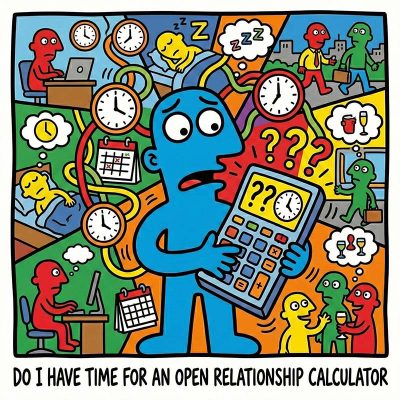
The fantasy is endless romance. The reality? It’s a logistical nightmare. Dating isn't just sex; it’s a second job of swiping, spending, and emotional processing that drains your sanity. Underestimating the "admin" of non-monogamy is the fastest way to turn your relationship into a burnout factory where resentment thrives.
This calculator forces you to confront the brutal math of your time, energy, and wallet. Can you actually afford this lifestyle, or are you just signing up for exhaustion?
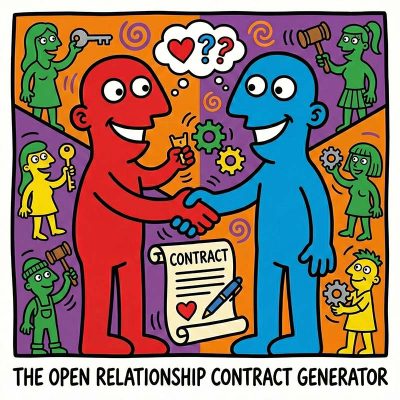
"I thought we agreed" is the sentence that destroys relationships & marriages. Relying on verbal promises when emotions run high is a gamble you cannot afford to lose. Your memory isn't just faulty; it's a liability. Ambiguity is the oxygen that jealousy breathes, turning "freedom" into a minefield of "did I mess up?"
This generator transforms vague permissions into a concrete, signed reality. Stop arguing about what you thought was said and lean on what is written. Secure your boundaries in ink, not hope.
Open relationship models that work for aging couples
There is no one right way to practice ENM. The best model fits your values your health and your priorities. Here are common patterns you may see in later life and how they can work in practice.
Primary plus one or more others
A common setup is a primary couple who continues to date or connect with others on the side. The focus remains the core relationship while outside connections bring variety companionship or exploration. The primary couple meets regularly to renegotiate rules and check in on emotional temperature. Pitfalls to watch include creep of secrecy and hidden resentments which can derail trust. Transparent habits like weekly check ins and a shared calendar help.
Triads or small polycules
Some couples find it fulfilling to expand their circle to include another partner or to create a small network of relationships. In older age you may value long stable connections with someone who shares your life story. In a triad or polycule communication becomes critical. You will need explicit agreements about time energy finances and how decisions are made as a group.
Open dating after a long monogamous history
For people who spent many years in monogamy this can be an exciting transition. The goal is to re learn how to meet people safely and with integrity. You may choose curated dating apps or social circles that honor your life stage and health status. It is okay to start slowly put boundaries in place and adjust as you learn what you want.
Flexible boundaries with ongoing renegotiation
In aging ENM it often makes sense to keep boundaries flexible. What works this year may not work next year. The practice here is open dialogue with your partner about what is non negotiable and what can bend. The trick is to stay aligned on core values such as honesty consent and care for one another.
Common patterns you may notice when desire changes with age
Understanding patterns helps you spot issues early and head them off with empathy. Here are some patterns you might see in later life when desire shifts and when you are navigating openness.
Pattern one
One partner experiences a dip in libido while the other becomes curious and starts exploring outside the relationship. In ENM this can be handled with a plan for slow exploration with clear boundaries and plenty of communication. It is essential to acknowledge that the dip is real and not a personal failing and to explore what kind of connection feels good for both partners.
Pattern two
The couple notices a mismatch in emotional connection rather than sexual desire. One person may want more companionship outside while the other desires less romance but appreciates companionship. Negotiation here focuses on emotional safety time boundaries and the kinds of connections that feel meaningful to each person.
Pattern three
A new partner becomes a safe space for conversation about aging body changes to all parties involved. This can reduce anxiety for the primary partner who might fear judgment or rejection. Compersion can grow here when everyone s happiness is valued and celebrated with respect for all boundaries.
Pattern four
Boundaries start to feel stale over time. The partners realize that certain activities are no longer appealing or safe due to health. They renegotiate in a way that keeps the relationship honest and caring. This may include reducing frequency or changing the type of connection rather than ending connections entirely.
Talking about aging desire changes with your partner
Conversations about aging and openness can feel awkward at first. The goal is to create a safe space where both partners feel heard and respected. Here are practical steps to start these conversations and keep them productive.
- Choose the right time Find a calm moment when you both have time to talk without interruptions. Avoid bringing up heavy topics in the middle of a crisis or a busy day.
- Lead with care Start with warmth and appreciation for the other person. Acknowledge the history you share and the work you have already done together.
- Use concrete examples Talk about specific moments that created confusion or discomfort and explain what would have helped.
- State needs clearly Describe what you want to explore or protect and why it matters for your sense of safety and connection.
- Invite feedback Ask what your partner thinks and listen without interrupting. Validate their feelings even if you do not agree immediately.
- Agree on a plan Turn the conversation into a concrete plan with boundaries time frames and a method for revisiting the plan in a few weeks or months.
Conversation starters you can adapt
- Over the years I have noticed changes in my desire. I want to talk about what openness could look like for us while staying connected and kind to each other.
- I want to check in about how much energy we have for dating outside and how we want to handle safety and communication.
- What would make you feel more secure while I explore connections with others
Practical negotiation tools for aging ENM
Negotiation is not a one time event. It is a practice that grows with you. Here are tools you can start using today to keep your ENM dynamic healthy as you age.
- Regular check ins Schedule short weekly or bi weekly check ins to see how both partners feel about the current arrangement. Do not skip these or pretend everything is fine if it isn t.
- Monthly boundary reviews Set a monthly time to review boundaries. If something no longer feels right adjust it with consent from both sides.
- Joint safety plan Agree on protective practices including safer sex strategies and health checks. Keep a visible copy in a shared space or digital note for easy reference.
- Discovery pace Decide together how fast you want to explore. Some people prefer a slow cautious approach while others want to test new waters quickly. Align on pace that respects both partners needs.
- Red flags protocol Define what counts as a red flag. It could be secrecy a breach of boundaries or emotional distress that rolls into the relationship. Agree on steps to calm the situation or pause dating outside until trust is rebuilt.
Realistic scenarios and scripts you can borrow
Let s walk through some everyday situations. These scripts are simple and testable. You can adapt them to your voice and your life stage. The goal is to normalize talking about desire shifts and to create a plan that feels fair.
Scenario A
Two partners have been together for thirty years. One person notices a drop in libido after medical changes. The couple agrees to a limited outside connection focused on companionship rather than sex. They set clear boundaries with a weekly check in and a safety plan. They use a two month trial period to see how the arrangement feels. If it doesn t work they revert to a more traditional inclusion of a shared activity instead of separate dating. This approach keeps trust intact and gives space for both partners to feel valued.
Scenario B
A couple enjoys a busy social life but one partner begins to feel emotionally unfulfilled by the primary relationship. The other partner meets a friend who becomes a trusted confidant. They establish transparency about what each connection means and how much time is allocated to each relationship. They keep the primary couple as the central anchor while recognizing that additional connections can enrich the overall well being of both partners. They re evaluate every two months and adjust accordingly.
Scenario C
In retirement a couple finds energy for new social activities and long held dreams of travel. They decide to pursue a new outside connection as a way to share adventures. They agree to prioritize safety and to discuss any changes in travel plans that could affect schedules. They establish a shared calendar with times blocked for couple time and for dates with others. They maintain ongoing conversations about boundaries and health to ensure both partners feel included and protected.
The freedom of an open relationship sounds incredible, but the logistics can feel like holding a grenade. That spinning "what if" anxiety isn't paranoia, it’s your survival instinct warning you that your bond is exposed. "Just seeing what happens" is the fastest way to turn a fantasy into a breakup.
The Essential Guide replaces chaos with discipline. We give you the blueprints, jealousy protocols, and repair scripts needed to explore the edge without falling off. Don't guess. Secure your foundation first.
The world of non-monogamy is a maze of confusing labels. Trying to be "Polyamorous" when your heart actually needs "Swinging" isn't just a vocabulary error; it’s a recipe for misery.
You can't build a stable home on a foundation that doesn't fit your psychology. This tool analyzes your emotional bandwidth and jealousy triggers to design the exact structure you need. Stop trying to squeeze into a box that doesn't fit. Build a relationship that actually feels like home.
Opening up feels exciting, but if you aren't reading from the same script, you're writing a tragedy. The disconnect between "I want freedom" and "I want safety" is where hearts break. This isn't just a quiz; it’s a synchronization engine.
We identify the silent gaps in your desires—from sleepover rules to emotional bandwidth, before they become unbridgeable chasms. Don't wait until the damage is done to find out you were never on the same page. Align your compasses now.
Theory is sexy. Reality is messy. You agreed you could date others, but how does your stomach drop when he takes her to your anniversary spot? Or when she comes home smelling like someone else?
This simulator drags your abstract rules into the harsh light of day. We force you to confront the visceral, gut-wrenching scenarios that actually destroy relationships, before they happen. Test your nervous system in the simulator so you don't crash the car in real life.
The fantasy is endless romance. The reality? It’s a logistical nightmare. Dating isn't just sex; it’s a second job of swiping, spending, and emotional processing that drains your sanity. Underestimating the "admin" of non-monogamy is the fastest way to turn your relationship into a burnout factory where resentment thrives.
This calculator forces you to confront the brutal math of your time, energy, and wallet. Can you actually afford this lifestyle, or are you just signing up for exhaustion?
"I thought we agreed" is the sentence that destroys relationships & marriages. Relying on verbal promises when emotions run high is a gamble you cannot afford to lose. Your memory isn't just faulty; it's a liability. Ambiguity is the oxygen that jealousy breathes, turning "freedom" into a minefield of "did I mess up?"
This generator transforms vague permissions into a concrete, signed reality. Stop arguing about what you thought was said and lean on what is written. Secure your boundaries in ink, not hope.
Safety and health considerations for aging ENM
Safety keeps relationships healthy and honest. This section covers practical health considerations that become more important as you age. The goal is to minimize risk while maximizing connection and joy.
- Regular health checks Schedule routine health visits and be honest about sexual activity if it informs treatment choices or risk factors. Health status can change and that is okay to discuss openly.
- Safer sex practices Use condoms when appropriate. Talk about lubricants and forethought about physical changes that can affect comfort. Consider dental dams or other safer sex tools if they fit your activities.
- Testing frequency STD testing should be part of the routine if you have multiple partners. Align testing frequency with your risk level and mutual agreements.
- PrEP and STI prevention Pre exposure prophylaxis or other prevention strategies can be part of your safety plan. Discuss options with a healthcare provider and your partners.
- Consent and reassessment Consent is ongoing and can be renegotiated at any time. Do not assume consent persists forever. Check in and confirm before moving forward with new connections.
Privacy versus disclosure in aging ENM
Decisions about what to tell family friends or social circles can be tricky. Some people want full transparency while others prefer to keep things private. The right approach is to align disclosure with your values and the potential impact on those around you. You can choose to keep certain aspects private while still honoring the agreements you have with your current partners. The goal is to protect emotional safety and avoid unnecessary gossip or misunderstandings.
Maintaining emotional safety and connection
Openness can feel liberating and complicated at the same time. The aim is to preserve emotional safety for all involved while staying true to your needs. Here are strategies to help you stay connected and kind.
- Practice compassionate honesty Share your feelings without blaming your partner. Use statements that focus on your needs and experiences rather than accusations.
- Acknowledge vulnerability Aging brings vulnerability. Allow space for fears and insecurities to be voiced and handled with care.
- Prioritize couple time Even in an ENM setup you want to protect time that is only for the two of you. Use that time to reaffirm closeness and trust.
- Celebrate small wins Notice and celebrate moments when conversations go well or when boundaries hold. Positive reinforcement helps a lot with change.
Glossary of useful terms and acronyms
- ENM Ethical non monogamy a framework that supports multiple romantic or sexual relationships with consent and communication.
- Open relationship A relationship structure that includes connections outside the primary partnership while prioritizing honesty and respect.
- Primary partner A partner who is central to your life and decisions.
- Compersion Feeling joy from your partner s happiness with someone else.
- Desire discrepancy When two partners want different levels of sexual or emotional connection.
- Negotiation The ongoing process of discussing wants needs limits and agreements.
- Safer sex Strategies and practices that reduce risk of infections or pregnancy.
- Compassionate honesty Speaking truth with care and respect to support connection rather than harm.
Practical tips for aging ENM success
These practical tips are designed to help you keep a healthy open dynamic as your body and life change. They are meant to be adaptable to your needs and to your relationship style.
- Document boundaries Keep a simple written note of current boundaries and update it when needed. A shared document can help keep everyone aligned.
- Schedule check ins Build a pattern of regular conversations about needs. Consistency helps reduce misunderstanding and anxiety.
- Practice empathy When desire shifts it can trigger insecurity in a partner. Respond with curiosity and kindness even if you feel frustrated.
- Build a support network Connect with friends who understand ENM or join a community where you can share experiences in a safe space.
- Keep health a priority Your health status affects what you can physically do and what you want to do. Be honest about energy levels and safety needs.
Ethics in aging ENM
Ethics in ENM means making sure all partners are informed and consenting to the arrangement and that everyone is treated with respect. It means planning for the long term not just the moment. It means acknowledging that needs will change and choosing openness with integrity. The ethical core of ENM remains the same even as bodies age and times change. Keep communication clear keep consent active and keep care at the center of every decision.
Resources and further reading
If you want to dive deeper into ethical non monogamy and aging here are directions you can explore. Look for books online articles and community groups that focus on ENM in later life or in long term relationships. Tap into resources that discuss consent boundaries and health with a practical lens. The goal is to find voices that reflect your life stage and values and to use their tools to shape your own path with confidence.
Checklist before you navigate a change
- Have a calm conversation with your partner about desire changes and openness.
- Set or revise boundaries with concrete examples of what is okay and what is not.
- Agree on a pace for exploring outside connections that respects energy levels and health.
- Plan for safer sex including testing and prevention strategies if applicable.
- Schedule regular check ins to review how things are going.
Final thoughts you can use to frame aging and openness
Age changes everything and that includes how we connect with others. Open relationships offer a structure to adapt without losing the core relationship that matters most. You can stay curious while staying grounded in honesty respect and care. The best path is to start where you are with clear agreements and a willingness to renegotiate as life evolves. The result can be deeper trust and more authentic connection with the people you choose to share your life with.
The freedom of an open relationship sounds incredible, but the logistics can feel like holding a grenade. That spinning "what if" anxiety isn't paranoia, it’s your survival instinct warning you that your bond is exposed. "Just seeing what happens" is the fastest way to turn a fantasy into a breakup.
The Essential Guide replaces chaos with discipline. We give you the blueprints, jealousy protocols, and repair scripts needed to explore the edge without falling off. Don't guess. Secure your foundation first.
The world of non-monogamy is a maze of confusing labels. Trying to be "Polyamorous" when your heart actually needs "Swinging" isn't just a vocabulary error; it’s a recipe for misery.
You can't build a stable home on a foundation that doesn't fit your psychology. This tool analyzes your emotional bandwidth and jealousy triggers to design the exact structure you need. Stop trying to squeeze into a box that doesn't fit. Build a relationship that actually feels like home.
Opening up feels exciting, but if you aren't reading from the same script, you're writing a tragedy. The disconnect between "I want freedom" and "I want safety" is where hearts break. This isn't just a quiz; it’s a synchronization engine.
We identify the silent gaps in your desires—from sleepover rules to emotional bandwidth, before they become unbridgeable chasms. Don't wait until the damage is done to find out you were never on the same page. Align your compasses now.
Theory is sexy. Reality is messy. You agreed you could date others, but how does your stomach drop when he takes her to your anniversary spot? Or when she comes home smelling like someone else?
This simulator drags your abstract rules into the harsh light of day. We force you to confront the visceral, gut-wrenching scenarios that actually destroy relationships, before they happen. Test your nervous system in the simulator so you don't crash the car in real life.
The fantasy is endless romance. The reality? It’s a logistical nightmare. Dating isn't just sex; it’s a second job of swiping, spending, and emotional processing that drains your sanity. Underestimating the "admin" of non-monogamy is the fastest way to turn your relationship into a burnout factory where resentment thrives.
This calculator forces you to confront the brutal math of your time, energy, and wallet. Can you actually afford this lifestyle, or are you just signing up for exhaustion?
"I thought we agreed" is the sentence that destroys relationships & marriages. Relying on verbal promises when emotions run high is a gamble you cannot afford to lose. Your memory isn't just faulty; it's a liability. Ambiguity is the oxygen that jealousy breathes, turning "freedom" into a minefield of "did I mess up?"
This generator transforms vague permissions into a concrete, signed reality. Stop arguing about what you thought was said and lean on what is written. Secure your boundaries in ink, not hope.
