
Balancing Spontaneity With Reliability

Welcome to a practical guide that treats open relationships like a living ecosystem instead of a rigid contract. We are The Monogamy Experiment and we believe in real talk. If you are navigating ethical non monogamy or ENM as the term is commonly shortened, you want to keep things vibrant and honest while avoiding chaos. This deep dive walks you through how to keep the sparkle alive without losing accountability. We will break down terms, share realistic scenarios and give you a playbook you can steal and personalize. And yes we will keep the jokes light and the guidance practical because done right ENM can be empowering not exhausting.
Quick Links to Useful Sections
- What ENM means and why it matters
- Key terms you should know
- Ethical non monogamy ENM
- Open relationship
- Polyamory
- Primary partner
- Secondary partner
- Solo polyamory
- Balancing spontaneity with reliability why this is a live dynamic
- Foundations for sustainable spontaneity in ENM
- Clear and evolving agreements
- Boundaries vs agreements
- Regular check in rituals
- Transparent communication channels
- Practical safety and health planning
- Time management and life integration
- Practical playbook to keep spontaneity alive without losing reliability
- Step 1 Create a living values statement
- Step 2 Design a simple agreements outline
- Step 3 Establish a check in cadence
- Step 4 Create a simple communication routine
- Step 5 Normalize written updates
- Step 6 Foster emotional literacy
- Step 7 Practice renegotiation as a strength
- Real life scenarios and how to handle them
- Scenario A: A last minute connection while you planned a date night
- Scenario B: A new partner meets your primary partner and you feel a twinge of jealousy
- Scenario C: You realize a boundary is no longer working as the relationship expands
- Scenario D: Health and safety concerns arise with a new partner
- Scenario E: Scheduling conflicts with a growing number of partners
- Common mistakes to avoid in the balancing act
- Health and safety for ENM dynamics
- Maintaining emotional independence within connection
- Practical tips for daily life in ENM
- Glossary of useful terms and acronyms
What ENM means and why it matters
ENM stands for ethical non monogamy. It is a broad umbrella that includes open relationships polyamory swinging and other arrangements where partners have relationships with more than one person. The key word is ethical which means honesty consent and respect are not optional they are the foundation.
Open relationships are a common dynamic within ENM where partners intentionally allow romantic or sexual relationships outside the primary partnership. This does not mean unlimited freedom. It means agreements are in place and everyone respects those agreements. Within ENM you may hear terms like primary partner secondary partner solo partner and relationship ladder. We will explain these terms as we go so you always know what people mean when they use them.
Key terms you should know
Ethical non monogamy ENM
A framework in which all involved parties consent to relationships with others outside the primary partnership. The emphasis is on consent communication and ethical behavior rather than exclusivity.
Open relationship
A relationship in which partners agree that they may have other romantic or sexual partners. Rules and boundaries are negotiated to fit the couple or group values.
Polyamory
A form of ENM where people have multiple romantic relationships simultaneously with the knowledge and consent of everyone involved. It often involves more than two people and can include complex emotional dynamics.
Primary partner
A partner who is given special status in the relationship. This does not always mean exclusivity but it often affects scheduling decisions time management and emotional commitments.
Secondary partner
A partner who is important but not the primary relationship. Their role may involve different levels of time and emotional involvement than a primary partnership.
Solo polyamory
A style of ENM where individuals maintain independence and personal autonomy while forming meaningful connections with others. There is no default nesting of partners into a single household or life plan.
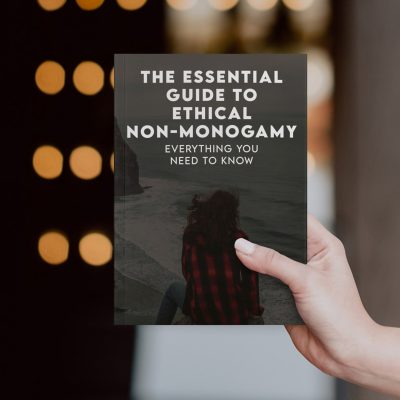
The freedom of an open relationship sounds incredible, but the logistics can feel like holding a grenade. That spinning "what if" anxiety isn't paranoia, it’s your survival instinct warning you that your bond is exposed. "Just seeing what happens" is the fastest way to turn a fantasy into a breakup.
The Essential Guide replaces chaos with discipline. We give you the blueprints, jealousy protocols, and repair scripts needed to explore the edge without falling off. Don't guess. Secure your foundation first.
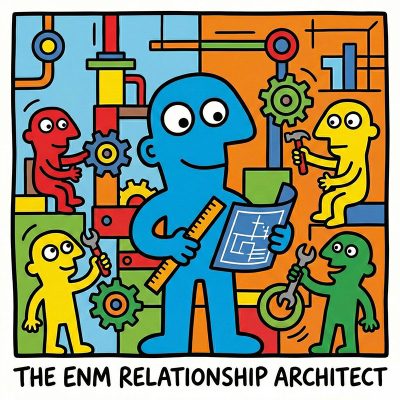
The world of non-monogamy is a maze of confusing labels. Trying to be "Polyamorous" when your heart actually needs "Swinging" isn't just a vocabulary error; it’s a recipe for misery.
You can't build a stable home on a foundation that doesn't fit your psychology. This tool analyzes your emotional bandwidth and jealousy triggers to design the exact structure you need. Stop trying to squeeze into a box that doesn't fit. Build a relationship that actually feels like home.

Opening up feels exciting, but if you aren't reading from the same script, you're writing a tragedy. The disconnect between "I want freedom" and "I want safety" is where hearts break. This isn't just a quiz; it’s a synchronization engine.
We identify the silent gaps in your desires—from sleepover rules to emotional bandwidth, before they become unbridgeable chasms. Don't wait until the damage is done to find out you were never on the same page. Align your compasses now.
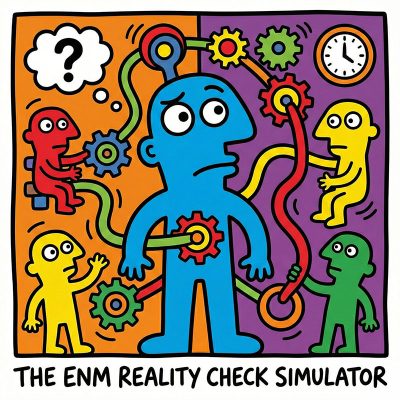
Theory is sexy. Reality is messy. You agreed you could date others, but how does your stomach drop when he takes her to your anniversary spot? Or when she comes home smelling like someone else?
This simulator drags your abstract rules into the harsh light of day. We force you to confront the visceral, gut-wrenching scenarios that actually destroy relationships, before they happen. Test your nervous system in the simulator so you don't crash the car in real life.
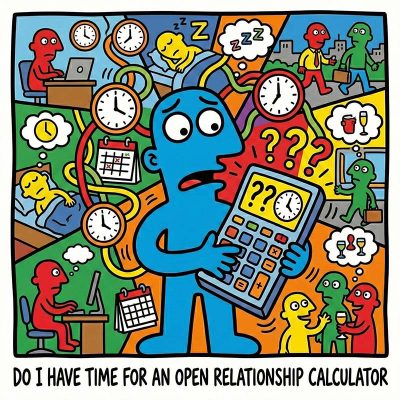
The fantasy is endless romance. The reality? It’s a logistical nightmare. Dating isn't just sex; it’s a second job of swiping, spending, and emotional processing that drains your sanity. Underestimating the "admin" of non-monogamy is the fastest way to turn your relationship into a burnout factory where resentment thrives.
This calculator forces you to confront the brutal math of your time, energy, and wallet. Can you actually afford this lifestyle, or are you just signing up for exhaustion?
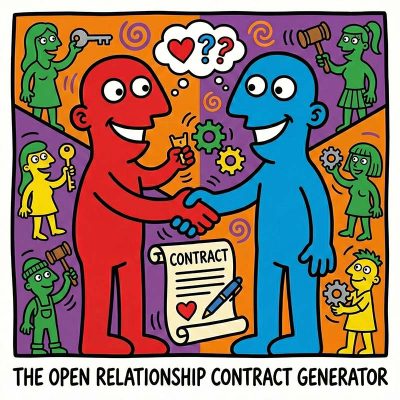
"I thought we agreed" is the sentence that destroys relationships & marriages. Relying on verbal promises when emotions run high is a gamble you cannot afford to lose. Your memory isn't just faulty; it's a liability. Ambiguity is the oxygen that jealousy breathes, turning "freedom" into a minefield of "did I mess up?"
This generator transforms vague permissions into a concrete, signed reality. Stop arguing about what you thought was said and lean on what is written. Secure your boundaries in ink, not hope.
Balancing spontaneity with reliability why this is a live dynamic
Spontaneity is the spark that makes ENM feel exciting. It can manifest as a last minute date a new connection a quick trip or a plan that grows from a playful chat at a coffee shop. Reliability on the other hand is the ballast that prevents the ship from tipping in a storm. It means clear communication boundaries check ins agreed time blocks and a shared sense of safety. If you try to do without one the relationship can feel unpredictable or unfair. If you ignore the other side you risk stagnation and resentment. The goal is to thread spontaneity through reliable structures so decisions feel fluid not forced.
Think of ENM as a living system. You have energy movement you have boundaries and you have a map that shows where you can explore safely. When spontaneity lands inside a solid framework you get excitement with a sense of security. When reliability becomes rigid you can lose the sense of adventure. The trick is to keep the map flexible while you protect the core values that keep everyone feeling seen and safe.
Foundations for sustainable spontaneity in ENM
The following pillars help keep spontaneity from becoming chaos while making reliability more interesting rather than oppressive.
Clear and evolving agreements
Agreements are the written or clearly stated understandings that guide how partners interact with others. They are not set in stone. ENM relationships flourish when agreements are revisited regularly and adjusted as people grow and situations change. It is better to renegotiate than to pretend the agreement still fits when it no longer does.
Boundaries vs agreements
Boundaries are personal lines you set for what you will or will not accept. Agreements are shared rules that apply to the whole network. Boundaries can exist without a formal agreement and agreements can be crafted to support multiple boundaries. The two work best when they complement each other rather than clash.
Regular check in rituals
Schedule recurring times to talk about how things are going. A weekly or bi weekly check in can be enough for many couples. During these sessions share wins concerns and any new ideas you want to explore. The key is consistency and honesty rather than perfection.
Transparent communication channels
Choose channels that work for everyone involved. Some couples prefer a shared chat for quick updates and a humbler platform for deeper conversations. The main goal is that information does not get stuck somewhere in the ether but travels to everyone who needs it.
Practical safety and health planning
protect your health and the health of your partners by talking about STI testing schedules safer sex practices and boundaries around sexual play. This is not a one time talk but an ongoing practice that evolves as your network grows and changes.
Time management and life integration
Spontaneity lives in the moment yet reliability requires planning. Use shared calendars checklists and routine planning to keep all the moving pieces aligned. When everyone knows the schedule it is easier to say yes to new connections without creating lateness or neglect for existing relationships.
Practical playbook to keep spontaneity alive without losing reliability
Below is a practical framework you can apply in most ENM setups. It is designed to be adaptable whether you are a couple exploring outside relationships or a multi partner network navigating multiple connections.
Step 1 Create a living values statement
Write a short paragraph that outlines what you value most in your ENM dynamic. Include honesty respect consent and emotional safety. Refer back to this values statement whenever you are tempted to drift into familiar but unhealthy patterns.
Step 2 Design a simple agreements outline
Draft a small set of agreements that matter to your circle. Examples include how much notice you want before a date how to share new person information what kind of sexual encounters are allowed and what level of emotional involvement is expected. Make sure every partner has a chance to weigh in and approve.
Step 3 Establish a check in cadence
Choose a frequency that fits your life. For many this means a weekly check in for one hour. In quieter times a 15 minute rapid check in might be enough. The point is consistency not duration.
Step 4 Create a simple communication routine
Agree on how you will communicate important updates. In ENM it helps if you share the essential details early and avoid surprises. A quick text that says I am meeting someone tonight and where is often better than a long message after the fact.
Step 5 Normalize written updates
Use a shared document or a private space where partners can post updates that affect the group. The aim is to reduce rumor and misinterpretation because open relationships thrive on clarity.
Step 6 Foster emotional literacy
Encourage everyone to name emotions and needs without judgment. Jealousy and insecurity are normal responses in ENM. Acknowledging them without drama speeds up healing and helps you find constructive actions.
Step 7 Practice renegotiation as a strength
When someone feels uncomfortable or a boundary is pushed imagine renegotiation as growth rather than conflict. Approach it with curiosity and time to adjust. Most changes can be implemented smoothly if the right questions are asked and the right people listen.
Real life scenarios and how to handle them
Scenario A: A last minute connection while you planned a date night
In ENM spontaneity happens at times you did not expect. If your partner brings home a spontaneous encounter plan a short regroup moment before you commit to anything else. A 10 minute check in can help you surface boundaries and ensure you are both aligned. If you can both embrace the last minute shift that is a sign your system is robust. If one person feels left out you adjust the plan rather than letting resentment build.
Scenario B: A new partner meets your primary partner and you feel a twinge of jealousy
Jealousy is common and does not mean failure. Name the feeling in the moment and explain what triggered it without accusation. A practical step is to schedule a separate conversation with the partner involved to explore what kind of reassurance or boundary would help you. You might decide on a shared update early in the day or increasing the time you spend with your primary couple to regain balance.
Scenario C: You realize a boundary is no longer working as the relationship expands
This is a renegotiation moment. Gather the facts describe what is not working and propose a revised boundary. Invite all involved to contribute and decide together on a path forward. Do not pretend a boundary is fine if it no longer serves anyone. The only wrong move is to pretend everything is okay when it is not.
Scenario D: Health and safety concerns arise with a new partner
Address safety proactively. Discuss STI testing frequency safer sex practices and whether you want to use barriers. Decide if you require a certain testing window before sexual contact and how results are shared. Document these expectations in your agreements so everyone knows the baseline.
Scenario E: Scheduling conflicts with a growing number of partners
Use a collaborative calendar and time blocks. If a conflict arises discuss options such as rotating dates or prioritizing a particular relationship during peak times. The core is fairness and transparency rather than policing who gets to see whom.
Common mistakes to avoid in the balancing act
Even seasoned ENM practitioners trip over these pitfalls from time to time. Here is a short list of missteps to watch for and how to avoid them.
- Assuming consent is a one time event. Consent is ongoing and can be withdrawn or altered at any time. Check in and assume the risk of misinterpretation if you skip this step.
- Using fear of missing out to drive decisions. FOMO can push you into rushed plans that later produce resentment. Slow down and communicate clearly about what you want and need.
- Trying to micromanage every connection. Trust is essential in ENM. Allow space for autonomy and acknowledge that independence strengthens the network as a whole.
- Keeping a new partner a secret from existing partners. Secrecy corrodes trust. When possible share information in a respectful way and with consent from everyone affected.
- Ignoring emotional labor. ENM requires more emotional labor than conventional dating in many cases. Acknowledge this reality and distribute the conversation and planning chores among partners.
Health and safety for ENM dynamics
Your well being and that of your partners matters. ENM thrives when people take responsibility for sexual health. This includes regular STI testing alignments about safer sex practices and boundaries around sexual play. Having a plan makes spontaneous experiences safer and more enjoyable for everyone involved.
If you have multiple partners consider creating a shared health plan that outlines testing timelines who needs results how results are shared and how to handle positive results. A transparent approach reduces anxiety and helps you maintain the energy for new connections without compromising safety.
Maintaining emotional independence within connection
One benefit of ENM is the opportunity to cultivate multiple meaningful connections. Maintaining a sense of self and personal boundaries keeps you from becoming fully enmeshed in any single relationship. This emotional independence allows for healthier interactions with partners and prevents a sense of overwhelm when one relationship shifts or evolves. Build routines that support your own hobbies goals and friendships outside the ENM circle. When you nourish your own identity the energy you bring to all relationships stays fresh and generous.
Practical tips for daily life in ENM
Here are quick actionable tips you can apply today to balance spontaneity and reliability in an ENM setup.
- Use a simple shared calendar to map dates with each partner. Block in advance any major plans and keep room for changes without turning plans into a scramble.
- Agree on how you will share exciting new connections. A short friendly update can help everyone feel included without turning into a full disclosure marathon.
- Practice emotional check ins after dates. A quick WhatsApp message or a longer conversation can help you process what happened and adjust expectations accordingly.
- Keep safety conversations current. Update each other about testing status and safer sex practices as your network changes.
- Schedule regular time for self care. ENM can be emotionally demanding and you deserve rests and recharge time.
- Document renegotiations. If you adjust an agreement write it down and share it with everyone affected. Clarity reduces confusion and builds trust.
- Be kind to yourself and your partners. Perfection does not exist. Focus on progress and shared happiness rather than flawless execution.
Glossary of useful terms and acronyms
- ENM Ethical non monogamy a relationship style in which people consent to multiple romantic or sexual connections.
- Open relationship A relationship structure that allows partners to pursue outside connections with agreed boundaries.
- Polyamory A form of ENM where multiple romantic relationships are pursued simultaneously with consent from all involved.
- Primary partner The partner who holds a central place in the relationship structure.
- Secondary partner A partner who is important but not the main focus of the relationship arrangement.
- Solo polyamory A style where individuals pursue multiple relationships while maintaining personal independence.
- Agreements Shared rules and understandings that guide behavior within the ENM network.
- Boundaries Personal limits set by individuals about what they will or will not tolerate.
- Check in A planned conversation to review feelings, needs and the status of agreements.
- Negotiation The process of discussing and adjusting agreements in response to changes or new information.
- Consent A voluntary and clear agreement to participate in a specific activity after informed discussion.
- Safety planning Steps taken to protect health and well being in sexual and romantic encounters.
If you want a quick reference, keep this mantra in mind: clarity fuels consent and consent fuels generosity. When everyone knows what to expect and feels part of the plan spontaneity becomes almost inevitable in a good way.
Want more practical examples or a personalized plan for your ENM dynamic Share a few details about your setup and we can tailor a step by step playbook that fits your life. We believe in clear honest practical guidance with a sense of humor because relationship work should be approachable not intimidating.
Thank you for reading and for trusting us to walk with you as you explore open relationships ENM dynamics and the sometimes messy but always interesting terrain of balancing spontaneity with reliability.
Glossary and terms are included to help readers new to ENM or those revisiting the concepts. If you want to dive deeper into any term or practice we can expand this page with practical templates scripts and checklists that you can download and use right away.
Remember this is a living practice not a one time fix. Your ENM journey will evolve as your relationships grow and as you learn what works best for you and your partners. Stay curious stay kind and keep the conversation open.
The freedom of an open relationship sounds incredible, but the logistics can feel like holding a grenade. That spinning "what if" anxiety isn't paranoia, it’s your survival instinct warning you that your bond is exposed. "Just seeing what happens" is the fastest way to turn a fantasy into a breakup.
The Essential Guide replaces chaos with discipline. We give you the blueprints, jealousy protocols, and repair scripts needed to explore the edge without falling off. Don't guess. Secure your foundation first.
The world of non-monogamy is a maze of confusing labels. Trying to be "Polyamorous" when your heart actually needs "Swinging" isn't just a vocabulary error; it’s a recipe for misery.
You can't build a stable home on a foundation that doesn't fit your psychology. This tool analyzes your emotional bandwidth and jealousy triggers to design the exact structure you need. Stop trying to squeeze into a box that doesn't fit. Build a relationship that actually feels like home.
Opening up feels exciting, but if you aren't reading from the same script, you're writing a tragedy. The disconnect between "I want freedom" and "I want safety" is where hearts break. This isn't just a quiz; it’s a synchronization engine.
We identify the silent gaps in your desires—from sleepover rules to emotional bandwidth, before they become unbridgeable chasms. Don't wait until the damage is done to find out you were never on the same page. Align your compasses now.
Theory is sexy. Reality is messy. You agreed you could date others, but how does your stomach drop when he takes her to your anniversary spot? Or when she comes home smelling like someone else?
This simulator drags your abstract rules into the harsh light of day. We force you to confront the visceral, gut-wrenching scenarios that actually destroy relationships, before they happen. Test your nervous system in the simulator so you don't crash the car in real life.
The fantasy is endless romance. The reality? It’s a logistical nightmare. Dating isn't just sex; it’s a second job of swiping, spending, and emotional processing that drains your sanity. Underestimating the "admin" of non-monogamy is the fastest way to turn your relationship into a burnout factory where resentment thrives.
This calculator forces you to confront the brutal math of your time, energy, and wallet. Can you actually afford this lifestyle, or are you just signing up for exhaustion?
"I thought we agreed" is the sentence that destroys relationships & marriages. Relying on verbal promises when emotions run high is a gamble you cannot afford to lose. Your memory isn't just faulty; it's a liability. Ambiguity is the oxygen that jealousy breathes, turning "freedom" into a minefield of "did I mess up?"
This generator transforms vague permissions into a concrete, signed reality. Stop arguing about what you thought was said and lean on what is written. Secure your boundaries in ink, not hope.
