
Casual Only Agreements Versus Ongoing Partners

Open relationships, ethical non monogamy and the whole vibe around them sound cool until you try to actually live them. Then you realize it’s less about the label and more about the people, feelings and the agreements you make along the way. This guide breaks down two common setups inside Open Relationships ENM dynamics where people often get tangled the most casual only agreements and ongoing partners. We will explain what each looks like in real life talk, how to decide what works for you, how to negotiate like a grown up and what to do when feelings shift. If you have ever wondered how to balance freedom with boundaries this article is for you. Let us be your fun experimental friend who tells it straight and keeps it real while you think outside the box.
Quick Links to Useful Sections
- What does ENM stand for and why it matters here
- Casual only agreements described
- What casual only means in practice
- Typical boundaries you might see in casual only
- Pros and cons of casual only
- Realistic scenarios with casual only
- Ongoing partners described
- What ongoing partners means in practice
- Boundaries you might see with ongoing partners
- Pros and cons of ongoing partners
- Realistic scenarios with ongoing partners
- Choosing between casual only and ongoing partners
- Personal reflection questions
- Practical decision framework
- Negotiation tactics that work
- Communication cadences that help both sides stay aligned
- Daily or weekly check ins
- Dealing with jealousy without drama
- Safety and health in ENM relationships
- Managing time and energy across multiple connections
- Scenarios that illustrate the dynamics in practice
- Scenario A: A casual first date with a built in exit plan
- Scenario B: An ongoing partner who becomes part of your weekly rhythm
- Scenario C: Mixed setup where one partner wants casual and another wants ongoing
- Common mistakes and how to avoid them
- Glossary of useful terms and acronyms
- Practical tips for negotiating and documenting agreements
- How to handle shifts in the dynamic
- A realistic framework for your ENM journey
- Real life micro lessons that make a difference
- Frequently asked questions
- Bottom line
What does ENM stand for and why it matters here
ENM stands for ethical non monogamy. That means you are choosing to have romantic or sexual connections with more than one person with the knowledge and consent of everyone involved. It is not about cheating or sneaking around. It is about being honest, explicit and deliberate about your needs, boundaries and the pace of your relationships. Inside ENM the open relationship dynamic is a popular umbrella term. People in open relationships often juggle multiple connections while trying to keep a sense of fairness, safety and emotional health. Two common flavors in ENM are casual only agreements and ongoing partners. Understanding the difference helps you set up agreements that actually fit your life and your values.
Casual only agreements described
What casual only means in practice
Casual only means you engage with other people on a limited basis with no expectation of ongoing romantic involvement. Think one time meetups, short play sessions, or casual dating that ends when either person decides to move on. The key idea is no emotional stacking or long term plans with that person. The dynamic is light, flexible and driven by clear boundaries. If you are the type who likes novelty or who wants variety without the drama of ongoing feelings this setup can feel liberating. If you are not in the mood for deep emotional ties or you want to protect your existing relationship from potential complications casual only can be attractive.
Typical boundaries you might see in casual only
- One time or few time interactions only with no expectation of more dates with the same person
- No sleepover or overnight stays unless both people explicitly agree
- No sharing of emotional details or intimate information beyond surface connection
- Limited or no communication after the interaction unless both parties want to debrief
- Safe sex practices and STI discussions are mandatory
- Clear time boundaries to protect the primary relationship such as scheduling and notice requirements
Pros and cons of casual only
- Pros: Less emotional risk, simpler scheduling, more control over who you see and when, lower cognitive load, easier to pause or stop without hard conversations.
- Cons: Potential for misreading signals, feelings can emerge unexpectedly, partners may compare experiences, some people crave deeper connections and feel unsatisfied.
Realistic scenarios with casual only
Scenario one: You and your partner decide to explore a casual setup. You agree that the other person is off limits for texting after a date, there is a hard boundary about emotional sharing and you schedule quarterly check ins to see how things feel. After a couple of months you realize you miss a spark that casual can still miss. You have a straightforward conversation and decide to pause casual interactions for a while to focus on your primary relationship. Scenario two: You meet someone at a conference and decide to have a one night stand with no follow up. You both agree to a simple text if you want to meet again in a few months, but you do not pursue further involvement for now. These stories show how casual can stay casual when everyone sticks to the plan.
The freedom of an open relationship sounds incredible, but the logistics can feel like holding a grenade. That spinning "what if" anxiety isn't paranoia, it’s your survival instinct warning you that your bond is exposed. "Just seeing what happens" is the fastest way to turn a fantasy into a breakup.
The Essential Guide replaces chaos with discipline. We give you the blueprints, jealousy protocols, and repair scripts needed to explore the edge without falling off. Don't guess. Secure your foundation first.
The world of non-monogamy is a maze of confusing labels. Trying to be "Polyamorous" when your heart actually needs "Swinging" isn't just a vocabulary error; it’s a recipe for misery.
You can't build a stable home on a foundation that doesn't fit your psychology. This tool analyzes your emotional bandwidth and jealousy triggers to design the exact structure you need. Stop trying to squeeze into a box that doesn't fit. Build a relationship that actually feels like home.

Opening up feels exciting, but if you aren't reading from the same script, you're writing a tragedy. The disconnect between "I want freedom" and "I want safety" is where hearts break. This isn't just a quiz; it’s a synchronization engine.
We identify the silent gaps in your desires—from sleepover rules to emotional bandwidth, before they become unbridgeable chasms. Don't wait until the damage is done to find out you were never on the same page. Align your compasses now.
Theory is sexy. Reality is messy. You agreed you could date others, but how does your stomach drop when he takes her to your anniversary spot? Or when she comes home smelling like someone else?
This simulator drags your abstract rules into the harsh light of day. We force you to confront the visceral, gut-wrenching scenarios that actually destroy relationships, before they happen. Test your nervous system in the simulator so you don't crash the car in real life.
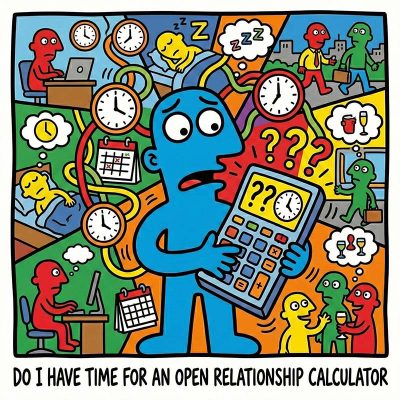
The fantasy is endless romance. The reality? It’s a logistical nightmare. Dating isn't just sex; it’s a second job of swiping, spending, and emotional processing that drains your sanity. Underestimating the "admin" of non-monogamy is the fastest way to turn your relationship into a burnout factory where resentment thrives.
This calculator forces you to confront the brutal math of your time, energy, and wallet. Can you actually afford this lifestyle, or are you just signing up for exhaustion?
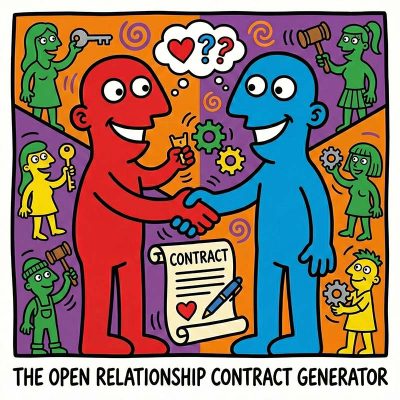
"I thought we agreed" is the sentence that destroys relationships & marriages. Relying on verbal promises when emotions run high is a gamble you cannot afford to lose. Your memory isn't just faulty; it's a liability. Ambiguity is the oxygen that jealousy breathes, turning "freedom" into a minefield of "did I mess up?"
This generator transforms vague permissions into a concrete, signed reality. Stop arguing about what you thought was said and lean on what is written. Secure your boundaries in ink, not hope.
Ongoing partners described
What ongoing partners means in practice
Ongoing partners are people with whom you have recurring romantic or sexual interactions. The relationship is established over time and often includes ongoing communication, a shared calendar or mutual planning and a degree of emotional involvement. Ongoing partners can be solo connections or part of a network of relationships. The important thing is you acknowledge that the connection will continue beyond a single encounter and you actively manage it with the other person’s consent and awareness of your other partnerships. Ongoing partners can be friends with benefits who consistently see each other or a lover who becomes a regular presence in your life. The key is that both people see value in continuing the relationship rather than moving on after a single date.
Boundaries you might see with ongoing partners
- Regular check ins about how the dynamic is feeling for each person
- Transparent conversations about time commitments and scheduling
- Consent about emotional vulnerability and sharing personal information
- Clear safety practices for sex and health including STI testing routines
- Agreeing on disclosure with other partners and boundaries around closeness with others
- Honesty about any changes in life circumstances that could affect the relationship
Pros and cons of ongoing partners
- Pros: Deeper connection, predictable scheduling, potential for real emotional support, stable companionship alongside your primary relationship
- Cons: Higher risk of jealousy if feelings deepen, more cognitive load as you coordinate with another person, potential conflict among multiple partners, risk of burnout if time management is poor
Realistic scenarios with ongoing partners
Scenario one: You form a regular connection with someone who shares a similar life stage. You set a weekly date night or a biweekly hangout and you negotiate boundaries around emotional sharing and public information about the relationship. Over time you realize this ongoing connection offers companionship but not a full commitment. You adjust how often you see them and you keep the lines of communication open. Scenario two: You begin a long distance ongoing connection. You set expectations around travel, communication frequency and how you will handle situations when one of you dates others. The relationship remains ongoing but flexible enough to adjust to distance dynamics. These are common realities when ongoing partnerships become part of the ENM landscape.
Choosing between casual only and ongoing partners
Personal reflection questions
- What emotional energy do I want to invest outside my primary relationship today
- Do I crave novelty only or do I want companionship and emotional closeness
- How much time can I realistically devote to someone else without neglecting my primary relationship
- How important is it for me to know the person well before they are central in my life
- What safety and health practices do I want to commit to with people outside my primary
Practical decision framework
1) Define the goal of the connection. Are you seeking casual interaction or a deeper bond? 2) Assess your current life situation. Do you have enough time, energy and emotional bandwidth for ongoing involvement? 3) Clarify boundaries with your partner. Write them down and review them together. 4) Decide on a trial period. Try casual for a set number of weeks and see how it feels. 5) Schedule regular check ins. Reassess and adjust as needed.
Negotiation tactics that work
- Lead with your needs and invite input from your partner rather than issuing ultimatums
- Be specific about what you mean by casual or ongoing. Avoid vague phrases like I want to keep things open
- Use time boxes. Agree on how long you want to maintain the arrangement and set reminder points for review
- Document agreements in a simple, shared note or a one page contract you both can edit
- Plan for jealousy and discomfort. Decide on a safe word or signal and have a plan for pausing or adjusting the dynamic
Communication cadences that help both sides stay aligned
Daily or weekly check ins
Depending on the level of involvement you may benefit from a weekly check in with your primary partner and a separate check in with ongoing partners. The goal is to catch misalignments early and prevent resentment from fester. Keep these conversations constructive focused on feelings and needs rather than accusations. Share what is working well and what could improve. Use a neutral tone and avoid blaming language.
Dealing with jealousy without drama
Jealousy is not a failure it is information about boundaries not yet understood. When you feel jealous take a pause breathe and name the feeling. Then identify the trigger whether it is time, attention, closeness or a comparison. Communicate about it openly with your partner and the person involved if appropriate. Reevaluate boundaries and adjust as needed. Jealousy often signals a boundary that needs a tweak rather than a personal flaw.
Safety and health in ENM relationships
Health and safety are non negotiable in any serious configuration. In ENM they take on extra importance because you may form multiple connections. Discuss STI testing routines with each partner. Decide on safe sex practices and document them in your agreement. Always use protection as agreed with your partners and keep up with regular medical check ups. When you are in a casual arrangement the risk can be higher because you may see more people more often. Keep a visible but respectful hygiene routine and communicate any health concerns immediately.
Managing time and energy across multiple connections
The calendar can feel like a battlefield if you do not stay organized. A few practical tips help keep everything from slipping through the cracks.
- Use a shared calendar with blocks for your primary partner and for each ongoing partner if possible
- Book dates in advance and set reminders for important conversations and check ins
- Avoid over committing. It is better to have space for a quick lunch with a casual connection than a full day that burns you out
- Reserve quality time for your primary relationship every week even if you have ongoing partners
The freedom of an open relationship sounds incredible, but the logistics can feel like holding a grenade. That spinning "what if" anxiety isn't paranoia, it’s your survival instinct warning you that your bond is exposed. "Just seeing what happens" is the fastest way to turn a fantasy into a breakup.
The Essential Guide replaces chaos with discipline. We give you the blueprints, jealousy protocols, and repair scripts needed to explore the edge without falling off. Don't guess. Secure your foundation first.
The world of non-monogamy is a maze of confusing labels. Trying to be "Polyamorous" when your heart actually needs "Swinging" isn't just a vocabulary error; it’s a recipe for misery.
You can't build a stable home on a foundation that doesn't fit your psychology. This tool analyzes your emotional bandwidth and jealousy triggers to design the exact structure you need. Stop trying to squeeze into a box that doesn't fit. Build a relationship that actually feels like home.
Opening up feels exciting, but if you aren't reading from the same script, you're writing a tragedy. The disconnect between "I want freedom" and "I want safety" is where hearts break. This isn't just a quiz; it’s a synchronization engine.
We identify the silent gaps in your desires—from sleepover rules to emotional bandwidth, before they become unbridgeable chasms. Don't wait until the damage is done to find out you were never on the same page. Align your compasses now.
Theory is sexy. Reality is messy. You agreed you could date others, but how does your stomach drop when he takes her to your anniversary spot? Or when she comes home smelling like someone else?
This simulator drags your abstract rules into the harsh light of day. We force you to confront the visceral, gut-wrenching scenarios that actually destroy relationships, before they happen. Test your nervous system in the simulator so you don't crash the car in real life.
The fantasy is endless romance. The reality? It’s a logistical nightmare. Dating isn't just sex; it’s a second job of swiping, spending, and emotional processing that drains your sanity. Underestimating the "admin" of non-monogamy is the fastest way to turn your relationship into a burnout factory where resentment thrives.
This calculator forces you to confront the brutal math of your time, energy, and wallet. Can you actually afford this lifestyle, or are you just signing up for exhaustion?
"I thought we agreed" is the sentence that destroys relationships & marriages. Relying on verbal promises when emotions run high is a gamble you cannot afford to lose. Your memory isn't just faulty; it's a liability. Ambiguity is the oxygen that jealousy breathes, turning "freedom" into a minefield of "did I mess up?"
This generator transforms vague permissions into a concrete, signed reality. Stop arguing about what you thought was said and lean on what is written. Secure your boundaries in ink, not hope.
Scenarios that illustrate the dynamics in practice
Scenario A: A casual first date with a built in exit plan
You meet someone at a meet up and decide to keep things casual. You agree no texting after the date and you both commit to a simple debrief if something feels off. A week later you decide to end it gracefully with a short message and a quick thanks for the time. No drama. This is casual in its most pristine form.
Scenario B: An ongoing partner who becomes part of your weekly rhythm
You start seeing someone regularly every other weekend. You discuss how you balance this with your primary relationship, set boundaries on physical intimacy, and decide on a weekly check in to adjust plans as life changes. Months pass and the connection remains steady but you still communicate about shifts in your schedule and energy. This is a healthy ongoing arrangement when both people are aligned on expectations.
Scenario C: Mixed setup where one partner wants casual and another wants ongoing
One partner craves ongoing companionship while the other wants casual freedom. The couple discusses this honestly and creates a blended plan that may include one partner pursuing ongoing connections while the other keeps things casual with limited commitment. They agree to revisit the arrangement after a set period to assess whether the balance feels fair and sustainable. The key here is honesty and willingness to adjust as needs evolve.
Common mistakes and how to avoid them
- Assuming casual equals careless. Casual does not mean reckless. Set clear boundaries and practice safe sex
- Assuming ongoing automatically means better or more serious. It can be emotionally heavier so check in about your energy levels
- Falling into mind reading. Talk openly rather than guessing what the other person feels or expects
- Letting jealousy fester. Bring it up early and negotiate a plan to address it
- Neglecting the primary relationship. Prioritize your core partnership and coordinate around that first
Glossary of useful terms and acronyms
- ENM Ethical non monogamy a relationship style where partners agree to have relationships with others with consent and communication
- Casual only An arrangement where connections outside the primary relationship are limited to non serious or non ongoing interactions
- Ongoing partner A person with whom there is a regular, continuing romantic or sexual connection
- Primary relationship The main relationship in a person life often tied to commitments like cohabitation or long term plans
- Check in A planned conversation to review how things are feeling and whether boundaries still work
- Boundaries Agreements about what is allowed or not allowed in the relationship
- Safe sex practices Measures to reduce risk of sexually transmitted infections including condoms and regular testing
- Jealousy management Strategies to recognize and address feelings of envy or insecurity in a healthy way
Practical tips for negotiating and documenting agreements
Clear communication plus written agreements often save relationships from misunderstandings. Here is a simple approach you can adopt or adapt to fit your situation.
- Start with a calm conversation in a neutral setting
- Explain what you want clearly and invite a response
- Choose specific language for what is allowed and what is not
- Agree on a trial period and a method for revisiting the plan
- Document the agreements in a simple shared note or document you both own
- Schedule regular reviews to adjust the plan as life changes
How to handle shifts in the dynamic
Feelings change, life changes, and your agreements might need to evolve. Here is how to approach changes without blowing up the relationship.
- Notice early when something feels off and speak up
- Reassess energy levels and availability with each partner
- Agree on a pause or a recalibration period if needed
- Communicate changes with all involved in a respectful and timely manner
- Keep primary relationship as the anchor and keep promises you have made
A realistic framework for your ENM journey
You do not have to pick one path forever. You can blend casual and ongoing dynamics as your life evolves. A practical framework looks like this:
- Identify current needs. Do you want freedom to explore or do you seek companionship outside your primary
- Set clear conditions for each connection you pursue
- Maintain regular communication with all involved
- Review and revise your agreements at set intervals
- Keep the primary relationship healthy by prioritizing quality time together
Real life micro lessons that make a difference
- Time management is a relationship skill not a side project. Treat it like a playlist you curate rather than chaos in a calendar
- Emotional vocabulary matters. The more precisely you can name your feelings the easier it is to negotiate
- Assume good intent but check details. People can mean well and still misread a situation
- Make room for imperfections. You will make mistakes; learning from them is how this works
Frequently asked questions
What is the difference between casual only and ongoing partners
Casual only refers to interactions outside the primary relationship that are limited in time or emotional depth. Ongoing partners are people with whom you have recurring connections and some emotional investment. The main difference is continuity and depth of the relationship rather than a label alone.
Can I have both casual only and ongoing partners at the same time
Yes you can as long as you are honest with all involved and your schedules, energy and boundaries can sustain multiple connections. Clarity and consent are essential so everyone knows what to expect and what is off limits.
How do I decide which setup fits me best
Start with an honest inventory of your energy level, time, emotional needs and the kind of relationships you want. If you crave variety without commitment casual may be best. If you want regular companionship and shared experiences ongoing partners could be a better fit. Be prepared to adjust as circumstances change.
How do I handle jealousy in this context
Jealousy is normal. Name the feeling, identify the trigger, and communicate it with your partner. Revisit boundaries or the pace of the relationship if needed. Jealousy is a signal that you may need more security, reassurance or clearer communication.
What about health and safety
Discuss STI testing frequency, safe sex practices and boundaries about sharing information. Schedule regular health check ups and be transparent about health status with your partners. Safety is a core piece of ethical non monogamy.
How formal should an ENM agreement be
There is no one right answer. Some people prefer short bullet point agreements and others use a more formal document. The important part is that everyone involved understands and agrees to the terms. Make it as simple or as detailed as you both want, but keep it practical and revisitable.
What if someone wants more commitment than the other person
That is a common scenario. Have an open conversation about misunderstandings and expectations. You may decide to re balance your arrangements, pause certain connections or keep both relationships but with different levels of involvement. The key is to communicate openly and with care.
Bottom line
Casual only agreements and ongoing partners are two ends of a spectrum inside Open Relationships ENM dynamics. They reflect different needs, life stages and comfort levels with emotional exposure. The best path is the path you design jointly with your partners in a way that is honest, fair and sustainable. It is not about checking boxes it is about creating a map that helps you navigate freedom with responsibility. Keep the conversations respectful and practical, stay curious about your own needs and be willing to adjust as the story of your relationships unfolds. If you can do that you are already thriving in the open relationship space whether you lean casual or ongoing or somewhere in between.
The freedom of an open relationship sounds incredible, but the logistics can feel like holding a grenade. That spinning "what if" anxiety isn't paranoia, it’s your survival instinct warning you that your bond is exposed. "Just seeing what happens" is the fastest way to turn a fantasy into a breakup.
The Essential Guide replaces chaos with discipline. We give you the blueprints, jealousy protocols, and repair scripts needed to explore the edge without falling off. Don't guess. Secure your foundation first.
The world of non-monogamy is a maze of confusing labels. Trying to be "Polyamorous" when your heart actually needs "Swinging" isn't just a vocabulary error; it’s a recipe for misery.
You can't build a stable home on a foundation that doesn't fit your psychology. This tool analyzes your emotional bandwidth and jealousy triggers to design the exact structure you need. Stop trying to squeeze into a box that doesn't fit. Build a relationship that actually feels like home.
Opening up feels exciting, but if you aren't reading from the same script, you're writing a tragedy. The disconnect between "I want freedom" and "I want safety" is where hearts break. This isn't just a quiz; it’s a synchronization engine.
We identify the silent gaps in your desires—from sleepover rules to emotional bandwidth, before they become unbridgeable chasms. Don't wait until the damage is done to find out you were never on the same page. Align your compasses now.
Theory is sexy. Reality is messy. You agreed you could date others, but how does your stomach drop when he takes her to your anniversary spot? Or when she comes home smelling like someone else?
This simulator drags your abstract rules into the harsh light of day. We force you to confront the visceral, gut-wrenching scenarios that actually destroy relationships, before they happen. Test your nervous system in the simulator so you don't crash the car in real life.
The fantasy is endless romance. The reality? It’s a logistical nightmare. Dating isn't just sex; it’s a second job of swiping, spending, and emotional processing that drains your sanity. Underestimating the "admin" of non-monogamy is the fastest way to turn your relationship into a burnout factory where resentment thrives.
This calculator forces you to confront the brutal math of your time, energy, and wallet. Can you actually afford this lifestyle, or are you just signing up for exhaustion?
"I thought we agreed" is the sentence that destroys relationships & marriages. Relying on verbal promises when emotions run high is a gamble you cannot afford to lose. Your memory isn't just faulty; it's a liability. Ambiguity is the oxygen that jealousy breathes, turning "freedom" into a minefield of "did I mess up?"
This generator transforms vague permissions into a concrete, signed reality. Stop arguing about what you thought was said and lean on what is written. Secure your boundaries in ink, not hope.
