
Check Ins That Actually Work


Welcome to a no fluff guide built for real life. If you are navigating an open relationship or any Ethical Non Monogamy ENM dynamic you know that keeping lines of communication open is the secret sauce. Check ins are not about policing lives or policing lovers. They are about staying aligned and making space for honesty, consent and care. This guide breaks down practical check ins that actually work in the messy world of open dating. You will get real world language sample scripts you can steal and personalize, plus scenarios that help you handle jealousy boundaries and negotiation without drama. Let us get you confident with check ins that move relationships forward rather than creating more tension.
Quick Links to Useful Sections
- What ENM means and why check ins matter
- The core goals of a check in
- How to structure a check in for an ENM dynamic
- Different types of check ins you can use
- Routine check ins
- Boundary check ins
- Jealousy management check ins
- After an event check in
- Transition check in
- Practical tips for successful check ins
- Sample scripts you can customize for open relationships ENM
- Direct in person starter script
- Text message style check in
- Email style check in for a longer reflection
- Boundary update script
- Jealousy management script
- Real life scenarios and practical applications
- Scenario one , A new partner enters the circle
- Scenario two , Jealousy arises after a late date
- Scenario three , Scheduling conflicts with multiple partners
- Scenario four , Breakthrough boundaries or new health concerns
- Scenario five , Handling gossip or miscommunication within the group
- What to avoid in ENM check ins
- Creating a practical check in cadence plan
- Glossary of useful terms and acronyms
- FAQ visible section
- What is the best frequency for check ins in an ENM dynamic
- How can I approach a boundary change without causing a fight
- What should I do if jealousy becomes a frequent issue
- Is it okay to share details of dating activity with all partners
- How do I handle a partner who refuses to participate in check ins
- Can check ins become a tool for controlling partners
- What about safety and health information in check ins
- Putting it all together
- Final tips to keep check ins useful not exhausting
- Checklist before you hold a check in
- FAQ about check ins for ENM
What ENM means and why check ins matter
ENM stands for Ethical Non Monogamy. It is a relationship structure where people choose to pursue intimate or romantic connections with more than one partner. The key idea behind ENM is consent, communication and ethical behavior. Check ins are regular conversations designed to keep all parties informed, respected and able to adjust agreements as life changes. In open relationships check ins help prevent drift what we call silent tensions two people might ignore until a larger issue emerges. They also create a rhythm that normalizes honesty and makes it easier to talk about tough topics like time management emotional pacing and sexual health.
When you begin an ENM arrangement you may be excited and optimistic. Over time feelings can shift. A check in gives you a chance to confirm what is still working and what might need revision. It is not a one time event. It is a recurring practice that supports all partners and strengthens trust. The best check ins are predictable but flexible. They balance consistency with the reality that life changes schedule energy needs and desires.
The core goals of a check in
- Clarify current agreements and expectations to avoid miscommunication
- Identify new boundaries or renegotiate existing ones in a respectful way
- Address emotional responses like jealousy insecurity or fear without blaming a partner
- Celebrate connection and reaffirm care for the people involved
- Protect sexual health by sharing information about dating activity and testing when relevant
Effective check ins create a sense of safety and predictability while leaving room for the human expression of feelings. They are not a weapon to police behavior. They are a tool to align actions with shared values and personal boundaries. You can run these check ins with a partner or a broader polycule depending on your setup. The key is to keep them human friendly and useful.

The freedom of an open relationship sounds incredible, but the logistics can feel like holding a grenade. That spinning "what if" anxiety isn't paranoia, it’s your survival instinct warning you that your bond is exposed. "Just seeing what happens" is the fastest way to turn a fantasy into a breakup.
The Essential Guide replaces chaos with discipline. We give you the blueprints, jealousy protocols, and repair scripts needed to explore the edge without falling off. Don't guess. Secure your foundation first.

The world of non-monogamy is a maze of confusing labels. Trying to be "Polyamorous" when your heart actually needs "Swinging" isn't just a vocabulary error; it’s a recipe for misery.
You can't build a stable home on a foundation that doesn't fit your psychology. This tool analyzes your emotional bandwidth and jealousy triggers to design the exact structure you need. Stop trying to squeeze into a box that doesn't fit. Build a relationship that actually feels like home.

Opening up feels exciting, but if you aren't reading from the same script, you're writing a tragedy. The disconnect between "I want freedom" and "I want safety" is where hearts break. This isn't just a quiz; it’s a synchronization engine.
We identify the silent gaps in your desires—from sleepover rules to emotional bandwidth, before they become unbridgeable chasms. Don't wait until the damage is done to find out you were never on the same page. Align your compasses now.
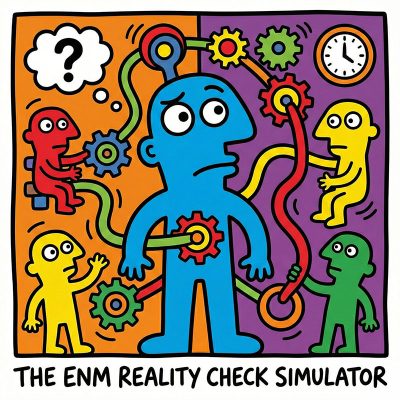
Theory is sexy. Reality is messy. You agreed you could date others, but how does your stomach drop when he takes her to your anniversary spot? Or when she comes home smelling like someone else?
This simulator drags your abstract rules into the harsh light of day. We force you to confront the visceral, gut-wrenching scenarios that actually destroy relationships, before they happen. Test your nervous system in the simulator so you don't crash the car in real life.
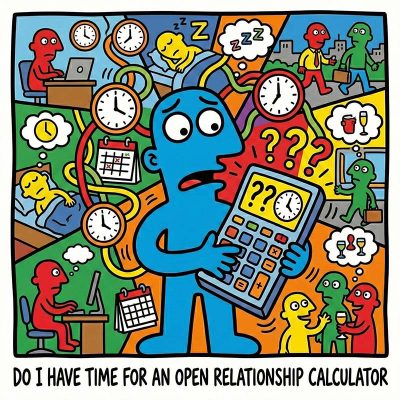
The fantasy is endless romance. The reality? It’s a logistical nightmare. Dating isn't just sex; it’s a second job of swiping, spending, and emotional processing that drains your sanity. Underestimating the "admin" of non-monogamy is the fastest way to turn your relationship into a burnout factory where resentment thrives.
This calculator forces you to confront the brutal math of your time, energy, and wallet. Can you actually afford this lifestyle, or are you just signing up for exhaustion?
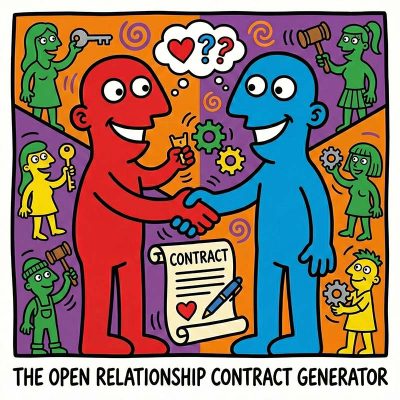
"I thought we agreed" is the sentence that destroys relationships & marriages. Relying on verbal promises when emotions run high is a gamble you cannot afford to lose. Your memory isn't just faulty; it's a liability. Ambiguity is the oxygen that jealousy breathes, turning "freedom" into a minefield of "did I mess up?"
This generator transforms vague permissions into a concrete, signed reality. Stop arguing about what you thought was said and lean on what is written. Secure your boundaries in ink, not hope.
How to structure a check in for an ENM dynamic
A solid check in follows a simple structure you can apply in many situations. Use it as a mental template when you prepare what to say. The structure helps you stay focused and prevents the conversation from spiraling into blame or finger pointing.
- Context setting
- Current emotional state check in
- Review of agreements and boundaries
- Impact review including what works and what does not
- Action items and adjustments
Always start with context so everyone knows why you are having the check in and what you hope to accomplish. Then share your current feelings without assigning blame. Use I statements and describe specific situations. Next review the agreements and boundaries that you have in place. Be precise about what is changing if you want to make an adjustment. Finally close with practical next steps that feel doable for all involved.
Different types of check ins you can use
Routine check ins
These are scheduled conversations that happen regularly. They can be weekly or bi weekly depending on how dynamic your life is. The goal is consistency and a calm space to reflect. Routine check ins are usually shorter and focused on status updates like who you spent time with and what you felt during the experience.
Boundary check ins
Boundary check ins happen when you notice a boundary is being pushed or when someone wants to revisit an existing boundary. These conversations are essential for fairness. They should be grounded in specific examples rather than vague feelings. A boundary check in gives you a chance to adjust rules or consent levels in a way that respects everyone involved.
Jealousy management check ins
Jealousy is a common feeling in ENM dynamics. A jealousy management check in focuses on the emotion and how to respond constructively. The aim is to understand what triggers jealousy and to adjust activities or boundaries to ease the discomfort while validating the person who feels jealous.
After an event check in
When a date or experience ends on a high note or a challenging note a post event check in can help you capture the learning. It is about reflecting on what went well and what needs tweaking next time. These can be quick and focused on outcomes rather than drama.
Transition check in
A transition check in helps when new people join the circle or when a partner changes their level of engagement. It sets expectations for how to handle new dynamics and ensures everyone remains comfortable. It can also cover scheduling and time management to avoid overloading any single person.
Practical tips for successful check ins
- Choose a calm environment free of distractions where all parties can speak openly
- Use clear language and avoid blaming wording
- Start with what you appreciate about the current setup before discussing changes
- Plan to listen more than you speak during the first part of the check in
- Be specific about examples and avoid general statements like you always
- Document outcomes and agreed next steps so there is a reference point later
- Respect privacy and consent when sharing details that involve others outside the immediate group
Sample scripts you can customize for open relationships ENM
Direct in person starter script
Hey I want to check in with you about how things are going. I am glad we are having this talk. I feel good about the openness we have created and I want to make sure we both feel safe and heard. Lately I have noticed that I feel a bit more jealous when things with new partners are intense. I want to talk about what would help me feel more secure and what you might need from me in return. I would also like to review our boundaries to see if we should adjust anything. What are your thoughts and how do you feel about our current setup?
Text message style check in
Hey love I want to touch base about our open setup. I have been thinking about how we handle time with other partners. I feel a bit overwhelmed when scheduling feels rushed. Could we set a small check in this week to review our calendar and maybe adjust our boundaries a touch to help both of us feel balanced?
Email style check in for a longer reflection
Subject: Open relationship check in
Hi there I wanted to take a moment to share how I have been feeling about our ENM dynamic. I love the way we communicate and I value our shared space. I have noticed that I feel anxious when conversations about new partners end in quick decisions. I would like to discuss some boundaries around scheduling and how we share updates about dates. I am also curious about your perspective and what you need from me right now. When would be a good time to chat more deeply about this this week?
Boundary update script
Hi I want to talk about a boundary that feels important to me right now. I would like to have a clearer rule around overnight stays with other partners. I am not asking you to change how you date but I would like to cap overnight visits to twice per month unless we both agree otherwise. Can we discuss this and adjust the language to fit both of us?
Jealousy management script
Hey I noticed we had a tense moment after a date with another partner. It is important to me that we talk about what happened without blame. I felt a little insecure and I want to understand what you experienced. Can we talk about what might help me feel more secure and how we can support each other going forward?
Real life scenarios and practical applications
Scenario one , A new partner enters the circle
You start to feel anxious about sharing attention and time. Use a routine check in to discuss schedules and also revisit the boundary around how much time you dedicate to a new connection in the first six weeks. A practical approach is to set a trial period with weekly updates and then adjust as needed. The goal is not to shrink the other person’s freedom but to protect emotional safety for everyone involved. In the conversation present what you observed and how it affected you. Then invite your partner to share their perspective and together create a plan that works for both sides.
Scenario two , Jealousy arises after a late date
Jealousy can be a sign that a boundary needs revision or that the emotional needs of one person are not being met. During a jealousy management check in acknowledge the emotion without judgment and explain what you need to feel secure. For the person feeling jealous asking for reassurance or a specific action can reduce the intensity of the emotion. For example you might agree that all dates over a certain duration must be debriefed within 24 hours so everyone feels understood and seen.
Scenario three , Scheduling conflicts with multiple partners
When time gets tight a transition check in helps. You can review the current calendar discuss the minimum time you each require with other partners and decide how to rebalance. The objective is to prevent one person from feeling neglected and to avoid resentment. A practical tactic is to designate a weekly planning time where you all review upcoming dates and adjust week by week.
Scenario four , Breakthrough boundaries or new health concerns
Health and safety come first. A boundary update conversation may be needed when sexual health concerns or testing practices change. In the discussion share what is happening and propose concrete steps such as updated testing frequency or new safer sex practices. Make sure everyone understands and agrees before moving forward.
Scenario five , Handling gossip or miscommunication within the group
Gossip damages trust quickly. If you hear inaccurate information about someone else in the circle, bring it to the person it concerns in a calm check in. Use careful language and avoid public shaming. The aim is to clarify facts and reduce room for misinterpretation. You can also agree on a policy to share information only with the people who need to know and with everyone’s consent.
What to avoid in ENM check ins
- Using accusations or language that blames a partner for universal feelings
- Blowing up a conversation into a fight and ignoring the other person needs
- Giving ultimatums that are framed as choices for the other person
- Hiding information or delaying important updates
- Ignoring sexual health and safety needs or avoiding testing conversations
Creating a practical check in cadence plan
Here is a simple cadence you can customize to fit your life. Print this and fill in the blanks with your partners if that helps you stay accountable.
- Weekly cadence: one short check in that covers emotional weather and any immediate concerns
- Monthly cadence: a deeper review of agreements and boundaries and a look at overall balance
- Six to twelve week cadence: a comprehensive evaluation of how the ENM arrangement is functioning and any major adjustments that might be needed
- Whenever a major event occurs: schedule a check in within 24 hours to discuss what happened and any impact on agreements
Glossary of useful terms and acronyms
- ENM Ethical Non Monogamy a relationship style that involves openness and consent with multiple partners
- OPEN A shorthand sometimes used to describe the practice of dating multiple partners openly
- NRE New Relationship Energy the excitement and intensity that can accompany new relationships
- Jealousy management A practice of acknowledging and addressing jealousy in a constructive way
- Compersion The joy of seeing a partner experience happiness with another person
- STI Sexually Transmitted Infection a medical term for infections transmitted through sexual contact
- STD Old term for Sexually Transmitted Disease still used in some places
- Boundaries Agreements about what is acceptable and what is not within a relationship
- Consent Active agreement that is informed and voluntary
- Polycule A network of people who are connected through romantic or sexual relationships
- Triad A three person relationship or dating circle often sharing a single set of rules
- Open communication Honest ongoing dialogue about needs feelings and boundaries
FAQ visible section
What is the best frequency for check ins in an ENM dynamic
The best frequency depends on the life pace and the level of dating activity in your circle. A practical starting point is a routine weekly check in and a deeper monthly review. If life gets hectic you can adjust to every two weeks. The key is to maintain a rhythm that keeps everyone feeling seen and secure.
How can I approach a boundary change without causing a fight
Frame the conversation around care not control. Lead with your intent and use I statements. For example I feel uncertain about this scenario and I would feel safer if we adjust the boundary in a specific way. Invite your partner to share their perspective and build a new agreement together. Focus on a concrete change and agree on a trial period to test it.
What should I do if jealousy becomes a frequent issue
Jet jealousy is a signal to slow down and revisit the agreements. Start with a jealousy management check in and ask what would help you feel more secure. Consider adjusting time with new partners revisiting emotional boundaries or increasing debrief conversations after dates. Remember compersion the joy in your partner happiness can be cultivated with empathy and time.
Is it okay to share details of dating activity with all partners
Only share information that all involved are comfortable with. Some people want to know every date details while others prefer only general updates. There is no universal rule here. It is essential that consent exists and that boundaries around privacy are respected. If in doubt you can run a consent check in with the group to establish what information is okay to share.
How do I handle a partner who refuses to participate in check ins
Participation in check ins should be voluntary. If someone consistently declines it is a sign that the relationship dynamics require attention. You can ask what would make it feel safer or more useful for them or propose a shorter check in once a month. If there is persistent resistance you may need to reassess the arrangement and decide what is sustainable for your needs and values.
Can check ins become a tool for controlling partners
Check ins are designed to support consent and safety not to control behavior. If you notice patterns of manipulation or coercion reflect on how you frame questions and how you respond. If conversations consistently become about influence rather than mutual care reframe the dialogue around feelings and needs and consider seeking guidance from a neutral third party such as a therapist who understands ENM dynamics.
What about safety and health information in check ins
Health information should be shared with consent and in a manner that respects privacy. If you or a partner has concerns about sexual health or testing you can include how you handle safety practices within your agreements. Common steps include regular STI testing and clear discussions of safer sex practices. Choose a routine that feels responsible and mature for everyone involved.
Putting it all together
Check ins that actually work in open relationships ENM require intention clarity and practice. They are a shared responsibility that strengthens trust and ensures the whole network can adapt as life changes. Start with simple routine check ins and add the more nuanced forms as your relationships mature. Use scripts when you need a template but always tailor what you say to the real people across from you. The most important outcome is that you leave the conversation with clear next steps that reflect the needs of everyone involved.
Final tips to keep check ins useful not exhausting
- Keep notes of what you agree on and revisit them periodically
- Limit the length of routine check ins to a reasonable time so they do not become drains
- Rotate who initiates for fairness if you have a large circle
- Respect each person’s pace and avoid forcing rapid changes
- Celebrate wins and acknowledge improvements even when things are not perfect
Checklist before you hold a check in
- Choose a neutral calm space and a time with no interruptions
- Prepare a short agenda covering what you want to discuss
- Decide if you want to start with a gratitude line to ease into the conversation
- Have a plan for how you will document decisions and follow up
- Agree on a time to recheck after any new agreements or changes
FAQ about check ins for ENM
- What is ENM and why do check ins matter in ENM
- What should I include in a first check in when starting an ENM relationship
- How do I handle emotions during a check in without making the other person feel attacked
- How do I ensure that check ins are not just a performance but a real tool for care
- Can check ins help with long distance ENM arrangements
The freedom of an open relationship sounds incredible, but the logistics can feel like holding a grenade. That spinning "what if" anxiety isn't paranoia, it’s your survival instinct warning you that your bond is exposed. "Just seeing what happens" is the fastest way to turn a fantasy into a breakup.
The Essential Guide replaces chaos with discipline. We give you the blueprints, jealousy protocols, and repair scripts needed to explore the edge without falling off. Don't guess. Secure your foundation first.
The world of non-monogamy is a maze of confusing labels. Trying to be "Polyamorous" when your heart actually needs "Swinging" isn't just a vocabulary error; it’s a recipe for misery.
You can't build a stable home on a foundation that doesn't fit your psychology. This tool analyzes your emotional bandwidth and jealousy triggers to design the exact structure you need. Stop trying to squeeze into a box that doesn't fit. Build a relationship that actually feels like home.
Opening up feels exciting, but if you aren't reading from the same script, you're writing a tragedy. The disconnect between "I want freedom" and "I want safety" is where hearts break. This isn't just a quiz; it’s a synchronization engine.
We identify the silent gaps in your desires—from sleepover rules to emotional bandwidth, before they become unbridgeable chasms. Don't wait until the damage is done to find out you were never on the same page. Align your compasses now.
Theory is sexy. Reality is messy. You agreed you could date others, but how does your stomach drop when he takes her to your anniversary spot? Or when she comes home smelling like someone else?
This simulator drags your abstract rules into the harsh light of day. We force you to confront the visceral, gut-wrenching scenarios that actually destroy relationships, before they happen. Test your nervous system in the simulator so you don't crash the car in real life.
The fantasy is endless romance. The reality? It’s a logistical nightmare. Dating isn't just sex; it’s a second job of swiping, spending, and emotional processing that drains your sanity. Underestimating the "admin" of non-monogamy is the fastest way to turn your relationship into a burnout factory where resentment thrives.
This calculator forces you to confront the brutal math of your time, energy, and wallet. Can you actually afford this lifestyle, or are you just signing up for exhaustion?
"I thought we agreed" is the sentence that destroys relationships & marriages. Relying on verbal promises when emotions run high is a gamble you cannot afford to lose. Your memory isn't just faulty; it's a liability. Ambiguity is the oxygen that jealousy breathes, turning "freedom" into a minefield of "did I mess up?"
This generator transforms vague permissions into a concrete, signed reality. Stop arguing about what you thought was said and lean on what is written. Secure your boundaries in ink, not hope.
