
Common Myths About Open Relationships

If you have ever wondered whether open relationships can actually work or if they are just a chaotic mess in disguise you are not alone. Our world tends to offer loud stories about open doors and wild nights while quietly implying that it is not for grown ups. The Monogamy Experiment is here to cut through the noise with honest conversation that stays practical funny and grounded. This guide dives into the most common myths about open relationships in the ethical non monogamy world also known as ENM. If you are new to ENM or you have been exploring this space for a while you will find clear explanations useful scenarios and real life tips. We break down what myths are merely stories and what parts of open relationships are actually real and workable.
Quick Links to Useful Sections
- What people often get wrong about open relationships
- Myth 1: Open relationships are all about sex with anyone at any time
- Myth 2: Open relationships destroy trust and stability
- Myth 3: Jealousy means something is wrong with you or your relationship
- Myth 4: You cannot love your partner as much if they date others
- Myth 5: Open relationships are only for extroverts or people who want a lot of lovers
- Myth 6: ENM is chaotic and unmanageable
- Myth 7: Open relationships ruin the traditional family model
- What actually helps in open relationships
- Practical steps to start and maintain ENM in a healthy way
- Terms and acronyms you might hear in ENM
- Realistic scenarios and how to handle them
- Ethical considerations in ENM
- Practical resources you can use
- Glossary of ENM terms and acronyms
First a quick primer on terms so you are not left guessing. ENM stands for ethical non monogamy a broad umbrella for relationship styles that allow more than one romantic or sexual connection with the knowledge and consent of all people involved. An open relationship is a type of ENM where partners agree that they can connect with others outside the relationship. Polyamory is a common form of ENM focused on building multiple emotional and romantic bonds. Swinging typically refers to sexual activities with partners outside the primary relationship without a heavy emphasis on emotional attachment. Relationship autonomy means people are free to decide who they want to connect with and how those connections are managed. In this guide we will use plain language and we will explain any term that might be unfamiliar so you can follow along without a glossary in your head.
What people often get wrong about open relationships
There is a long standing belief that open relationships are only for thrill seekers or that they are a fast path to breakups and heartbreak. The reality is more nuanced and a lot more manageable when you start with good boundaries clear communication and a plan for dealing with the messy emotions that can arise. Let us tackle the most common myths head on and then we will offer practical guidance to help you navigate the truth behind them.
Myth 1: Open relationships are all about sex with anyone at any time
The rumor goes like this you open your relationship and suddenly you become wildly promiscuous with whoever crosses your path. In reality the how of an open relationship is usually defined early on by the people involved. Some couples choose to set strict boundaries some opt for more flexible guidelines and some use a hybrid approach. The important thing is consent. Everyone involved should know what is allowed what is discouraged and what would require a conversation first. It is quite common to have specific rules about who you see what kinds of activities are on the table and how you handle scheduling. Open does not automatically equal reckless. It often means thoughtful planning and a shared sense of responsibility to all the people who matter in your life including children roommates or co workers who might be affected by your choices.
Real life example. A couple agrees that they can date other people but that they will not pursue new sexual partners in the same bedroom where they sleep together. They choose to keep their first few experiences outside their home and they check in with one another after each encounter. This pattern gives them room to explore while preserving the emotional safety of the shared space they value. If one partner wants to try dating more casually they can do that in a way that fits alongside their existing commitments instead of turning the entire life upside down.
What this myth misses. Open relationships are not about how many people you can have sex with. They are about how to navigate connection with honesty curiosity and care. Some weeks bring more activity others bring less. The goal is a workable balance that respects everyone involved and your own boundaries.
The freedom of an open relationship sounds incredible, but the logistics can feel like holding a grenade. That spinning "what if" anxiety isn't paranoia, it’s your survival instinct warning you that your bond is exposed. "Just seeing what happens" is the fastest way to turn a fantasy into a breakup.
The Essential Guide replaces chaos with discipline. We give you the blueprints, jealousy protocols, and repair scripts needed to explore the edge without falling off. Don't guess. Secure your foundation first.
The world of non-monogamy is a maze of confusing labels. Trying to be "Polyamorous" when your heart actually needs "Swinging" isn't just a vocabulary error; it’s a recipe for misery.
You can't build a stable home on a foundation that doesn't fit your psychology. This tool analyzes your emotional bandwidth and jealousy triggers to design the exact structure you need. Stop trying to squeeze into a box that doesn't fit. Build a relationship that actually feels like home.
Opening up feels exciting, but if you aren't reading from the same script, you're writing a tragedy. The disconnect between "I want freedom" and "I want safety" is where hearts break. This isn't just a quiz; it’s a synchronization engine.
We identify the silent gaps in your desires—from sleepover rules to emotional bandwidth, before they become unbridgeable chasms. Don't wait until the damage is done to find out you were never on the same page. Align your compasses now.
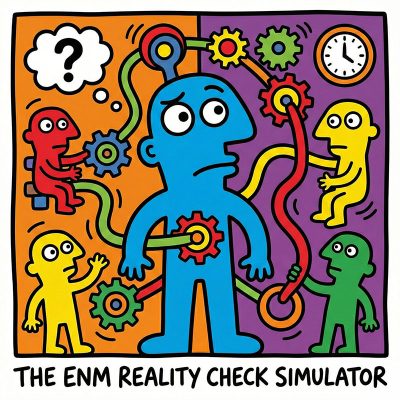
Theory is sexy. Reality is messy. You agreed you could date others, but how does your stomach drop when he takes her to your anniversary spot? Or when she comes home smelling like someone else?
This simulator drags your abstract rules into the harsh light of day. We force you to confront the visceral, gut-wrenching scenarios that actually destroy relationships, before they happen. Test your nervous system in the simulator so you don't crash the car in real life.
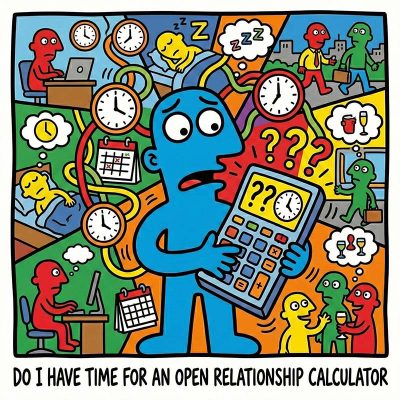
The fantasy is endless romance. The reality? It’s a logistical nightmare. Dating isn't just sex; it’s a second job of swiping, spending, and emotional processing that drains your sanity. Underestimating the "admin" of non-monogamy is the fastest way to turn your relationship into a burnout factory where resentment thrives.
This calculator forces you to confront the brutal math of your time, energy, and wallet. Can you actually afford this lifestyle, or are you just signing up for exhaustion?
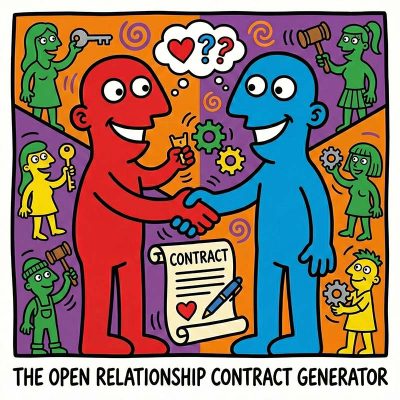
"I thought we agreed" is the sentence that destroys relationships & marriages. Relying on verbal promises when emotions run high is a gamble you cannot afford to lose. Your memory isn't just faulty; it's a liability. Ambiguity is the oxygen that jealousy breathes, turning "freedom" into a minefield of "did I mess up?"
This generator transforms vague permissions into a concrete, signed reality. Stop arguing about what you thought was said and lean on what is written. Secure your boundaries in ink, not hope.
Myth 2: Open relationships destroy trust and stability
Trust is the backbone of any relationship whether it is open or closed. The myth asserts that adding more people destroys trust and that jealousy becomes a permanent feature of life. The truth is trust is built or eroded through consistent practices. In ENM communities trust is cultivated with transparent communication reliable follow through and documented boundaries that everyone agrees on. On a practical level this means regular check ins with your partner schedule transparency about expectations and clear agreements about how you will handle new partners or shifting feelings. It also means creating a culture where it is safe to name discomfort without fear of judgment or punishment.
Real life example. A partner learns that a date with a new person triggers insecurities. Instead of shaming the feeling they decide to share it honestly and propose a short time out to reassess the boundary. The couple agrees to adjust the schedule for a few weeks while the feeling is processed. This approach does not show weakness it shows commitment to the relationship and to each other. After a few weeks they revisit the boundary and fine tune it so both parties feel secure again.
What this myth misses. Trust in ENM grows from predictable patterns not from magical romance. When you talk about what is happening when it happens and how it affects the relationship you give trust a living form. You also avoid the secretive behavior that can erode trust over time.
Myth 3: Jealousy means something is wrong with you or your relationship
Jealousy is a common emotion in any relationship when something feels uncertain or when a rival attention figure appears. In open relationships jealousy is not a moral failure it is a signal that a boundary is being tested or that a need is not being met. The practical approach is to acknowledge the feeling name it explain its origin and decide what to do about it. Some common steps include taking a short break from new connections revisiting the agreements and seeking reassurance from your partner. The goal is not to eliminate jealousy entirely but to manage it effectively so it does not derail the relationship.
Real life example. One partner begins dating someone new and notices a sense of insecurity rising. They pause together talk through what is triggering the feeling and decide to implement a weekly triad date with all three of them to strengthen the sense of unity while still allowing space for the new connection. The outcome is a deeper sense of safety rather than a widening rift between the partners.
What this myth misses. Jealousy is not a sign of failure it is a signal that can be managed with honest conversation and practical adjustments. When jealousy is treated as a shared problem not a personal failing people find their footing faster.
Myth 4: You cannot love your partner as much if they date others
This myth speaks to a fear that love is a finite resource like a jar you must fill up with time energy and attention. In truth love in ENM is not a single resource. People can love more than one person and often do with different kinds of love. One partner might need more emotional closeness and another might seek more intellectual companionship or shared activities. The key is to negotiate the love languages that work for each relationship and to stay connected to the core values that keep the primary bond strong. Open relationships can actually deepen love by encouraging growth independence and honest vulnerability. The fear of shrinking love often dissolves once you start building new patterns that support all the relationships you care about.
Real life example. A couple uses a weekly check in to discuss how the emotional needs are being met. They discover that the primary bond remains strong when they schedule dedicated couple time each week but they also create space for individual connections that align with personal interests. This approach allows both partners to experience fulfillment without sacrificing the closeness they share.
What this myth misses. Love is not a finite stock. It expands with trust and honest exploration. When you approach ENM as a way to grow together you can maintain a strong bond while welcoming new connections.
Myth 5: Open relationships are only for extroverts or people who want a lot of lovers
The stereotype is that ENM is a life of busy social calendars and endless flirting. The reality is ENM is about choice and communication not about a particular personality or a number of partners. Some people in ENM prefer long term intimate connections with a smaller circle while others enjoy casual dating spread across a few partners. Either approach can work as long as it fits the individuals involved and the agreements they have made. That means you can be introverted and still thrive in ENM because you can set pace privacy boundaries and emotional thresholds that suit your temperament. It also means you can be highly selective and still participate in ENM as long as you are honest about your goals and your limits.
Real life example. A person who is naturally reserved still explores open dating by starting with one partner who shares a quiet evening at home once a week. The focus is not about chasing a lot of people but about building a meaningful connection with someone who matches their values. ENM adapts to fit the person not the other way around.
What this myth misses. ENM is not a show of numbers it is a structured approach to connection that weighs consent boundaries and emotional safety. Personality type does not determine suitability for ENM restraint and communication do.
Myth 6: ENM is chaotic and unmanageable
Chaos makes for great stories but it is not a requirement of ethical non monogamy. ENM can be tidy and predictable whenever people choose to create routines that support their needs. A few practical habits make a big difference. Clear boundaries regular check ins written agreements and a shared calendar or planning system reduce the likelihood of cross signals. Ongoing consent is also important. You may need to revisit agreements as life changes such as new jobs changes in romantic priorities or shifts in family needs and responsibilities. The goal is to build a culture where everyone knows what to expect and feels seen respected and included.
Real life example. A partner keeps a shared digital calendar with dates for primary couple time time with other partners and important family events. They also set a monthly review to see what is working what is not and what needs to change. This method makes ENM feel steady confident and possible even during busy seasons.
What this myth misses. ENM does not require eternal excitement. It does require honesty discipline and willingness to adapt to new circumstances. A reliable structure makes space for growth without turning life into chaos.
The freedom of an open relationship sounds incredible, but the logistics can feel like holding a grenade. That spinning "what if" anxiety isn't paranoia, it’s your survival instinct warning you that your bond is exposed. "Just seeing what happens" is the fastest way to turn a fantasy into a breakup.
The Essential Guide replaces chaos with discipline. We give you the blueprints, jealousy protocols, and repair scripts needed to explore the edge without falling off. Don't guess. Secure your foundation first.
The world of non-monogamy is a maze of confusing labels. Trying to be "Polyamorous" when your heart actually needs "Swinging" isn't just a vocabulary error; it’s a recipe for misery.
You can't build a stable home on a foundation that doesn't fit your psychology. This tool analyzes your emotional bandwidth and jealousy triggers to design the exact structure you need. Stop trying to squeeze into a box that doesn't fit. Build a relationship that actually feels like home.
Opening up feels exciting, but if you aren't reading from the same script, you're writing a tragedy. The disconnect between "I want freedom" and "I want safety" is where hearts break. This isn't just a quiz; it’s a synchronization engine.
We identify the silent gaps in your desires—from sleepover rules to emotional bandwidth, before they become unbridgeable chasms. Don't wait until the damage is done to find out you were never on the same page. Align your compasses now.
Theory is sexy. Reality is messy. You agreed you could date others, but how does your stomach drop when he takes her to your anniversary spot? Or when she comes home smelling like someone else?
This simulator drags your abstract rules into the harsh light of day. We force you to confront the visceral, gut-wrenching scenarios that actually destroy relationships, before they happen. Test your nervous system in the simulator so you don't crash the car in real life.
The fantasy is endless romance. The reality? It’s a logistical nightmare. Dating isn't just sex; it’s a second job of swiping, spending, and emotional processing that drains your sanity. Underestimating the "admin" of non-monogamy is the fastest way to turn your relationship into a burnout factory where resentment thrives.
This calculator forces you to confront the brutal math of your time, energy, and wallet. Can you actually afford this lifestyle, or are you just signing up for exhaustion?
"I thought we agreed" is the sentence that destroys relationships & marriages. Relying on verbal promises when emotions run high is a gamble you cannot afford to lose. Your memory isn't just faulty; it's a liability. Ambiguity is the oxygen that jealousy breathes, turning "freedom" into a minefield of "did I mess up?"
This generator transforms vague permissions into a concrete, signed reality. Stop arguing about what you thought was said and lean on what is written. Secure your boundaries in ink, not hope.
Myth 7: Open relationships ruin the traditional family model
Many people fear judgement from family and friends and worry that ENM will disrupt conventional family structures. The truth is you can shape family life in whatever way best supports your kids partners and household. Some families embrace ENM with clear conversations and boundaries. Others decide to keep their relationship arrangements private from certain circles for safety or comfort. The important thing is that the choices you make are informed by care respect and consent. Families thrive when they are honest about the realities of their lives and when decisions support the well being of everyone involved including children if they are part of the picture.
Real life example. A family sits down with clear age appropriate explanations for the kids about relationships values and safety. They emphasize respect boundaries and love. The message is that health happiness and responsibility come first regardless of the relationship structure in use. The kids learn that families come in many shapes and that what matters most is care and consent.
What this myth misses. ENM does not force a single model onto a family. It invites families to choose a model that works for them and to handle it with empathy clarity and ongoing honest communication.
What actually helps in open relationships
- Clear boundaries define what is allowed and what is not and how decisions are made when boundaries are tested.
- Ongoing consent means keeping conversations open about whether each person is still on board and comfortable with the arrangements.
- Regular check ins scheduled conversations where people can share feelings fears and needs without judgment.
- Written agreements help keep everyone on the same page and provide a reference point when confusion arises.
- Emotional work recognizing jealousy insecurities and insecurity triggers and addressing them with compassion.
- Safety practices consistent sexual health practices open communication about testing and honest discussions about risk and safety.
Real life tip. If you are just starting out consider writing a simple set of anchors. These are non negotiable items that you both agree must stay in place for your relationship to work. Examples include safe sex guidelines limits on when and how dating happens or a rule about sharing details with each other after a date. Anchors help you keep the core relationship safe while still leaving room for exploration.
Practical steps to start and maintain ENM in a healthy way
- Define your why talk about why you want to explore ENM what you hope to gain and what your long term goals are. Clarity here helps you resist impulse decisions.
- Set boundaries up front discuss boundaries about sex dating transparency communication and how you will handle jealousy or hurt feelings.
- Establish a communication cadence decide how often you will check in how you will share updates and how you will handle emergencies or changes in mood.
- Practice safe sex agree on safe sex practices share test results and decide how to handle the possibility of exposure to sexually transmitted infections.
- Develop a phase plan if you are new to ENM consider starting slow with one extra connection then expanding only when you both feel ready. Progress at a pace that suits you.
- Protect core relationship time block out dedicated couple time and protect it from being crowded by other commitments. Consistency matters more than intensity.
- Build emotional support identify friends mentors or online communities who can provide guidance without breaching your agreements.
- Be willing to adjust life changes and so do agreements. Be prepared to revisit rules and expectations as needed with respect and care.
Terms and acronyms you might hear in ENM
To keep you in the loop here is a quick glossary you can reference anytime. If you see a term you do not know you can google it or ask for a quick explanation in your own group chats.
- ENM ethical non monogamy a relationship style that embraces more than one romantic or sexual connection with consent.
- Open relationship a relationship in which partners agree that they may date or connect with others outside the relationship while maintaining commitment to the primary partner.
- Polyamory the practice of engaging in multiple romantic relationships with the consent of everyone involved.
- Swinging enjoying sexual activities with others typically in a social setting rather than pursuing emotional bonds.
- Primary partner the person who holds the central place in a relationship structure often sharing a household or long term commitments.
- Secondary partner a person who is part of the relationship network but not the primary partner in the same way.
- Triad a romantic arrangement involving three people who may all be involved with each other or some combination of relationships within the group.
- Jealousy management a set of strategies used to recognize address and ease jealousy in a healthy way.
- Consent a clear and enthusiastic agreement to participate in a specific activity with respect for each other's boundaries.
- Boundaries agreed limits that keep people safe and comfortable within the relationship network.
Realistic scenarios and how to handle them
Scenario one. You and your partner start to explore ENM and you become curious about dating someone with a similar interest in a shared hobby. You choose to meet in a public place talk about expectations and share boundaries before anything starts. You also decide to keep each other informed about what paths your new connections are taking. This approach creates a transparent and safe environment for everyone involved.
Scenario two. After a few months you notice you struggle with a new partner who is more intense than you expected. You pause you talk and you slowly adjust the boundary around how often you will see this person and the level of emotional involvement. Both partners support the adjustment because the goal is to protect the main relationship while allowing growth elsewhere.
Scenario three. A family member expresses disapproval of your ENM choices. You politely but firmly hold your ground while offering education and perspective. You share resources explain your consent based approach and emphasize that your choices do not harm others in your life who matter. It is possible to maintain your relationships while handling outside opinions with grace and forgiveness.
Scenario four. A partner experiences a health scare and you are worried about the impact on your ENM structure. You talk through what needs to be adjusted offering reassurance and ensuring safety. You may temporarily scale back or pause certain activities while you focus on care and recovery. In ENM life the ability to adapt is a strength not a weakness.
Ethical considerations in ENM
Ethics in ENM revolve around consent honesty respect and accountability. Consent means everyone involved agrees to what happens and understands the risks. Honesty means sharing essential information about boundaries feelings and changes in circumstances. Respect means honoring others boundaries and emotions even when it is hard. Accountability means taking responsibility if agreements are not met and working to repair trust and safety. When you treat ethics as the baseline you can avoid many of the issues that people worry about. Ethics are not a threat they are a framework that helps people make thoughtful choices.
Practical resources you can use
If you are curious about tools that help with ENM here are a few ideas you can try. Keep in mind every group and every couple is different so adapt these tools to your needs.
- Shared calendar a calendar that marks dates with other partners plus important relationship milestones.
- Communication plan a written plan for how you will talk about tough topics and how you will escalate when needed.
- Boundaries document a living document that lists what is allowed what is not and any conditions that apply to new connections.
- Jealousy journal a simple tool to track when jealousy arises what triggers it and how you resolved it.
- Safety checklist reminders about safer sex testing and how you will handle information sharing if someone tests positive for a sexually transmitted infection.
Glossary of ENM terms and acronyms
- ENM ethical non monogamy a relationship approach that allows multiple romantic or sexual connections with consent.
- Open relationship a relationship in which partners consent to dating or connecting with others outside the arrangement.
- Polyamory multiple loving relationships with the knowledge of everyone involved.
- Swinging sexual activities with others within a partnered context often with less focus on emotional bonds.
- Primary partner the person who holds a central or long term role in the relationship structure.
- Secondary partner someone who is involved but not in the primary role.
- Triad a three person relationship where all or some members have romantic ties with each other.
- Jealousy management strategies used to recognize and address jealousy in healthy ways.
- Consent explicit agreement to participate in a specific activity with freedom to change your mind at any time.
- Boundaries agreed lines that help keep people safe and respected in the relationship network.
The freedom of an open relationship sounds incredible, but the logistics can feel like holding a grenade. That spinning "what if" anxiety isn't paranoia, it’s your survival instinct warning you that your bond is exposed. "Just seeing what happens" is the fastest way to turn a fantasy into a breakup.
The Essential Guide replaces chaos with discipline. We give you the blueprints, jealousy protocols, and repair scripts needed to explore the edge without falling off. Don't guess. Secure your foundation first.
The world of non-monogamy is a maze of confusing labels. Trying to be "Polyamorous" when your heart actually needs "Swinging" isn't just a vocabulary error; it’s a recipe for misery.
You can't build a stable home on a foundation that doesn't fit your psychology. This tool analyzes your emotional bandwidth and jealousy triggers to design the exact structure you need. Stop trying to squeeze into a box that doesn't fit. Build a relationship that actually feels like home.
Opening up feels exciting, but if you aren't reading from the same script, you're writing a tragedy. The disconnect between "I want freedom" and "I want safety" is where hearts break. This isn't just a quiz; it’s a synchronization engine.
We identify the silent gaps in your desires—from sleepover rules to emotional bandwidth, before they become unbridgeable chasms. Don't wait until the damage is done to find out you were never on the same page. Align your compasses now.
Theory is sexy. Reality is messy. You agreed you could date others, but how does your stomach drop when he takes her to your anniversary spot? Or when she comes home smelling like someone else?
This simulator drags your abstract rules into the harsh light of day. We force you to confront the visceral, gut-wrenching scenarios that actually destroy relationships, before they happen. Test your nervous system in the simulator so you don't crash the car in real life.
The fantasy is endless romance. The reality? It’s a logistical nightmare. Dating isn't just sex; it’s a second job of swiping, spending, and emotional processing that drains your sanity. Underestimating the "admin" of non-monogamy is the fastest way to turn your relationship into a burnout factory where resentment thrives.
This calculator forces you to confront the brutal math of your time, energy, and wallet. Can you actually afford this lifestyle, or are you just signing up for exhaustion?
"I thought we agreed" is the sentence that destroys relationships & marriages. Relying on verbal promises when emotions run high is a gamble you cannot afford to lose. Your memory isn't just faulty; it's a liability. Ambiguity is the oxygen that jealousy breathes, turning "freedom" into a minefield of "did I mess up?"
This generator transforms vague permissions into a concrete, signed reality. Stop arguing about what you thought was said and lean on what is written. Secure your boundaries in ink, not hope.
