
Compersion and Shared Joy in Open Contexts

Compersion is one of the most talked about ideas in ethical non monogamy or ENM for short. It sounds almost magical until you realize it is a skill you can learn through practice. This guide breaks down compersion into plain language with clear terms and practical steps. We will explain what compersion is how it fits inside open relationships and how to cultivate shared joy even when a date with another partner stirs up strong feelings. This article keeps things real and down to earth so you can apply the ideas in your own life with confidence.
Quick Links to Useful Sections
- What compersion is and why it matters in ENM
- Core terms and acronyms you should know
- Ethical Non Monogamy ENM
- Polyamory
- Primary and secondary dynamics
- Compersion as a practice not a mood
- Why compersion is a big deal in open contexts
- Practical steps to cultivate compersion in daily life
- 1. Name the feeling and the need
- 2. Create a language for consent and boundaries
- 3. Develop a gratitude practice focused on shared joy
- 4. Use regular check ins with partners
- 5. Build a shared joy file
- 6. Practice mindful presence
- 7. Create opportunities for integration
- Common traps and how to avoid them
- Real world scenarios and practical scripts
- Scenario one a new partner on the scene
- Scenario two a misread boundary and a repair moment
- Scenario three dealing with social circles and group dynamics
- Practical tools you can use today
- Open relationship journal
- Compersion calendar
- Communication scripts
- Boundaries checklist
- Safety as a baseline in open contexts
- Myths about compersion debunked
- Glossary of useful terms and acronyms
- Frequently asked questions
What compersion is and why it matters in ENM
Compersion is the positive emotion you feel when your partner experiences joy with someone else. It is the opposite of jealousy which is a familiar and sometimes painful response to perceived threats to your sense of security. Compersion does not erase conflict or discomfort but it creates a fertile ground where trust can grow. In ENM the practice of compersion helps couples and other relationship configurations share happiness without clinging to the belief that love must be exclusive to one person.
In ENM contexts compersion becomes a useful tool for navigating emotional complexity. It helps you celebrate your partner s happiness even when that happiness involves someone else. The key is learning to detach the idea that another person taking time with your partner diminishes your own value. Compersion invites you to see that love can be abundant rather than finite. It invites you to connect with your own sense of joy and security and to share in your partner s experiences rather than feeling left behind.
Compersion is not a universal superpower. It does not require you to be happy about every detail of every date or to pretend that everything is perfect. It is a practiced state of mind that grows through honest communication consent and self inquiry. It is possible to feel a range of emotions and still lean toward compersion as the baseline you aim for most of the time. In this guide we will explore practical steps to cultivate compersion in your day to day life and during big relationship shifts.
Key terms you might see here and what they mean
- ENM Ethical Non Monogamy a relationship framework where all people involved consent to non exclusive connections.
- Compersion The positive emotion you feel when your partner experiences joy with another person.
- Jealousy A natural but potentially disruptive feeling that comes up when someone fears loss or threat to a relationship.
- Polyamory A form of ENM where people have more than one loving relationship at the same time with all parties aware and consenting.
- Primary partner The person who holds a central place in a relationship structure often tied to long term plans or shared living spaces.
- Secondary partner A partner who is important but not the primary focus in a given arrangement.
- Compersion practice The regular set of actions designed to cultivate shared joy and reduce envy.
Core terms and acronyms you should know
Ethical Non Monogamy ENM
Ethical Non Monogamy is a broad term that describes relationship styles where all people involved consent to more than one romantic or sexual connection. The ethics are about consent honesty communication and respect. ENM is not a single method it is a family of approaches including open relationships polyamory swinging and more. In ENM there is usually a focus on consent agreements transparency and ongoing negotiation among all adults involved.
Polyamory
Polyamory is a form of ENM where people have multiple loving relationships simultaneously with the consent of everyone involved. It can involve a wide variety of structures from one or more lovers to families of partners who know and care for each other. Polyamory emphasizes emotional honesty and responsible relationship work rather than just the sexual aspect.
Primary and secondary dynamics
In some open contexts people use the terms primary and secondary to describe different levels of closeness time commitments or life shared logistics. A primary relationship may involve living together long term or shared finances while a secondary relationship might be more flexible with less day to day overlap. The important point is that these roles should be defined by all parties and revisited as needed rather than assumed.
Compersion as a practice not a mood
Compersion is best thought of as a practice rather than a feeling that shows up automatically. It can take time to develop and it will flare up differently in every relationship. The practice includes empathy self regulation and practical communication. It can be strengthened by creating rituals that celebrate your partner s happiness and by creating safety nets in the relationship so that all people feel seen and valued.

The freedom of an open relationship sounds incredible, but the logistics can feel like holding a grenade. That spinning "what if" anxiety isn't paranoia, it’s your survival instinct warning you that your bond is exposed. "Just seeing what happens" is the fastest way to turn a fantasy into a breakup.
The Essential Guide replaces chaos with discipline. We give you the blueprints, jealousy protocols, and repair scripts needed to explore the edge without falling off. Don't guess. Secure your foundation first.

The world of non-monogamy is a maze of confusing labels. Trying to be "Polyamorous" when your heart actually needs "Swinging" isn't just a vocabulary error; it’s a recipe for misery.
You can't build a stable home on a foundation that doesn't fit your psychology. This tool analyzes your emotional bandwidth and jealousy triggers to design the exact structure you need. Stop trying to squeeze into a box that doesn't fit. Build a relationship that actually feels like home.

Opening up feels exciting, but if you aren't reading from the same script, you're writing a tragedy. The disconnect between "I want freedom" and "I want safety" is where hearts break. This isn't just a quiz; it’s a synchronization engine.
We identify the silent gaps in your desires—from sleepover rules to emotional bandwidth, before they become unbridgeable chasms. Don't wait until the damage is done to find out you were never on the same page. Align your compasses now.

Theory is sexy. Reality is messy. You agreed you could date others, but how does your stomach drop when he takes her to your anniversary spot? Or when she comes home smelling like someone else?
This simulator drags your abstract rules into the harsh light of day. We force you to confront the visceral, gut-wrenching scenarios that actually destroy relationships, before they happen. Test your nervous system in the simulator so you don't crash the car in real life.
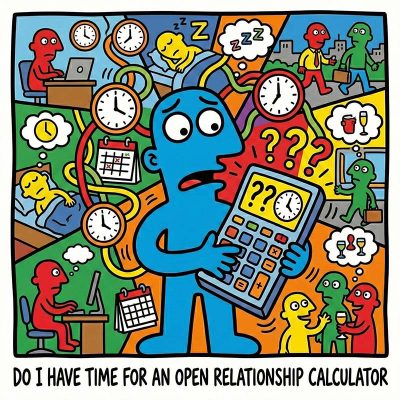
The fantasy is endless romance. The reality? It’s a logistical nightmare. Dating isn't just sex; it’s a second job of swiping, spending, and emotional processing that drains your sanity. Underestimating the "admin" of non-monogamy is the fastest way to turn your relationship into a burnout factory where resentment thrives.
This calculator forces you to confront the brutal math of your time, energy, and wallet. Can you actually afford this lifestyle, or are you just signing up for exhaustion?
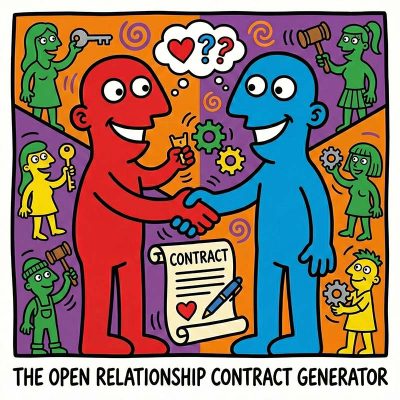
"I thought we agreed" is the sentence that destroys relationships & marriages. Relying on verbal promises when emotions run high is a gamble you cannot afford to lose. Your memory isn't just faulty; it's a liability. Ambiguity is the oxygen that jealousy breathes, turning "freedom" into a minefield of "did I mess up?"
This generator transforms vague permissions into a concrete, signed reality. Stop arguing about what you thought was said and lean on what is written. Secure your boundaries in ink, not hope.
Why compersion is a big deal in open contexts
In open contexts compersion helps people avoid constant power struggles over attention and time. It supports more flexible boundaries and makes it easier to navigate competing needs. When compersion is present it becomes easier to celebrate a partner s growth whether that growth is with a new date a new hobby or a new group of friends. It can lead to deeper intimacy by encouraging honesty curiosity and shared meaning. It also reduces the risk of resentments building up over time which can derail long term connections.
There are downsides to chasing compersion too hard. If you force yourself into a state of constant happiness you might suppress real emotions. It is important to acknowledge discomfort listen to it and work through it rather than pretending everything is fine. The goal is not to erase jealousy but to expand your emotional range so that jealousy does not spill into controlling behavior or hurtful actions.
Practical steps to cultivate compersion in daily life
1. Name the feeling and the need
When a partner s dating or a new dynamic arises take a moment to label what you feel. Is it jealousy fear insecurity or sadness It is equally valuable to name what you need in the moment. Do you need reassurance time alone with your partner more information about the new relationship or space to reflect Give yourself that clarity before you respond.
2. Create a language for consent and boundaries
Agree on clear boundaries that everyone can consent to. Boundaries are not about control they are about safety and clarity. You can negotiate rules around disclosure frequency date nights with other partners or the level of physical intimacy that is appropriate in various contexts. Document these agreements and review them regularly as life changes.
3. Develop a gratitude practice focused on shared joy
Make a habit of naming three things you genuinely appreciate about your partner s other connections. The aim is to practice seeing value in what brings them happiness rather than shrinking away from it. This simple exercise can shift emotional energy toward positivity and curiosity instead of fear or competition.
4. Use regular check ins with partners
Set up predictable check ins about feelings and needs. A weekly or bi weekly conversation where everyone can share what is working and what isn t helps to prevent built up frustration. These conversations should be nonjudgmental and focused on solutions rather than blame.
5. Build a shared joy file
Create a space where you both record positive moments from each other s dating or times when you felt close. This could be a shared note in your phone a printed scrapbook or a private blog. Revisiting these moments can remind you of the value of your partner s happiness and strengthen compersion over time.
6. Practice mindful presence
During dates with other partners practice staying present rather than wandering into worries about the future or past. Notice your own breath and name what you notice. This helps you regulate strong emotional responses and keeps you open to the moment instead of pre reacting.
7. Create opportunities for integration
Invite other partners into your life in small ways such as shared meals or group outings when all parties are comfortable. The more you humanize and normalize the presence of multiple relationships the easier compersion becomes. The goal is not forced bonding but honest comfort with the larger picture of love in your life.
Common traps and how to avoid them
- Comparing relationships Constant comparison can erode confidence and create jealousy. Instead focus on your own unique bond with your partner and recognize each relationship has its own flavor and needs.
- Secrecy and secrecy fatigue Hidden relationships or hidden details breed suspicion. Openness with consent is healthier and easier to manage long term.
- Unclear boundaries When boundaries shift without discussion it can create misunderstandings. Regular renegotiation helps keep expectations aligned.
- Unrealistic optimism Expecting compersion to always feel great can lead to disappointment. Allow space for discomfort and treat difficult emotions as data to be examined rather than problems to be solved immediately.
- Unequal emotional labor If one person carries most of the mental load in managing multiple relationships burnout can happen. Share the work and rotate responsibilities as needed.
Real world scenarios and practical scripts
Scenario one a new partner on the scene
Alex has been dating Jamie for six months and a new partner Maya has started dating Jamie as well. Alex initially feels a sharp sting of jealousy but recognizes this as a cue to pause and assess. Alex uses the agreed upon check in protocol and invites Jamie to share details about how the two of them connected. Alex asks questions that show genuine curiosity rather than possessiveness. Jamie responds with warmth and explains that the connection with Maya adds new dimensions to their life together without reducing the time and care they give to their relationship with Alex. In this moment compersion grows when Alex hears how Jamie is thriving and feels a sense of shared joy rather than loss.
Scenario two a misread boundary and a repair moment
Sam and Riley have an open arrangement with clear boundaries about communication about new partners. A miscommunication leads to Sam feeling excluded from important decisions about one of Riley s dates. Sam brings this up using non accusatory language and Riley apologizes for the oversight. They revisit the boundary together and agree to a more explicit plan for what topics should be discussed before and after dates. The repair is not about punishment but about strengthening trust. Compersion is supported by the idea that both partners are invested in each other s happiness even when it requires extra effort.
Scenario three dealing with social circles and group dynamics
A group dinner with multiple partners can feel overwhelming at first. The strategy is to plan small friendly interactions before the event provide options for escape if needed and designate a communication signal which both partners understand. The night goes smoothly. Both partners enjoy the social experience and they leave with shared stories from the evening. They celebrate the fact that their romantic bonds continue to grow while they maintain respect for everyone involved.
Practical tools you can use today
Open relationship journal
Keep a private journal or a digital document where you record your emotional responses after encounters with other partners. Note what triggered jealousy what helped you feel better and what you want in future conversations. This practice helps you observe patterns and reduces knee jerk reactions in real time.
Compersion calendar
Use a calendar to mark significant dates and time blocks for your own needs and for date nights with others. Visualizing time helps reduce anxiety about not getting enough attention and supports balanced attention across relationships.
Communication scripts
Having ready made scripts for common conversations reduces the distance between emotion and action. For example you could rehearse a script for asking for more information about a partner s new relationship or for sharing a concern without blame. These scripts are not rigid they are starting points that you tailor to your voice and your situation.
Boundaries checklist
Keep a concise list of boundaries that everyone agrees to. Review this list every few months or whenever a new relationship enters the mix. Boundaries should be specific and revisitable. They are experiments not rules carved in stone.
Safety as a baseline in open contexts
Safety in ENM covers emotional health and physical health as well. Emotional safety means feeling heard valued and respected by all partners. Physical safety includes clear agreements about sexual activity the use of protection and regular STI testing when multiple partners are involved. Treat consent as a living practice that is revisited as relationships evolve. Regularly check in about how people feel regarding safety and boundaries and adjust as needed.
Myths about compersion debunked
- Compersion means you must be happy all the time Compersion is a trend toward positive energy but it accommodates a full range of emotions including discomfort. It is not about forced positivity or denying pain.
- Compersion is the same as indifference Compersion is a warm caring stance that celebrates another person s happiness while staying connected to your own needs. It is not detachment or indifference.
- If you are not feeling compersion you have failed You are allowed to feel a mix of emotions. You can work through those feelings with your partner and still move toward compassion and care.
Glossary of useful terms and acronyms
- ENM Ethical Non Monogamy a framework where all people involved consent to non exclusive connections.
- Compersion Positive feelings about your partner s joy with another person.
- Jealousy A natural response to potential loss or insecurity often signaling a need to adjust boundaries or communication.
- Polyamory Loving more than one person at the same time with all parties aware and consenting.
- Open relationship A relationship structure that allows dating and forming romantic connections outside the primary partnership with consent.
- Primary partner The partner who may share living space finances or long term commitments.
- Secondary partner A partner who has a meaningful connection but a different level of life integration than a primary partner.
- Boundaries Agreed limits that help keep relationships safe and honest.
Frequently asked questions
The freedom of an open relationship sounds incredible, but the logistics can feel like holding a grenade. That spinning "what if" anxiety isn't paranoia, it’s your survival instinct warning you that your bond is exposed. "Just seeing what happens" is the fastest way to turn a fantasy into a breakup.
The Essential Guide replaces chaos with discipline. We give you the blueprints, jealousy protocols, and repair scripts needed to explore the edge without falling off. Don't guess. Secure your foundation first.
The world of non-monogamy is a maze of confusing labels. Trying to be "Polyamorous" when your heart actually needs "Swinging" isn't just a vocabulary error; it’s a recipe for misery.
You can't build a stable home on a foundation that doesn't fit your psychology. This tool analyzes your emotional bandwidth and jealousy triggers to design the exact structure you need. Stop trying to squeeze into a box that doesn't fit. Build a relationship that actually feels like home.
Opening up feels exciting, but if you aren't reading from the same script, you're writing a tragedy. The disconnect between "I want freedom" and "I want safety" is where hearts break. This isn't just a quiz; it’s a synchronization engine.
We identify the silent gaps in your desires—from sleepover rules to emotional bandwidth, before they become unbridgeable chasms. Don't wait until the damage is done to find out you were never on the same page. Align your compasses now.
Theory is sexy. Reality is messy. You agreed you could date others, but how does your stomach drop when he takes her to your anniversary spot? Or when she comes home smelling like someone else?
This simulator drags your abstract rules into the harsh light of day. We force you to confront the visceral, gut-wrenching scenarios that actually destroy relationships, before they happen. Test your nervous system in the simulator so you don't crash the car in real life.
The fantasy is endless romance. The reality? It’s a logistical nightmare. Dating isn't just sex; it’s a second job of swiping, spending, and emotional processing that drains your sanity. Underestimating the "admin" of non-monogamy is the fastest way to turn your relationship into a burnout factory where resentment thrives.
This calculator forces you to confront the brutal math of your time, energy, and wallet. Can you actually afford this lifestyle, or are you just signing up for exhaustion?
"I thought we agreed" is the sentence that destroys relationships & marriages. Relying on verbal promises when emotions run high is a gamble you cannot afford to lose. Your memory isn't just faulty; it's a liability. Ambiguity is the oxygen that jealousy breathes, turning "freedom" into a minefield of "did I mess up?"
This generator transforms vague permissions into a concrete, signed reality. Stop arguing about what you thought was said and lean on what is written. Secure your boundaries in ink, not hope.
