
Creating Agreements That Can Evolve


Welcome to a down to earth guide for people navigating the open relationship world. If you are in an ethical non monogamy relationship often called ENM you know that rules and routines can get messy. The goal here is simple. Create agreements that can grow and shift as you and your partners change. Think of it as a living map not a fixed contract. By building with flexibility you get safety honesty and freedom all at once. We are not here to push a one size fits all model. We are here to help you design agreements that fit your real life and your real feelings.
Quick Links to Useful Sections
- Why agreements should be able to evolve
- Open relationships ENM vocabulary you can use
- Principles for agreements that can evolve
- Step by step playbook to create evolving agreements
- Step 1. Do a values inventory
- Step 2. Map current agreements and gaps
- Step 3. Decide on a decision making model
- Step 4. Draft initial agreements in plain language
- Step 5. Schedule regular check ins
- Step 6. Set renegotiation triggers
- Step 7. Create a living document
- Step 8. Clarify privacy levels
- Step 9. Include sexual health protocols
- Step 10. Plan for communication tools and boundaries
- Realistic scenarios you might face and how evolving agreements help
- Scenario 1. A new partner enters the scene
- Scenario 2. Emotional intensity grows with a secondary partner
- Scenario 3. Life changes require a time based adjustment
- Scenario 4. A boundary is tested and needs re phrasing
- Common mistakes and myths about evolving agreements
- Templates and sample language you can steal and adapt
- Baseline safe sex and health agreement
- Emotional boundaries and transparency
- Time management and scheduling
- Privacy and disclosure
- Handling new partners and introductions
- Practical tips for success with evolving agreements
- Glossary of useful terms and acronyms
- Frequently asked questions
Before we dive in a quick note on terms. ENM stands for ethical non monogamy. This term covers relationship styles that involve more than one romantic or sexual connection with the consent of all involved. An open relationship is a common form of ENM where partners agree that dating or sexual activity with others is allowed under set conditions. Polyamory is a related term focusing on having multiple loving relationships. In this guide we keep the focus on creating agreements that can evolve for anyone in the ENM space who wants to keep things fair honest and workable for all parties involved.
Why agreements should be able to evolve
The everyday reality of open relationships is that people change. What feels true in one month might feel off in the next. New partners bring new energy and new concerns. Life events such as travel shifts job demands or family changes can alter the risk math in your setup. A rigid agreement often leads to hidden resentments or awkward conversations that show up when you least want them to. Flexible evolving agreements give you a framework to check in notice adjustments and keep communication clear. They also reduce the chances of silent agreements that cause harm down the line.
Key idea. An agreement is not a verdict it is a decision tool. It helps you react thoughtfully rather than react instinctively. The best agreements are specific clear and revisited on a regular basis. They spell out what is allowed what is not and how decisions will be made when the situation is unclear. The evolving part means you expect changes will happen and you plan for them rather than hoping nothing changes.
Open relationships ENM vocabulary you can use
Knowing the right terms helps you talk honestly and avoid miscommunication. Here is a quick glossary of phrases and ideas you will likely encounter in the ENM space. We explain each term in simple language so you can use it confidently.
- Ethical Non Monogamy ENM a style of relationship that involves intimate connections with more than one person with everyone’s consent and care for feelings involved.
- Open relationship an arrangement where partners allow dating or sexual activity with others while maintaining their primary bond if there is one.
- Boundaries rules set by individuals about what is comfortable and what is off limits. Boundaries are personal and can change over time.
- Agreements formal or informal understandings among partners about what is allowed and how to handle situations that arise.
- Compersion feeling happy when a partner experiences joy with someone else. The opposite of jealousy in many cases.
- Jealousy management strategies to recognize the feeling and respond in a constructive way rather than acting out of fear or insecurity.
- Primary partner the person or people who hold a central place in your life or emotional world. Not necessarily only one person.
- Secondary partner a relationship that is meaningful but not in the primary line up of life priorities. Roles can vary widely.
- Veto right a controversial concept where one partner can object to a specific relationship. Many groups avoid vetoes because they can undermine autonomy.
- Red flags warning signals that something feels unsafe or misaligned such as pressure secrecy or repeated boundary violations.
- Renegotiation revisiting and revising agreements in response to changes in life feelings or relationships.
- Safe sex agreements rules about protection testing disclosure and communication to minimize health risk.
- Transparency a sense of openness about dating activities with all involved to reduce misunderstanding.
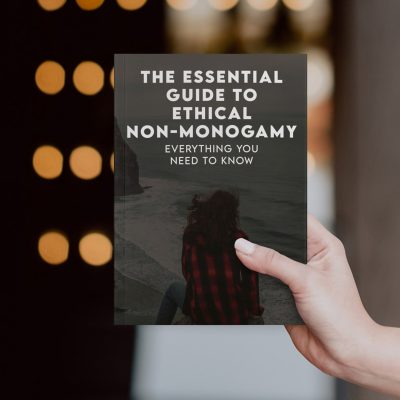
The freedom of an open relationship sounds incredible, but the logistics can feel like holding a grenade. That spinning "what if" anxiety isn't paranoia, it’s your survival instinct warning you that your bond is exposed. "Just seeing what happens" is the fastest way to turn a fantasy into a breakup.
The Essential Guide replaces chaos with discipline. We give you the blueprints, jealousy protocols, and repair scripts needed to explore the edge without falling off. Don't guess. Secure your foundation first.

The world of non-monogamy is a maze of confusing labels. Trying to be "Polyamorous" when your heart actually needs "Swinging" isn't just a vocabulary error; it’s a recipe for misery.
You can't build a stable home on a foundation that doesn't fit your psychology. This tool analyzes your emotional bandwidth and jealousy triggers to design the exact structure you need. Stop trying to squeeze into a box that doesn't fit. Build a relationship that actually feels like home.

Opening up feels exciting, but if you aren't reading from the same script, you're writing a tragedy. The disconnect between "I want freedom" and "I want safety" is where hearts break. This isn't just a quiz; it’s a synchronization engine.
We identify the silent gaps in your desires—from sleepover rules to emotional bandwidth, before they become unbridgeable chasms. Don't wait until the damage is done to find out you were never on the same page. Align your compasses now.
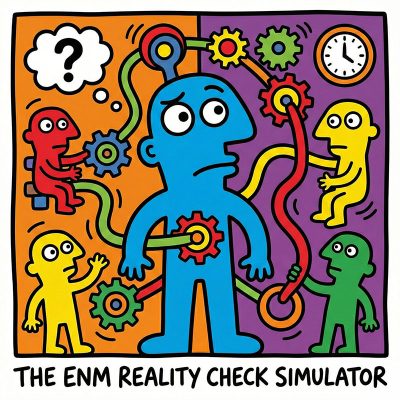
Theory is sexy. Reality is messy. You agreed you could date others, but how does your stomach drop when he takes her to your anniversary spot? Or when she comes home smelling like someone else?
This simulator drags your abstract rules into the harsh light of day. We force you to confront the visceral, gut-wrenching scenarios that actually destroy relationships, before they happen. Test your nervous system in the simulator so you don't crash the car in real life.

The fantasy is endless romance. The reality? It’s a logistical nightmare. Dating isn't just sex; it’s a second job of swiping, spending, and emotional processing that drains your sanity. Underestimating the "admin" of non-monogamy is the fastest way to turn your relationship into a burnout factory where resentment thrives.
This calculator forces you to confront the brutal math of your time, energy, and wallet. Can you actually afford this lifestyle, or are you just signing up for exhaustion?
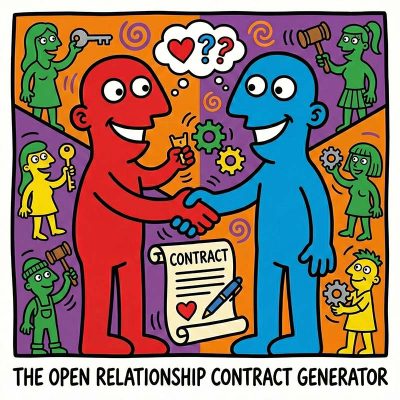
"I thought we agreed" is the sentence that destroys relationships & marriages. Relying on verbal promises when emotions run high is a gamble you cannot afford to lose. Your memory isn't just faulty; it's a liability. Ambiguity is the oxygen that jealousy breathes, turning "freedom" into a minefield of "did I mess up?"
This generator transforms vague permissions into a concrete, signed reality. Stop arguing about what you thought was said and lean on what is written. Secure your boundaries in ink, not hope.
Principles for agreements that can evolve
These guiding ideas help you build nimble agreements that still feel solid and fair. Keep them in mind as you design or revise your arrangements.
- Consent is ongoing consent is not a one time event. It should be checked in regularly and can be paused or revised at any time.
- Clarity beats intensity clear rules simple language and documented decisions outperform vague promises made in the moment.
- Fairness is personal what feels fair depends on every person involved. Strive for proportional equity rather than identical rules for everyone.
- Communication is a skill regular open honest conversations beat silent assumptions every time.
- Respect boundaries when someone sets a boundary make space for that boundary to be honored even if it requires personal adjustments.
- Flexibility is a strength the ability to adjust plans as life changes is a superpower for ENM communities.
- Safety first physical emotional and sexual safety should be baked into every agreement from the start.
Step by step playbook to create evolving agreements
Step 1. Do a values inventory
Start by listing what matters most to you in relationships. Values might include honesty trust growth autonomy kindness responsibility or depth of connection. Capture a short list for yourself and share it with your partners. Values become the compass for all future decisions and help you understand why you want certain agreements in place.
Step 2. Map current agreements and gaps
Document the agreements you already have. Include who is involved what is allowed and what would trigger a renegotiation. Look for gaps where something is assumed but not stated. Common gaps include how much information to share with a partner who is not your primary how to handle sex with new partners or how to manage time conflicts. Write down these gaps so you can address them directly.
Step 3. Decide on a decision making model
Different groups use different methods. Some use every person voting on every issue. Others rely on individual autonomy where each partner can set personal boundaries that others respect. Another approach uses a hybrid model where core boundaries are agreed upon collectively while less critical details are managed by each person. The key is to pick a model that respects everyone involved and feels fair.
Step 4. Draft initial agreements in plain language
Use simple sentences and concrete scenarios. Explain exactly what is allowed with whom and under what conditions. Do not rely on vague terms like sometimes or when possible. The more precise the better your chances of avoiding misunderstandings down the line.
Step 5. Schedule regular check ins
Agree on a cadence for check ins. That could be every two weeks or once a month depending on how dynamic your life is. During check ins you review what is working what is not and what needs to change. Put a reminder on a calendar and treat these meetings as important commitments.
Step 6. Set renegotiation triggers
Rename triggers you will watch for such as a new partner a change in living arrangements a shift in emotional closeness or a health change. When a trigger happens you pause and renegotiate. The trigger concept helps everyone know what to expect and when to pause activities if needed.
Step 7. Create a living document
Put all agreements in a shared document that all adults can access. Update the document after renegotiations and note the date of the change. A living document avoids version confusion and keeps everyone on the same page even if people forget details.
Step 8. Clarify privacy levels
Decide what information about dating or sexual life should be shared with each partner. Some people want every detail while others prefer high level updates. Mutual consent about what is shared and with whom is essential. Revisit privacy preferences during check ins as needs change.
Step 9. Include sexual health protocols
Safe sex matters a lot in ENM. Agree on how often testing takes place how results are shared and what protections are used. Decide what will happen if someone tests positive for an STI. Clear protocols protect everyone and reduce fear or stigma.
Step 10. Plan for communication tools and boundaries
Decide how you will communicate about new partners and ongoing dating. Some groups use a shared calendar others rely on quick check ins. Decide how much detail to share and what counts as important information. Create ground rules about texting late at night or sending intimate details to a partner outside the group. Clear practices reduce misinterpretation and hurt feelings.
Realistic scenarios you might face and how evolving agreements help
Seeing examples in action helps turn concepts into workable habits. Here are four common situations and how evolving agreements can guide the response.
Scenario 1. A new partner enters the scene
A person begins a relationship with someone else. The team revisits the safe sex agreement and the privacy rules to decide what information is shared and how timelines look for privacy versus transparency. The group may renegotiate time management so date nights with a new partner do not overshadow existing bonds. They may also set a check in date to review the situation after a certain number of weeks.
Scenario 2. Emotional intensity grows with a secondary partner
One partner starts feeling a strong emotional connection with someone outside the primary group. The evolving agreement process helps decide whether to adjust emotional boundaries or to schedule more structured time with the new partner to ensure everyone involved feels respected. The goal is to prevent unintended heartbreak and to keep communication open so no one feels left out or misled.
Scenario 3. Life changes require a time based adjustment
One person begins a new job with long hours or plans to relocate. The group uses renegotiation triggers to reset expectations about availability relationship intensity and shared plans. They may agree on shorter dating windows or longer pause periods while life stabilizes. The key is to stay connected and honest about capacity and energy levels.
Scenario 4. A boundary is tested and needs re phrasing
During a night out someone oversteps a boundary that was clearly stated in the document. The group uses the incident as a learning moment. They revisit the wording to remove ambiguity update the boundary and confirm everyone agrees on the revised rule. This reduces the chance of repeats and shows that the agreements truly reflect current comfort levels.
Common mistakes and myths about evolving agreements
- Treating agreements as fixed even when life changes you should not pretend nothing has changed just to avoid a tough talk.
- Relying on memory instead of written records important details get forgotten over time. A living document helps keep track of decisions.
- Assuming a rule works for everyone each person may have different needs and boundaries. Personalize the agreements.
- Pressure and secrecy avoid pressuring a partner into accepting a setup they are not comfortable with. Openness is essential.
- Equating romantic love with legality legal frameworks do not apply here. Focus on care consent and respect instead.
- Ignoring health concerns patient safety must come first. Do not skip STI testing or protective practices if that was agreed upon.
Templates and sample language you can steal and adapt
Here are ready to personalize language blocks you can drop into your living document. Replace the bracketed parts with your actual details. Keep sentences direct and free of jargon.
Baseline safe sex and health agreement
- All involved partners agree to use barrier protection during vaginal anal and oral sex with any partner outside the core group.
- Participants will share STI testing results as agreed during check ins and as requested by others who are impacted.
- If someone receives a positive STI result the group will pause new sexual activities with that person until cleared by medical guidance and all involved parties are informed.
Emotional boundaries and transparency
- Everyone agrees to share major emotional developments that could impact others including new relationship dynamics that involve a partner outside the core group.
- Details should be shared at a level that respects privacy while keeping others informed about changes in emotional closeness.
- If a person needs more time you will honor that need and adjust the pace together.
Time management and scheduling
- We will maintain a shared calendar for dates with others and for primary relationship events.
- Check ins occur monthly unless a renegotiation is triggered sooner by life changes or emotional shifts.
Privacy and disclosure
- Agreement on what information is shared and with whom. Some details stay private while others are shared to support trust.
- Information should not be disclosed without consent except in situations that require safety or well being of those involved.
Handling new partners and introductions
- New partners are introduced after a mutual agreement on how much information will be shared and what boundaries apply.
- Introduction pacing is set to prevent overwhelming existing partners or creating confusion about commitments.
Practical tips for success with evolving agreements
Put these practical tips into action to help your ENM setup stay healthy and workable over time.
- Write things down then revisit the notes at least once a month. Live documents reduce confusion and resentment.
- Practice compassionate communication. Start statements with I feel I need or I notice rather than you always or you never. This reduces defensiveness.
- Schedule a trial renegotiation after a set period with a built in exit ramp. Give everyone a clear way to pause and regroup if needed.
- Use small tests to verify assumptions before making big changes. A small weekend with a new partner can reveal information about readiness for longer term changes.
- Seek outside help if a renegotiation stalls. A trusted therapist or counselor familiar with ENM dynamics can offer useful perspectives without pressure.
- Build in celebratory moments. Acknowledge progress and the care among partners to keep morale high.
- Respect the pace of all involved. Do not pressure someone to expand or reduce arrangements at a speed that feels unsafe.
Glossary of useful terms and acronyms
- Ethical Non Monogamy ENM a term for relationship styles that involve more than one romantic or sexual connection with the consent of everyone involved.
- Open relationship a setting where partners allow dating or sexual activity with others with agreed rules in place.
- Polyamory loving more than one person at the same time with the knowledge and consent of everyone involved.
- Boundaries personal limits that guide how you participate in relationships and what you will tolerate or not.
- Agreements written or informal understandings about how relationships will work and how conflicts will be handled.
- Renegotiation revisiting and adjusting agreements in response to changes in life or feelings.
- Veto right a controversial concept about stopping a relationship. Many groups prefer not to use veto but focus on consent and renegotiation instead.
- Compersion feeling positive emotion when your partner experiences joy with someone else.
- Jealousy management strategies to acknowledge the feeling and respond with care rather than blame.
- Primary partner a person who holds a central place in your life or emotional world.
- Secondary partner a relationship that is meaningful but not the central focus of life planning.
- Safe sex agreement rules that govern protection testing disclosure and consent related to sexual activity outside the main relationship.
- Transparency a practice of openly sharing important information with partners to build trust.
Frequently asked questions
How do I start creating evolving agreements in ENM?
Begin with a values based inventory and document current agreements. Decide on a decision making model and draft clear language. Establish a cadence for check ins and set renegotiation triggers to guide future changes. Keep a living document that all adults can access and update together.
What is the difference between boundaries and agreements?
Boundaries are personal lines you are not willing to cross. Agreements are the rules you choose to follow as a group. Boundaries protect you as an individual while agreements coordinate the group as a whole.
How often should we renegotiate agreements?
There is no one right answer. A good starting point is a monthly check in for ongoing dynamics and then renegotiate sooner if a major life change occurs. Use renegotiation triggers as a reminder to revisit the terms when needed.
Should veto rights be part of ENM agreements?
Many ENM communities avoid veto rights because they can undermine autonomy and trust. It is often more effective to use ongoing consent renegotiation and clear communication to resolve concerns instead of a veto mechanism.
How do we handle a new partner without hurting existing relationships?
Use a structured approach that includes clear information sharing boundaries a defined introduction plan and a scheduled revisit of emotional and logistical arrangements. Ensure everyone has a voice in the pacing and decide together how to balance attention time and intimacy across relationships.
What if someone needs more time or wants to pause dating outside the group?
Respect the need for a pause and adjust check in cadences accordingly. Use the time to reflect and to revisit the agreements. The goal is safety and care for all involved while still preserving trust.
How do we document evolving agreements effectively?
Use a shared living document that is accessible to all adults. Note the date of each change and keep a simple version history. Review the document during check ins and make changes as needed.
What role does health testing play in ENM agreements?
Health testing should be a fixed part of the safe sex protocol. Agree on frequency and methods for sharing results and how to adjust behavior based on results. This reduces risk and builds trust among partners.
Can agreements be gender or relationship structure specific?
Yes. Agreements should reflect the realities of the people involved. Tailor language to fit primary partnerships secondary bonds and casual connections while keeping core safety and consent principles intact.
Is it okay to change agreements if feelings shift quickly?
Absolutely. Quick shifts happen in life and love. The key is to communicate openly and renegotiate with all involved so everyone understands and approves the new terms.
The freedom of an open relationship sounds incredible, but the logistics can feel like holding a grenade. That spinning "what if" anxiety isn't paranoia, it’s your survival instinct warning you that your bond is exposed. "Just seeing what happens" is the fastest way to turn a fantasy into a breakup.
The Essential Guide replaces chaos with discipline. We give you the blueprints, jealousy protocols, and repair scripts needed to explore the edge without falling off. Don't guess. Secure your foundation first.
The world of non-monogamy is a maze of confusing labels. Trying to be "Polyamorous" when your heart actually needs "Swinging" isn't just a vocabulary error; it’s a recipe for misery.
You can't build a stable home on a foundation that doesn't fit your psychology. This tool analyzes your emotional bandwidth and jealousy triggers to design the exact structure you need. Stop trying to squeeze into a box that doesn't fit. Build a relationship that actually feels like home.
Opening up feels exciting, but if you aren't reading from the same script, you're writing a tragedy. The disconnect between "I want freedom" and "I want safety" is where hearts break. This isn't just a quiz; it’s a synchronization engine.
We identify the silent gaps in your desires—from sleepover rules to emotional bandwidth, before they become unbridgeable chasms. Don't wait until the damage is done to find out you were never on the same page. Align your compasses now.
Theory is sexy. Reality is messy. You agreed you could date others, but how does your stomach drop when he takes her to your anniversary spot? Or when she comes home smelling like someone else?
This simulator drags your abstract rules into the harsh light of day. We force you to confront the visceral, gut-wrenching scenarios that actually destroy relationships, before they happen. Test your nervous system in the simulator so you don't crash the car in real life.
The fantasy is endless romance. The reality? It’s a logistical nightmare. Dating isn't just sex; it’s a second job of swiping, spending, and emotional processing that drains your sanity. Underestimating the "admin" of non-monogamy is the fastest way to turn your relationship into a burnout factory where resentment thrives.
This calculator forces you to confront the brutal math of your time, energy, and wallet. Can you actually afford this lifestyle, or are you just signing up for exhaustion?
"I thought we agreed" is the sentence that destroys relationships & marriages. Relying on verbal promises when emotions run high is a gamble you cannot afford to lose. Your memory isn't just faulty; it's a liability. Ambiguity is the oxygen that jealousy breathes, turning "freedom" into a minefield of "did I mess up?"
This generator transforms vague permissions into a concrete, signed reality. Stop arguing about what you thought was said and lean on what is written. Secure your boundaries in ink, not hope.
