
Dealing With Judgment and Stigma

You know the drill. You choose honesty and consent as your compass, you navigate a relationship path that suits you, and then you run into a wall of looks, comments and raised eyebrows. judgment and stigma are part of the terrain for many people who practice ethically non monogamous relationships or open relationship dynamics. We are here to help you handle it with a mix of practical tactics and good humor. This guide breaks down where the judgment comes from and how to respond in a way that protects your boundaries and your heart without losing your sense of self. you are not alone and you do not have to weather this storm in silence.
Quick Links to Useful Sections
- What ENM means and what this article covers
- Key terms you will hear in ENM conversations
- Where judgment and stigma come from
- Cultural norms and dating scripts
- Religious and moral frameworks
- Media representation
- Jealousy and insecurity
- Common real world scenarios and how to handle them
- Family gatherings with comments about your relationship
- Friends questioning your dating life
- Workplace conversations and comments
- Online dating and social media encounters
- Metamour dynamics and potential conflicts
- Practical strategies to deal with judgment and stigma
- Make your core values explicit
- Educate with kindness
- Establish clear boundaries
- Choose the right moment to respond
- Build a support network
- Practice compassionate responses
- Protect your privacy and emotional safety
- Practice self kindness and manage internalized stigma
- Develop scripts for common encounters
- Assess when to step back or pause
- Self care rituals that support resilience
- Practical steps you can take this week
- Glossary of useful terms and acronyms
- Frequently asked questions
- Checklist for dealing with judgment in the moment
- Record of terms and acronyms used in this guide
If you are new to ENM and open relationship life or you have been living with it for a while and you still feel the sting of other people s opinions this page is for you. We will explain terms so you feel confident in conversations and we will share concrete steps you can take in different everyday situations. The aim is real world support that respects you and your relationships while still staying true to consent and communication as the core of every healthy dynamic.
What ENM means and what this article covers
ENM stands for ethically non monogamous. It is a broad family of relationship styles where two or more people consent to emotional and or sexual connections outside a primary pair. There is no single template for ENM. Some people practice an open relationship in which partners have dating opportunities outside the couple. Others practice polyamory where multiple loving relationships exist at the same time. Some people enjoy swinging which involves sexual experiences with others in a recreational context. Some adopt a stance called relationship anarchy which emphasizes consent and the freedom to define each relationship on its own terms rather than following any external script.
Open relationships and ENM dynamics are not about a lack of commitment or a failure of love. They are about explicit consent, honest communication and ongoing negotiation. When done well they can bring growth trust and deeper connection. When misunderstood or mismanaged they can attract judgment and stigma that feels personal. This guide aims to help you process that judgment and to respond in ways that protect you and your relationships while staying true to your values.
Throughout this article you will see terms and acronyms explained so you have clear language to use in conversations. We keep the tone practical and grounded and we use humor to make the topic easier to talk about. The focus remains on safe non harming relationships built on consent and respect.
Key terms you will hear in ENM conversations
- ENM Ethically non monogamous. A broad label for relationship styles that involve consensual non monogamy.
- Open relationship A relationship where partners allow dating or relationships with other people outside the core couple.
- Polyamory The practice of having multiple loving relationships with the knowledge and consent of everyone involved.
- Swinging People who have sexual experiences with others as a couple often in social settings.
- Metamour A partner of your partner who is not your own partner.
- Primary relationship The main relationship in a group that may have a different level of priority or commitment.
- Relationship consent Ongoing agreement about what is allowed and not allowed in each relationship within the network.
- Boundary A personal limit or rule about what you will or will not do in a relationship.
- Communication protocol The agreed methods and timing for talking about needs and concerns in a relationship.
If any term is new to you you can bookmark this glossary and refer back when you need it. Knowing the right language helps reduce miscommunication and makes conversations smoother over time.
The freedom of an open relationship sounds incredible, but the logistics can feel like holding a grenade. That spinning "what if" anxiety isn't paranoia, it’s your survival instinct warning you that your bond is exposed. "Just seeing what happens" is the fastest way to turn a fantasy into a breakup.
The Essential Guide replaces chaos with discipline. We give you the blueprints, jealousy protocols, and repair scripts needed to explore the edge without falling off. Don't guess. Secure your foundation first.
The world of non-monogamy is a maze of confusing labels. Trying to be "Polyamorous" when your heart actually needs "Swinging" isn't just a vocabulary error; it’s a recipe for misery.
You can't build a stable home on a foundation that doesn't fit your psychology. This tool analyzes your emotional bandwidth and jealousy triggers to design the exact structure you need. Stop trying to squeeze into a box that doesn't fit. Build a relationship that actually feels like home.
Opening up feels exciting, but if you aren't reading from the same script, you're writing a tragedy. The disconnect between "I want freedom" and "I want safety" is where hearts break. This isn't just a quiz; it’s a synchronization engine.
We identify the silent gaps in your desires—from sleepover rules to emotional bandwidth, before they become unbridgeable chasms. Don't wait until the damage is done to find out you were never on the same page. Align your compasses now.
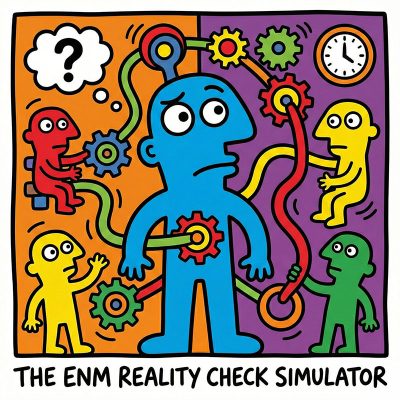
Theory is sexy. Reality is messy. You agreed you could date others, but how does your stomach drop when he takes her to your anniversary spot? Or when she comes home smelling like someone else?
This simulator drags your abstract rules into the harsh light of day. We force you to confront the visceral, gut-wrenching scenarios that actually destroy relationships, before they happen. Test your nervous system in the simulator so you don't crash the car in real life.
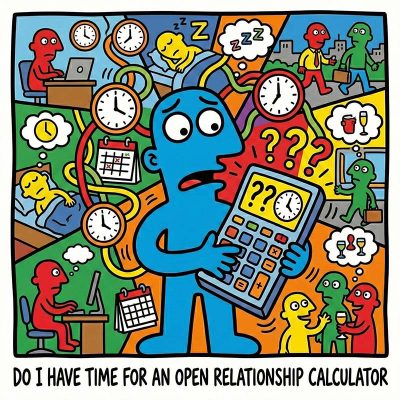
The fantasy is endless romance. The reality? It’s a logistical nightmare. Dating isn't just sex; it’s a second job of swiping, spending, and emotional processing that drains your sanity. Underestimating the "admin" of non-monogamy is the fastest way to turn your relationship into a burnout factory where resentment thrives.
This calculator forces you to confront the brutal math of your time, energy, and wallet. Can you actually afford this lifestyle, or are you just signing up for exhaustion?
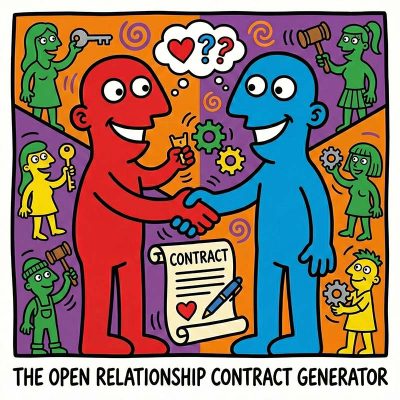
"I thought we agreed" is the sentence that destroys relationships & marriages. Relying on verbal promises when emotions run high is a gamble you cannot afford to lose. Your memory isn't just faulty; it's a liability. Ambiguity is the oxygen that jealousy breathes, turning "freedom" into a minefield of "did I mess up?"
This generator transforms vague permissions into a concrete, signed reality. Stop arguing about what you thought was said and lean on what is written. Secure your boundaries in ink, not hope.
Where judgment and stigma come from
Cultural norms and dating scripts
Most societies have a default script that involves one couple and one home and one set of expectations. When a person breaks that script by choosing an open relationship or polyamory the deviation triggers curiosity fear or judgment. Some responses come from a place of uncertainty about how to navigate something new. Others come from a belief that monogamy is the only healthy option. Either way the impact can feel personal even when the other person doesn t mean to hurt you.
Religious and moral frameworks
Religious communities often hold strong beliefs about sexuality and relationships. When someone s political or religious views come into play they may feel they must speak up. Even if a person would never choose ENM for themselves the way they frame judgments can make you feel judged in everyday conversations about dating or family life.
Media representation
Television shows movies and celebrity profiles sometimes present ENM in a sensational way or as a punch line. When people consume those messages they may carry stereotypes into real life interactions. This can create awkward moments in which people try to explain or defend a relationship that they do not fully understand.
Jealousy and insecurity
Judgment can be a mask for jealousy fear of losing control or insecurity about self worth. If you sense this underlying dynamic you can choose to respond with extra empathy and clear boundaries. A calm compassionate explanation can help diffuse a tense moment and protect the relationship dynamic you are working to build.
Common real world scenarios and how to handle them
Family gatherings with comments about your relationship
At a family dinner a relative may ask pointed questions or imply that your life choices are risky or selfish. A calm response works best. You can acknowledge a feeling without arguing a position. For example you might say I choose relationships that are honest and consensual for me and my partner. We have boundaries that protect everyone involved. If the conversation continues you can shift the topic to a shared memory or a light topic such as a recent trip or a hobby you enjoy.
Friends questioning your dating life
Friends may make jokes or pressure you to conform to a traditional dating path. A confident response can set a boundary with humor. You could say I get to decide how I relate to people and my friends. I am happy with the connections I have built and I value your support more than your opinions. If the friend pushes further you can say I am not looking to justify my choices to you right now. I want you to know I feel proud of how we care for each other.
Workplace conversations and comments
At work there are policies and professional boundaries to protect. If someone makes a claim or a joke that targets your personal life you can respond with a professional boundary. For example you could say I prefer not to discuss my personal life at work. If the conversation continues you can redirect to a project update or move to a different topic altogether. If you feel uncomfortable you can talk to a manager or HR about building a respectful environment.
Online dating and social media encounters
Online spaces can invite both curiosity and judgment. When you encounter a negative comment you can choose to respond with a short clear message or decide not to engage. You can also use privacy controls to manage who sees your profile. If someone is persistently negative you can block or mute them. Protecting your mental health matters more than defending a lifestyle you know is working well for you.
Metamour dynamics and potential conflicts
When you date someone who already has a partner you may encounter friction between partners. The key is open consent and set boundaries about communication and time. You may also decide on a routine for discussions that involve all involved parties. Regular check ins and a willingness to renegotiate boundaries when needed helps maintain harmony within the broader network.
Practical strategies to deal with judgment and stigma
Make your core values explicit
Identify what matters most to you in your relationships. Values such as honesty trust respect consent and empathy anchor conversations during tense moments. When you know your own values you can speak from a place of clarity rather than reacting from hurt or defensiveness. It also helps others see the framework behind your decisions rather than feeling attacked by them.
Educate with kindness
Share simple facts about ENM and open relationships. Use short direct explanations and avoid arguing about personal beliefs. For example you can say ENM means consenting adults set boundaries and communicate openly. It is not about ignoring commitment it is about choosing how we want to love and connect with others in an intentional way. When people ask questions invite them to learn more and offer a few resources you have found helpful.
Establish clear boundaries
Boundaries are not a prison they are a map. Decide what you want to protect and communicate it. You may set boundaries around time spent with other partners communication channels what kinds of information you share publicly and how you discuss the dynamic with family or coworkers. Boundaries empower you to keep relationships healthy while remaining true to yourself.
Choose the right moment to respond
Some comments call for a direct conversation and others call for a gentle deflection. In the moment you can acknowledge the comment and set a future time to talk. For example You deserve to hear me out but I would prefer to talk about this later when we can both focus. Setting a time and place for a calm conversation is a powerful move that often reduces escalation.
Build a support network
Having people you can trust inside and outside of your relationship is essential. This can include friends who understand ENM communities, a therapist who specializes in relationship dynamics, or support groups where you can share experiences. Social support helps you stay grounded when you are navigating tough conversations or when stigma shows up in your everyday life.
Practice compassionate responses
Practice lines you can use when faced with judgment. Short scripts give you confidence in the moment. Examples include I understand this topic is sensitive for you yet I am confident in my choices and I expect to be treated with respect. I am happy to talk about it at a time when we can be calm and respectful. I appreciate your care and I would like to keep our relationship in a good place.
Protect your privacy and emotional safety
You do not owe everyone every detail of your life. Decide what you share publicly and what you keep private. In some cases it may be wiser to keep your ENM life as a private matter with people who are close to you. Privacy helps you maintain boundaries and reduces the chance of misinterpretation or sensationalization by others.
Practice self kindness and manage internalized stigma
Open relationships can bring up insecurities and past hurt. Be gentle with yourself when emotions run high. Acknowledge the sting and then reframe your thoughts toward what you are learning. Journaling can help you process feelings and track your growth over time. Remind yourself that consent and communication serve you and your partner s happiness.
Develop scripts for common encounters
Having ready made lines can reduce nerves. Here are a few you can adapt to your voice and your situation. For family you can say I appreciate your concern. Our choices are based on honesty and care and they work for us. For colleagues you might say I keep personal life separate from work and I would prefer to stay focused on our projects. For skeptical friends you can say ENM is about consent and honest communication and it is not a free for all but a thoughtful approach to loving more people.
Assess when to step back or pause
If a relationship or a specific interaction feels unsafe or unkind it is acceptable to step back. You can take time apart from a friendship or limit the amount of personal information you share. Your well being comes first and protecting your energy is a legitimate choice when faced with persistent stigma or hostility.
Self care rituals that support resilience
Care for your emotional and mental health matters as much as any dating plan. Create small daily habits that help you stay strong and grounded. Examples include starting the day with a short intention to communicate with kindness writing a quick gratitude note about someone you care for practicing a 60 second grounding exercise if you feel overwhelmed and scheduling time with someone you trust to debrief after a tough interaction.
Consider a weekly check in with your partner where you share three wins and three challenges. This keeps you aligned and creates an ongoing space for negotiation and adjustment. If you feel burned out consider pausing an additional relationship activity for a few weeks while you recover and re balance. ENM is a marathon not a sprint and pacing yourself protects the core connection you rely on.
Practical steps you can take this week
- Write a short personal statement explaining what ENM means to you and keep it ready for tough conversations.
- Identify one person who is open minded and supportive and plan a time to talk with them about your journey.
- Create a simple boundary list and share it with your partner. Add or adjust as needed in a future check in.
- Set up a contact list for crisis support such as a therapist or a trusted friend and keep it accessible.
- Join a local or online ENM community and take part in a discussion or event to feel less isolated.
Glossary of useful terms and acronyms
- ENM Ethically non monogamous a broad term for relationship styles that involve consensual non monogamy.
- Open relationship A relationship in which partners allow dating or romantic or sexual experiences with others outside the couple.
- Polyamory The practice of having more than one loving relationship with the consent of everyone involved.
- Swinging Couples or individuals who engage in sexual experiences with others in a social or recreational context.
- Metamour The partner of your partner who is not your own partner.
- Primary relationship The main relationship in a network which may carry a different level of commitment or priority.
- Boundary A personal line that defines what is acceptable for you in a relationship.
- Consent An ongoing agreement between all involved about what is allowed and what is not allowed.
- Ethical non monogamy A term used to emphasize consent and transparency in non monogamous arrangements.
Frequently asked questions
How can I respond to judgment without getting defensive
Lead with a calm acknowledgment and a brief boundary statement. You can say I hear you and I appreciate your concern. My partner and I have a set of boundaries and clear consent that keeps everyone safe and respected. If the person continues you can steer the conversation to a more neutral topic or excuse yourself politely.
What if I fear that my family will never accept ENM
Acceptance may take time and it may not happen with everyone. Build a small circle of supportive people and decide how much you want to share with family. Focus on nurturing your own happiness and a strong relationship with the people who do support you. It is okay to protect your mental health by limiting certain conversations with relatives who are unreceptive.
Can I be open about ENM on social media
Yes if you are comfortable and if you have boundaries for privacy. Consider posting general messages about consent and respectful openness rather than sharing intimate details. If your network includes family who may be sensitive to these topics you may want to tailor what you share or set stricter privacy settings.
How do I explain ENM to kids or younger relatives
Keep explanations age appropriate and focus on values such as honesty and respect and on the idea that people can love in different healthy ways. If you feel uncertain you can point curious readers to reliable resources and avoid sharing overly graphic or personal details with minors. You can also postpone such conversations until you feel prepared to answer questions calmly.
What should I do if someone is harassing me about my ENM life
First protect your safety. If there is a threat contact authorities or seek guidance from a professional. Second set a firm boundary about acceptable behavior and ask for respectful discourse. If needed limit contact with the person or remove them from your social channels. Do not feel obligated to engage with harassment or hostility.
Is it possible to move from judgment to acceptance in time
Absolutely. Building a network of understanding people and living with consent and clear communication strengthens your ability to tolerate criticism. Change often happens slowly and small wins add up. Consistency in your boundaries and honest conversations give your relationships room to grow with less friction over time.
What if my partner faces more stigma than I do
Offer support and listening. Validate their feelings and make a plan to handle future comments together. If needed seek professional guidance or a community mentor who has experience with ENM networks. A united front can turn negative comments into opportunities for education.
How can I keep my energy up during tough conversations
Breathe slowly and pause before speaking. Use short sentences and zero in on one issue at a time. If you sense the moment escalating take a break and revisit the topic later when you feel more centered. After tough talks debrief with your partner or a trusted ally to decompress and reflect.
Dealing with judgment and stigma is a part of living openly in an ENM or open relationship dynamic. It is not a failure of your choices it is often a social reaction that says more about others than about you. By approaching conversations with clarity education and boundaries you can protect your relationship while also inviting thoughtful dialogue with the people in your life who matter. You deserve to love openly and to be treated with respect. With time you will likely see a shift in how your network responds and a stronger sense of confidence in how you navigate your own path.
Checklist for dealing with judgment in the moment
- Identify your boundary for the conversation and communicate it calmly.
- Offer a concise explanation that emphasizes consent and care.
- Redirect to a neutral topic if the discussion becomes hostile.
- Seek support from a trusted ally or partner after the encounter.
- Follow up with a private message to reinforce your boundary without escalating the situation.
Record of terms and acronyms used in this guide
- ENM Ethically non monogamous
- Open relationship A relationship structure that allows dating or romantic activity outside the couple
- Polyamory The practice of forming multiple loving connections with the consent of everyone involved
- Swinging A form of non monogamy involving sexual experiences with other couples or individuals
- Metamour The partner of your partner
- Boundary A line you set about what you will do and what you will not
- Consent Ongoing mutual agreement about what is okay in a relationship
- Primary relationship The main relationship in a network
The freedom of an open relationship sounds incredible, but the logistics can feel like holding a grenade. That spinning "what if" anxiety isn't paranoia, it’s your survival instinct warning you that your bond is exposed. "Just seeing what happens" is the fastest way to turn a fantasy into a breakup.
The Essential Guide replaces chaos with discipline. We give you the blueprints, jealousy protocols, and repair scripts needed to explore the edge without falling off. Don't guess. Secure your foundation first.
The world of non-monogamy is a maze of confusing labels. Trying to be "Polyamorous" when your heart actually needs "Swinging" isn't just a vocabulary error; it’s a recipe for misery.
You can't build a stable home on a foundation that doesn't fit your psychology. This tool analyzes your emotional bandwidth and jealousy triggers to design the exact structure you need. Stop trying to squeeze into a box that doesn't fit. Build a relationship that actually feels like home.
Opening up feels exciting, but if you aren't reading from the same script, you're writing a tragedy. The disconnect between "I want freedom" and "I want safety" is where hearts break. This isn't just a quiz; it’s a synchronization engine.
We identify the silent gaps in your desires—from sleepover rules to emotional bandwidth, before they become unbridgeable chasms. Don't wait until the damage is done to find out you were never on the same page. Align your compasses now.
Theory is sexy. Reality is messy. You agreed you could date others, but how does your stomach drop when he takes her to your anniversary spot? Or when she comes home smelling like someone else?
This simulator drags your abstract rules into the harsh light of day. We force you to confront the visceral, gut-wrenching scenarios that actually destroy relationships, before they happen. Test your nervous system in the simulator so you don't crash the car in real life.
The fantasy is endless romance. The reality? It’s a logistical nightmare. Dating isn't just sex; it’s a second job of swiping, spending, and emotional processing that drains your sanity. Underestimating the "admin" of non-monogamy is the fastest way to turn your relationship into a burnout factory where resentment thrives.
This calculator forces you to confront the brutal math of your time, energy, and wallet. Can you actually afford this lifestyle, or are you just signing up for exhaustion?
"I thought we agreed" is the sentence that destroys relationships & marriages. Relying on verbal promises when emotions run high is a gamble you cannot afford to lose. Your memory isn't just faulty; it's a liability. Ambiguity is the oxygen that jealousy breathes, turning "freedom" into a minefield of "did I mess up?"
This generator transforms vague permissions into a concrete, signed reality. Stop arguing about what you thought was said and lean on what is written. Secure your boundaries in ink, not hope.
