
Defining Your Version of an Open Relationship

Open relationships are not a one size fits all situation. They are living agreements that grow with you and your partners. This guide is about defining your own version of an open relationship in a way that feels honest, practical, and fun rather than tense and confusing. We will break down terms, explore models, and give you concrete steps to design a setup that works for you. If you are new to ethical non monogamy or you have been trying to navigate it for a while this article will give you a clear path forward. Think of this as a friendly roadmap from a curious experimental friend who knows that good communication is the secret sauce.
Quick Links to Useful Sections
- What this guide covers
- Understanding the open relationship model
- Different models you might explore
- Key terms and acronyms you will see
- Are you the right person for an open relationship
- Defining your own version step by step
- Step 1: Clarify your core values and non negotiables
- Step 2: Identify your boundaries and where you are flexible
- Step 3: Decide on your model and level of openness
- Step 4: Create a practical agreement that includes consent and renegotiation rules
- Step 5: Design a communication plan that fits your style
- Step 6: Consider safety and health practices
- Step 7: Plan for emotional work and jealousy management
- Step 8: Create a realistic time management plan
- Communication that builds a resilient dynamic
- Realistic scenarios and how to handle them
- Scenario A: You want emotional connection with others but your partner is content with a primary bond
- Scenario B: Time management becomes a problem as you date others
- Scenario C: Jealousy arises and you feel overwhelmed
- Scenario D: You are entering a new outside connection and you want to maintain emotional safety for your partner
- Common pitfalls and how to avoid them
- Practical tools to support your journey
- Case studies in open relationship design
- Case study 1: A couple building a primary bond with a flexible outside connection
- Case study 2: A non hierarchical ENM network with a supportive community mindset
- Case study 3: Moving from monogamy to a controlled open structure
- Glossary of useful terms and acronyms
- Frequently asked questions
- Putting it all together
- Checklist for getting started
Before we dive in a quick note on terms. ENM stands for Ethical Non Monogamy. This is the umbrella term for relationships where people choose to have multiple intimate or sexual connections with the knowledge and consent of everyone involved. Open relationship is a common ENM model where partners allow each other to have outside connections while maintaining a primary bond. Polyamory is another ENM style that emphasizes multiple emotionally meaningful relationships. They are not interchangeable labels but they share a common goal which is honest consent and clear communication. We will explain acronyms and terms as they come up so you can follow along without needing a glossary in your head at the same time.
What this guide covers
- What an open relationship means in real life and how it can look in different households
- Common models you might consider and how to choose among them
- Key terms and acronyms with plain language explanations
- How to decide if this approach fits your values and desires
- A practical process for defining your own version with boundaries and agreements
- Real world scenarios and practical tips for negotiation and communication
- Common pitfalls and how to avoid them
- Tools you can use to support your open relationship journey
Understanding the open relationship model
An open relationship is an arrangement where partners consent to outside connections while maintaining a primary bond. The specifics vary widely from couple to couple. Some people keep a high level of separation between relationships while others pursue complex networks of relationships with different levels of emotional closeness. The important part is consent and clear communication about what is allowed and what is not.
One helpful way to think about this is to separate three layers. The first layer is the core relationship which includes commitments like trust, honesty, and emotional safety. The second layer is what you allow in terms of dating and sexual activity with others. The third layer is how you handle time management and emotional energy so that both partners feel seen and valued. You can adjust all three layers as you learn what works for you. The goal is not to abandon the core relationship but to strengthen it through open and ongoing dialogue.
Different models you might explore
Open relationships come in many flavors. Here are a few models you might encounter as you explore your options. Remember that your version can borrow ideas from several models and mix them in a way that feels right for you and your partners.
- Non hierarchical ENM There is no explicit primary or secondary relationship. all connections are considered equal in importance. Time and energy are negotiated without ranking the bonds.
- Hierarchical ENM One or more partners have a primary relationship that takes priority in scheduling and decision making. Other connections exist but are kept separate from the primary bond in terms of decisions and life planning.
- Kitchen table open relationship Everyone meets and interacts in a shared social space. The idea is to create a sense of community among partners rather than keeping connections strictly separate.
- Monogamish or semi open A mostly monogamous setup with a few defined exceptions. This model is popular for people who want strong couple bonding with carefully controlled outside connections.
- Serial monogamy with outside connections People in a long term relationship may date others in a structured way but keep a primary focus on the main partnership at specific times or life stages.
As you read these, notice that there is no universal blueprint. The definition that matters is the one you and your partners create together. This is a collaborative process that requires clear negotiation and ongoing re assessment.
The freedom of an open relationship sounds incredible, but the logistics can feel like holding a grenade. That spinning "what if" anxiety isn't paranoia, it’s your survival instinct warning you that your bond is exposed. "Just seeing what happens" is the fastest way to turn a fantasy into a breakup.
The Essential Guide replaces chaos with discipline. We give you the blueprints, jealousy protocols, and repair scripts needed to explore the edge without falling off. Don't guess. Secure your foundation first.
The world of non-monogamy is a maze of confusing labels. Trying to be "Polyamorous" when your heart actually needs "Swinging" isn't just a vocabulary error; it’s a recipe for misery.
You can't build a stable home on a foundation that doesn't fit your psychology. This tool analyzes your emotional bandwidth and jealousy triggers to design the exact structure you need. Stop trying to squeeze into a box that doesn't fit. Build a relationship that actually feels like home.
Opening up feels exciting, but if you aren't reading from the same script, you're writing a tragedy. The disconnect between "I want freedom" and "I want safety" is where hearts break. This isn't just a quiz; it’s a synchronization engine.
We identify the silent gaps in your desires—from sleepover rules to emotional bandwidth, before they become unbridgeable chasms. Don't wait until the damage is done to find out you were never on the same page. Align your compasses now.
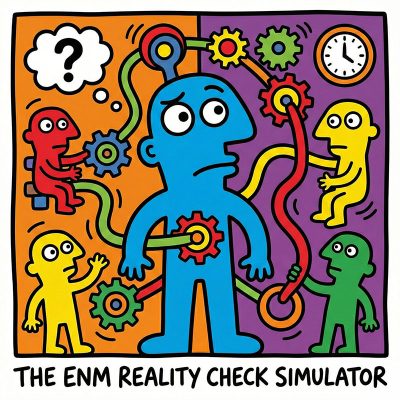
Theory is sexy. Reality is messy. You agreed you could date others, but how does your stomach drop when he takes her to your anniversary spot? Or when she comes home smelling like someone else?
This simulator drags your abstract rules into the harsh light of day. We force you to confront the visceral, gut-wrenching scenarios that actually destroy relationships, before they happen. Test your nervous system in the simulator so you don't crash the car in real life.
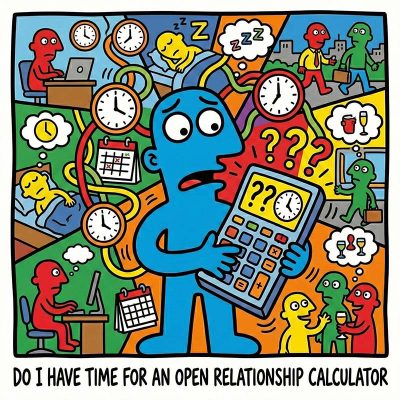
The fantasy is endless romance. The reality? It’s a logistical nightmare. Dating isn't just sex; it’s a second job of swiping, spending, and emotional processing that drains your sanity. Underestimating the "admin" of non-monogamy is the fastest way to turn your relationship into a burnout factory where resentment thrives.
This calculator forces you to confront the brutal math of your time, energy, and wallet. Can you actually afford this lifestyle, or are you just signing up for exhaustion?
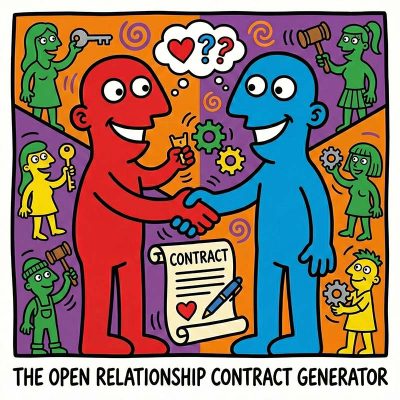
"I thought we agreed" is the sentence that destroys relationships & marriages. Relying on verbal promises when emotions run high is a gamble you cannot afford to lose. Your memory isn't just faulty; it's a liability. Ambiguity is the oxygen that jealousy breathes, turning "freedom" into a minefield of "did I mess up?"
This generator transforms vague permissions into a concrete, signed reality. Stop arguing about what you thought was said and lean on what is written. Secure your boundaries in ink, not hope.
Key terms and acronyms you will see
Clarifying terms helps to reduce miscommunication. Here are some you will likely encounter along the way. We explain them in plain language so you can use them with confidence.
- Ethical Non Monogamy An umbrella term for relationships where more than two people are involved with the consent of everyone affected.
- Open relationship A relationship in which partners allow outside connections while maintaining a primary bond.
- Polyamory The practice of having multiple loving and emotional relationships at the same time with all partners aware.
- Jealousy An emotion that can show up when a person feels threatened or insecure about a relationship. It is normal and manageable with good communication and support.
- Compersion A positive feeling experienced when your partner enjoys a connection with someone else. It is the opposite of jealousy and a sign of healthy emotional work.
- Meta A term used to refer to a partner of a partner in polyamory. The meta is a person who shares a partner and can be a friend or ally in the process.
- Boundary A clear line that defines what is acceptable and what is not in terms of behavior, safety, and feelings.
- Agreement A documented understanding about how relationships will operate. Agreements can be informal or formal and they can be revised as needed.
- Consent A voluntary and informed agreement to participate in an activity. Consent must be enthusiastic and can be withdrawn at any time.
- Ethical Acting with honesty and respect for all people involved. Ethical behavior is central to ENM and open relationships.
- Boundaries vs rules Boundaries describe what you personally need to feel safe. Rules are shared norms created with your partners that govern behavior.
Are you the right person for an open relationship
Open relationships can be deeply rewarding but they are not for everyone. The first step is to check in with your own values and desires. Ask yourself these questions. Do I want emotional intimacy with more than one person? Am I willing to communicate openly about needs, boundaries, and changes in feelings? Do I feel secure in my self esteem and capable of handling jealousy in a constructive way? If the answer to these questions is yes then an open relationship could be a good fit for you. If you find yourself avoiding disclosure or fearing vulnerability this might be a signal to slow down or to explore different forms of non monogamy that feel safer to you.
It is normal to feel uncertain at first. The first conversations can feel awkward. The important thing is to begin with honesty about your desires and your fears. You are allowed to take your time and to set a pace that respects your comfort level and that of your partner. This process should feel empowering rather than forced. Remember that the aim is a healthier more authentic version of your relationship not a dramatic experiment that creates harm or stress.
Defining your own version step by step
One of the best ways to approach this is to treat the process like building a custom car. You choose the engine you want the body style that suits you the most the features you actually need and a maintenance plan so it runs smoothly. The same idea applies to your open relationship. Here is a practical step by step approach.
Step 1: Clarify your core values and non negotiables
Make a list of values that you want your relationships to honor. You might list honesty trust kindness autonomy safety and respect. Include a section for non negotiables. These are things you cannot compromise on such as explicit consent before any sexual activity with a new partner clear agreements about time management or the need for ongoing communication. The more precise you are the easier it will be to negotiate with other people and to maintain a stable dynamic over time.
Step 2: Identify your boundaries and where you are flexible
Boundaries tell you what you will not tolerate and what you expect from others. Some people have strict time boundaries while others are flexible on occasional changes. Boundaries may include emotional boundaries such as not sharing intimate details with others or sexual boundaries such as categories of activities you do not want to engage in outside the primary bond. It is perfectly fine to adjust these boundaries as you learn what works. The key is to be explicit about your current stance and to revisit it regularly with your partners.
Step 3: Decide on your model and level of openness
Do you want a purely casual open structure or a more emotionally connected polyamorous arrangement? Do you want a primary bond with outside connections or an egalitarian approach where every relationship is equally important? Your answer will shape how you talk with partners about time energy and emotional priorities. Give yourself permission to experiment with different models before settling on a preferred configuration.
Step 4: Create a practical agreement that includes consent and renegotiation rules
Draft an agreement that covers communication check ins sexual boundaries safety agreements and consent processes. Include a plan for renegotiation. Agreements should not be set in stone they are living documents you can adjust as feelings change situations evolve and lessons are learned. A robust renegotiation process reduces conflict and keeps everyone's needs in view.
Step 5: Design a communication plan that fits your style
Communication is the backbone of any ENM arrangement. Decide how you will talk about new connections what information you will share with whom and how you will handle difficult conversations. Some people prefer scheduled weekly check ins while others do best with ongoing open channels of communication. The main goal is to create a communication routine that keeps trust intact and reduces the risk of silent resentment piling up.
Step 6: Consider safety and health practices
Safety is an essential part of responsible non monogamy. This includes sexual health screenings agreed upon boundaries for safe sex practices and honest discussions about past exposures and current health status. Create a plan for how you will share information with partners while protecting privacy. Make sure all partners are comfortable with the safety measures in place.
Step 7: Plan for emotional work and jealousy management
Jealousy is a natural emotion in any relationship scenario. The goal is not to avoid jealousy but to manage it in healthy constructive ways. This often involves acknowledging the feeling naming the trigger exploring its underlying cause and developing strategies to cope. Practices such as compersion celebrating your partner s happiness with someone else and having reliable support networks can help you process jealousy in a healthy way.
Step 8: Create a realistic time management plan
Time is a finite resource and in open relationships the demand on time can feel intense. You should discuss how you allocate evenings weekends days off and vacations. Make room for the priorities you both share and for the outside connections you want to cultivate. A practical schedule reduces friction and helps everyone feel valued.
Communication that builds a resilient dynamic
Clear compassionate communication is the workhorse of any successful ENM arrangement. It helps you articulate needs without blaming others and it supports your partners in understanding your perspective even when they do not fully share it. Here are some practical communication strategies you can start using today.
- Use specific language Instead of vague statements try to name the behavior that is affecting you. For example say I feel neglected when we do not spend together time this week rather than you never make time for me.
- Practice reflective listening After your partner speaks paraphrase what you heard to confirm understanding. This reduces misinterpretations and shows you are really listening.
- Schedule regular check ins Short recurring conversations can prevent issues from building up. Treat them as a priority and protect the time.
- Discuss difficult topics with care If the topic is painful or triggering approach it with warmth and a focus on solutions rather than blame.
- Keep a jealousy plan handy Have a plan for when jealousy comes up. This can include taking a break together with your partner or reaching out to a trusted friend for support.
Realistic scenarios and how to handle them
Let us walk through a few common situations so you can see how your own version could work in practice. These are not universal prescriptions. They are starting points you can adapt to your own dynamics.
Scenario A: You want emotional connection with others but your partner is content with a primary bond
In this scenario you and your partner may agree to a structure where outside connections are allowed but emotional closeness is limited with certain people. You might set boundaries around how often you will see someone outside the primary relationship and what topics you will discuss with your partner about those connections. You may also decide to under know who you see and keep some details private to avoid causing insecurity. The key is ongoing transparent communication and a well defined renegotiation plan as feelings change.
Scenario B: Time management becomes a problem as you date others
Time can become a pressure point. If you find yourself stretched thin schedule a dedicated time to reassess. Decide how to distribute weekends dates with your primary partner and dates with others. Consider using a shared calendar or a simple weekly plan that shows when each person has priority. Being organized about time reduces stress and keeps relationships healthy.
Scenario C: Jealousy arises and you feel overwhelmed
Jealousy is a signal to pause and check in. Use your agreed plan for handling jealousy such as taking a moment to write down your feelings then bringing them to a calm conversation. Compersion can be cultivated by acknowledging your partner s joy and expressing appreciation for their honesty and openness. If jealousy becomes a frequent issue you may need to revisit boundaries or consider a slower pace or a different model that feels safer for you.
Scenario D: You are entering a new outside connection and you want to maintain emotional safety for your partner
Share information about the new connection gradually and with consent. Some people prefer to introduce new partners to friends and family gradually while others keep a personal boundary for private relationships. The goal is to preserve trust and emotional safety by being transparent about intentions and by honoring boundaries that you and your partner have agreed on.
Common pitfalls and how to avoid them
- Assuming consent exists Only consent at the moment of agreement is valid. Always seek ongoing consent as circumstances change.
- Ignoring boundaries When boundaries are not respected stress and resentment build up quickly.
- Withholding information Secrets erode trust. Share essential information in a timely and respectful way.
- Rushing negotiations Take time to discuss deeply held needs and fears. A rushed agreement rarely lasts.
- Forgetting self care Open relationships require emotional energy. Take breaks and protect your mental health.
Practical tools to support your journey
- Journaling Keep a relationship journal to track what works and what feels off. This helps with clarity during renegotiations.
- Templates for agreements Use simple templates to document boundaries and consent. You can revise them later as needed.
- Health and safety routines Schedule regular health checks and clear guidelines about safe sex practices and disclosures.
- Communication rituals Establish rituals such as morning check ins or weekly debriefs to stay connected.
Case studies in open relationship design
These are fictional but grounded in common experiences. They illustrate how people shape their own version of an open relationship and adapt as needs evolve.
Case study 1: A couple building a primary bond with a flexible outside connection
Alex and Sam have been together for five years. They decided to maintain a strong primary bond while allowing outside connections with clear boundaries. They schedule a weekly check in and agree that any sexual activity with others will be discussed with each other before it happens. They defined a boundary around emotional intimacy with others focusing on casual dating rather than pursuing long term commitments outside the home. They keep a shared calendar to ensure date nights with each other and allocate time for outside connections on weekends. They also agree to revisit the agreements every three months to see what is working and what is not. The result is a relationship that feels dynamic yet secure because both partners have input and control over how the arrangement evolves.
Case study 2: A non hierarchical ENM network with a supportive community mindset
Priya and Omar are exploring a non hierarchical ENM. They both have relationships with others but no one person is the priority of both. They practice transparent communication about what they want and who they are dating. They host a monthly gather where all partners can meet in a relaxed social setting. Knowing the other partners helps reduce friction and builds a sense of shared care. They also maintain space for personal privacy when requested. The emphasis is on consent respect and community support rather than competition. This setup helps Priya feel seen and valued while also allowing Omar to pursue his connections with confidence.
Case study 3: Moving from monogamy to a controlled open structure
Jon and Maya began with a traditional monogamous relationship and gradually opened up. They started with defined boundaries around sexual activity outside the relationship and kept the emotional focus on each other. Over time they renegotiated to include emotional connections with one trusted partner. They found it helpful to document boundaries and to check in weekly about emotional safety and energy levels. Their approach was cautious realistic and focused on preserving trust while exploring new experiences. They discovered that patience and deliberate slow steps prevented major misunderstandings and helped them grow together.
Glossary of useful terms and acronyms
- ENM Abbreviation for Ethical Non Monogamy a framework for multiple relationships with consent.
- Open relationship A relationship where outside connections are allowed with the consent of all involved.
- Polyamory The practice of having multiple loving relationships at once with everyone's consent and knowledge.
- Jealousy An emotion that can signal a need for more information boundary adjustments or emotional work.
- Compersion A positive feeling when your partner enjoys a connection with someone else.
- Meta A partner of a partner in polyamory sometimes a friend or ally in negotiating relationships.
- Boundary A personal limit that protects your values and well being.
- Agreement A documented understanding about how relationships will operate including consent and safety practices.
- Consent An enthusiastic voluntary agreement to participate in an activity that can be withdrawn at any time.
- Primary relationship The bond that is most central in a given arrangement often involving long term commitments and shared life decisions.
- Non monogamy A broad term for relationship configurations that involve more than two people with consent.
- Hierarchical ENM An ENM structure where one relationship is given priority over others in practice and decisions.
- Non hierarchical ENM An ENM structure where no relationship is formally prioritized over others.
Frequently asked questions
Below are some common questions people have when they begin exploring their own version of an open relationship. If your question is not listed here you can drop a note in the comments or reach out for more guidance.
How do I know if an open relationship is right for me Start with your values and desires. If you value honesty clear communication and emotional resilience this approach can be a good fit. If you fear vulnerabilities or feel uncomfortable sharing intimate details with others you may want to explore other ENM structures or a more traditional arrangement before expanding further.
What is compersion and how can I cultivate it Compersion is the positive feeling you get when your partner experiences joy with someone else. It takes practice. Start by acknowledging your partner s happiness and expressing support even if you feel a twinge of envy. Over time you may find that you can feel genuine happiness for your partner s connections.
What about jealousy can it be managed Jealousy is normal and manageable with open conversation boundaries and support. A practical approach is to name the feeling describe the situation and identify small steps you can take to feel safer and more secure. If jealousy becomes persistent you may need to slow down or revisit your boundaries and agreements.
How do we begin these conversations with a partner who is not sure Lead with curiosity not accusation. Share your feelings your boundaries and your needs while inviting your partner to share theirs. Establish a time for a calm conversation and together brainstorm a few options. Remind each other that you value the relationship and want to find a path that works for both of you.
Should we tell friends and family about our ENM Only if you both want to. Many people keep ENM private especially at the early stages. It is perfectly acceptable to maintain privacy or to explain your choices to trusted friends when you feel ready.
How do we handle safety and health in an open relationship Establish shared health practices including regular testing and open discussion about sexual health. Agree on safe sex practices and how you will disclose information to new partners while respecting privacy.
Putting it all together
Defining your version of an open relationship is a collaborative journey that grows with you. It starts with honest introspection and continues through ongoing conversations with each partner. The goal is to build a setup that feels empowering rather than overwhelming. Take it one step at a time create space for renegotiation and remember that your path can change as you learn more about yourself and your relationships. There is real value in choosing a model that fits who you are while staying generous with the people you care about. If you approach this with patience humor and respect you set a foundation for relationships that feel authentic and alive.
Checklist for getting started
- Clarify your values and non negotiables
- Define your model and level of openness
- Draft a practical agreement with consent and renegotiation rules
- Establish a robust communication plan
- Plan for safety health and boundaries
- Prepare for emotional work and jealousy management
- Schedule regular check ins and renegotiation points
The freedom of an open relationship sounds incredible, but the logistics can feel like holding a grenade. That spinning "what if" anxiety isn't paranoia, it’s your survival instinct warning you that your bond is exposed. "Just seeing what happens" is the fastest way to turn a fantasy into a breakup.
The Essential Guide replaces chaos with discipline. We give you the blueprints, jealousy protocols, and repair scripts needed to explore the edge without falling off. Don't guess. Secure your foundation first.
The world of non-monogamy is a maze of confusing labels. Trying to be "Polyamorous" when your heart actually needs "Swinging" isn't just a vocabulary error; it’s a recipe for misery.
You can't build a stable home on a foundation that doesn't fit your psychology. This tool analyzes your emotional bandwidth and jealousy triggers to design the exact structure you need. Stop trying to squeeze into a box that doesn't fit. Build a relationship that actually feels like home.
Opening up feels exciting, but if you aren't reading from the same script, you're writing a tragedy. The disconnect between "I want freedom" and "I want safety" is where hearts break. This isn't just a quiz; it’s a synchronization engine.
We identify the silent gaps in your desires—from sleepover rules to emotional bandwidth, before they become unbridgeable chasms. Don't wait until the damage is done to find out you were never on the same page. Align your compasses now.
Theory is sexy. Reality is messy. You agreed you could date others, but how does your stomach drop when he takes her to your anniversary spot? Or when she comes home smelling like someone else?
This simulator drags your abstract rules into the harsh light of day. We force you to confront the visceral, gut-wrenching scenarios that actually destroy relationships, before they happen. Test your nervous system in the simulator so you don't crash the car in real life.
The fantasy is endless romance. The reality? It’s a logistical nightmare. Dating isn't just sex; it’s a second job of swiping, spending, and emotional processing that drains your sanity. Underestimating the "admin" of non-monogamy is the fastest way to turn your relationship into a burnout factory where resentment thrives.
This calculator forces you to confront the brutal math of your time, energy, and wallet. Can you actually afford this lifestyle, or are you just signing up for exhaustion?
"I thought we agreed" is the sentence that destroys relationships & marriages. Relying on verbal promises when emotions run high is a gamble you cannot afford to lose. Your memory isn't just faulty; it's a liability. Ambiguity is the oxygen that jealousy breathes, turning "freedom" into a minefield of "did I mess up?"
This generator transforms vague permissions into a concrete, signed reality. Stop arguing about what you thought was said and lean on what is written. Secure your boundaries in ink, not hope.
