
Emotional Regulation Tools for Openness

Welcome to a field guide for open minds and open hearts. If you are navigating an open relationship or any form of ethical non monogamy often called ENM you know that openness brings big feelings. The goal here is not to eliminate emotion it is to regulate it in ways that support connection and honesty. Think of this as your toolbox the place where you can grab a strategy when feelings run high or when a new dating scenario shows up at the doorstep. This guide is written in a friendly no nonsense tone and it comes with practical steps you can use today. We will explain terms and acronyms so you can move through ENM with clarity and confidence.
Quick Links to Useful Sections
- Understanding Open Relationships and ENM
- The core emotions in openness and why regulation matters
- A practical framework for regulating emotions in ENM
- Awareness awareness is the first step
- Understanding what the emotion is telling you
- Expression with care
- Action steps that align with your values
- Tools you can use right now
- Mental strategies
- Physical techniques
- Relational communication tools
- Daily routines and environment
- Real world scenarios with scripts and tools
- Scenario 1 you learn your partner is dating someone new
- Scenario 2 you feel left out when your partner spends time with a new partner
- Scenario 3 you and your partner disagree on how open you should be with others
- Scenario 4 a jealousy spike during a date
- Scenario 5 long distance ENM dynamic
- Boundaries and agreements in ENM how to regulate with care
- Common ENM boundaries you might consider
- How to renegotiate boundaries without triggering regulation meltdowns
- Self care and resilience building for ENM regulation
- When to seek professional support
- Practical toolkit quick reference
- Glossary of useful ENM terms and acronyms
- Frequently asked questions
In ENM the emphasis is on consent communication and care. Transparency is not the same as sharing every thought with everyone but it does mean regular honest conversations that leave everyone feeling seen. We will cover a wide range of tools and real world scenarios because in relationships openness is a journey not a destination. You will find strategies that apply whether you are just starting to explore non monogamy or you have been living this way for years.
Understanding Open Relationships and ENM
Open relationships is a broad umbrella term. It includes ethical non monogamy a framework where all involved people give informed consent to non monogamous arrangements. Some people use the term ENM as shorthand for this approach. Others distinguish ENM from polyamory which often implies multiple loving relationships with more than one partner. In practice ENM covers a spectrum from occasional dating to multiple ongoing relationships while keeping respect and communication at the center. We will use ENM as the umbrella term in this guide but you will see examples that mention polyamory and open relationships to reflect common language in this space.
Key terms you will want to know and what they mean in plain language
- ENM Ethical non monogamy a relationship structure where all parties agree that more than one romantic or sexual relationship is possible.
- Open relationship A relationship arrangement that allows partners to pursue relationships outside the primary partnership with consent and boundaries in place.
- Compersion The feeling of joy when a partner experiences happiness with someone else. The opposite of jealousy often described as empathy for another person s joy.
- Boundary A line drawn to protect emotional or physical safety. Boundaries specify what is allowed or not allowed in a given situation.
- Agreement A practical understanding about how relationships will work including time communication and safety norms. Agreements can be changed as life changes.
- Jealousy An emotion that arises when there is a perceived threat to a valued relationship or attachment. Jealousy is normal and manageable with the right tools.
- Regulation The process of noticing emotions controlling impulses and choosing helpful actions rather than reacting automatically.
- Disclosure Sharing important information with partners in a timely and respectful manner.
The core emotions in openness and why regulation matters
Open relationships bring a whirlwind of feelings. You might feel excited energized curious and inspired one moment and anxious or overwhelmed the next. Regulation does not mean suppressing emotion or pretending everything is fine. It means acknowledging the feeling naming it and choosing what to do next with intention. When regulation is in place you can respond with clarity rather than react from fear. That difference is what keeps trust intact and relationships healthy over time.
Common emotional patterns in ENM that regulation helps with
- Jealousy sparked by a new partner or a date with someone else
- Sadness or fear of loss when time or attention is perceived as split
- Overwhelm from managing multiple schedules and communication streams
- Insecurity about self worth and belonging within the network
- Guilt around feelings that are hard to talk about
The freedom of an open relationship sounds incredible, but the logistics can feel like holding a grenade. That spinning "what if" anxiety isn't paranoia, it’s your survival instinct warning you that your bond is exposed. "Just seeing what happens" is the fastest way to turn a fantasy into a breakup.
The Essential Guide replaces chaos with discipline. We give you the blueprints, jealousy protocols, and repair scripts needed to explore the edge without falling off. Don't guess. Secure your foundation first.

The world of non-monogamy is a maze of confusing labels. Trying to be "Polyamorous" when your heart actually needs "Swinging" isn't just a vocabulary error; it’s a recipe for misery.
You can't build a stable home on a foundation that doesn't fit your psychology. This tool analyzes your emotional bandwidth and jealousy triggers to design the exact structure you need. Stop trying to squeeze into a box that doesn't fit. Build a relationship that actually feels like home.

Opening up feels exciting, but if you aren't reading from the same script, you're writing a tragedy. The disconnect between "I want freedom" and "I want safety" is where hearts break. This isn't just a quiz; it’s a synchronization engine.
We identify the silent gaps in your desires—from sleepover rules to emotional bandwidth, before they become unbridgeable chasms. Don't wait until the damage is done to find out you were never on the same page. Align your compasses now.
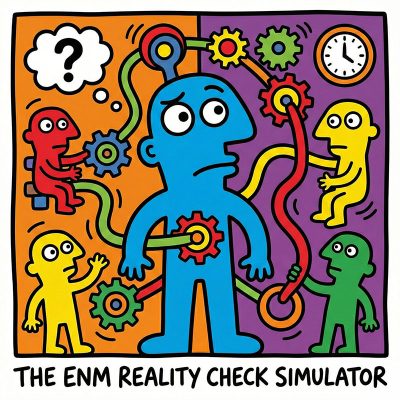
Theory is sexy. Reality is messy. You agreed you could date others, but how does your stomach drop when he takes her to your anniversary spot? Or when she comes home smelling like someone else?
This simulator drags your abstract rules into the harsh light of day. We force you to confront the visceral, gut-wrenching scenarios that actually destroy relationships, before they happen. Test your nervous system in the simulator so you don't crash the car in real life.
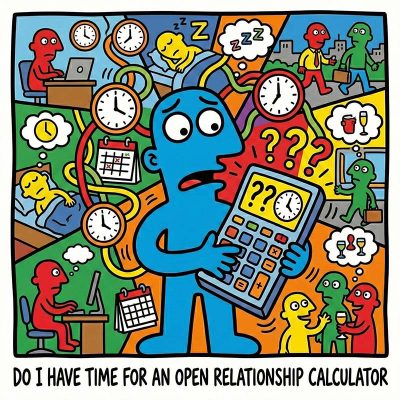
The fantasy is endless romance. The reality? It’s a logistical nightmare. Dating isn't just sex; it’s a second job of swiping, spending, and emotional processing that drains your sanity. Underestimating the "admin" of non-monogamy is the fastest way to turn your relationship into a burnout factory where resentment thrives.
This calculator forces you to confront the brutal math of your time, energy, and wallet. Can you actually afford this lifestyle, or are you just signing up for exhaustion?
"I thought we agreed" is the sentence that destroys relationships & marriages. Relying on verbal promises when emotions run high is a gamble you cannot afford to lose. Your memory isn't just faulty; it's a liability. Ambiguity is the oxygen that jealousy breathes, turning "freedom" into a minefield of "did I mess up?"
This generator transforms vague permissions into a concrete, signed reality. Stop arguing about what you thought was said and lean on what is written. Secure your boundaries in ink, not hope.
A practical framework for regulating emotions in ENM
Regulation is a habit not a one time fix. The following framework breaks regulation into actionable steps you can apply in real time and in advance. The four core pillars are awareness understanding expression and action.
Awareness awareness is the first step
Notice what you are feeling and name it without judgment. You can do this in the moment with a quick pause or in a short journaling session at the end of the day. Labeling emotion helps reduce its power and makes it easier to choose a constructive response. When you name the feeling you also create a distance that allows you to observe rather than over identify with it. Examples of emotion labels include jealousy insecurity fear excitement longing curiosity relief disappointment and relief. The goal is not to push the feeling away but to recognize it and understand what it is telling you about your needs.
Understanding what the emotion is telling you
Emotions are data not commands. They point to underlying needs and expectations. Ask yourself what need is not being met right now. Is it safety connection autonomy predictability appreciation or something else? By translating emotion into a need you gain a roadmap for your next steps. You might realize you need more regular check in times with a partner you want to renegotiate a boundary or you need more space for self care. Understanding the need behind the emotion makes it easier to make choices that honor both yourself and your relationships.
Expression with care
Once you know what you need you can express it in a way that protects the other person s capacity to listen. Use I statements and describe specific behavior rather than making global judgments. For example you might say I feel anxious when we do not talk about date plans for a week and I would like to schedule a weekly check in so we both feel connected. This approach reduces blame and increases collaboration. If you are worried about provoking a defensive reaction you can acknowledge the other person's feelings first and then share your own needs.
Action steps that align with your values
Turn feelings into concrete actions. This is where you translate awareness understanding and expression into everyday practice. Actions can include scheduling a check in calendar invites for new dates creating a shared document listing agreements and boundaries or choosing a restorative pause when emotions run high. The key is to pick actions that are feasible and that strengthen trust rather than erode it. You can always adjust as you grow and as life changes.
Tools you can use right now
Below are practical tools organized into four categories mental strategies physical techniques relational communication and daily routines. Use what resonates and mix strategies to fit your style and your partnerships.
Mental strategies
These are cognitive tools that help you reframe experiences and reduce emotional charge.
- Cognitive reframing When you catch yourself spiraling about a date listen for the thought that is fueling the emotion and reframe it into a more balanced perspective. For example replace thoughts like I cannot handle this with I am learning to navigate new territory and I have supports I can lean on.
- Emotion labeling Put a name to the feeling and state the intensity on a scale from one to ten. This simple practice reduces the intensity and creates space for choice.
- Thought diffusion Imagine the thought as a passing car or a cloud. You do not have to chase or believe it you can just notice it and let it pass by.
- Need based inquiry Ask yourself what need is driving the feeling and what would meet that need in a healthy way. This moves you from reaction to response.
Physical techniques
Body based tools help calm the nervous system and reset in the moment.
- Breath work Slow nasal breathing counting to four on inhalation and four on exhalation reduces arousal. You can do this for a minute or two before a conversation or when you notice rising tension.
- Box breathing Inhale for four counts hold for four counts exhale for four counts hold for four counts repeat several rounds. This classic technique creates calm appears professional and is easy to remember.
- Grounding 5 4 3 2 1 Name five things you can see four you can touch three you can hear two you can smell and one you can taste. Grounding brings you into the present and eases overwhelm.
- Body scan Progressively relax muscles starting at the feet and moving up to the head. Notice where you are tight and gently release tension as you breathe.
Relational communication tools
Open lines of communication are at the heart of ENM and regulation goes hand in hand with how you talk to partners.
- I statements Use language that centers your experience and avoids blaming others. For example I feel unsettled when plans change last minute and I would appreciate a heads up so I can adjust my schedule.
- Nonviolent communication basics Observe without judging express feelings use needs and make a clear request. This framework keeps conversations constructive even when topics are tough.
- Regular check ins Schedule brief conversations to align on emotions boundaries and plans. Consistency beats crisis driven talks every time.
- Boundary renegotiation When life changes such as a new partner or shifting schedules revisit boundaries and agreements with care. Boundaries are dynamic tools not fixed rules carved in stone.
Daily routines and environment
Healthy regulation is built into your everyday life. Small daily practices create resilience for bigger moments.
- Sleep hygiene Consistent sleep strengthens emotional regulation. Prioritize a wind down routine and a regular bedtime.
- Nutrition and hydration Balanced meals and regular hydration stabilize mood and energy levels which makes handling tough conversations easier.
- Movement and rest Regular physical activity reduces stress and improves mood. Short movement breaks during the day count.
- Shared planning tools Use calendars and shared notes to keep partners in the loop. Visibility reduces miscommunication and anxiety.
Real world scenarios with scripts and tools
Learning by example helps. Here are several common ENM moments and ready to adapt scripts you can tailor to your own voices and relationships. Each scenario focuses on regulating emotion while staying true to your values of consent respect and care.
Scenario 1 you learn your partner is dating someone new
Regulation goal focus on curiosity rather than fear. Before you react take a breath and name the emotion. I feel unsettled right now because I am processing the news of a new partner. My need is reassurance and time to adjust. I would like to schedule a check in where we can talk about boundaries and how we both feel about this new dynamic.
Sample dialogue you can adapt
Partner A I want you to know I am happy for you and I also feel a bit unsettled. B What would help you right now B I would like to set a weekly check in for the next month just to share feelings and adjust if needed.
Key tool used here
Naming the emotion and stating a clear request keeps the conversation constructive and reduces defensiveness. It also creates a predictable space where both partners can share without feeling attacked.
Scenario 2 you feel left out when your partner spends time with a new partner
Regulation goal highlight your needs for connection and autonomy while validating your partner s experiences. I feel lonely when I see you spending time with X and I would like to have a couple of focused evenings together this week so I can feel connected. Would you be willing to set aside two hours for us before you see X again?
Script you can practice
Person A I feel left out when you spend time with your new partner. B I hear that you want some space with your other relationships too. A I would like to protect our time together. B I can commit to two focused nights this week. A Great thank you for hearing me.
Scenario 3 you and your partner disagree on how open you should be with others
Regulation goal keep the tone collaborative not personal. I feel conflicted about the level of openness we have agreed to because I want more connection with you and I am worried about losing our intimacy. Could we revisit our agreements and see what we can adjust in a way that still respects both of our needs?
Dialogue example
Partner A I think we should slow things down. Partner B I can see you are concerned. I want to understand your exact worries and we can look at adjusting boundaries if it helps. Partner A I would appreciate a bit more predictability in scheduling and a check in after each new connection. Partner B I can work with that because I also value our closeness.
Scenario 4 a jealousy spike during a date
Regulation goal manage the spike in real time and prevent escalation. Use quick grounding breathing followed by a gentle check in with a trusted ally or partner. I am feeling a surge of jealousy right now and I need a moment to breathe. I would like to pause and talk after this date or we can do a quick message exchange to confirm we are both okay.
What to say to a partner in the moment
I care about you and I am feeling jealousy. I am not asking you to change your plans I am simply sharing how I feel so we can keep our connection strong. Would you be open to a 15 minute debrief after you return and we can talk about how we can support each other?
Scenario 5 long distance ENM dynamic
Regulation goal manage insecurities that arise from distance. It is easy for unknowns to grow into assumptions. I feel anxious about the distance and I would like us to set up weekly video dates and a shared calendar to track plans. I want to be sure we both have predictable time to connect and that we also have space for our individual lives.
Sample approach
Partner A I feel anxious about the distance. B I want us to create a more reliable routine. A Let us commit to two video dates a week and a shared calendar for events. B I can do that and I can also update you if something comes up so we stay in sync.
Boundaries and agreements in ENM how to regulate with care
Boundaries are protective and agreements are practical. In ENM a boundary stakes a claim about what is acceptable emotionally or physically. An agreement maps out how you will handle logistics safety communication and time. Boundaries and agreements should be revisited regularly as relationships evolve. The most important rule is to keep them clear shared and flexible enough to adjust as life changes. When boundaries feel restrictive or rigid regulation can become blocked. The aim is to keep room for growth and ongoing consent for everyone involved.
Common ENM boundaries you might consider
- Time boundaries such as how often outside dating happens and how much total time is allocated for outside partners.
- Communication boundaries such as how much detail is shared and how quickly you respond to messages about outside relationships.
- Physical boundary rules including safer sex practices location rules and the handling of intimate moments with others.
- Emotional boundaries such as how much emotional sharing you feel comfortable with about other relationships and whether you want your primary relationship to stay the emotional center.
How to renegotiate boundaries without triggering regulation meltdowns
Approach renegotiation as a collaborative project not a fight. Start with appreciating what is working and then name the gap. Propose a few options and invite input from all involved. Keep the conversation anchored in needs rather than accusations. Schedule a follow up to check whether the new boundaries are working and adjust if needed. This approach protects regulation by turning intensity into a shared problem solving exercise.
Self care and resilience building for ENM regulation
Self care is not a luxury it is a relational act in ENM. You cannot regulate emotions well when you are running on empty. Build routines that replenish you and support your nervous system. This includes sleep regular meals movement time for rest and creative outlets that let you process experiences outside of the partner circle.
Practical self care ideas for ENM
- Journal daily to capture what you felt what triggered it and what you learned.
- Practice a nightly reflection ritual focusing on three things you are grateful for in your relationships and one thing you want to improve.
- Develop a compassionate self talk script to remind yourself that it is normal to feel vulnerable and that your worth is not dependent on how many partners you have or what others think.
- Set boundaries around social media times especially when new partners are being discussed. This reduces rumination and keeps you centered.
- Engage in a hobby or activity that nourishes your sense of self outside of your relationship network.
When to seek professional support
Sometimes regulation tools are not enough on their own. If you notice persistent patterns of anxiety depression or intrusive thoughts that interfere with daily living and relationship safety it is time to seek support from a licensed therapist who has experience with ENM. A therapist can help you build a personalized regulation plan and work through underlying attachments that might be getting in the way of healthy connections.
Practical toolkit quick reference
- Name the emotion and the need behind it before you speak
- Use I statements and non judgmental language
- Practice box breathing or 5 4 3 2 1 grounding before important conversations
- Create a regular check in routine with your partners
- Keep a shared calendar and a simple set of agreements that you can revise together
- Advocate for space to regulate you do not have to perform in the moment
- Plan solo time for your own interests and social supports outside the primary network
Glossary of useful ENM terms and acronyms
- ENM Ethical non monogamy a framework allowing multiple relationships with consent and care.
- Compersion Feeling happiness for a partner s happiness with another person.
- Open relationship A relationship structure that allows dating or romance outside the main partnership with agreed rules.
- Boundary A limit that protects emotional safety and comfort in a given situation.
- Agreement A practical plan covering how partners will interact with others including time safety and communication norms.
- Primary partner The person designated as the central relationship in a given setup.
- Jealousy An emotion triggered by perceived threat to a valued relationship. It can be managed with practice and care.
- Disclosure Sharing important information with partners to maintain trust and transparency.
Frequently asked questions
The freedom of an open relationship sounds incredible, but the logistics can feel like holding a grenade. That spinning "what if" anxiety isn't paranoia, it’s your survival instinct warning you that your bond is exposed. "Just seeing what happens" is the fastest way to turn a fantasy into a breakup.
The Essential Guide replaces chaos with discipline. We give you the blueprints, jealousy protocols, and repair scripts needed to explore the edge without falling off. Don't guess. Secure your foundation first.
The world of non-monogamy is a maze of confusing labels. Trying to be "Polyamorous" when your heart actually needs "Swinging" isn't just a vocabulary error; it’s a recipe for misery.
You can't build a stable home on a foundation that doesn't fit your psychology. This tool analyzes your emotional bandwidth and jealousy triggers to design the exact structure you need. Stop trying to squeeze into a box that doesn't fit. Build a relationship that actually feels like home.
Opening up feels exciting, but if you aren't reading from the same script, you're writing a tragedy. The disconnect between "I want freedom" and "I want safety" is where hearts break. This isn't just a quiz; it’s a synchronization engine.
We identify the silent gaps in your desires—from sleepover rules to emotional bandwidth, before they become unbridgeable chasms. Don't wait until the damage is done to find out you were never on the same page. Align your compasses now.
Theory is sexy. Reality is messy. You agreed you could date others, but how does your stomach drop when he takes her to your anniversary spot? Or when she comes home smelling like someone else?
This simulator drags your abstract rules into the harsh light of day. We force you to confront the visceral, gut-wrenching scenarios that actually destroy relationships, before they happen. Test your nervous system in the simulator so you don't crash the car in real life.
The fantasy is endless romance. The reality? It’s a logistical nightmare. Dating isn't just sex; it’s a second job of swiping, spending, and emotional processing that drains your sanity. Underestimating the "admin" of non-monogamy is the fastest way to turn your relationship into a burnout factory where resentment thrives.
This calculator forces you to confront the brutal math of your time, energy, and wallet. Can you actually afford this lifestyle, or are you just signing up for exhaustion?
"I thought we agreed" is the sentence that destroys relationships & marriages. Relying on verbal promises when emotions run high is a gamble you cannot afford to lose. Your memory isn't just faulty; it's a liability. Ambiguity is the oxygen that jealousy breathes, turning "freedom" into a minefield of "did I mess up?"
This generator transforms vague permissions into a concrete, signed reality. Stop arguing about what you thought was said and lean on what is written. Secure your boundaries in ink, not hope.
